
Multi-Site Roof Programs in Bozeman, MT
Multi-Site Roof Programs in Bozeman and the Gallatin Valley
Consider a regional owner with a grocery store on one end of the valley, a clinic in town, a school annex near Belgrade and a lodge building up at Big Sky. Four buildings, four roofs, four sets of weather. The snow load at the lodge is nothing like the load at the clinic. The grocery has rooftop refrigeration. The school has a summer window and nothing else. Each building calls a different roofer when something leaks, and nobody holds the whole picture. Who looks after all of them, and on what calendar?
A program answers that with one walk schedule, one standard and one set of records.
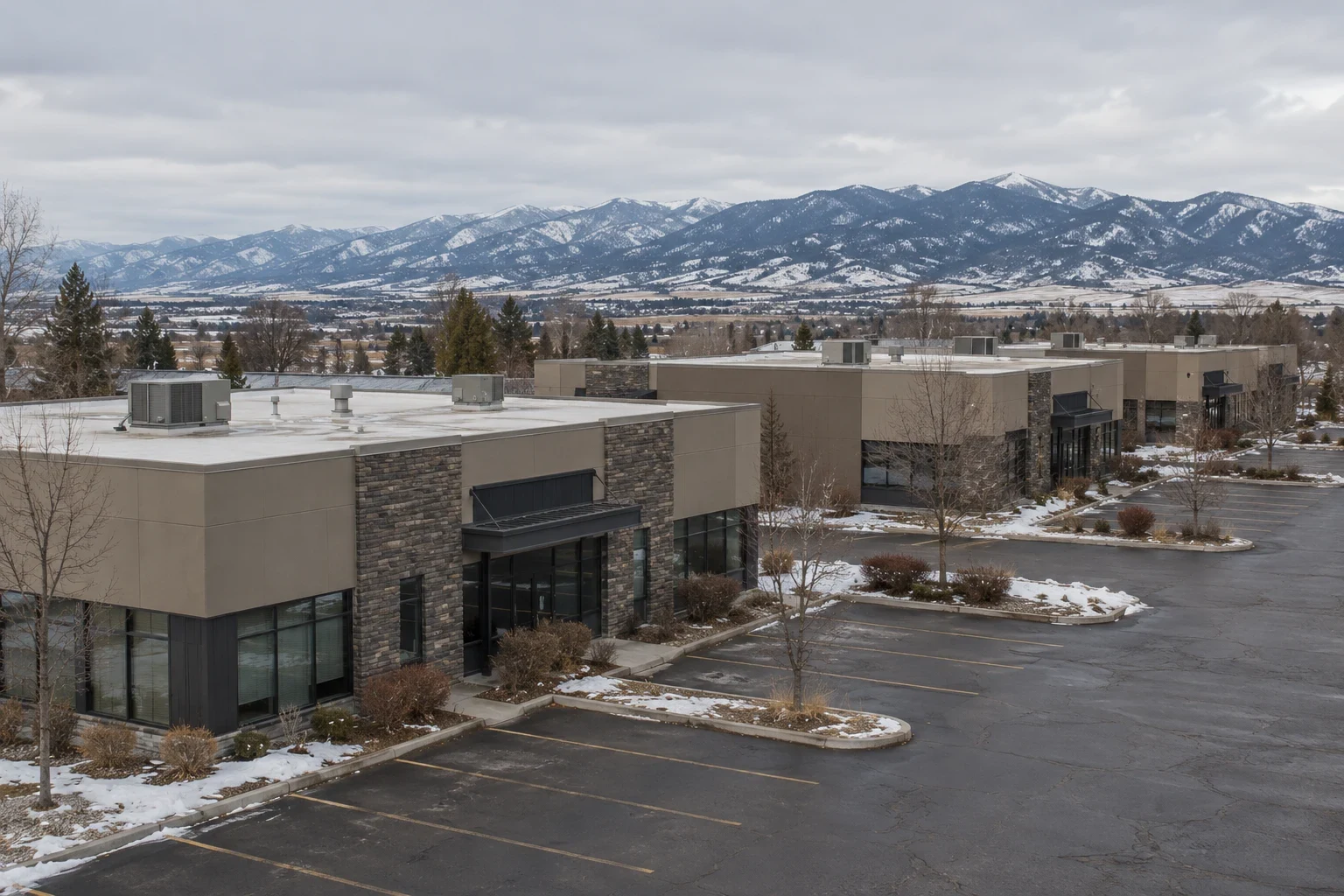
What is a multi-site roof program?
It is a standing arrangement to look after every roof an owner holds, using the same method on all of them. We walk each building on a fixed calendar, record its condition in the same format, make small repairs on the spot and bring larger work to the owner as a ranked list. The owner has one contact, one report style and one place to look for the history of any building.
The program does not mean doing everything on one visit. It means common rules for how a seam gets repaired, how a drain is cleared, how a leak is reported and how a repair is photographed, so the work looks the same whether the building is in Bozeman or in Three Forks. That consistency is what lets an owner compare roofs against each other.
Each building also gets a short standing instruction sheet: where the roof hatch is, which drain clears first, which unit needs a walkway pad, and whom to call at the property when access is needed. A new crew member can pick it up and know the roof before climbing.
How does geography shape the schedule?
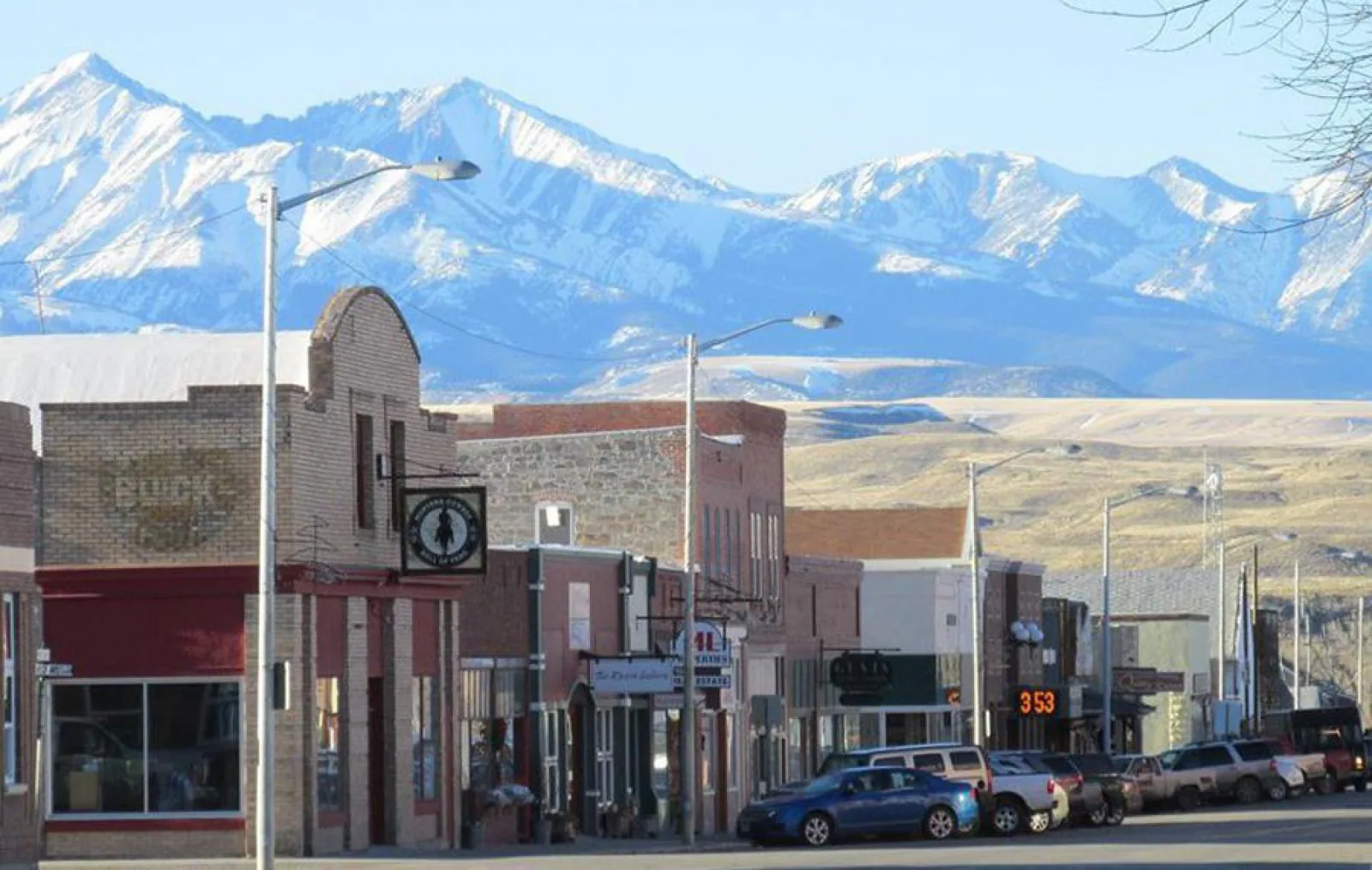
Heavily, because the valley is long and its weather varies. Big Sky is about 45 miles by road from Bozeman and averages about 162.7 inches of snow a year, against about 91 in Bozeman. Livingston, over Bozeman Pass, averages about 56 inches and some of the strongest airport winds in the country. Three Forks sits about 30 miles west of Bozeman at 4,072 feet, and Belgrade lies right beside the airport on I-90. A route that makes sense on a map still has to respect when the snow closes a road or when a building is buried.
We group visits by area and by season. Mountain buildings get their fall walk early, before snow arrives for good, and their spring walk after the melt, which comes later than in the valley. Valley buildings can be visited more flexibly, with a post-storm sweep after any hail or wind event.
What kinds of owners use a program?
Ones with variety and spread. A property management company with offices, retail and apartments. A health system with clinics in several towns, where Bozeman Health is among the largest employers in the city. A school district with buildings across more than one community, where Springhill falls inside the Belgrade school districts and Gallatin River Ranch inside the Manhattan districts. A retailer with stores along North 19th Avenue and elsewhere. A public agency with fire stations, libraries and maintenance yards. Each of them has roofs of different ages that all need to be on the same calendar.
If your holdings are mixed, we also match the response to the use. Clinics and schools get walked first after a storm, retail next, storage last. Property managers and school facilities staff may set those priorities differently, and we work with property management companies and school districts on their own terms.
How does emergency response work across sites?
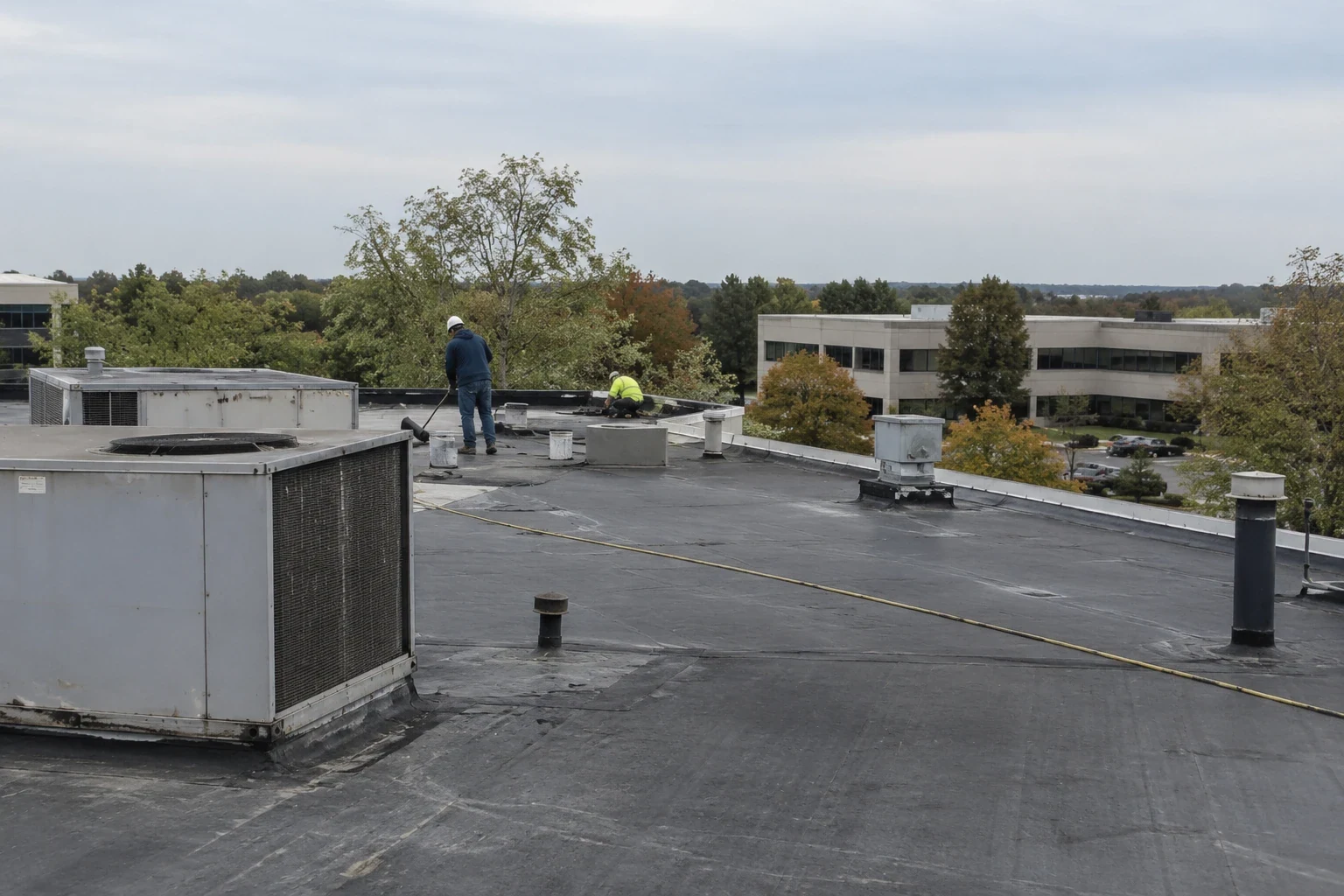
With one call number and a known list of roofs. We know the buildings in the program, their access points, their systems and their repair history, so when a leak is reported at one of them, the crew arrives with the right material and a map of the roof. Emergency response runs around the clock, holidays included, and a program owner does not spend the first hour explaining the building to a new contractor. Our emergency roof repair service uses the program record as its starting point.
After a storm, we sweep the program buildings in priority order and send the owner a one-page status for each: no damage found, minor damage repaired, or major damage needing a scope. That keeps the owner informed without a flood of calls.
How does a program help the budget?
It levels spending. With every roof on one record, we can see which ones will need replacement in the next few years and stagger them so the budget does not take five at once. Small repairs get done before they grow, which lowers the odds of an emergency bill. A single contractor's pricing also reduces the time spent collecting bids for routine work. The planning side is covered by roof capital planning and the record side by roof asset management.
How does a program begin?
With a baseline walk of every building. We photograph, rate and map each roof, flag urgent items and set the walk calendar. The first year costs more attention than later ones, since we are building the record from nothing. By the second year, the program mostly confirms what we already know and spots what changed.
Owners can start with their five most important buildings and add the rest later. A smaller start still gives the owner a working model, and the rest of the portfolio can be brought in as budget and schedule allow.
Once the baseline is done, the calendar settles into a rhythm: a fall walk before the first heavy snow, a spring walk after the melt, a sweep after any storm that crosses the valley, and a quarterly look at the buildings whose roofs are closest to replacement. Owners get a short written summary after each round, and the record keeps the dates so the program itself can be audited.
Questions About Multi-Site Roof Programs
Do we have to move all our buildings to you at once?
No. Many owners begin with the buildings that worry them most, whether because of age, a leak history or the importance of what is below. We build the format and the calendar on those, then fold the other buildings in as the owner is ready. The program works at any size.
What if some of our buildings are under manufacturer warranty?
We read each warranty and set the walk schedule and repair methods to match its terms. A program that ignores warranty conditions can void them, so those buildings get a warranty note in the record, and anything that must go through the original installer is flagged and routed to the owner.
Can the program cover buildings we lease, not own?
Yes, if the lease puts the roof under your responsibility or if you want a record for a negotiation with the landlord. We tag leased buildings in the record and report the findings in a form that can be shared with the landlord without exposing your other properties.
How do you report on a portfolio with dozens of roofs?
With a short summary on top and a page for each building beneath it. The summary ranks roofs by urgency and shows what changed since the last visit. The owner can read the summary in a few minutes and open any building page for the photographs and repair log.
Does a mountain building need different handling than a valley building?
Yes. Buildings at Big Sky Town Center, Meadow Village and Mountain Village face a much heavier snow season, so their visits come earlier in the fall and later in the spring, and their inspection checklist adds snow retention, eave ice and drift loading. We record the difference so it carries into the budget.