
Commercial roofing across Bozeman, MT and the valley: city corridors, Belgrade business parks, the airport area, Livingston, Big Sky and Bridger Canyon.
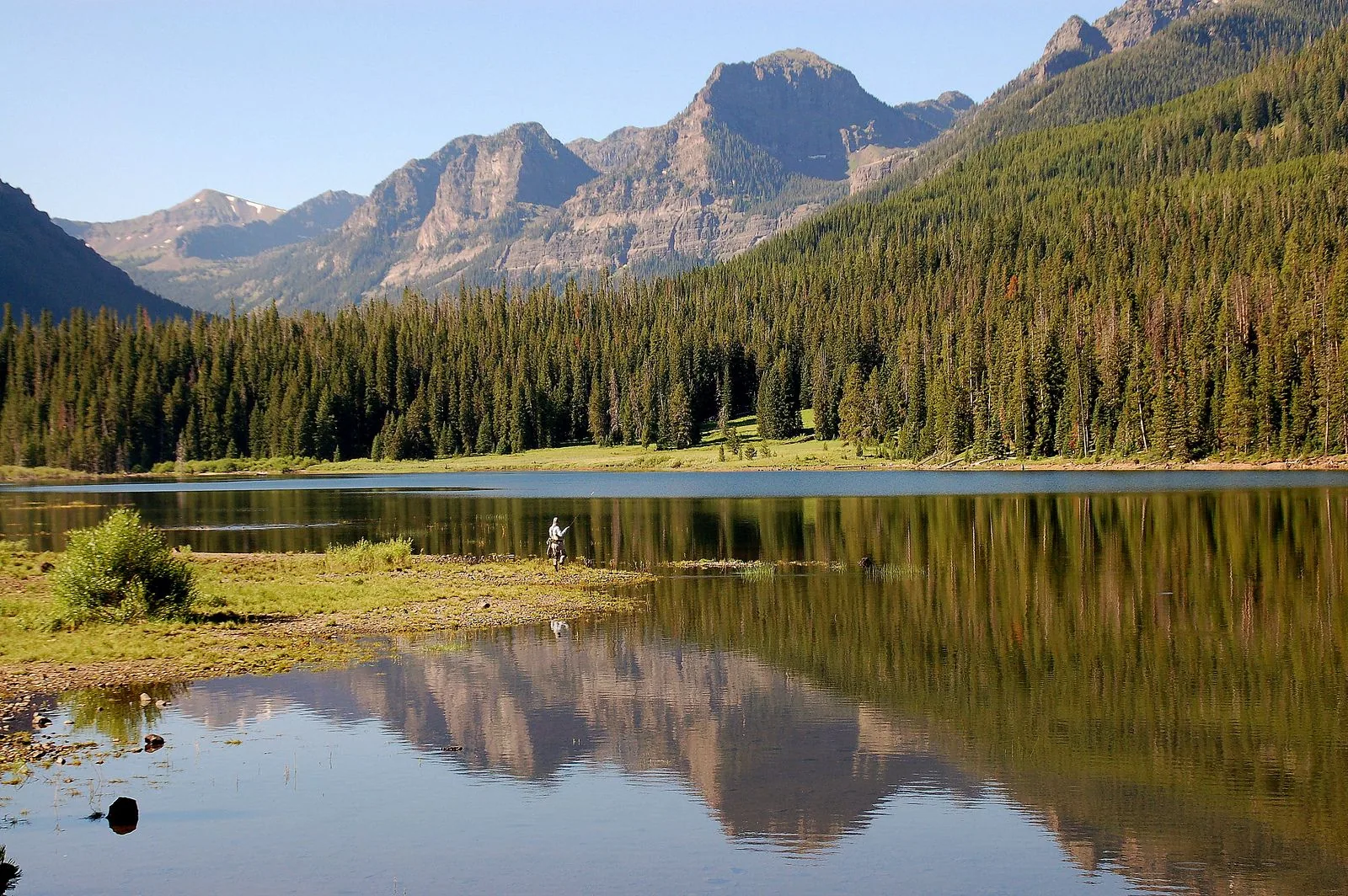
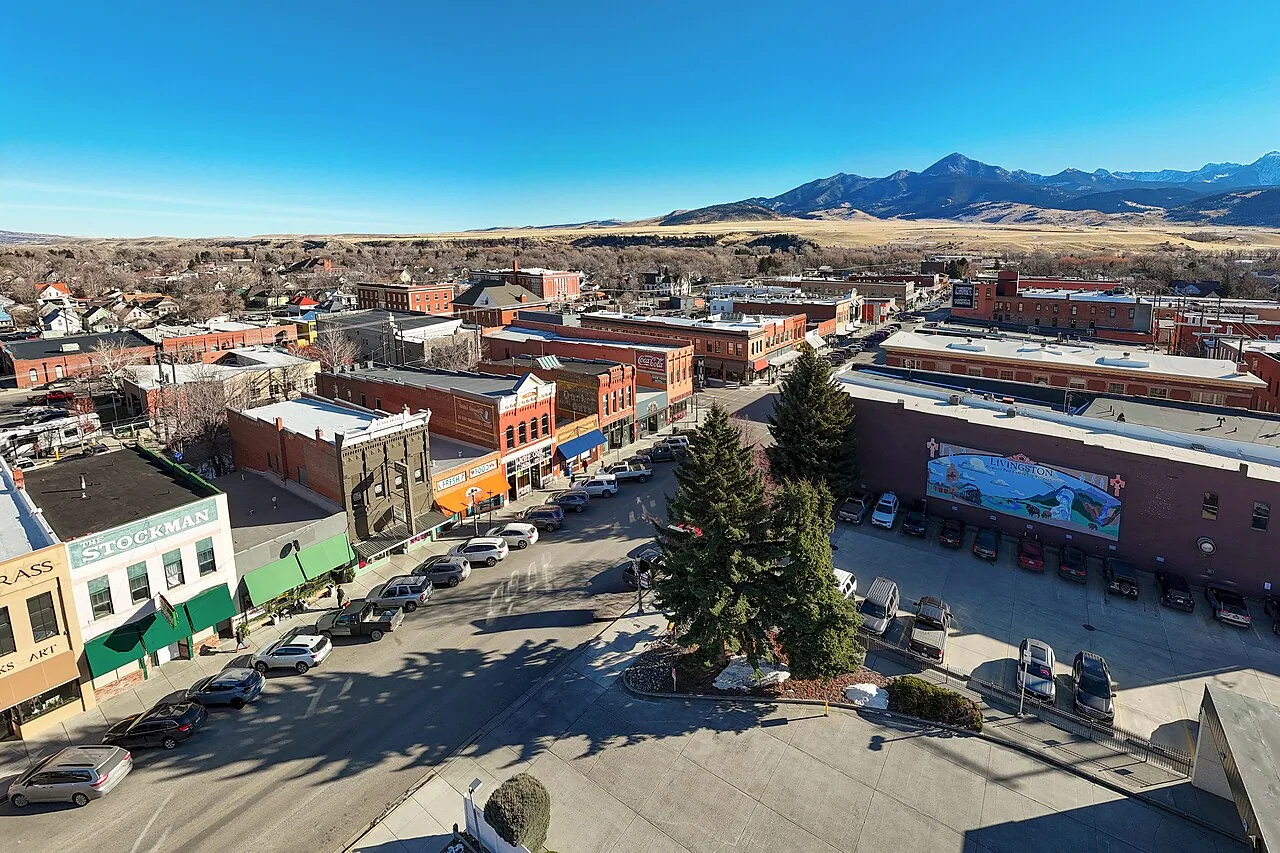
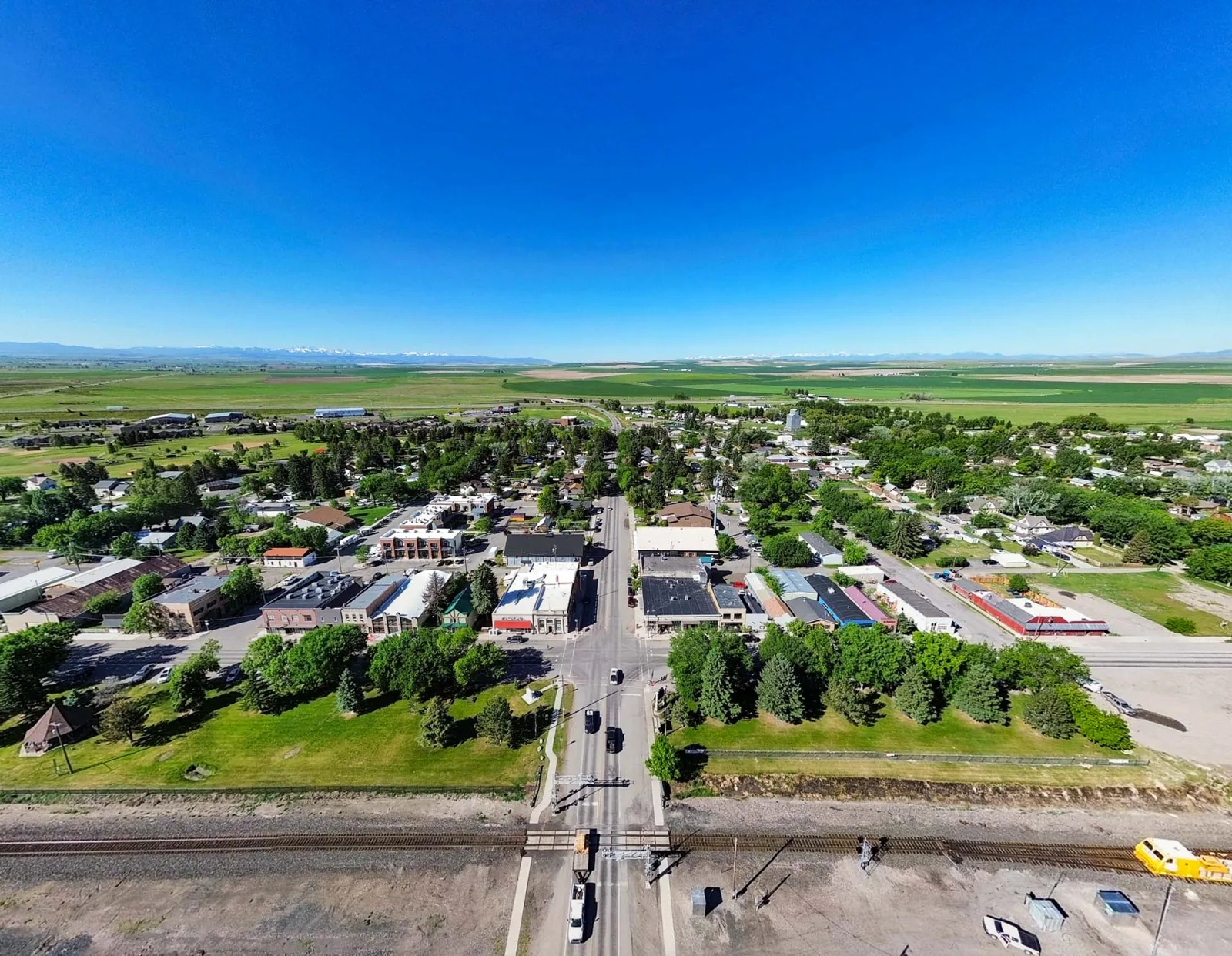
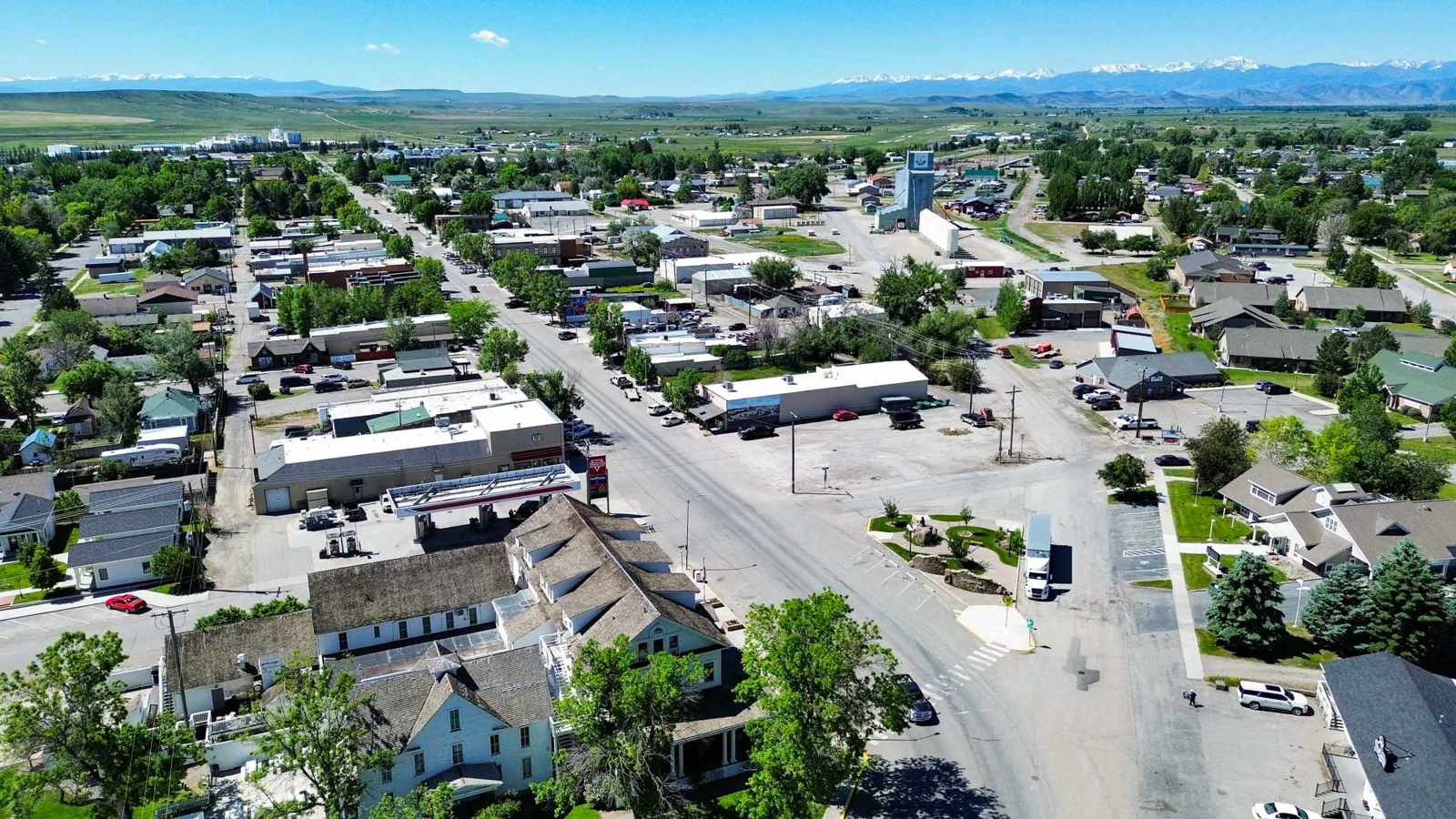
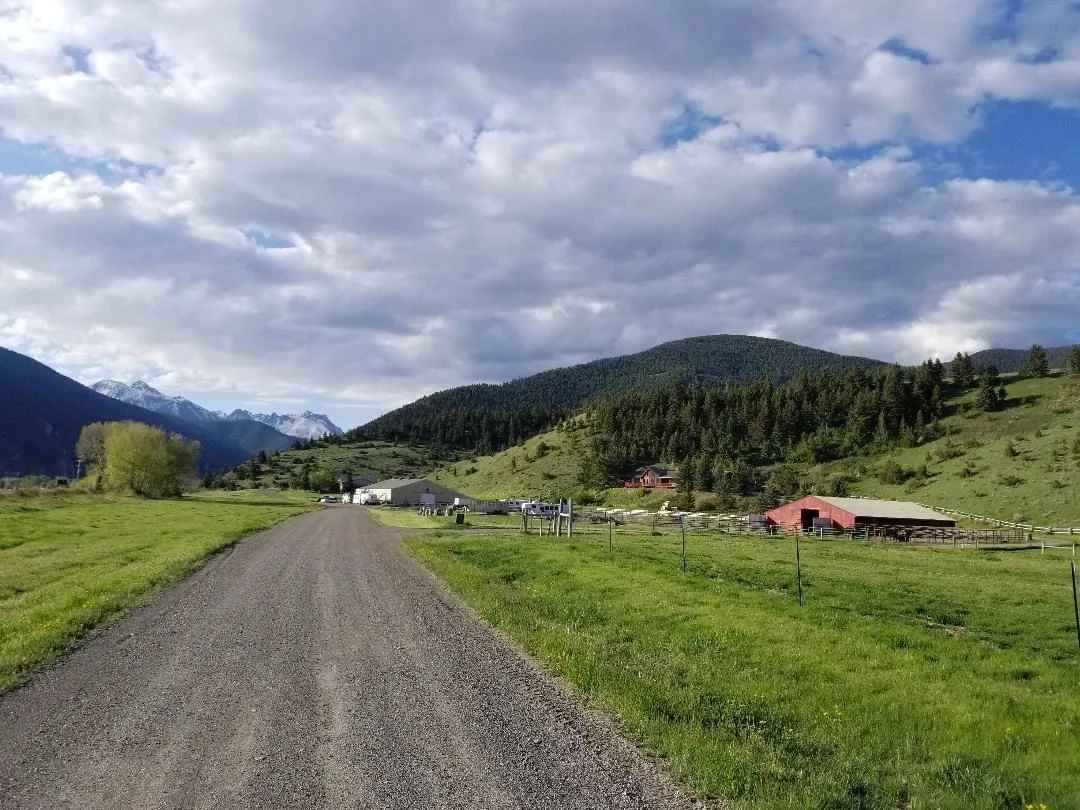
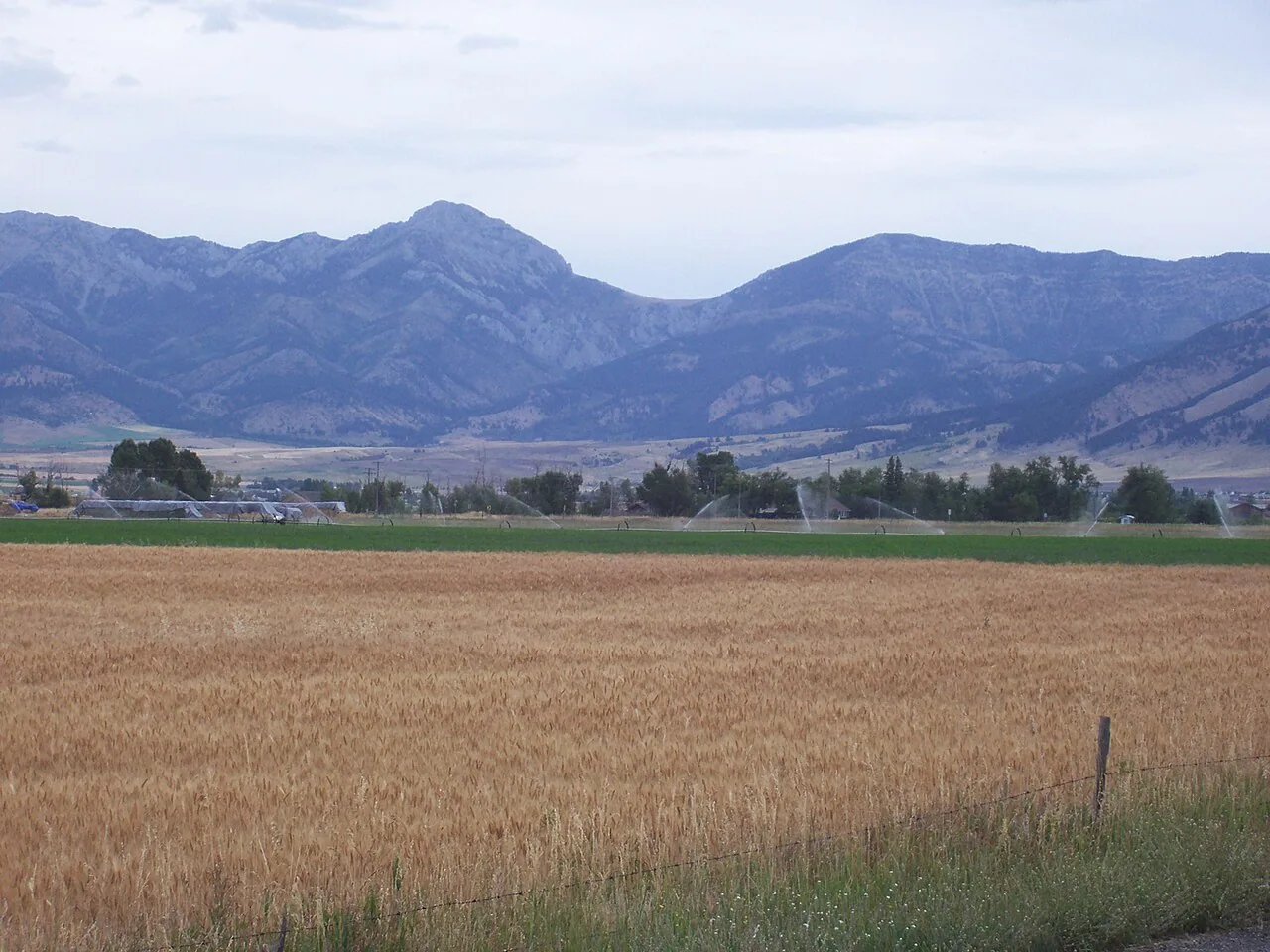
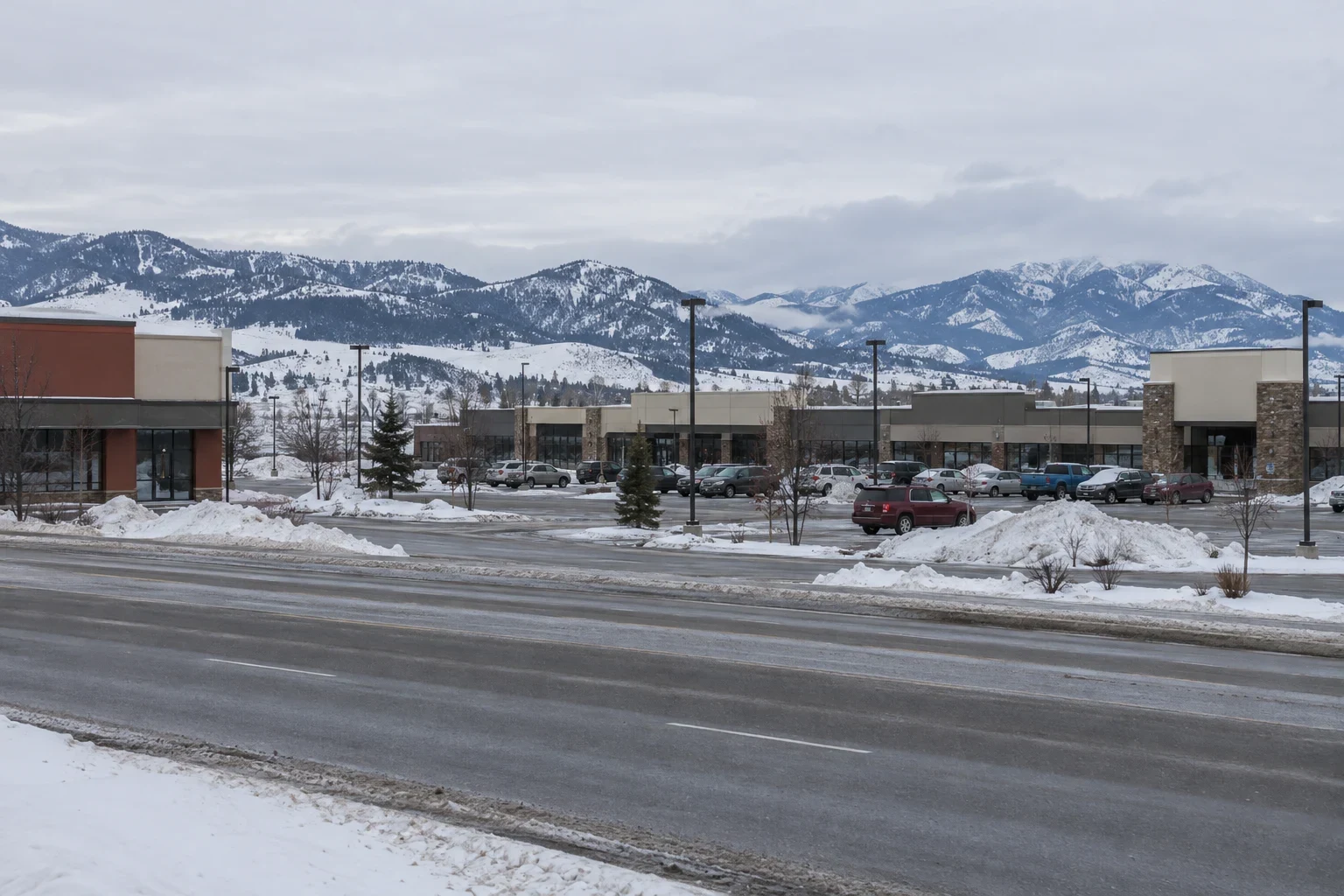
Snow does not fall evenly across the Gallatin Valley. Bozeman, MT averages about 91 inches a year, Livingston sees about 56 and Big Sky about 162.7, so the same membrane faces a different winter depending on the address. We route work by the roads and by the exposure, and we say which figures belong to which place when we plan a roof.
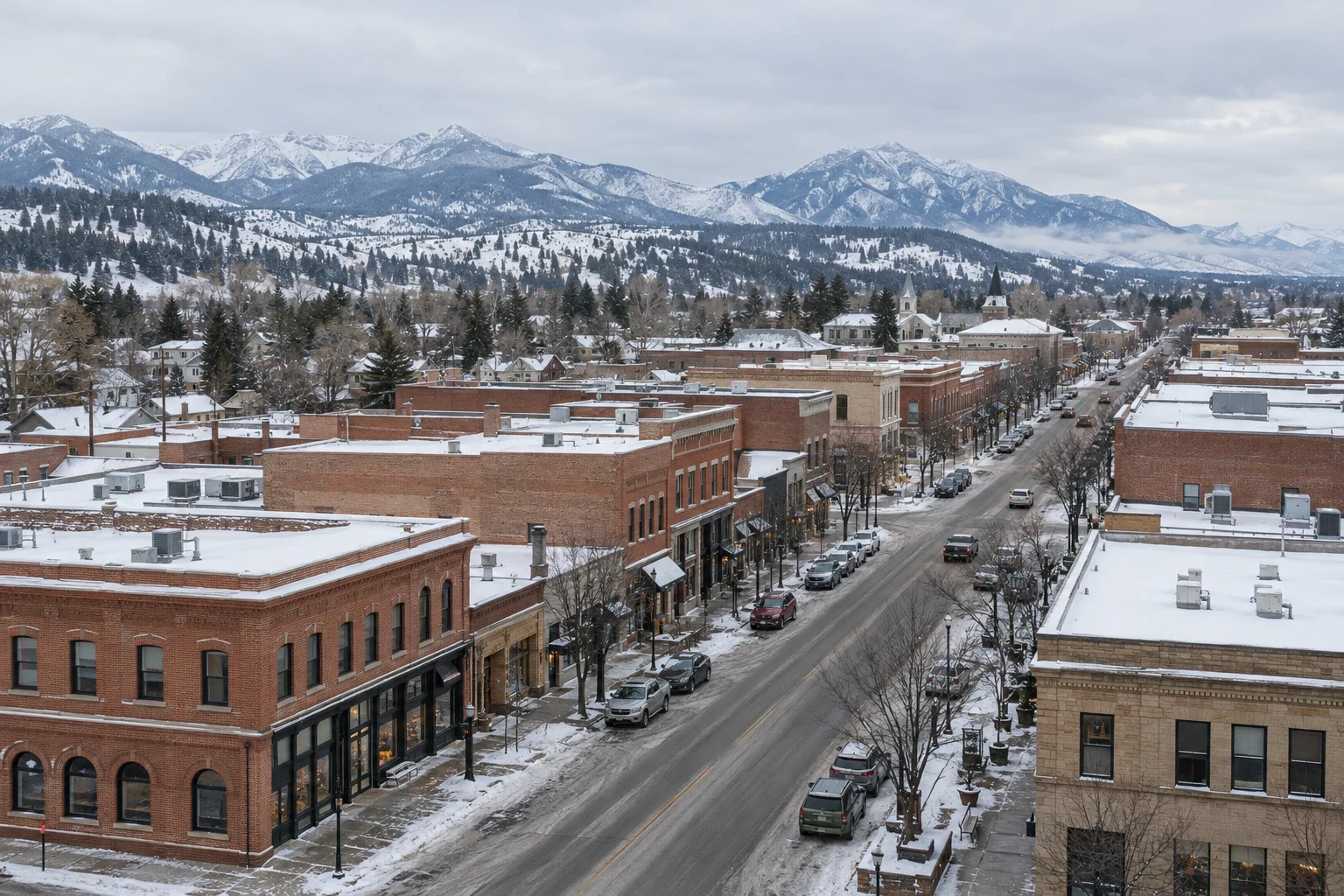
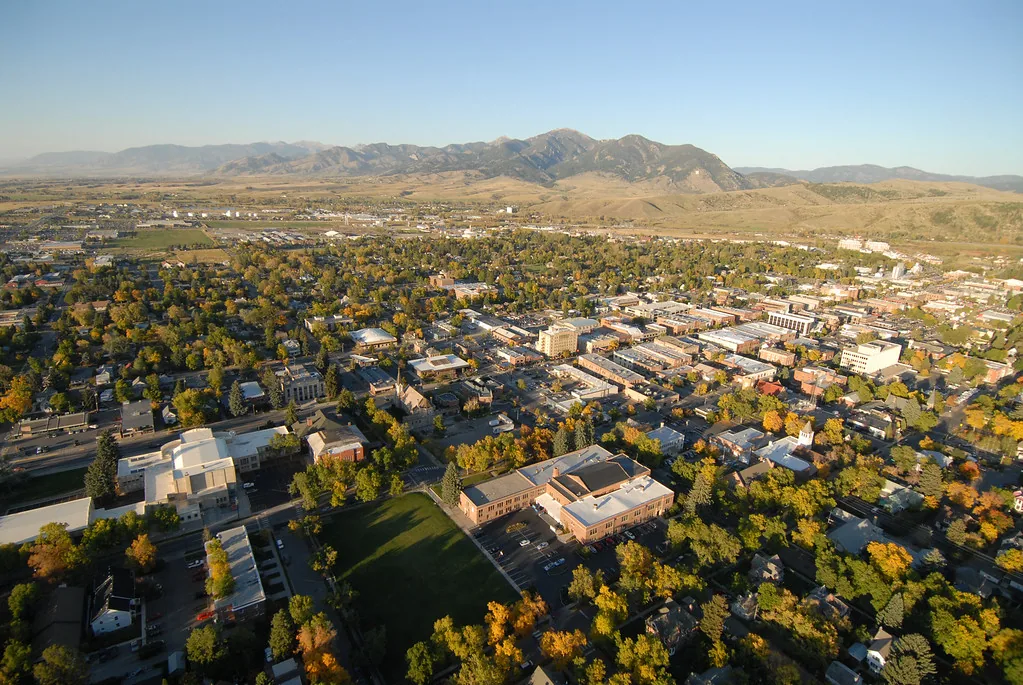
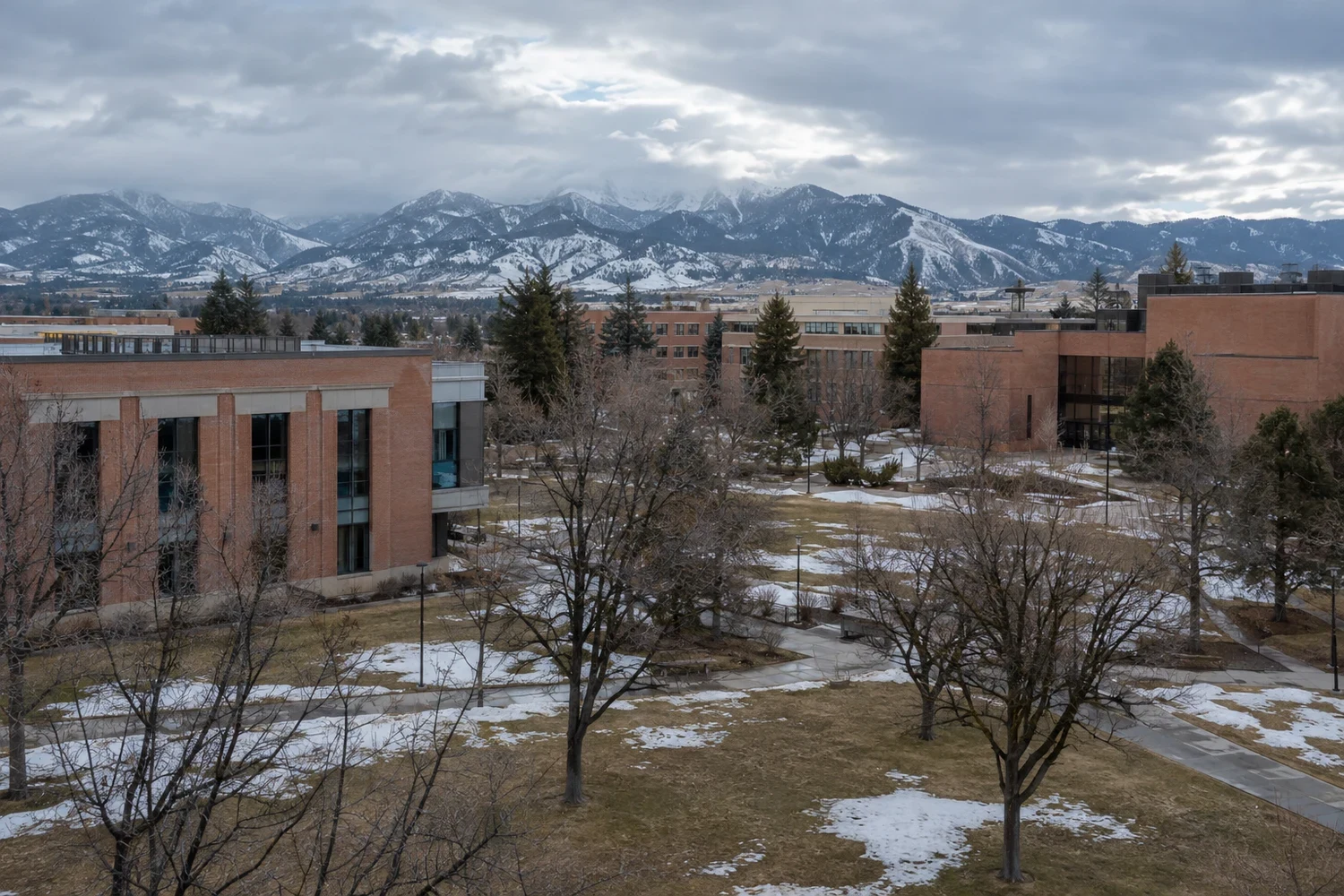
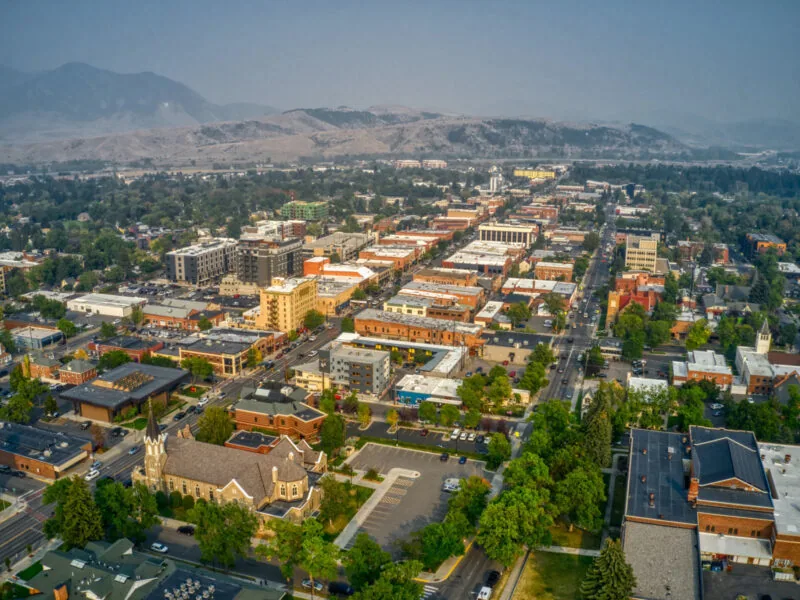
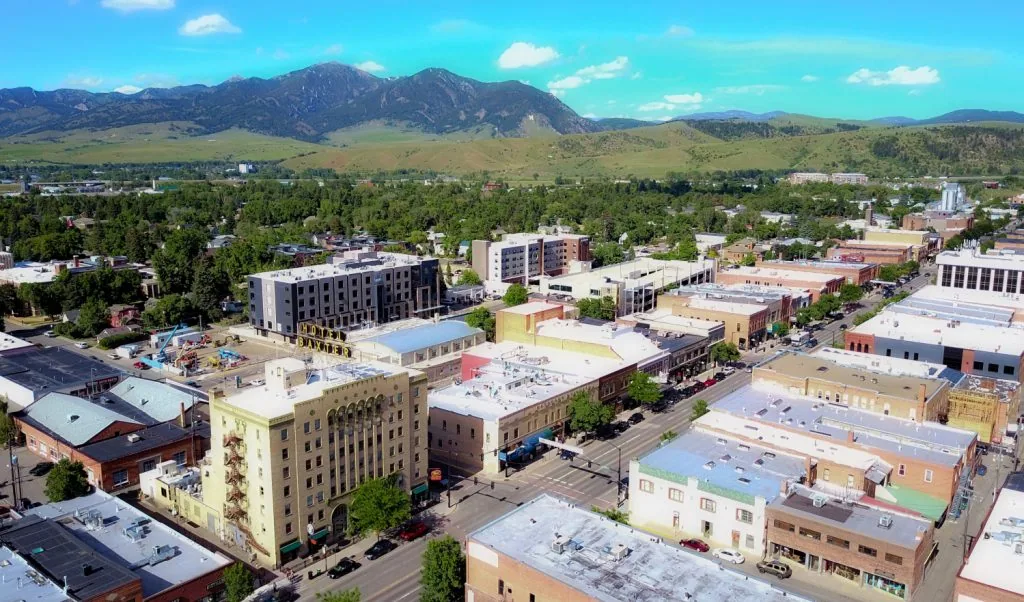
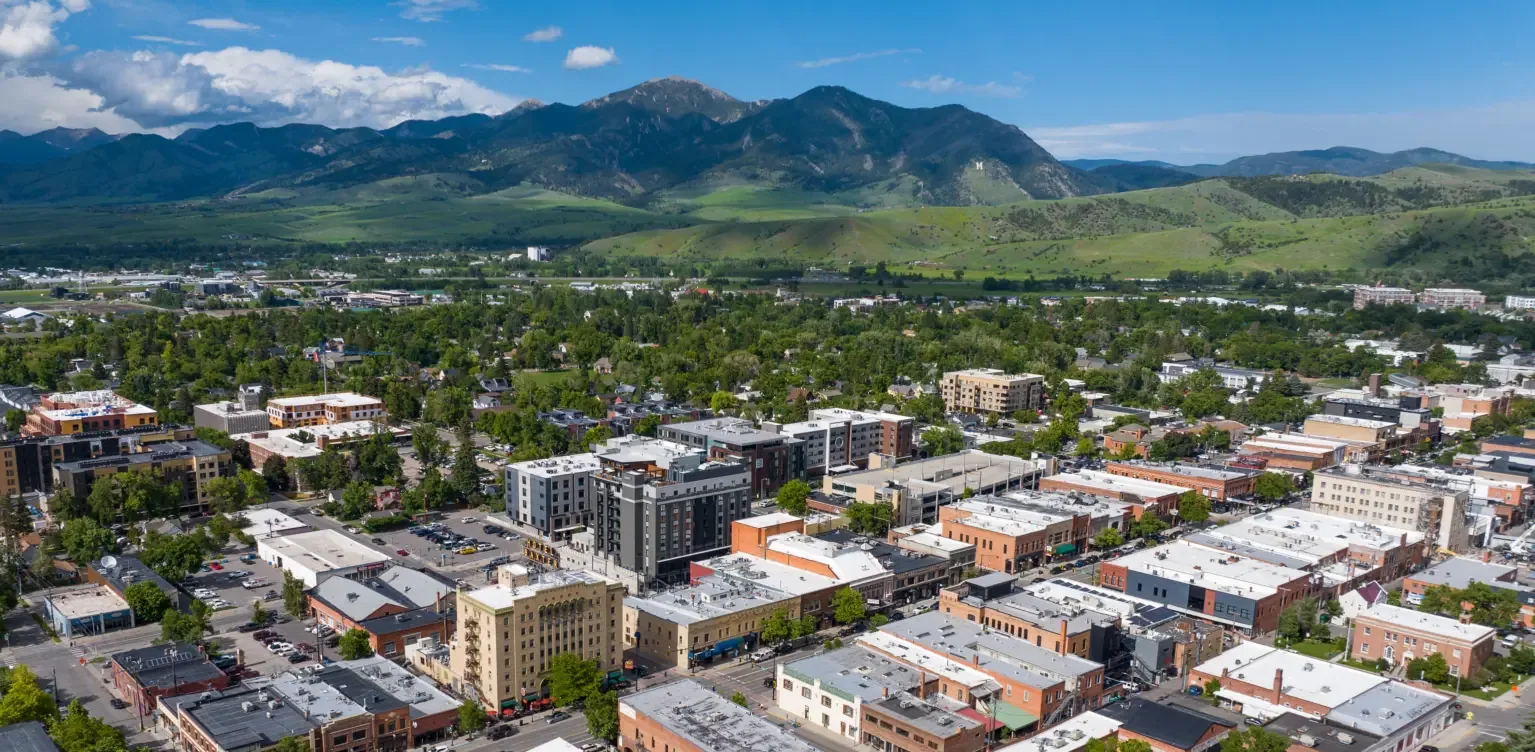
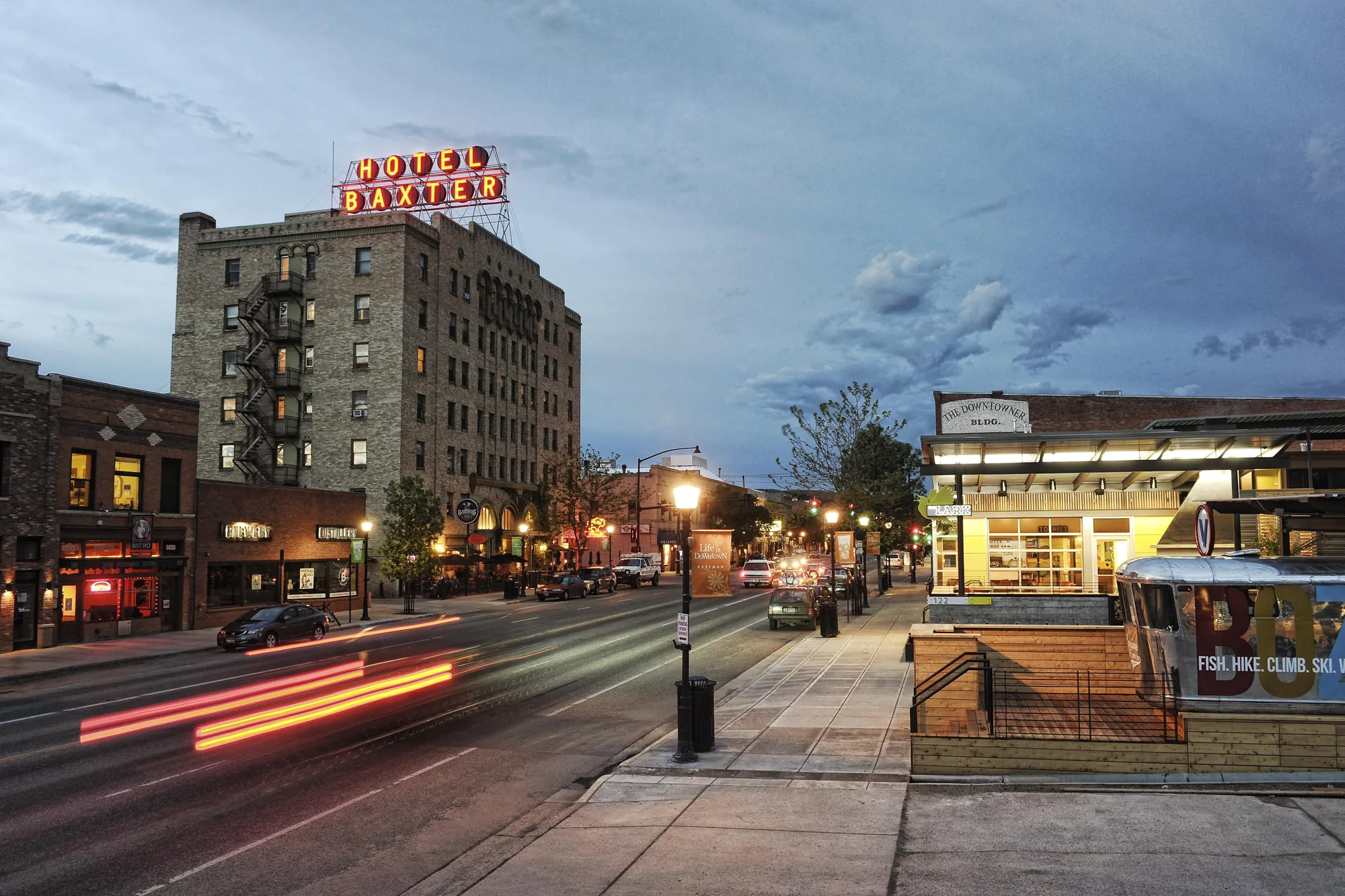
North 19th Avenue is the primary retail corridor, drawing some 37,160 vehicles a day. Downtown Bozeman holds historic districts with older masonry and flat roofs, Midtown along North 7th Avenue is an urban renewal district with new mixed-use buildings planned, and the Montana State University area sits on the south side of the city.
The same walk applies to each, but the first detail changes. On the retail strip it is the parapet termination behind the rooftop units. Downtown it is the internal drain. In Midtown it is the transition between new construction and the buildings beside it, and near the university it is the skylight and the vent stack.
Belgrade lies beside Bozeman Yellowstone International Airport, and Interstate 90 skirts the city. Warehouse and contractor buildings gather along Jackrabbit Lane and the Copper Ranch Road business area, and the airport area has its own expansion under way. Golf-ball hail fell across much of Belgrade in August 2013.
New light industrial and flex buildings are rising here, including a 12-unit warehouse project close to the airfield. Dock canopies and overhead door headers are the usual places for ice to build, and we check them before the field.
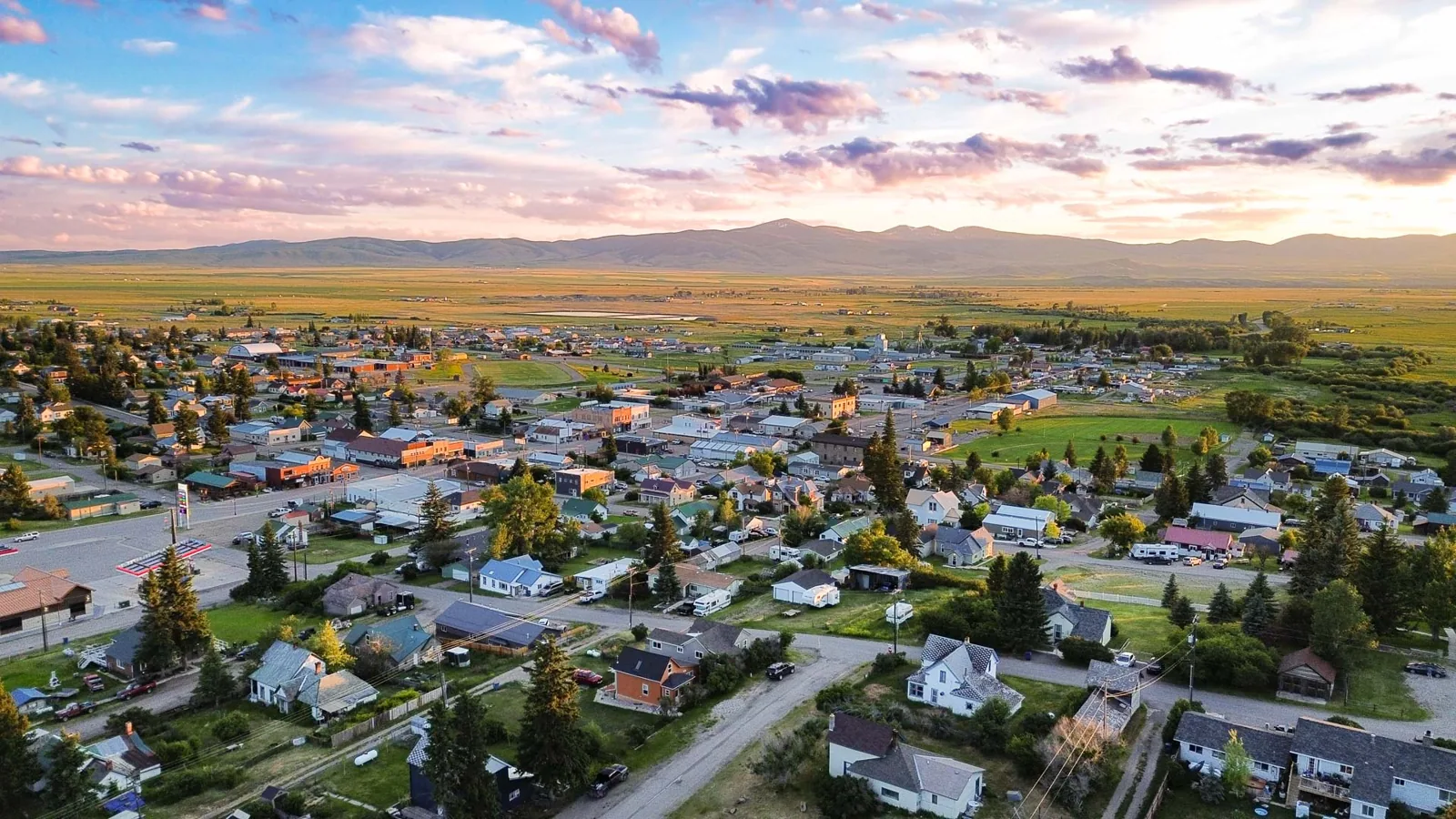
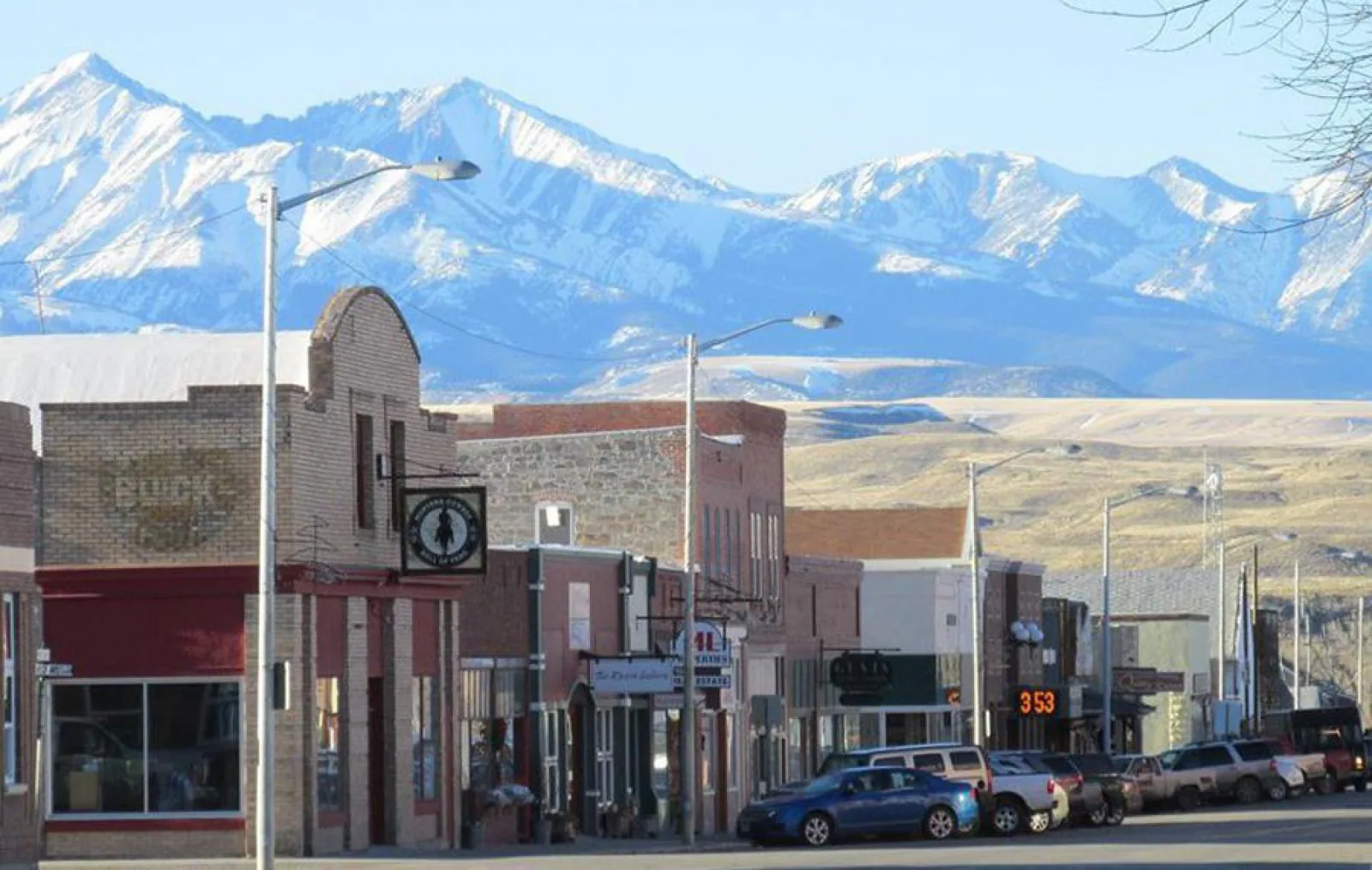
Four Corners sits about 7 miles west of Bozeman, and Livingston lies east over Bozeman Pass, where Interstate 90 crosses at 5,702 feet. Livingston's airport station trails only Guadalupe Pass, Texas, for average wind, so uplift and edge metal get extra attention on its roofs. Smaller communities such as Manhattan, Three Forks, Amsterdam, Churchill, Logan, Willow Creek, Springhill and Gallatin Gateway fill out the rest of the valley.
Distance changes the calendar. A crew heading over the pass in winter watches the forecast, and we plan the day so a dry-in finishes before conditions change.
Yes. Big Sky Town Center averages about 162.7 inches of snow a year, and Bridger Canyon reports about 350 inches a season at Bridger Bowl. Heavier loads, longer winters and buried access change snow guards, drainage and the calendar. Bozeman's figures never stand in for theirs.
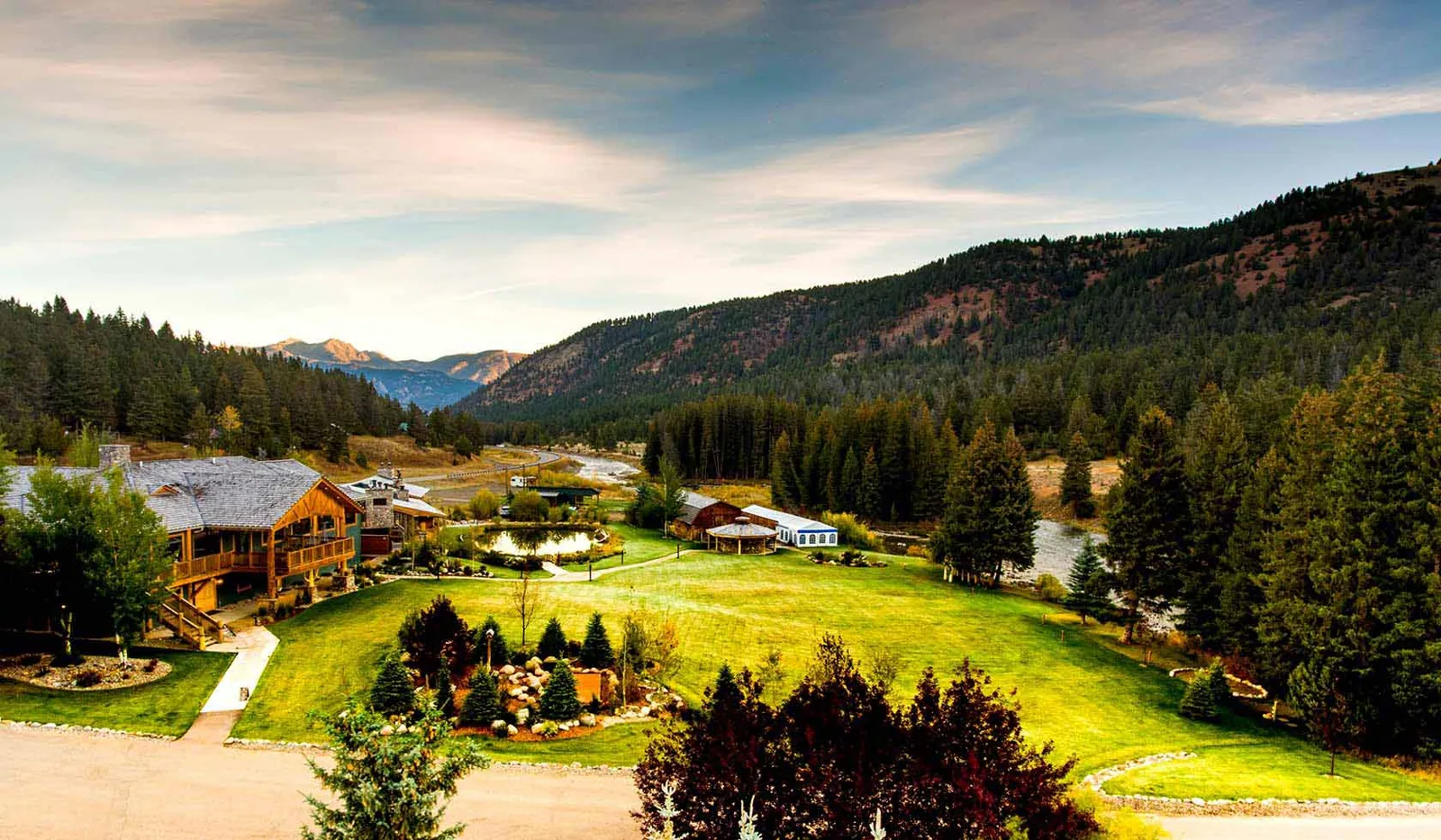
Resort and lodge roofs add steep sections and snow guards over entries. We confirm what the structure was designed to carry and where the snow will slide before any work begins.
Yes, across the valley. Each town keeps its own permit rules, which we confirm first.
We check the structure, the snow guards and the drainage against the local load, not Bozeman's, and we plan access for a roof that may be buried.
Yes. The format stays the same and the climate notes change by place.
We plan around highway conditions on I-90, U.S. 191 and Montana 84 and confirm the access route with the building contact.