
How manufacturer roof systems are installed, repaired and maintained on Bozeman, MT commercial buildings, with cold-weather limits and warranty terms.
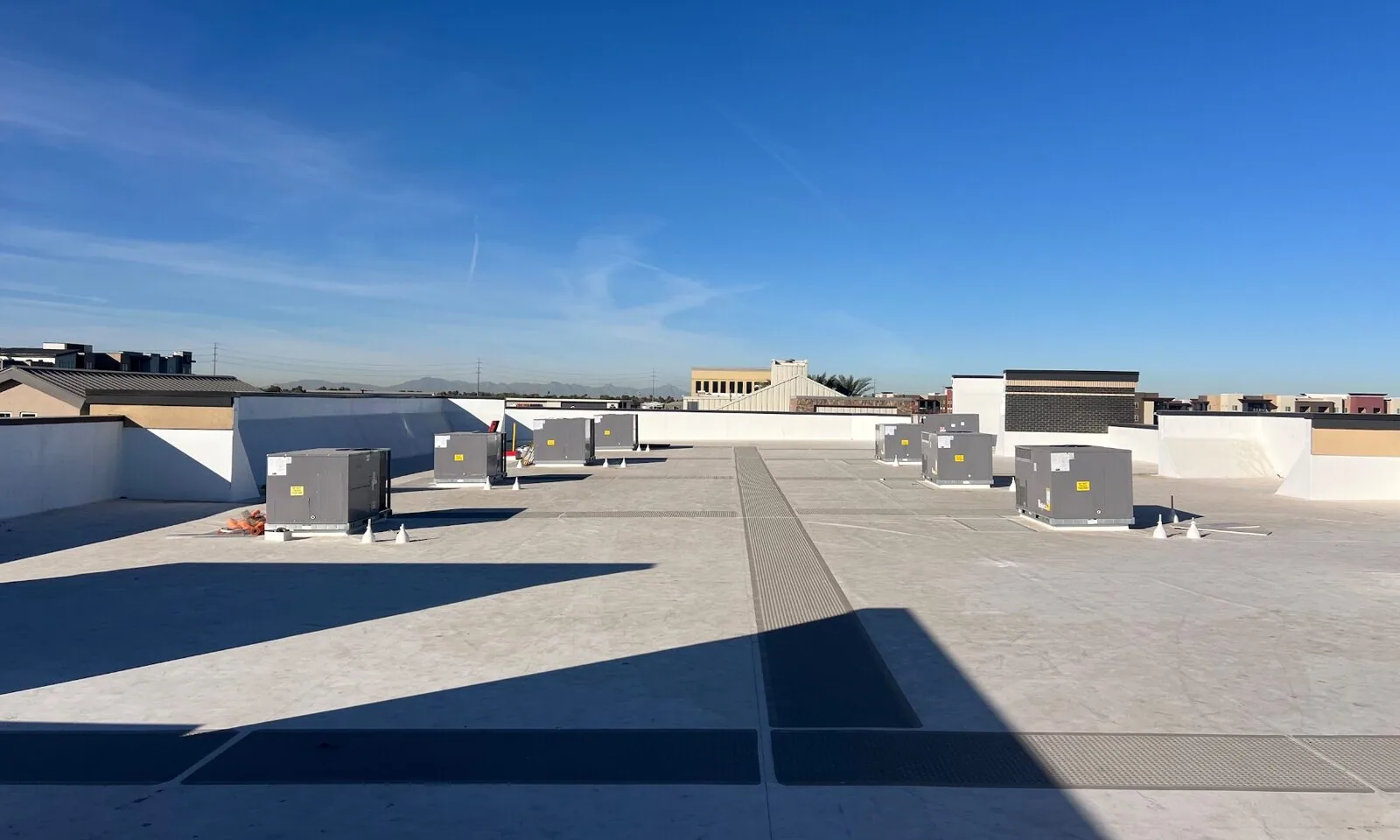
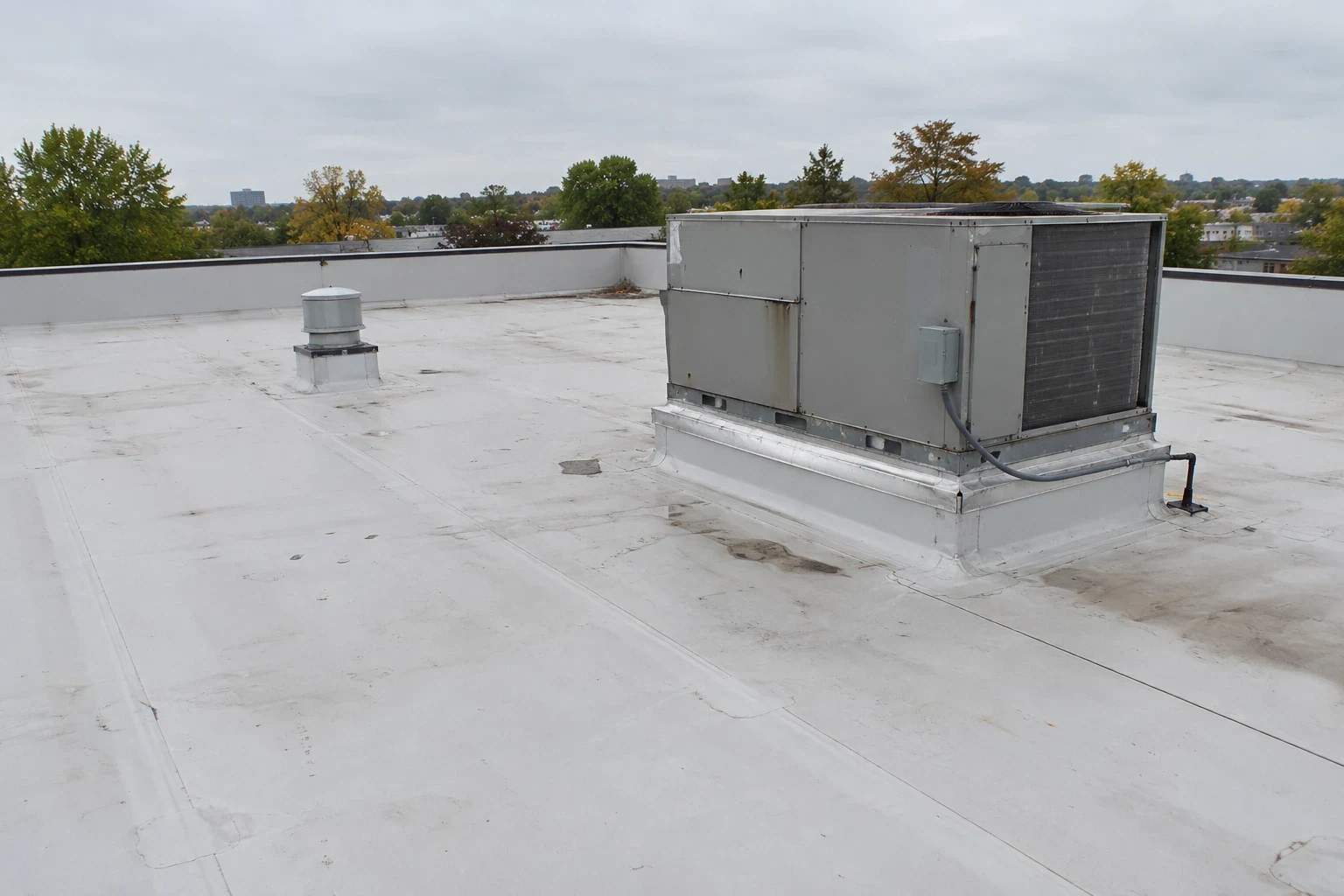
An owner in Bozeman, MT points to a roof and names a manufacturer. I want to know three things: which system is up there, what its installation rules say about repair and what the warranty file requires. The brand tells me where to look in the literature. The roof itself tells me what the literature has to match, and a core cut settles it when the markings are gone.
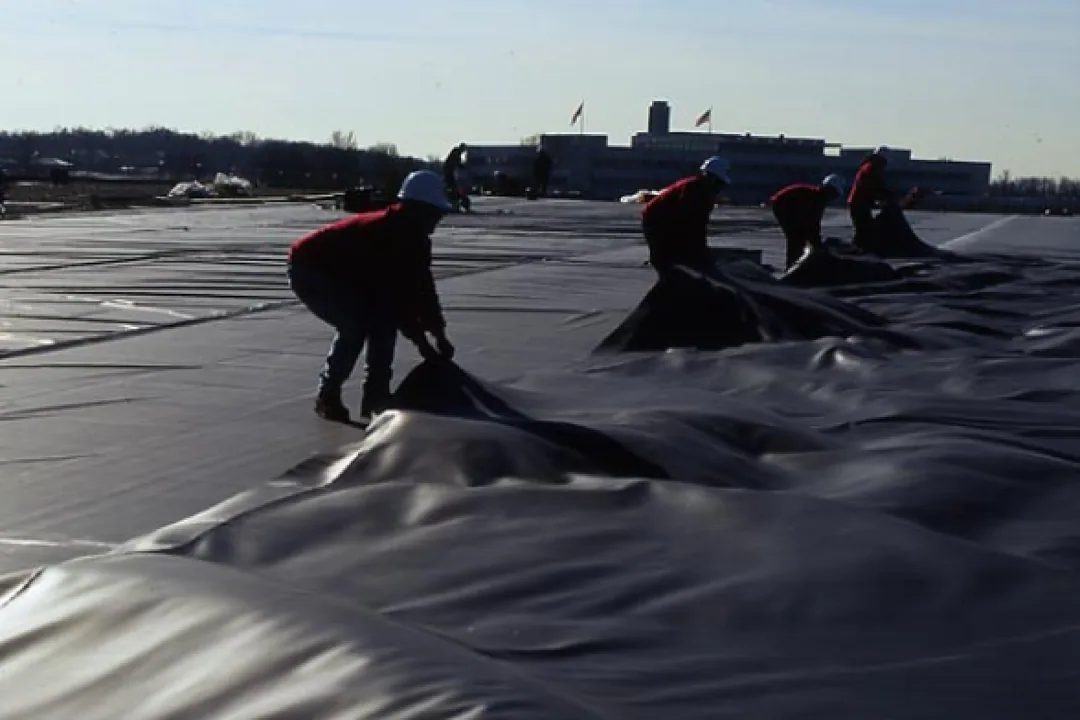
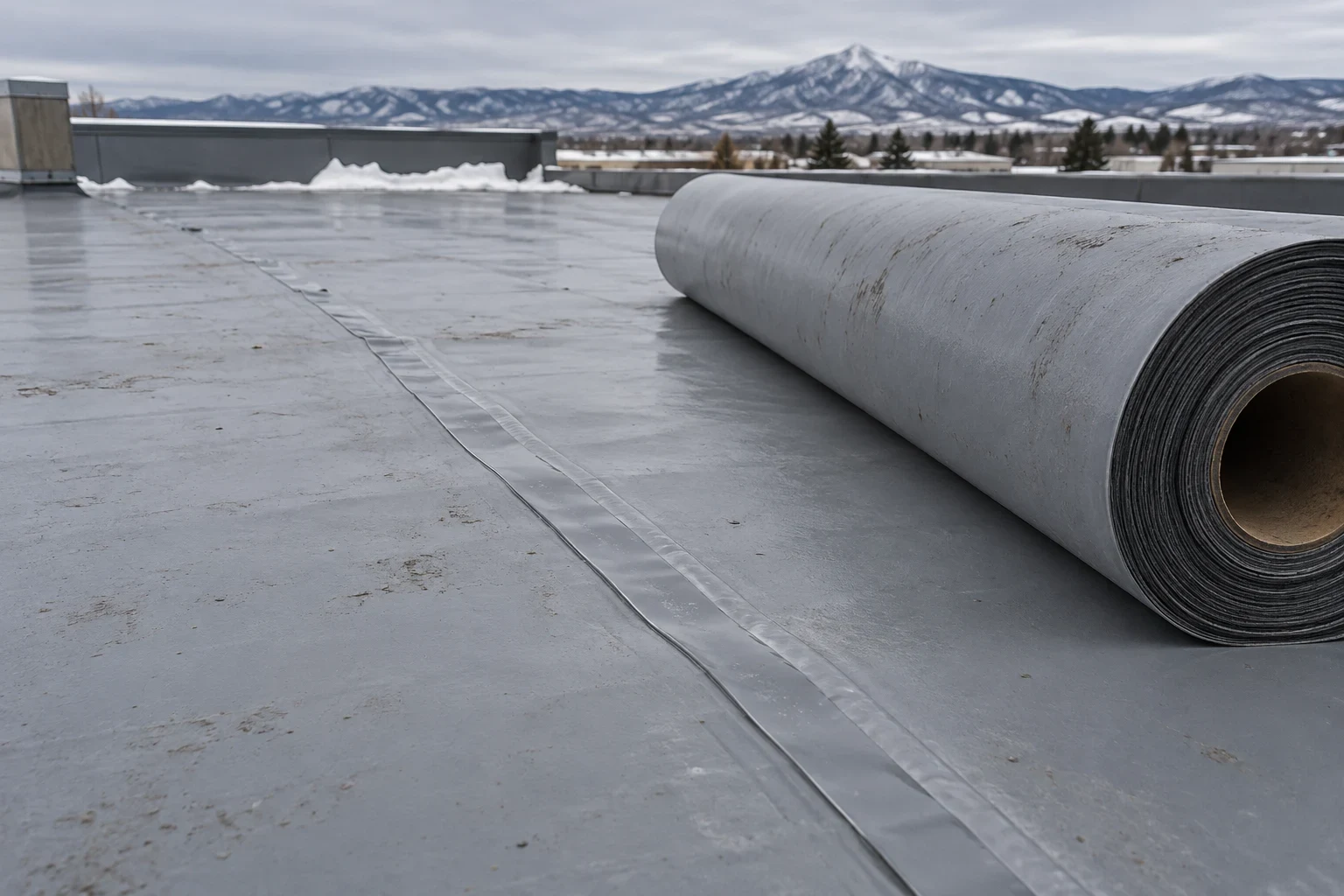
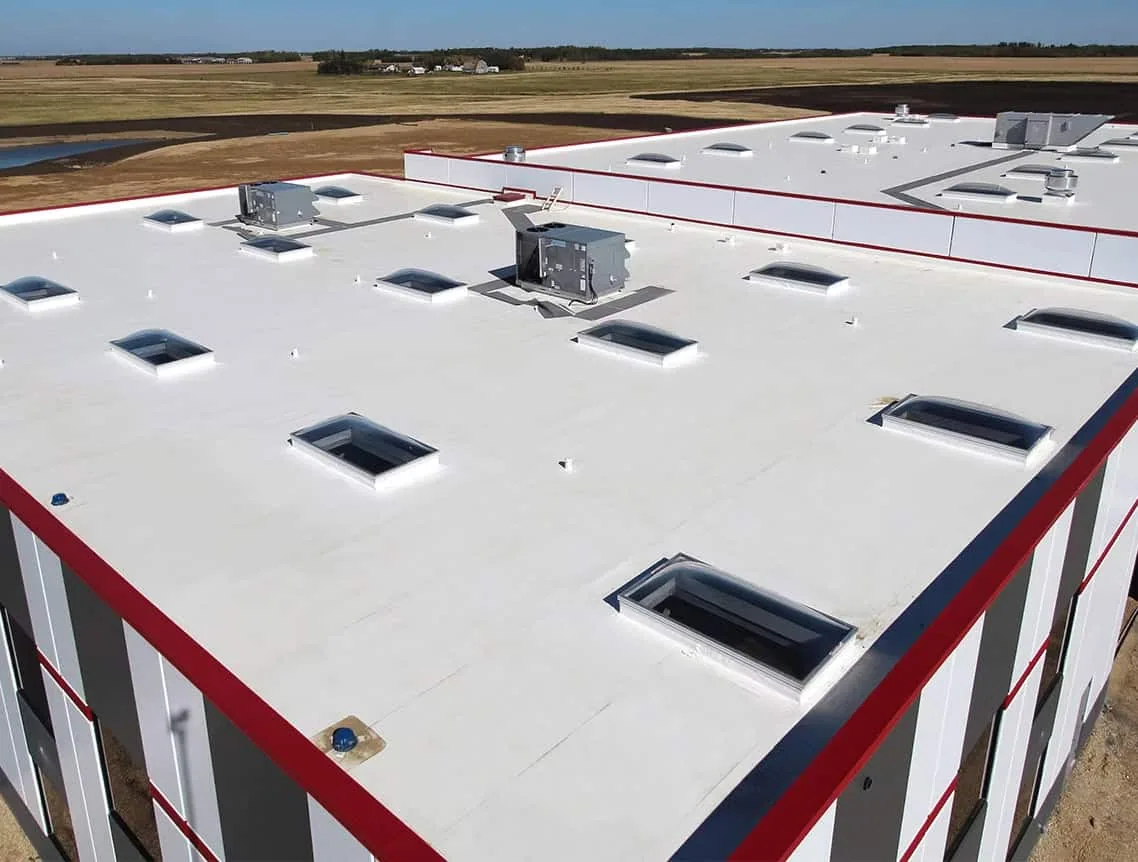
Carlisle SynTec and Versico are familiar for single-ply families, and Holcim Elevate and Johns Manville also supply sheet and matching insulation. Sika Sarnafil is known for thermoplastic sheet, and Duro-Last for prefabricated PVC made to a measured roof.
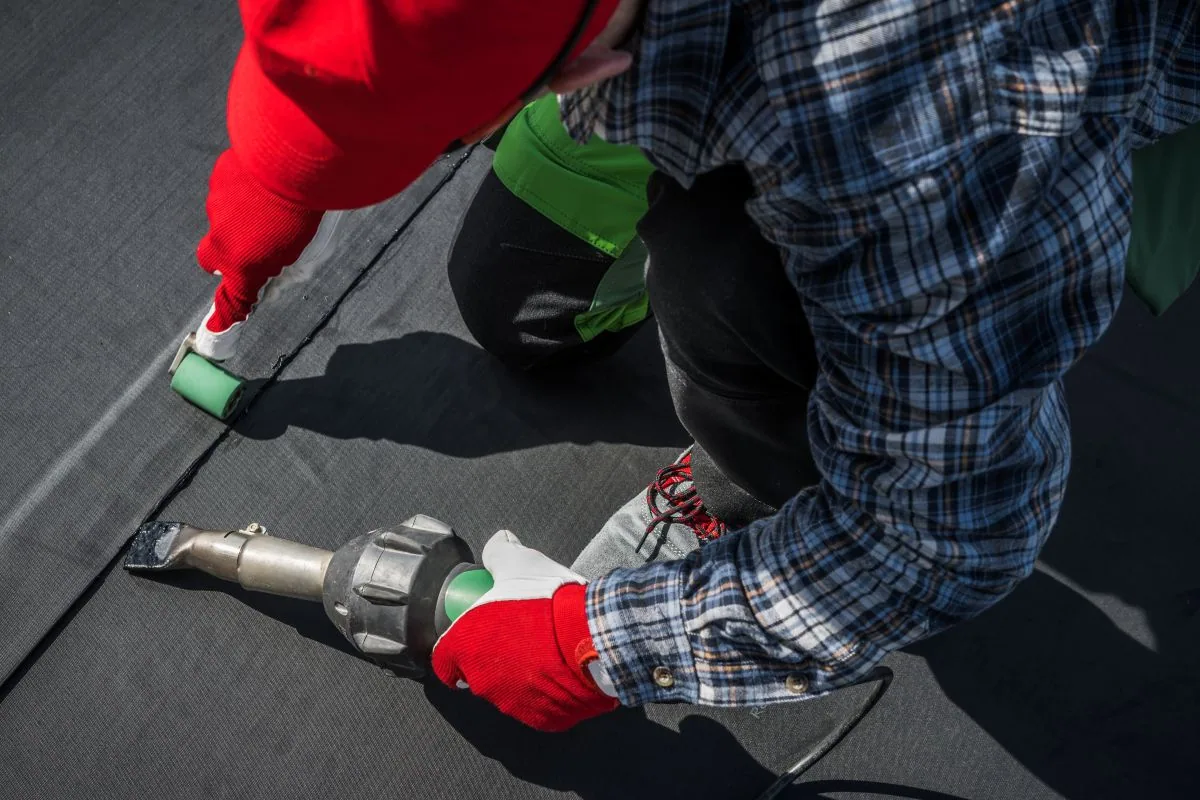
Seams and terminations decide how any of these sheets does in the valley. A heat-welded lap needs a clean, dry surface, and a termination bar at a parapet has to hold against a drift that melts and refreezes. Brand does not change those details, and we check them on every walk.
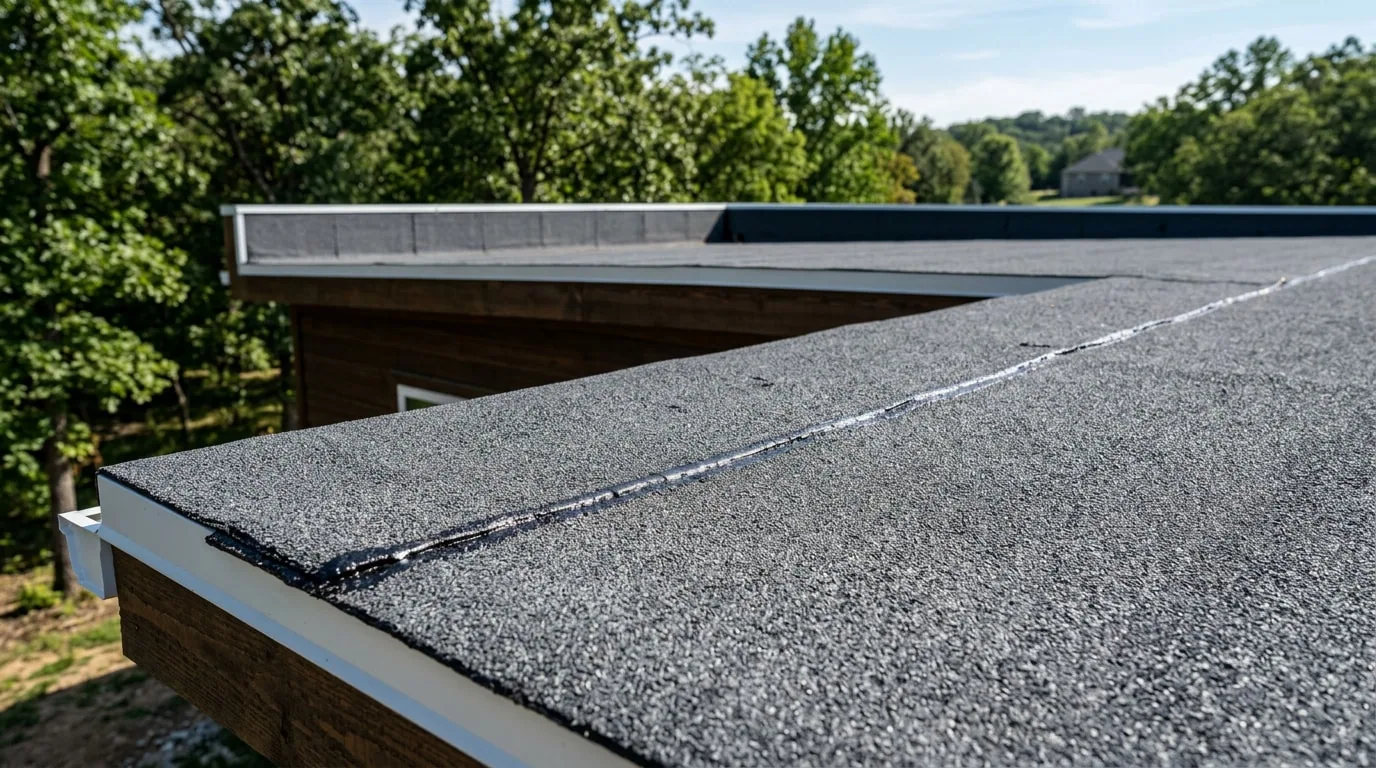
Soprema and GAF both supply bitumen membranes and related lines, and liquid-applied flashing resins suit odd curbs and penetrations. A repair has to be chemically compatible with what is on the roof, which is why we identify the base before we choose a material.
Layered bitumen systems carry weight and several plies. After hail, we look for bruises in the cap sheet and cracks at the flashing, since ice at the scupper strains the edge first.
Every manufacturer sets a minimum temperature for adhesives, sealants and welds. Bozeman's January mean low is about 15 degrees, and the cold-weather adhesive window closes in the fall, so a repair that looks fine in November can fail at the edge by spring. We hold permanent work for a day the material can cure and cover the opening in the meantime.
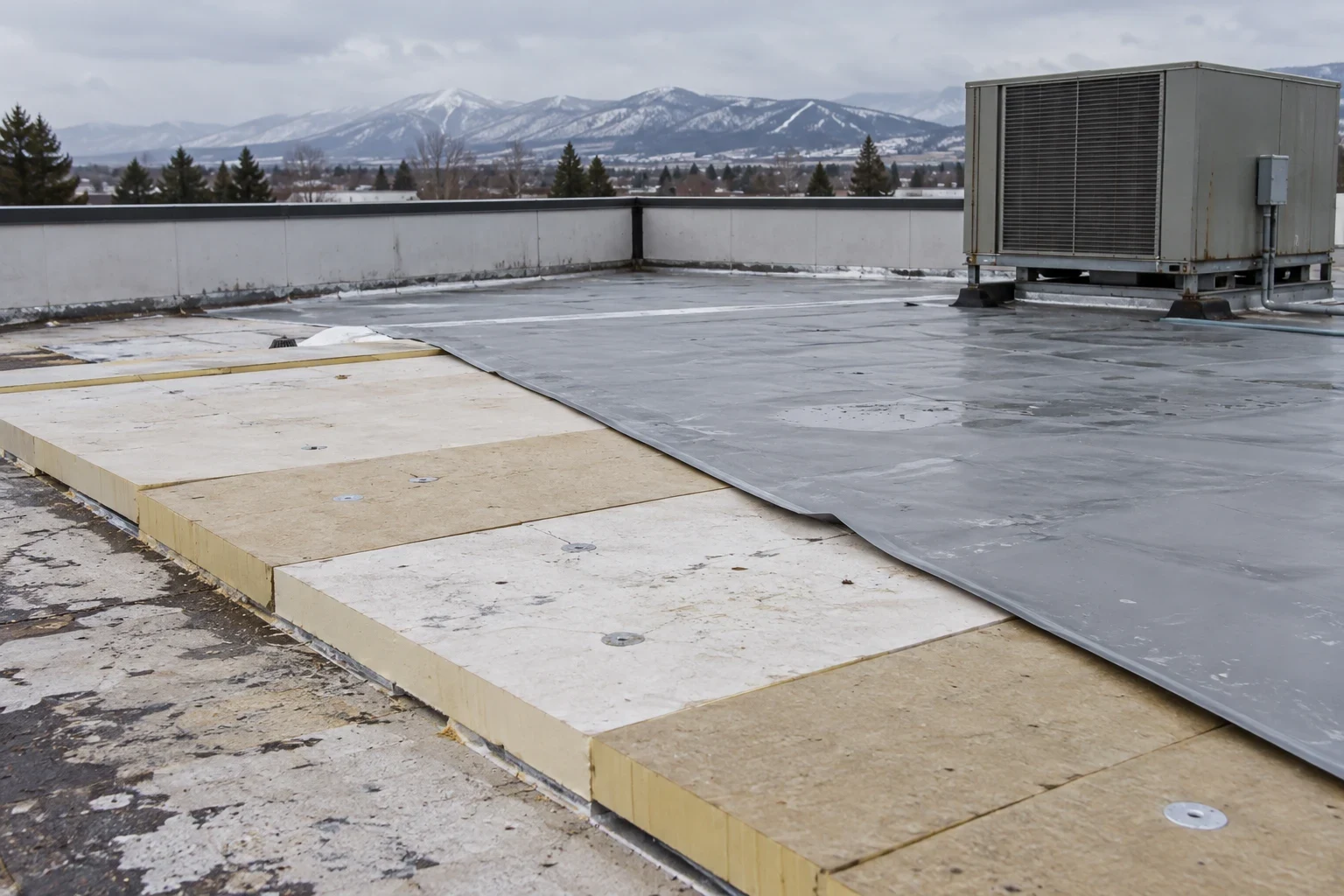
Insulation boards stored in snow take on water, and a sheet laid over them traps it. We stage materials dry and test the deck before closing. The same rules apply to every manufacturer, because the climate is the same.
Most warranties require approved materials, prompt repair of defects and records of maintenance. We read the paperwork before work starts. Our warranty management keeps the file current, and hail like the golfball stones of June 2010 gets a dated record so a claim has history behind it.
Records speak for the roof. A repair log with dates, locations and materials lets an owner show the manufacturer that maintenance was done, which matters when a seam fails years after installation.
We repair the system types we install, and we identify the membrane first. If a material is unusual, we say so before proposing a patch.
It can. Warranties often require approved materials, so send the paperwork before work begins.
Start with the plans and the warranty file. A core cut shows the layers when those are missing.
The details matter more than the brand: sound seams, firm terminations and clear drains.