
TPO, PVC, EPDM, modified bitumen, built-up, standing seam metal, foam and coatings for Bozeman, MT roofs, compared by snow load, thaw cycles, hail and wind.
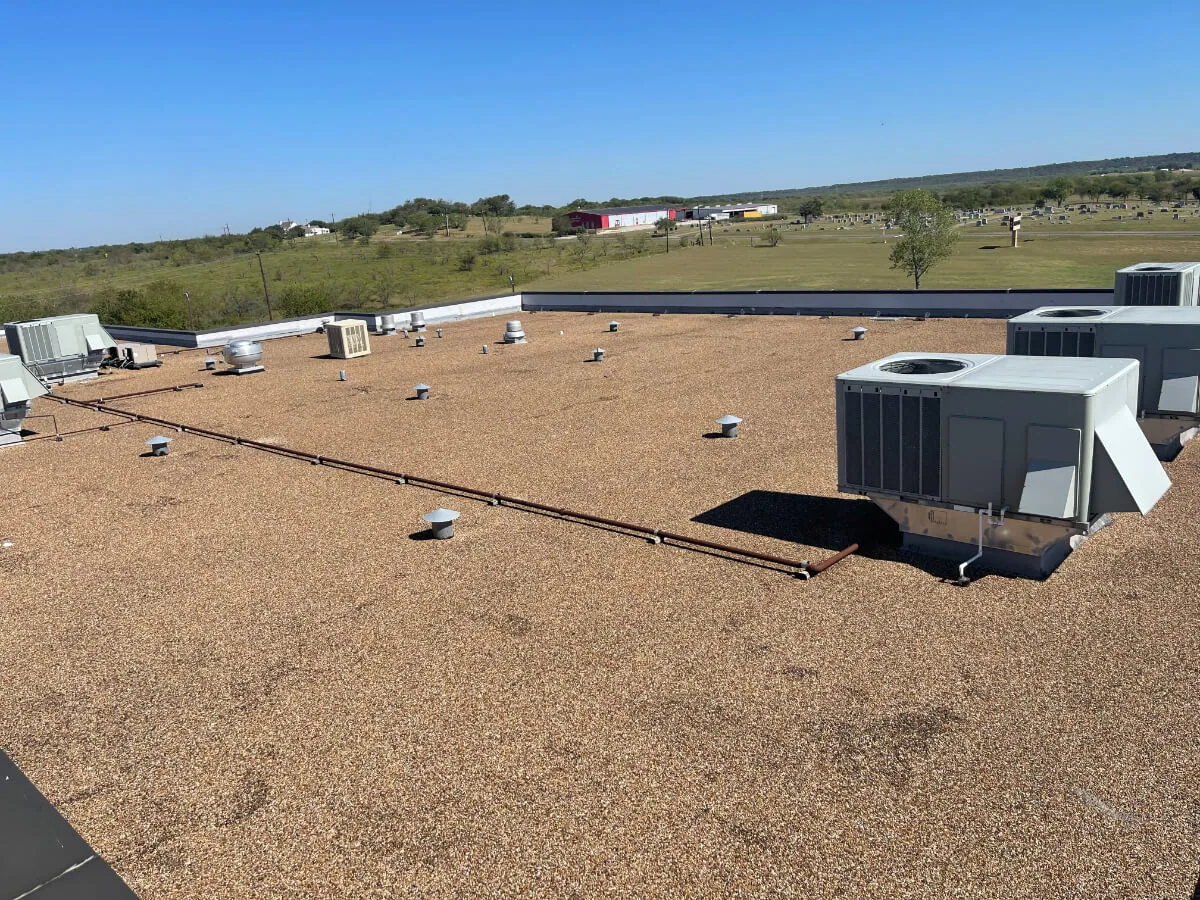
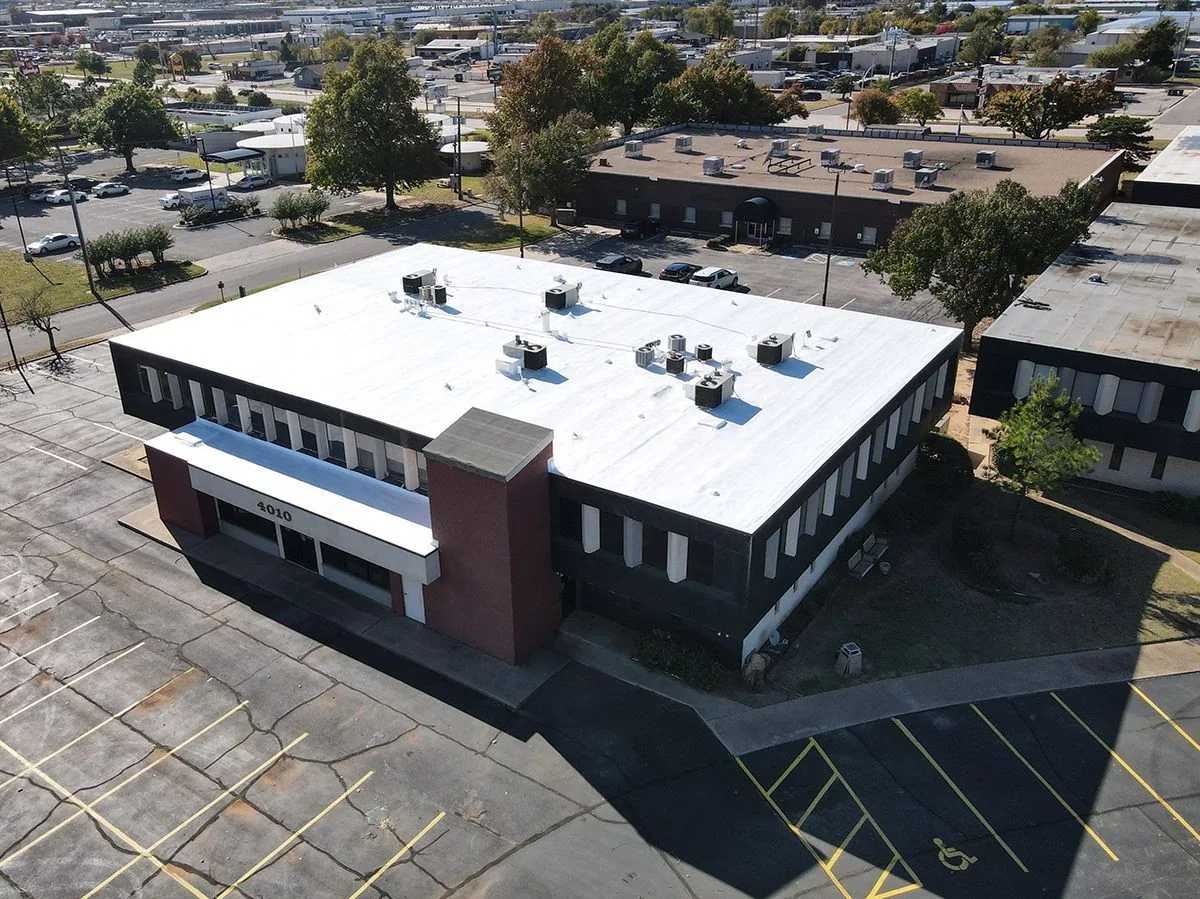
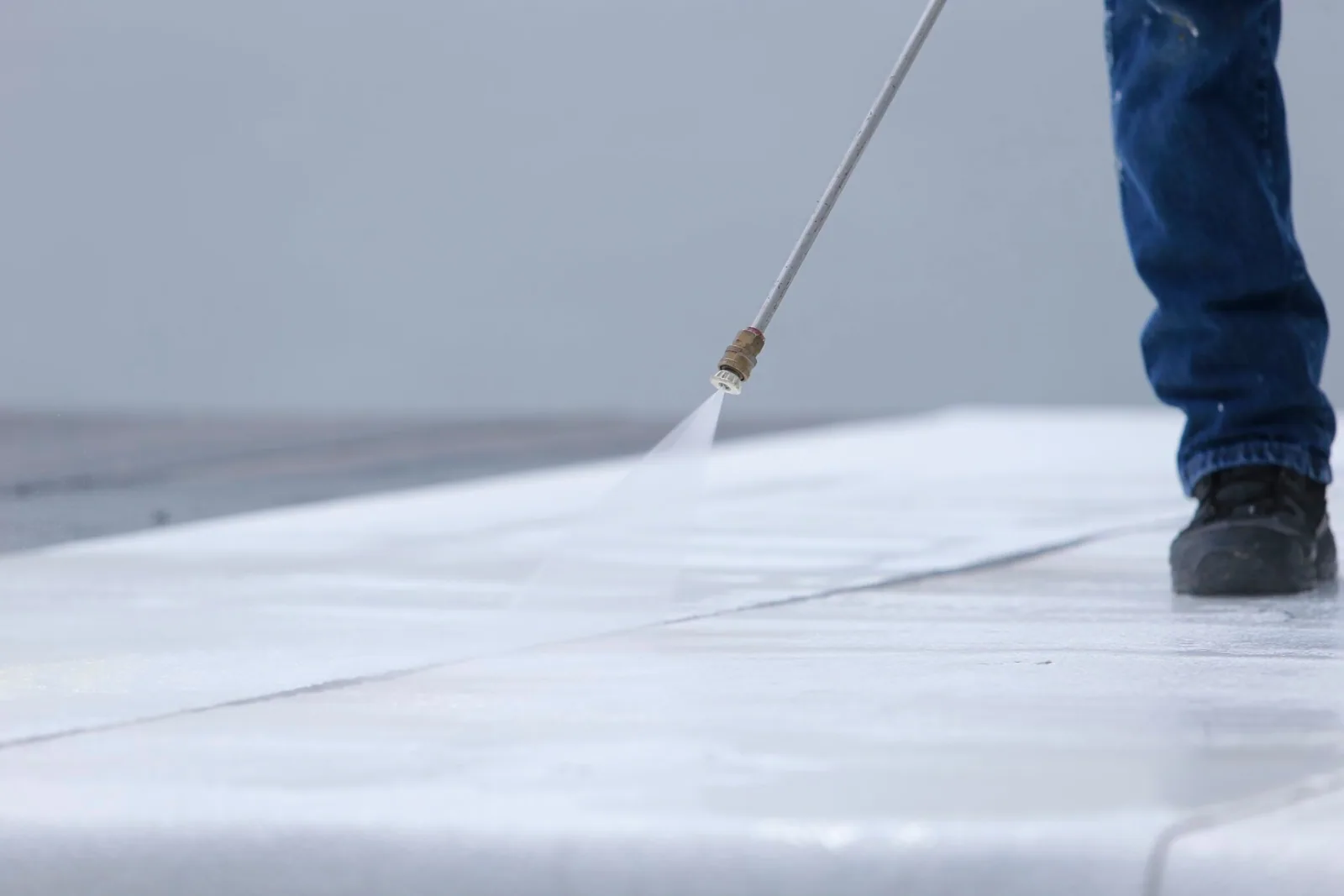
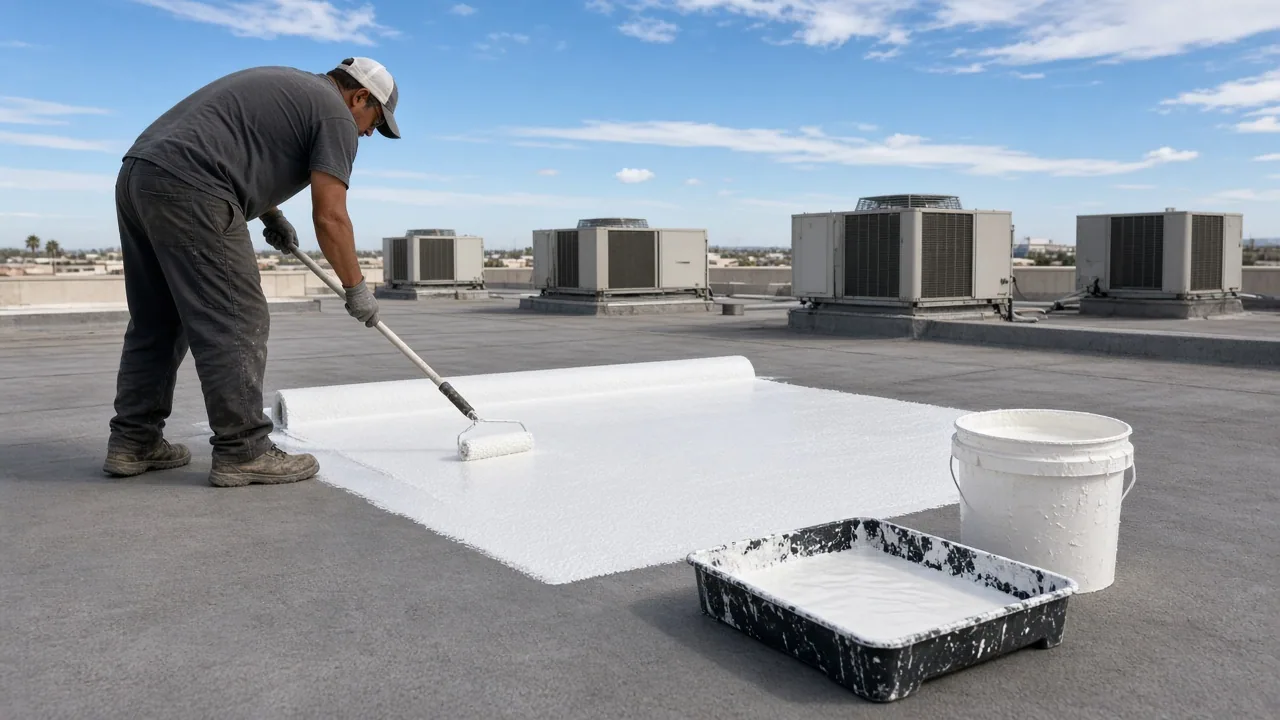
A roof system is a set of layers that has to get through a Gallatin Valley winter: about 91 inches of snow, a January low near 15 degrees, and a thaw cycle that repeats until spring. Choosing one starts with the building. A big-box roof on North 19th Avenue, a flex warehouse near Belgrade and a masonry block downtown do not ask the same thing of a membrane, and the right system depends on how each handles snow, ice and hail.
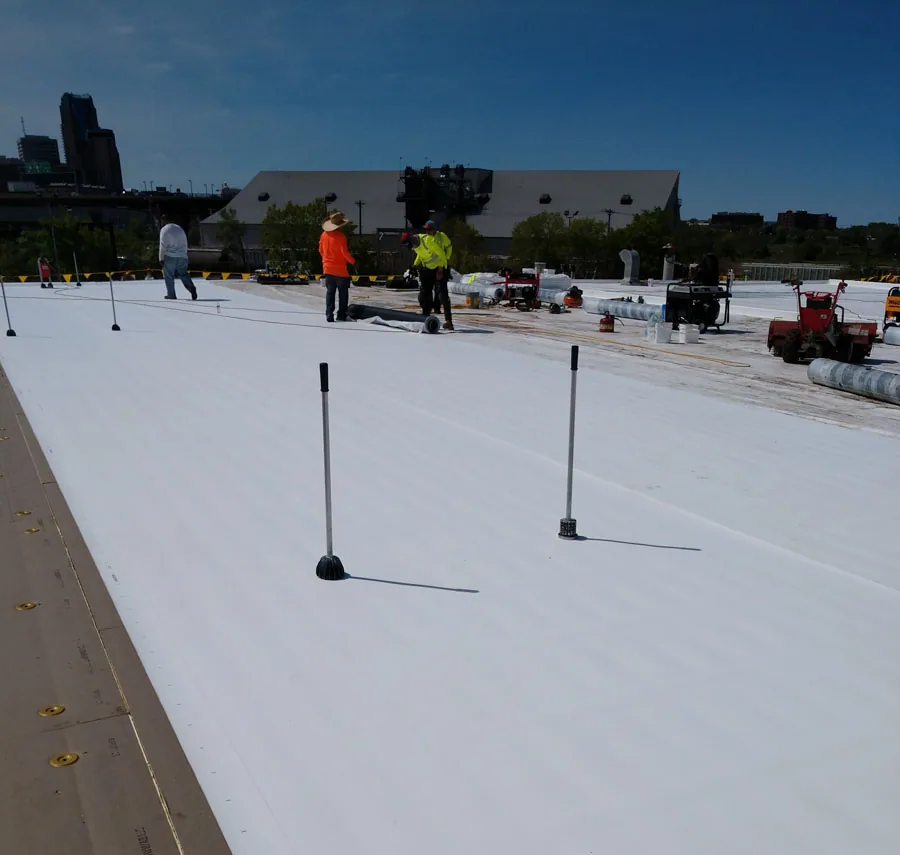
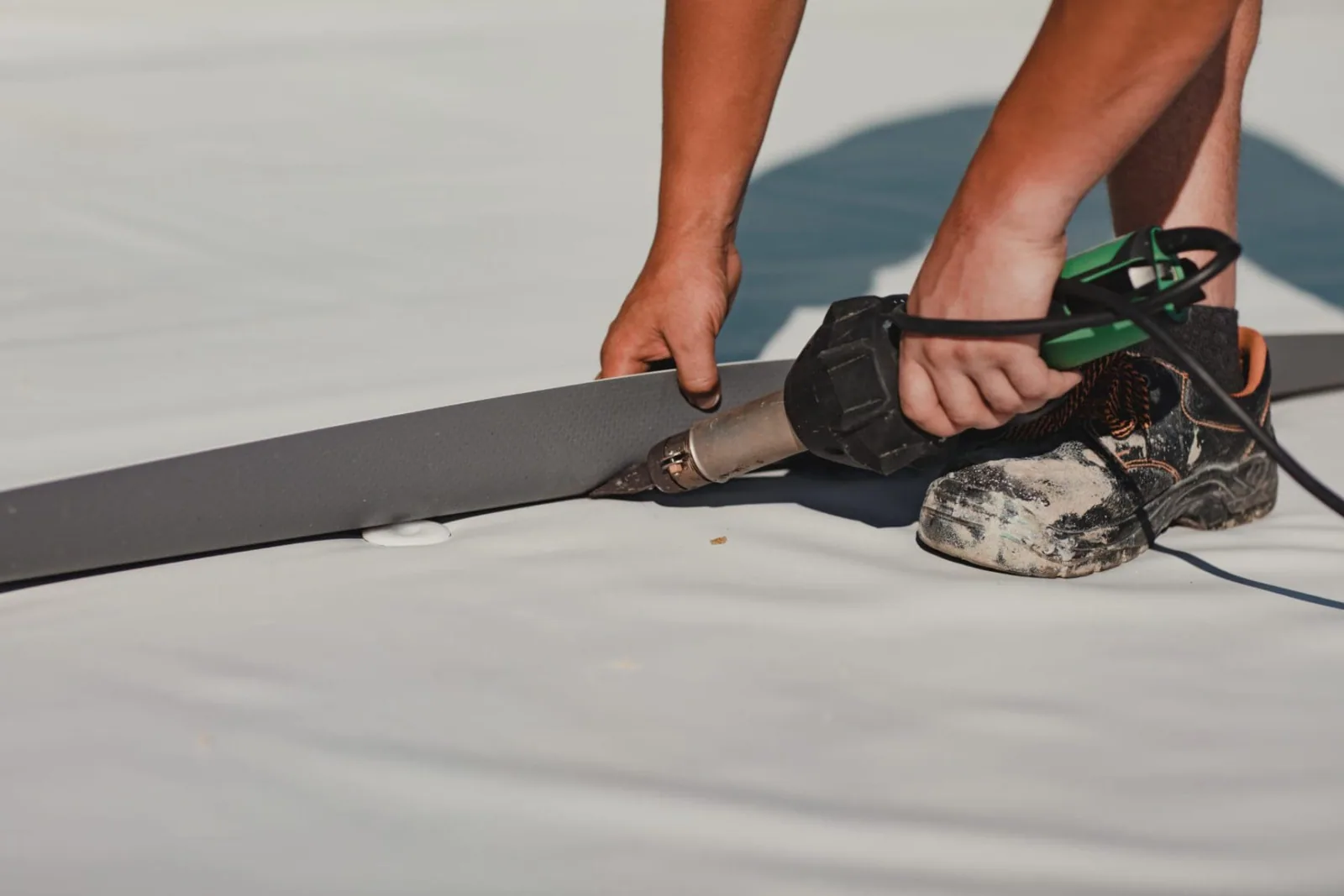
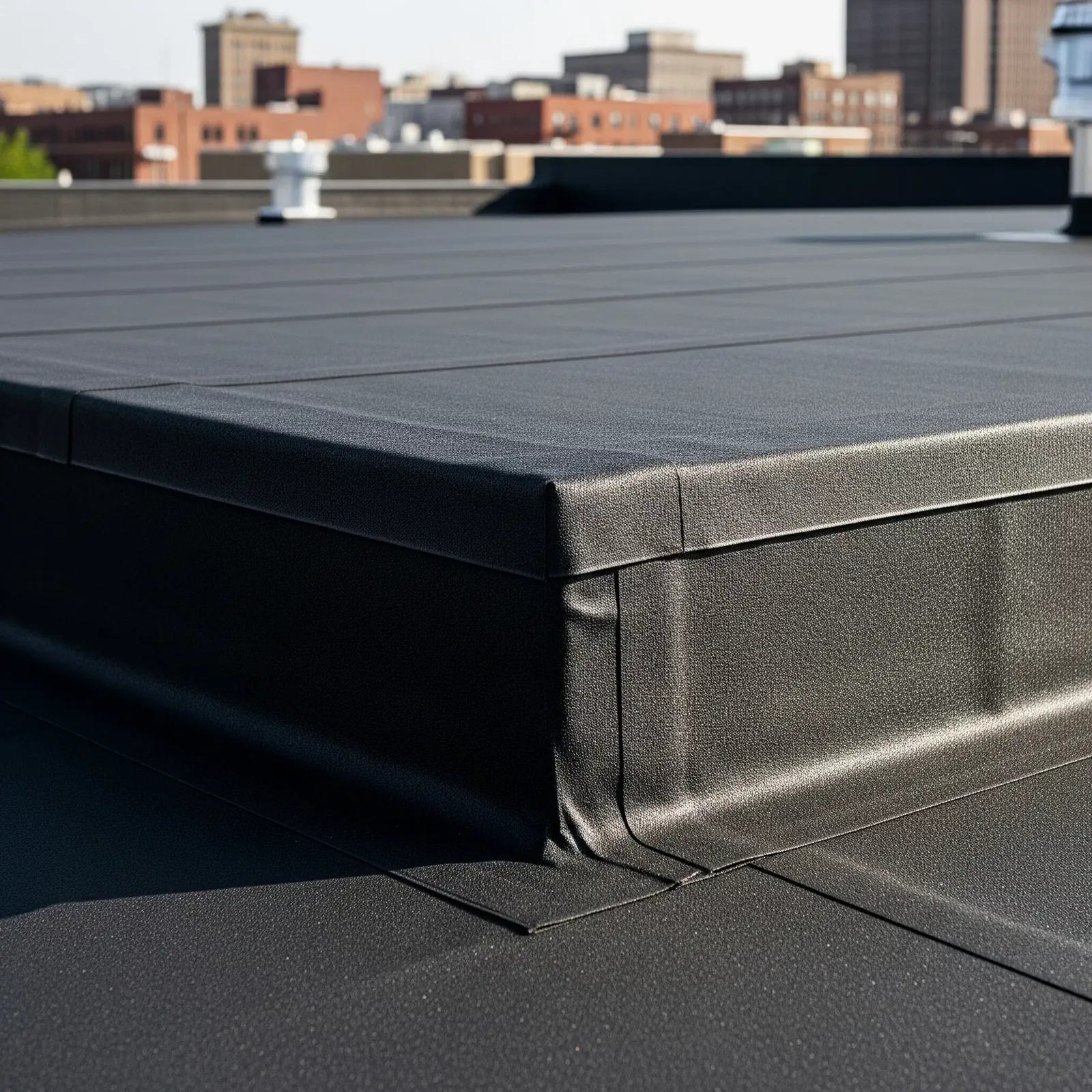
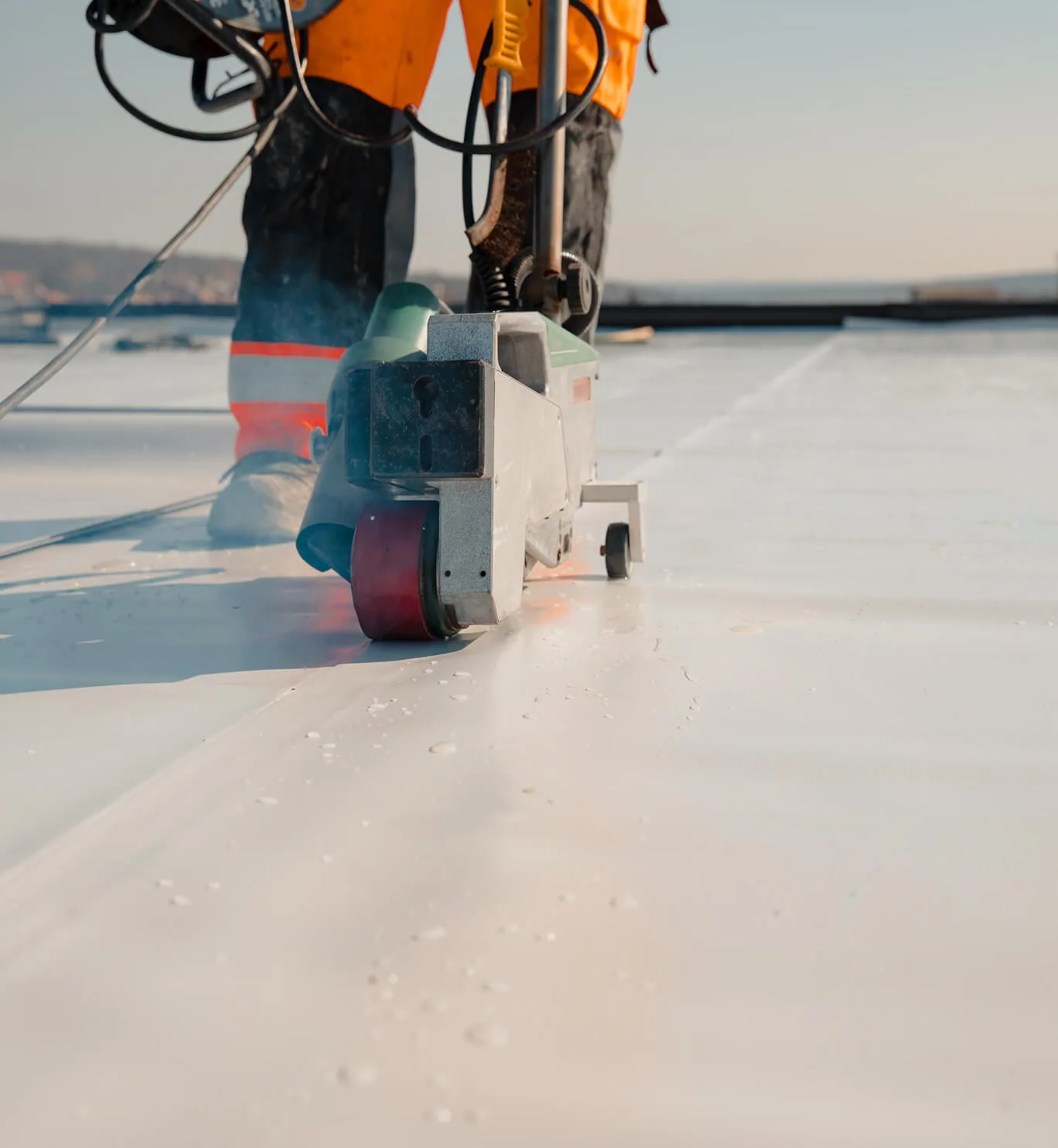
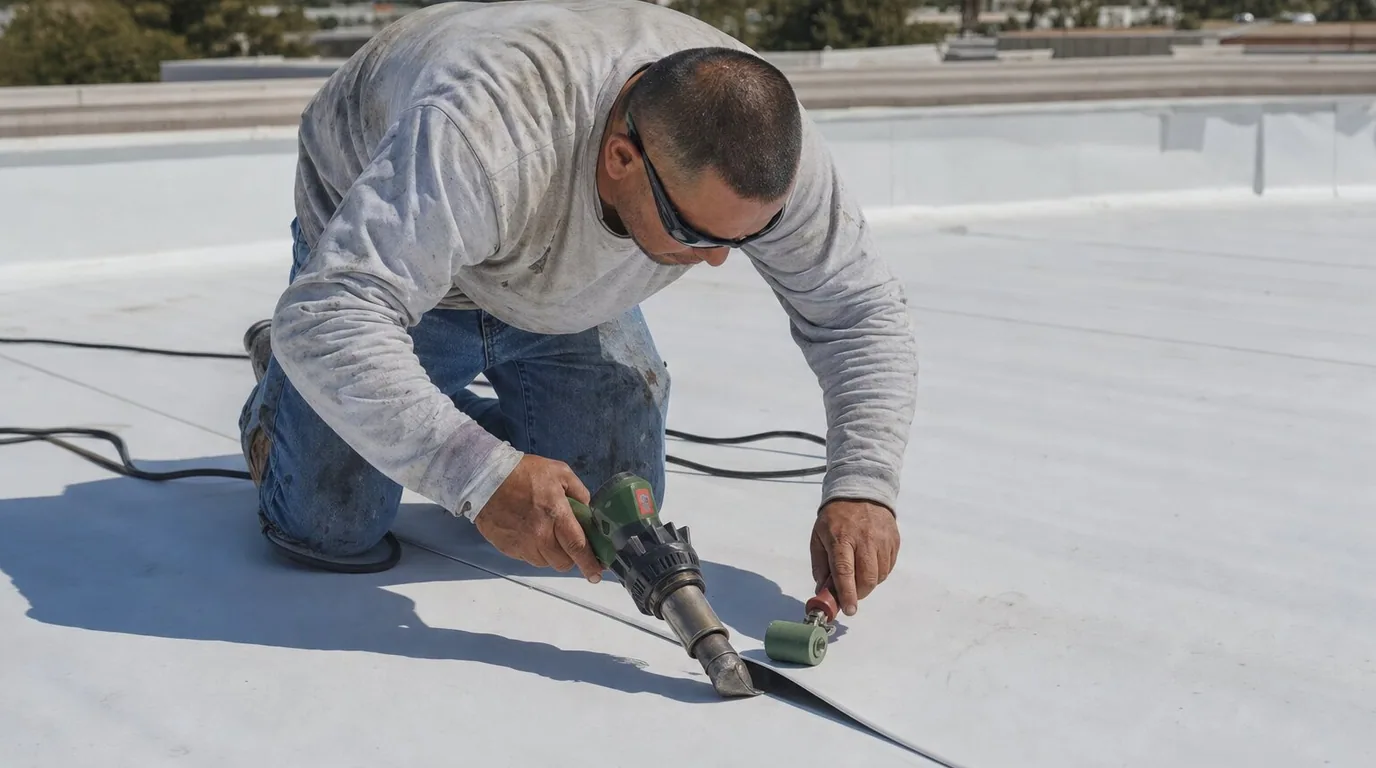
TPO is a white, heat-welded sheet that reflects sun and welds clean seams, PVC adds grease and chemical resistance for restaurants and exhaust-heavy roofs, and EPDM is a flexible rubber sheet that stays supple in deep cold. KEE is a ketone-ethylene-ester sheet used where a tougher, chemical-resistant surface is wanted. Each one is only as good as its seams and terminations at the parapet.
Modified bitumen and built-up roofing are layered systems with a long record on flat roofs. Their strength is redundancy: several plies, a surfacing and a cap. Their weakness is weight and the laps. We check the cap sheet for hail bruises and the flashing for thaw cracks, since ice at the scupper puts the most strain on a layered edge.
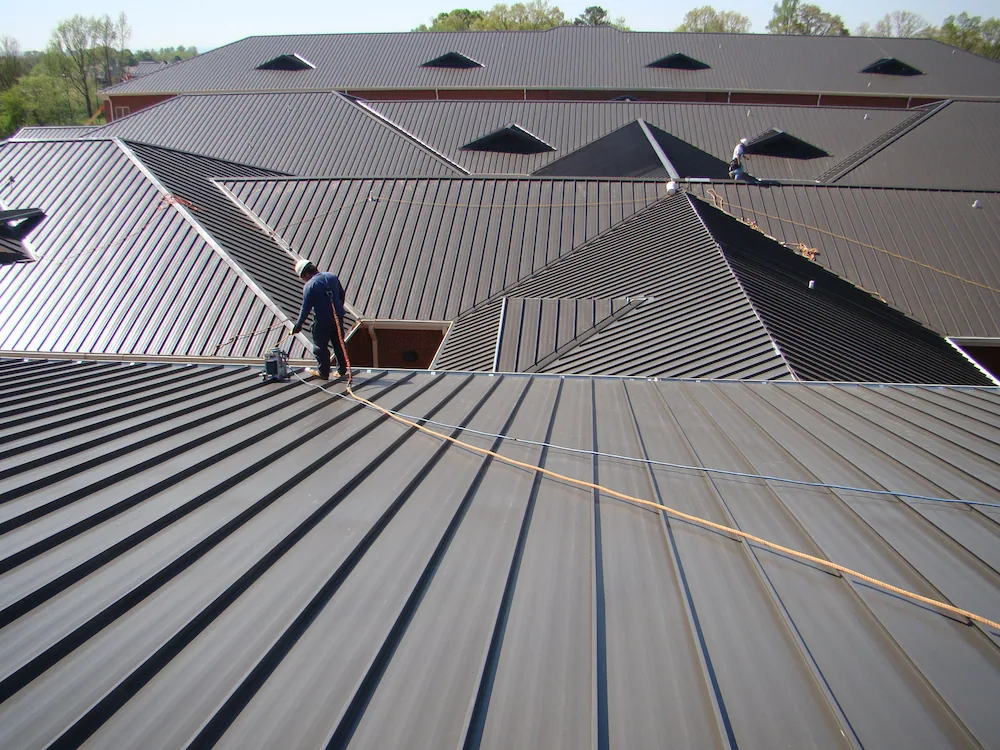
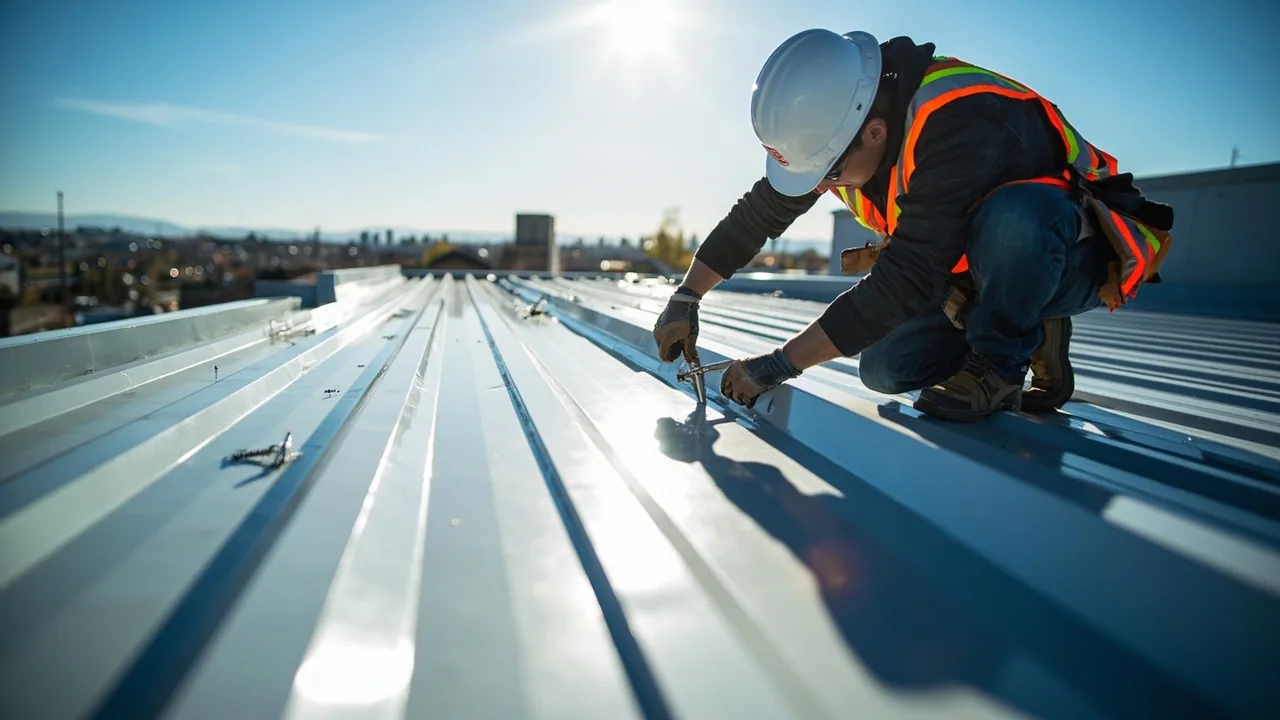
Standing seam metal sheds snow and carries a long service life when its clips and fasteners are sound, and a metal retrofit can go over an old roof if the structure allows. The trade-off is snow behavior: a sliding load needs snow guards over entries and walks. Metal also shows hail dents that a membrane may hide.
Spray foam adds insulation and a continuous surface, and silicone and acrylic coatings restore a sound roof without a tear-off. All three need a dry substrate. In a valley with short summers, the cold-weather adhesive window limits when they can go on, so we plan them for the warm months and confirm the core cuts first.
Hail is the second test. Bozeman took golfball stones in June 2010, and a coating or a foam surface can bruise without showing it from the ground.
Look at the building and the details. TPO reflects heat and welds seams. EPDM stays flexible in cold and is simple to repair. The deciding point is usually the flashing and the traffic on the roof.
It changes the structure and the drainage more than the membrane. Montana design values for Bozeman include a 50 psf ground snow load, so insulation and attachment get checked.
Only if the insulation is dry and the sheet is sound. We cut cores first.
No surface is hail-proof. Thicker membranes, a cover board and a firm substrate resist bruising better, and we inspect after every storm.