
TPO Roofing in Bozeman, MT
TPO Roofing in Bozeman and the Gallatin Valley
A white TPO roof over a warehouse near Belgrade looks spotless in October and tells a different story after a Gallatin Valley winter. Snow slides off the low side and drifts against the first row of rooftop equipment. It melts, refreezes at the seam lines and tests every weld. The sheet itself is rarely the problem. The seams and the terminations are. Bozeman, MT takes about 91 inches of snow in an average year, so a TPO roof here gets judged by how its welds behave through a long run of thaw cycles. If you own or manage a building with a TPO roof, where does the ice show up first?
We install, repair and replace TPO membranes on commercial buildings across the valley, and we describe what we find in plain language before anyone prices a job.
What is a TPO roof, and why do owners pick it?
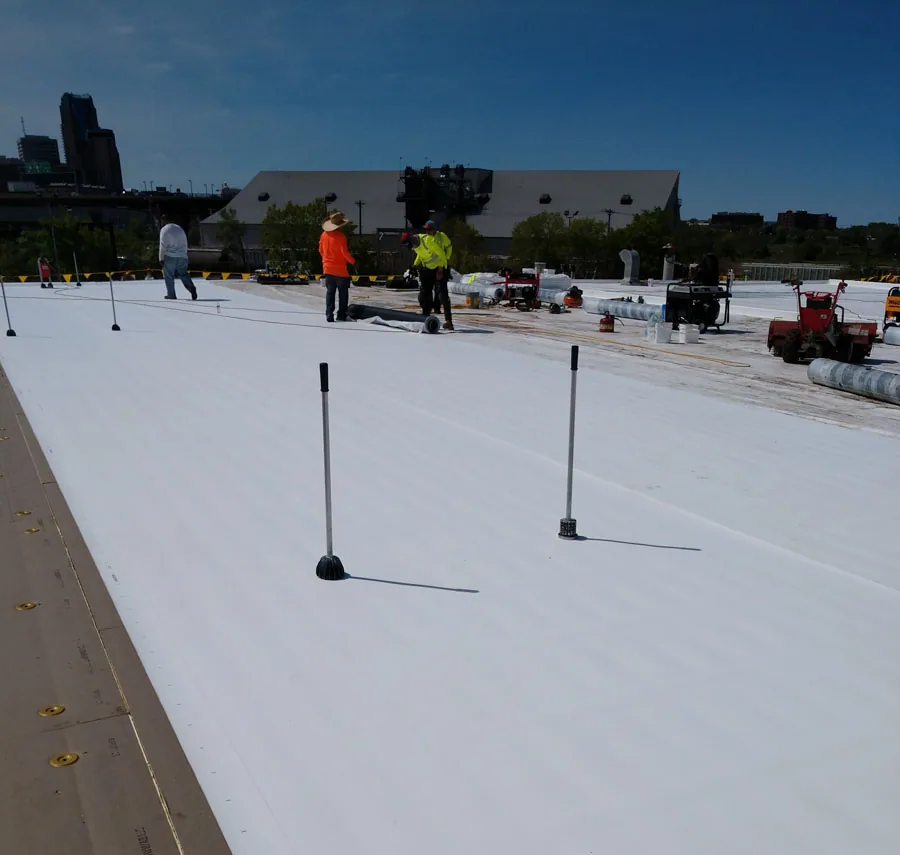
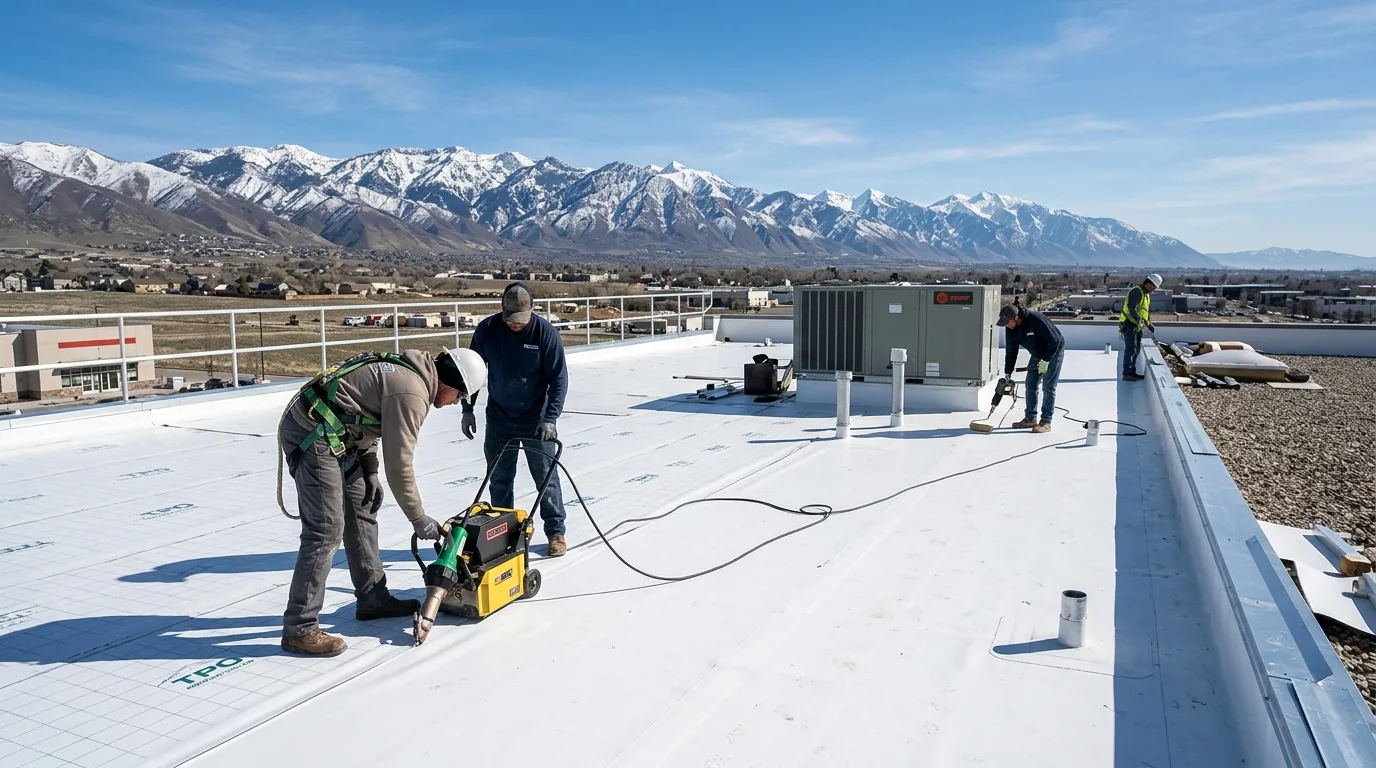
TPO is a thermoplastic single-ply sheet, usually white or light gray, that is welded at the seams with hot air so the joints become part of the membrane. It is lighter than a ballasted system, reflective in summer and available in a range of thicknesses and reinforcements. Owners pick it because it is cost-effective across large, low-slope fields such as distribution buildings, flex space and big-box retail.
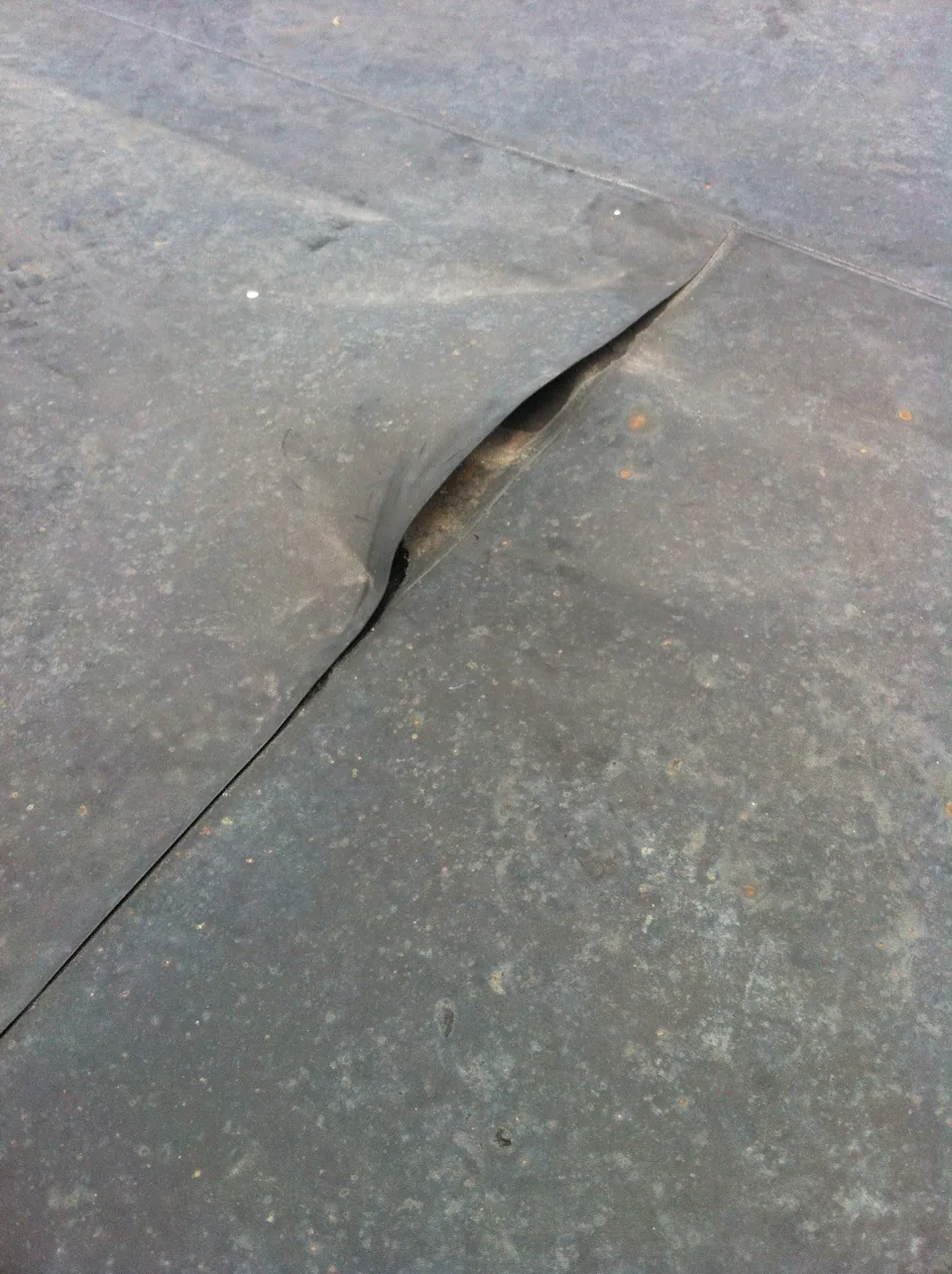
The weld is the strength of the system and also its weak point. A good weld is continuous and consistent. A cold weld looks fine and then opens in the first hard freeze. So we probe every seam on a new install and on an existing roof, and we write the result down with photographs.
How does a TPO sheet handle Bozeman snow?
Januarys in Bozeman average a nightly low near 15 degrees F, and the record is minus 46. TPO stays flexible enough in that cold, but it is slick once snow lies on it, and sliding snow can tear equipment connections or fall on entries. A consultant summary of Montana criteria puts the ground snow load for Bozeman at 50 psf, and drifts behind parapets and equipment push local loads well above the average.
We check the deck, the drift zones and the drains before we recommend a TPO roof. Where snow slides to a doorway, scuppers and drains and snow guards on the adjacent metal get specified together, because a clean drain does more than a clever membrane. Walkway pads go along the paths that crews use to reach rooftop units, so winter service does not scuff the sheet.
Can TPO be installed in cold weather?
It can, within limits. Hot-air welding needs a clean, dry, frost-free surface, and adhesives have a cold-weather window that varies by product. Frost on the insulation, damp cover board or blowing snow all spoil a weld. Work in the cold months is limited to repairs, and a full replacement is scheduled when the forecast supports a day of dry work and dry-in.
That is why scheduling matters in Bozeman. A tear-off that starts late in the fall can leave a half-open roof when the first heavy snow arrives. We plan the work in sections that can be closed each day, and we hold a backup date. If a front moves in, the open section is sealed and the crew moves to drain and edge work.
What does hail do to TPO?
Hail is the second big stress. Two storms on June 30, 2010 put baseball-size stones east of Gallatin Field and golfball-size ones over Bozeman for roughly thirty minutes. Early August 2013 brought golf-ball hail to much of Belgrade and north Bozeman, with gusts to 89 mph. Stones that size can bruise a TPO sheet by crushing it against soft insulation, even where the surface looks intact.
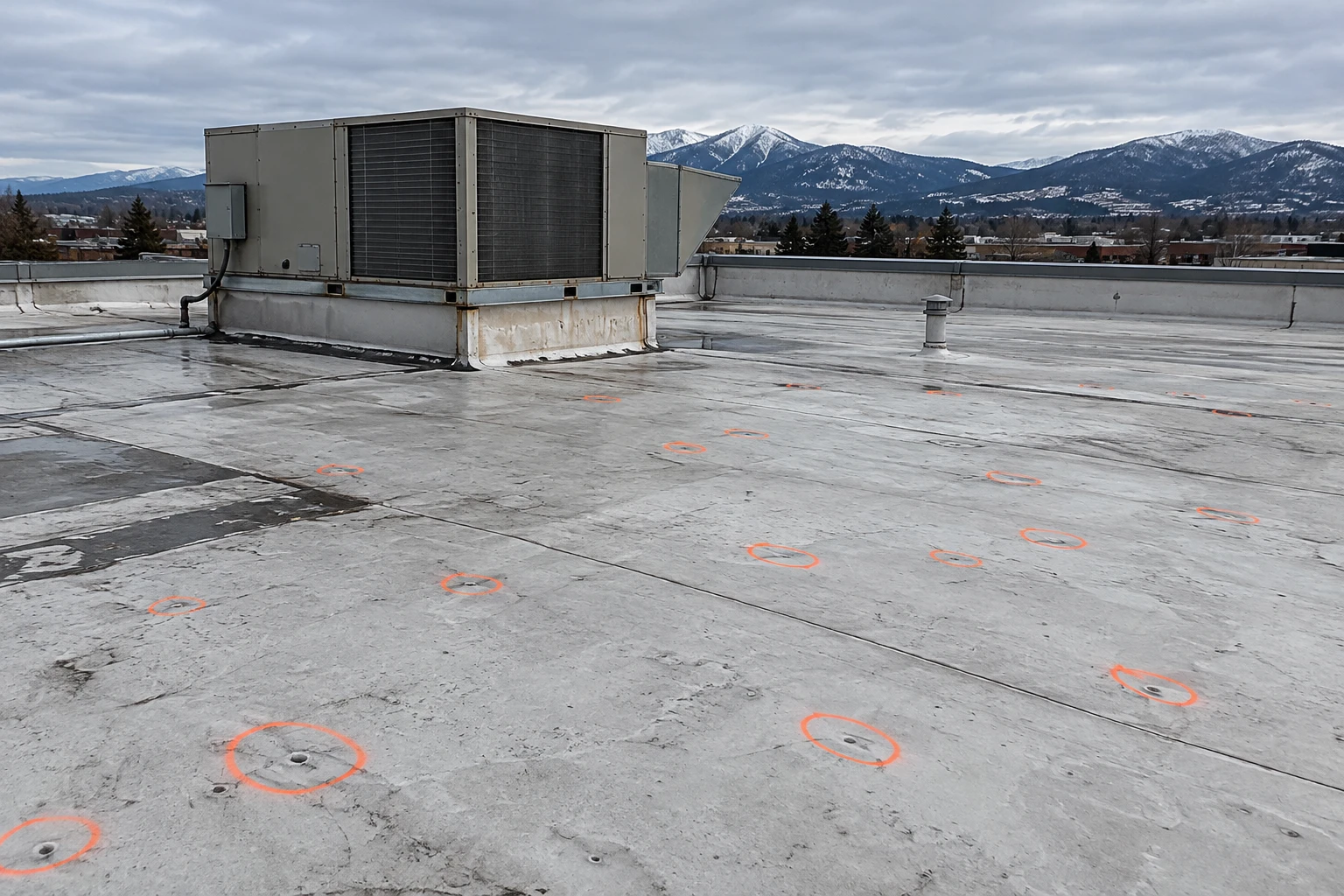
We look for round, soft marks, then cut a core at the deepest ones. If the insulation under the bruise is crushed, the sheet will crack there in a later freeze. A firm cover board under the membrane resists impact far better than soft board alone, and that detail is worth pricing on any new TPO roof. After a storm, hail damage repair starts with photographs and a core cut, not a guess.
Where does a TPO roof fail first?
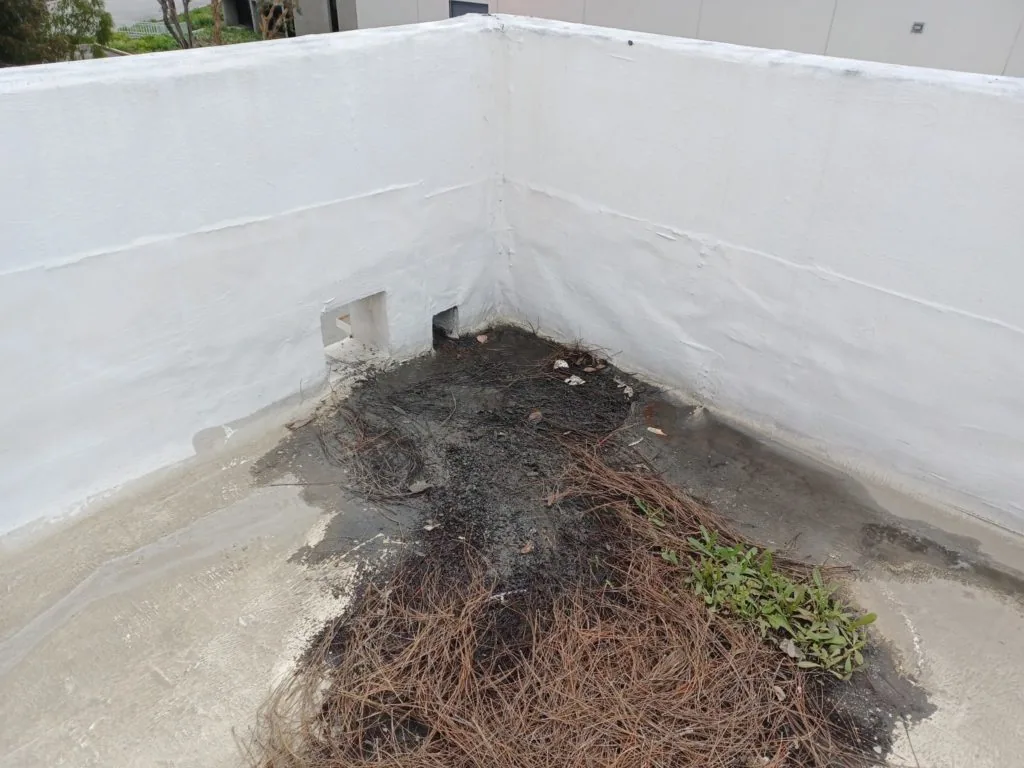
The same short list shows up on existing TPO roofs. Seams that were cold-welded open at laps. Flashings at parapets and curbs pull away. Drains clog with grit and the water ponds along a seam. Walkway damage from service traffic cuts the sheet. Each of these is a detail failure, and each can be repaired without a new roof if the insulation is dry.
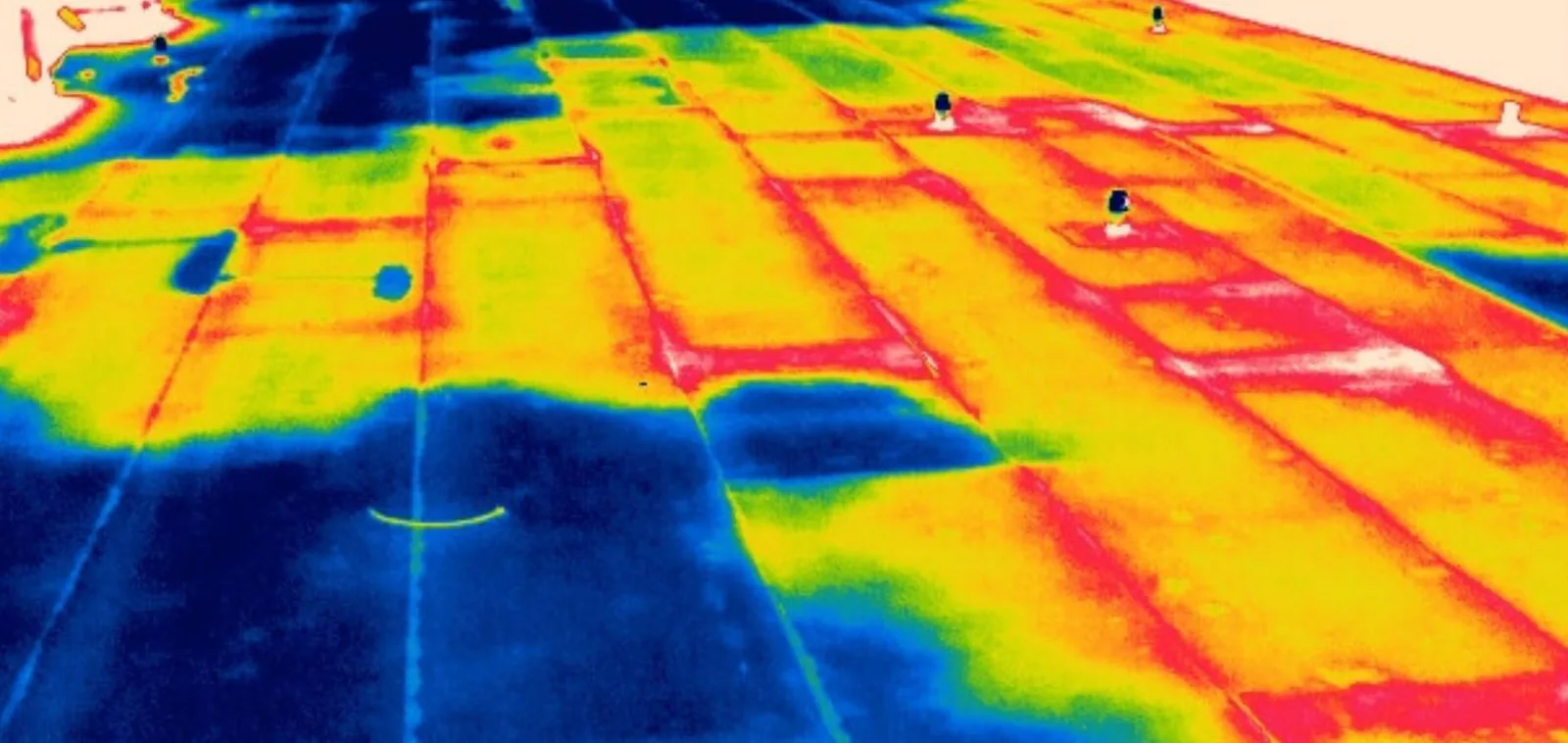
When the same detail fails again and again, or when moisture has reached the insulation, repair stops being the cheaper answer. We confirm with an infrared moisture survey and core cuts, then lay out repair, a recover and replacement side by side with the expected life of each. A seam failure found early stays a small repair.
Which buildings suit TPO best?
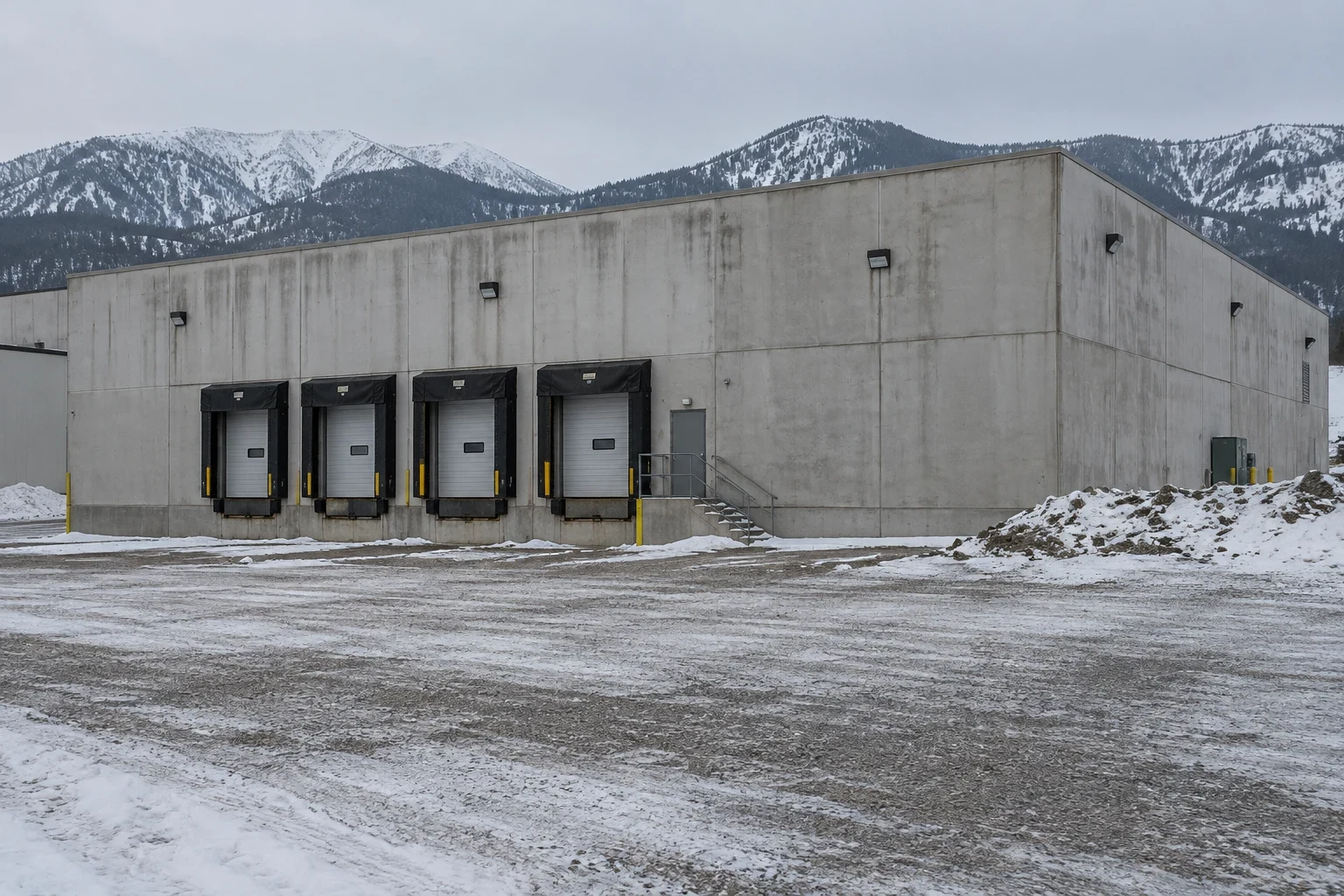
Long, low-slope roofs on a warehouse or flex building suit TPO well. Light industrial and flex buildings are going up near Belgrade, and TPO is a standard candidate for roofs like those. Offices and retail buildings use it as well.
It is less suited to roofs with heavy grease exhaust or chemical vapor, where a different sheet may hold up better. We also check adjacent materials, since contact with some asphalt products can shorten a sheet's life. Roofs around the Copper Ranch Road business area and Belgrade start with those compatibility checks.
Where a kitchen exhaust, a lab vent or a process stack throws grease or chemical vapor on the roof, we look at PVC instead, since it resists those exposures better. Where an existing roof is black rubber and a repair has to bond to it, EPDM may be the right match. The building tells us which sheet belongs on it, and the first walk is where that answer comes from.
A lab building at Montana State University and a retail box on North 19th Avenue show how wide the range is. Each needs its own look at exhaust, access and snow, and a sheet chosen for one will not always suit the other.
Questions About TPO Roofing
How long should I expect a TPO roof to serve in Bozeman?
Service life depends on the sheet, the seams and the maintenance. We do not promise a number. We recommend a walk each spring and fall, a log of repairs and a core cut before any decision, so the expected life rests on what the roof shows.
Is white TPO a problem when snow sits on it for months?
No, though snow load and slide are the concerns, not color. We recommend checking drift zones, drains and equipment connections each fall. Snow guards on adjacent metal and walkway pads along service paths keep winter work from damaging the sheet.
Can a TPO roof be patched in winter?
In cold weather a temporary seal can stop water. Permanent welds should wait for a dry, frost-free day. We recommend a temporary seal, photographs, and a scheduled permanent repair in the first workable window.
What should I do after a hailstorm?
Have the roof walked within a few weeks. We recommend photographs of the whole field and core cuts at the deepest bruises, because early records support an insurance claim and show whether the insulation took the blow.
Does TPO work over an old roof?
It can, when the existing roof has dry insulation and a sound deck. We recommend moisture testing before any recover, since a new sheet over wet insulation traps water and shortens the life of both layers.