Roof Recover and Overlay in Bozeman, MT
Roof Recover and Overlay in Bozeman and the Gallatin Valley
Owners of light-industrial and flex buildings around Four Corners reach the same crossroads sooner or later: the membrane is tired, the insulation underneath looks fine, and nobody wants to pay for a full tear-off. A recover looks like the shortcut. Sometimes it is. Sometimes it buries a wet roof under a clean new face and sets up a worse leak in three years.
In Bozeman, MT, the deciding evidence is under the membrane. We cut cores, read a moisture survey, and weigh the extra load on the structure before anyone prices a recover. This is how that call gets made on a flat commercial roof in the Gallatin Valley.
Which buildings are good candidates for a recover?
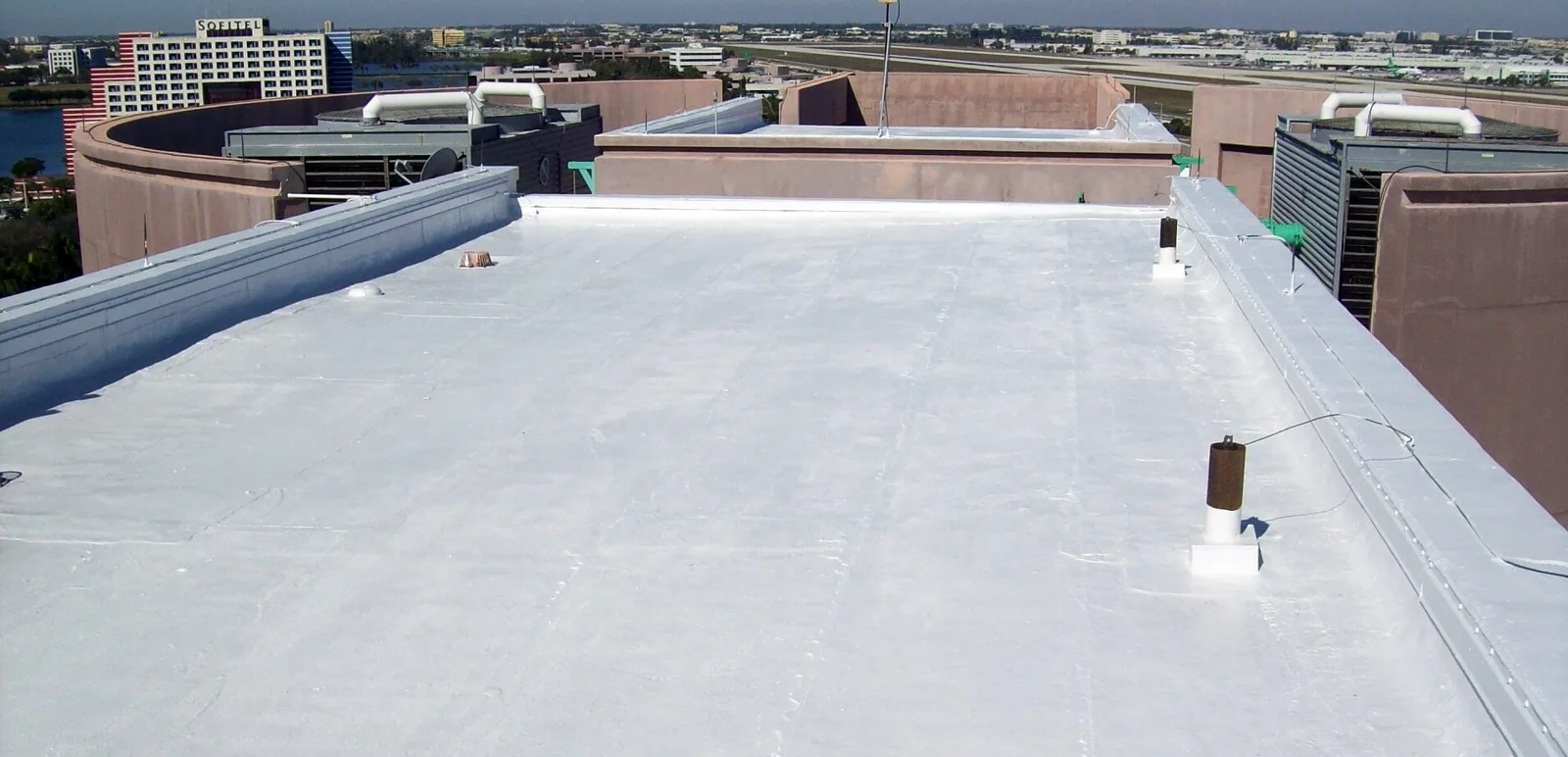
The best candidate is a building with a single membrane, dry insulation and a deck that is sound. Picture a newer warehouse like those rising on Jackrabbit Lane in Belgrade, with a single-ply roof that has taken a hailstorm. If the insulation is intact and the seams have aged, a second membrane over a new cover board can bring the roof back without a tear-off.
Poor candidates include roofs with two or more layers already in place, roofs with wet or crushed insulation, and roofs whose drains and edge details sit too low to take another layer. A recover raises the roof surface, so parapet heights, door thresholds and curb flashing heights all have to survive that rise. When they do not, a tear-off is cheaper than rebuilding every detail around the overlay.
How do we prove the insulation is dry?
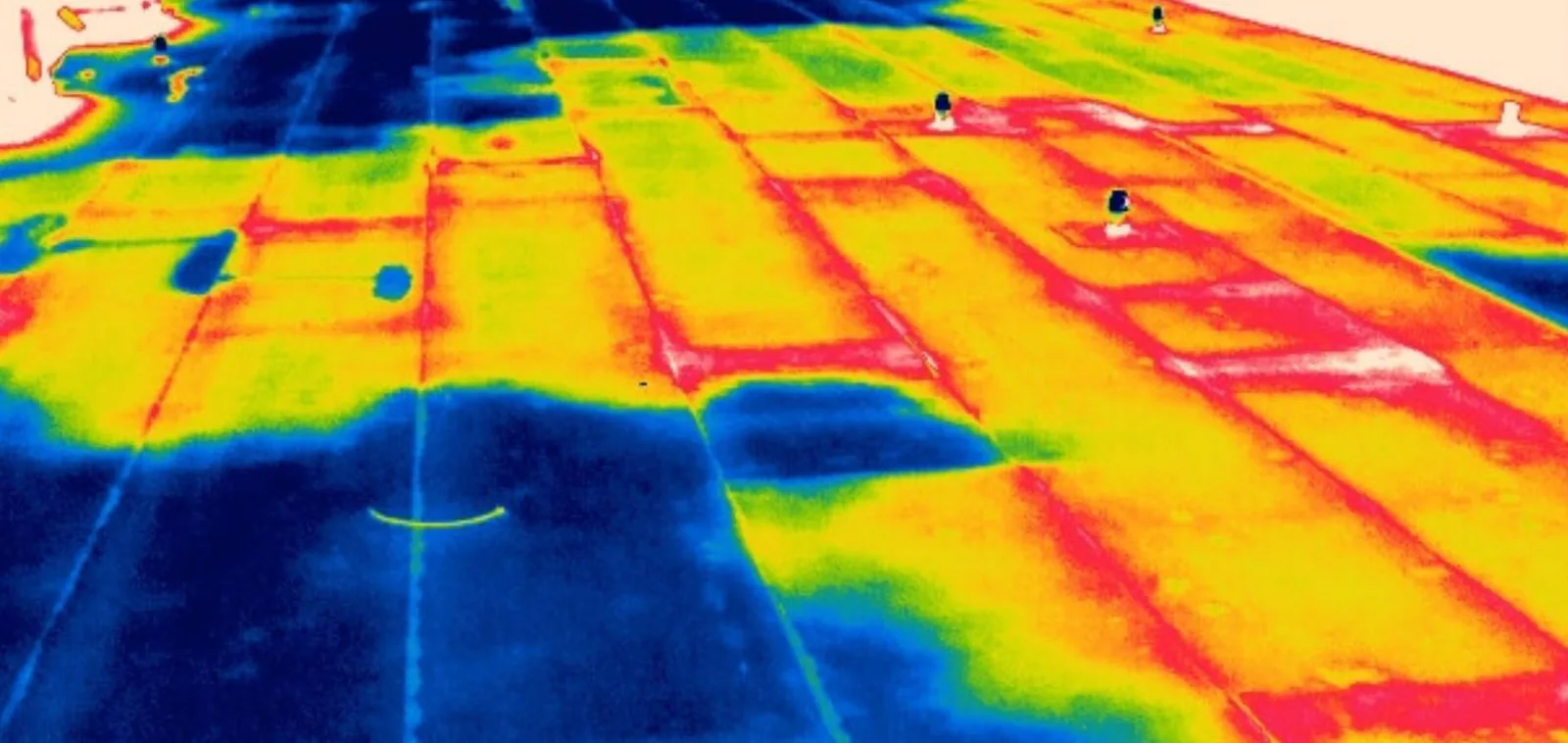
We start with an infrared and core-cut moisture survey that marks cool, damp areas, then confirm with cores at the cold spots and a few from the dry field. Cores show what a scan only suggests: whether the insulation is soaked, whether the old adhesive still holds, and whether the deck below is rusting. If the survey shows wet sections, the choice is to cut those out and patch the insulation, then recover, or to take the whole roof off.
This work happens before the proposal because it changes the scope. A recover priced without cores is a guess, and a guess is how owners end up with a change order in the middle of the job.
What does a second layer do to the snow load?
A recover adds weight, and on a building that already carries a heavy winter, weight matters. With roughly 91 inches of snow a winter, Bozeman asks a lot of a roof, and the structure should be able to carry a design snow load on top of the dead load of two membranes and any added cover board. A consultant summary of Montana design criteria lists 50 psf for Bozeman under the 2021 IBC, with ARM 24.301.154 governing the numbers designers use. For an older building with unknown framing, we ask for an engineer to confirm that the structure can carry the added layer, and we keep the letter in the project file.
Drifts behind rooftop units and parapets make the real load uneven, so a roof that is fine in the open field can still be overstressed at one corner. We map those corners during the survey.
Does a recover help against hail?
It can, and it can also hide damage. A second layer plus a firm cover board gives a stiffer assembly under impact than a bare thin membrane. The June 30, 2010 storm put golfball-size stones on Bozeman while baseball-size stones fell east of Gallatin Field, and it broke dozens of windows at Montana State University and tore up a downtown marquee. A roof that took stones of that size may be bruised in a pattern that a recover would cover. We photograph and map bruises before anything goes over them, and we tell the owner if the damage belongs in an insurance claim before the overlay.
What goes over the old roof?
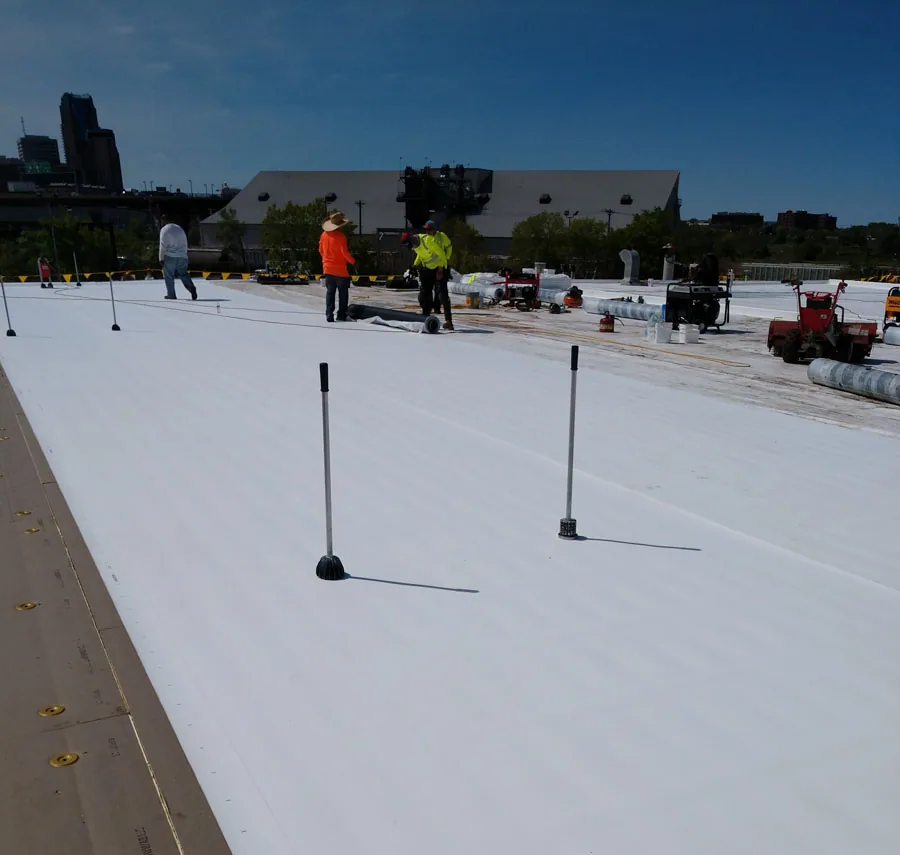
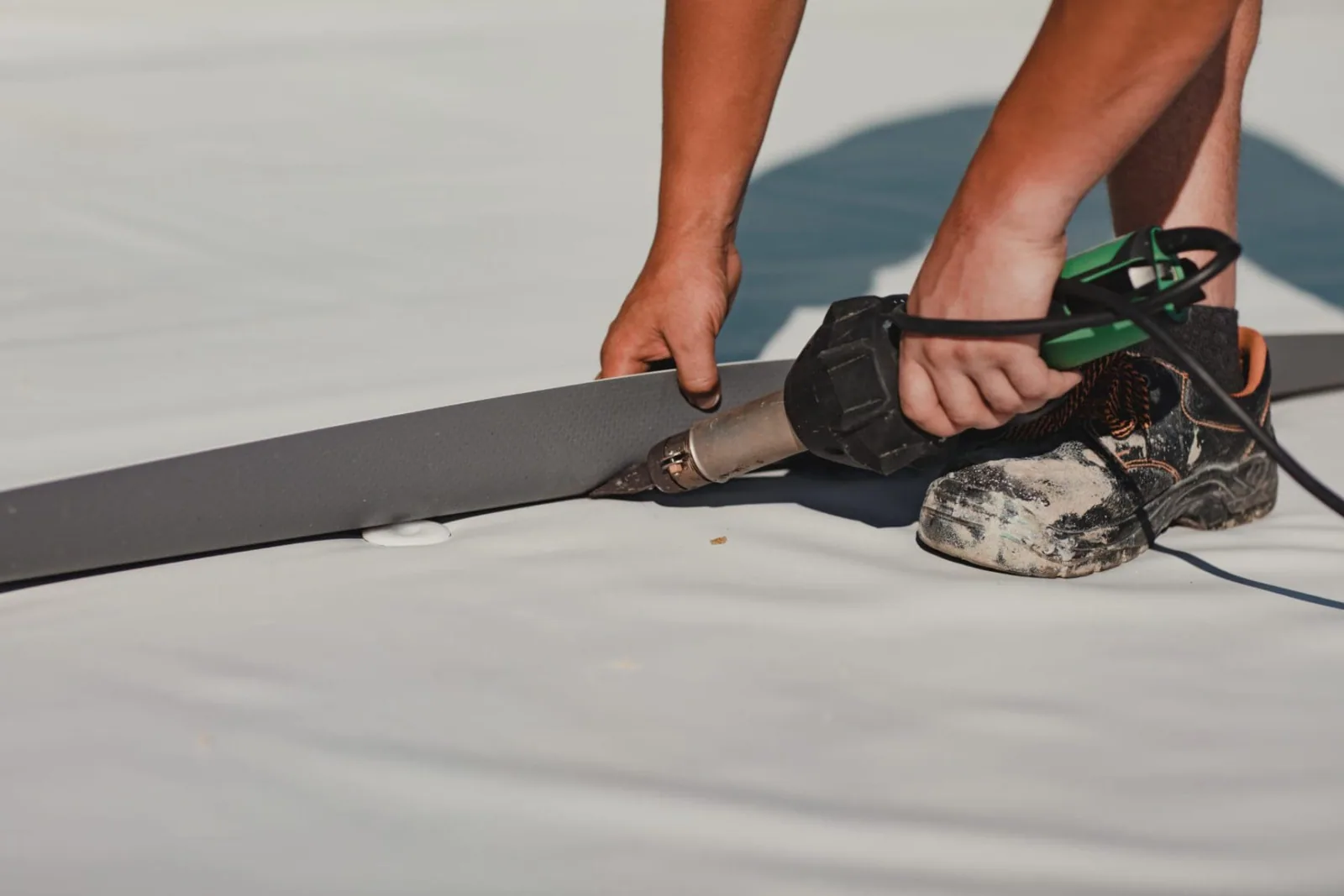
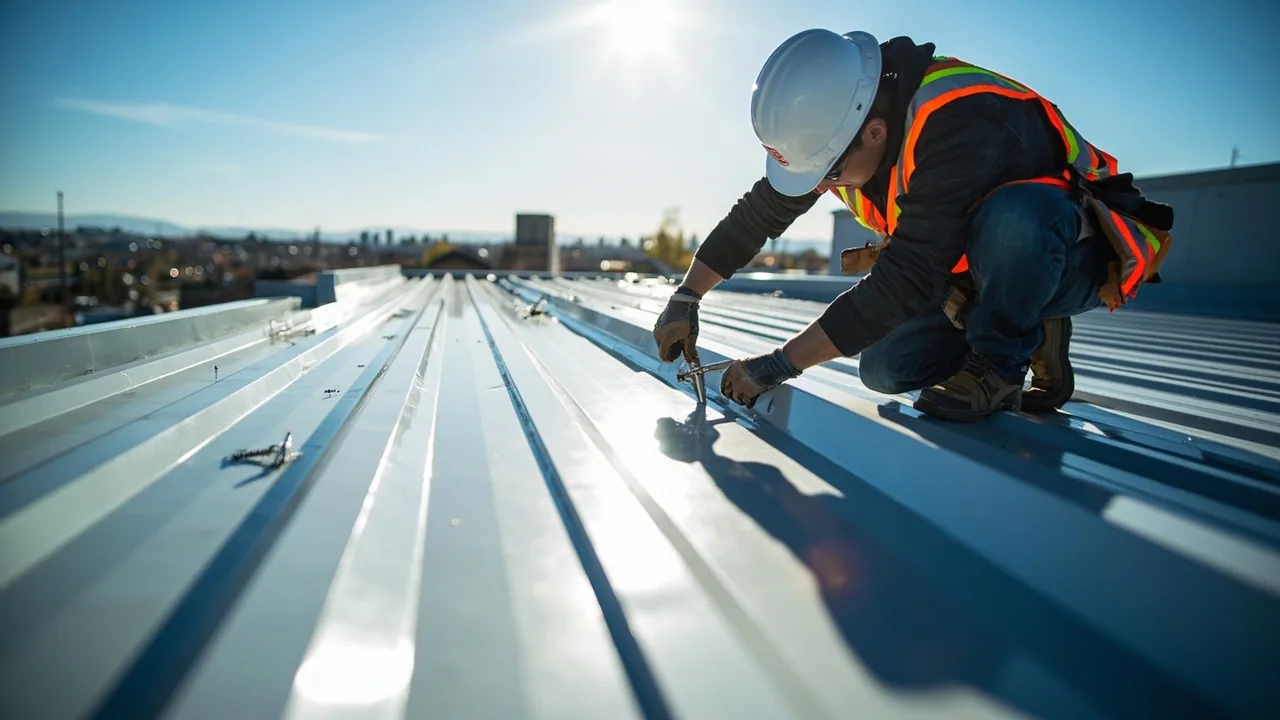
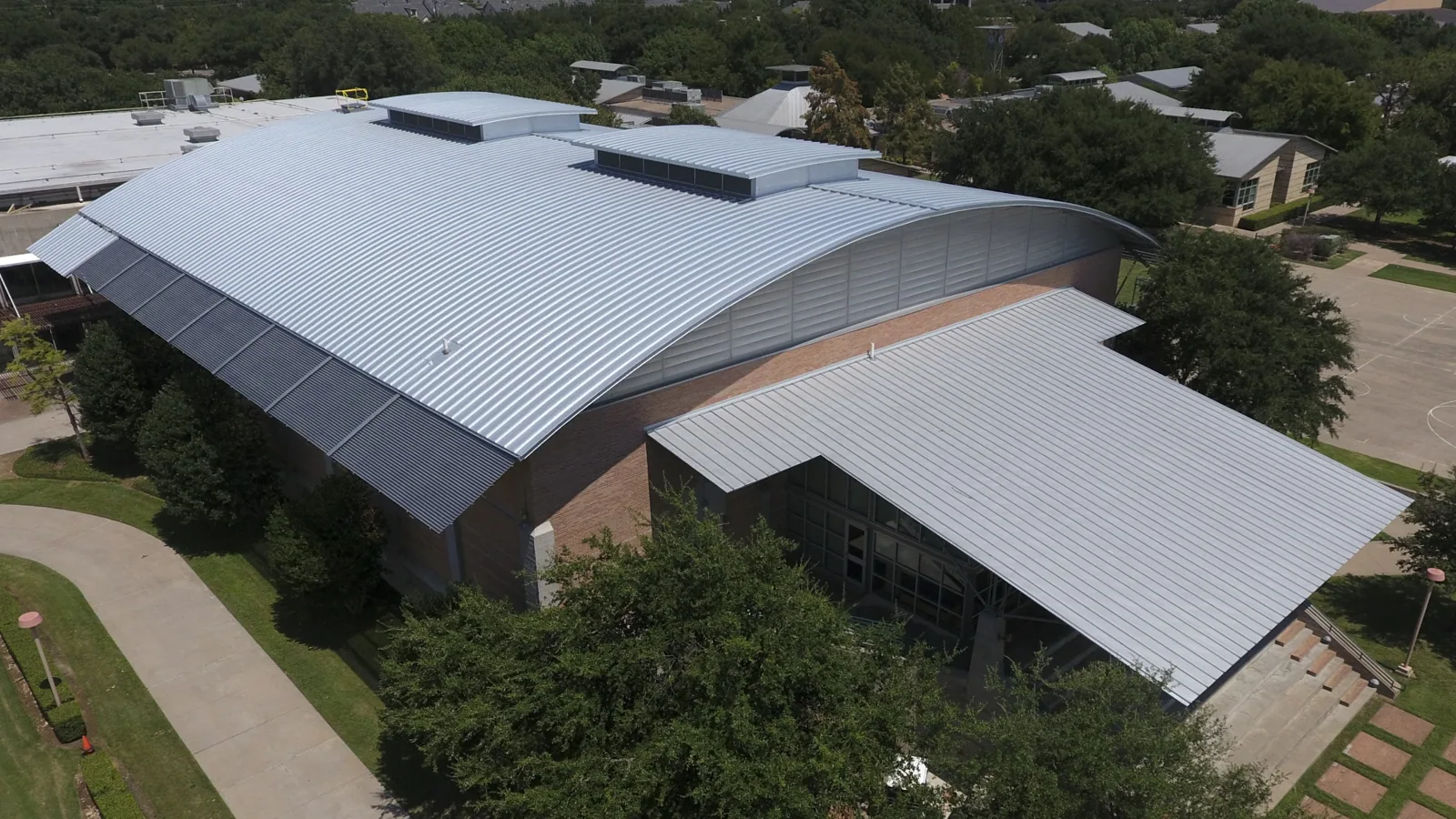
The usual sequence is cleaning, repairs to blisters and splits, a mechanically fastened or adhered cover board, then the new membrane. For single-ply roofs we often choose TPO or PVC over a cover board. Over a built-up or modified roof, the cover board keeps the new membrane from bonding with old bitumen. Metal roofs that need a new face can take a metal retrofit system, which can be fastened to the existing panels with the right framing.
Fasteners need a pullout test at the deck, because a screw that grabs well in one area can spin in a rusted flute a few feet away. In cold months, adhesives and sealants have a working temperature range, and we plan the cure window as part of the schedule. If the forecast turns, we stop at a termination that can sit overnight rather than leave an open edge, and we cap every day's work so the new surface is watertight.
Edge metal and coping are part of the overlay, not an afterthought. The new surface is higher, so the old coping and counterflashing usually need to be lifted and reset or replaced. On a roof that sheds snow toward a walkway, we also look at snow retention and how the new edge detail handles sliding snow.
When should an owner skip the recover?
Skip it when the cores show wet insulation under more than a small fraction of the roof, when a prior recover is already on the building, or when the design calls for new drainage that tapered insulation can only provide on a clean deck. Skip it as well when the budget savings are smaller than the lost warranty options. A full replacement gives a fresh start with edge metal, drains and curbs corrected at the same time.
Questions About Roof Recover and Overlay
How many layers can a commercial roof carry?
Building codes limit the number of roof coverings, and most jurisdictions allow a recover only when the structure can carry the load and the existing roof is sound. We confirm the number of layers by cutting a core, and we recommend a tear-off whenever a second layer already exists. The structural engineer signs off on loads, and we follow the IBC cycle in force when the permit is pulled.
Will a recover void the existing warranty?
The existing warranty belongs to the manufacturer that issued it, and its terms may restrict overlays. We recommend calling the manufacturer with the proposed system before signing, since some warranties continue and some end when a second layer is added. New work can carry its own warranty from the new membrane maker if the substrate meets their requirements.
What does the cover board do, and can we skip it?
The cover board separates the new membrane from the old roof, adds impact resistance and gives fasteners and adhesives a sound surface. We do not recommend skipping it on a Bozeman roof, because hail and cold cycling both stress the assembly. The board costs money, but it often protects the membrane investment.
Can a recover be done while the building is open?
Yes, with a plan. A recover makes less debris than a tear-off, which helps in an occupied building, but fasteners still pass through the deck in a mechanically attached system. We schedule noisy fastening away from sensitive hours, protect air intakes and keep the roof watertight at the end of each shift. The occupied building reroofing plan sets the access routes and who gets notice.
How do we know if the old roof has been recovered before?
Cut a core. The layers show in the sample, and so does the condition of the insulation and the deck. A walk may also reveal a double-layered edge or odd drain heights. If you are buying a building in Livingston or Three Forks, a due diligence roof survey will find it before closing.