Commercial roofing by building type in Bozeman, MT: retail, warehouse, school, hospital, office, hotel and more, with the winter and hail issues each one faces.
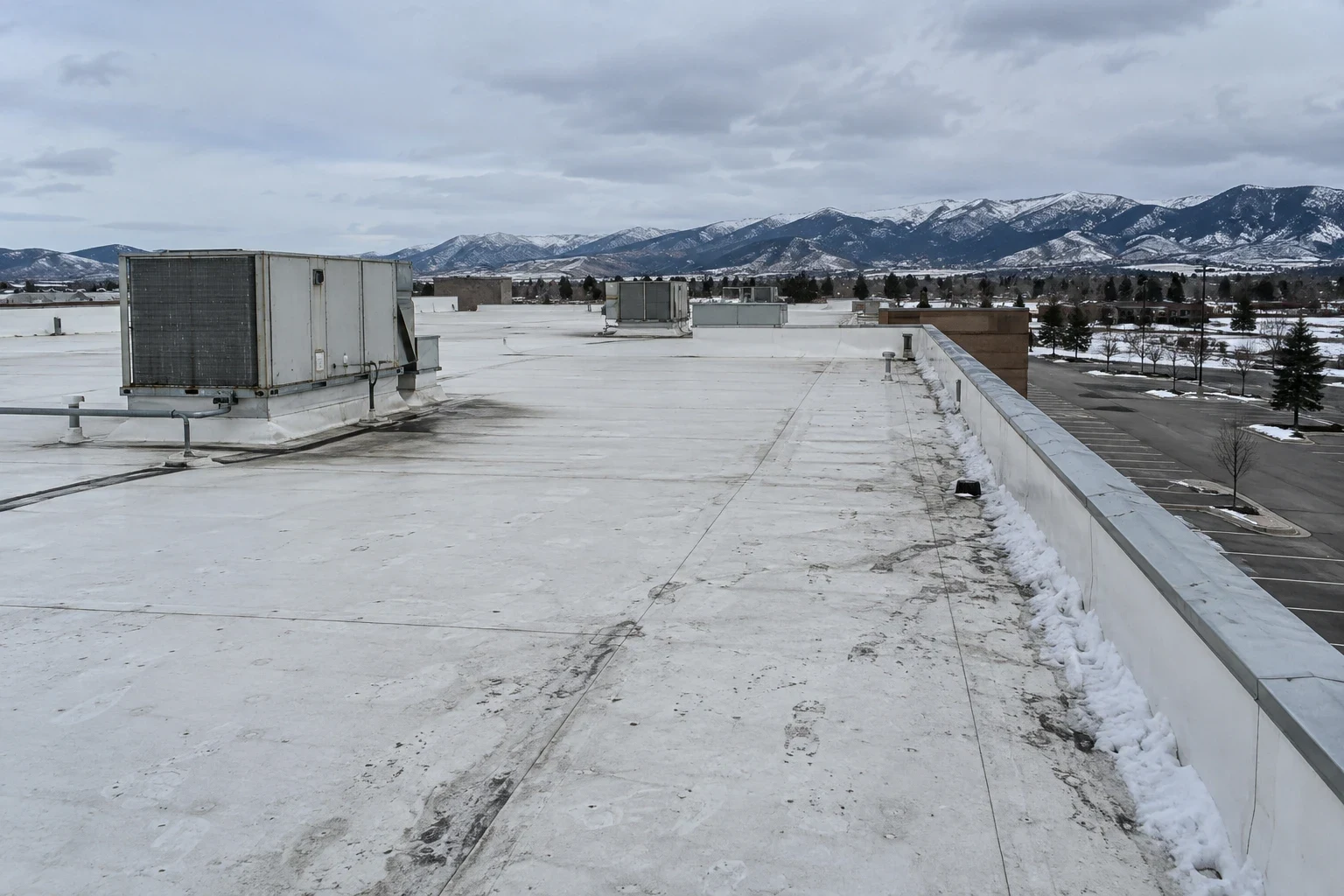
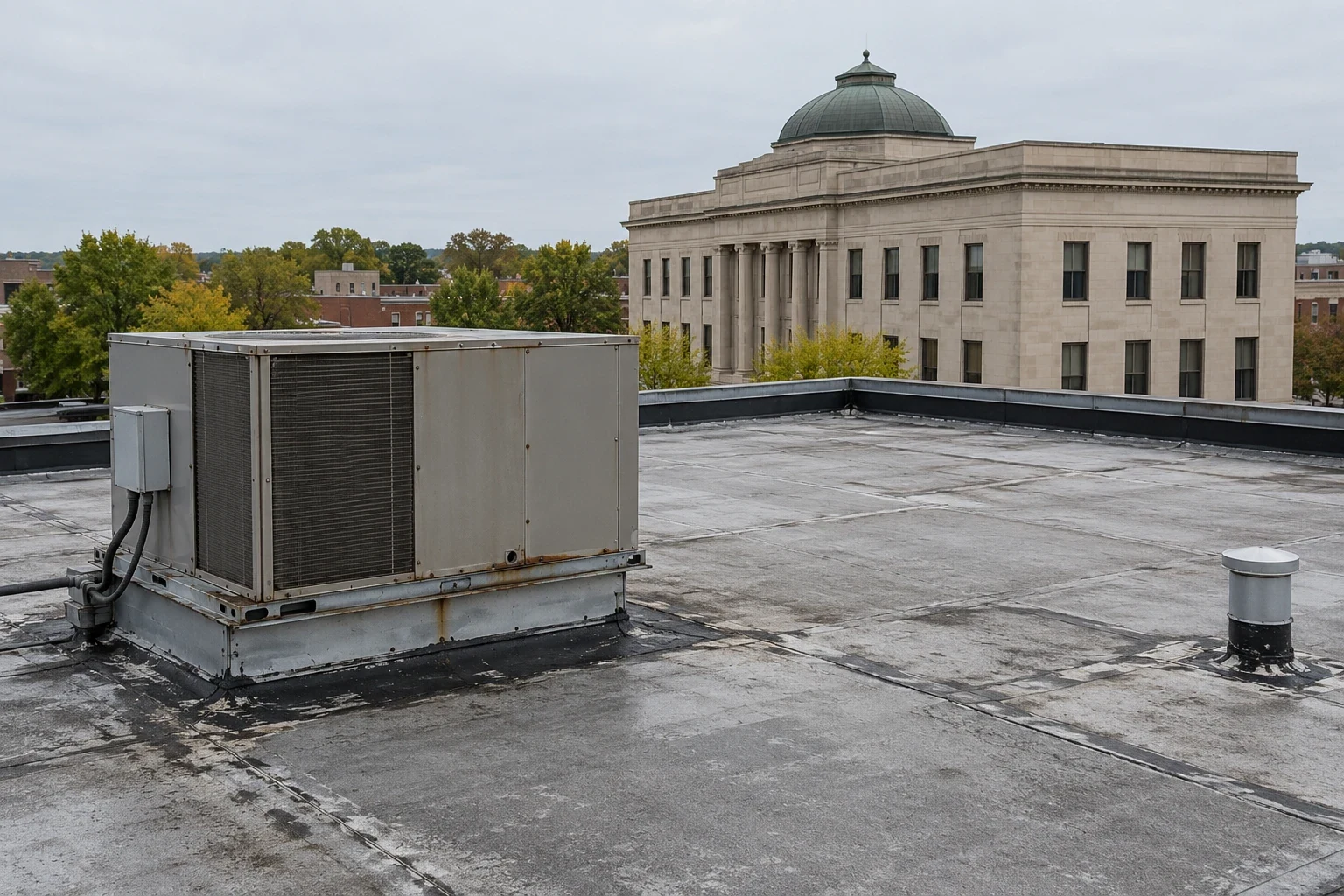
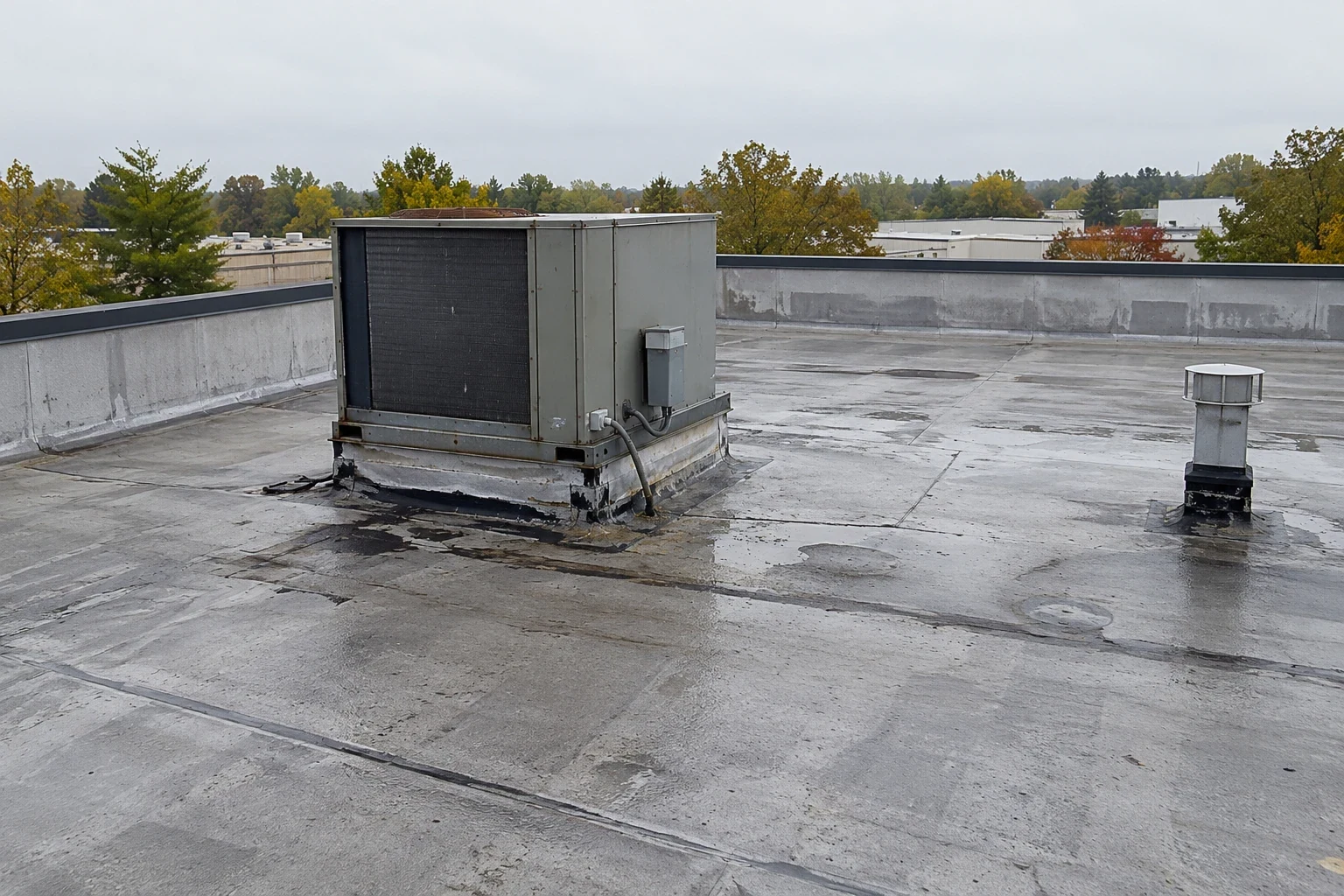
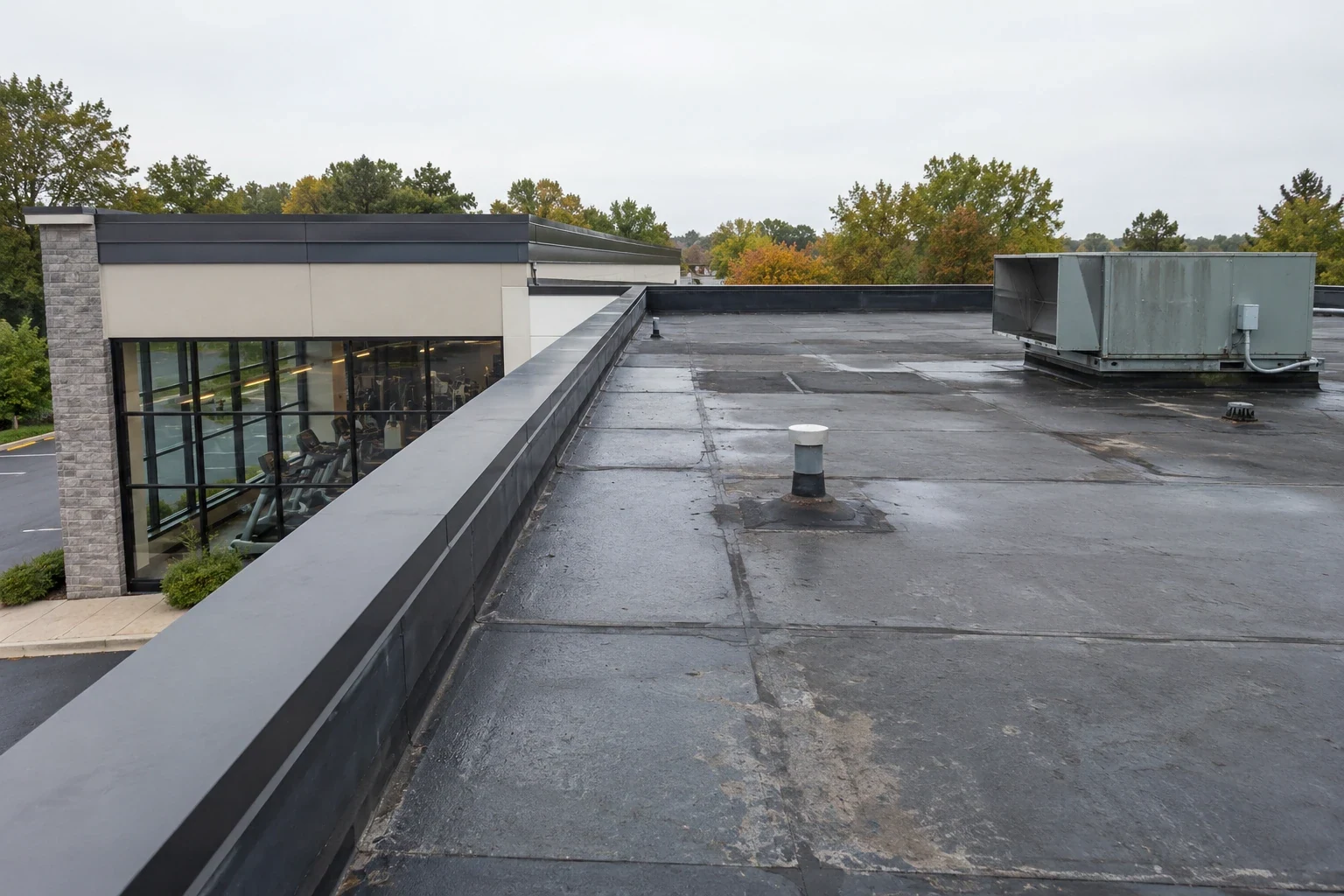
Two buildings can sit a block apart in Bozeman, MT and fail in different places. A big-box store loses the termination at the parapet where snow piles behind the rooftop units. A downtown masonry block loses it at the internal drain. The building type decides which detail gets checked first, so this is where we start.
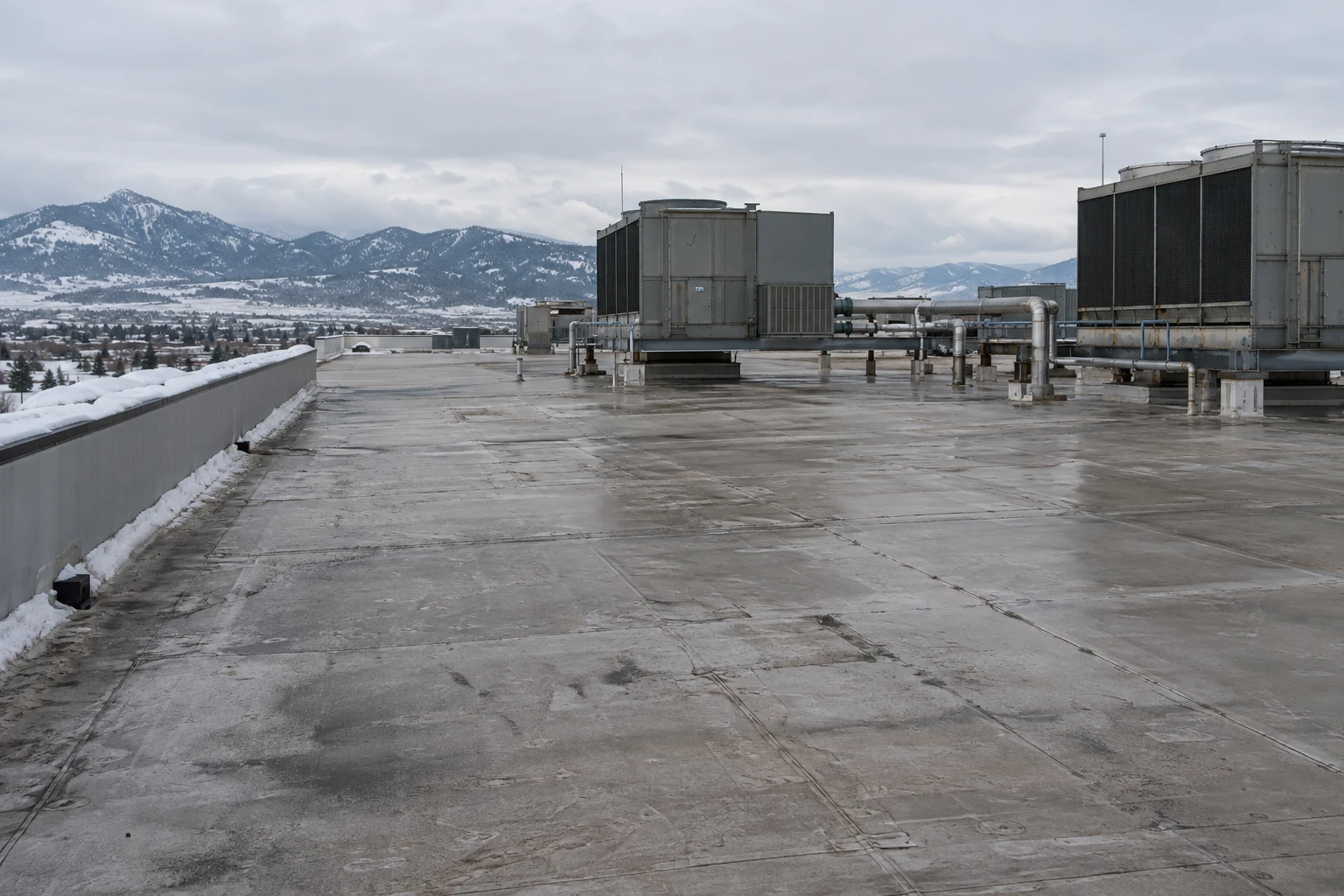
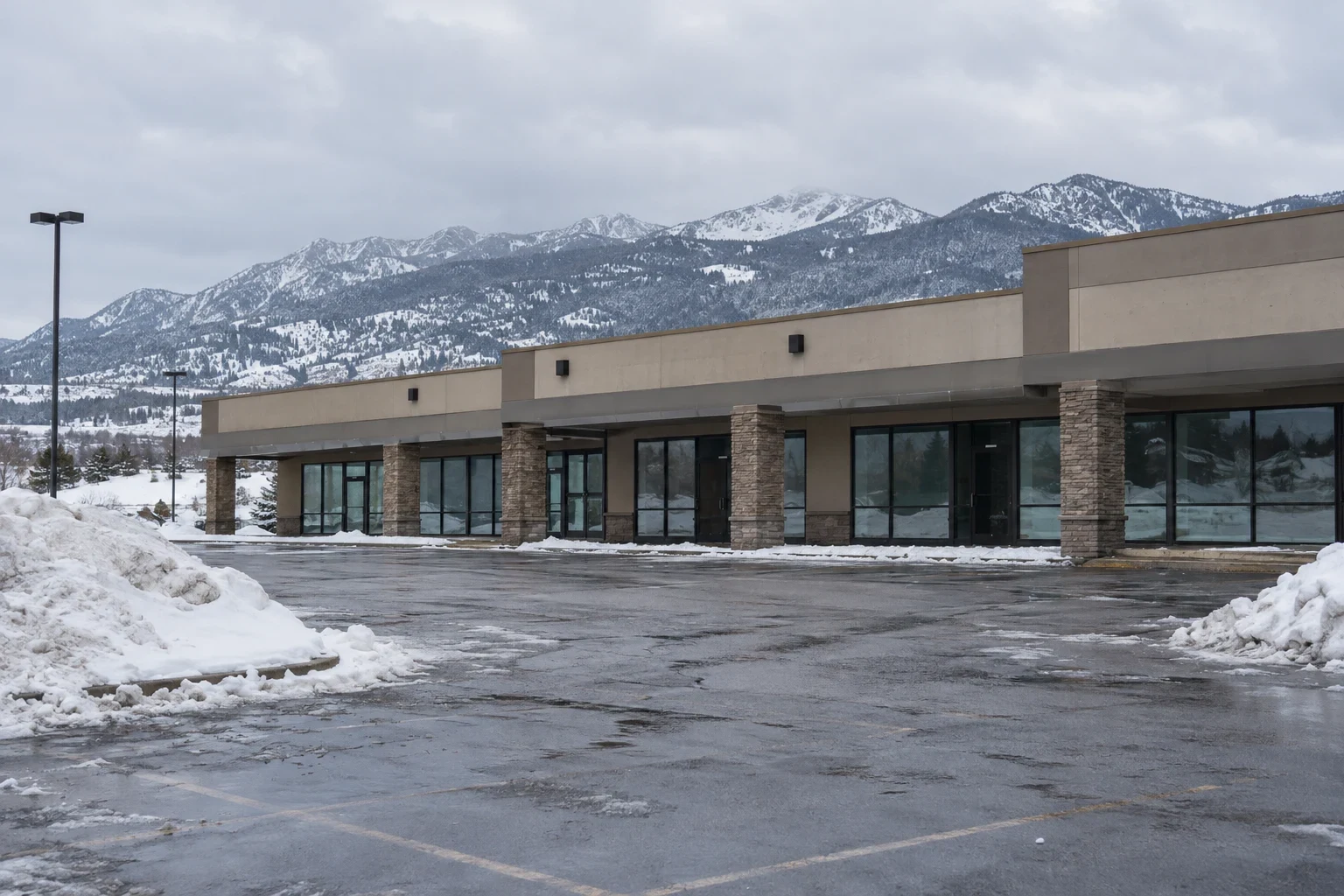
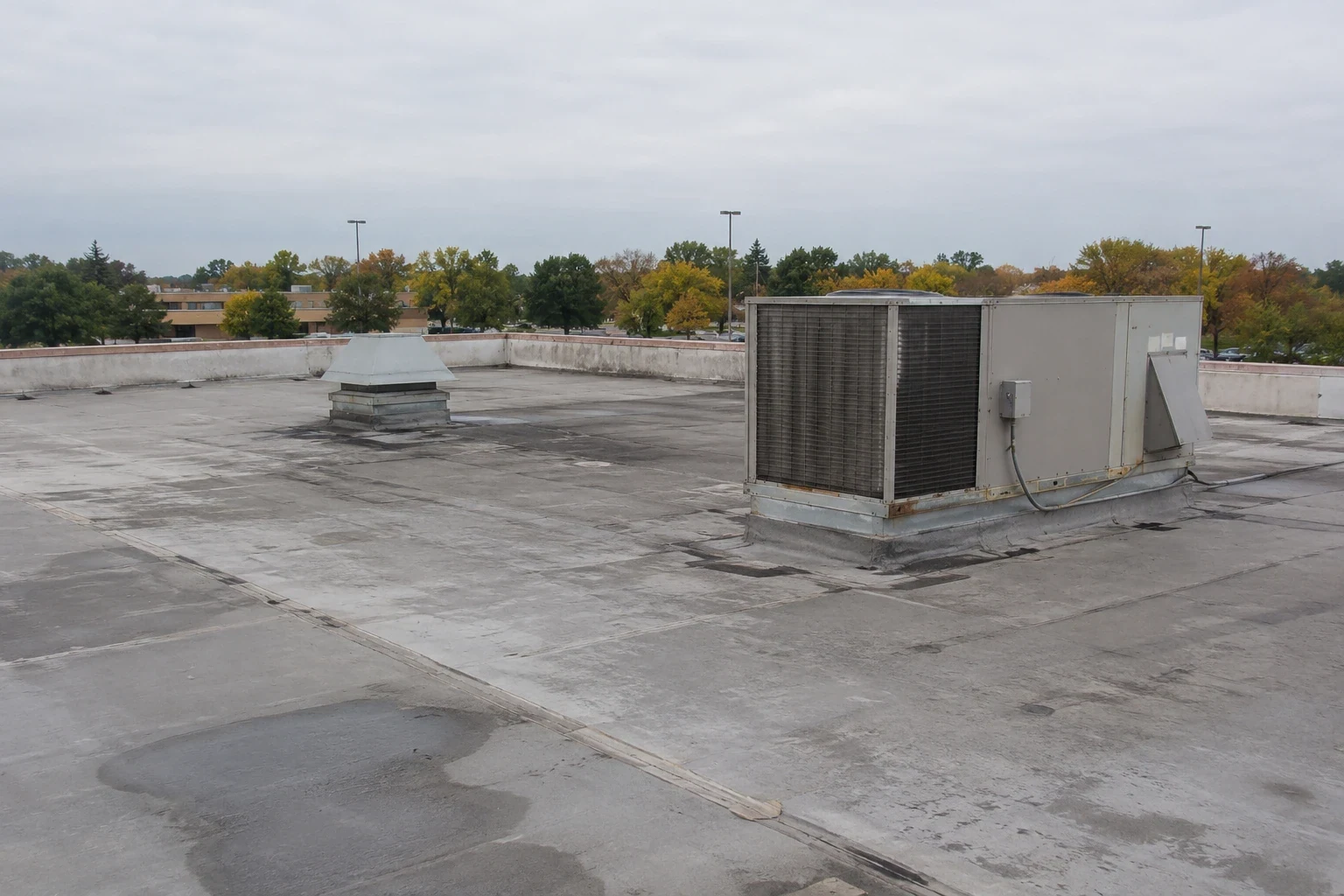
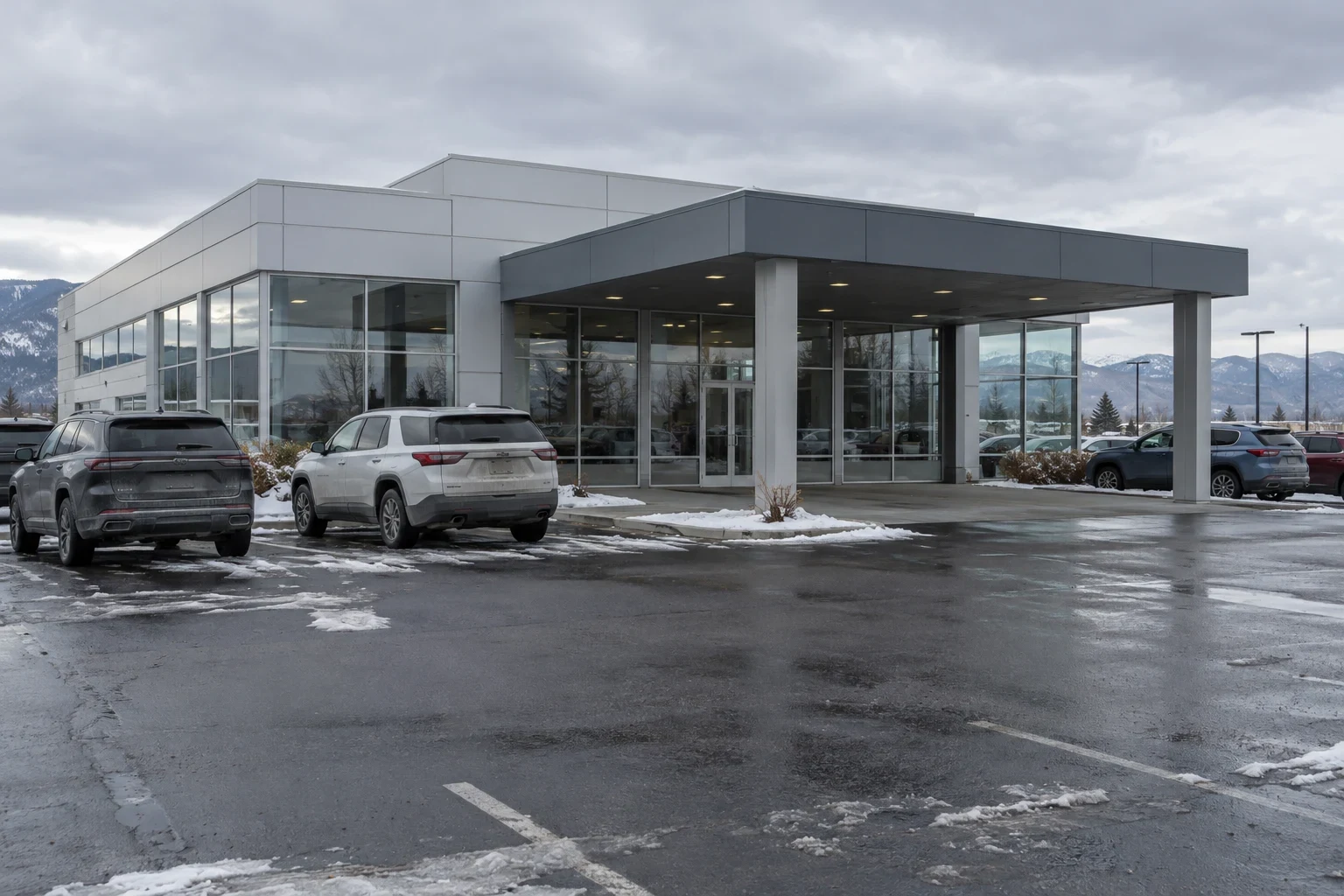
The city's primary retail strip, North 19th Avenue, draws about 37,160 vehicles a day. A big-box roof is wide, low-slope and crowded with units, so drifts and iced drains are the pattern. Shopping centers add shared roofs and tenant disputes, and restaurant roofs add grease and exhaust.
The question I put to a store manager is which drain clears first when the sun hits the roof and which one stays iced. That answer tells me where to cut the first core, and it tells the owner which wall to watch.

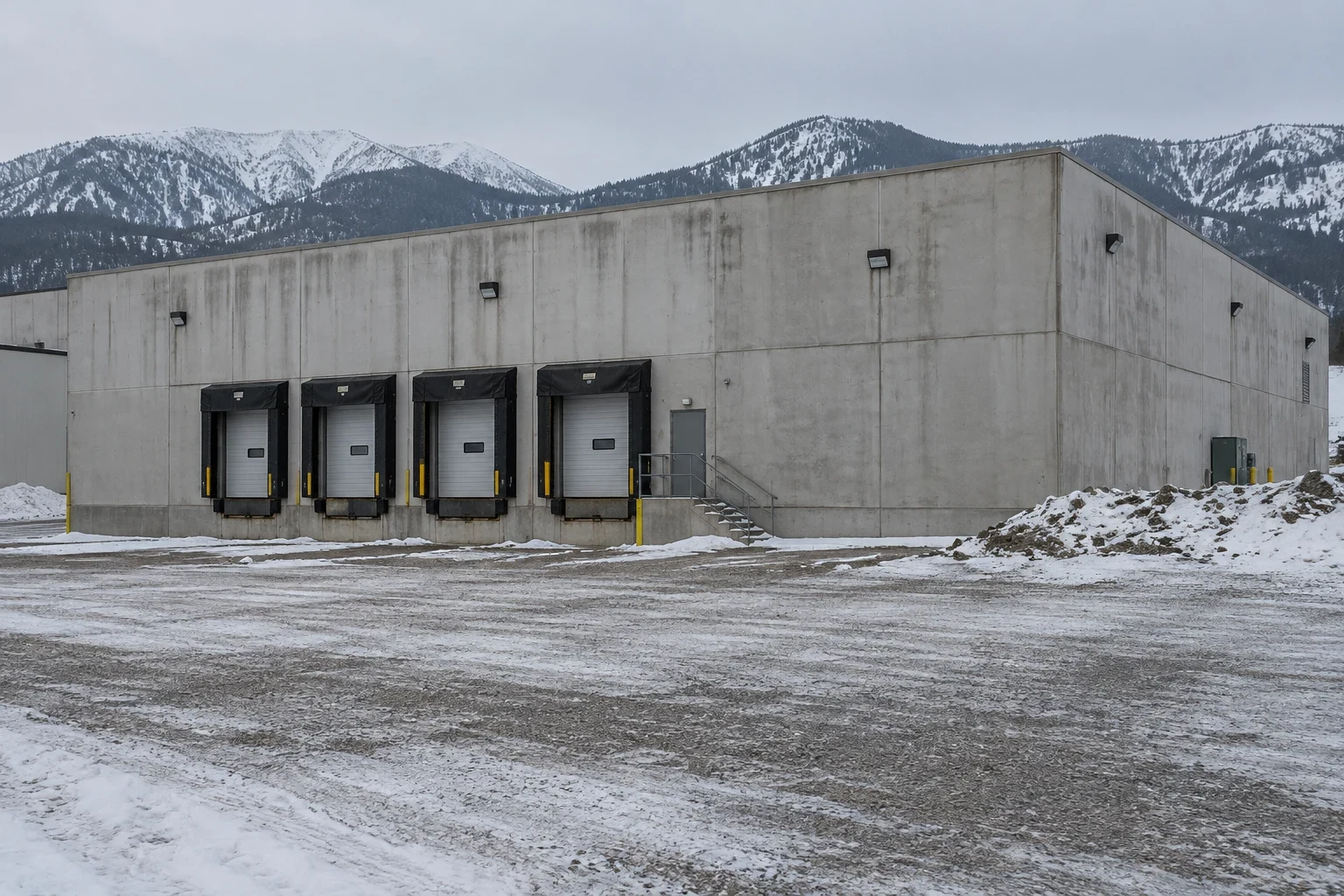
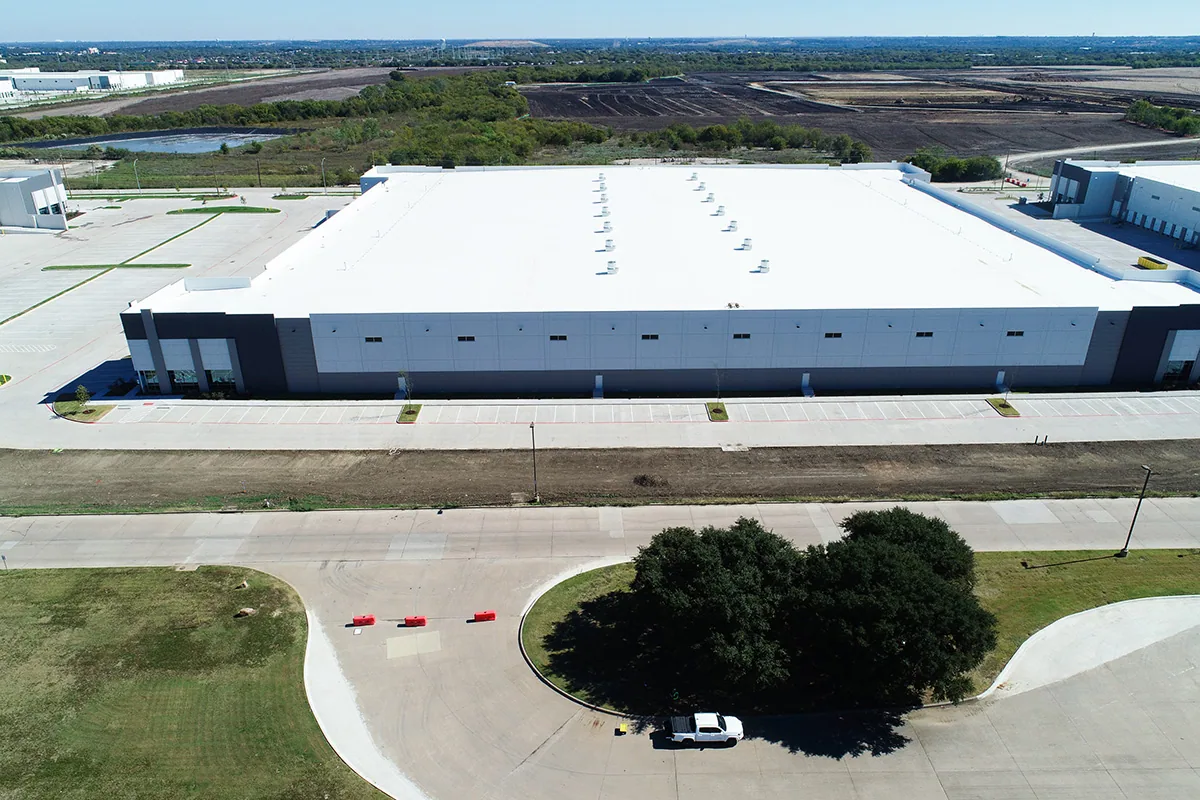
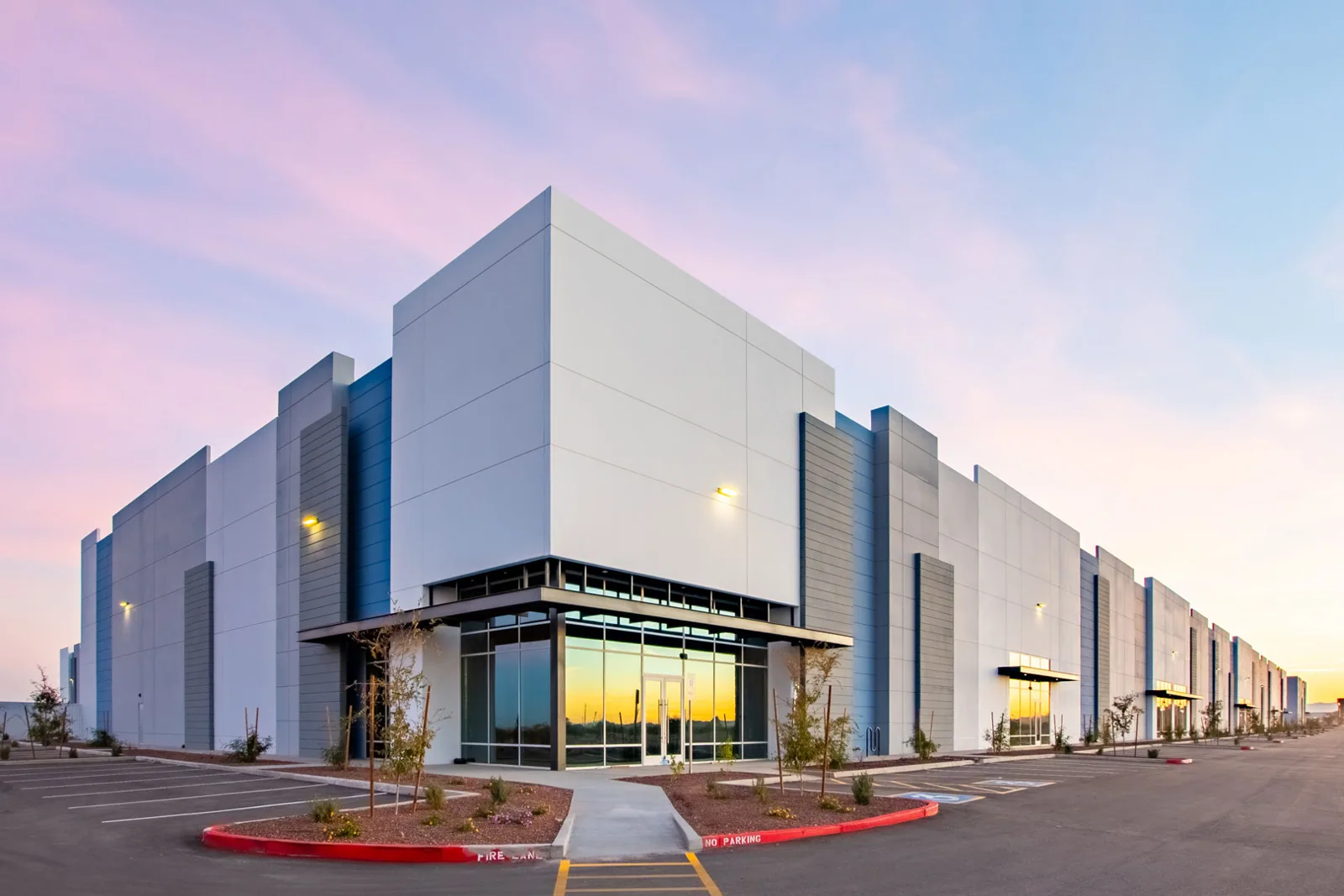
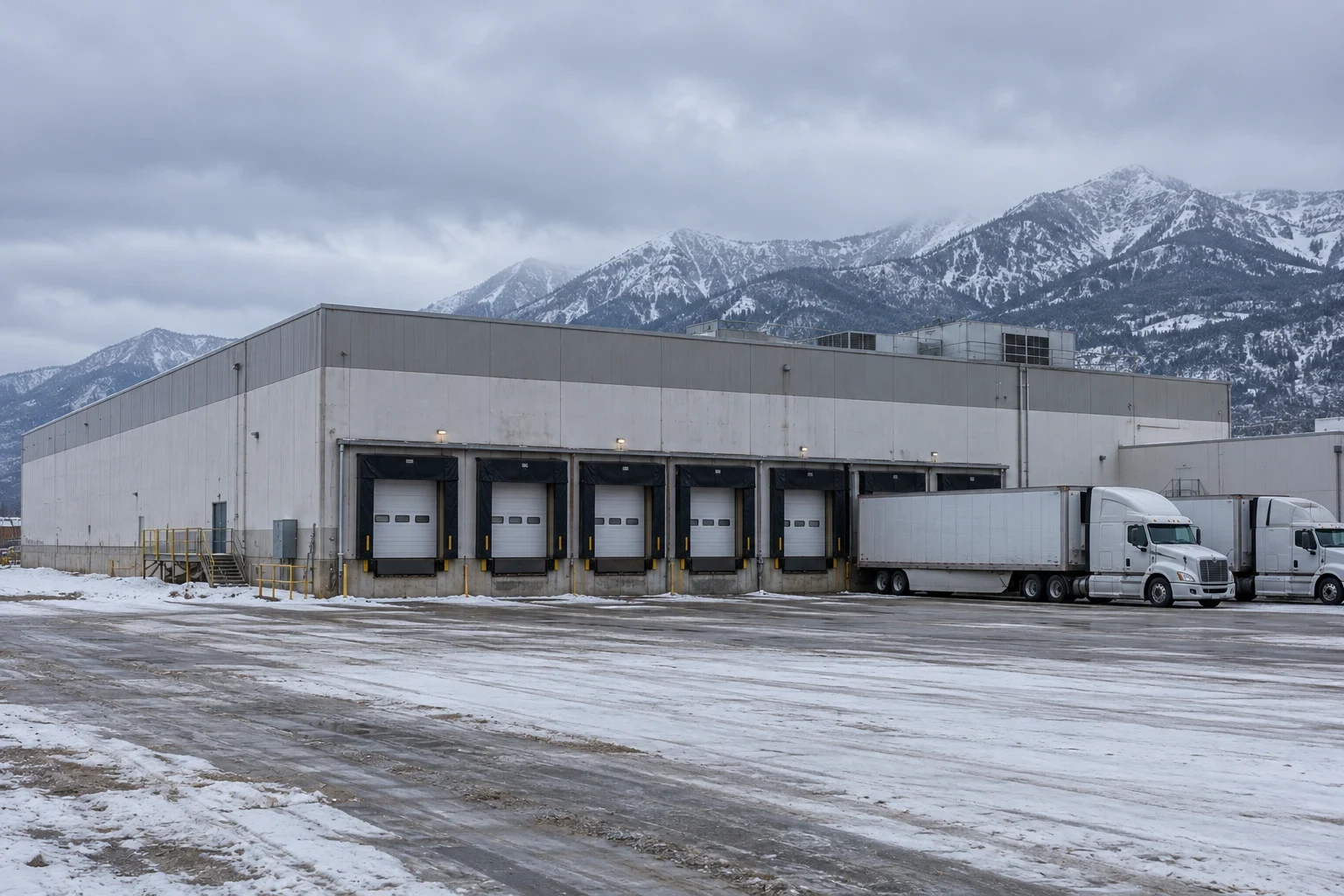
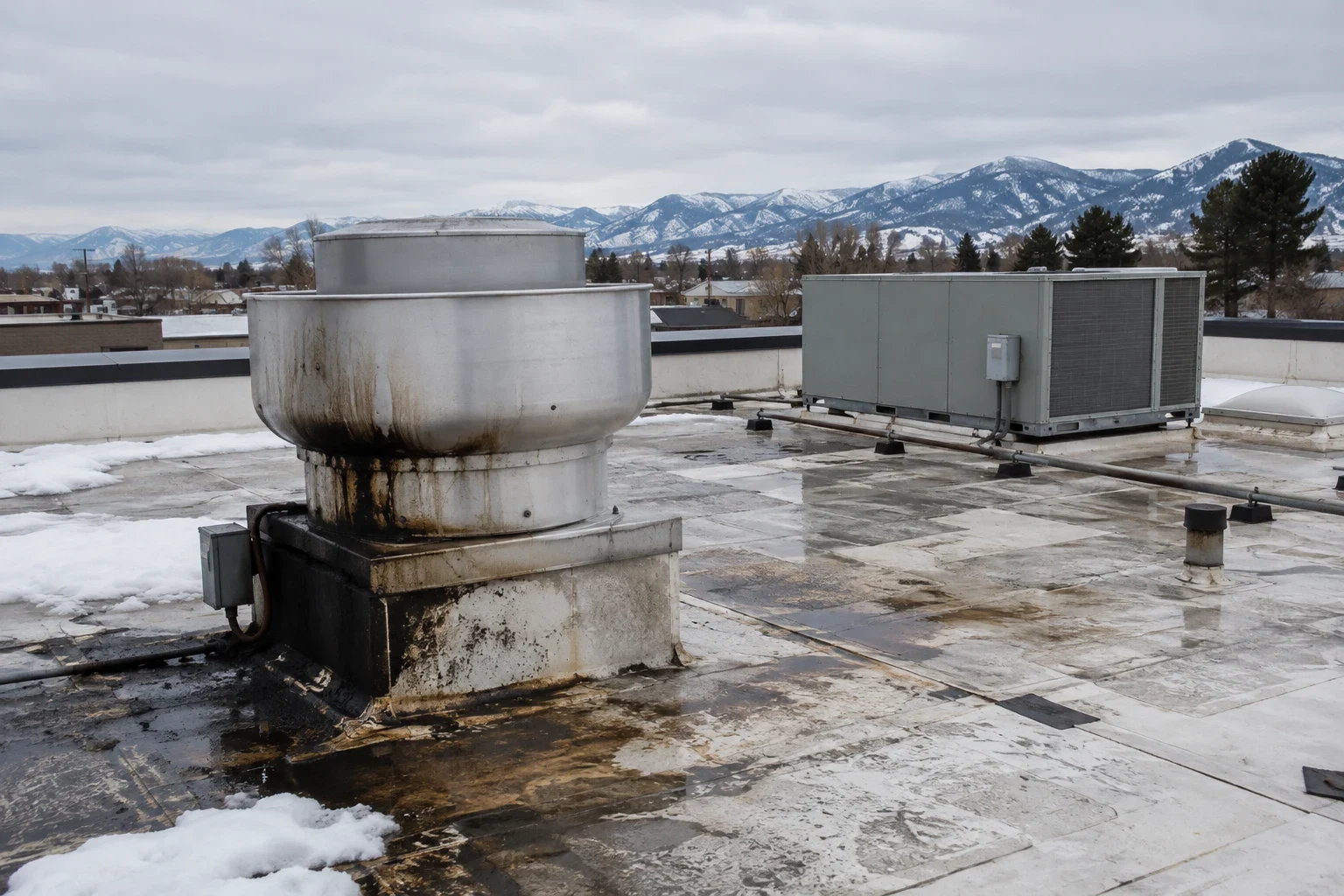
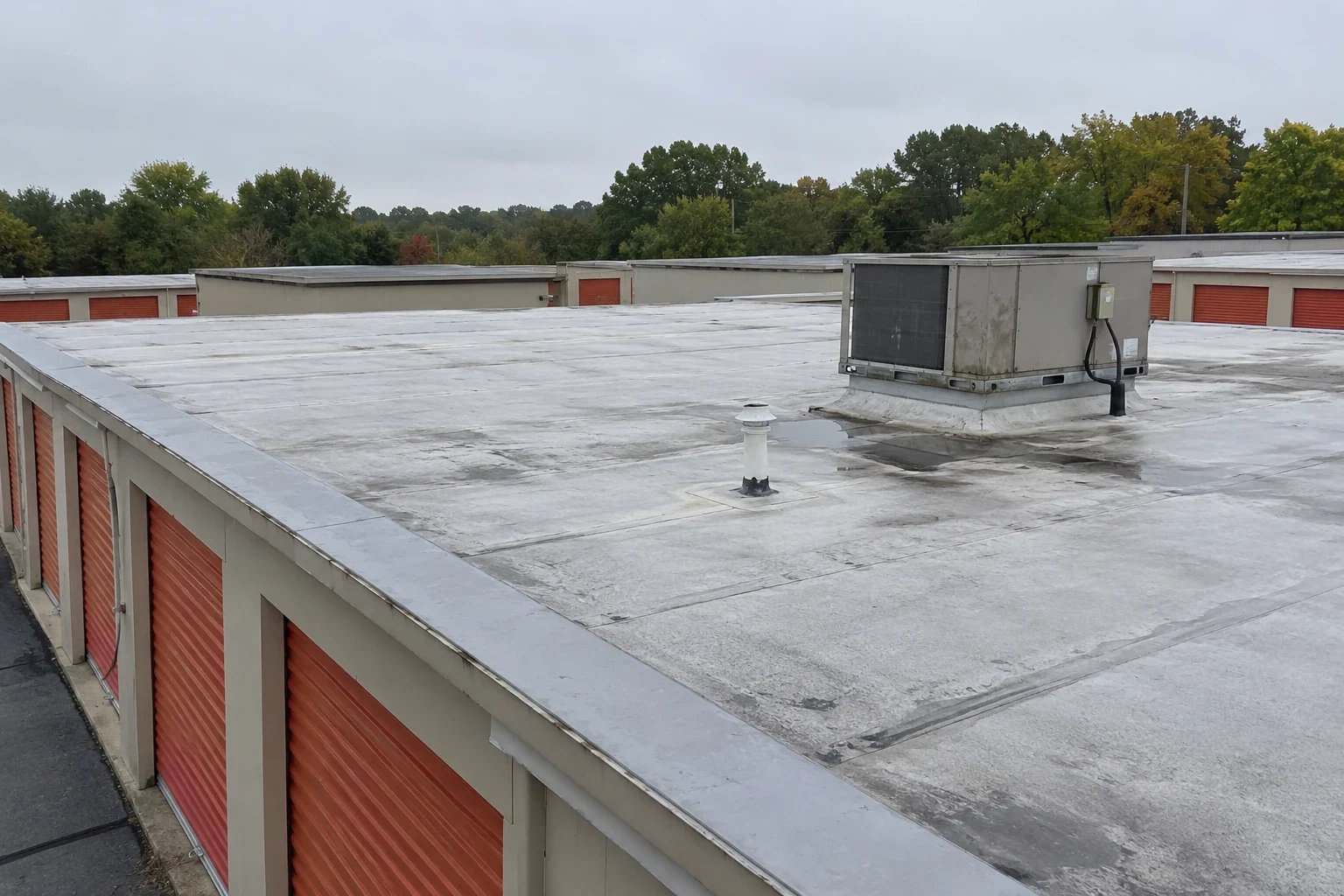
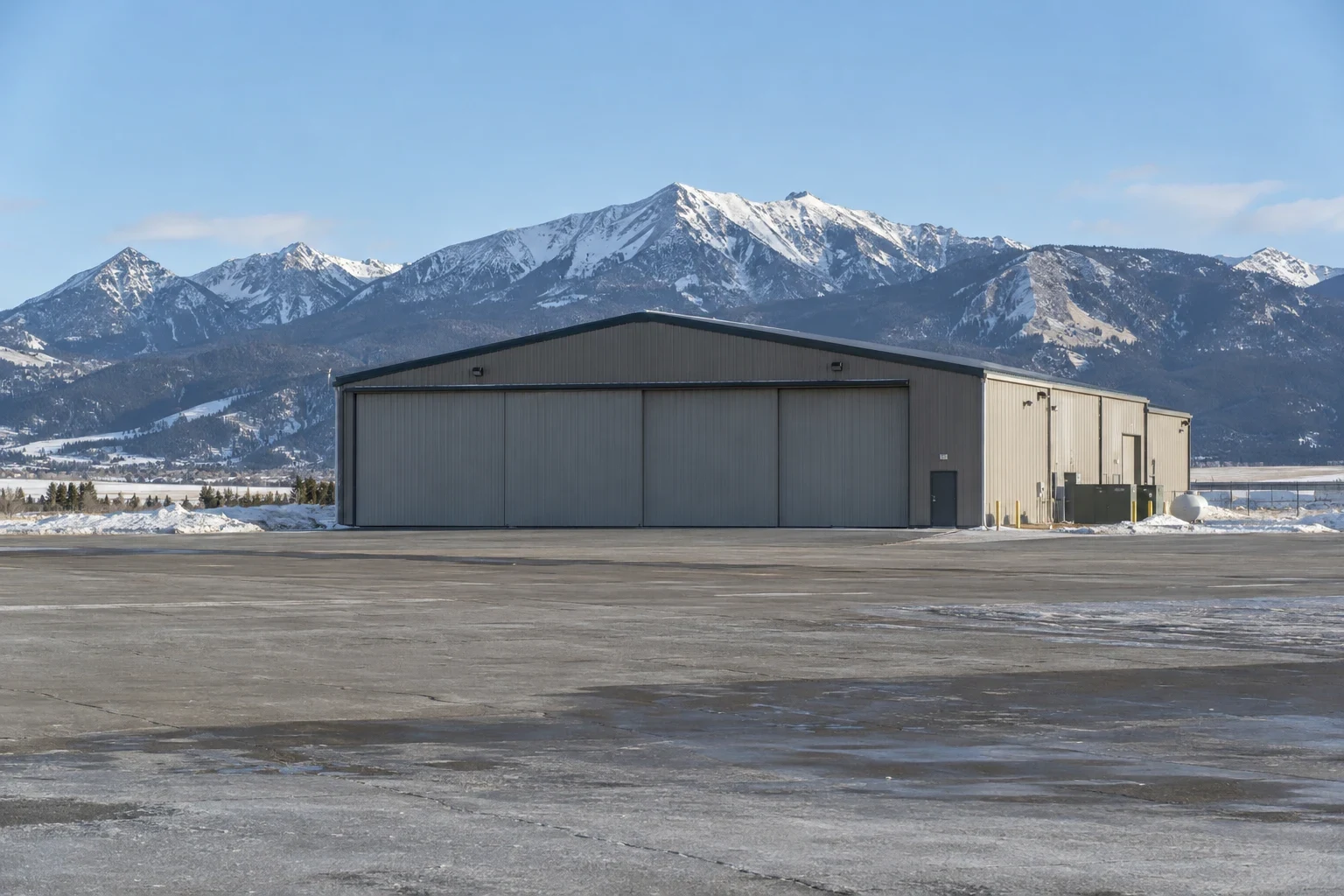
Near Belgrade, light industrial and flex buildings are going up, including multi-unit warehouse buildings in the Copper Ranch Road business area. A warehouse roof wants speed, a clean field and dock details that survive ice. Flex space mixes office and shop under one roof, and a manufacturing plant adds process penetrations that leak first.
Dock canopies, overhead door headers and rooftop makeup air units are the usual weak points. Drifts pile where a canopy meets a wall, and the thaw runs water behind the flashing. We look at those joints before the field.
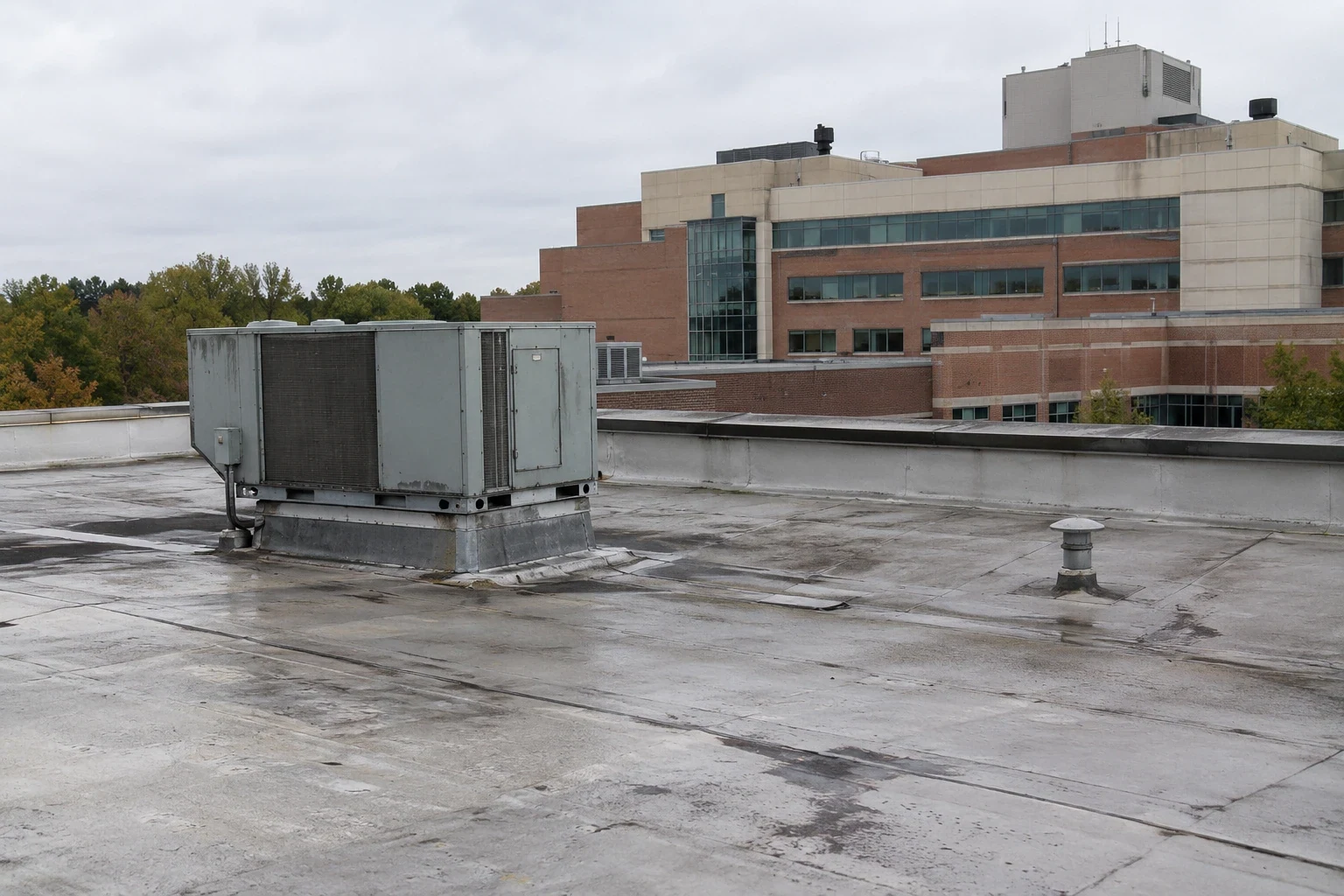
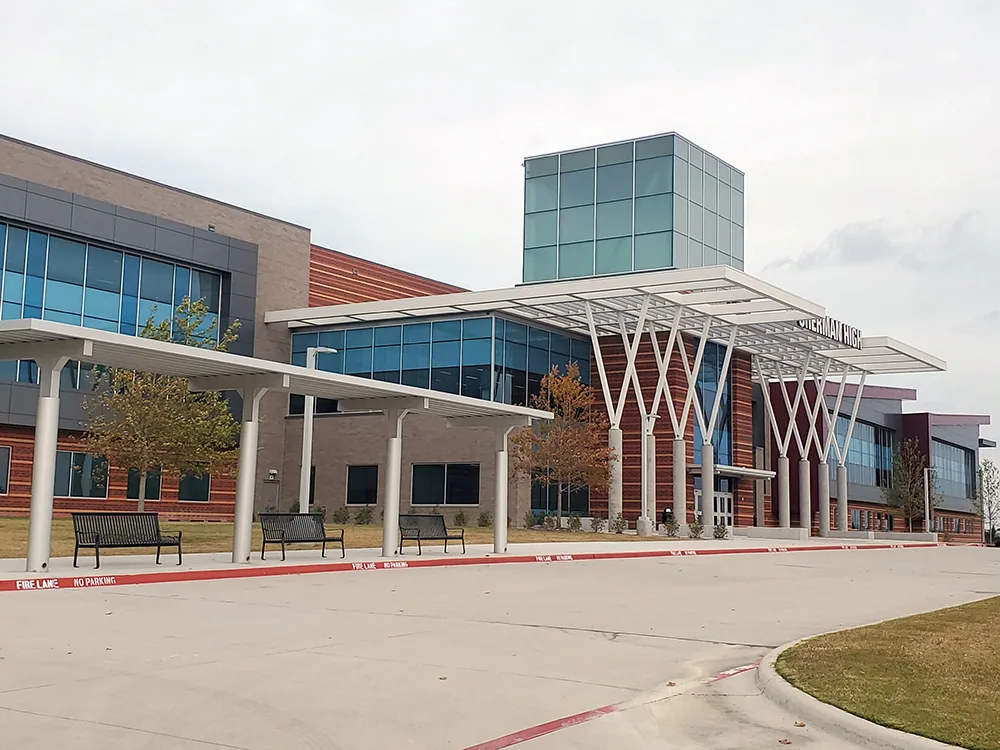
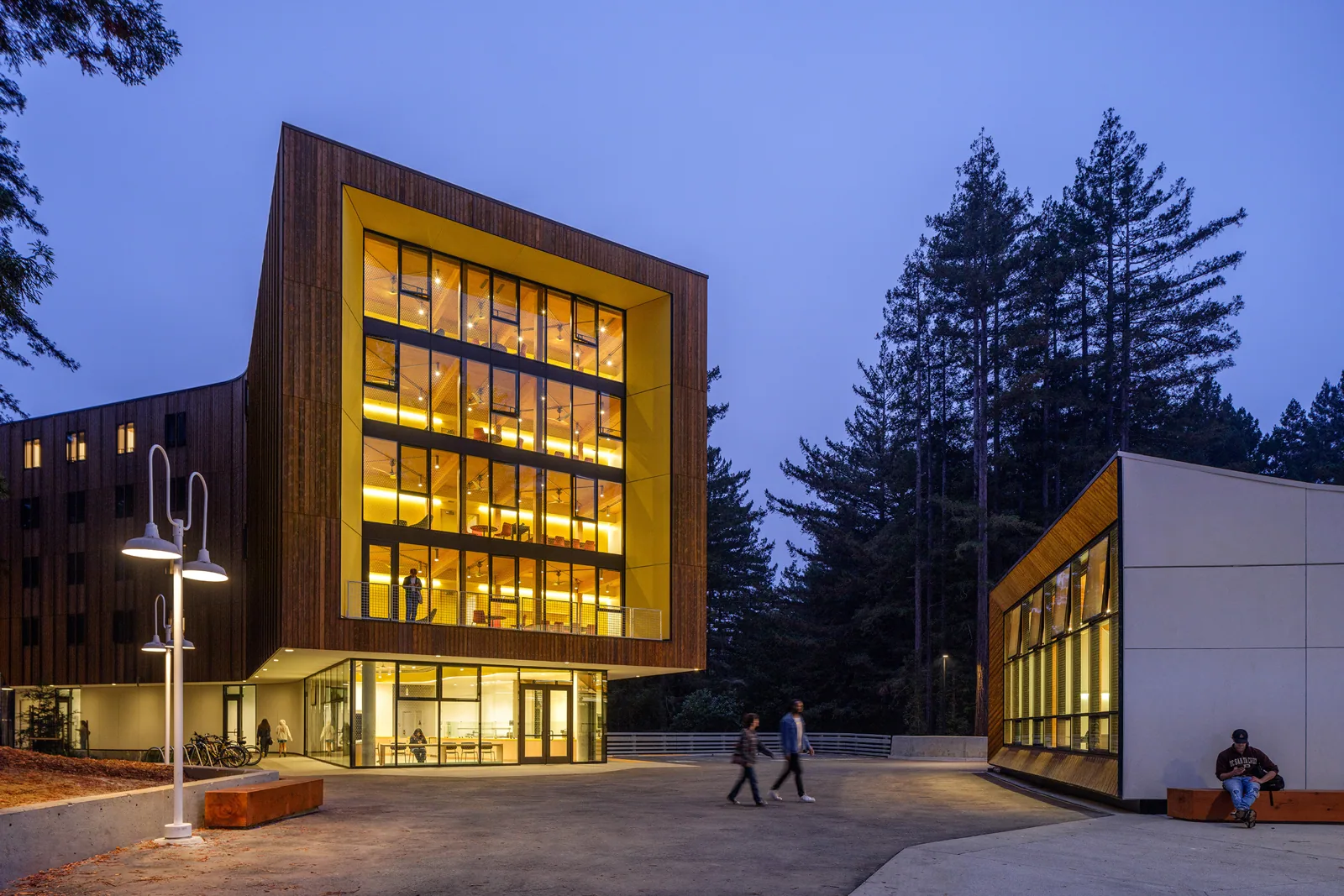
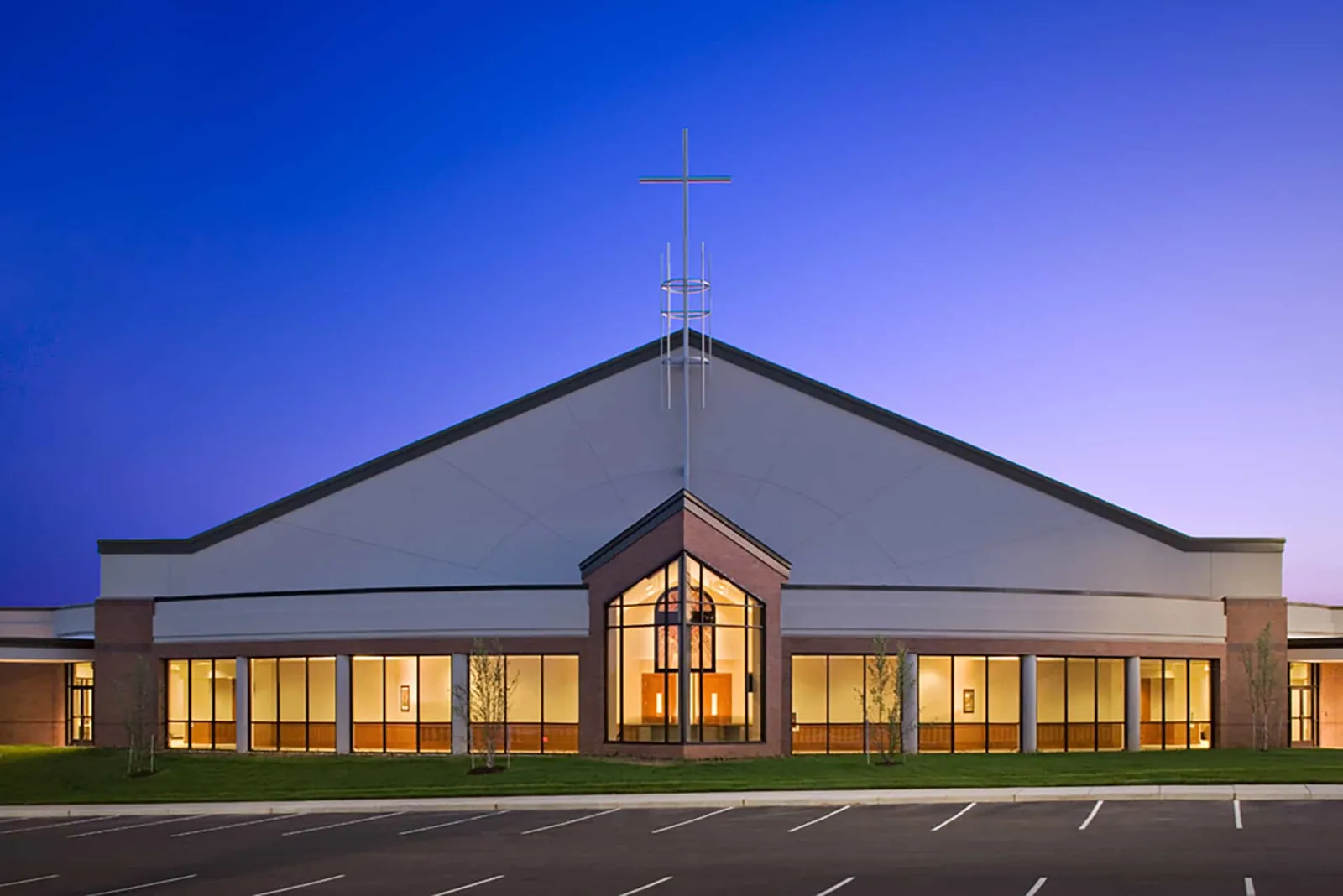
The Montana State University campus lies south of downtown, and the June 2010 hailstorm broke dozens of its windows. College roofs, school roofs and hospital roofs share a need for summer work windows and quiet plans around occupants.
Occupants set the calendar. A school roof is worked after the last bell of the year, a hospital roof in phases with infection control rules, and a campus roof around move-in week. Each plan names the dates before the crew arrives.
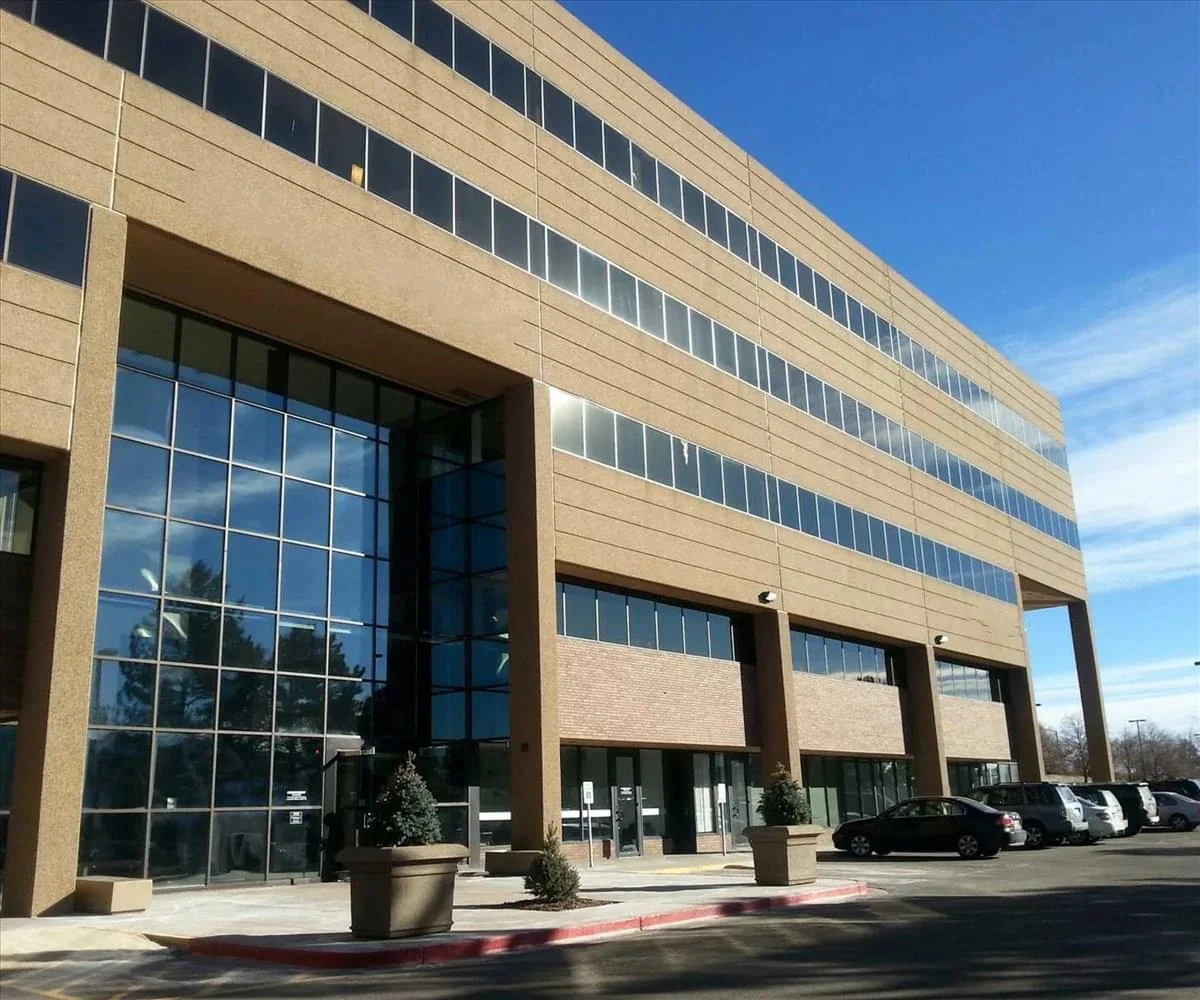
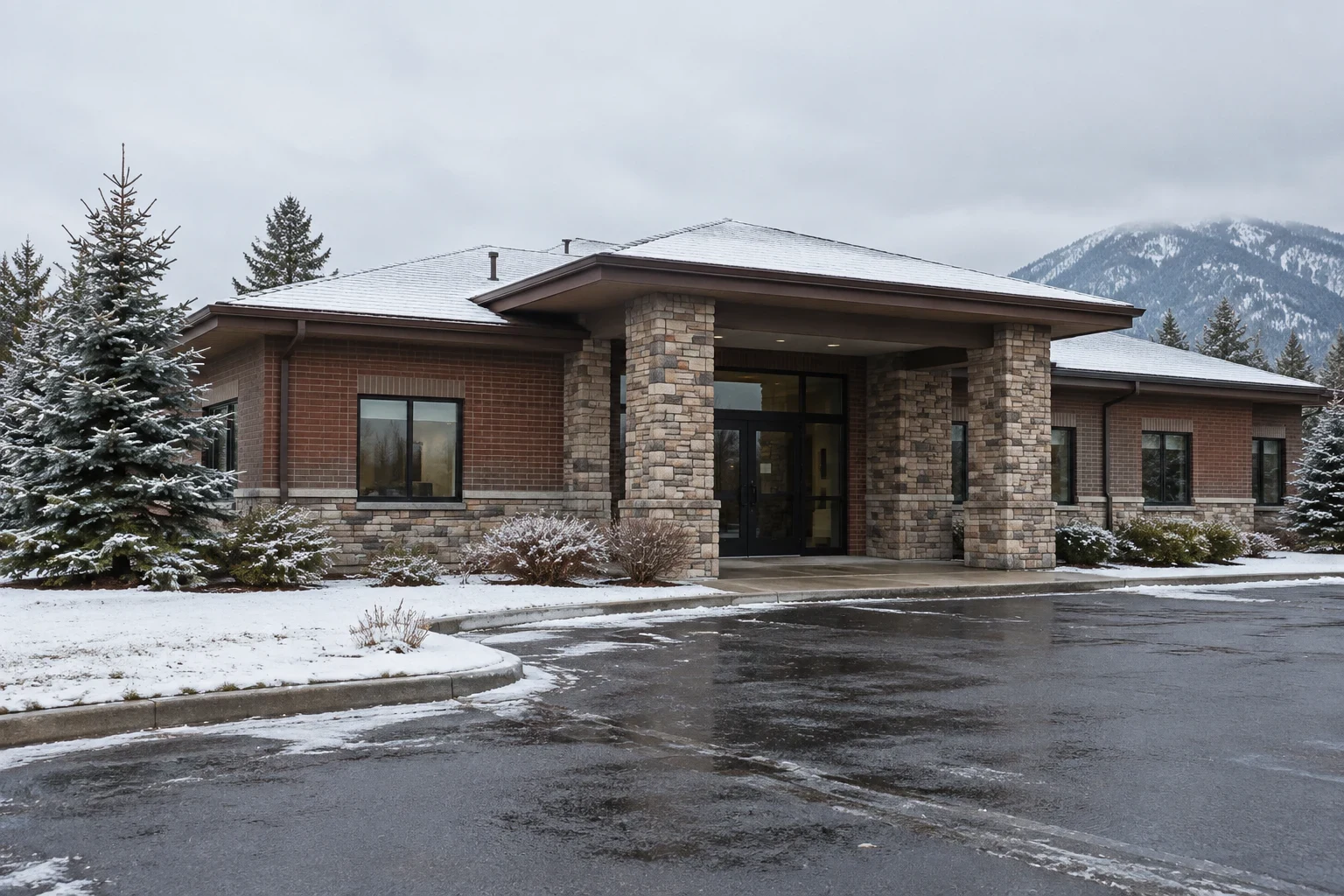
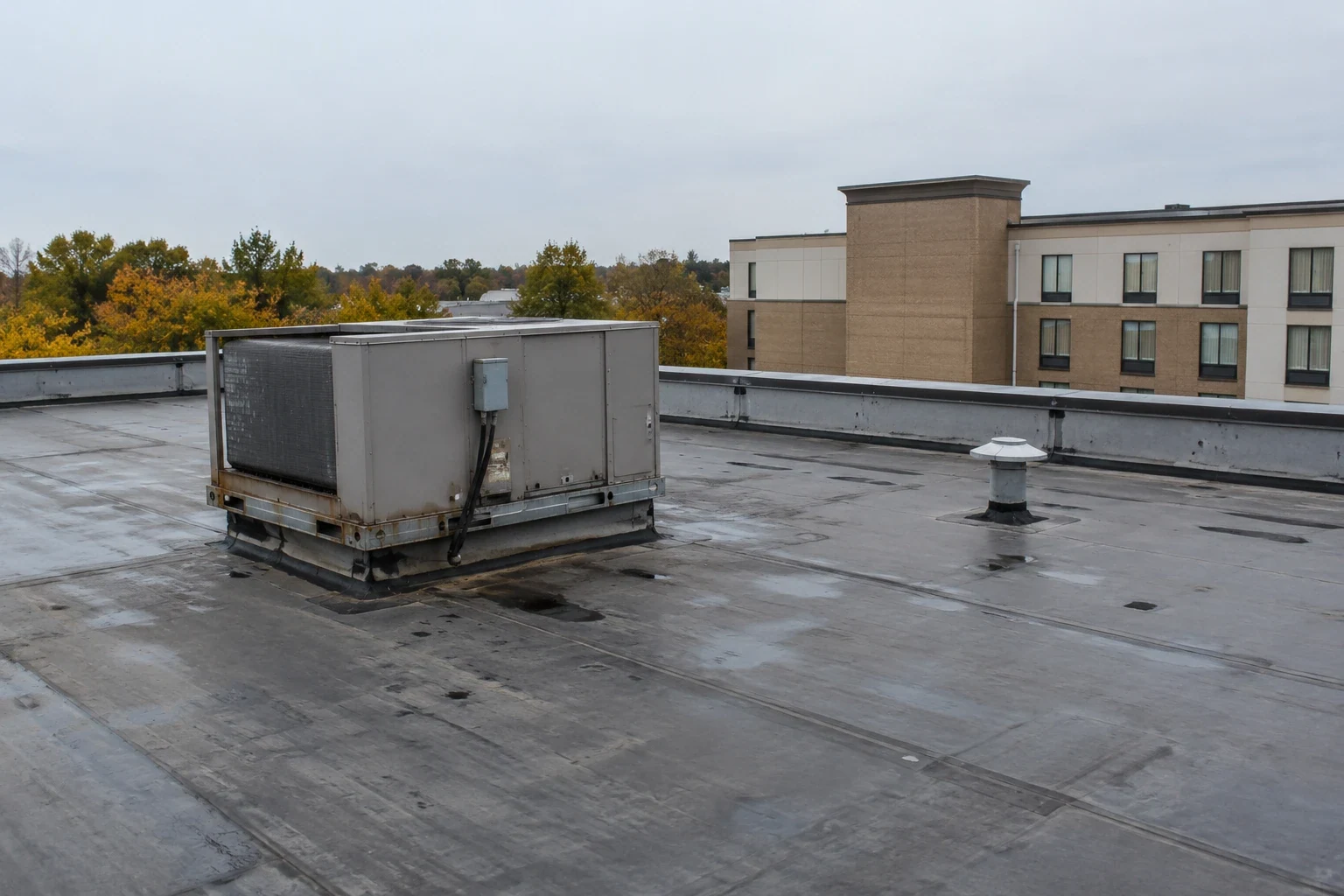
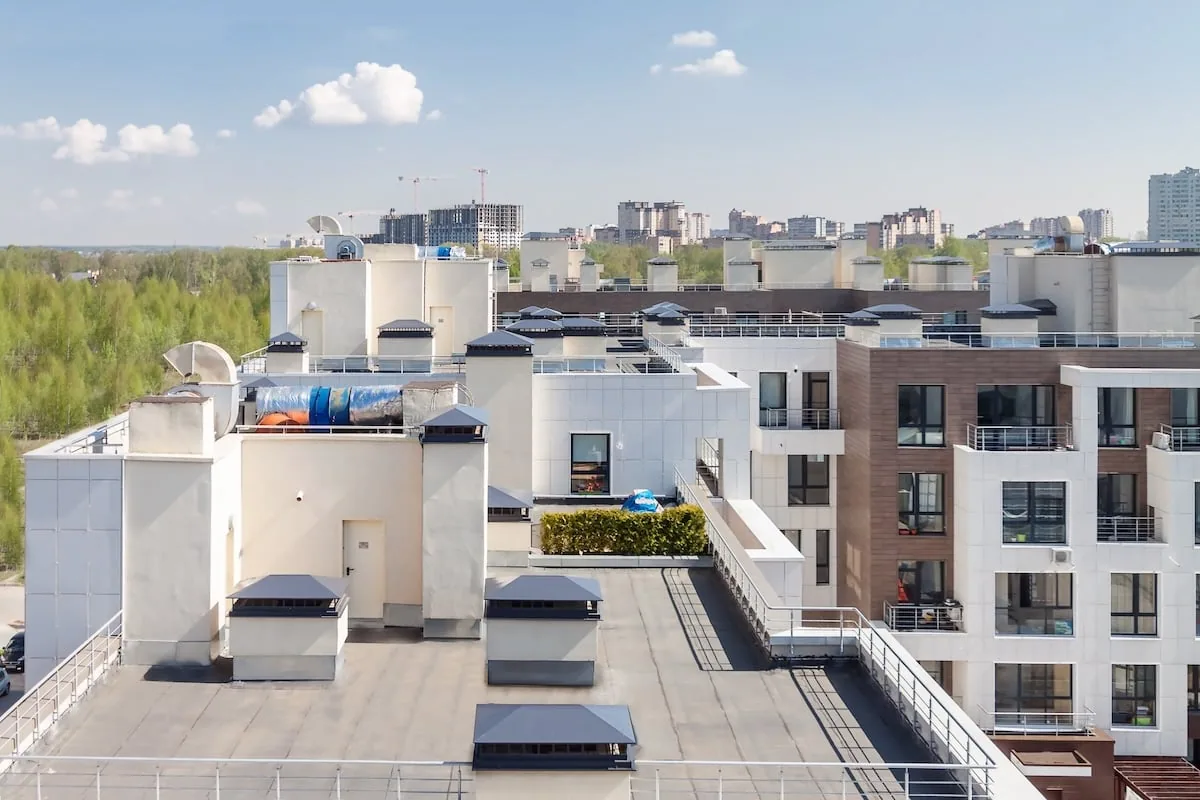
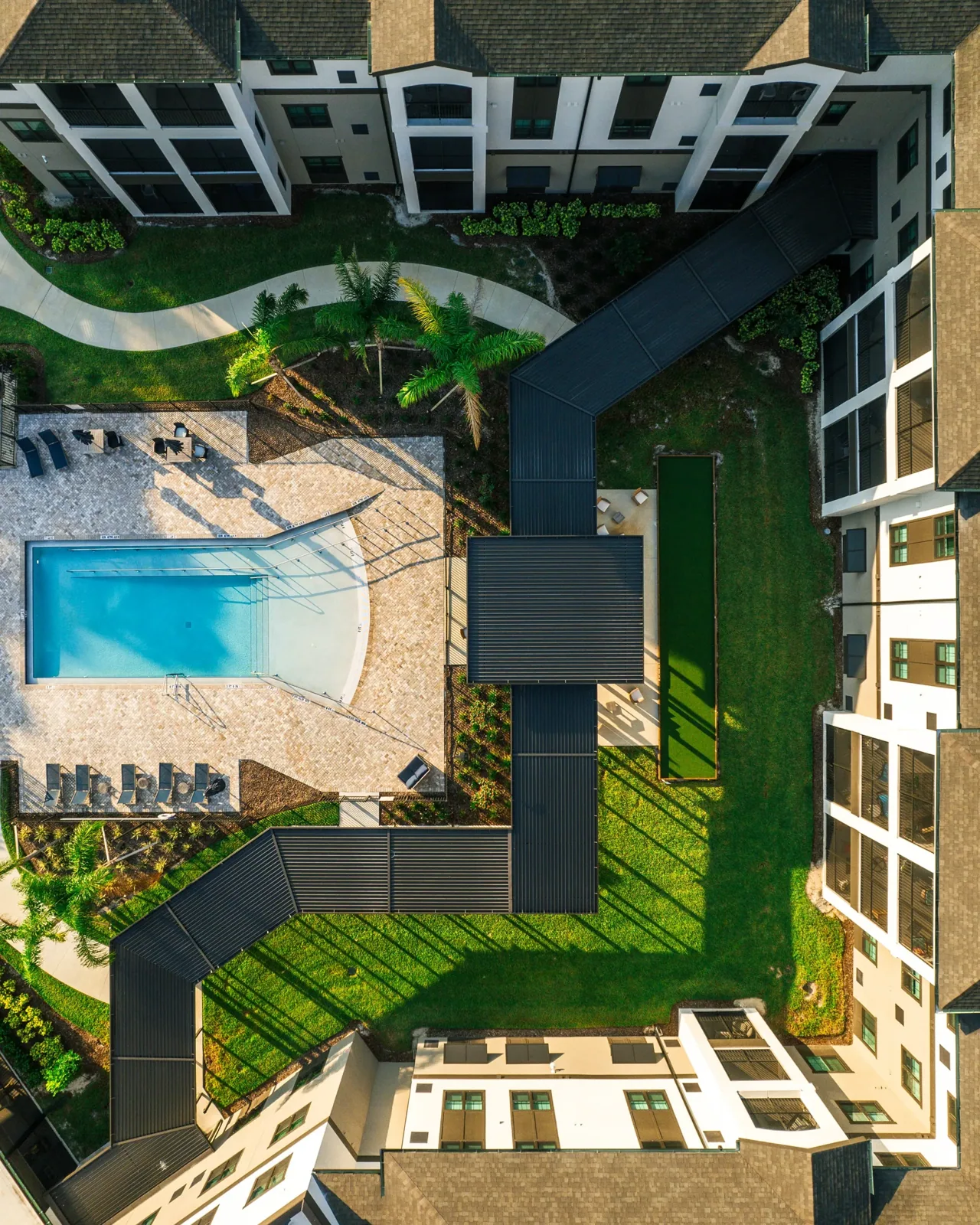
Midtown plans a 68,000 square foot mixed-use building, and downtown holds older masonry with flat roofs. Office buildings, hotels and apartments each carry their own mix of pitched sections, flat decks and amenity roofs. The walk starts with the details that match the use.
With snow this heavy, every one of these roofs needs its drains and terminations checked before the freeze.
Yes. Older roofs carry more layers and past patches, so core cuts matter more.
Leaks follow details, not use. Parapet terminations, drains and penetrations fail first on almost every type.
We rank by consequence, so a roof over inventory or patients comes before a storage wing.
Call with the use and the roof type. The walk applies to any low-slope or metal roof.