
PVC Roofing in Bozeman, MT
PVC Roofing in Bozeman and the Gallatin Valley
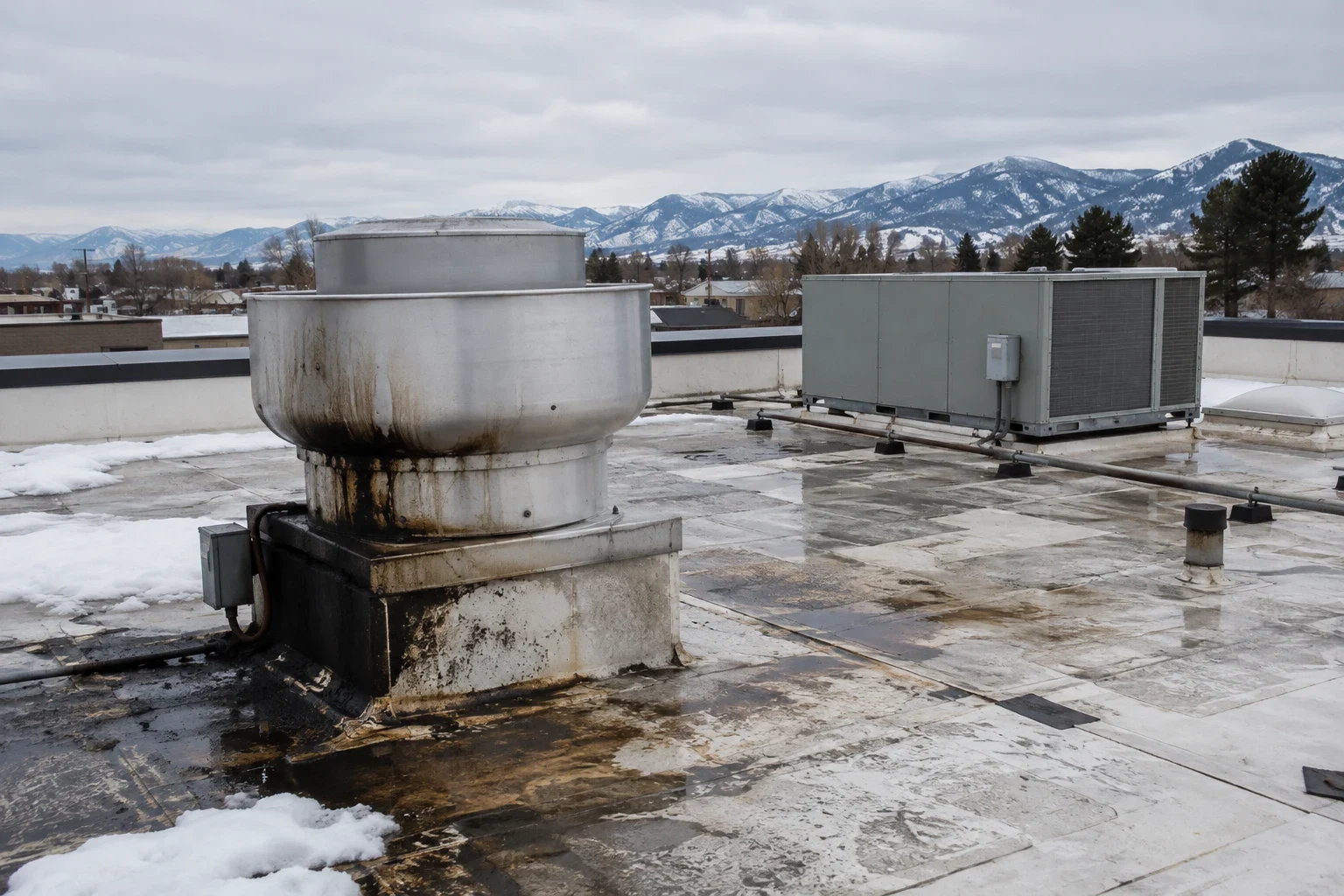
Look at the roof beside a restaurant exhaust fan in March and you will see what grease and winter do together. The surface is dull, the sheet around the fan is slick, and melting snow carries a film toward the nearest drain. On that kind of roof, a membrane that resists oil, fat and chemical vapor is worth more than one that only reflects sun. PVC is built for that exposure. In Bozeman, MT, where January nights average near 15 degrees F and the record low is minus 46, the question for an owner is whether the sheet will stay supple enough to take the cold. What does your exhaust put on the roof?
We install and repair PVC on commercial roofs around Bozeman, and the roof gets described before any price does.
What makes PVC different from other single-ply sheets?
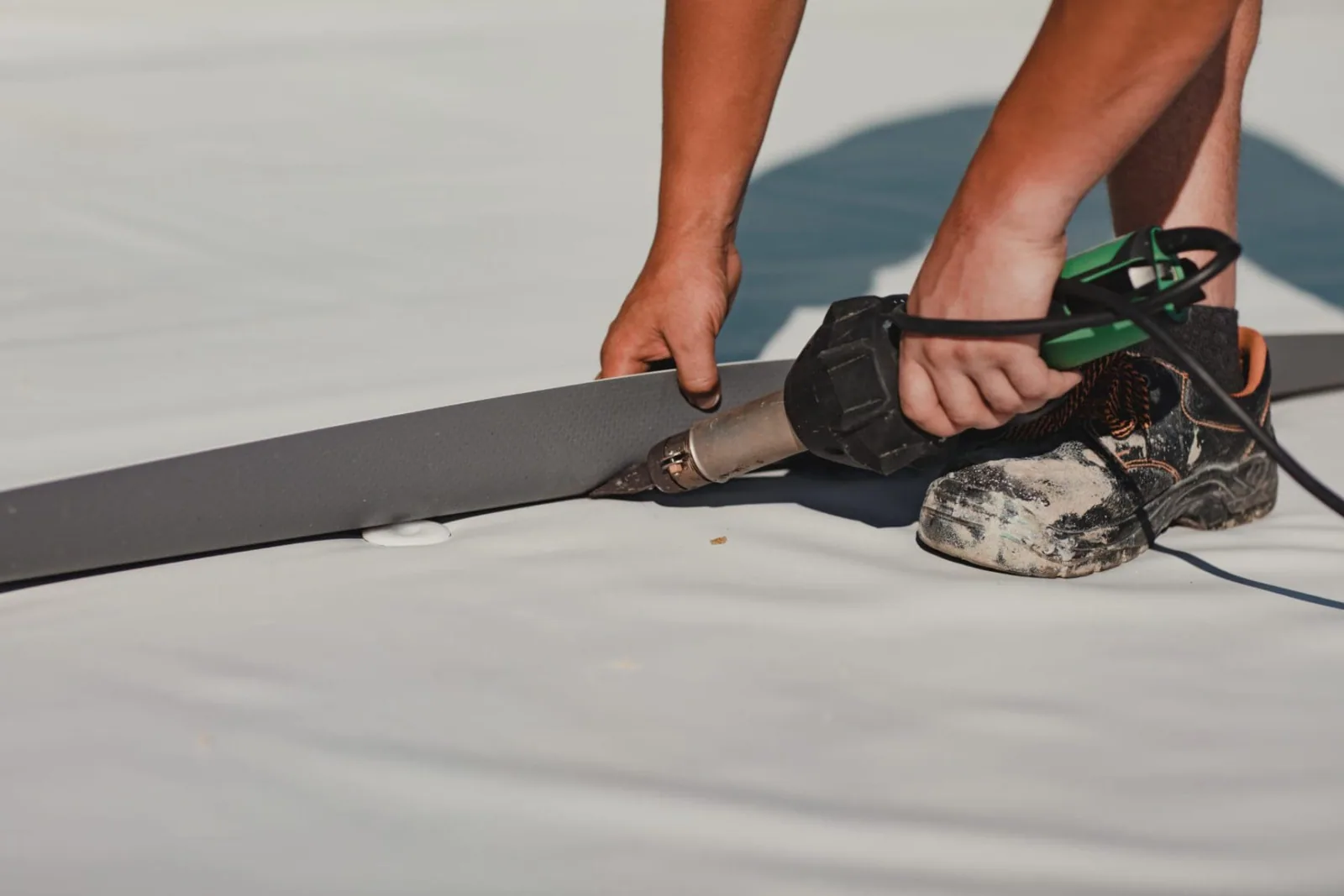
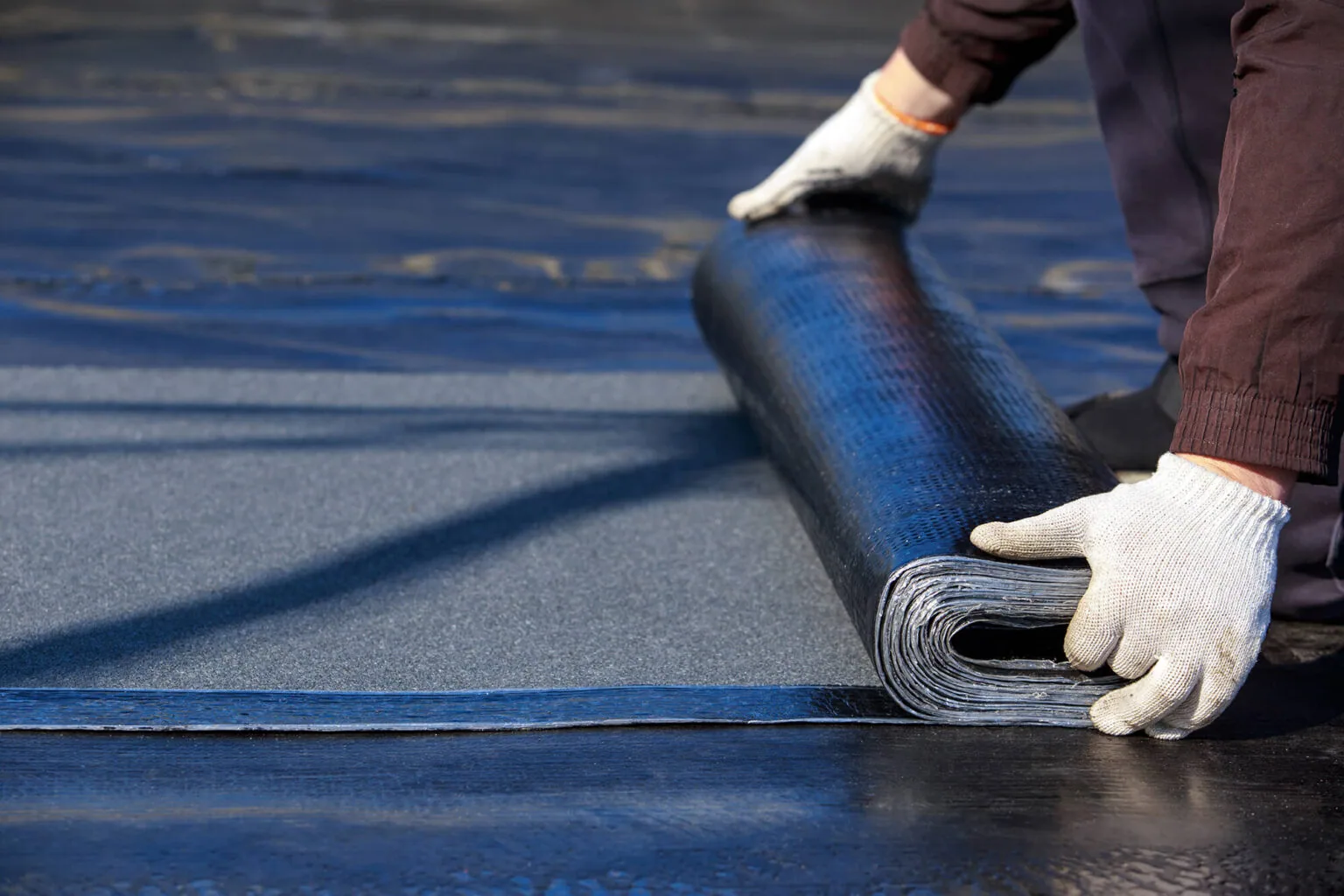
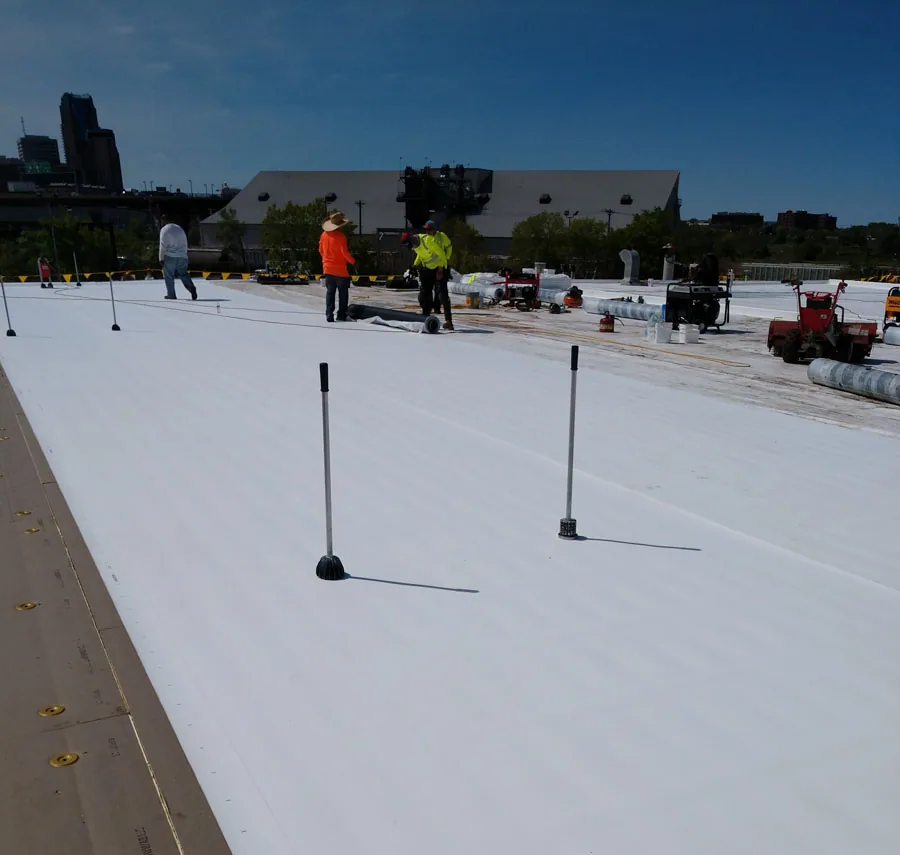
PVC is a polyvinyl chloride sheet, usually reinforced with a polyester or fiberglass scrim, with seams welded by hot air into a continuous joint. It is chemically resistant, fire-resistant and reflective. Where fats, oils and many solvents attack other single-ply sheets, PVC tolerates them better, and that is why kitchens, laboratories and processing buildings use it.
The sheet relies on plasticizers to stay flexible, and over many seasons those plasticizers can migrate out. A sheet that has lost them gets stiffer, and stiffness in a Bozeman winter is where cracks start. We check a PVC roof for dull, chalky or crazed areas, and we flex a sample at a seam edge to see how it responds.
Fire resistance is the other reason owners ask for it. A sheet that does not feed a flame spread matters on a roof crowded with exhaust, gas lines and rooftop units. We still check the insulation and the deck beneath, because the membrane is only one layer of the assembly.
Which Bozeman buildings call for PVC?
Montana State University has a research program and about 17,165 students, and lab roofs carry exhaust stacks and vent hoods that put vapor on the membrane. Bozeman also hosts more than two dozen optics and laser companies plus software and biotech firms, so lab and process space is part of the building stock.
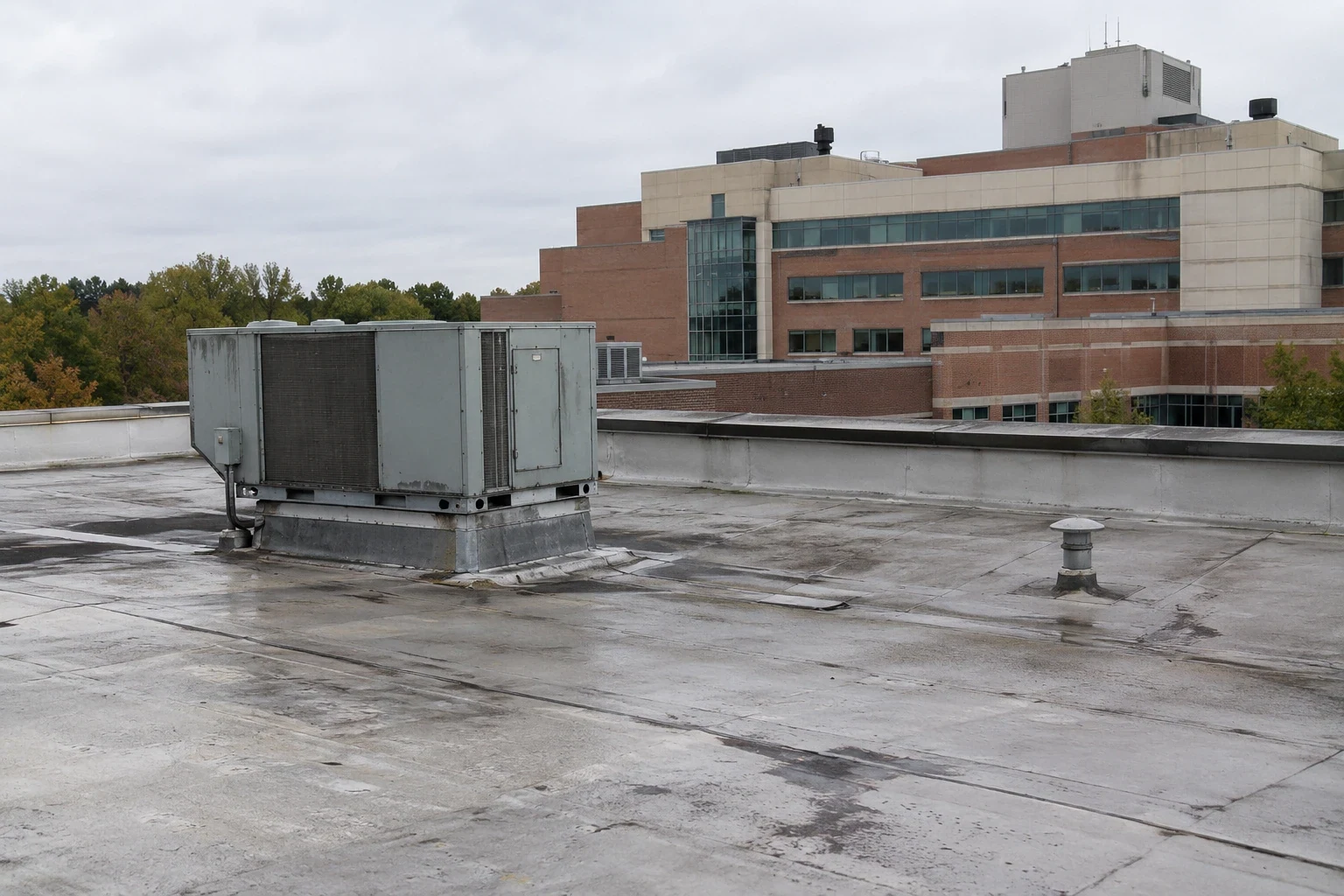
What a given building vents gets confirmed on the roof: we walk it, trace the exhaust paths and note the sheet already there. Then we compare options. A restaurant roof and a hospital roof both lean toward PVC near their exhaust, even if the rest of the field uses a different sheet.
Healthcare adds its own list. Bozeman Health is among the city's largest employers, and Belgrade is home to Xtant Medical and to CACI International, which bought Ascent Vision Technology in 2020. Buildings tied to medical and electronics work can carry exhaust and process vents, and the roofs around them need a sheet picked for what comes out of the pipe. Along North 19th Avenue, retail buildings with food tenants raise the same question at smaller scale.
How does PVC handle snow and thaw cycles?
Snow falls on about 54 days a year in Bozeman, December leads at 16.2 inches, and the annual total is near 91 inches. With a 50 psf ground snow load listed for the city, drifts behind parapets and mechanical room curbs concentrate that load. PVC sheds snow well when it is clean, but ice that forms at a scupper or a seam line works at the weld with every thaw.
We look at the places where snow stops: behind the parapet, against equipment, along the wall at a lower roof. We clear the roof drain sump, check the scupper and probe the nearest seams. Where meltwater refreezes at the edge, we look for a cause, such as heat loss through the deck. An ice ridge at the eave is a symptom, and the weld nearest it is the first thing to check.
What details decide how long a PVC roof lasts?
The field of a PVC roof is rarely where it fails. Flashings at curbs and walls, boots at pipes and corners at the edge are where movement and weather concentrate. Heat-welded flashings make clean details, and prefabricated corners reduce the number of hand welds in the most stressed spots. A mechanical room curb or equipment support needs flashing that can follow movement without tearing.
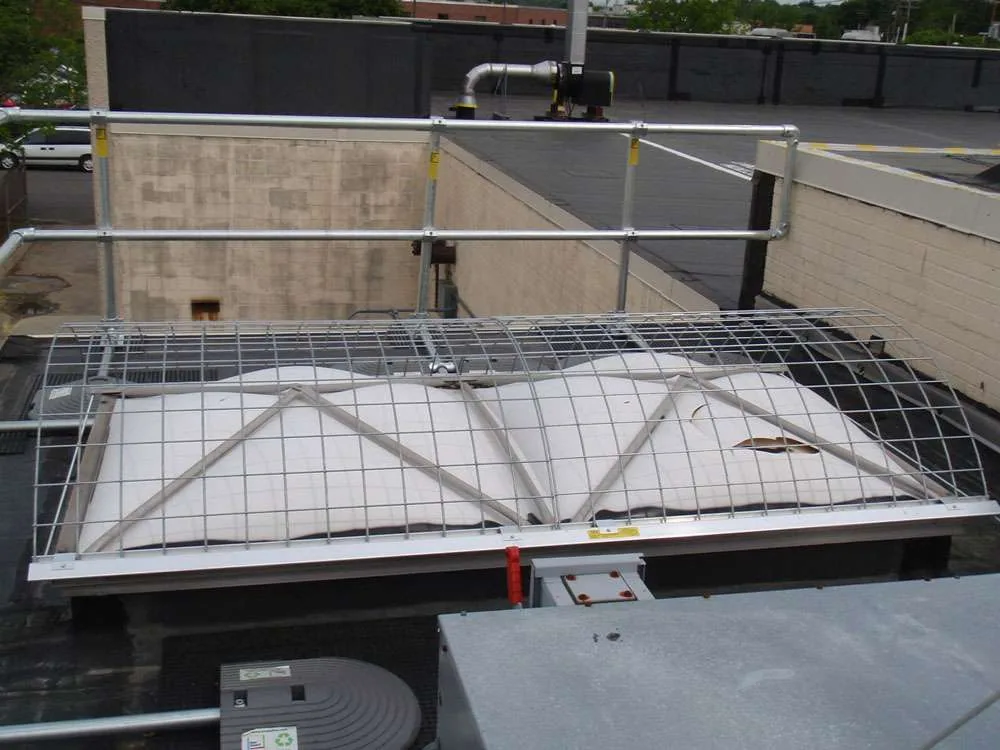
We also check skylights and penetrations, since skylight and penetration flashing is a frequent source of small leaks on any roof. Each detail gets a photo and a position on the roof plan. A log of repairs by location shows whether the same corner keeps failing, and that pattern tells the owner where to spend.
What do hail and wind do to a PVC membrane?
Golfball-size hail hit Bozeman on June 30, 2010. In May 2023 an inch and a half of hail came down northwest of Bozeman Hot Springs, and in August 2023 sensors on Triple Tree Road southeast of town logged 65 mph gusts. Hail bruises a sheet by crushing it against soft insulation, and wind lifts edges and loose flashing.
We walk for bruises after each event, cut cores at the deepest ones and test the nearest welds. A small membrane puncture repair with a welded patch is straightforward on PVC, because the sheet can be hot-welded to itself. We confirm the weld by probing, and we photograph the patch for the file.
When should an owner choose PVC over TPO or KEE?
Choose PVC when grease, oil or chemical vapor reaches the roof, when fire resistance is a priority or when a hospital or lab needs a durable, weldable sheet around exhaust. Consider TPO on quiet roofs with no exhaust exposure, since it is often less costly. Consider KEE where a PVC-alloy sheet with added plasticizer retention suits the building.
We lay out installed cost, expected service and the repair path for each sheet, so the decision rests on the building and not the brochure. A walk on the roof comes first. If the roof is also near the Montana State University area, the access and schedule questions come along with it.
Questions About PVC Roofing
Does grease really shorten the life of a roof membrane?
On many sheets it does, since fats and oils soften or swell them. We recommend PVC or a protective pad around kitchen exhaust, and a regular clean-up of the roof near the fan, because the film that builds up there is the first thing to attack the surface.
Will PVC crack in Bozeman cold?
A healthy sheet stays flexible, but an aged one that has lost plasticizer can stiffen. We recommend flexing a sample at a seam edge on any older PVC roof before deciding between repair and replacement.
Can PVC be welded to an old PVC roof?
Yes, if the old sheet is clean and still weldable. We recommend a test weld and a probe check, since a contaminated or aged surface can look right and still fail to bond.
What goes in the roof record for a lab building?
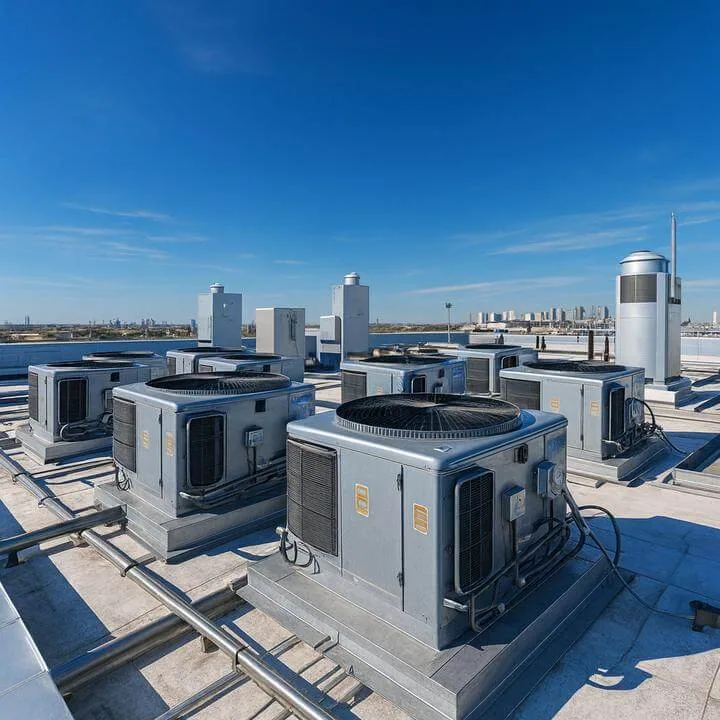
A plan marking each exhaust, vent and stack, the sheet type near each, photographs of the surface condition and the date of each repair. We recommend updating it every spring and fall, so chemical exposure and wear are tracked over time.
Is PVC worth the extra cost on a quiet office roof?
Often not. We recommend PVC where exhaust or fire rating drives the choice, and TPO or another sheet where it does not. A walk and a look at the exhaust paths settle the question.