
Commercial Roofing on the North 19th Avenue Corridor, Bozeman, MT
North 19th Avenue Corridor in Bozeman and the Gallatin Valley
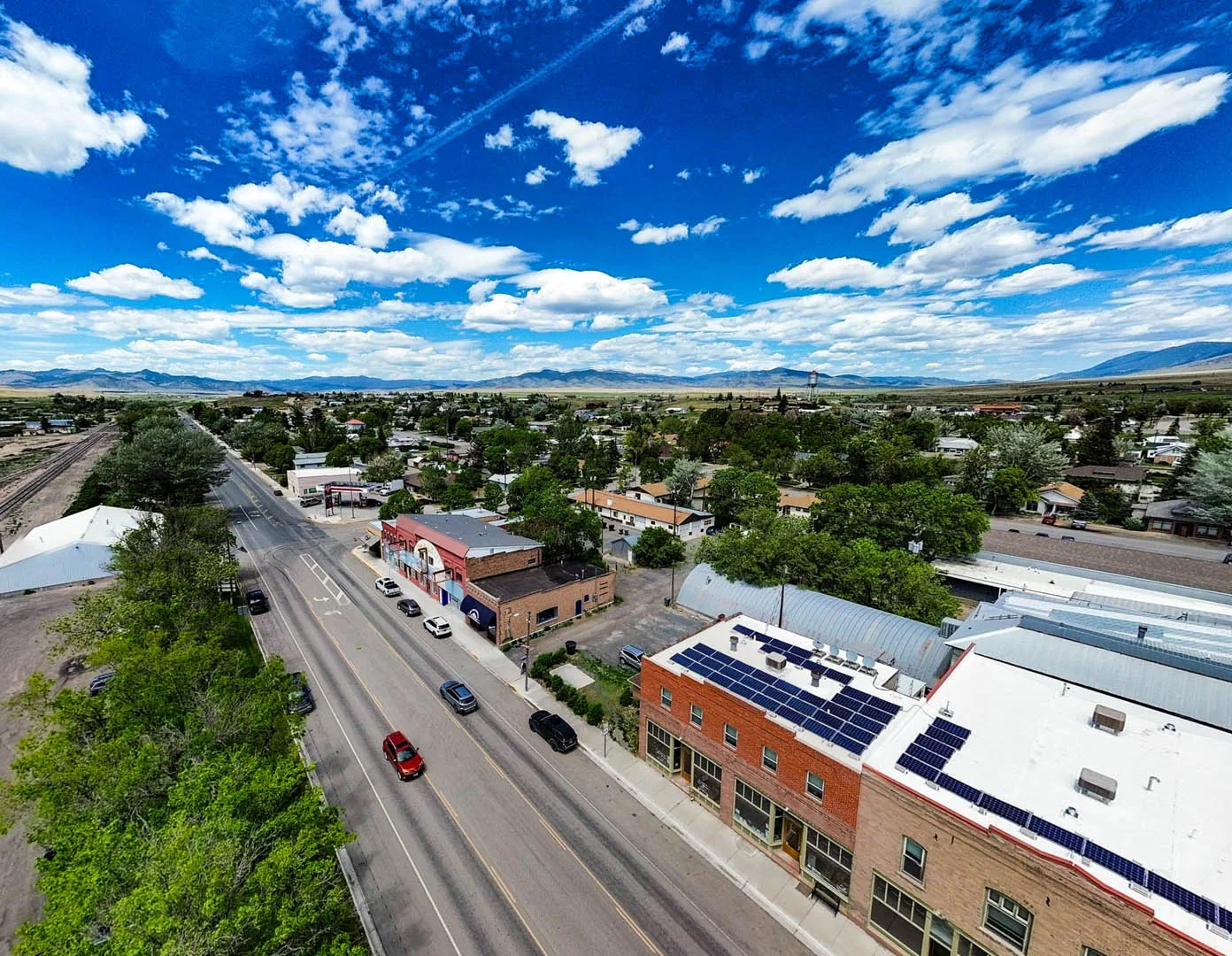
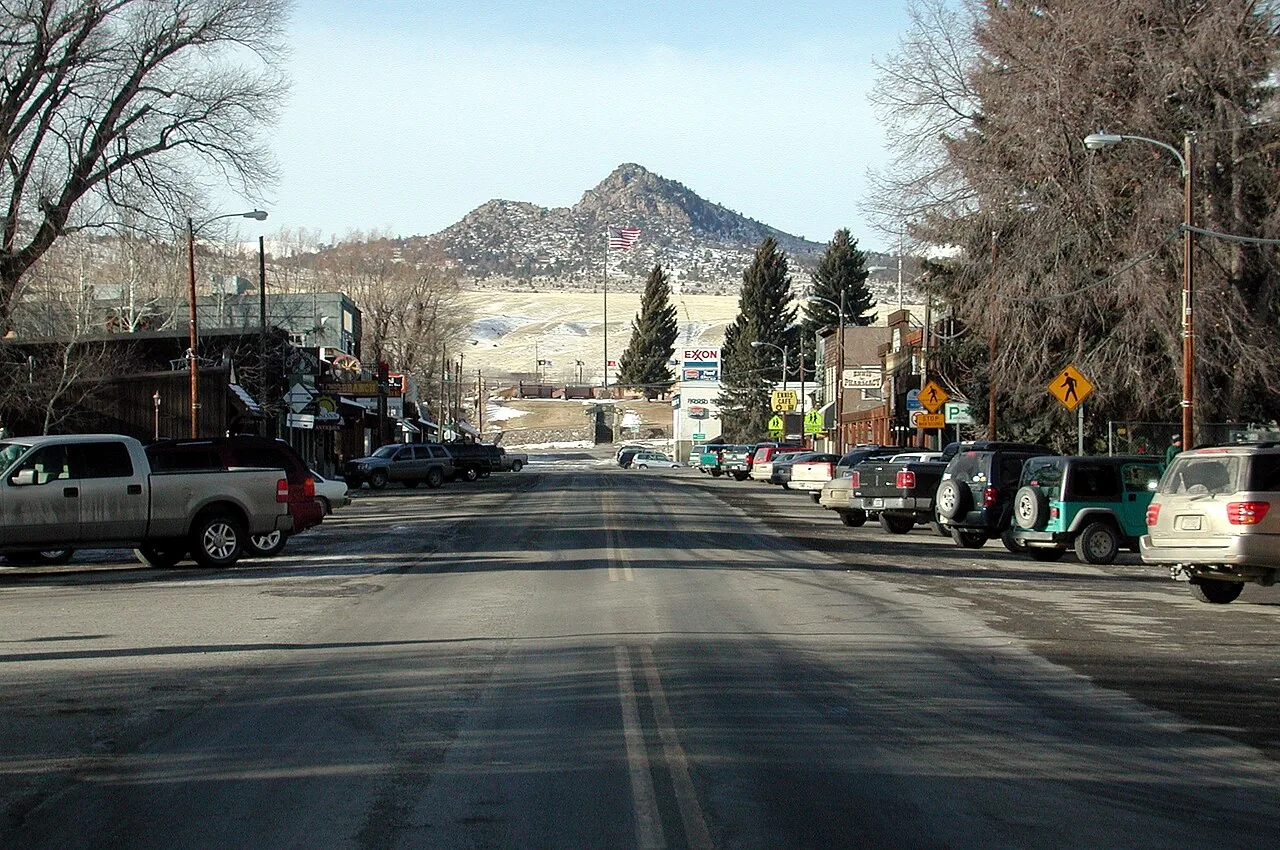
A roof on North 19th Avenue is judged by the traffic in front of it. The corridor is Bozeman, MT's primary retail strip at about 37,160 vehicles a day, and the city planning department has said the whole stretch is zoned for commercial business, with Staples, Target and Costco already there. That means every roofing job here has a crane, a truck and a lot full of customers to work around. Which of your parking aisles can be closed for a morning, and which cannot be touched at all?
What does the corridor's roof stock look like?
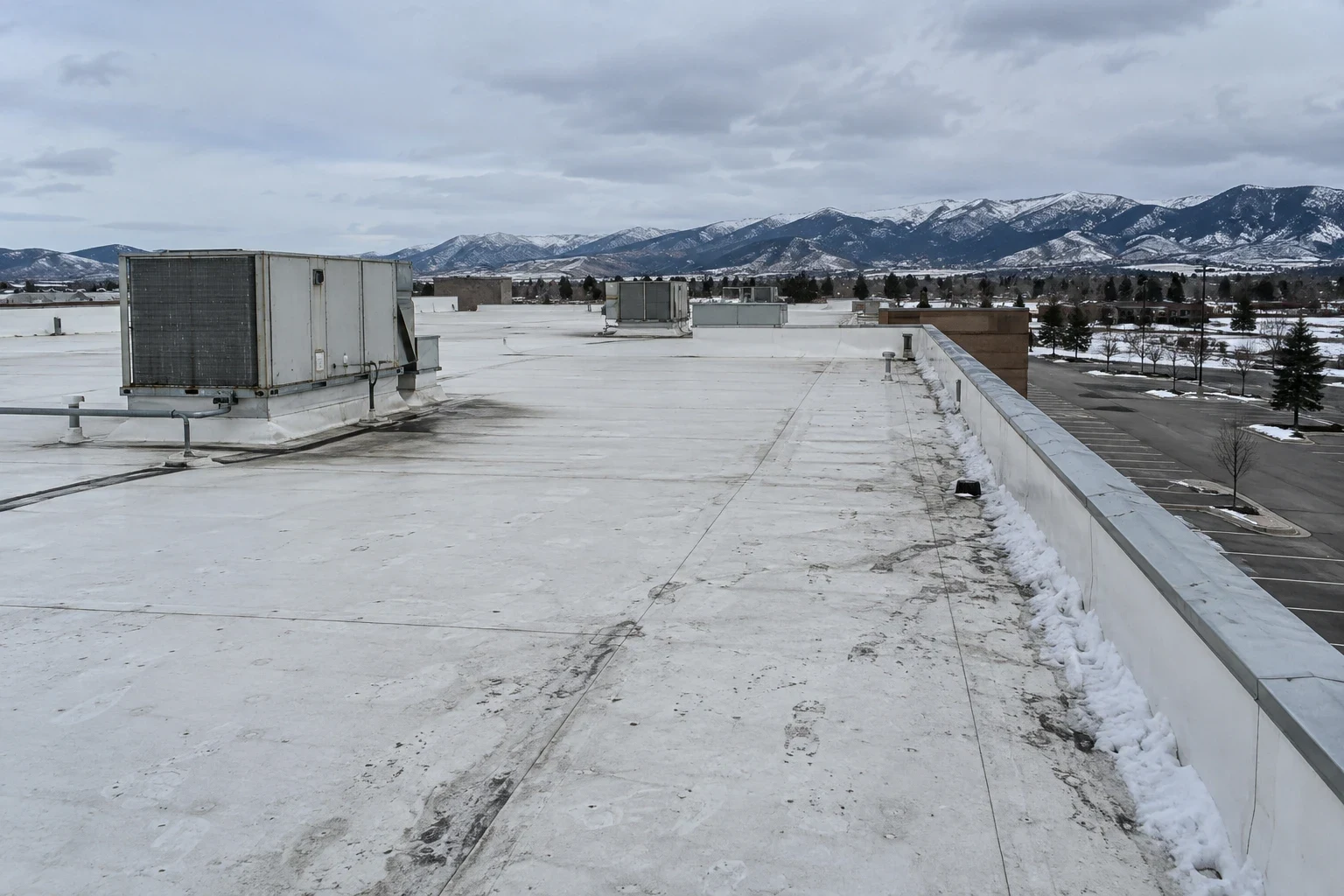
Retail corridors collect a few building shapes: the large single-tenant store with a flat field and a tall parapet, the multi-tenant strip with a shared roof and a row of rooftop units, the pad building at the edge of a lot with a small footprint and a kitchen exhaust. The membrane on any of them can be thermoplastic, EPDM, modified bitumen or built-up, and the first thing to learn is.
I do not guess the roof from the street. Each one gets a walk, a core where the field warrants it and a diagram of drains, curbs and penetrations. The goal is a map the owner can read in five minutes: where the water leaves, where it pools, where the details have aged. On a busy corridor the map also tells the owner which repairs can wait for the off-season and which cannot.
New stores keep arriving. WinCo Foods planned a 75,000 square foot store on the corridor, next to other big-name retailers, and every new building adds its own roof, its own drains and its own rooftop units to the stretch. A new roof is the best time to settle details that will matter in year ten: curb heights above the drift line, walkway pads from the hatch to each unit, and a drain layout that does not depend on one sump.
How do you stage a crane next to 37,000 cars a day?
Early, and small. The pick is scheduled for first light, before the lot fills, and the crane stands on the building side of a fenced work zone. Material arrives in as few drops as possible, each lifted onto the roof straight from the truck so nothing sits in the lot. Fire lanes stay open. Customer entrances stay open. A flagger or a spotter watches the access drive.
Retail traffic runs heavy through the day, so delivery trucks avoid the late-morning and evening peaks. The staging plan shows the truck route, the crane position, the fall zone and the waste container, and the property manager signs off on it before the date is set. If the plan changes, everyone gets a revised sheet that day.
What do winter drifts do to long retail roofs?
Roughly 54 snowy days and 91 inches of snow reach the corridor in a Bozeman year, and the city is designed for 50 psf of ground snow. A retail roof wears a parapet, a canopy or a sign structure, and drifts pile against each. Where a drift builds against a rooftop unit, the load sits right beside a heavy curb, and the thaw cycle runs meltwater to a drain that is still frozen.
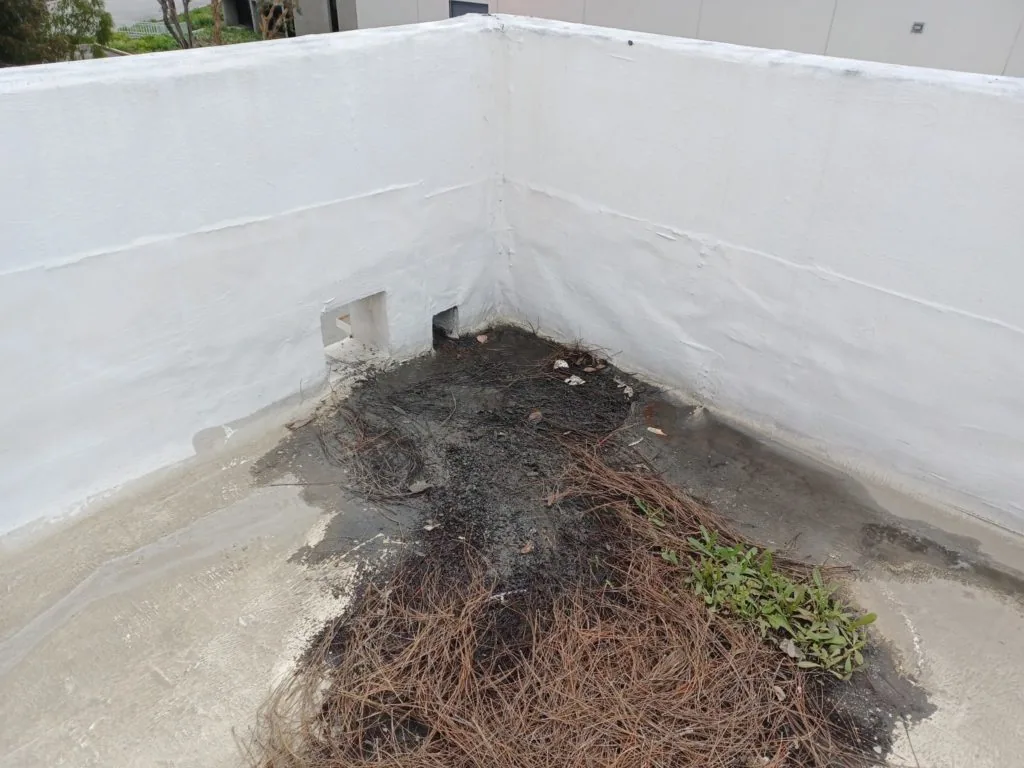
The pattern I see after a long winter is a row of brown stains along the same ceiling line, a scupper packed with ice and a dished membrane near the wall. These are small problems when found in spring and large ones when found in a second winter. Keeping roof drains and scuppers open, with a fall pass before the first storm, is the least expensive protection a corridor owner can buy.
A spring pass matters just as much. After the snow goes, I walk the field and look for the dished spots that held water, for fasteners that have backed out and for edge metal that has shifted. Each is a quick fix in April and a leak in August. The report from that pass goes in the building file, with photographs, so the next visit starts from a known condition.
What did the 2010 hail do on this corridor?
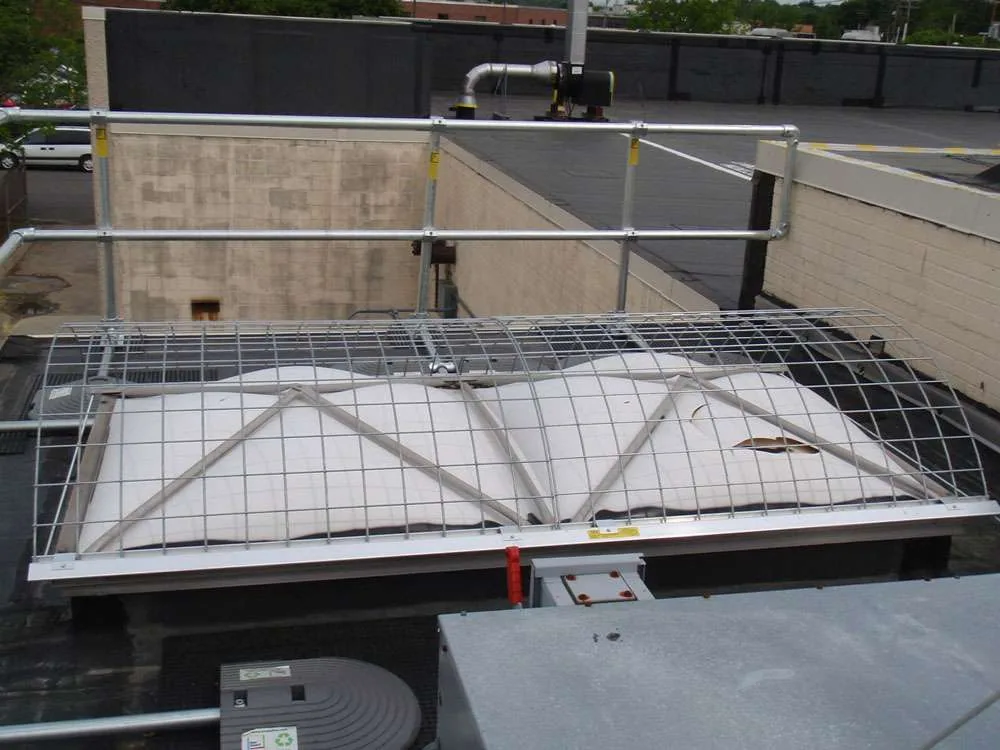
The June 2010 hailstorm damaged the skylight at Fire Station 2 on North 19th Avenue and broke many windows elsewhere in Bozeman. Skylights are the soft spot on a flat roof, because glazing cracks, gaskets age and a curb is a leak path. A roof with skylights needs them checked after hail as carefully as the membrane.
After a hailstorm, the walk covers the field, the skylights, the metal and the units. We mark each bruise and photograph it with a scale, take readings under the worst ones and assemble a file that separates storm damage from age. Skylight and penetration flashing repair then restores each curb with proper flashing. The file supports the owner's claim and keeps the repair scope grounded in what was found. Where a skylight is beyond saving, the replacement is flashed to the roof membrane on a raised curb, and we confirm that the opening is framed and sealed before the new unit is set.
How do you reroof a store that has to stay open?
In bays, from the back toward the front, with the sales floor protected. The tear-off is dried in each day, walkways under the work are covered and the main entrance stays open. Rooftop units are lifted or flashed around on a schedule that the store's mechanical contractor approves, and temporary cooling covers any gap.
Noise and dust control matter in a retail setting. Noisy phases are moved to early morning, and adhesives are kept away from air intakes. The property manager gets a daily summary, and tenants get the schedule before the crew arrives. That is the routine for occupied building reroofing, tuned to a lot that earns its living by the hour.
Which corridor owners should plan together?
Owners of buildings that went up in the same years may face the same failures in the same seasons, which makes a group schedule efficient. A single crew can serve several buildings on one mobilization, and material can be ordered together. A ranked list shows which roofs go first.
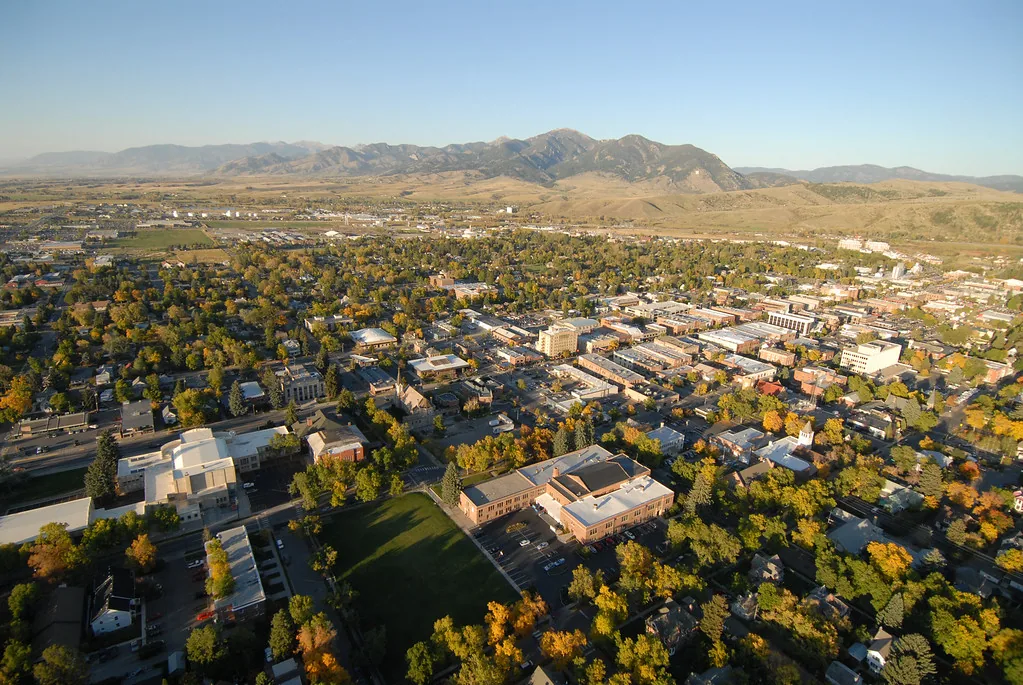
The corridor runs south from the Valley Center Road interchange area at the interstate, with Midtown close by, and the same planning carries across all three. Large stores behave like a big-box retail roof, strips like a shopping center roof, and a preventive roof maintenance visit each spring and fall keeps every roof within reach of a small repair.

Questions About North 19th Avenue Corridor
A tenant wants to add a rooftop unit. What should the landlord require?
A written request, a curb detail approved by the roofer, a flashing inspection after installation and a photo for the roof file. Letting an unlogged unit go in is how a roof collects leaks that nobody can trace later.
Can a crane work in a lot that is full of customers?
Yes, with early scheduling and a fenced zone. The lift happens before the lot fills, the crane stands where it blocks no fire lane or entrance and a spotter watches the drive.
How do I know if hail damaged our skylights?
Look for cracks in the glazing, split gaskets and stains at the curb. A close walk with a flashlight shows hairline cracks that are invisible from the ground, and a hose test at the curb confirms a leak.
Should neighboring buildings share a roofing schedule?
It often saves money. One mobilization serves several roofs, material is ordered together and the crane is booked once. Each building still gets its own scope and its own record.