
Roof Capital Planning in Bozeman, MT
Roof Capital Planning in Bozeman and the Gallatin Valley
The owner of a strip center on North 19th Avenue gets one bad winter and a ceiling stain in the bakery. The next call is a repair. The call after that, two years later, is a quote for a whole roof, and it arrives in the same month the lender wants a reserve statement. Roofs rarely fail on a convenient date. They fail in the middle of a budget cycle, in a hailstorm or a thaw. When does your next roof dollar need to be in the plan, and which roof will it go to?
I would rather have that conversation in September, on the roof, than in February, over a bucket.
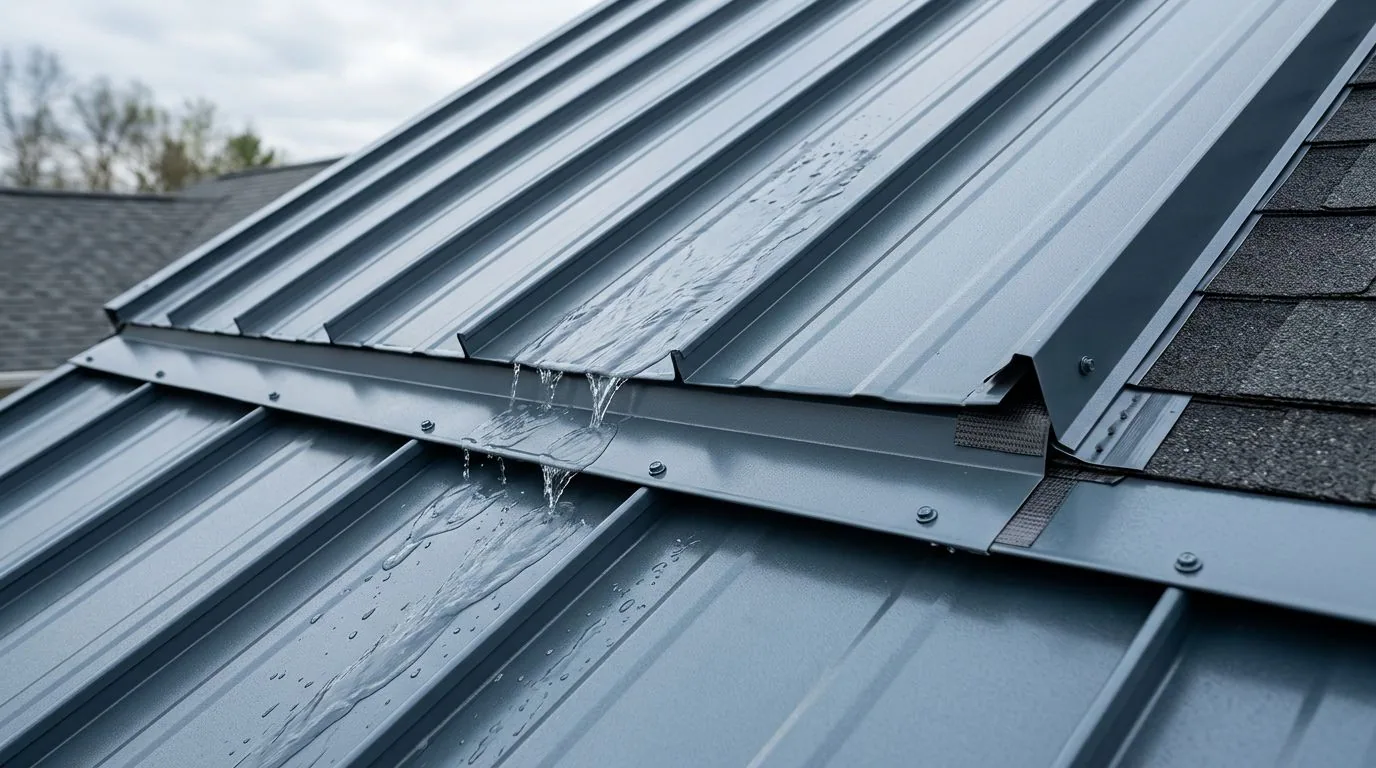
What is a roof capital plan, in plain terms?
It is a ranked list of roofs with a timeline and a cost range next to each one. For every building we describe the work likely to be needed in the next one, three and five years: routine repair, restoration, recover or replacement. We give a range of cost drivers instead of a single dollar figure, because the price of a roof depends on conditions you only find once you cut into it. Wet insulation, deck repairs, code upgrades and access all change the total.
The plan separates three kinds of spending. Maintenance keeps a sound roof sound. Repairs fix specific failures. Capital projects replace or add roof systems. Owners and lenders often treat these differently, and a clear plan lets finance staff put each in the right place.
What drives roof cost on a Bozeman building?
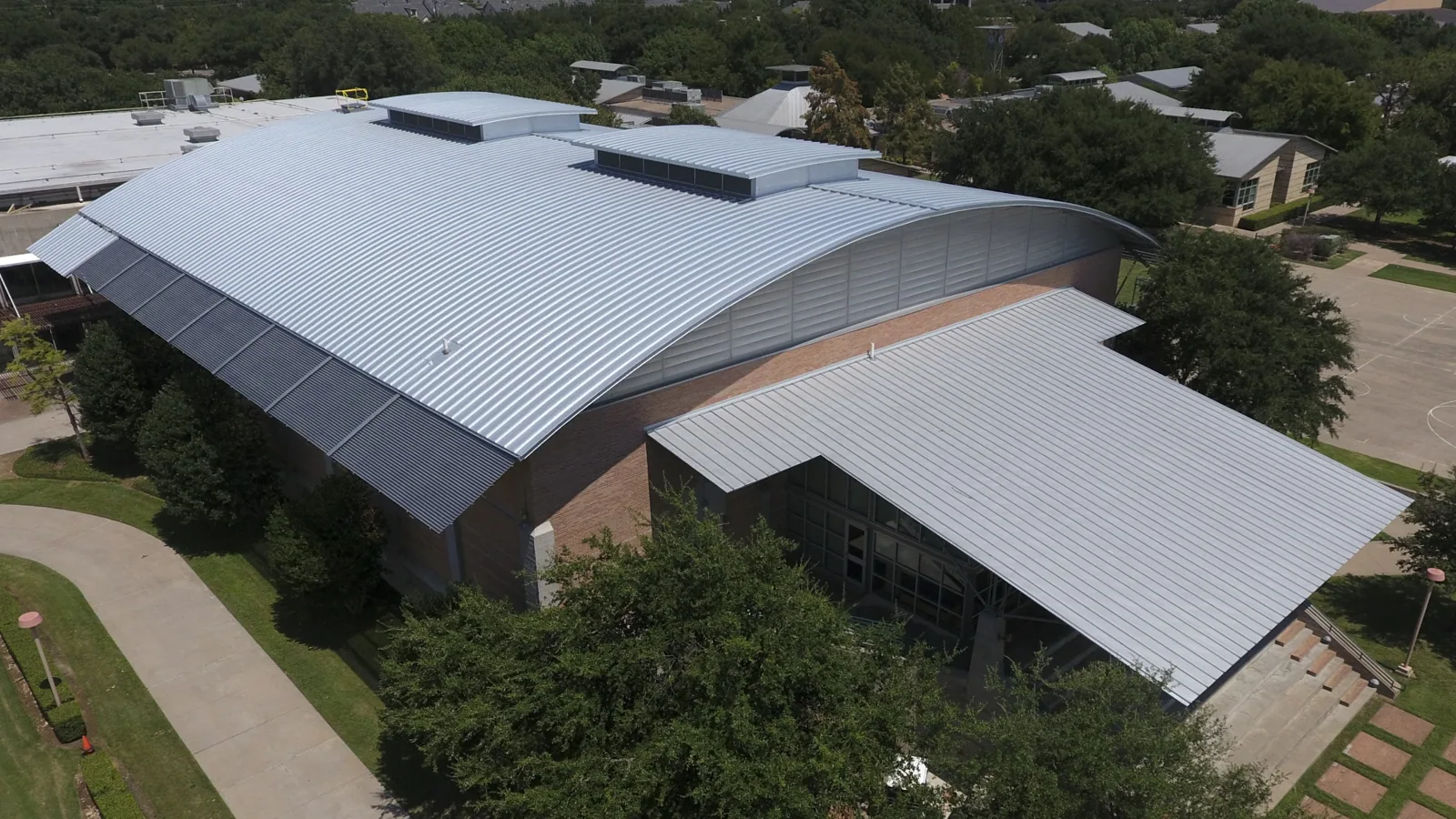
Several things, and snow sits near the top. Bozeman's snow runs about 91 inches a year against a listed ground snow load of 50 psf, so a new roof has to account for that load in its insulation, deck and drainage. Hail raises the question of impact resistance, since golf-ball stones fell on Bozeman in 2010 and again over Belgrade and north Bozeman in 2013. Wind pushes the specification for edges and attachment. Each of those pushes a Gallatin Valley roof toward thicker, better-attached assemblies than a mild-weather market would use.
Beyond climate, the usual cost drivers apply: the size and shape of the roof, the number of penetrations, the condition of the deck, the thickness of the insulation, whether the building is occupied, and how hard it is to get materials onto the roof.
Access deserves its own line. A single-story retail roof with a ladder and a hatch is a different job from a multi-story mixed-use building where materials must be lifted, or from a lab with exhaust that cannot shut down. Occupied buildings add phasing, noise limits and protection for the tenants below, and each of those has a cost that belongs in the plan rather than appearing as a change order.
When should a roof be replaced?
When the repairs start costing more than the roof is delivering, and before water has soaked the insulation. A membrane near the end of its life can sometimes be bridged with repairs or a coating for a few years, which buys time for the budget. Once the insulation is wet, delaying costs more, because the replacement scope grows. A core cut and an infrared survey tell us which situation we are in, and the plan records the answer.
Timing within the year matters as well. Roof work in this valley runs best from late spring through early fall. Cold-weather adhesive windows are narrow, and material lead times stretch in the busy months. An owner who commits in winter can have a crew in the schedule for May. An owner who waits until June may find the summer calendar already filling.
Some owners also tie roof timing to other projects. A tenant improvement that adds rooftop equipment, a solar array that needs a ballasted or attached mount, or an interior renovation that would be ruined by a leak are all reasons to move a roof earlier than its condition alone would suggest.
Repair, restore, recover or replace?
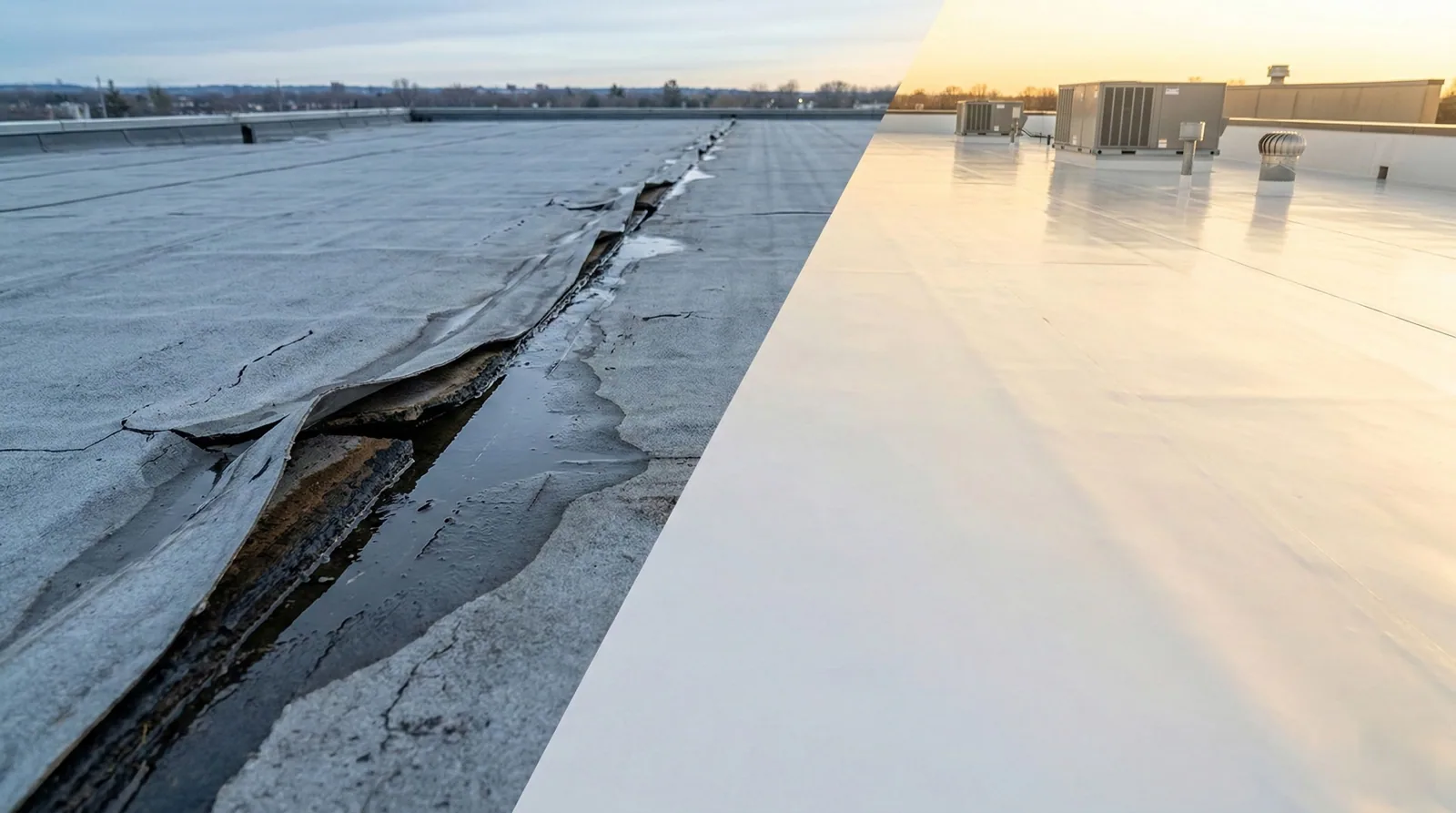
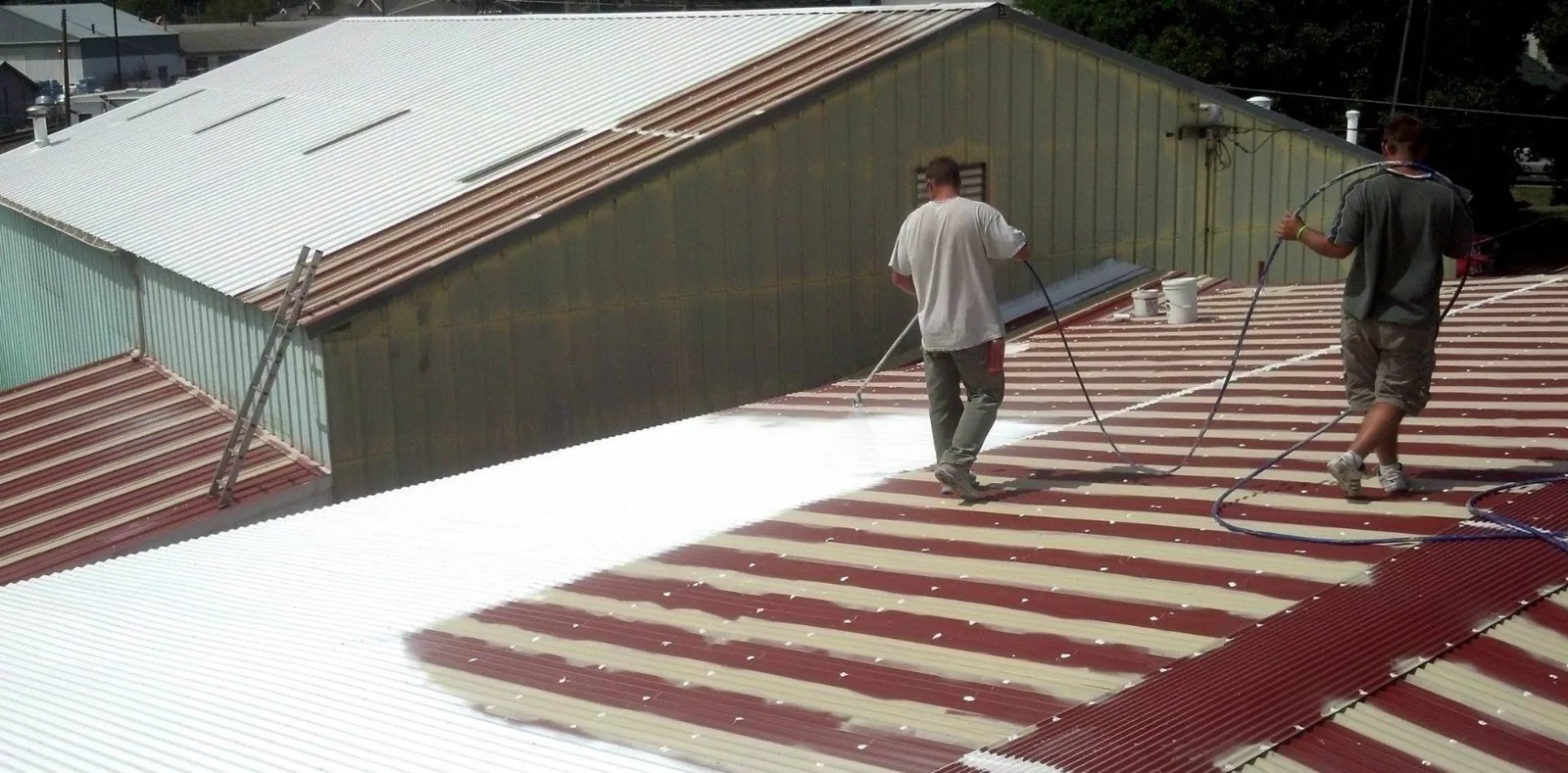
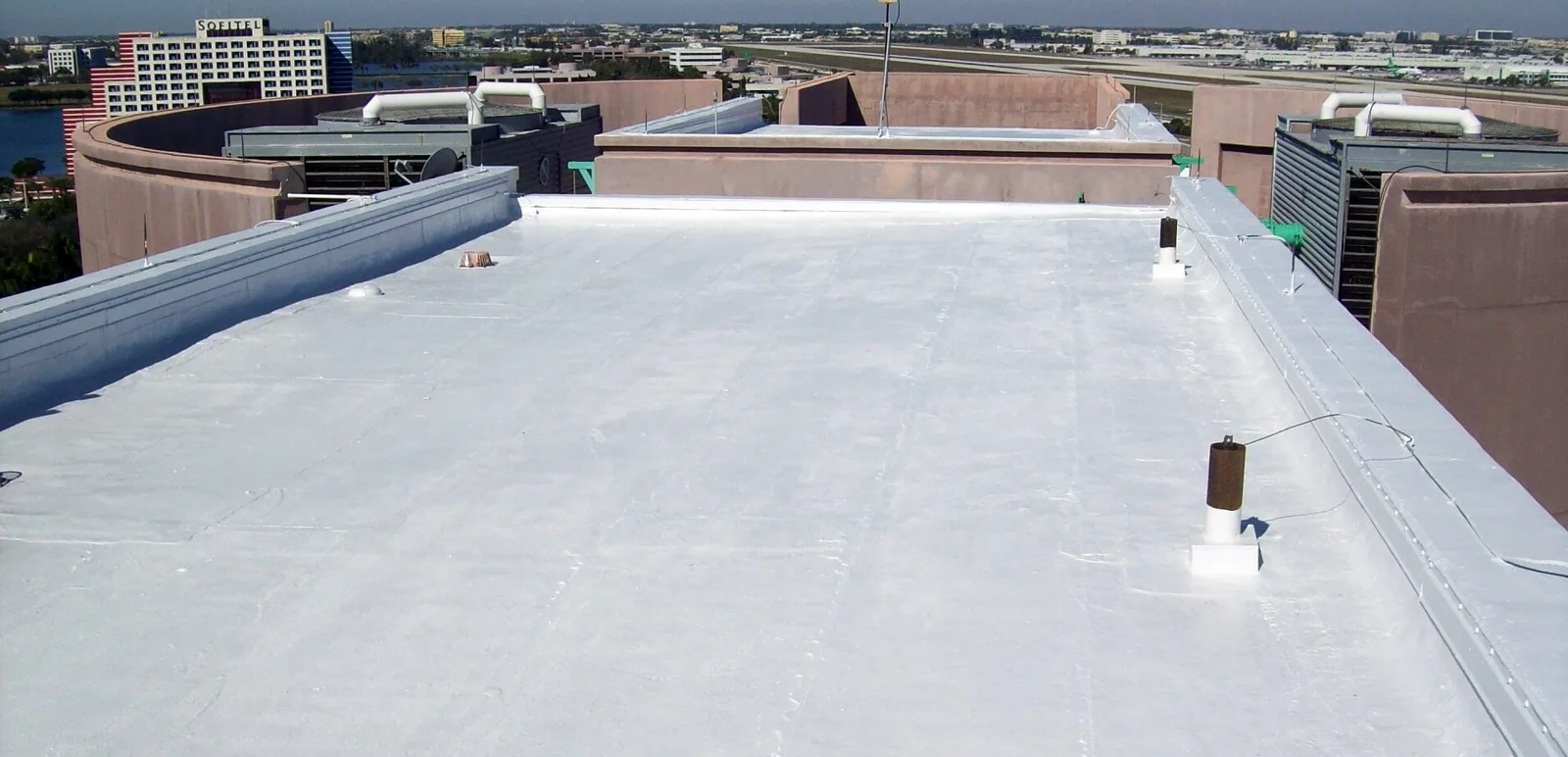
Each option has a place in the plan. Repair suits a roof with isolated failures and dry insulation. Restoration with a coating suits a sound, dry membrane that has weathered. A recover adds a new membrane over an existing one when the old roof is dry and the deck and structure can carry the extra layer. Replacement is for roofs with wet insulation, widespread failure or too many layers already.
The plan compares these on cost, disruption and expected life, so the owner can see the tradeoff. Sometimes the cheaper choice this year costs more across ten.
How much should be set aside for storms?
Some. Storms are unscheduled costs, and the valley has a record of them: hail in June 2010, hail and 89 mph gusts in August 2013, and a 1.50-inch hail report along the Gallatin River in May 2023. Insurance covers part of a storm loss, subject to deductibles and policy terms, so the plan includes a line for the portion an owner might carry. We help the owner decide how that line compares with the roof inventory, and our claim assistance work keeps documentation ready when it is needed.
The plan also sets a trigger for action. If a storm report shows large hail over a building, the owner knows the roof gets a walk within days, the photographs go into the record, and the capital timeline is reviewed against what the walk finds. A storm does not wait for a budget meeting, and the plan gives a first move that does not need one.
How does the plan work across several buildings?
It levels the load. Instead of five replacements in the same year, the plan staggers them, with the most urgent first and the healthiest last. Owners with property in more than one part of the valley, from downtown masonry to flex space near Belgrade, can also group work by area to reduce mobilization. The same approach carries into multi-site roof programs, and it starts with a plain roof condition report for each building.
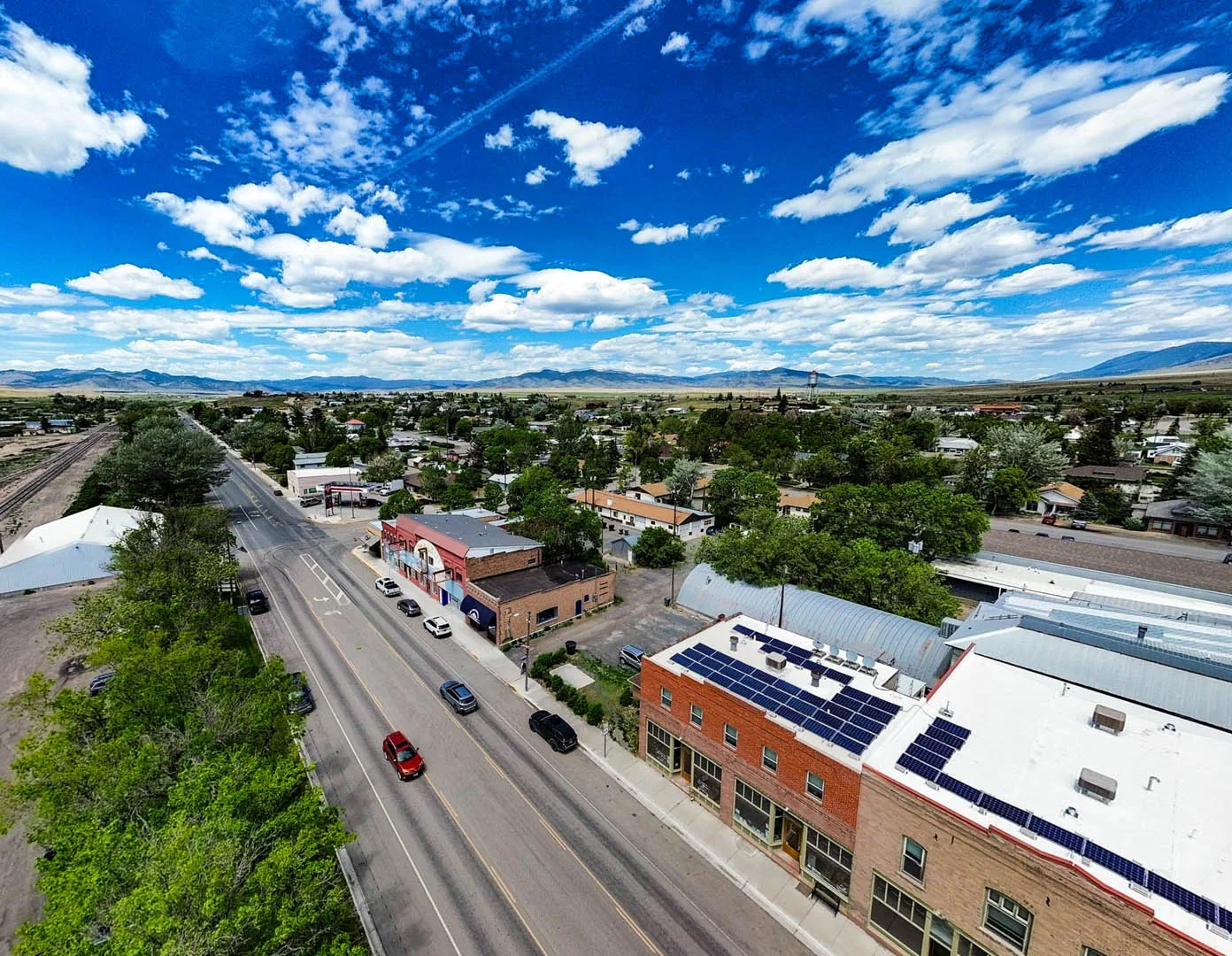

Questions About Roof Capital Planning
How far ahead should a roof replacement be budgeted?
Two to three years for a roof that is clearly aging, and sooner if a survey finds wet insulation. That gives time to set aside funds, schedule the work for a good season and avoid an emergency replacement priced under pressure. If a roof is young and sound, a five-year look is enough.
Can a coating delay replacement long enough to matter to the budget?
On a dry, sound membrane, yes. A coating can extend service for several years and moves the cost from capital to a smaller restoration line. It does not help a roof with wet insulation or widespread seam failure, so we confirm dryness with infrared and cores before recommending one.
Our lender asks for a reserve study. What do we hand them?
A condition report with photographs, the plan's ranked list and the cost ranges for each action. Lenders and buyers want evidence of what the roof is and what it will need. We format the findings so the roof section drops into a larger property report.
How does a hailstorm change a capital plan?
It can pull a replacement forward, or it can fund one. If the storm damage is covered, the owner may replace on the insurer's payment and skip the next two years of repairs. If it is not covered or the damage is minor, the plan moves the roof up the list for monitoring. Either way the date of the storm goes in the record.
Should a new building have a roof plan from day one?
Yes. A new roof still needs a schedule for walkthroughs, drain cleaning and post-storm checks, and the cost of those visits is small next to what they prevent. A record that starts at installation also gives the owner a baseline, which helps with any future warranty or claim question.