
Roof Coating Restoration in Bozeman, MT
Roof Coating Restoration in Bozeman and the Gallatin Valley
Take a single-story retail building with a flat roof that is twelve or fifteen years old. The membrane has chalked. The seams are mostly tight. A few thaw cycles have lifted a corner of flashing behind the parapet. Snow in Bozeman, MT arrives at about 91 inches a year, and hail is a recurring visitor, so a roof like that has had work done to it by weather every year. The question a building owner should ask is whether the roof under the surface is still dry. If it is, a coating can add years. If it is not, a coating hides a bigger bill.
We answer that question with a scan and a core cut before a coating is ever priced.
Which roofs can take a coating?
The roof needs a sound base. That means a membrane that is bonded, not blistered, and insulation below that is dry. Single-ply roofs that have chalked but not cracked, modified bitumen roofs with exposed granules and metal roofs with tired finishes all suit a coating. A roof with saturated insulation, a collapsed deck or widespread open seams does not.
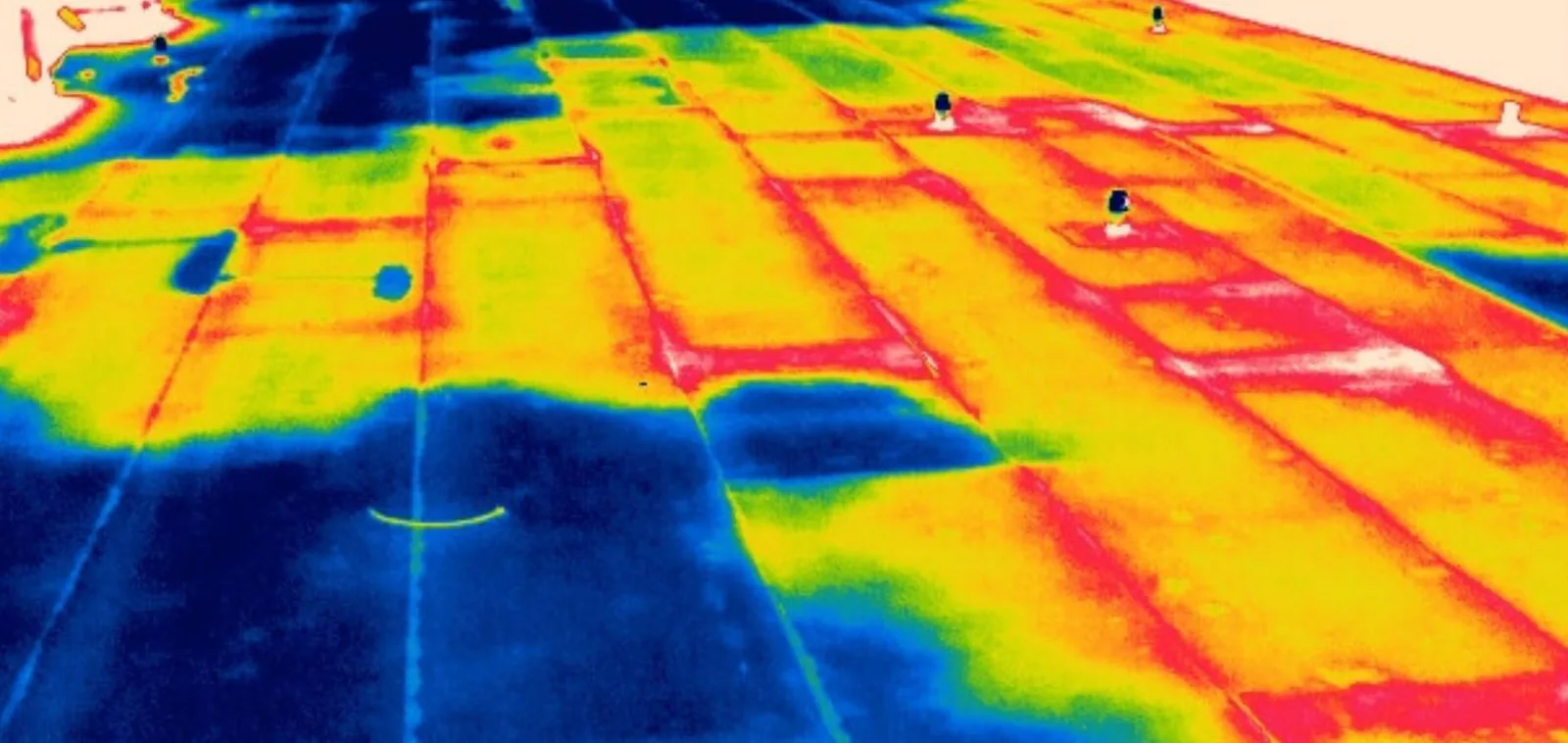
We separate the two cases with data. An infrared moisture survey maps damp areas, probes confirm them and a core cut shows the layers. A roof with a few damp spots near penetrations is a candidate after those spots are repaired. A roof with damp areas across the field is a replacement candidate. The result goes in a short report with photographs.
If the answer is replacement, we say so and show the options, including a recover over the existing roof when the base allows and a full replacement when it does not.
Age is a rough guide and not a rule. A ten-year-old roof that has been kept clear of ponding may be a better candidate than a six-year-old roof that sat under a drift behind a parapet every winter. The core cut tells us which one we have.
Silicone, acrylic or something else?
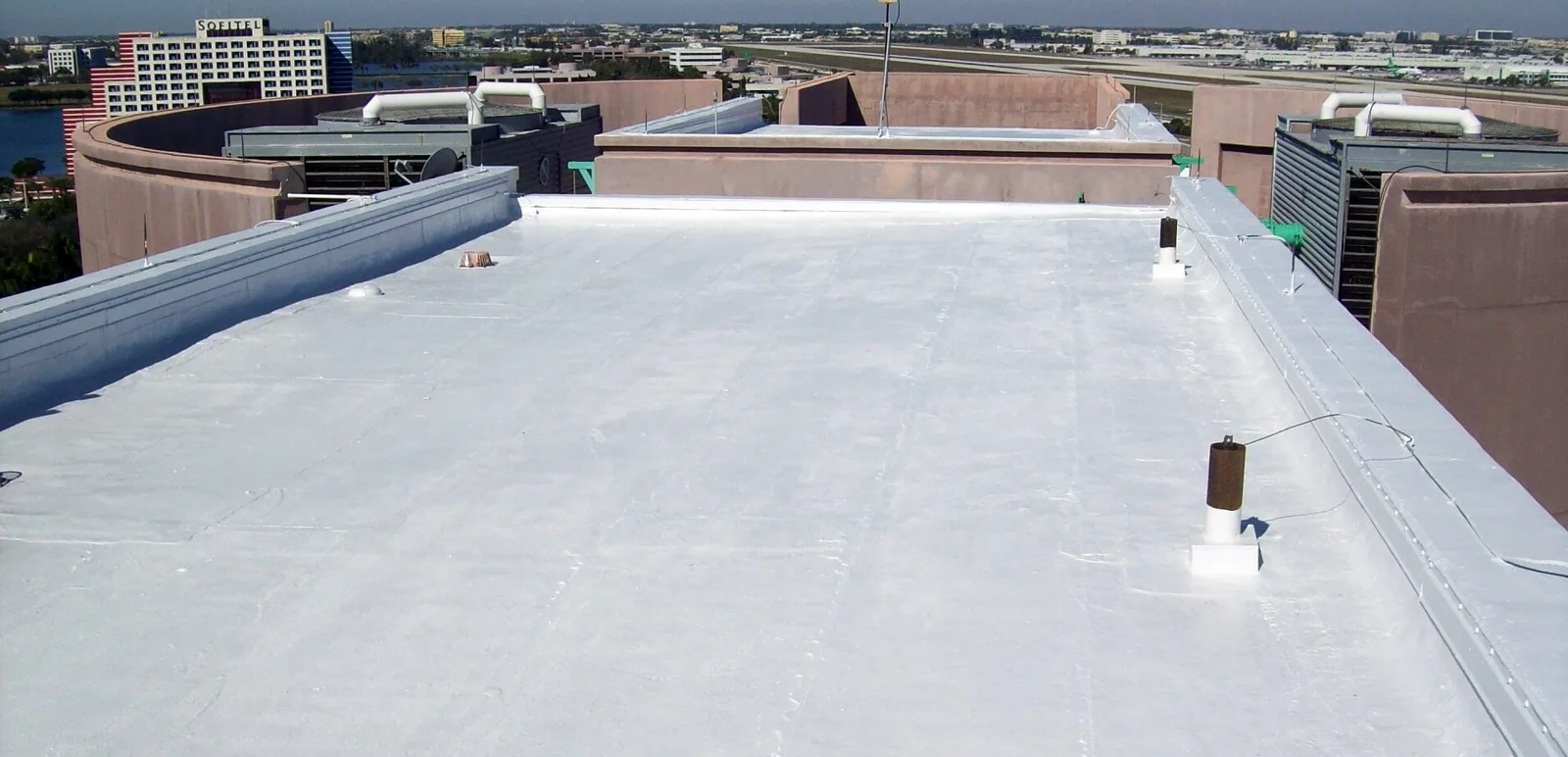
The choice depends on drainage, substrate and budget. A silicone roof coating handles standing water well and keeps its reflectivity, so it suits roofs that pond. An acrylic roof coating costs less per square foot and suits roofs that drain well, though standing water over long periods can break it down. Spray polyurethane foam with a protective coating suits some roofs that need added insulation and a continuous surface.
Cold matters. Coatings cure by evaporation or reaction, and both slow in the cold. A coating applied on a cool, damp morning in October may not cure before the first freeze. We pick the system with the cold-weather adhesive window in mind, and we tell the owner the dates the work has to happen.
What is done before the coating goes on?
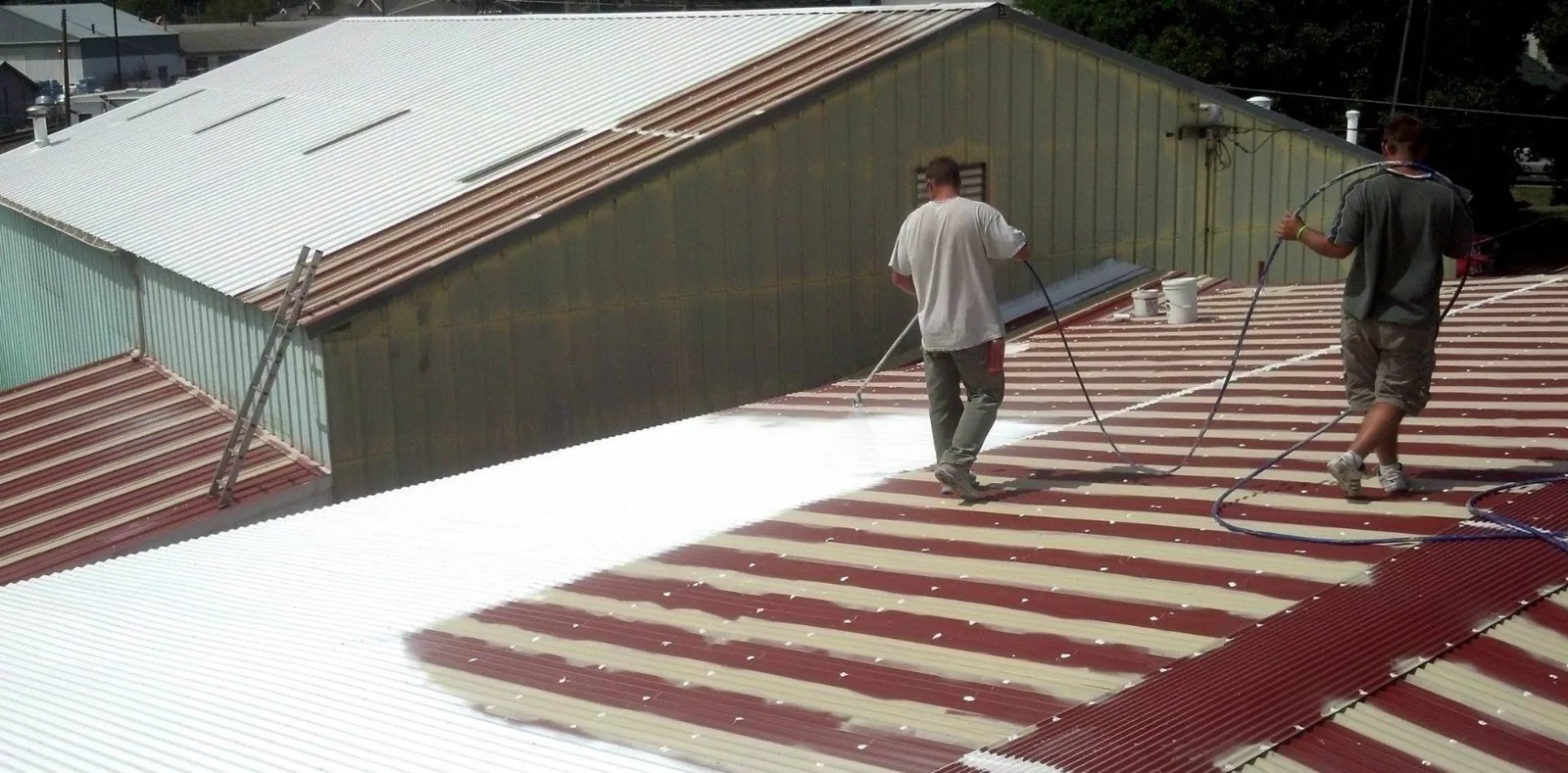
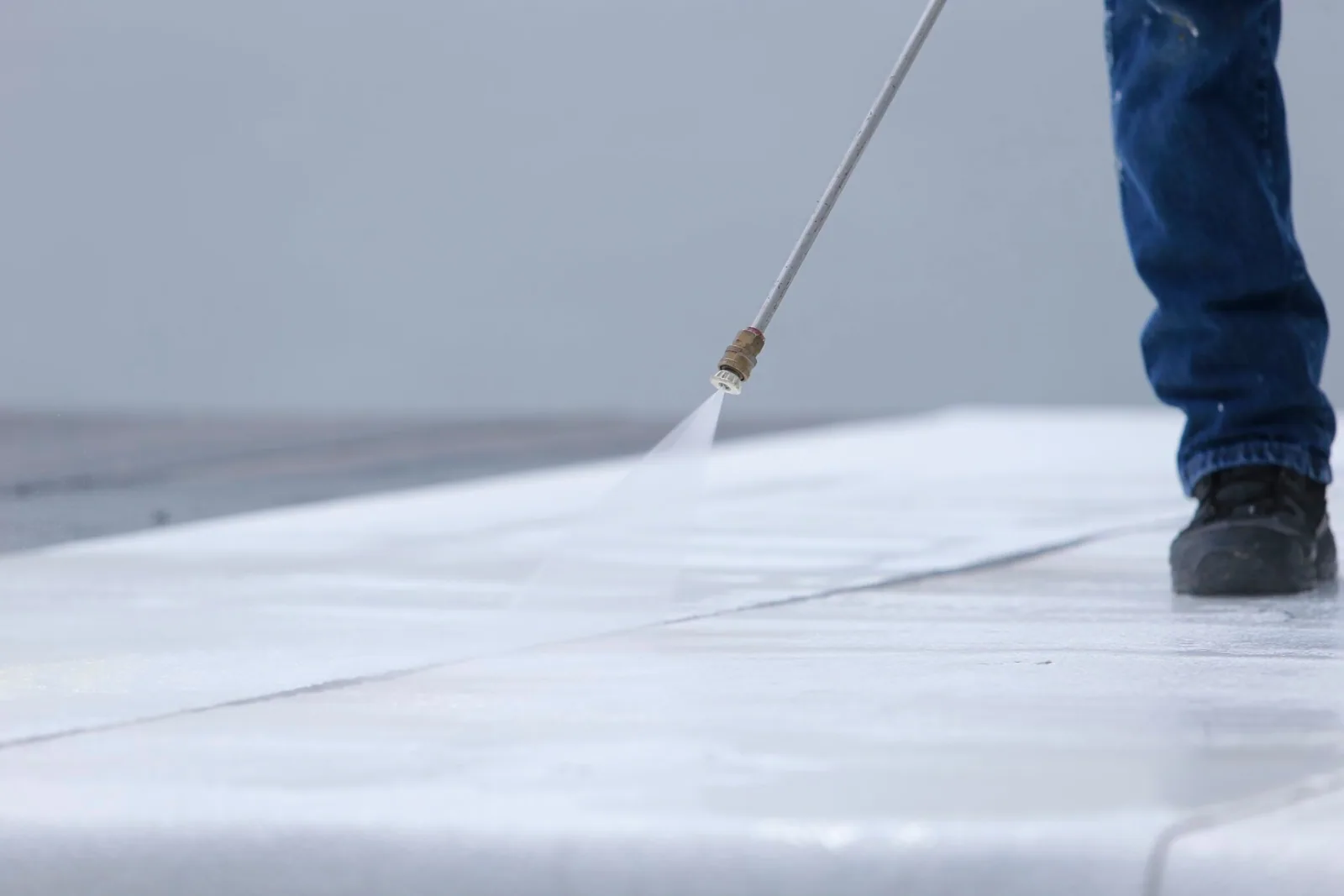
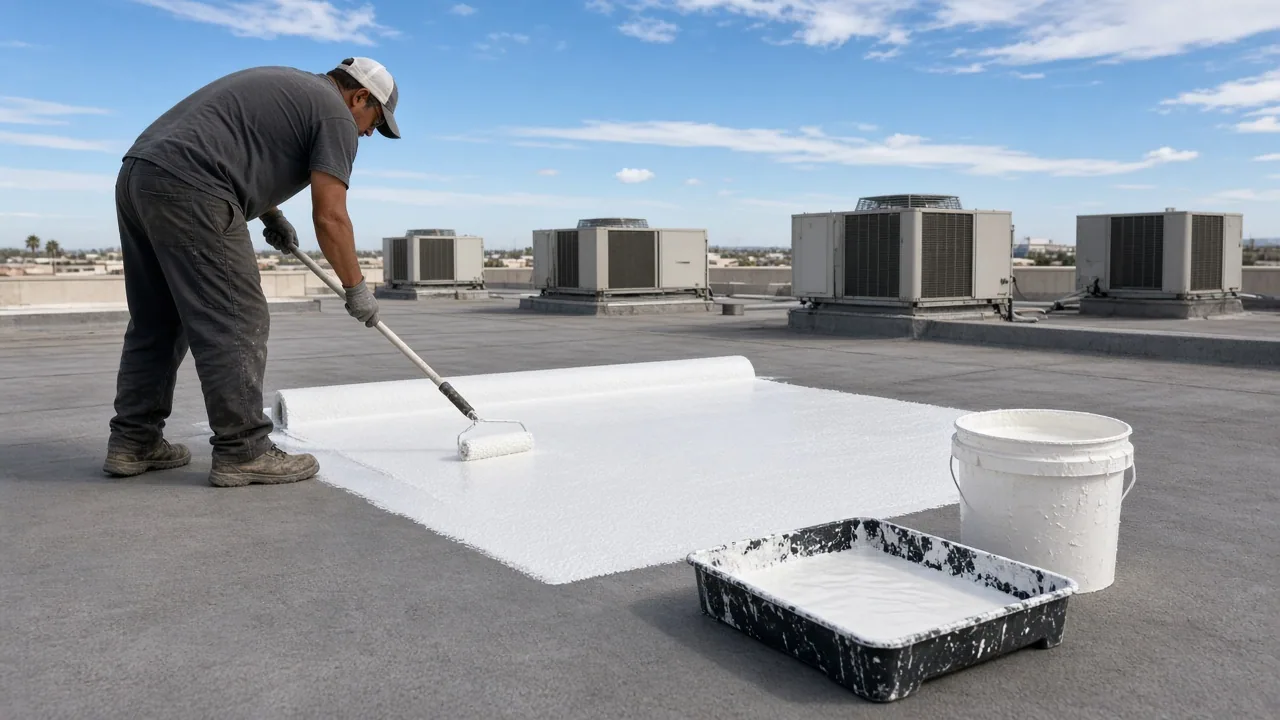
Preparation is most of the job. The roof is washed, loose material is removed and every failed detail is repaired first. Seams are checked and re-welded or taped. Flashings are reset. Drains are cleared and, if needed, corrected. Rust on metal is treated. Skylight curbs and penetrations get a base coat of the coating system and reinforcing fabric.
We then apply the coating to a thickness measured with a wet-film gauge, and we record the readings. A coating applied too thin gives too little protection. A coating applied too thick may not cure. The record shows the owner what was put down, and it is the starting point for the next inspection.
Everything above the deck is photographed before and after. The record joins the roof file for warranty and insurance use.
Edges need a second look. Coping, drip edge and gutters that took a winter of slides are repaired before the coating covers them, because a coating over loose metal fails where the metal moves. Where snow guards are missing above a walk or entrance, we add them as part of the restoration, since a slide can scrape a fresh coating off in one pass.
How do snow, hail and cold shape the plan?
The Gallatin Valley gives a short window for coating work. Bozeman's January mean low sits near 15 degrees F, and up the canyon Big Sky sees snow in every month except July and August. We schedule coating for late spring through early fall, when daytime temperatures hold and nights stay above the manufacturer's minimum. A forecast that shows cold or rain within the cure period moves the job.
Hail is the second factor. A coating is a thin skin, and hail can bruise the substrate beneath it. Stones the size of golf balls pounded Bozeman for roughly thirty minutes on June 30, 2010, and a second round of that size came through Belgrade and the north side in August 2013, riding gusts of 89 mph. We walk the roof for bruises before recommending a coating, and we do not coat over damage that needs repair.
The load matters, too. A 50 psf ground snow load and 110 mph basic wind speed are listed for Bozeman under the 2021 IBC. A coating adds little weight, which is one reason it suits roofs with limited reserve.
Where does a coating make the most sense?
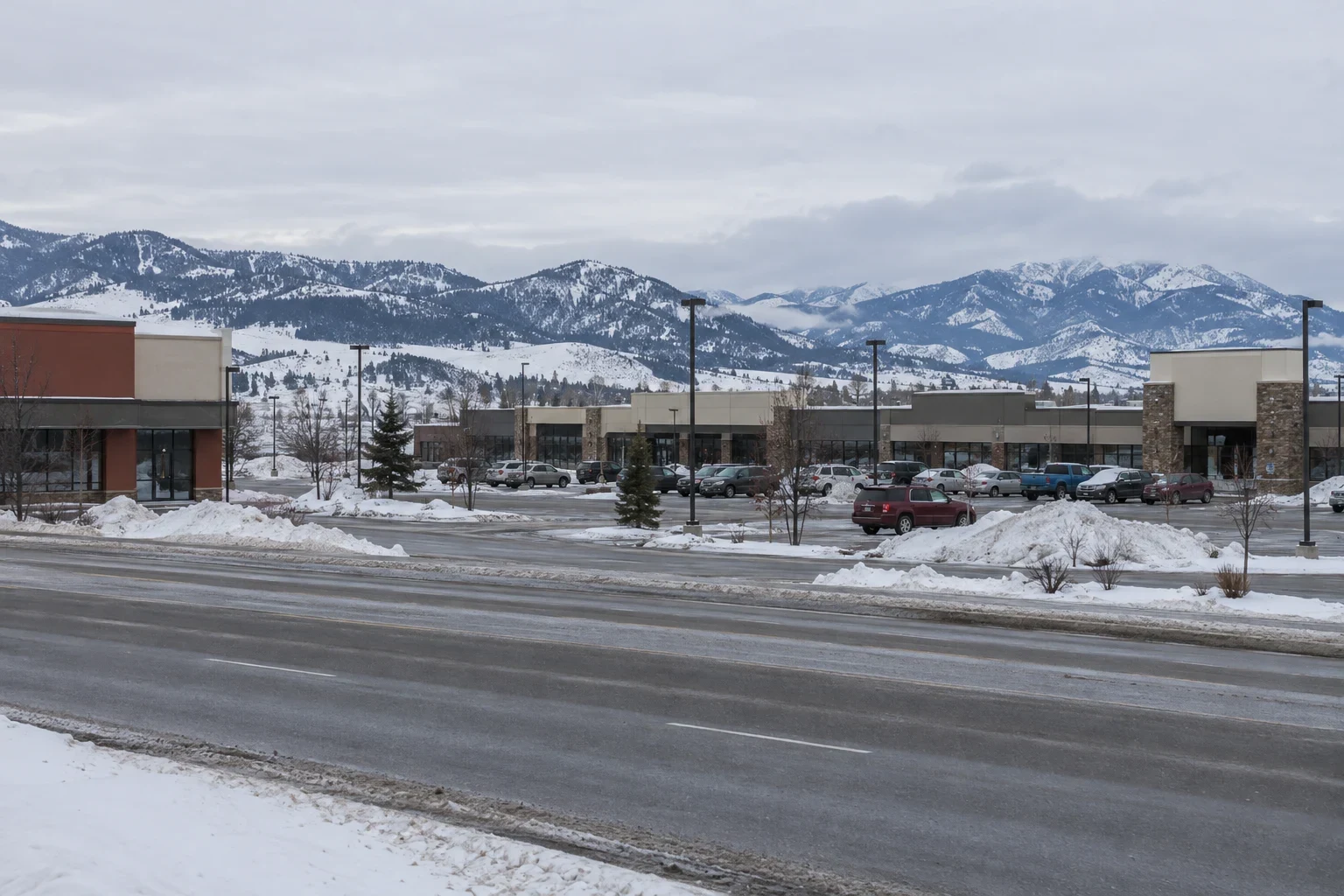
Large flat roofs are the best candidates, because the cost of coating per square foot falls as the area rises. Single-story retail buildings in the West Main and Gallatin Valley Mall area are the clearest example. Retail along North 19th Avenue, warehouse and flex space near Belgrade and low-slope campus buildings are in the same class.
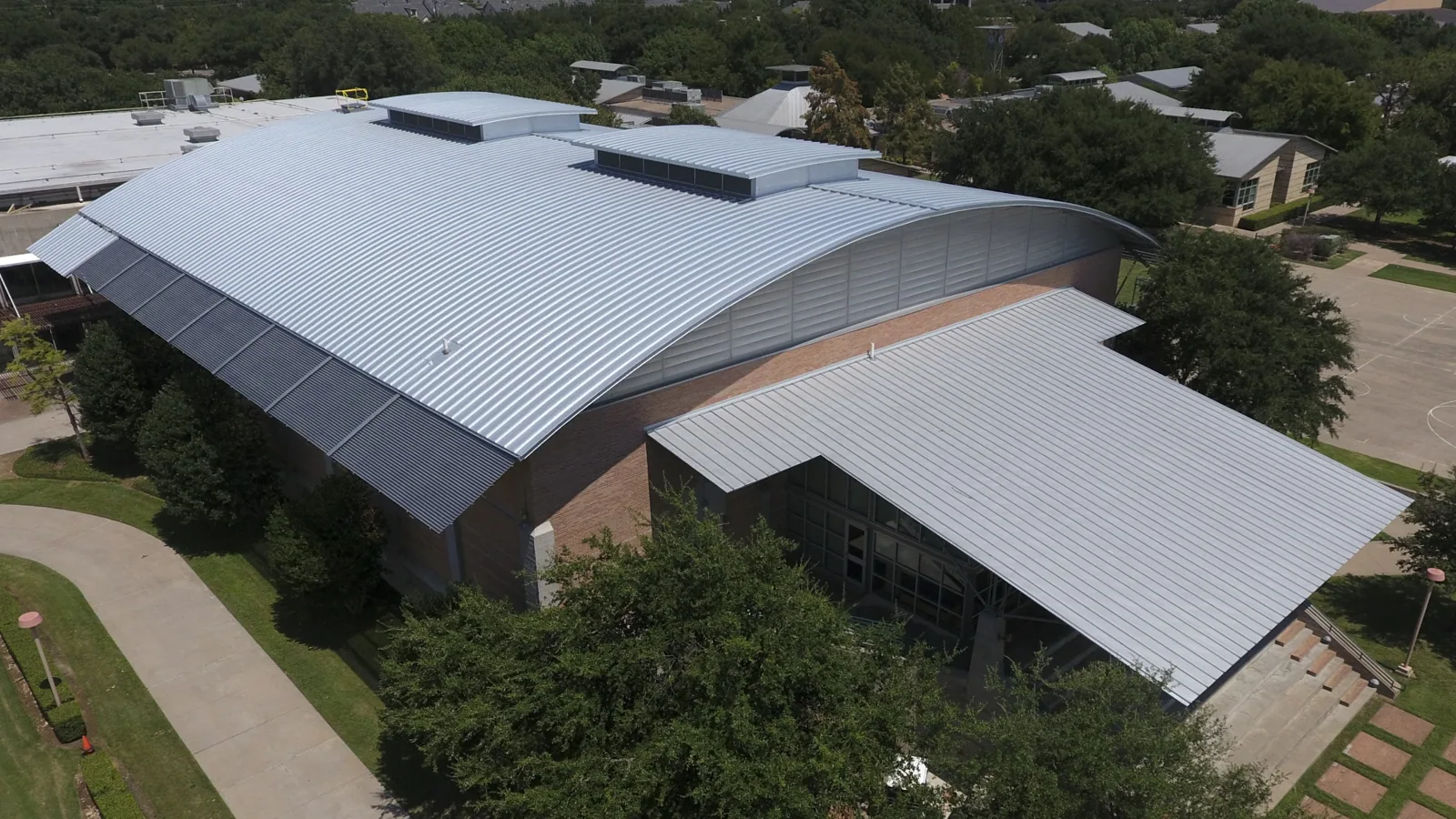
Historic masonry buildings downtown, where older flat roofs and parapets are common, call for care. A coating can seal a tired roof, but the wall joints and drains matter more, and the owner may have appearance rules. Metal roofs with standing seam clips can take a coating on the panels, and the clips and seams are checked first.
What does a restoration cost, and what does it save?
A restoration typically costs a fraction of a replacement, and it avoids tear-off, disposal and tenant disruption. Owners compare the coating cost with the deferred cost of replacement, and with the added years the coating buys. We give a range for each option so the comparison sits in front of the owner.
The saving only holds if the roof stays on a schedule. A coated roof needs a maintenance program that checks drains and seams and recoats at the right interval. We build that schedule into the proposal, and we set the first inspection for the spring after installation.
Questions About Roof Coating Restoration
How long does a coating last in Bozeman?
The range depends on the system, the thickness and the care the roof gets. A well-prepared silicone or acrylic coating on a dry base can add many years, and an inspection each spring shows when a recoat is due. We do not quote a single number for every roof.
Can a coating be applied over a roof with leaks?
Not until the leaks are found and repaired. A coating over damp insulation traps moisture. We scan, probe and core first, fix the sources and then coat the repaired roof.
Does a coating change the warranty on the existing roof?
It can. Some membrane warranties end or change when a coating goes on. We read the paperwork before recommending anything and note the effect in the proposal.
What season is best for coating work?
Late spring through early fall. Nights above the manufacturer's minimum temperature and several dry days in a row are what the coating needs to cure. We set the dates from the forecast, not from the calendar.
Will a coating make the roof slippery?
Some coatings are slick when wet. We add a surface treatment or walk pads at access points and along service routes, and we mention it in the safety notes for the building.