
Commercial Roofing in Belgrade, MT
Belgrade in Bozeman and the Gallatin Valley
Belgrade's newer commercial roofs belong to light industrial and flex buildings near the airport, including multi-unit warehouse projects close to the airport, with Interstate 90 running along the city. Buildings of that type tend to have wide, low roofs with a lot of surface facing the sky. After a summer hailstorm, what does a roof like that look like, and who is going to walk it?
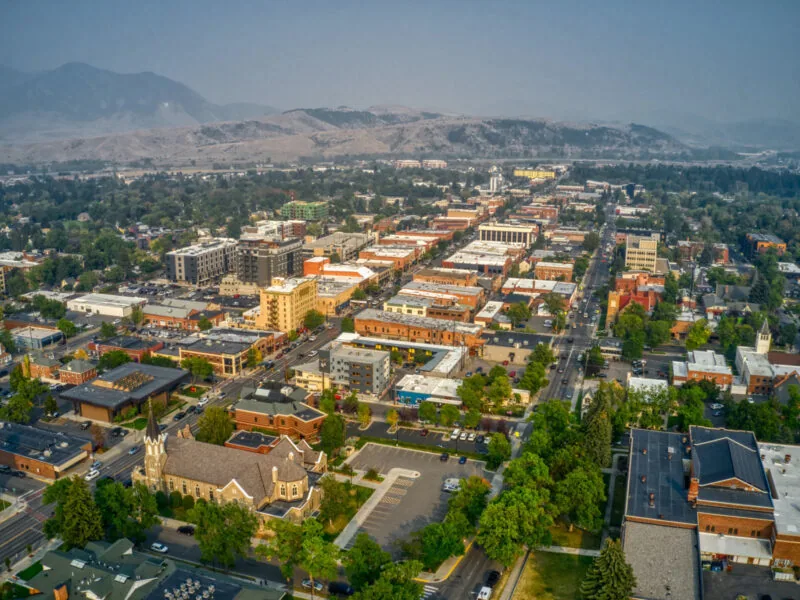
What does a Belgrade warehouse roof ask for?
A warehouse or flex building has a large, flat or low-slope field, a handful of drains, a few rooftop units and a ring of parapet or edge metal. Multi-unit buildings add demising walls, which divide the roof into sections that may belong to different tenants and sometimes carry a firewall parapet through the middle of the field.
Each section has to drain on its own. I trace the route water takes from each unit to a drain and check whether the firewall parapet blocks it. If a tenant has added a unit or a skylight, I log it. The goal is a roof plan that matches the building as it stands, because a plan drawn at construction rarely survives ten years of tenant changes.
Overhead doors and loading docks add a detail of their own. The roof edge above a dock often carries a canopy or a gutter, and water that sheets off the edge lands on the apron below, where it freezes. I check the edge metal, the gutter slope and the downspout discharge, and I ask the operations lead where ice builds up in January. That answer often points straight to the roof detail that needs work.
What did the 2013 hail do to Belgrade?
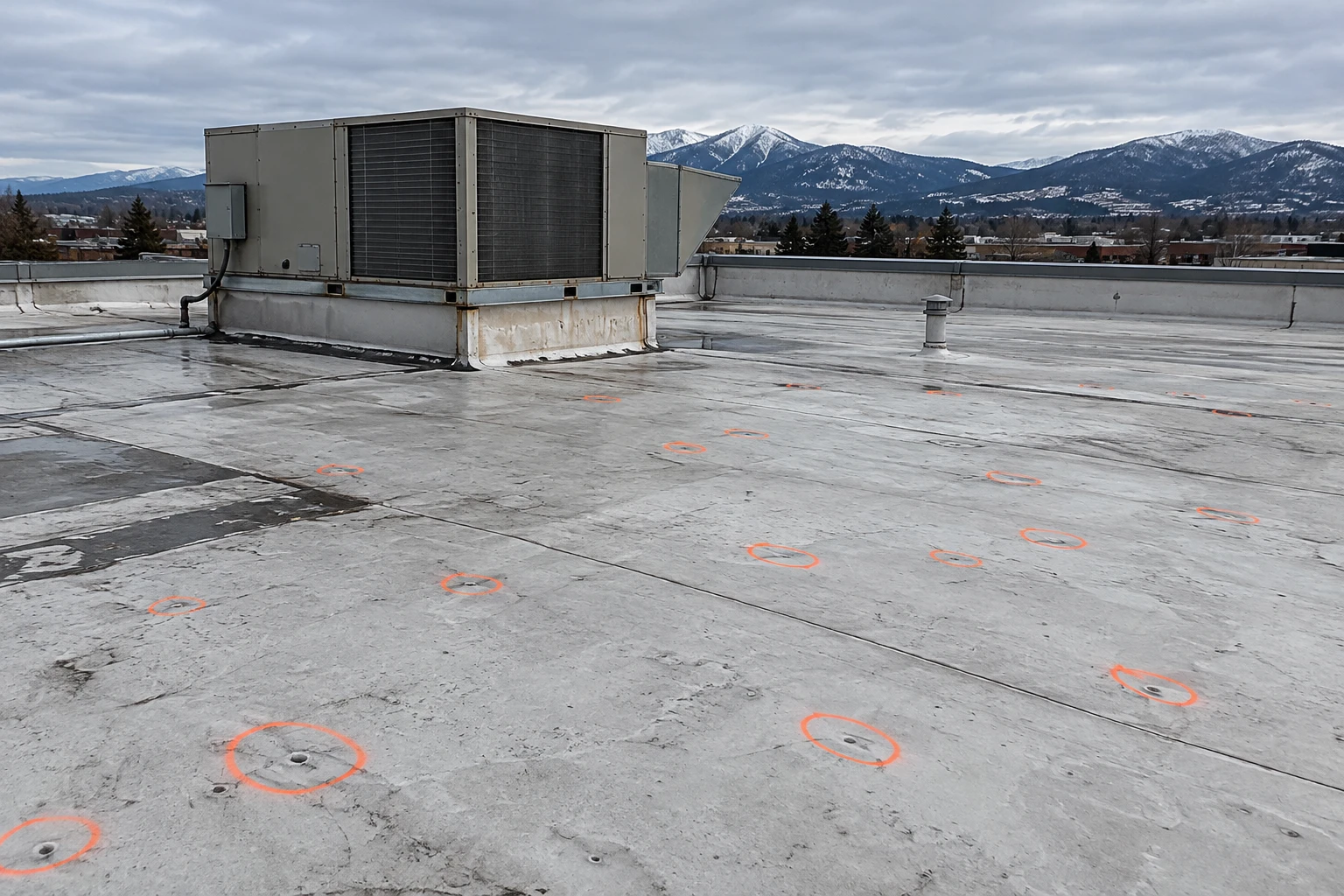
The storm of early August 2013 crossed Belgrade with 89 mph gusts and golf-ball stones, and the grain-crop losses reached across Gallatin County. A building with a large flat roof offers a lot of surface to the sky, and hail bruises on single-ply membranes, metal panels and gravel surfaces show up only on a close walk.
The follow-up is systematic: divide the roof into grids, mark each bruise, photograph with a scale and take a moisture reading under the worst ones. A file that separates hail damage from age is the basis of a clean claim. Our hail damage roof repair follows from that file, and the same record guides the choice between patching and replacing.
Skylights and smoke vents, common on warehouse roofs, deserve their own pass. Hail cracks plastic domes and dents the metal curbs, and a cracked dome admits water long before anyone notices. We replace damaged domes, reseal the curb and note each one on the roof diagram so the file is complete before it is submitted.
Why does wind find the edges of a flat industrial roof?
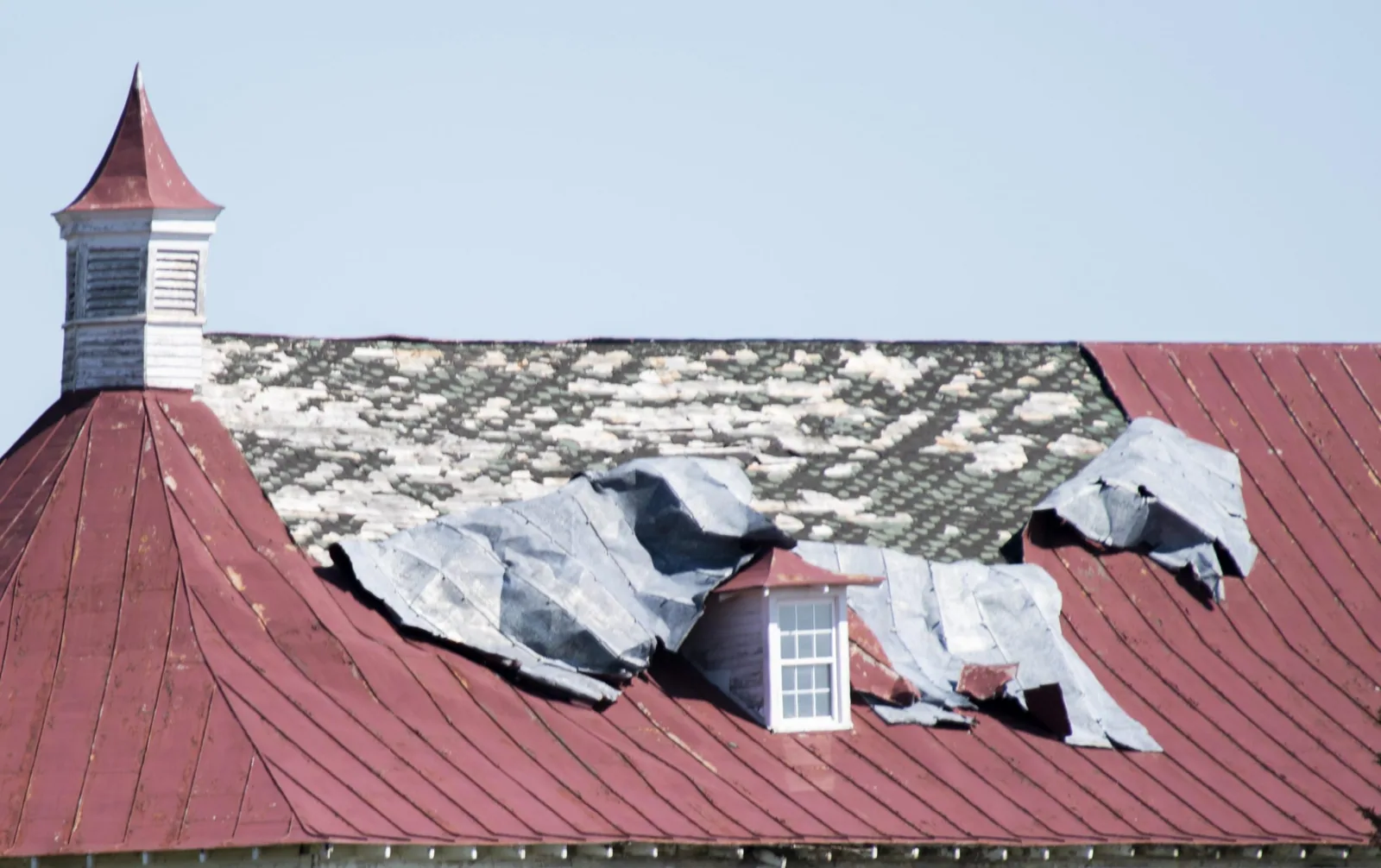
Gusts of 89 mph crossed Belgrade in 2013, against a design wind speed of 110 mph for the area. A long flat roof takes its worst uplift at corners and edges, and a membrane attached with a thin fastener pattern flutters there until fasteners work out of the deck.
Screws that have backed out show as small bumps that collect dirt and water. The repair adds fasteners at the perimeter, replaces bent edge metal and reseals laps. Wind damage roof repair goes edge first, since a loose edge can peel a whole field in a single gust.
How do the winters treat a low, wide roof?
Belgrade shares Bozeman's winter: some 54 snowy days, about 91 inches of snow and January lows near 15 degrees F. On a flat industrial roof, snow drifts behind parapets and against rooftop units, and meltwater runs to drains that may be frozen.
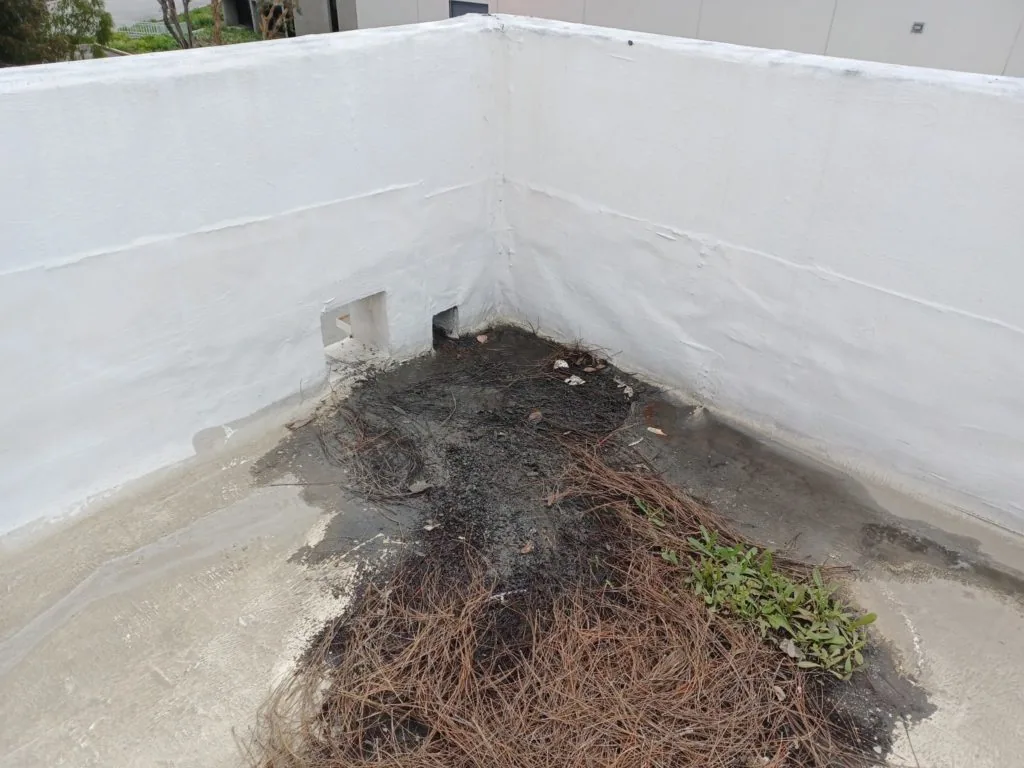
The pattern I check for is a dished membrane near the drains, an iced scupper and stained ceiling tiles over the offices. Warehouse space often has an office suite at one end, and the roof over it sees the worst of the heat leaking upward. Keeping roof drains and scuppers clear is the easiest way to avoid a mid-winter leak over a loading dock or an office.
Roof drains in a long building sit far apart, and a single clogged drain can drown a wide strip of the roof. A fall inspection clears leaves and debris, tests each drain with a bucket and notes any that drain slowly. Where a roof has no secondary overflow, adding scuppers through the parapet gives water a second way out if the primary drain freezes, which in a Belgrade January is not unusual.
Can an operating building be reroofed without stopping work?
Mostly yes. Belgrade has operations of CACI International and Xtant Medical, and buildings of every size from storage units to light manufacturing. In an operating building, we work in bays, keep dock doors and entrances clear and coordinate with the tenants on noise, dust and rooftop shutoffs.
For sensitive operations such as a medical or electronics facility, air intakes are marked on the roof plan, and adhesives and solvents stay clear of them. The crane pick is planned for a quiet hour, the staging area sits in the yard and trucks are routed away from the loading dock. Forklift routes are marked on the site plan so the material hoist never blocks one, and a spotter watches the yard whenever a load swings overhead. Tenants who run second shifts get their own notice, and the quiet hours are written into the schedule rather than agreed by phone. Dock doors on the work side stay usable, with a covered path for people walking from the lot. This is the routine for occupied building reroofing, adapted for a dock that earns by the hour.
What should an owner decide before the next winter?
Whether to repair, recover or replace, and whether to book now or in spring. Cores and moisture readings answer the first. Crew schedules answer the second, since contractors fill early for summer. An owner with several buildings near the airport benefits from a ranked list that shows which roofs to fund first.
Belgrade lies a short drive from the North 19th Avenue corridor, and the Copper Ranch Road business area sits close to the airport. A large industrial roof behaves like a warehouse roof, and a preventive roof maintenance plan keeps the drains clear.

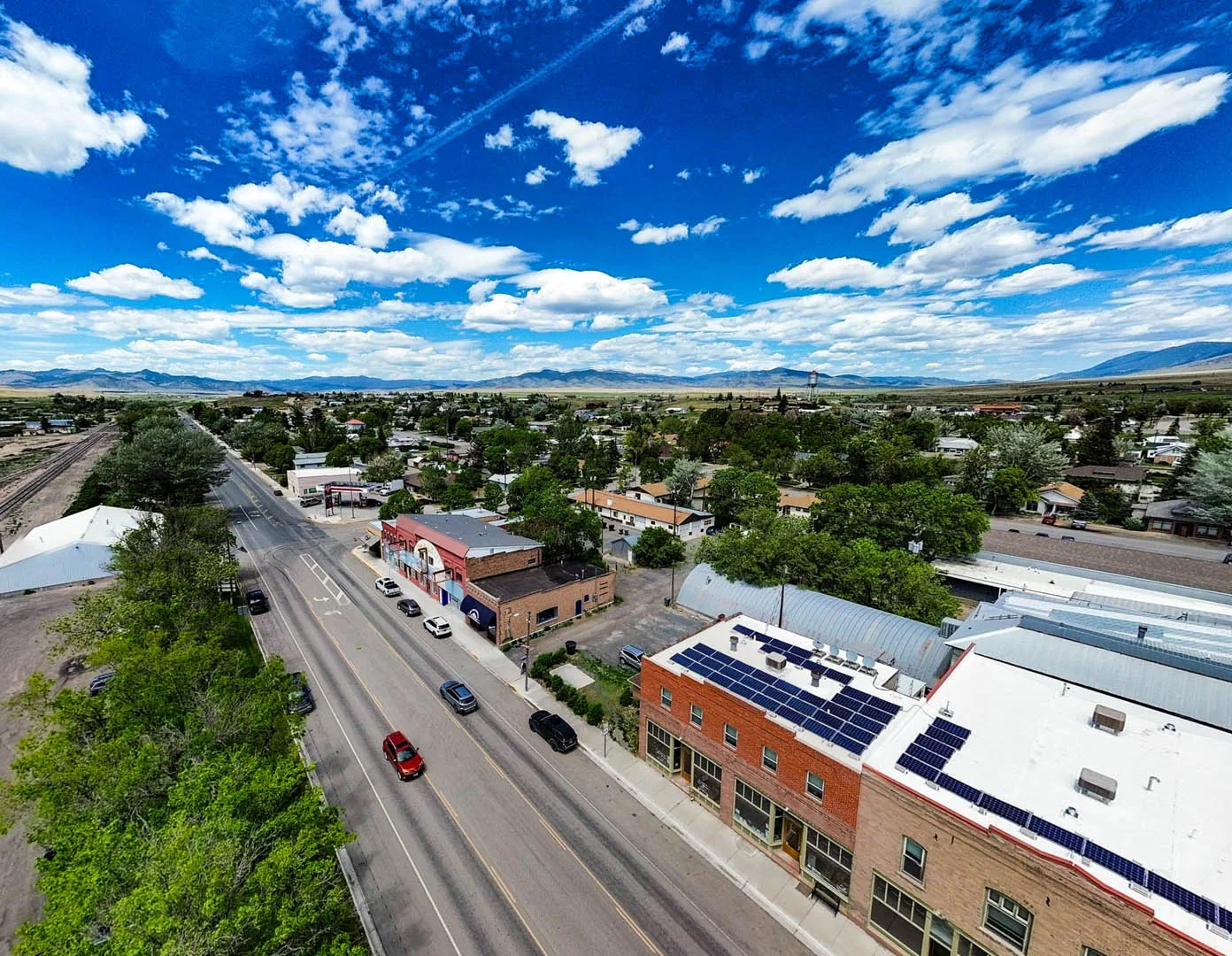
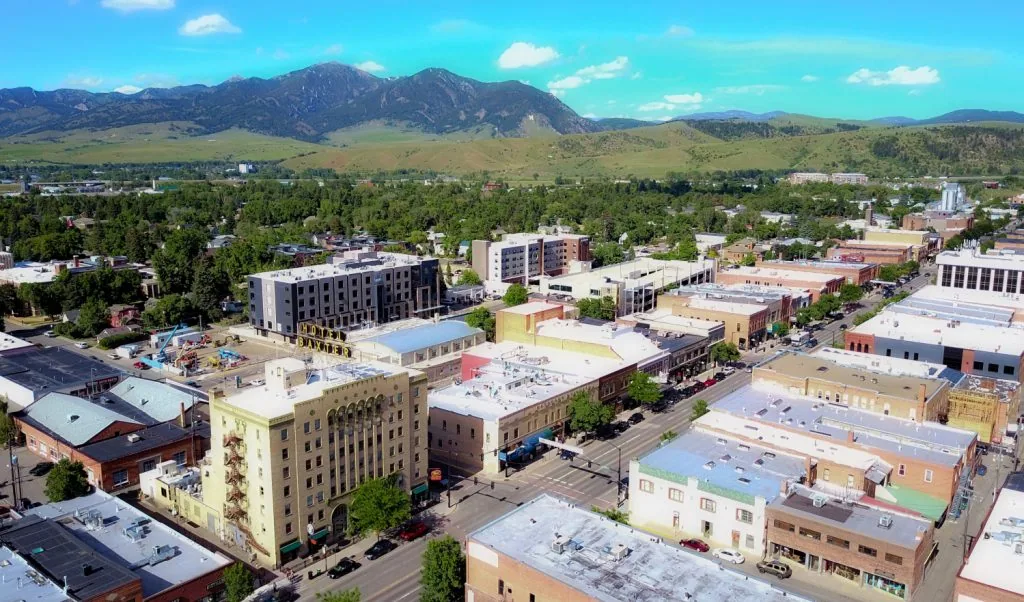
Questions About Belgrade
We lease one unit of a twelve-unit warehouse building. Who handles the roof?
That is set by the lease, and the owner usually arranges the roof. From the roof side, we document which section sits over which unit, where the water goes and what has been added, so the owner and tenants can share one record.
How soon after a hailstorm should the roof be checked?
Within days, before the next rain. Bruises that reach the reinforcement leak later, and prompt photographs separate storm damage from age. Waiting weeks complicates the claim. We also check roof-mounted skylights and vents, since a cracked dome leaks quietly for months.
Is metal or membrane better for a flex building?
It depends on the deck and the pitch. A low-slope steel building can take a mechanically attached single-ply membrane, while a pitched building suits standing seam metal. We compare both in writing with cost, work window and maintenance. Either way, the existing deck and its fasteners are checked first, because a corroded deck can fail a new system.
Can a roof stay in service during replacement if the building makes products?
Yes. Work moves in bays, air intakes are protected and dock doors stay clear. Shutoffs for rooftop equipment are agreed in advance with the tenant's maintenance lead.