
Acrylic Roof Coatings in Bozeman, MT
Acrylic Roof Coatings in Bozeman and the Gallatin Valley
Stand on a university or apartment roof the day after the last big thaw and look at where the water went. If every drop reached a drain and the membrane is dry within hours, an acrylic coating is on the table. If puddles linger, it is not. That one observation decides more about acrylic than any brochure. Bozeman, MT sees about 54 snowy days a year, and the meltwater from them runs across the roofs of the valley. Does your roof dry out after a thaw?
We apply acrylic coatings on commercial roofs in the Gallatin Valley, and we say whether the roof can take one before we say what it costs.
What is an acrylic roof coating, and where does it work?
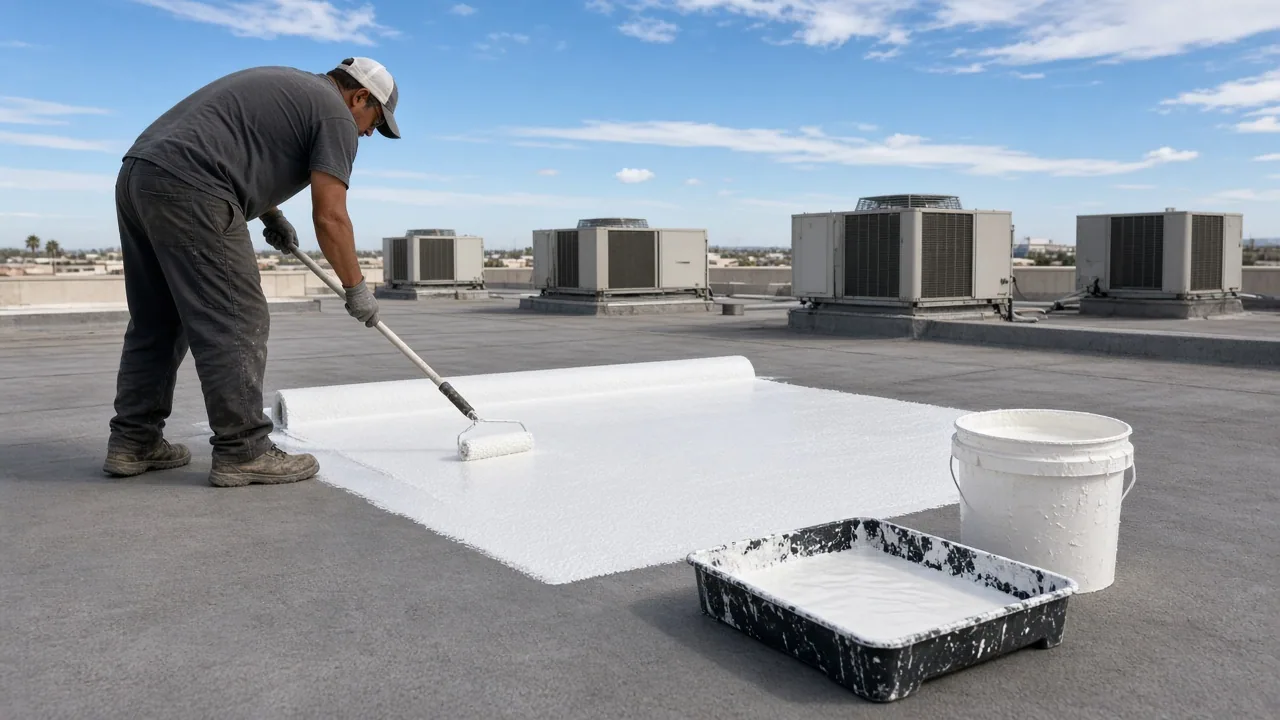
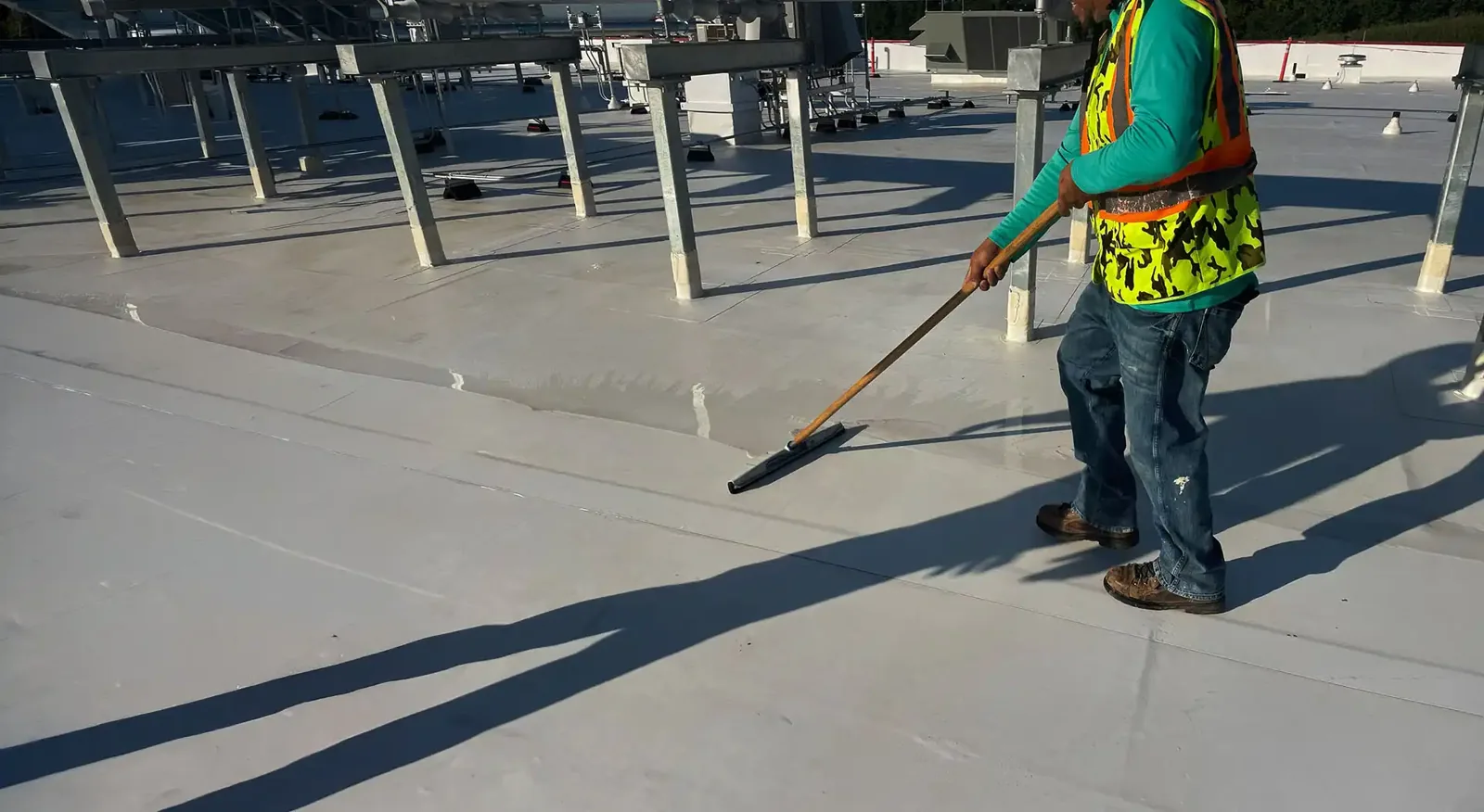
An acrylic coating is a water-based, liquid-applied membrane that cures as the water evaporates. It is usually white, so it reflects sun and lowers the roof surface temperature. It adheres to many surfaces, including single-ply sheets, modified bitumen, built-up roofs, metal and foam, when the substrate is clean and sound.
It costs less than most other coating systems and is easy to recoat. It breathes a little, which helps with trapped vapor. But it needs the roof to shed water, because standing water softens the film before it has fully cured and can break it down afterward. It is a coating for roofs that drain, not for roofs that pond.
Which Gallatin Valley buildings suit an acrylic coating?
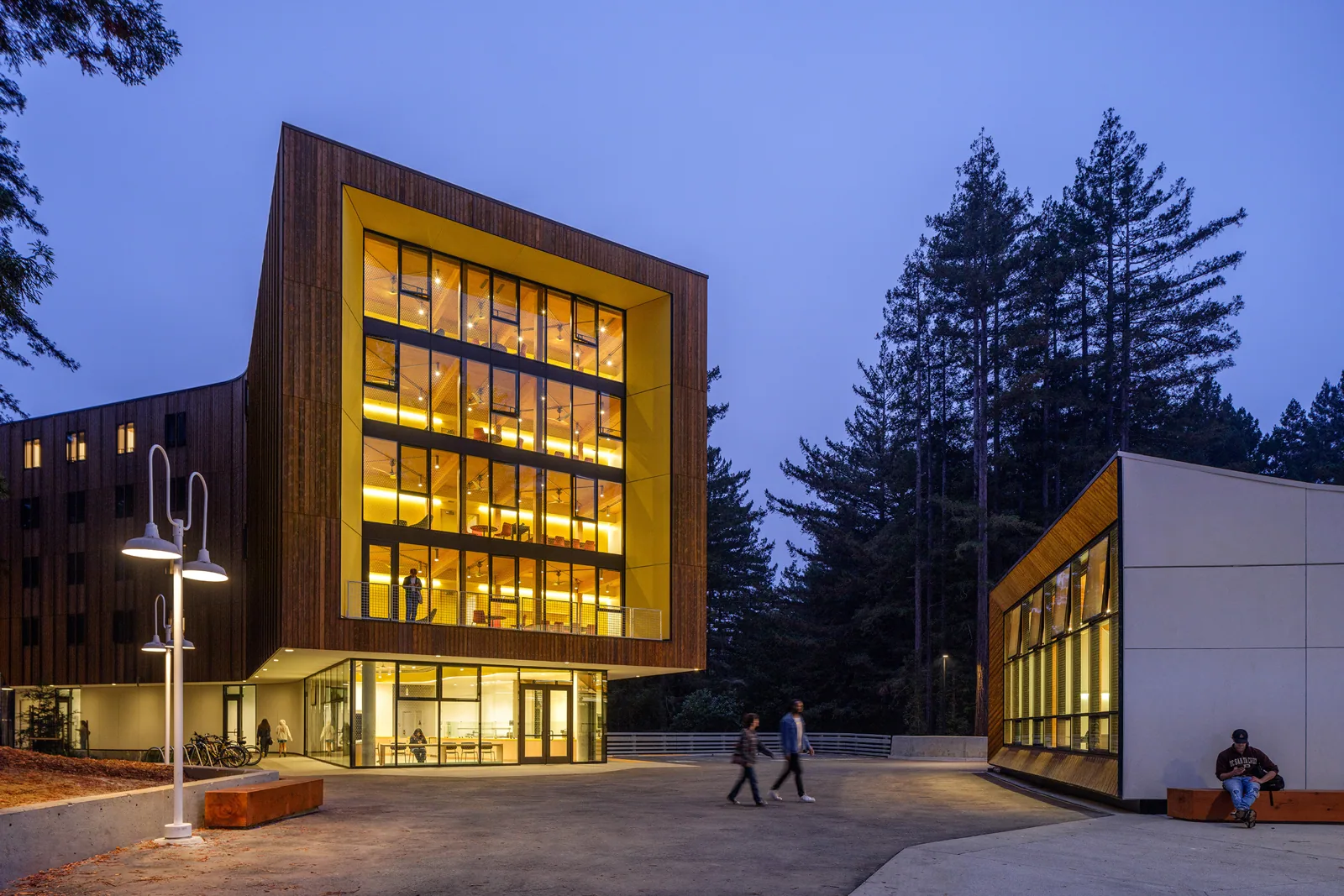
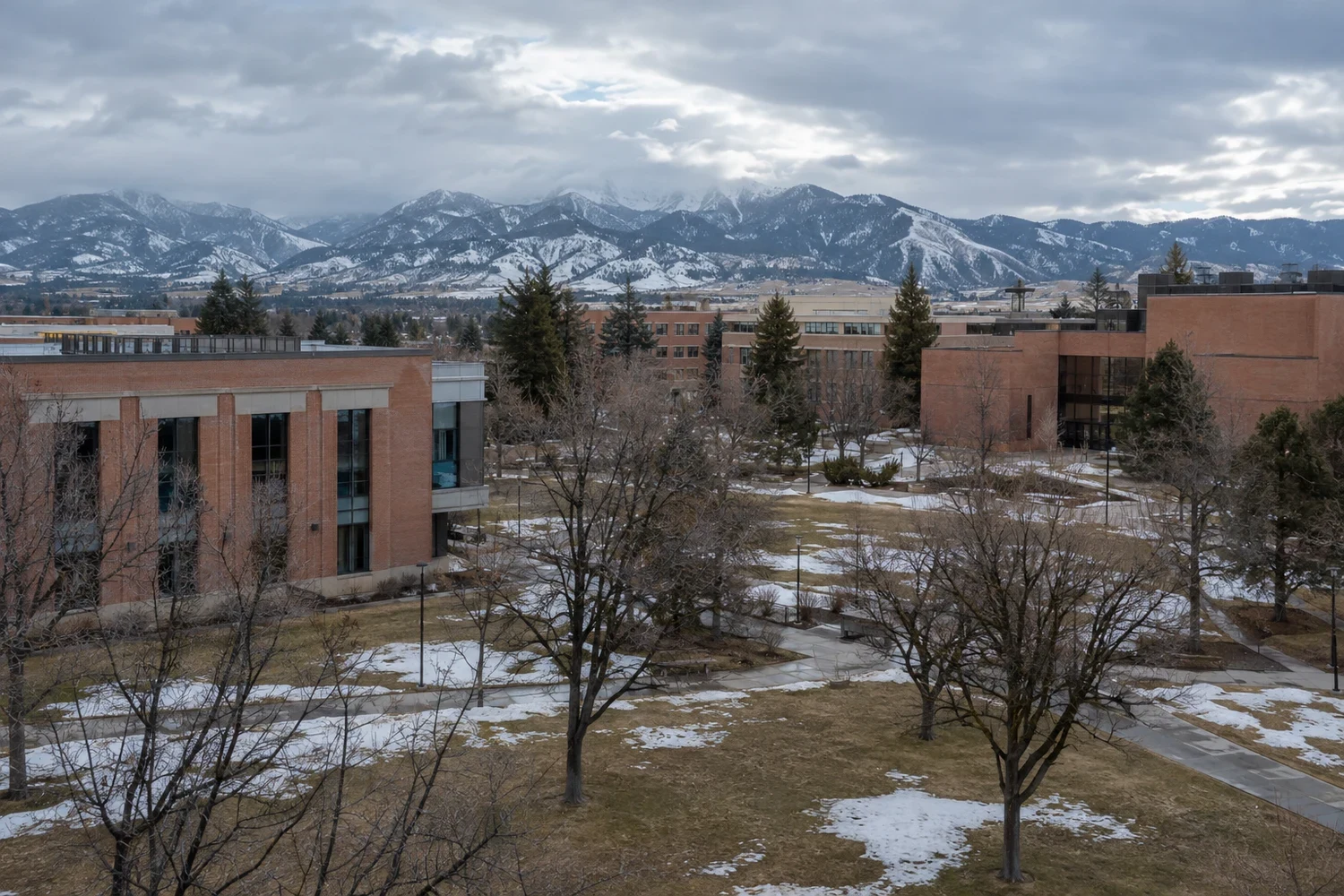
Roofs that drain well and have sound membranes suit it best. The Montana State University campus, 1,170 acres on the south side of Bozeman, has lab and residence buildings, and Downtown Bozeman holds older commercial buildings, with newer flex space around Belgrade. Which of them can take a coating gets settled on the roof, where we probe the seams and cut a core.
On college and university buildings, a coating can extend a roof's life in a short summer window with limited disruption, because it can be applied without a tear-off. Work in the Montana State University area follows the academic calendar, and quiet hours and access routes are part of the scope.
Occupied buildings add rules of their own. Water-based coatings have a mild odor, and air intakes near the work need protection or a temporary shutdown. We coordinate with facility staff on those intakes, set quiet hours for residence areas and post notices where people enter. A coating job that respects the building's routine is easier on the people inside.
Why is the cure window so important in Bozeman?
An acrylic coating must dry before it is rained on, snowed on or frozen. Bozeman's January mean daily low is 15.1 degrees F, and nights stay cool well into spring and from early fall on. Coating applied late in the day can be washed off by dew, and coating applied before a cold night can freeze before it cures. A frozen, uncured film cracks and peels when it thaws.
So application days are chosen for dry weather, a surface temperature in the manufacturer's range and a forecast that holds long enough for the film to set. We watch the forecast, set a backup date and stop work early if the sky changes. The warm, dry stretch of summer is the usual window, and a roof that needs work outside it receives temporary repairs.
The coating's thickness is built in coats, each allowed to dry before the next goes on. Rushing the coats to beat the weather is how a roof ends up with a film that looks complete and cracks within a season. We would rather stop for the day and lose a morning than lose a coating.
What preparation does an acrylic coating need?
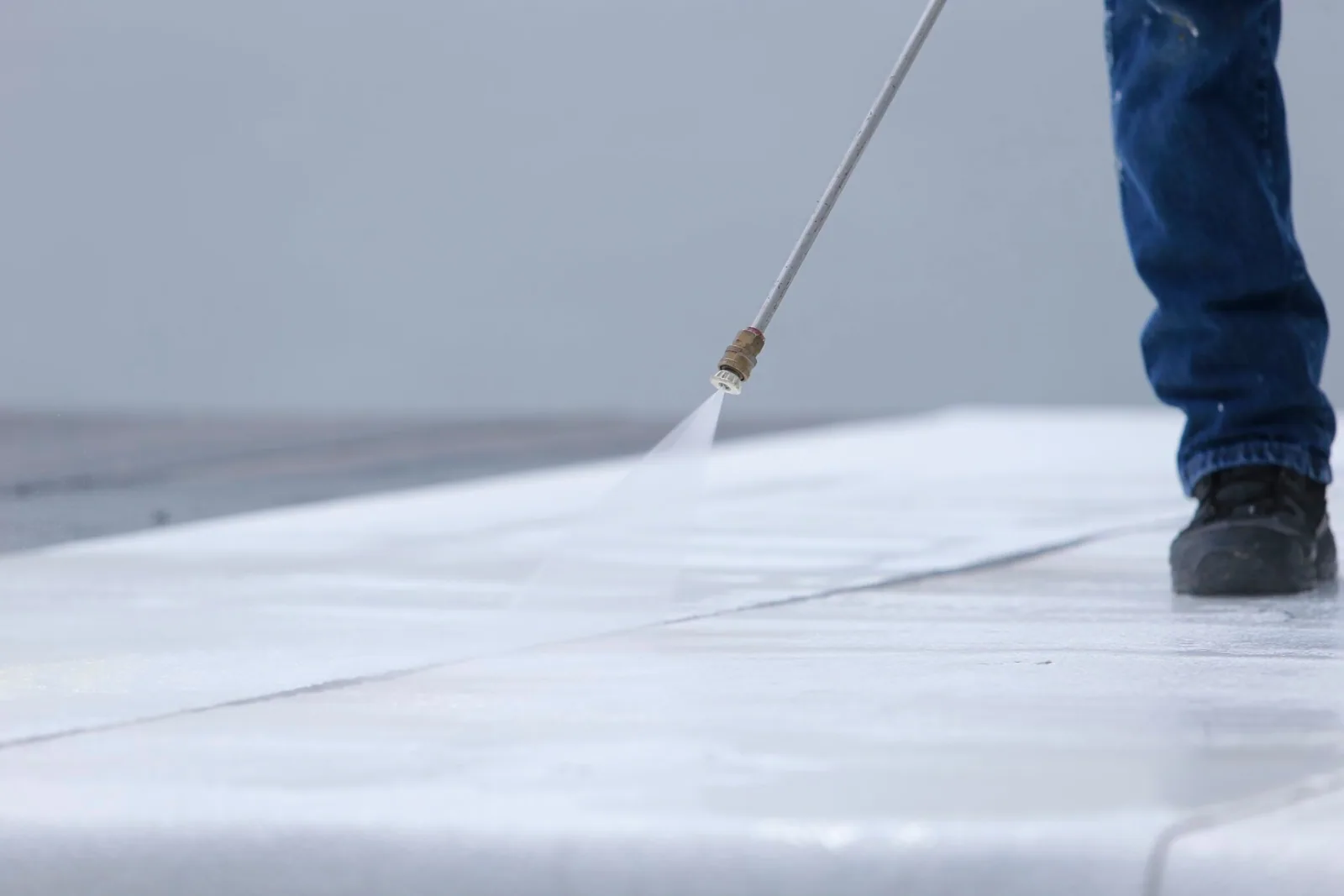
The roof is washed, loose material is removed, cracks and seams are repaired, flashings are re-sealed and rust is treated on metal. A primer is used where the substrate calls for it. We run an adhesion test on a small area before coating the whole roof. If it fails, the surface needs more prep, or acrylic is the wrong choice.
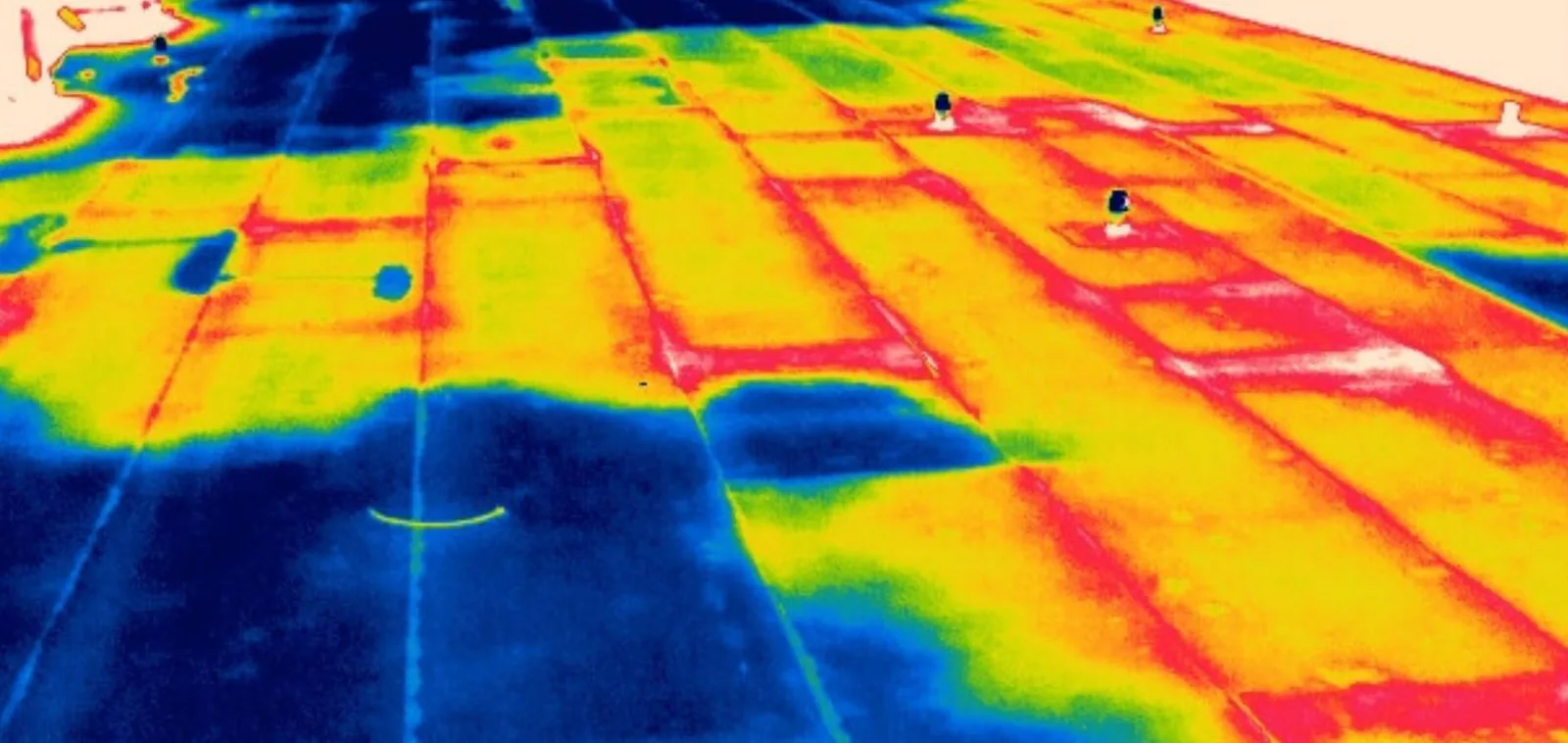
Moisture is the other gate. A coating over wet insulation traps water, and the roof gets worse beneath a fresh white skin. An infrared moisture survey and core cuts come first. We map the wet areas, replace what must be replaced and coat what is dry. The owner sees the plan and the photographs.
Seams and penetrations get reinforcement. A strip of polyester fabric is embedded in a base coat across every lap, curb flashing and cracked area, then covered with the finish coats. That reinforced layer is what keeps a hairline gap from reopening in the next freeze. We count the linear feet of reinforced seams and record them in the file, so a later inspector knows what was done.
What do snow, ice and hail do to the film?
Bozeman averages about 91.3 inches of snow a year, and ice at the eaves scrapes a coating when it slides. Shovels and plows can tear it, so the plan names where snow removal is allowed. The June 30, 2010 storm tore up the Ellen Theatre marquee downtown with golfball stones that fell for about thirty minutes. Hail of that size can crack a coating and bruise the material below.
After a storm, we look for cracks, pits and thin spots, and we core the deepest. Small breaks are patched with the same coating and a reinforcing fabric. A maintenance visit each fall includes a coating check and a wash, so reflectivity stays high and weak spots show up early.
Does a white coating help in a cold climate?
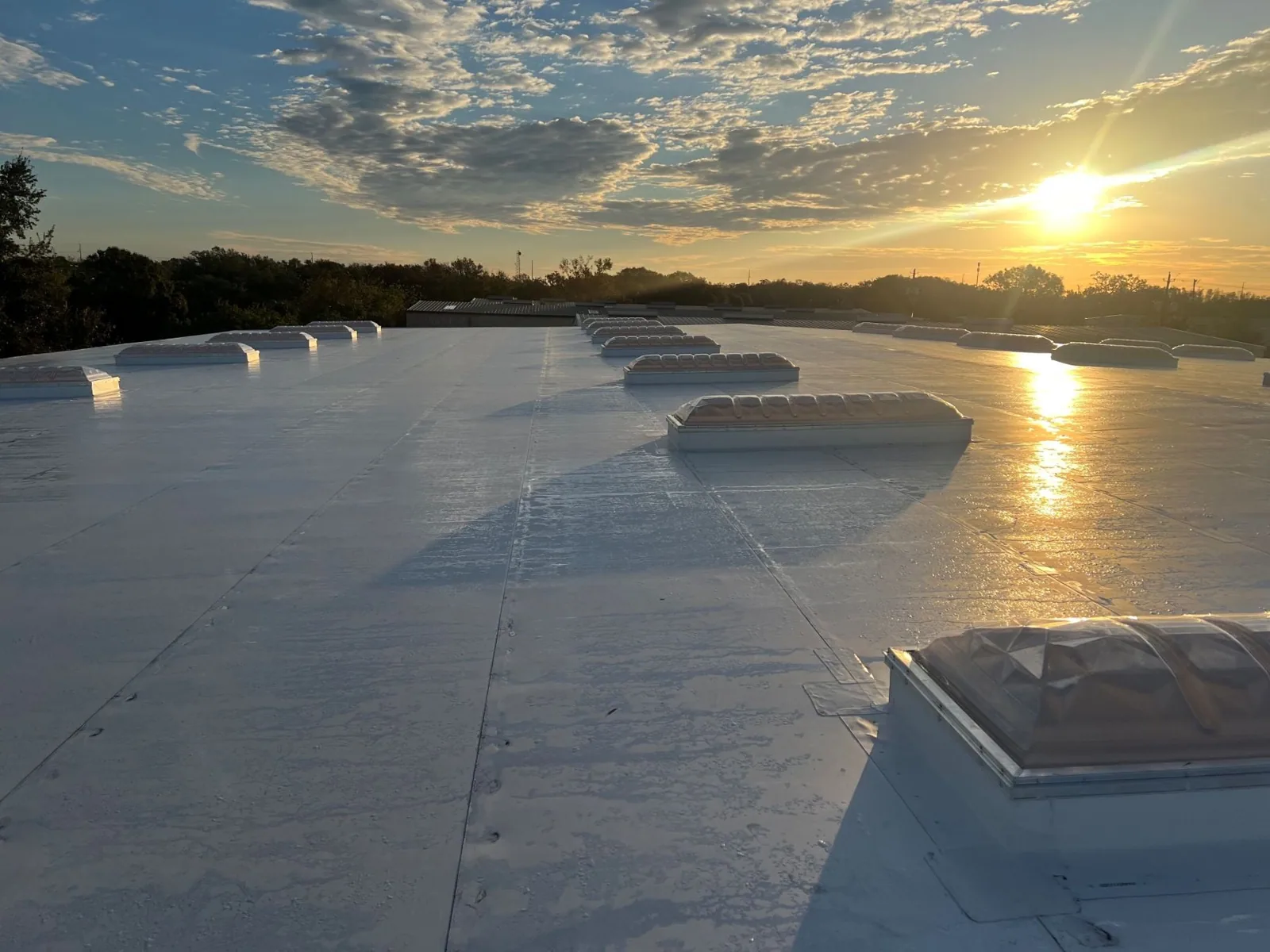
Yes, in summer. A reflective surface keeps the roof cooler, which lowers cooling load and slows heat aging of the membrane. In winter the benefit is smaller, and snow-covered roofs reflect anyway. A cool roof installation makes the most sense on buildings with air conditioning loads or where sun exposure is heavy, such as a south-facing low-slope roof over a lab.
The saving varies with the building, and we do not promise a figure. We discuss it as one factor, alongside repair cost, expected service and the owner's capital schedule.
How do I decide between acrylic and silicone?
If the roof drains, acrylic is often the lower-cost choice. If it ponds, silicone is the safer one. Our roof coating restoration plan compares both, with film thickness, expected service and a recoat schedule. An existing EPDM roof may call for a special primer, and a test patch settles the question before the whole roof is committed.
Questions About Acrylic Roof Coatings
How long before acrylic coating can get wet?
The film needs time to cure, and the time depends on temperature, humidity and thickness. Plan on a full dry day or more, and expect that dew or an early shower can wash off a coat that has not set.
Will acrylic hold up if water ponds on my roof?
Poorly. Standing water softens an acrylic film. If your roof ponds, fix the drainage or choose silicone, which tolerates standing water.
Can I recoat acrylic later?
Yes, and that is one of its advantages. A cleaned, sound acrylic surface accepts a new coat. A walk each fall tells when the film has thinned enough to need one.
What if the roof leaks after the coating?
The leak likely comes from a flashing, a fastener or a cut that the coating did not cover. A water check finds the entry, and a spot repair usually fixes it without recoating.
Is acrylic a replacement for a new roof?
It is a restoration for a roof that is dry and sound. If insulation is wet or the membrane has failed widely, the plan moves to repair, recover or replacement.