
Duro-Last Roofing Systems in Bozeman, MT
Duro-Last Roofing Systems in Bozeman and the Gallatin Valley
A prefabricated roof begins with a tape measure, not a membrane. Duro-Last supplies PVC single-ply roofing that is fabricated in panels to fit each roof, with welded seams and shaped boots made ahead of time, so the measurements taken on the first walk decide whether the panels arrive right or wrong. On a Bozeman, MT building with a dozen pipes, two curbs and an odd parapet, a measurement that is off by an inch can cost a week. How well does your roof drawing match the roof?
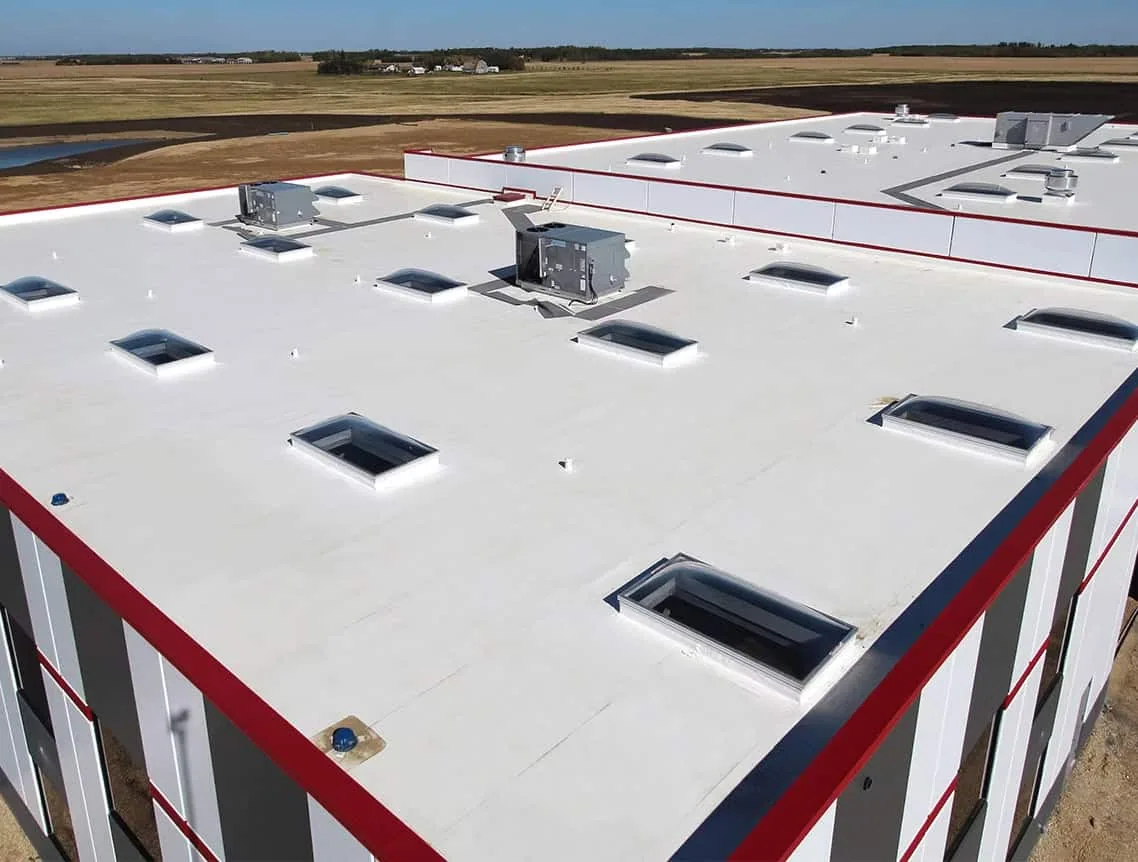
Why does a prefabricated system start with measuring?
The panels are cut and welded to the dimensions of each roof section, and the boots are shaped for each penetration. That puts most of the welding indoors, under controlled conditions, and leaves fewer seams to make on the roof. It is a sound idea, but it moves the risk to the measurements. A panel that is too short leaves a gap, and a boot that is too tight tears on the pipe.
So I measure twice. I draw the roof to scale, label each section, note every penetration with its diameter and height and photograph each corner. I check the parapet heights, the drain locations and the slope. A roof diagram with this detail goes to the fabricator, and the same diagram guides the crew on site. When a roof has been modified over the years, the original drawings are often wrong, and the tape measure settles it.
Deck and substrate get measured too. A prefabricated sheet is only as flat as what lies under it, so I check for fastener heads that stand proud, for gaps between insulation boards and for damaged deck. Wet or rotted deck is replaced before panels go down. Where the old roof stays beneath a recover, I record how many layers it has and whether the existing surface is clean enough to accept new fasteners or adhesive.
Which roofs suit a panelized PVC system?
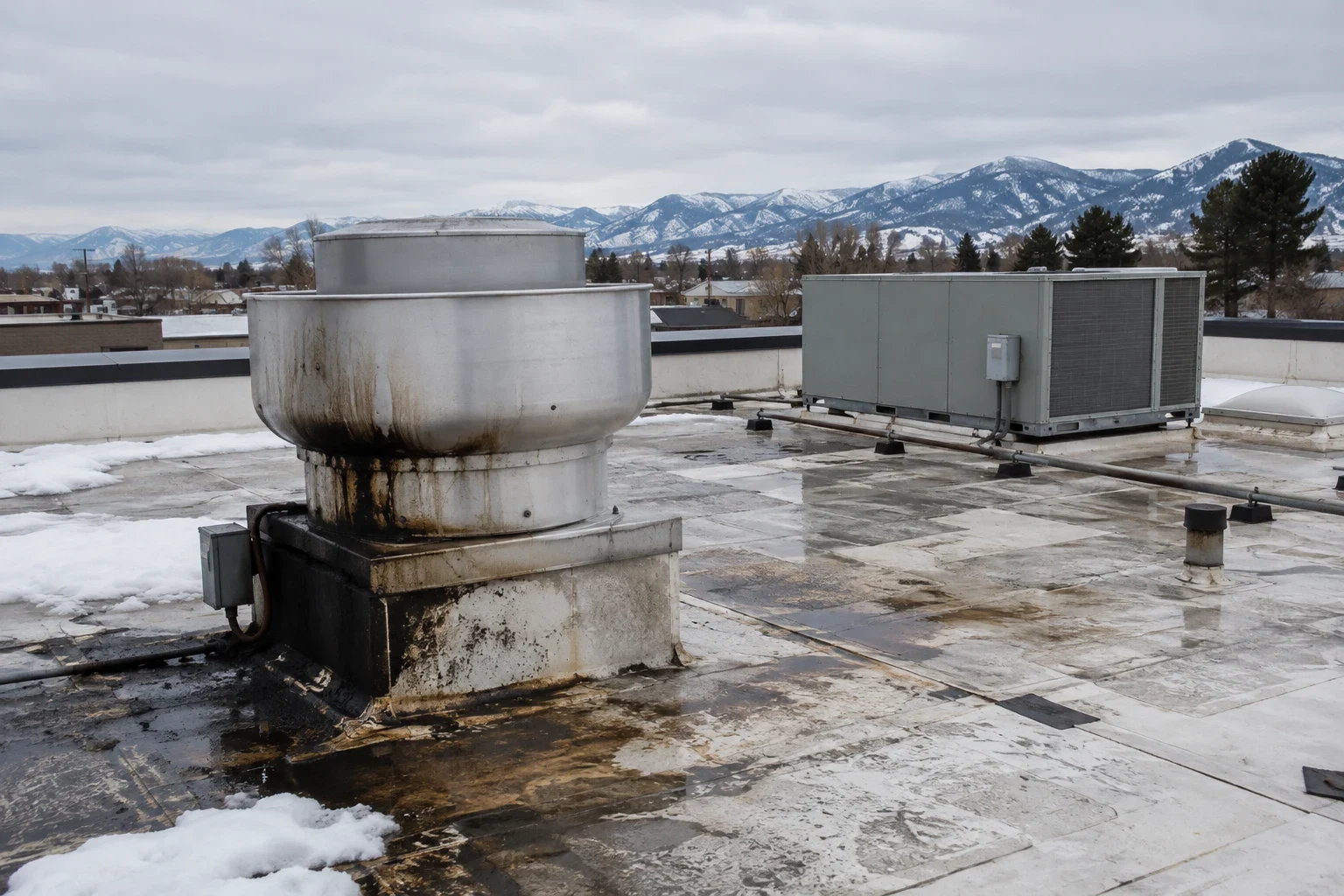
Roofs with many penetrations and small sections benefit most, because prefabricated boots avoid hand-cut corners. Small strips, restaurants with several exhausts and buildings with a mix of curbs and stacks are examples. A sheet that resists grease is useful where exhaust reaches the roof, though no sheet replaces a working grease tray.
Long, open roofs with few penetrations can use the system too, but the advantage shrinks, since the welding saved is smaller. I compare in writing: installed cost, lead time, work window and maintenance. Lead time is the quiet factor. Fabrication takes days or weeks, so ordering in late winter for a summer start keeps the crew from waiting on material when the dry weather arrives. A revised order after a field change adds more days, which is another reason the first measurements get checked twice before the purchase is placed. A PVC roofing system is judged on its welds, its boots and its drains, in that order.
What does the Gallatin Valley do to welded seams?
A Bozeman winter can swing from deep cold to bright sun inside a week. Cold shrinks the sheet and sun stretches it, and every seam works against that movement through each thaw cycle. A good weld takes it. A poor one opens a little each winter.
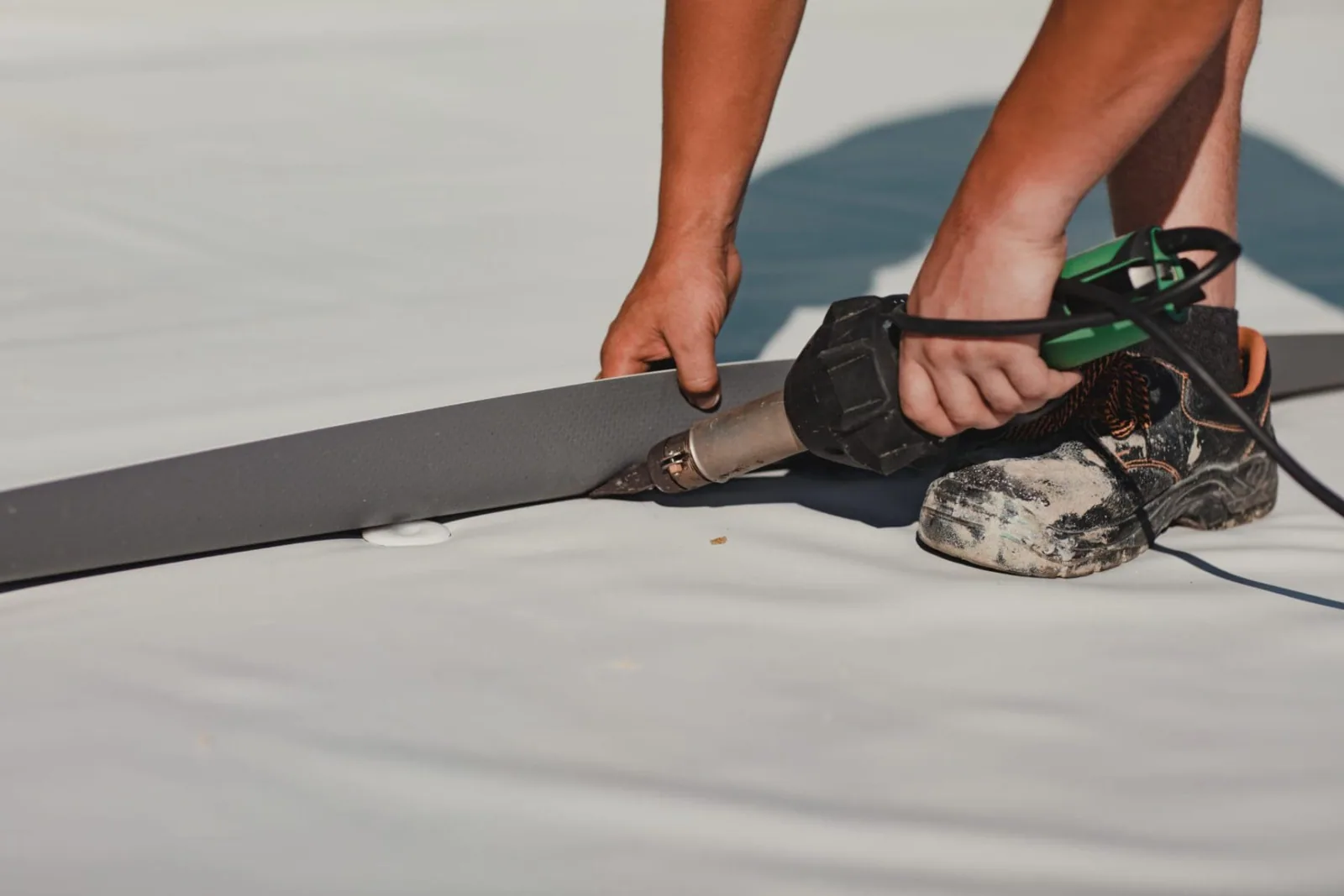
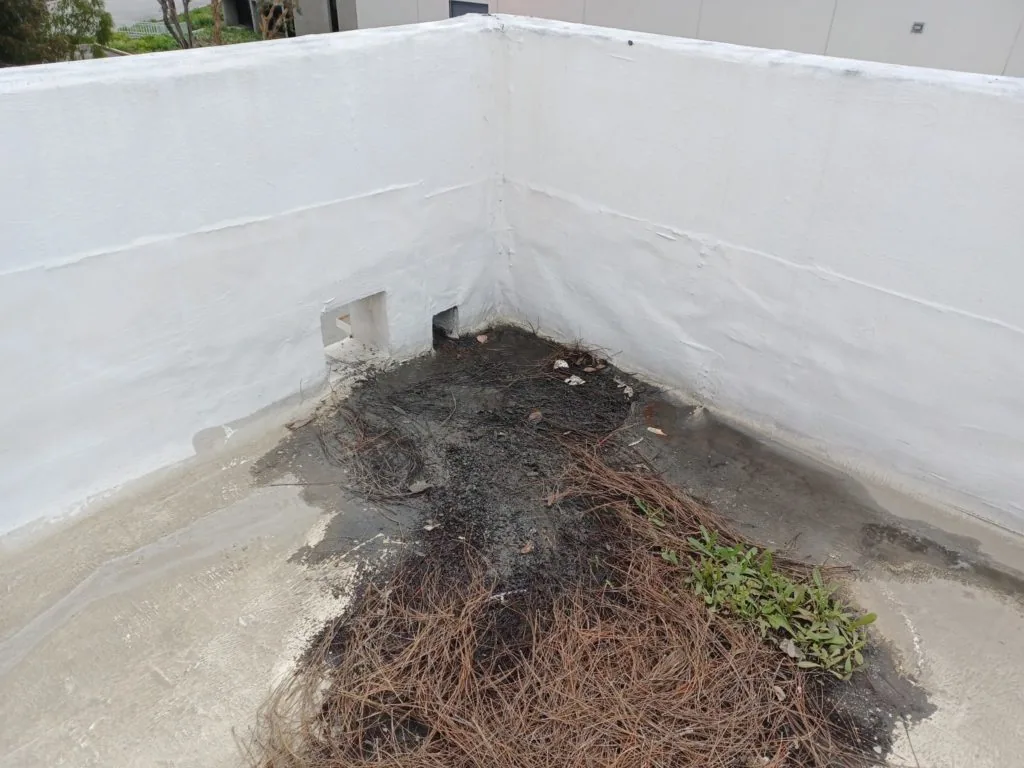
In spring I walk the seams with a probe, press on every boot and look at the base of each curb. Open seams are cleaned and re-welded with hot air, and the new weld is tested with a probe once it cools. A weld that is made too soon, while the surface is still warm and soft, can look perfect and peel later, so we wait. Failed boots are replaced with a new prefabricated piece or covered with a liquid-applied flashing. Standing water speeds all of this up, so clearing roof drains and scuppers before the first snow is part of every fall visit.
How do hail and wind affect a prefabricated roof?
Golf-ball stones came down on Bozeman on June 30, 2010, and baseball-size ones east of Gallatin Field. Early August 2013 repeated the golf-ball size over Belgrade and the north side, with 89 mph gusts.
A PVC sheet is flexible and takes small impacts well, but a hard hit over soft insulation can bruise the reinforcement. After a storm, we mark each hit, photograph it and test beneath the worst. The panel edges and the perimeter are checked for lifted laps and loose fasteners, since a prefabricated sheet is held to the deck along a short list of edges and seams, and any one of them can lose its grip. A tighter fastener pattern at the edges and a cover board under the sheet are the usual upgrades, and the photographs go into the claim file.
Which valley buildings might use this system?
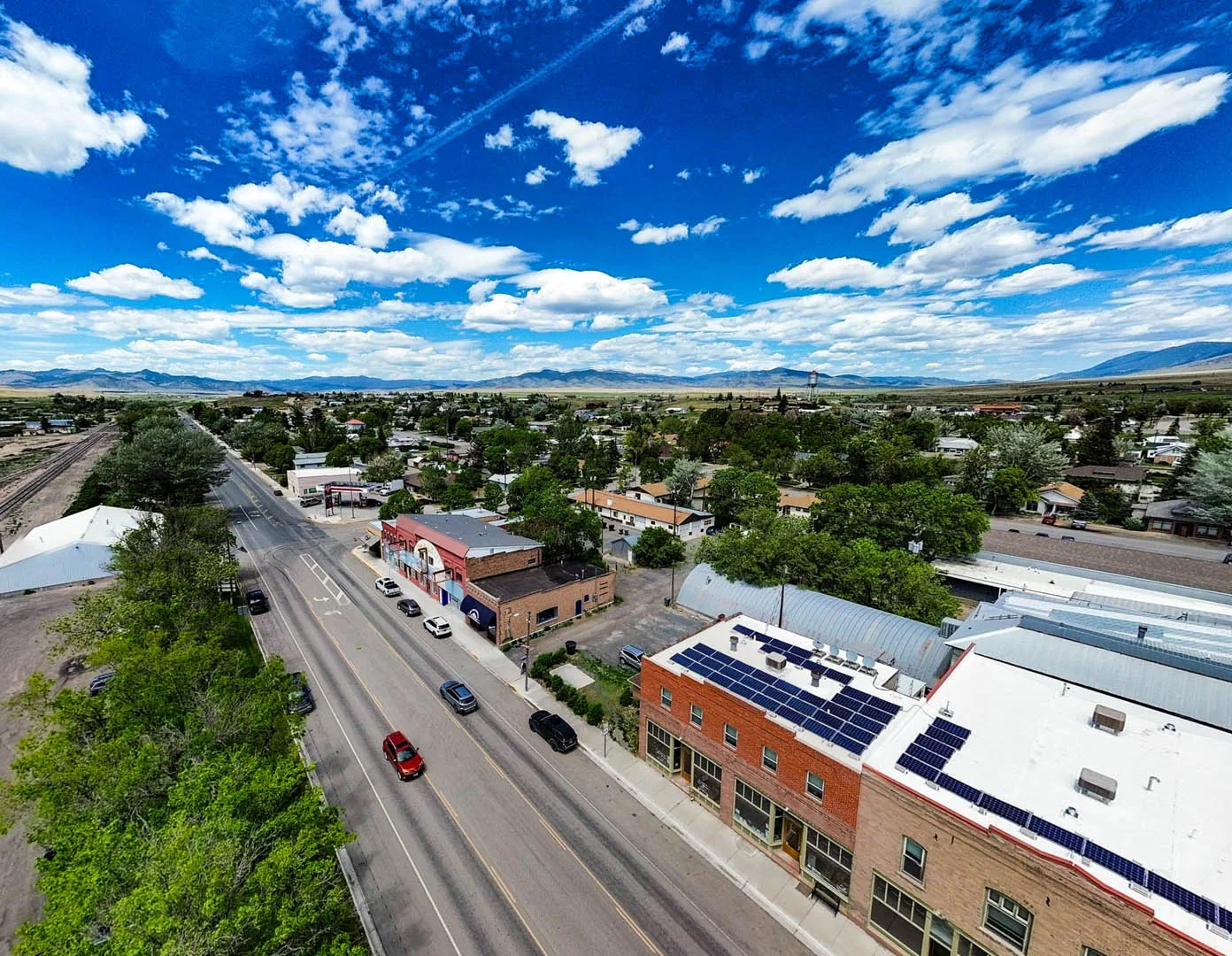
Small commercial buildings with busy roofs: strip retail on North 19th Avenue, restaurants and mixed-use buildings in Midtown, and flex and warehouse space near Belgrade with several tenants. Any of them may already have a prefabricated roof, and the first job is to find out.
A restaurant roof is a kitchen-first question, and a multi-tenant shopping center roof is a map-first one. In both, the measured diagram is the starting point, and the schedule follows the lead time of the panels and the weather window.
What should an owner keep for a panelized roof?
The measured roof diagram. The panel layout and the boot schedule. Photographs of every seam, boot and corner after installation. The dates and the weather. And the manufacturer's program terms, which differ by product and program, so ask the manufacturer or the installer for them in writing.
With that file, a later repair can order the right boot or panel quickly. For several buildings, a roof asset management routine keeps every diagram in one place. Welded systems from Sika Sarnafil and Versico call for the same measure-first, probe-first approach. When a roof is modified later, the diagram is updated with the new boot or panel, so the next order starts from the roof as it stands.
Questions About Duro-Last Roofing Systems
What if a pipe was added after the roof was measured?
A new pipe needs a boot. We use a prefabricated boot that fits the pipe, weld it to the sheet and flash the edges. If the pipe is an odd shape, a liquid-applied flashing may fit better. Either way, the new penetration is added to the roof diagram. The boot is welded in dry weather, and the flashing is probed after it cools.
How far ahead should we order for a summer reroof?
Late winter. Fabrication takes days or weeks, and the dry months are short. Ordering early lets the crew start when the weather opens, with panels in hand. A short delay in fabrication is common, so we build a few days of float into the start date.
Can a punctured panel be repaired in place?
Yes. We clean the area, cut a welded patch with rounded corners and weld it all the way around. If the puncture is large or the insulation is wet, we replace the section. The patch is probed after it cools, and the location goes on the roof diagram.
Does a prefabricated roof still need regular maintenance?
Yes. Drains need clearing, boots need checking and seams need probing. A fall and a spring visit catch small problems early. The fall visit clears the drains and checks the boots before snow can hide them. The spring visit looks for ponds, open seams and loose edge metal after the thaw, and the findings go into the file with photographs.