
Restaurant Roofing in Bozeman, MT
Restaurant Roofing in Bozeman and the Gallatin Valley
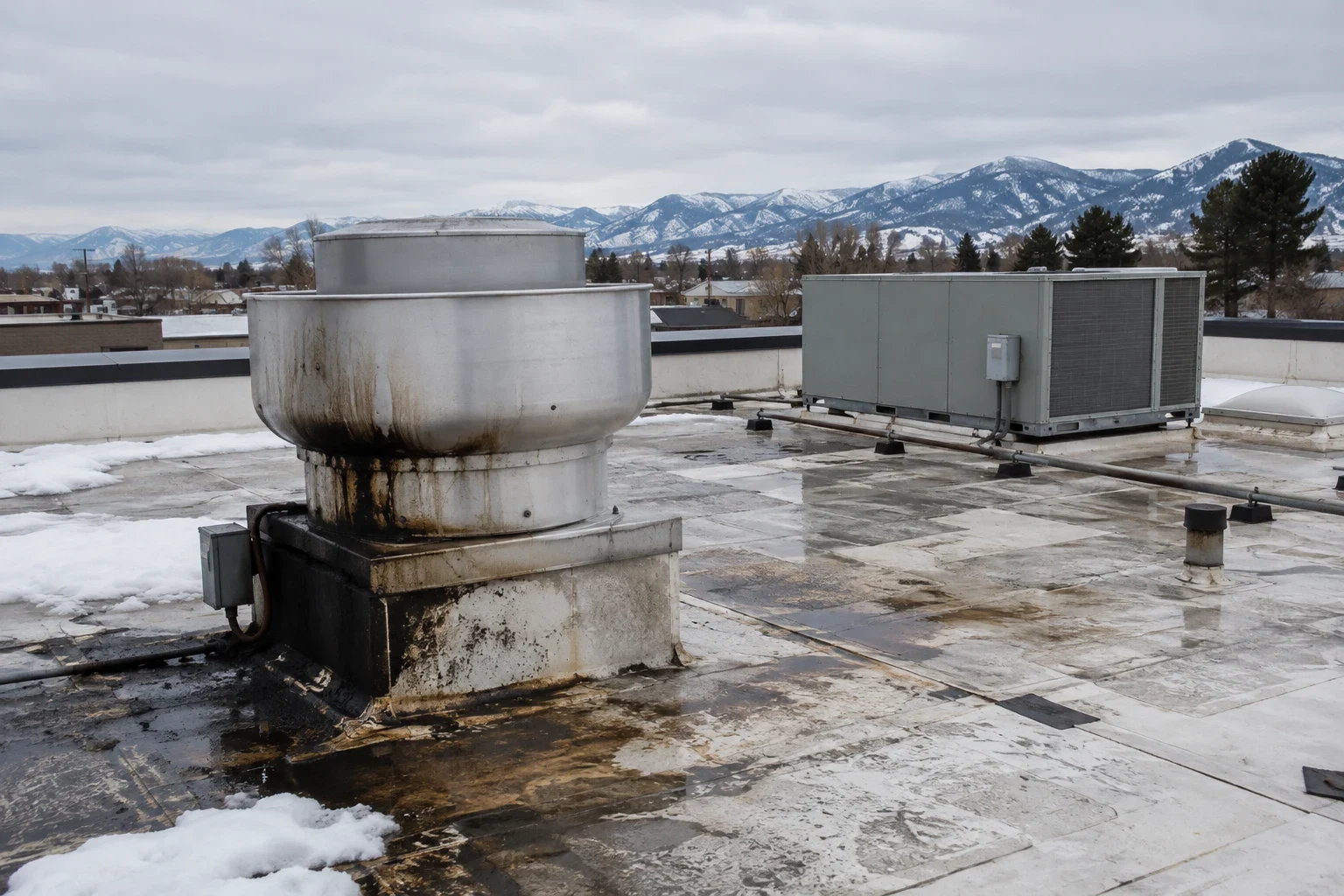
The roof over a restaurant kitchen does a job most roofs never face: it catches grease. A Bozeman, MT restaurant roof sits under a hood exhaust that sends warm, fatty air up and out all day, and the membrane near the fan takes a coating of it every week the place is open. Add a Gallatin Valley winter of drifting snow and the question for the owner becomes plain. Does the roof near the exhaust still look like the rest of the roof, or is it already softer, darker and thinner?
What does a restaurant roof carry that other roofs do not?
A restaurant roof has a short list of heavy hitters: the kitchen exhaust fan, the makeup air unit, one or more rooftop heating and cooling units and sometimes a walk-in cooler condenser. Each sits on a curb, and each has a duct or line that goes through the deck. The kitchen exhaust is the worst offender, because grease collects around it and attacks the membrane.
Grease softens some membranes and stains all of them. A grease-resistant membrane or a protective pad near the fan can extend the life of the roof around it. I check the area under every exhaust for soft, swollen or dark membrane, and I look at the grease containment tray. A full or missing tray lets grease run across the roof and into the drains.
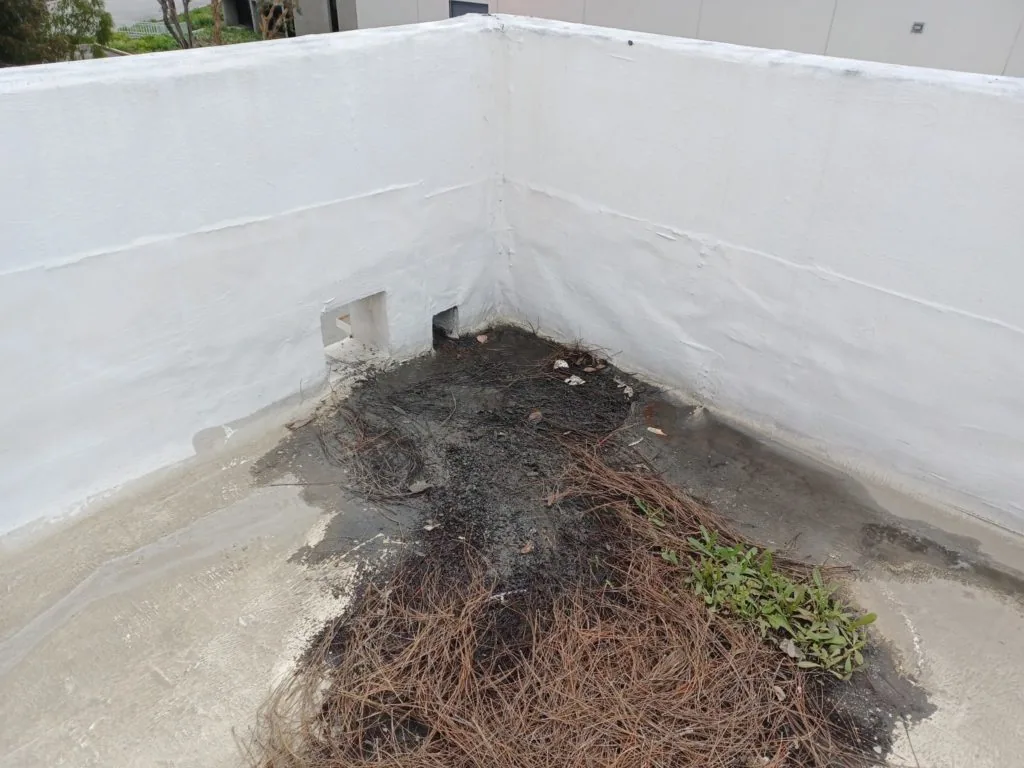
Grease also clogs scuppers and strainers, and a clogged outlet is the quickest route to ponding. When I find grease in a drain, I clear it, note the source and check the membrane downstream for the same softening. The fix often includes a new tray, a grease-resistant pad under the exhaust and a clean-out schedule that the kitchen staff can follow without climbing onto the roof.
Where does snow find a small commercial roof?
Many restaurants are one-story buildings with a low-slope roof and a parapet or a decorative front. A parapet gives Bozeman's snow, about 91 inches in a year and 16.2 of it in December, something to pile against. The listed ground snow load for the city is 50 psf, and a drift behind a wall can exceed that locally.
The thaw cycle does the damage. Sun melts the snow, water runs to a scupper, and the scupper is iced shut because it sits in the shade of the wall. Water backs up behind the parapet and works under the flashing. I look at every scupper and the flashing above it. Clearing and rebuilding roof drains and scuppers is a modest job that prevents a lot of ceiling repair in the dining room.
Why do restaurant leaks seem to arrive at the worst time?
A leak above a dining room during a Saturday dinner service is the version that does the most harm. It happens because meltwater follows the warm afternoon and reaches the ceiling in the evening, and because the dining room has the most ceiling exposed to the public. A drip into a pot is a small repair. A drip onto a table is a review.
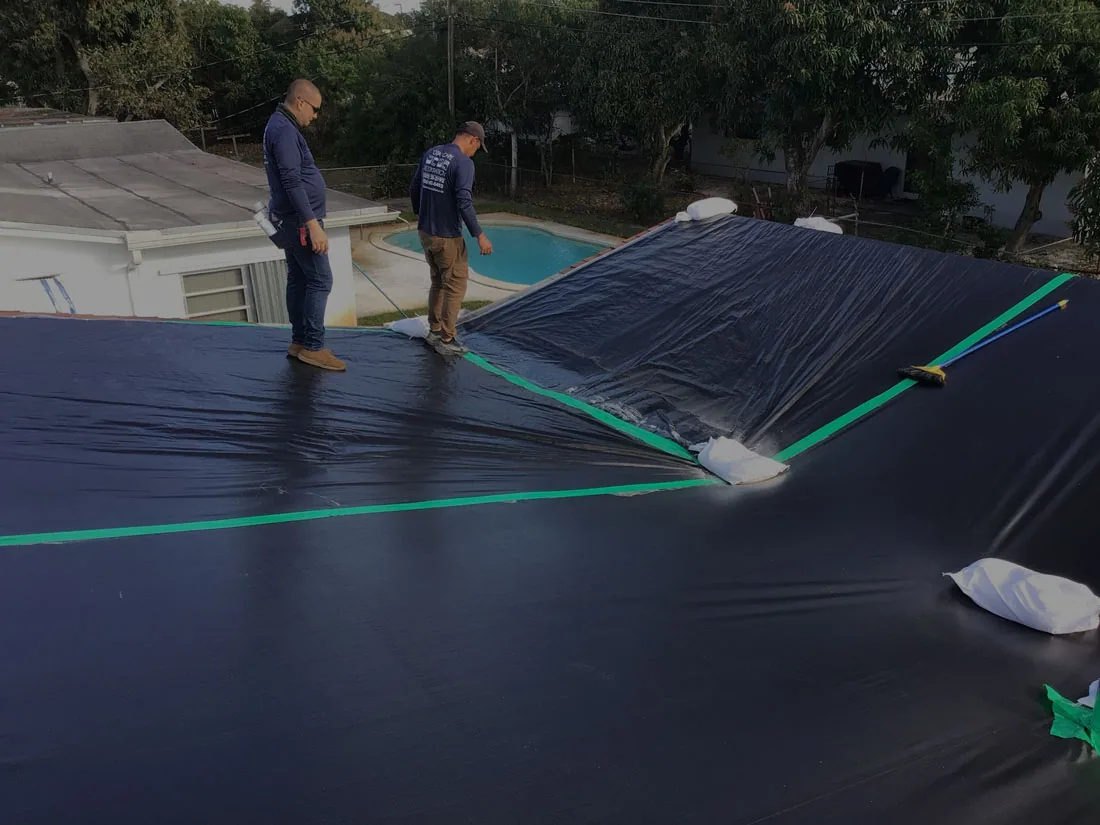
The first step is a temporary dry-in that stops water entry while the cause is found, and the kitchen keeps its exhaust running unless the work zone needs a short shutdown that the manager approves. We trace the leak to the curb, the drain or the flashing, repair it and test it. Our emergency roof repair answers around the clock, and the permanent repair is booked for the next dry stretch. A restaurant owner needs one thing from that visit: a clear answer on whether it will happen again. We give it in writing, with a photograph of the failed detail, the repair made and the test that followed, so the file shows the failed detail, the fix and the checks to repeat after the next thaw.
What did the valley's hail do to restaurants?
On June 30, 2010, hail fell on Bozeman for about half an hour, tearing up the Ellen Theatre marquee downtown and breaking dozens of windows at Montana State University. A storm like that does not spare a small roof. Early August 2013 brought golf-ball stones to much of Belgrade and north Bozeman along with gusts as strong as 89 mph.
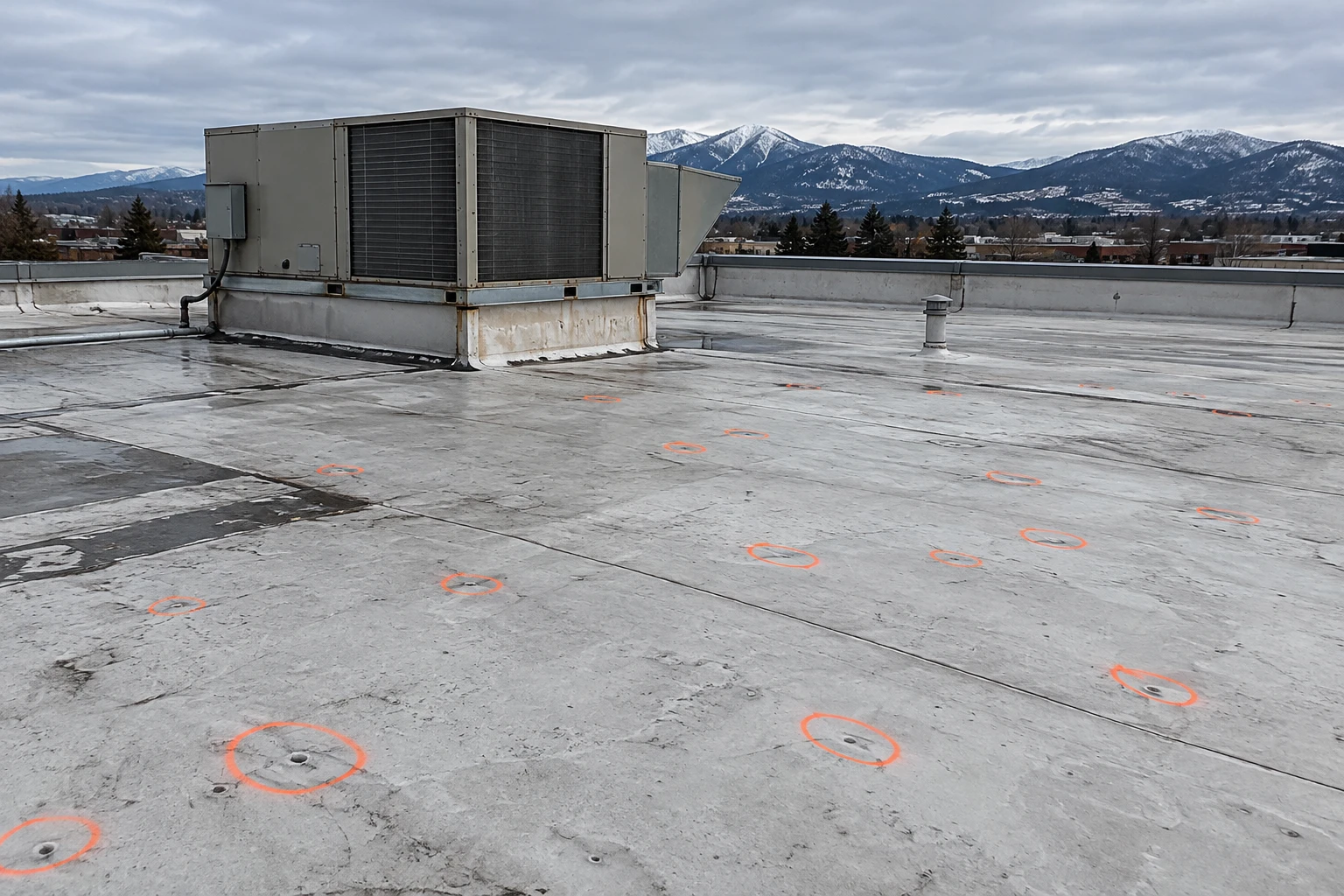
For a restaurant, the follow-up is to walk the roof the week after the storm, mark every bruise and take moisture readings. Hail can crack a vent hood, bend a rooftop unit's fins and dent the edge metal. The file we assemble separates damage that admits water from cosmetic marks and covers the equipment too. A short hail damage roof repair keeps the dining room dry until the claim is settled, and the same photographs support the claim itself. Temporary repairs are logged with dates and receipts so the carrier sees what was spent to protect the building.
Can a restaurant stay open through a reroof?
Often, with planning. Tear-off and noisy work move to the hours before the restaurant opens or the days it is closed. The crane pick is a morning job. The staging area sits in a corner of the lot where it does not block parking, and the entrance stays open. Exhaust and makeup air units are shut down only for the window it takes to flash their curbs, and the kitchen manager signs off on each.
The hardest part is keeping dust, odor and noise away from the dining room and the kitchen vents. Covering air intakes, protecting the ceiling below and sealing the work zone keep both customers and staff comfortable. This is the routine for occupied building reroofing, adjusted for a business that sells a meal.
When is a repair enough for a restaurant roof?
When the leak is local, the insulation is dry and the membrane away from the exhaust is sound, a repair at the failed detail plus a grease-resistant patch near the fan can carry the roof for years. When the membrane around the exhaust is already soft and the insulation is wet, replacement of at least that section pays for itself.
Standalone restaurants along North 19th Avenue and in town are one kind of building. Pad restaurants inside a plaza share the roof with other tenants, the way a shopping center does, and a hotel dining room sits under a hotel roof with its own schedule. A regular preventive roof maintenance visit keeps the grease tray empty and the drains clear.

Questions About Restaurant Roofing
The membrane near our kitchen fan feels soft. Is that grease?
Probably. Kitchen exhaust leaves a film of fat that softens many membranes, and the area right around the fan gets the most. We press the surface, check the grease tray and probe the insulation below. If the membrane is soft but dry underneath, a grease-resistant patch or pad can protect it; if the insulation is wet, we replace that section.
How quickly can you stop a leak over a dining room?
We dispatch day or night, all week. The first visit aims at a temporary dry-in that stops water entry, and the permanent repair follows in the next dry window.
Will roofing noise and smell reach the kitchen?
We reduce both. Noisy phases move to hours when the restaurant is closed, and air intakes get covered while hot work or adhesives are in use. The kitchen manager approves the schedule before the first day.
Do we need to replace the whole roof if the exhaust area fails?
Not necessarily. If cores show dry insulation elsewhere, we replace the failed section and tie it into sound membrane. A full replacement makes sense only when moisture runs across the roof.