Holcim Elevate Roofing Systems in Bozeman, MT
Holcim Elevate Roofing Systems in Bozeman and the Gallatin Valley
Holcim Elevate was formerly Firestone Building Products, and an owner who pulls a drawer of records may find the earlier name on invoices, inspection sheets and product data. The roof itself is whatever was installed, and in Bozeman, MT it has been through a long run of snow, thaw and hail. So the practical question is not the logo. It is what the sheet looks like now, and how much life is left in it.
What systems does the maker supply for commercial roofs?
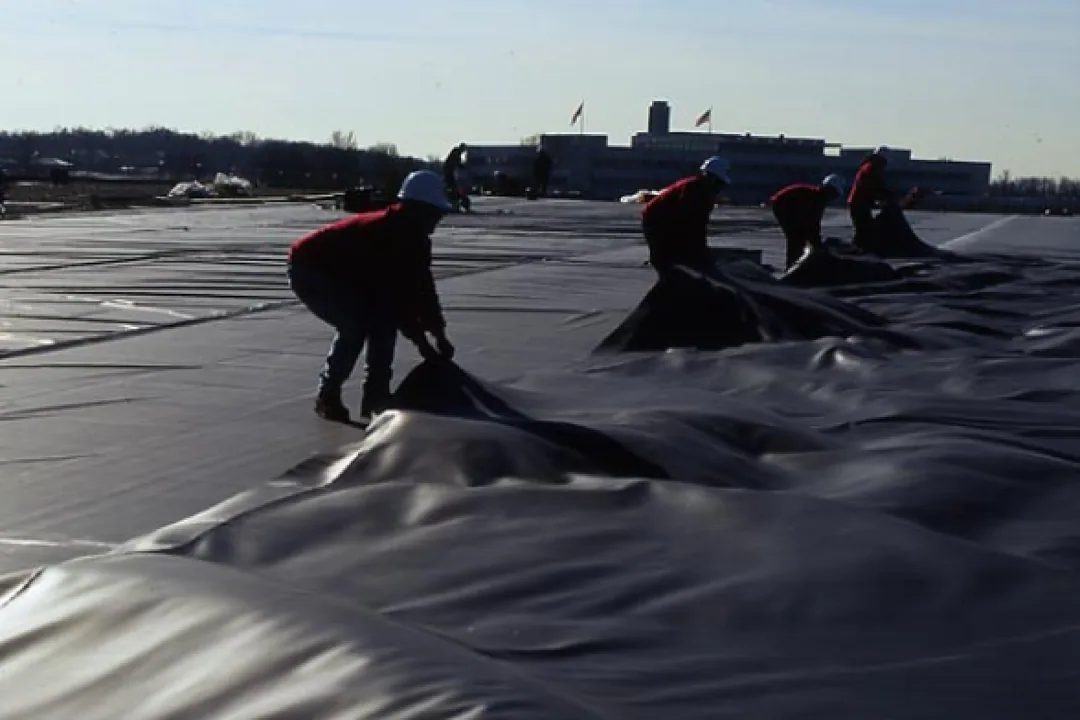
The company supplies single-ply membranes, insulation, metal roofing and accessories for commercial buildings, among other products. A roof carrying its system can be a rubber sheet, a thermoplastic sheet or a metal panel roof, and each family fails in its own way. Rubber sheets harden and shrink. Thermoplastic sheets open at seams. Metal panels loosen at fasteners and clips.
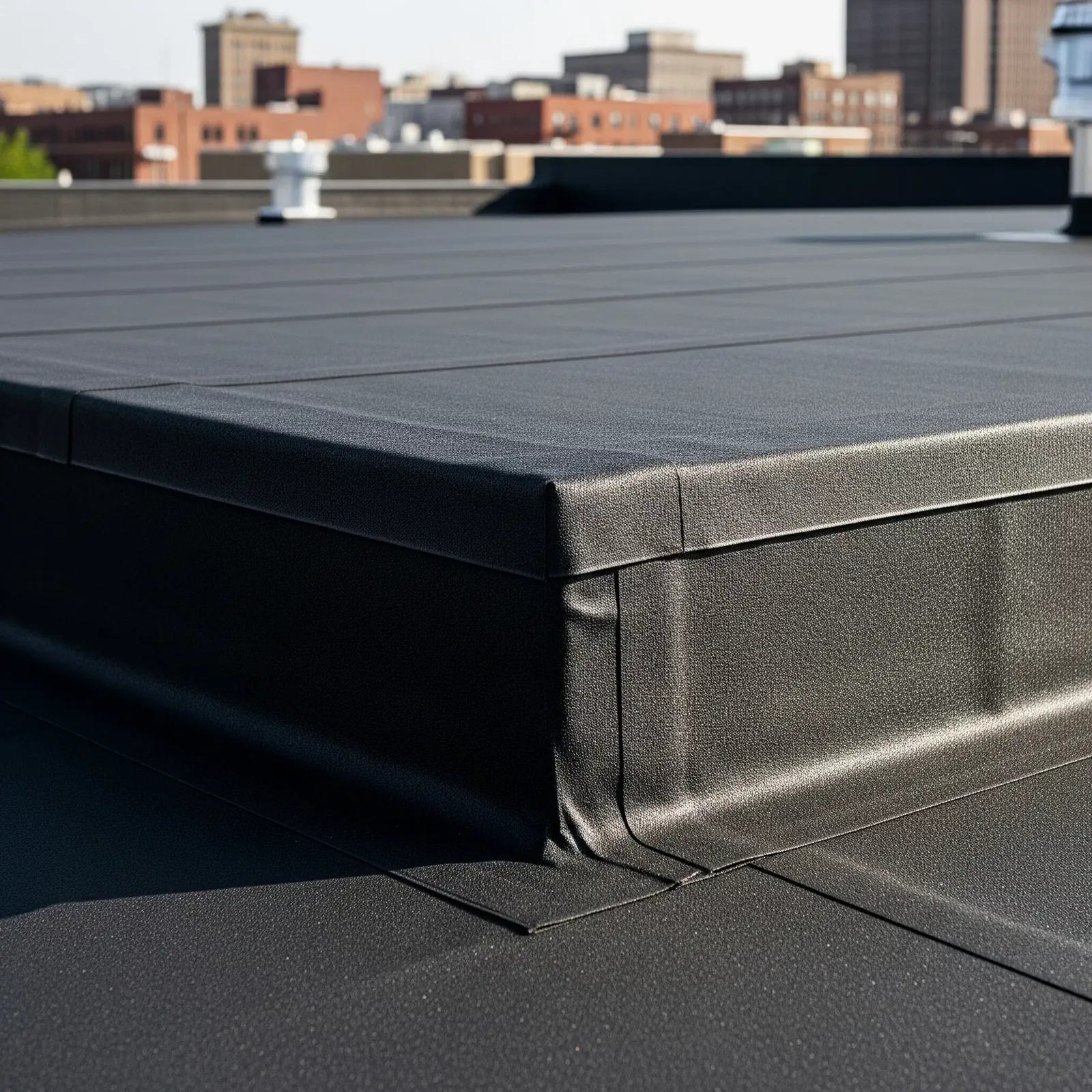
I identify the family with a walk and a core, then read the seams, flashings and edges. A rubber sheet that has gone chalky and stiff, with flashing pulled away from walls, is near the end of its service life, while a sheet that is still supple with intact seams may have many years left. The repair or replacement plan follows from that reading, along with moisture results in the insulation below.
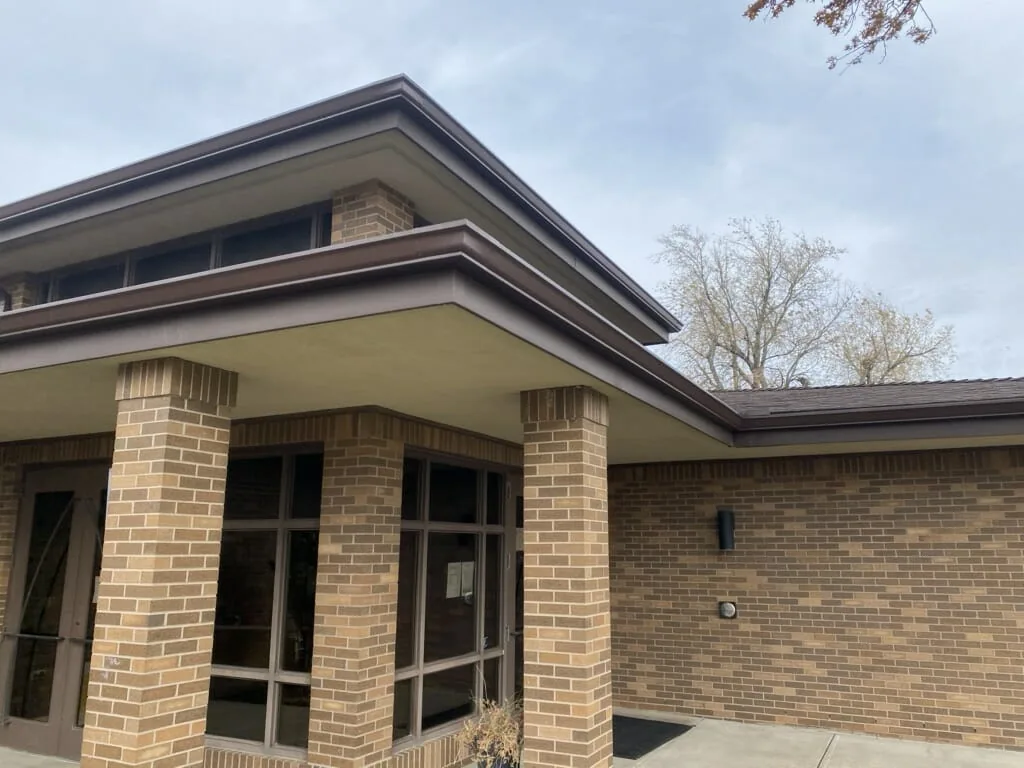
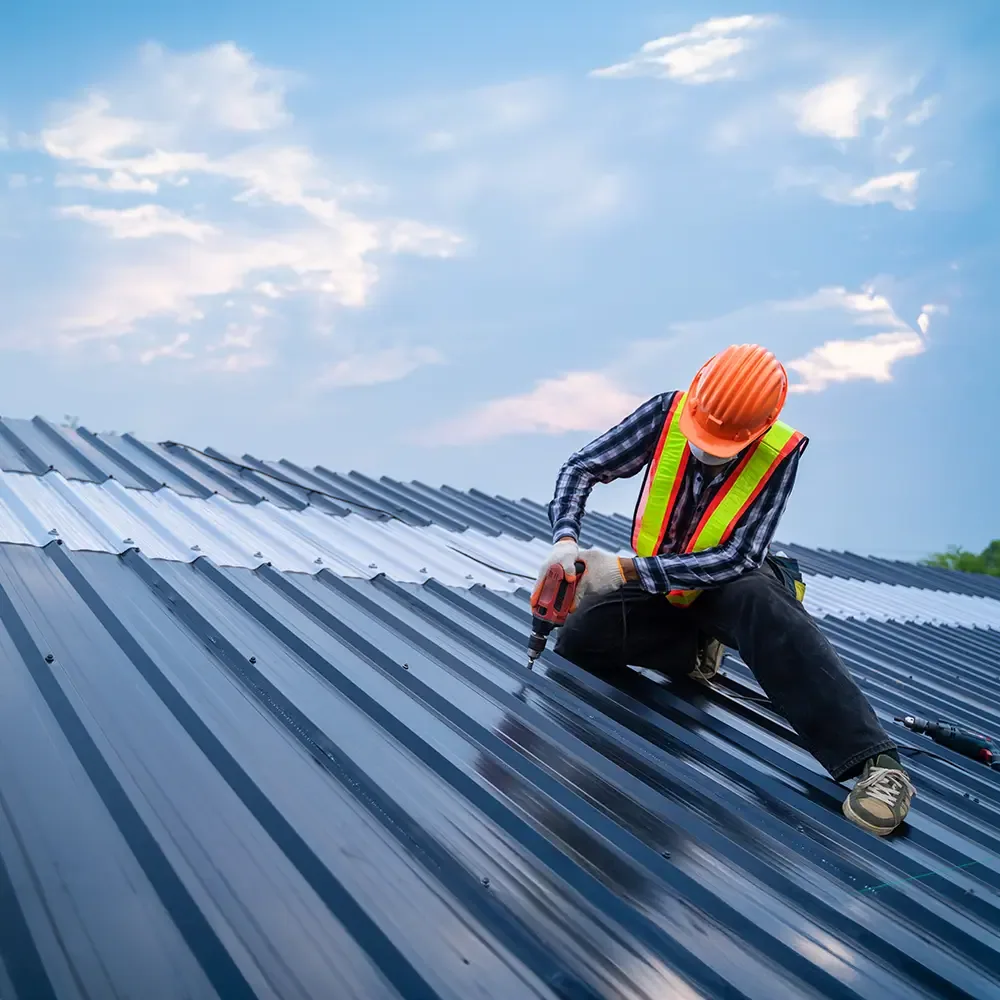
Metal roofs get a different reading. I walk the panels, look at the seam closures, check the fasteners at the eave and ridge and look for rust at cut edges. A panel roof that rattles or shows oil-canning is not always failing, but loose clips and backed-out screws let water in, and a rusted cut edge keeps spreading. The report separates what needs attention this season from what can be watched.
How do you repair an older rubber sheet?
Aged rubber is stubborn. Its surface oxidizes, so adhesive and tape that would bond to a new sheet slip on an old one. The first step is cleaning with the correct solvent and scrubbing off the weathered layer. The second is priming. The third is applying a patch or tape and rolling it down with firm pressure.
Shrinkage is a quieter problem. Over years, the sheet pulls away from walls and curbs, and the flashing opens at the corners. We re-form the flashing, add fasteners at terminations and replace sealant. At inside corners and around pipes, we use preformed pieces where possible, because a hand-cut corner leaves more seams to fail. If the shrinkage is widespread, a patch does not hold, and the roof is a candidate for a recover or replacement. Our work on EPDM roofing follows that sequence from cleaning through final probe.
What does a Bozeman winter do to a rubber or metal roof?
December is Bozeman's snowiest month at 16.2 inches, and the ground snow design value is 50 psf. On a metal roof, snow can slide off in a sheet and hit a doorway. On a rubber roof, it drifts behind parapets and melts into drains that may be frozen.
I check metal roofs for snow guards over entries, loose clips and fasteners that have backed out. I check rubber roofs for ponds near the drains, split seams and open flashing. Either way, the thaw cycle repeats and widens each weakness, and the weakness nearest a drain is the first to show up as a stain on the ceiling. Rebuilding edge metal, coping and gutters keeps meltwater moving away from the wall and keeps the edge from peeling in wind.
How do metal edges and trim fit into the roof?
Edge metal is the part of the roof most exposed to wind. Design wind for Bozeman is 110 mph under ASCE 7-16, and August 2013 sent 89 mph gusts across Belgrade and the north side. A coping cap or drip edge held by short cleats and a few fasteners can lift in a gust and pull the membrane with it.
The repair is continuous cleats, sealed laps and fasteners at a pattern set for the edge zone. We also check the sealant under the metal and the transition to the wall. A properly detailed edge adds little cost at replacement and prevents the damage that wind does to a loose one. After a storm, the edge is the first place we look for signs that the wind has moved something.
Which valley buildings are likely to carry these roofs?
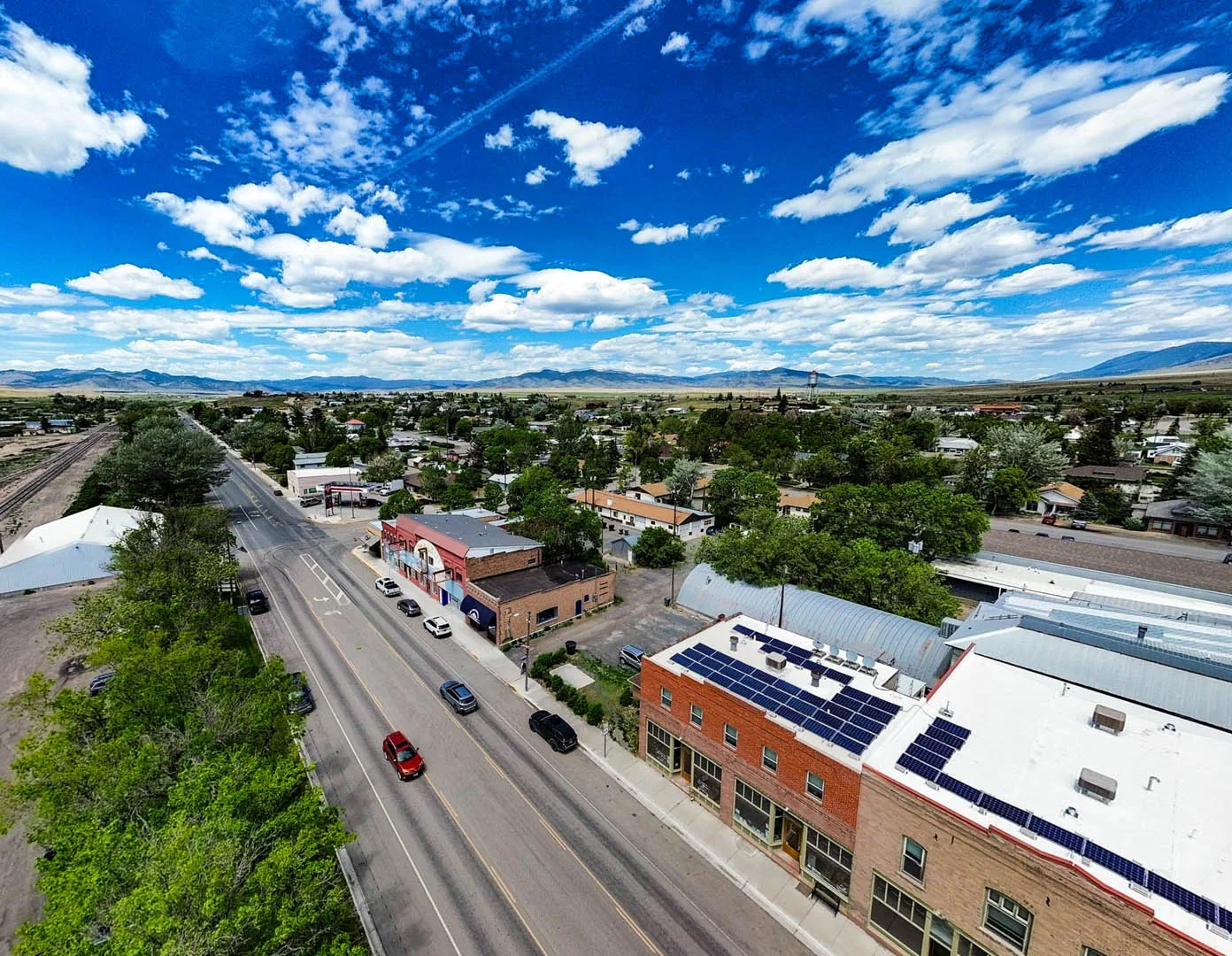
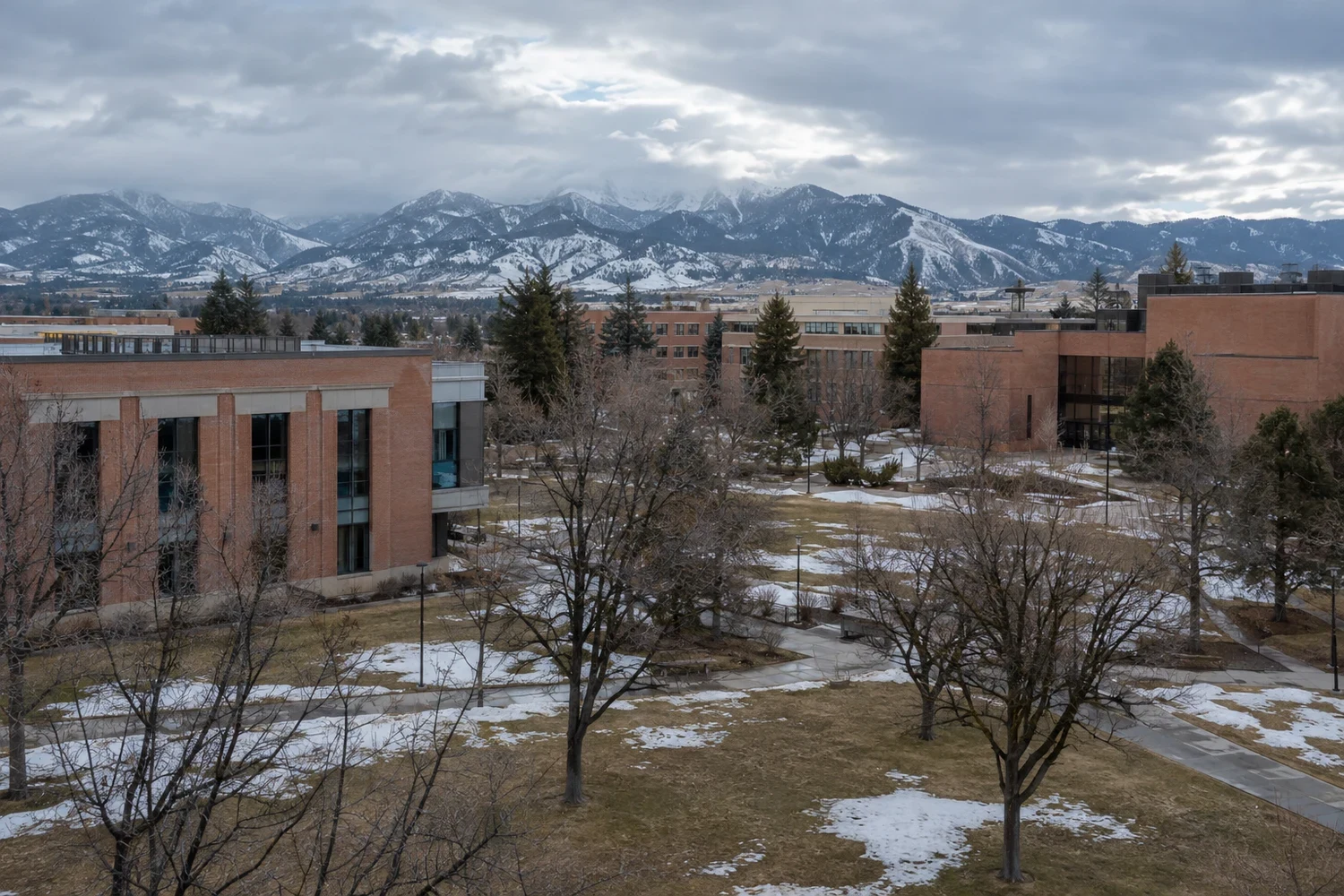
Any commercial building can. Stores along North 19th Avenue, lab and classroom buildings in the Montana State University area and warehouses near Belgrade are typical of the low-slope roofs where the identification step matters. A roof with many penetrations needs careful flashing. A roof with long runs and few penetrations is simpler.
For labs and occupied buildings, occupied building reroofing methods keep the doors open, protect intakes and phase the work. For retail and warehouse roofs, deliveries and crane picks avoid peak hours. For every building, the first walk records what is on the deck before any material is ordered. Some of these roofs sit under rooftop mechanical units that cannot be shut down for long, and some sit over spaces where a drip is a real cost. Both facts go on the schedule from the start.
What records should follow a roof with a changed company name?
Keep the old and new names together. File the original installation paperwork, any manufacturer program documents, inspection reports and repair invoices in one folder, and note the name change on the cover sheet. Programs and terms vary by product and date, so confirm specific requirements in writing with the manufacturer or the installer.
We add a current record: photographs of seams, flashings and drains, core results and a repair list with dates. When the same roof is later sold, the buyer's inspector can see what was done and when, and the file answers most questions without a second walk. That file supports a sale, a financing review or an insurance claim. For portfolios, roof warranty management keeps the paperwork current. Roofs from Carlisle SynTec and Duro-Last get the same identification-first treatment.
Questions About Holcim Elevate Roofing Systems
Our paperwork says Firestone, but the roof is marked Holcim Elevate. Is it the same system?
The company changed names, and the roof is whatever was installed. We identify it by its surface, seams and a core, not by the label alone. Keep both names in your records, and confirm any program terms with the manufacturer. A photograph of the nameplate or a roof label, if one remains, helps us date the installation.
Why does tape fail to stick to my old rubber roof?
The surface has oxidized, which leaves a chalky film that blocks the bond. The area must be cleaned with the correct solvent, scrubbed and primed before tape or adhesive goes on. Skipping those steps gives a patch that looks fine and peels.
Do snow guards belong on a metal roof over an office entrance?
Yes. Snow can slide in a sheet and hit a door or a person. Guards break the sheet into small pieces and are placed above entries and walkways, with spacing set by pitch and snow depth. On low-pitch panels, a heated cable at the eave is sometimes added where ice builds, though insulation and air sealing remain the lasting cure.
How can we tell if the shrinkage is serious?
Look at the corners. If the sheet has pulled away from walls and curbs and the flashing is open, shrinkage is advanced. We probe the corners, check the terminations and decide between repair and replacement. A shrunken sheet under tension can also tear at fasteners, so we relieve the tension before attaching anything new.