
Commercial Roofing in the Montana State University Area, Bozeman, MT
Montana State University Area in Bozeman and the Gallatin Valley
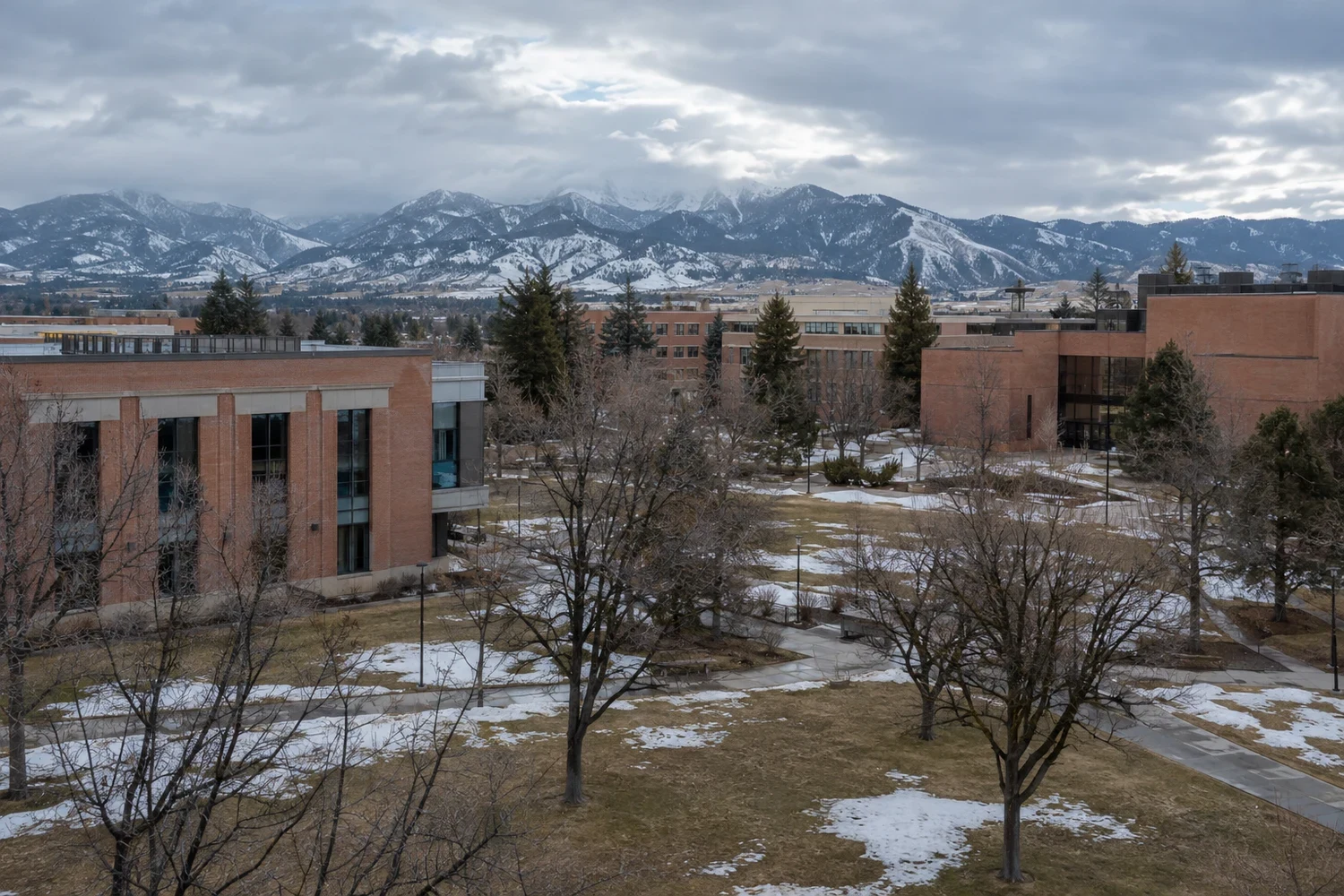
The roofs in the district around Montana State University share one trait: they are scheduled by the academic calendar before they are scheduled by the weather. The campus spreads over 1,170 acres on Bozeman's south side, MT, the largest in Montana, with fall 2025 enrollment of 17,165 students and about 4,200 of them living in residence halls. Buildings housing that many people turn over in a matter of days each May and August, and a roofing crew has to fit inside the gap. What is the one week your building is empty, and is your roof ready to use it?
What is on the roofs around a university?
A university district mixes uses. Residence halls have long wings with many bath exhausts and plumbing vents. Research buildings tend to carry heavy mechanical equipment. Classrooms and offices have quieter fields with few penetrations. Around the edge of any large campus sit rental housing, shops and services that follow the school year.
Each roof type has its own checklist. On a residence hall I count penetrations and check each boot. On a lab I check every curb and every exhaust. On a classroom roof I look at drains and seams. The roof diagram I draw first shows which of those details has aged, and the owner can see the pattern across several buildings at once.
Roof access gets its own line on the plan. Residence halls have hatches inside locked stairwells, labs have restricted floors and some buildings can only be reached by ladder from a loading area. We find out who holds each key before the first walk and who must escort us, because a crew standing at a locked door is a day lost in a short season.
What did the June 2010 hail do on campus?
Dozens of windows broke at MSU, mostly on west- and south-facing walls, and Roberts Hall and the North and South Hedges residence halls were hit hard. That points an owner to the sides of a building that faced the storm, since the windows on those walls took the hardest blows and the roof above may have been hit too. Hail bruises on a membrane look like nothing from the ground, and they leak months afterward.
After any storm of that kind, I walk every roof and start with the sides that faced the wind. Bruises get a chalk circle, a photograph with a scale and a moisture reading beneath the worst. The write-up keeps leak-causing damage apart from cosmetic marks. The file goes to the owner and, where there is a claim, to the carrier. When many buildings are hit at once, we number each roof section so repairs, photographs and invoices can be matched back to a single claim line without confusion. Our roof insurance claim assistance follows that order.
How does snow behave on a campus roof?
The Bozeman year brings 54 snowy days and roughly 91 inches, with 16.2 of them in December, and the city's listed ground snow design is 50 psf. On a residence hall, heat from the rooms thaws snow from below, and the water freezes again at the eave. On a lab, the penthouse and the equipment enclosure make drifts on the lower roof beside them.
Both patterns repeat across the thaw cycles. I check eaves for ice ridges, penthouse walls for drift scars and drains for ice. If I find a dished spot or a stained deck underside, the work starts with the structure. For buildings with many drains, roof drains and scuppers maintenance before the first snow is the simplest protection.
How do you reroof a building full of students?
You wait for them to leave, then move fast. A residence hall roof is typically scheduled for the weeks between spring move-out and fall move-in, with material ordered early and the crane date fixed months ahead. Noisy tear-off runs in daytime hours, and the rooms below are protected or held empty. Entrances stay clear of equipment, and a spotter watches the walkways.
During the term, repairs are limited to what cannot wait: a leak over a bed, a drain that floods a stairwell. We dry in the area, photograph it and plan the permanent fix for the break. This is the routine for occupied building reroofing on a campus, and the plan names which wing is open and which is closed each week.
Moving day is the other deadline. A residence hall that must open for students on a fixed date cannot hand over a roof that is half finished, so the schedule includes a float of several days for weather, and a temporary dry-in plan for every section in case a storm arrives in the final week. Nothing is left open when the building fills.
How do labs change the plan?
MSU reported $257.9 million in research spending in 2024, which supports lab buildings with exhaust, makeup air and sensitive equipment. A roof over a lab cannot lose its air handling without notice, and fumes from adhesives cannot reach an intake. Every intake is marked on the roof plan, hot work and solvents stay away from them and rooftop shutdowns are signed off by the researchers.
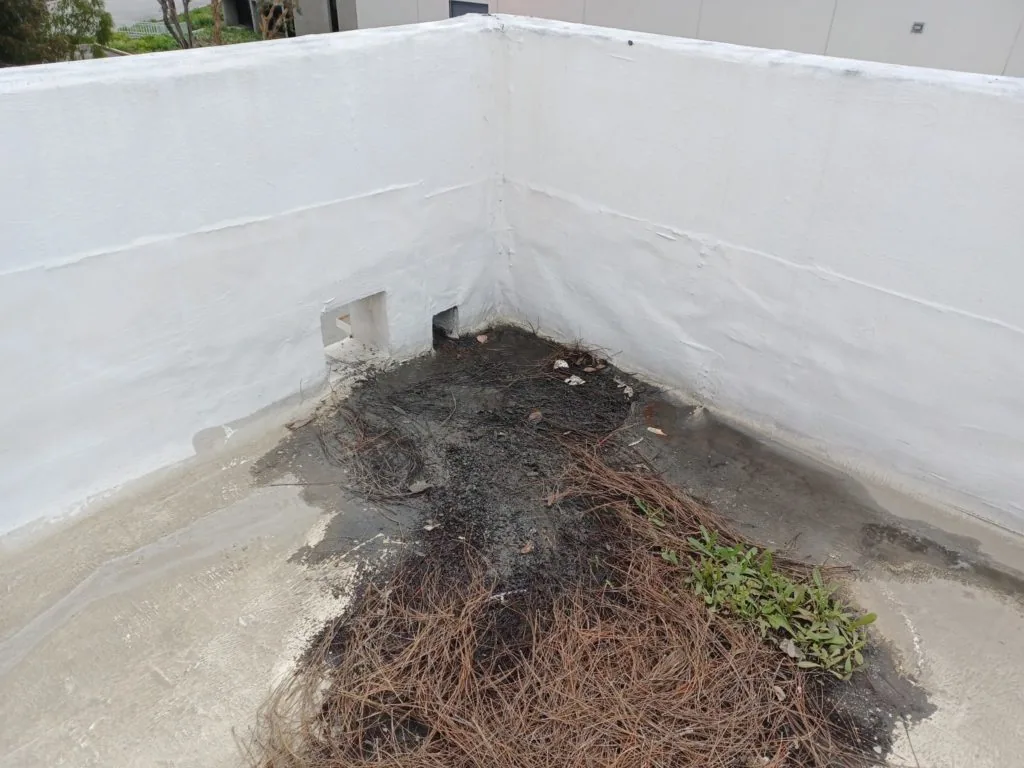
Chilled-water lines, exhaust ducts and conduit all cross the roof edge or deck, and each crossing is sealed by a different trade at a different time. Vibration and heat from the equipment age the roof around it. Curbs crack, sealant dries and flashing separates. I look at every one and note which can be repaired and which need a rebuilt curb. Rebuilding rooftop equipment curbs and supports brings the flashing back above the drift line.
What should a nearby property owner do first?
Start with a walk and a photograph record before the next freeze, and book the repair or replacement in winter for a summer start. Owners of housing and shops near campus share the same calendar and compete for the same crews, so early booking matters. A short written scope, with photographs and a price for repair and for replacement, lets an owner decide in January and not scramble in May.
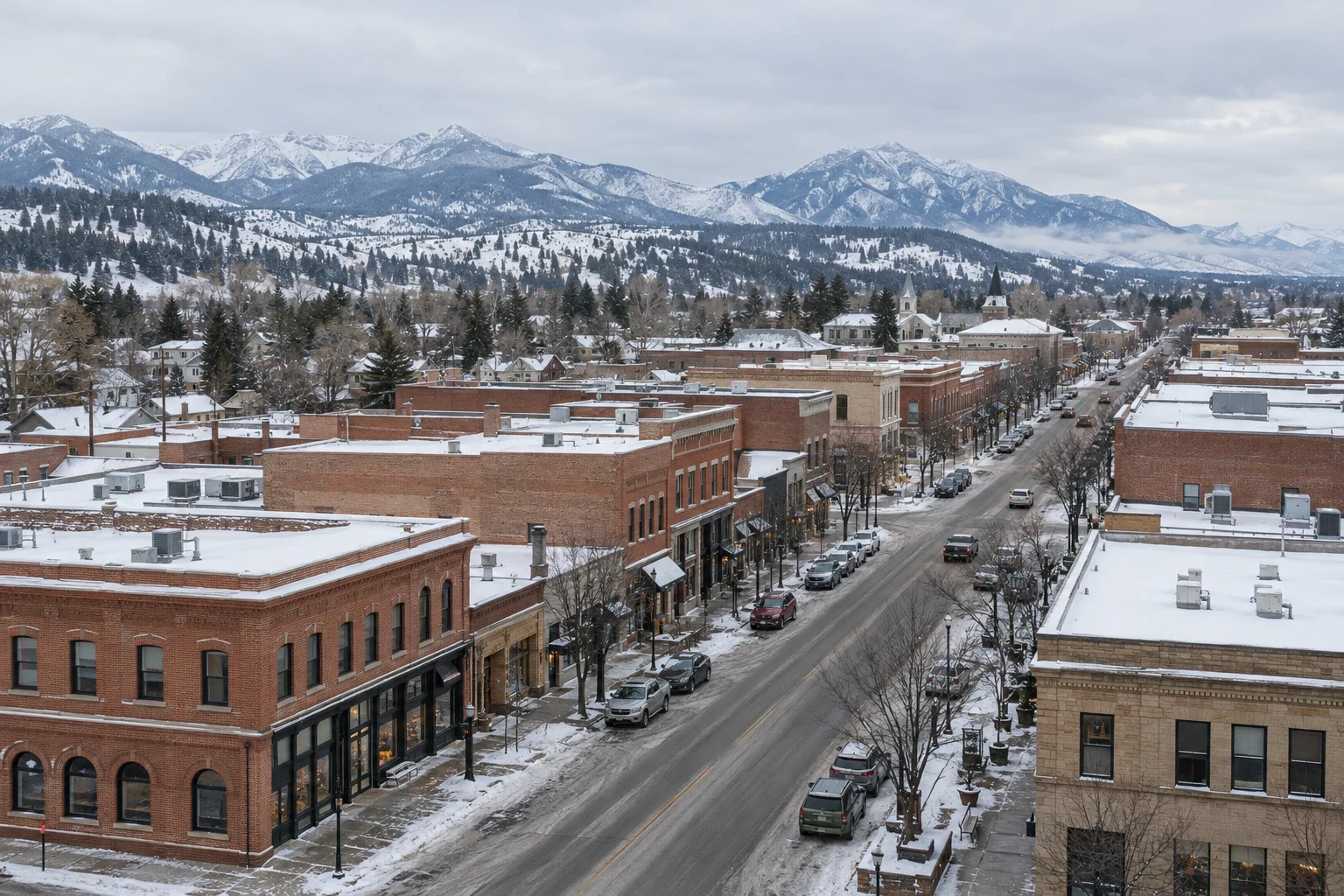
The area sits on the south side of the city, and Downtown Bozeman and Midtown lie to the north. Planning at the scale of a whole campus works the way college and university roof programs do, and housing blocks are treated like an apartment roof. A preventive roof maintenance plan keeps the drains open between summers.



Questions About Montana State University Area
We manage rental housing near campus. When should we book a reroof?
In winter, for a summer start. Student turnover leaves a short window between terms, and crews fill early. A winter booking secures material and a crane date.
How do you tell hail bruises from ordinary wear on an older roof?
Hail bruises sit in a scatter pattern and are strongest on the sides that faced the storm, while wear is uniform across the field. A moisture reading under the mark shows whether water got in.
Can repairs be made during the term?
Yes for urgent items. We dry in a leak, protect the room below and schedule the permanent repair for the break. Noise and dust control are part of every visit.
What is the biggest roofing risk near a research building?
Failed flashing at equipment curbs. Vibration and heat loosen the seals, and water finds the opening. We inspect each curb and rebuild the ones that have aged. Raising the curb above the drift line, replacing the gasket and re-flashing the base are usually enough to stop that leak for good.