
Occupied Building Reroofing in Bozeman, MT
Occupied Building Reroofing in Bozeman and the Gallatin Valley
Think of a residence hall in July with a summer program in session, or a retail center on a Saturday with the lot full. The roof has to come off, and the people underneath have to stay put. At Montana State University, about 4,200 students live in residence halls, and the campus covers 1,170 acres, so roofing there is always roofing over somebody. Bozeman, MT adds a clock: about 91 inches of snow a year, a January low near 15 degrees and a short window when adhesives cure and a crew can work. Which part of the building cannot lose its ceiling for a single night?
We start there, and we work out from that answer.

What goes into the plan before work starts?
The plan starts with the people. Who is under each section, what hours they are there and what they cannot do without. For a residence hall, it is the sleep and study hours. For a clinic, it is the appointment schedule and the rooms with equipment. For retail, it is trading hours and holiday weeks. For an office, it is the hours of the tenants who work early or late.
We then divide the roof into sections that match. Each section is small enough to open, repair or replace and dry in during one work day. The sequence is written on a roof plan: which section goes first, where the crane sits, where material is staged, which entrances stay open and which route the crew uses. Tenants get a notice they can forward, and we name a contact on both sides.
Access gets a line of its own. A crane pick on a tight lot is the single biggest scheduling item, so we pick the day, the hour and the lane in advance, and we confirm with security or property staff. Fire lanes stay clear. Accessible entries stay open. Delivery windows for the tenants are marked on the plan, and the crew works around them.
How is each section kept dry?
Nothing stays open overnight. A section is torn off, the deck is checked, insulation and membrane go down and the edges are sealed before the crew leaves. A tie-in at day's close connects the new work to the old, so a storm cannot run under it. If the weather turns, the crew stops, closes the opening and moves on.
Summer weather here comes in fast. On June 30, 2010, golf-ball-size hail fell on Bozeman for about half an hour, and in early August 2013 golf-ball-size hail and 89 mph gusts crossed Belgrade and north Bozeman. We watch the forecast each morning and size the day's opening to it. When rain or hail is likely by afternoon, the day's section shrinks. A half-open roof in a storm is a bigger problem than the leak that started the job.
What about noise, dust and smell?
Tear-off is the loudest step, and it happens first. We schedule it for the hours when the people below are least affected: late morning in an office, mid-day in a residence hall when students are in class, early in a retail day. Quiet steps like welding and detailing take the sensitive hours.
Dust is controlled with catch systems and protection below openings. Debris leaves by chute, away from entries, and the lot is swept before the crew leaves each day. Adhesives have an odor, so we choose low-odor products where the system allows, time the application and cover rooftop air intakes while the adhesive is wet. For care settings, hospital roofing rules about dust, air handling and infection control apply, with a named contact on the care side.
Complaints are a signal, not a nuisance. If a tenant calls about noise, the supervisor can move the next loud step to another section. We keep a short log of calls and changes, and it goes into the closeout file with the punch list and photographs, so the owner can see what was asked and what was done.
When in the year does it make sense?
Late spring through early fall is the work window. Adhesives and membrane welds need steady temperatures, and cold mornings can hold a section until noon. We plan the largest phases for June through September and use the shoulder months for smaller work. The cold-weather adhesive window ends early in the fall in the valley, and earlier at Big Sky, which averages about 162.7 inches of snow a year.
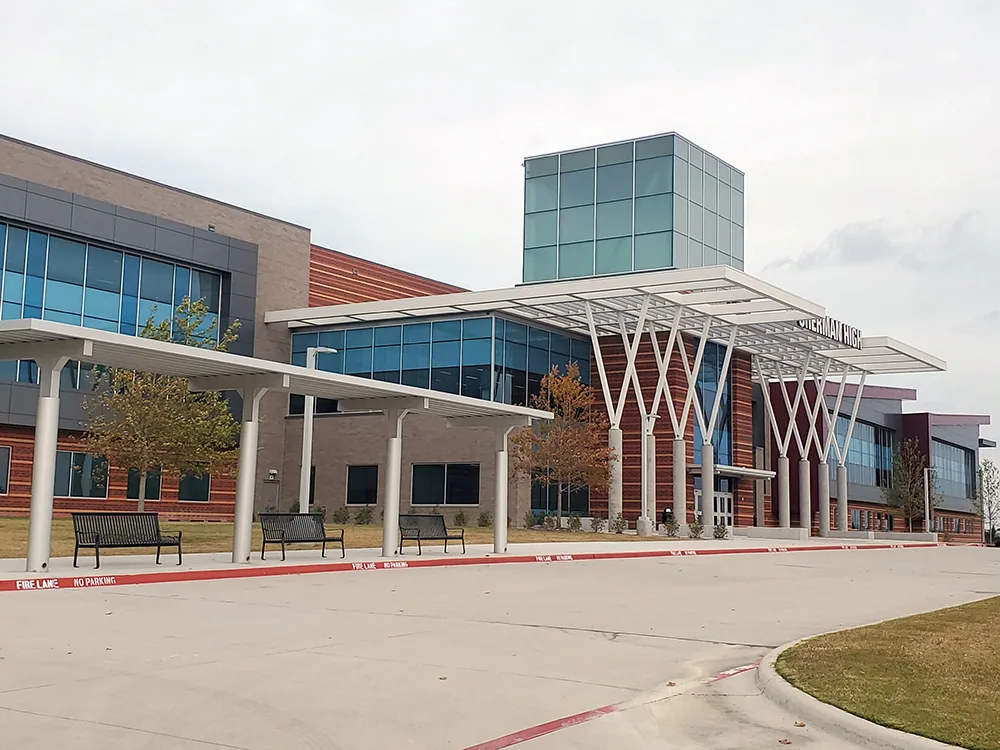
For a school or a campus, the break sets the dates. A school roof plan fits packages inside the summer, and a residence hall plan runs between terms. For retail, the quiet weeks after the holidays are bad for roofing, so the work shifts to spring. Hotels fit work in their slow weeks. We ask for the calendar first and place the work around it.
How does the approach change by building?
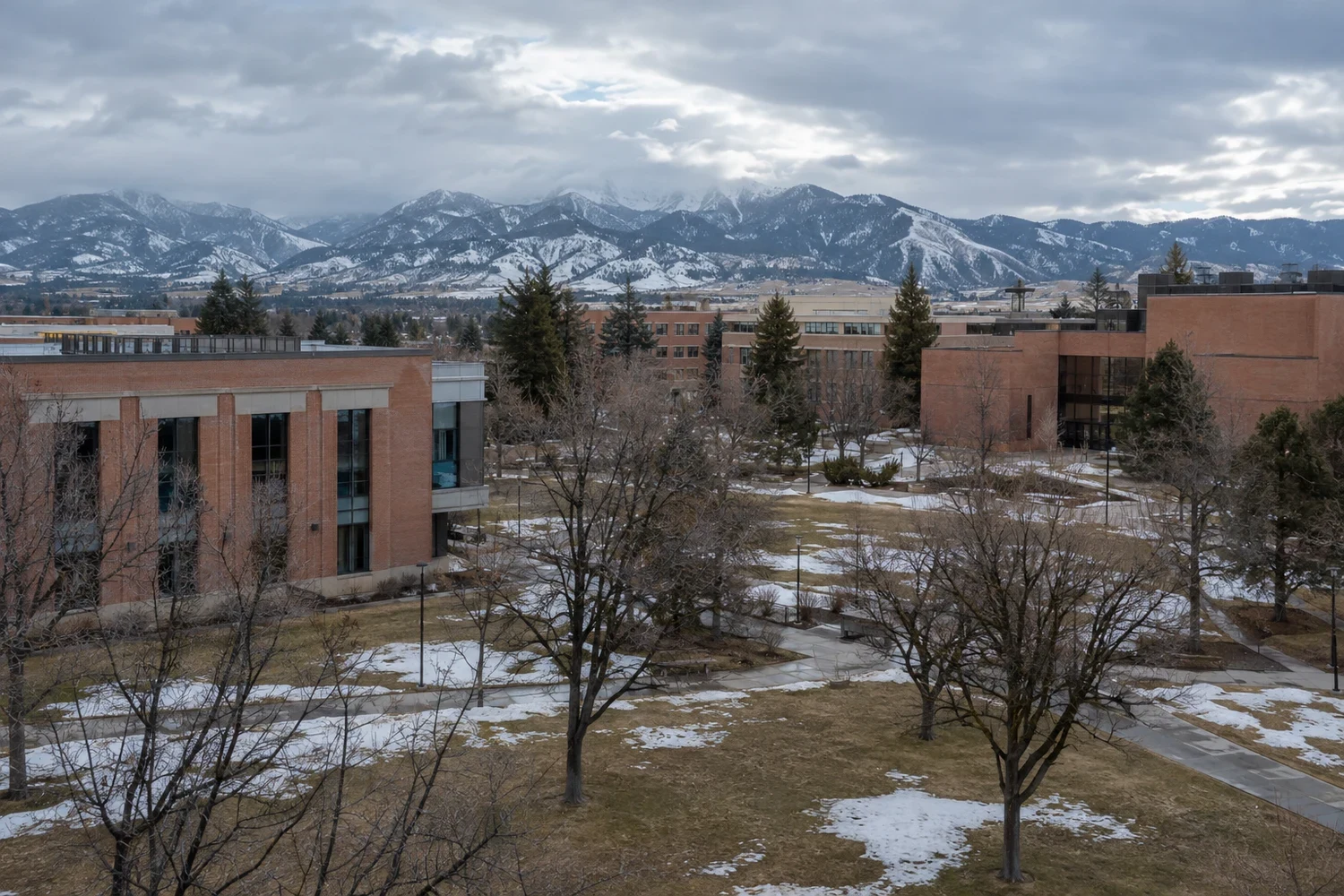
Retail centers on North 19th Avenue, with Target, Costco and other stores nearby, need staging that does not touch customer lanes. A flat retail roof there is replaced in bays, one drain area at a time. Campus buildings in the Montana State University area need coordination with housing and facilities staff, and a research building needs protection for labs and instruments.
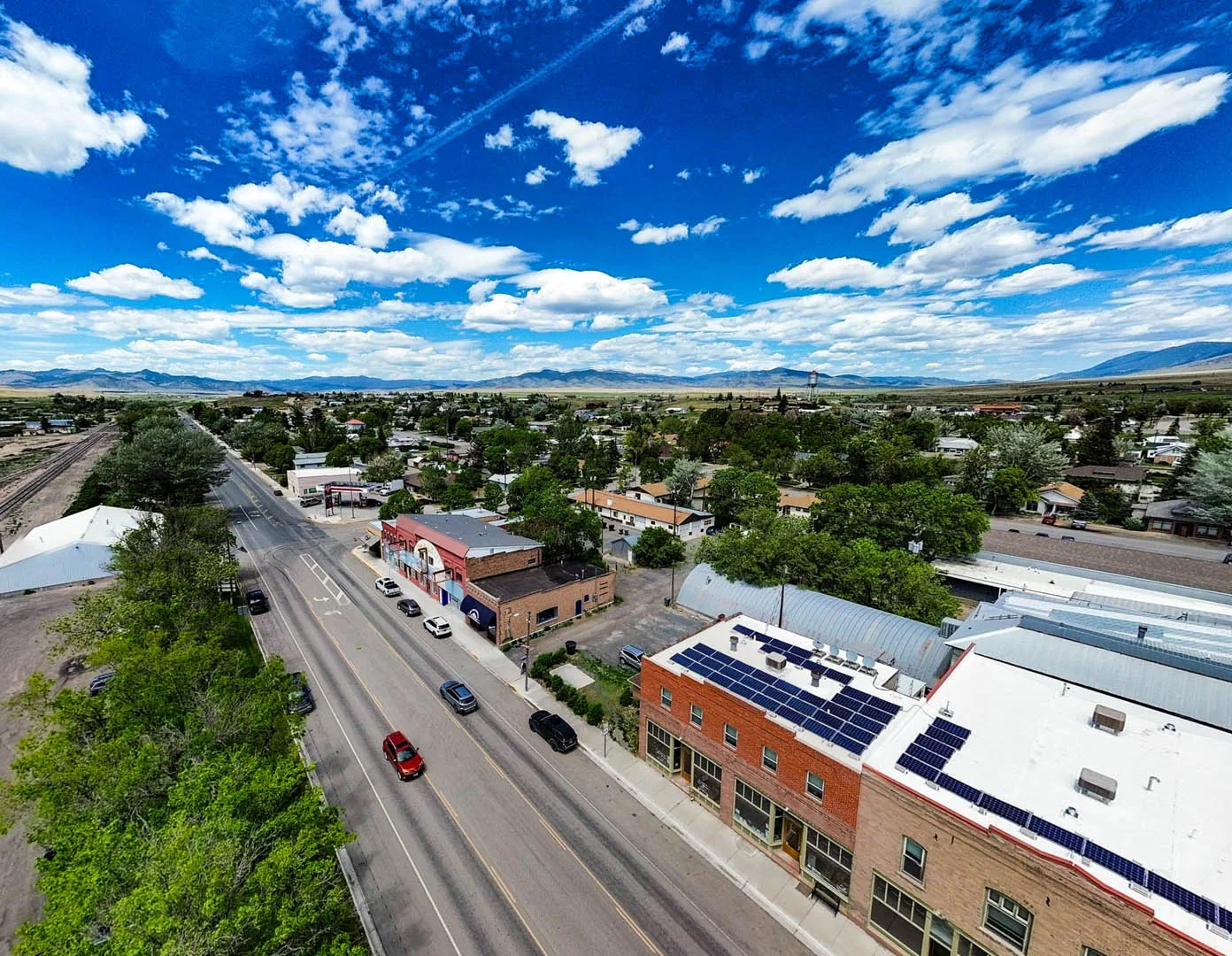
Mixed-use buildings in Midtown combine tenants with different hours, and the plan treats each tenant as a separate stakeholder. A hotel roof works around check-in and checkout. Each building gets its own sequence, and each sequence has a named supervisor and a daily note.
Recover, partial or full replacement?
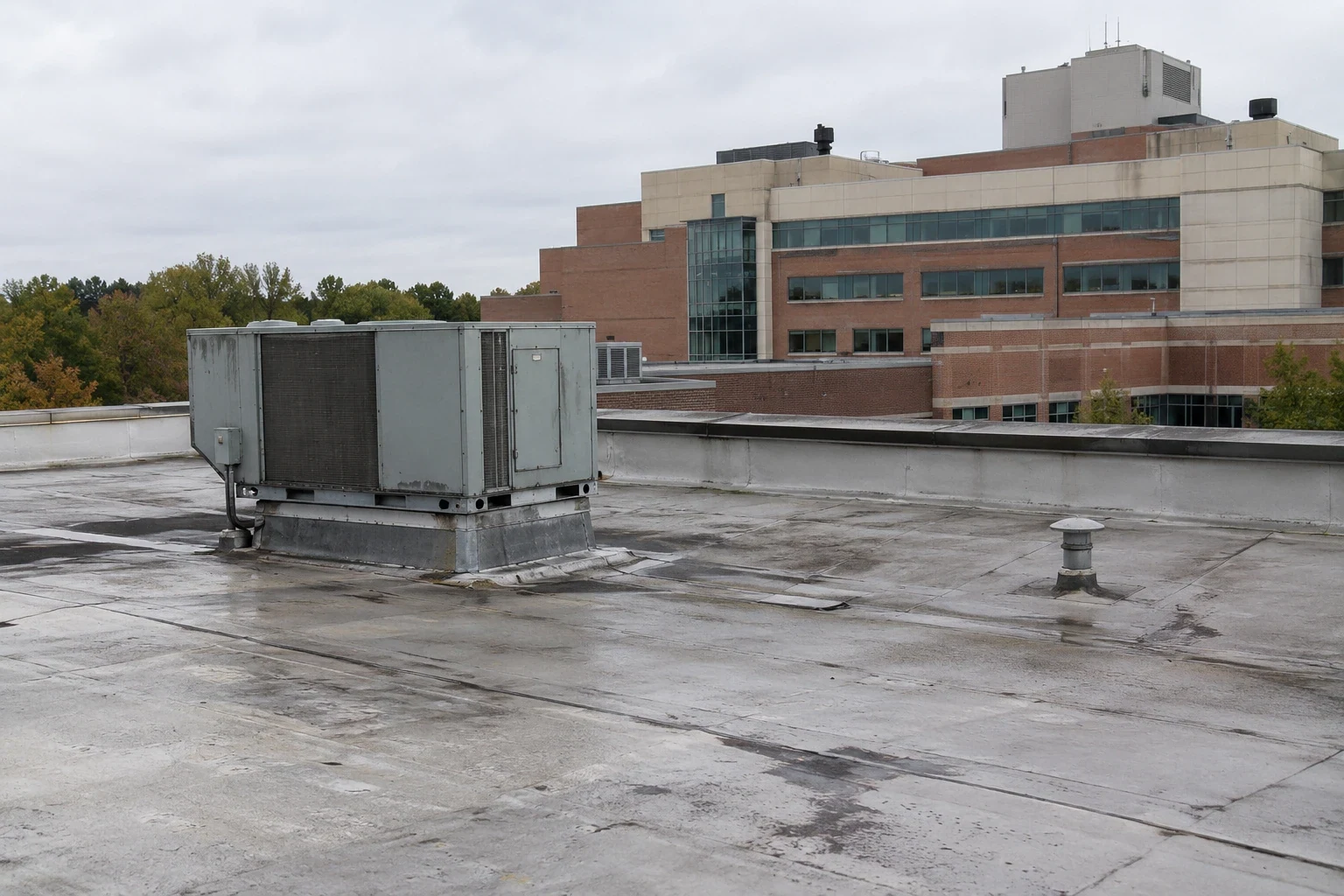
On occupied buildings, the method matters as much as the material. A roof recover over a sound, dry roof skips tear-off, which cuts noise, dust and time. It only works when the layers below are dry, and an infrared moisture survey and core cuts tell us. If they are saturated, the roof is stripped to the deck in sections, and the wet material comes out.
A partial replacement fixes the worst zones and leaves the rest. A full replacement is phased across weeks. Equipment is a separate step: rooftop unit curbs are rebuilt in a planned lift, with tenant heating and cooling shut off for the shortest time, and drains are corrected in the same pass.
The closeout is the same for every method. Drains are tested, flashings are checked, the surface is cleaned and the lot is clear. The owner gets a punch list, a photo set and warranty paperwork in one file, and the next review date goes on the calendar.
Questions About Occupied Building Reroofing
Can a building stay fully open during a reroof?
Usually, with phasing. Each section is dried in the same day, entries stay open and noisy steps move to hours that suit the people below. Some spaces, like labs or operating rooms, need extra protection or a temporary move.
How do you protect interiors if rain or hail comes?
We size the day's opening to the forecast, keep covers and tie-in materials on the roof and close the opening if a cell approaches. Ceilings below sensitive areas get catch systems before the section opens.
What notice do tenants get?
A written notice with the dates, hours, noisy steps and a contact. We send it ahead so the manager can forward it, and we update it if the weather moves the schedule.
Does occupied work cost more?
It usually takes longer, because the work is phased and dried in each day. The extra time is a cost the proposal shows. The savings are in avoided disruption, relocation and lost business.
What should we send before the first walk?
The building type, its age, the occupancy schedule, any roof plans and the areas that cannot be disturbed. We will plan the walk and the phasing around them.