
Auto Dealership Roofing in Bozeman, MT
Auto Dealership Roofing in Bozeman and the Gallatin Valley
A dealership is three roofs under one sign. A showroom with a tall glass front and a flat roof behind a parapet, a service building with bays, exhaust fans and a long run of rooftop equipment, and often a canopy over the delivery or drop-off lane. The lot below is full of other people's property. After a Gallatin Valley winter, what I find up there is a drift behind the showroom parapet, ice at the service-bay scupper and a canopy edge carrying a ridge of frozen meltwater above the front row of inventory.
A half hour of golf-ball hail over Bozeman on June 30, 2010 is the kind of storm that finds a front row of inventory. Do you know which roof edge sheds onto your front row?
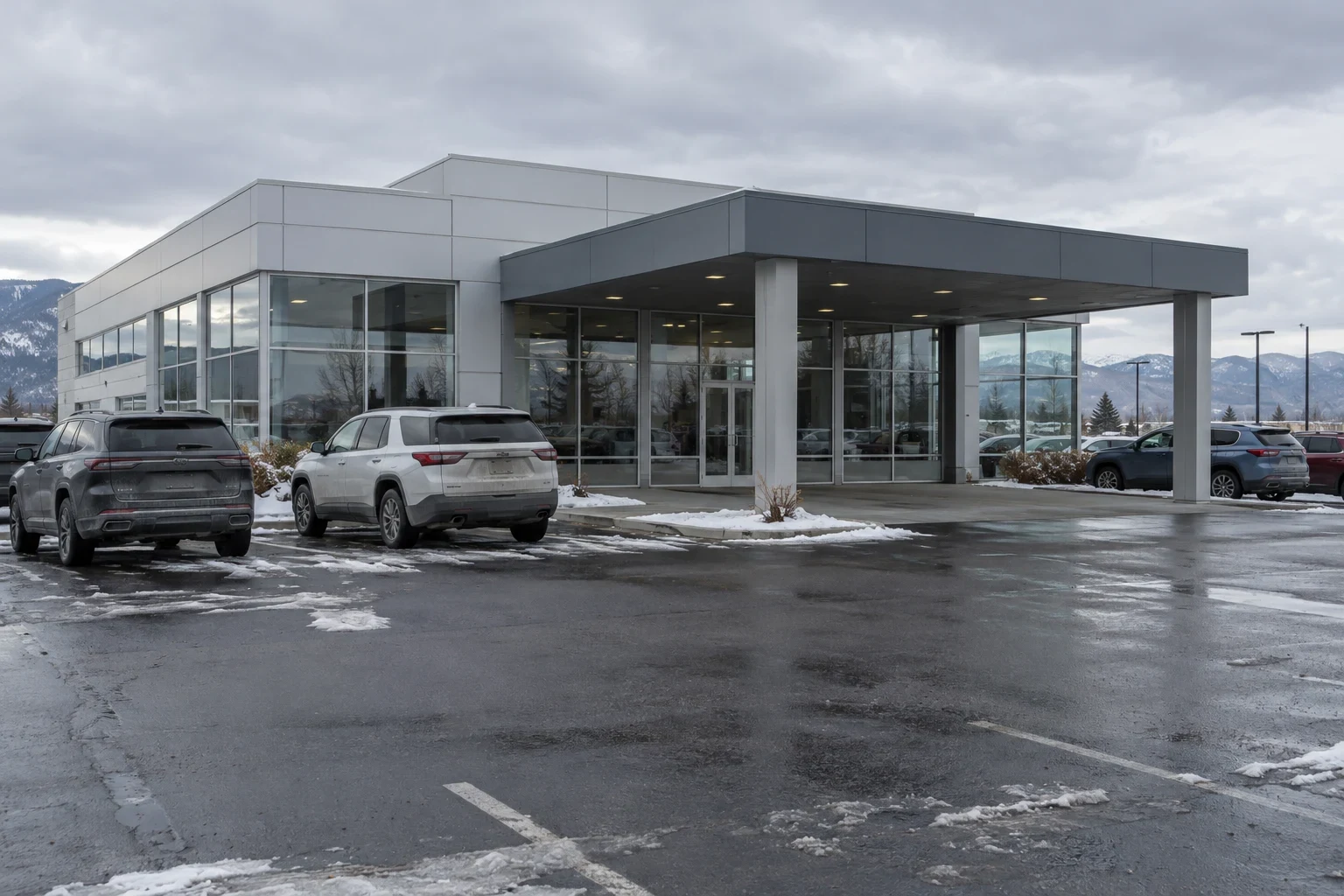
Which of the three roofs causes the most trouble?
It is usually the service building. Bays need ventilation, so the roof is crowded with exhaust fans, makeup air, and sometimes a paint-booth stack, each on a curb with its own flashing. Heat from the shop rises and warms the underside of the deck, which melts snow from below and sends it to the scuppers faster than the drains can clear it. The result is ice at the eave on a cold night, over doors where technicians and customers walk.
The showroom roof is quieter but has a harder detail: the wall of glass beneath it. A leak at the parapet or the head of the curtain wall runs down the inside of the glass or into a finished ceiling that is expensive to repair. The canopy is the simplest roof and the most exposed, since it has no building warmth below it to melt snow, and every inch of its edge sees wind.
Between the three sit the joints: where the showroom meets the service wing, where a canopy ties into a wall, where a low roof butts a tall one. Those joints move differently in the cold, and a flashing that was snug in September can be open a quarter inch by January. A strip shopping center roof shows the same pattern, and I look at every joint on a dealership with that in mind, because the movement is where the water goes.
How does snow behave around a lot full of inventory?
With some 54 snowy days and about 91 inches in a Bozeman year, a roof here has to be treated as something that drops its load onto expensive property. A drift that builds behind a showroom parapet can slide in one piece, and a canopy edge can drop a block of ice onto a windshield. Snow that comes off a sloped metal canopy has far more speed than snow that melts on a flat roof.
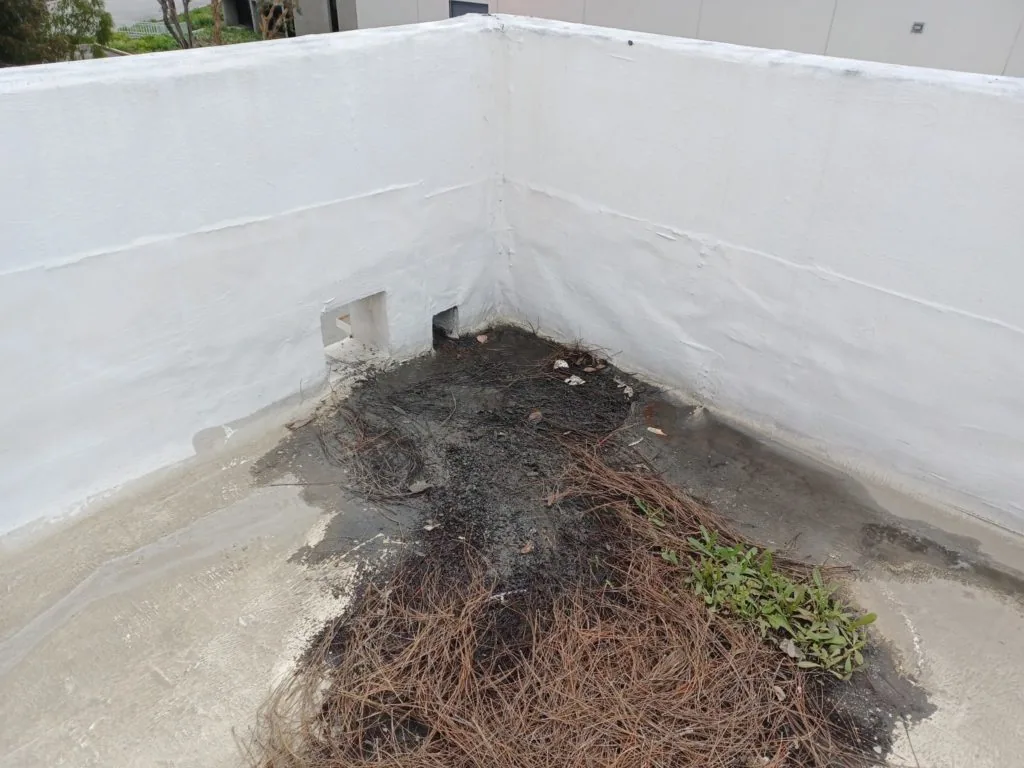
Fixes are simple but need to be planned. Snow guards on a metal canopy hold the pack. A scupper or gutter that spills over a walkway is redirected into a downspout. Heat cable keeps the bay-door line open. And the drift that forms behind a rooftop unit, which shades its own patch of roof and refreezes every night, gets a cricket or a wider sump to move the water out. Where thaw cycles drive repeated freeze and thaw at the same drain, roof drains and scuppers are the first place I make changes.
What does hail do to a roof, and to the lot beside it?
The same storm that bruises a membrane dents hoods and breaks windshields, which is why a dealership owner often calls about the lot before the roof. Stones from the June 2010 storm landed on Bozeman, with baseball-size ones east of Gallatin Field the same day. Early August 2013 repeated it over much of Belgrade and north Bozeman, gusts to 89 mph included. A report from May 2023 puts 1.50-inch hail on the Gallatin River northwest of town.
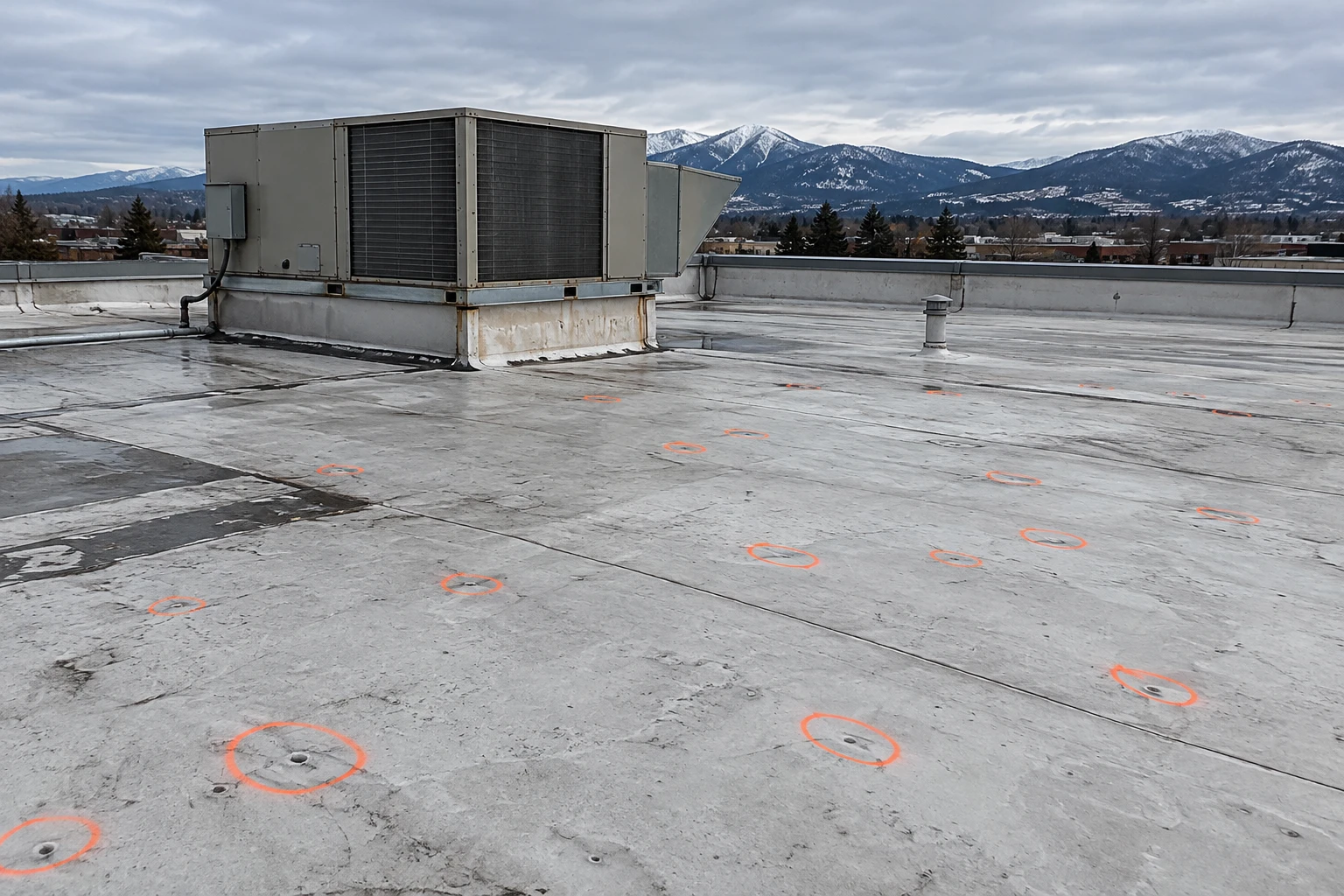
Roof damage from hail is slow to appear. A bruise in a single-ply membrane may hold for months and then split in a thaw. Metal canopies dent and lose coating, and skylights over a showroom crack. After any storm that damaged vehicles, I walk the roofs the same day, photograph the field and the metal, and write up the findings. A hail damage repair estimate with dated photos is what an insurer needs, and our insurance claim documentation helps the owner present it without delay.
What about all the rooftop equipment?
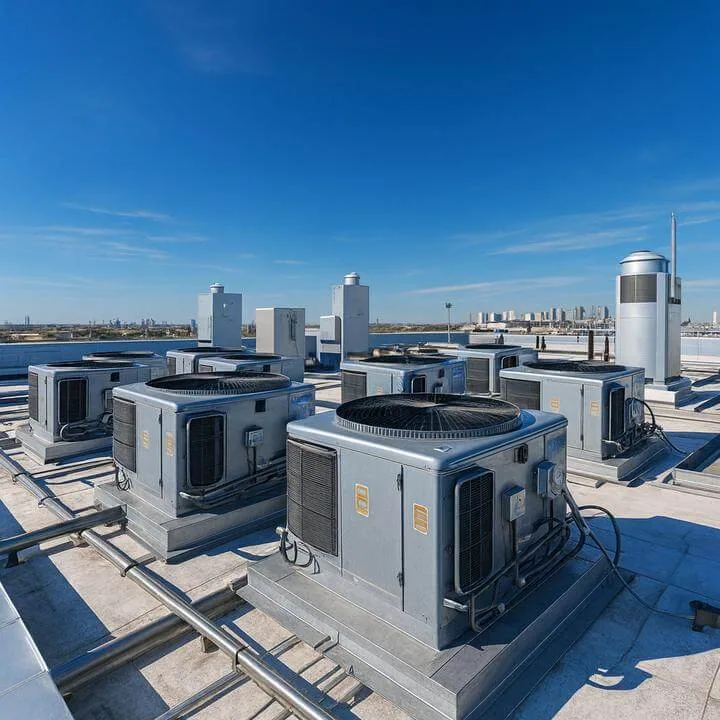
Service buildings carry a lot of roof equipment. Fans, heaters, makeup air units and, in a body shop, filtered exhaust all need curbs and supports. Each curb is a wall of flashing, and each fan is a penetration that vibrates. Over years, the vibration loosens sealant and opens a gap. I check the flashing at the base of every unit, the condition of the curb cap, and whether the unit was ever raised high enough to keep snow from drifting against the curb.
Our work on rooftop equipment curbs and supports is often the smallest fix that stops a recurring leak. Technicians who service the equipment also walk the roof, and a membrane with no walk pads or protection takes heavy foot traffic. Adding walk pads along the route from the roof hatch to each unit is an inexpensive step that spares the membrane and the work crew a lot of trouble.
How should a dealer schedule roof work around sales and service?
A dealership cannot close for a roof. Service bays book weeks out, the showroom is open on weekends and a customer deciding on a truck should not be walking under falling debris. We schedule tear-off and installation by building, not by roof, so the showroom roof is done in one long weekend window and the service roof is done in sections that leave the bays running. Material goes where it will not block the lot, and we use a dedicated lane for the crew so customers see the front row of inventory unobstructed. Before the first panel comes off, we agree with the service manager on which bays run when, and the dry-in at the end of each day protects the shop floor below.
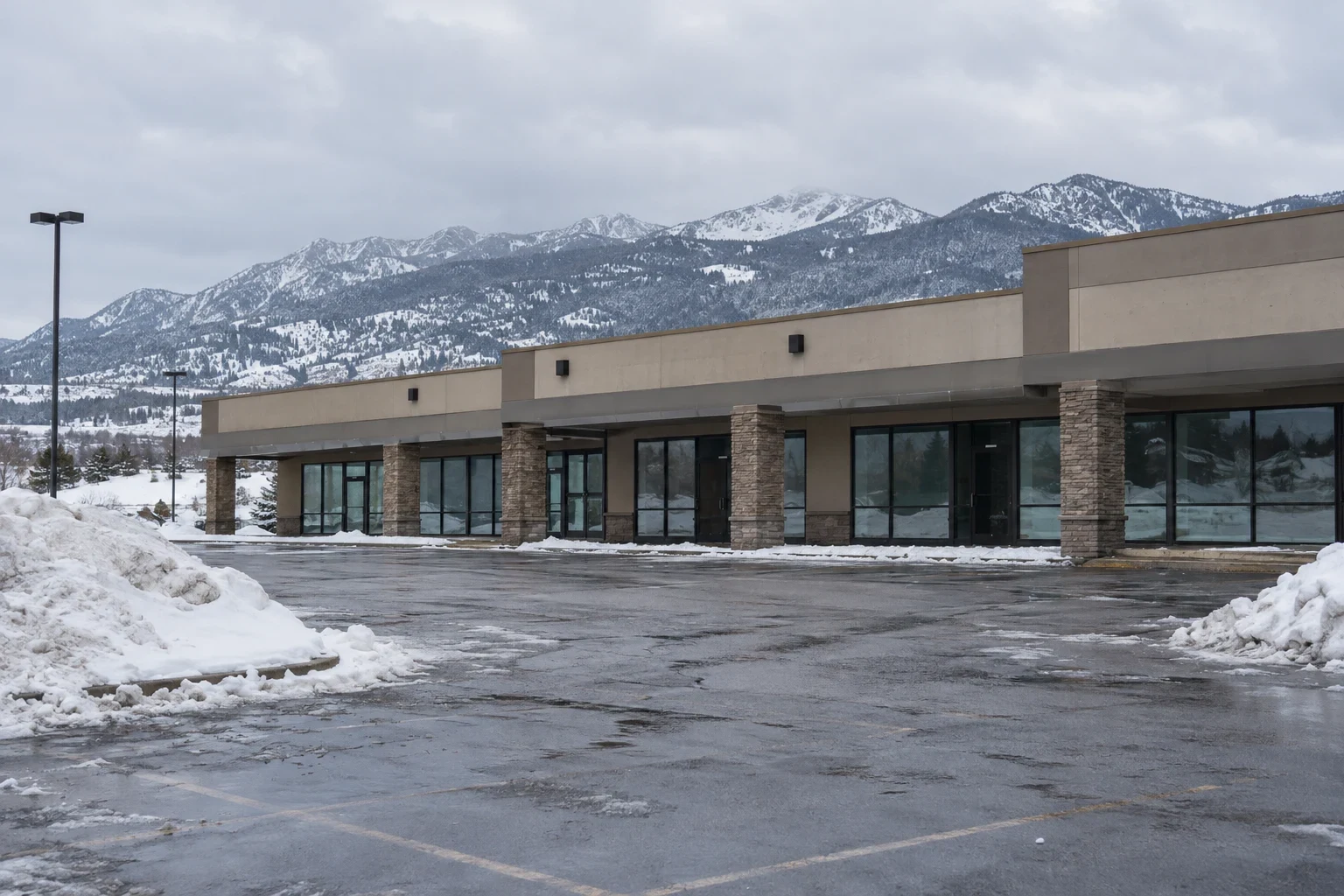
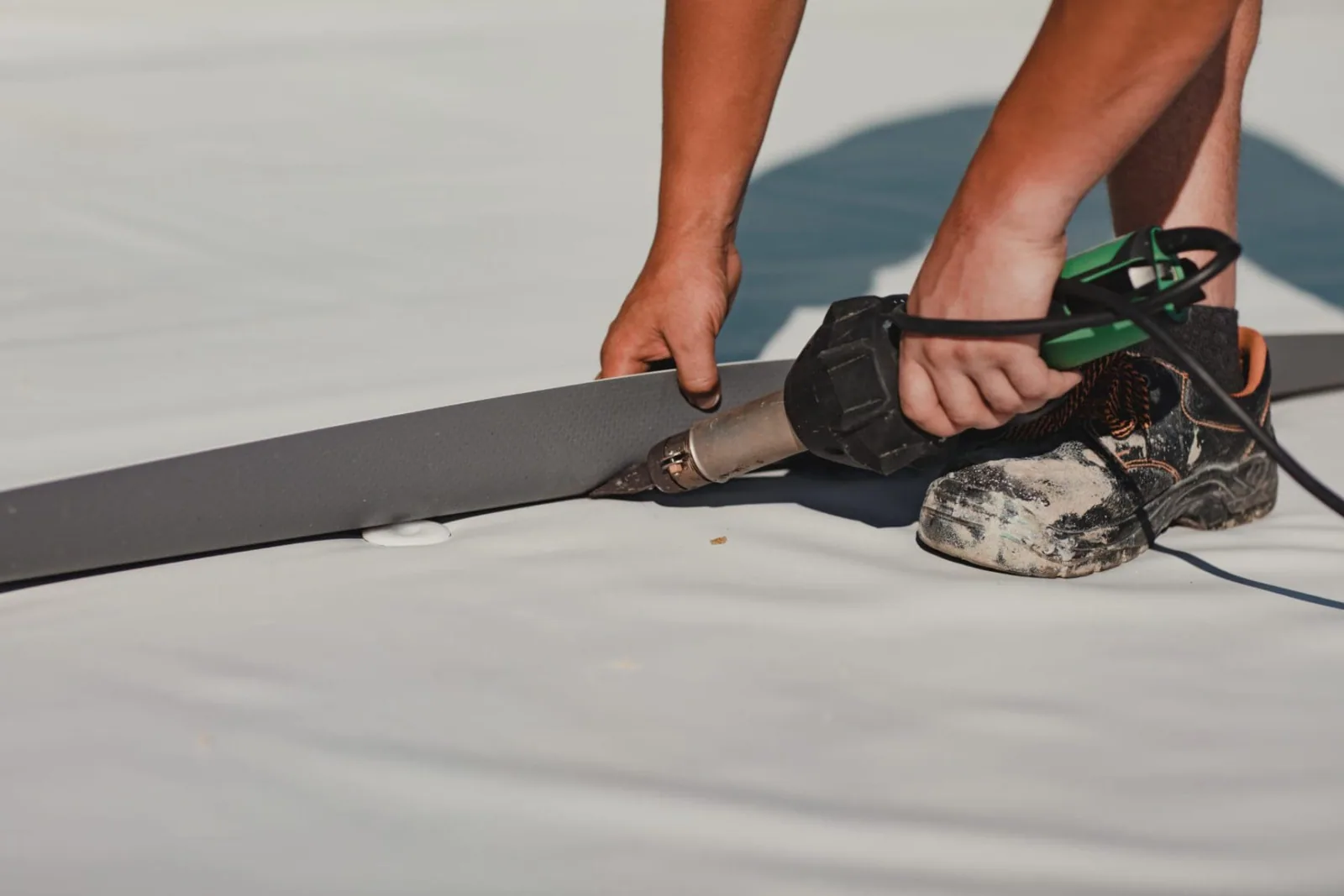
The membrane choice depends on the use. PVC resists the oils and exhaust grease that settle on a service-bay roof, while TPO is a common choice for the showroom. A big-box retail roof is the closest cousin to the showroom, and the North 19th Avenue corridor shows how a busy commercial strip raises the stakes.

Questions About Auto Dealership Roofing
Hail damaged cars on our lot. How do we know if the roofs were hit?
Treat the lot as a clue, not as proof. Stones that dent hoods do not always bruise a membrane, and a lightly damaged membrane can look fine. We walk each roof, check the field, the metal and the skylights, and report what we find with photos. That gives you something to put next to the vehicle claims.
Why does the showroom ceiling stain after every thaw?
Look at the parapet and the curtain wall head. Snow that drifts behind the parapet melts against the wall, and if the flashing is open at the top or the sealant has failed, the water runs down into the ceiling cavity. We open a small test area, trace it back and rebuild the termination.
Can PVC and TPO share one dealership?
They can, on separate buildings. The two membranes do not mix at a seam, so a single roof gets one type. A common split is PVC over the service building where grease and exhaust are present and TPO over the showroom. Sheet metal and penetrations are chosen to suit each.
Should snow guards go on the canopy?
If the canopy is metal and sloped, yes. Guards slow the slide and release the snow in small amounts. If the canopy is flat, the better fix is a cleared drain and a flashing detail that does not allow ice dams.