
Hail Damage Roof Repair in Bozeman, MT
Hail Damage Roof Repair in Bozeman and the Gallatin Valley
A skylight on a fire station roof is a fair witness to a hailstorm. In June 2010 the Fire Station 2 skylight on North 19th Avenue took a hit, and the downtown station lost the windows in its bay doors, all in a storm that lasted about half an hour. The glass is easy to count. The roof beside it is harder. A flat commercial membrane hit by golf-ball stones can carry bruises that do not leak for a season. When the stones fell on your building, what did they do to the sheet you cannot see from the ground?
I answer that with a hand, a flashlight and a core cutter, in that order.
How big do the hailstones get in the Gallatin Valley?
Large enough to matter more than once in a roof's life. Baseball-size hail struck east of Gallatin Field on June 30, 2010, while golf-ball stones fell on Bozeman, and the stones ripped the marquee of the Ellen Theatre downtown. Early August 2013 brought golf-ball stones to Belgrade and north Bozeman again, this time with 89 mph gusts. On May 25, 2023, a report logged 1.50-inch hail for several minutes along the Gallatin River northwest of Bozeman Hot Springs.
Those are three reported storms across thirteen years, and each hit a different part of the valley. A building owner who has not seen hail on a roof in a decade should not assume the roof has been spared. The path of a storm is narrow, and what a roof sees depends on where the cell crossed.
What is a hail bruise, and why does it matter?
A bruise is damage you can feel but not always see. A stone hits a membrane over insulation, the sheet flexes, and the reinforcing scrim or the insulation beneath cracks or crushes. The surface may look unmarked. Weeks later a soft spot or a small fracture appears, and water moves in through it. On a built-up or modified bitumen roof, the impact can knock granules off and expose the asphalt to the sun. On a single-ply sheet, it can fracture the fabric reinforcement.
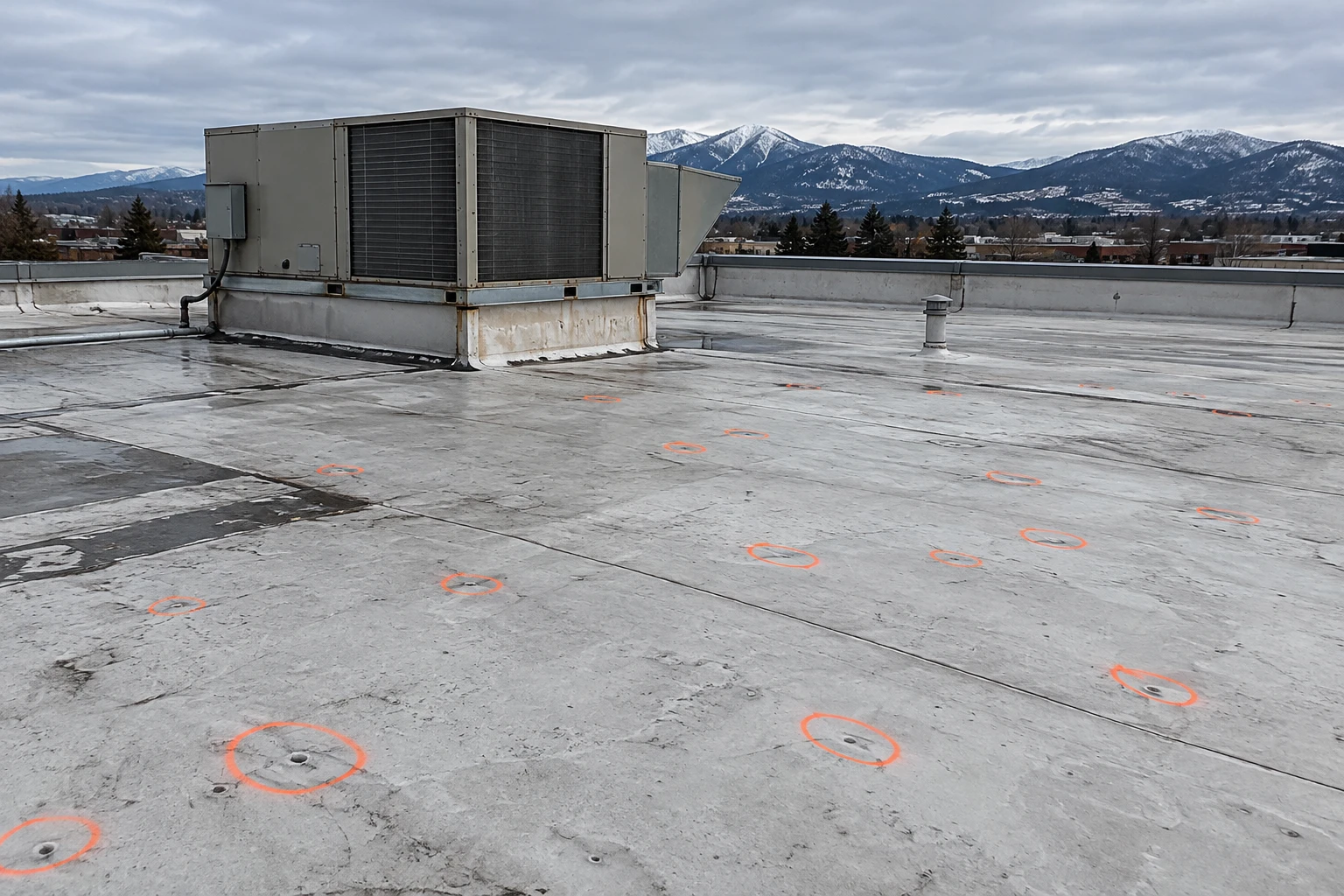
We find bruises by walking the field with a low-angle flashlight, pressing with a gloved hand and using a moisture meter where we suspect trouble. Then we cut cores in the worst-looking areas to see what is under the surface. The core tells us whether the insulation is crushed or wet, and whether the membrane is cracked all the way through. Everything we find gets marked, photographed and mapped on the roof plan.
Do all roof systems take hail the same way?
No. A thick, cover-boarded TPO or PVC assembly absorbs the blow better than a thin one over soft foam board. A gravel-surfaced built-up roof spreads the impact but loses granules and stone. An aged, brittle membrane cracks where a newer sheet would have flexed. Standing seam metal usually dents before it leaks, and the question for the owner is whether the dents are cosmetic or whether the finish and seams were hurt.
Age matters as much as system. A roof that was already close to the end of its life will show more damage from the same stone, and the line between hail damage and age is what the adjuster argues about. We write the scope so each finding is tied to a photograph and a location.
What does the repair involve?
A bruise found early gets a patch: cut out the cracked area, replace crushed insulation, and weld or bond a new section of membrane over it. A roof with widespread damage may need a recover or replacement, since patching hundreds of small cracks costs more than the system is worth. Flashings, skylights, vents and metal edges get checked in the same pass. A hail-cracked skylight dome gets replaced, a dented gutter may be re-formed, and a damaged unit cover is repaired or swapped.
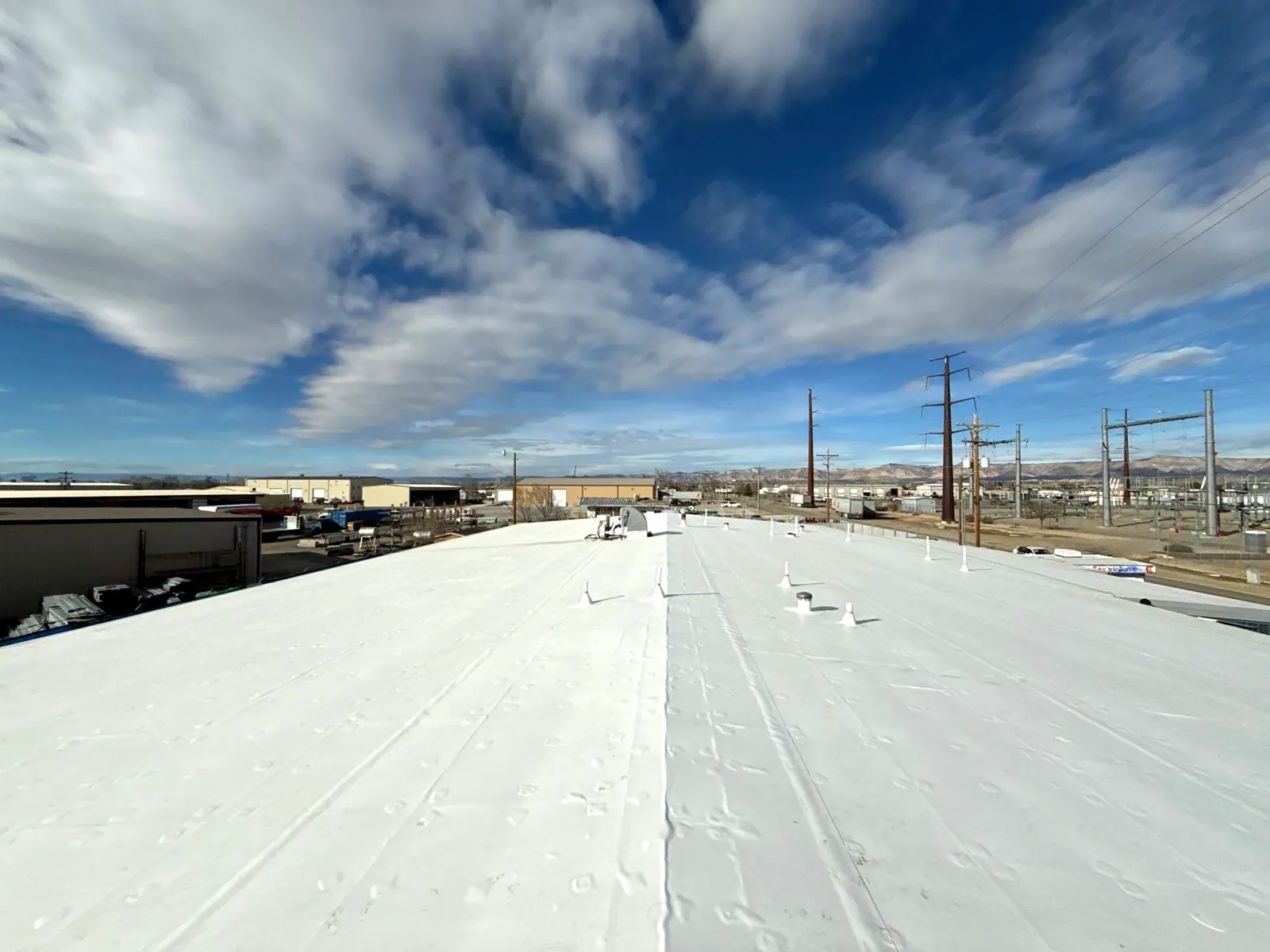
Where the roof can stay in service, we may recommend a coating after repairs to seal micro-fractures and shade the surface from further sun damage. Hail repair builds on the first-day record from storm damage repair: photographs, a roof plan and a dated list of hits.
Sequence matters on a damaged roof. We dry and stabilize first, because a crushed insulation board that stays wet will swell and lift the membrane above it. Then we repair or replace the bruised zones, test the new seams, and only then talk about coatings or recovers. Doing it out of order is how an owner ends up paying for the same square twice.
Which buildings in the valley need a hail check first?
The ones with the most exposed roof and the least cover. Retail boxes along North 19th Avenue have wide roofs without shade. University buildings near Montana State University have west- and south-facing walls, where most of the 2010 window breakage happened, and their roofs sit under the same sky. Warehouses and flex buildings around Belgrade were under the 2013 hail, and Springhill lies in the same northern Gallatin Valley.
Hospitals, clinics and schools carry the highest consequence for a leak, so we put them first in a post-storm sweep when an owner has several buildings.
How soon does the claim clock start?
Policies set their own deadlines for reporting hail, and a roof that sat through a winter before anyone looked is harder to defend. Dated photographs, core results and a moisture map make the claim easier to document. We give the owner a written record and a repair scope that the adjuster can compare against their own findings, and our claim assistance keeps that record organized.
Owners with several buildings in the valley can ask us to sweep them in one pass after a storm, ordering the visits by use: clinics and classrooms first, then retail, then storage. Each building gets its own record, so one claim does not hold up another.

Questions About Hail Damage Roof Repair
We had hail last summer and nothing leaks. Is it worth a look now?
Yes. Bruises often take a winter of freeze and thaw to open. The moisture gets into the cracked scrim or crushed insulation, freezes, and widens the flaw. A survey before the next storm season confirms whether the damage is cosmetic or active, and it gives you a dated record if you need to file.
Is a dented metal roof a leak waiting to happen?
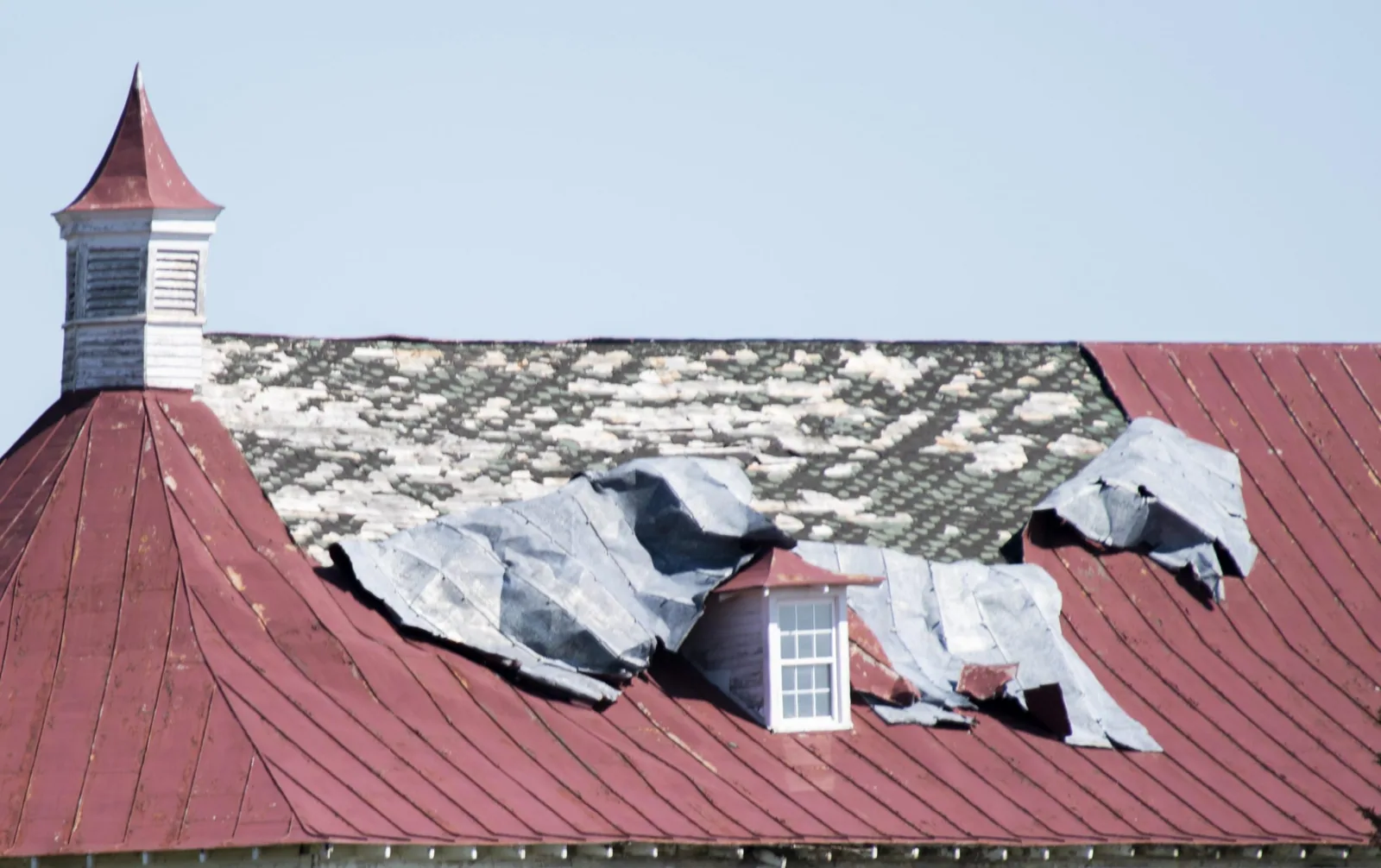
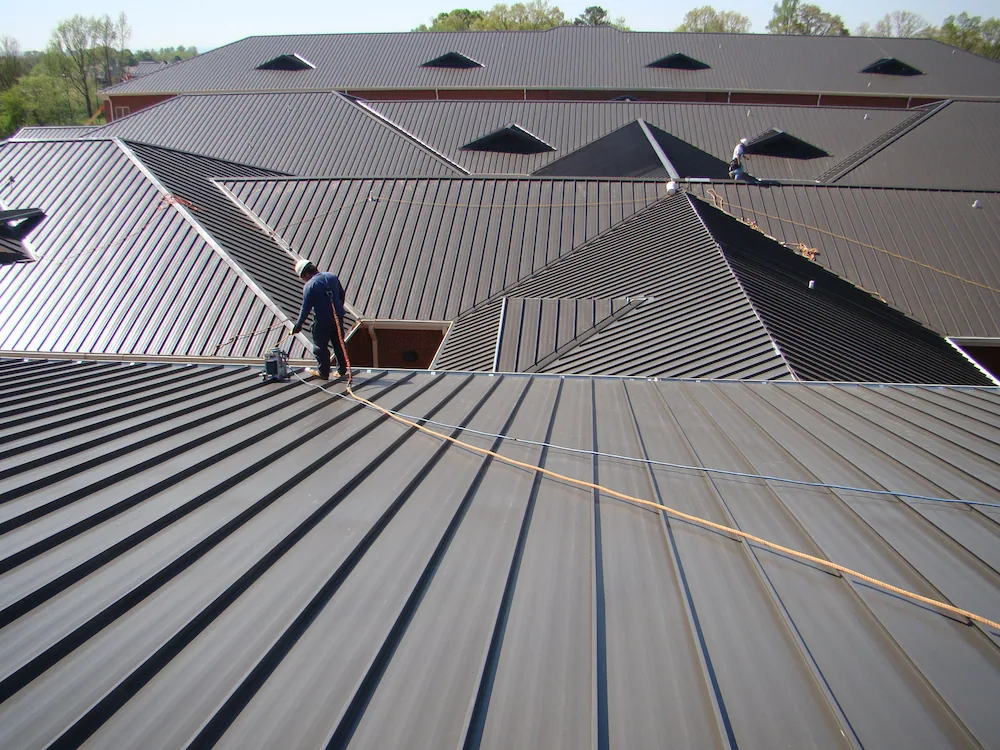
Not by itself. Dents in a standing seam panel are often cosmetic, and the roof drains as designed. We check whether the finish cracked, whether seams or clips moved, and whether fasteners loosened. If those hold, the owner decides whether the look matters. If the coating is broken, the dents can corrode and become a problem.
How big does hail have to be to damage a commercial roof?
The threshold depends on the roof. A new, thick, cover-boarded membrane may handle golf-ball stones with little more than cosmetic marks, while an old, brittle one can be cracked by smaller ones. We do not judge by stone size alone, and we check the specific roof with cores and a moisture meter.
Can we repair hail damage ourselves with sealant?
A dab of sealant on a visible crack may hold briefly, but it does not fix crushed insulation or a fractured reinforcement layer below the surface. The crack will return, and moisture trapped under the sealant makes the problem worse. A proper patch removes the damaged layers and replaces them.
What if an adjuster says the damage is only wear and tear?
We bring the evidence. Hail leaves a recognizable pattern, with impact marks in a consistent direction and concentrated on the windward side, while age wear spreads evenly. Our photographs, core samples and roof plan show where the marks fall, and we explain the pattern to the owner so the discussion with the adjuster is based on what the roof shows.