
College and University Roofing in Bozeman, MT
College and University Roofing in Bozeman and the Gallatin Valley
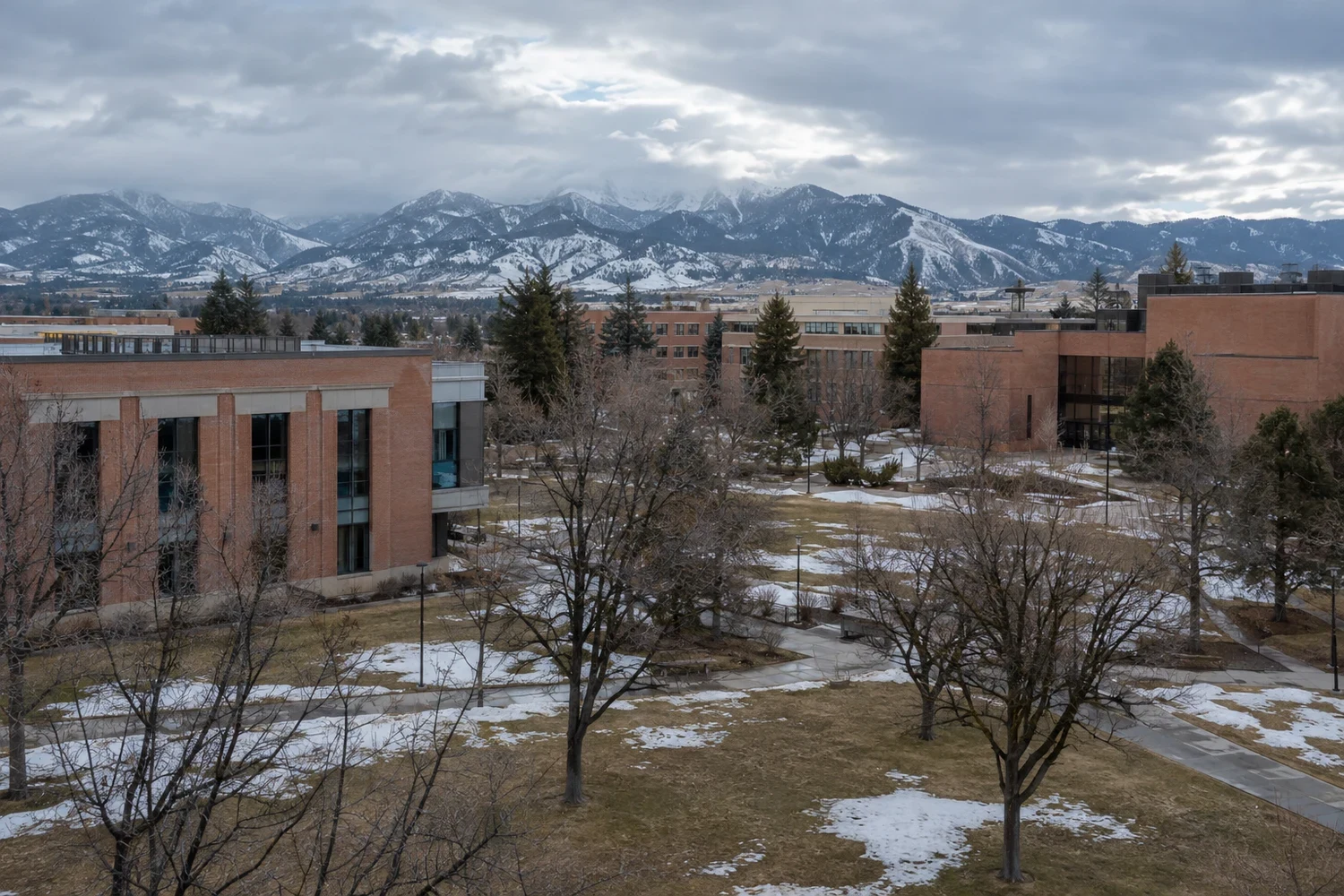
On a campus, the roof you can see is the smallest part of the roof problem. Montana State University spreads across 1,170 acres on the south side of Bozeman, MT and enrolls about 17,165 students, and the buildings on a campus like that were put up in different decades for different uses. A laboratory with air handlers on the roof sits beside a lecture hall with a quiet low-slope field. Which one should a facilities manager worry about first, and which one can wait for the next break?
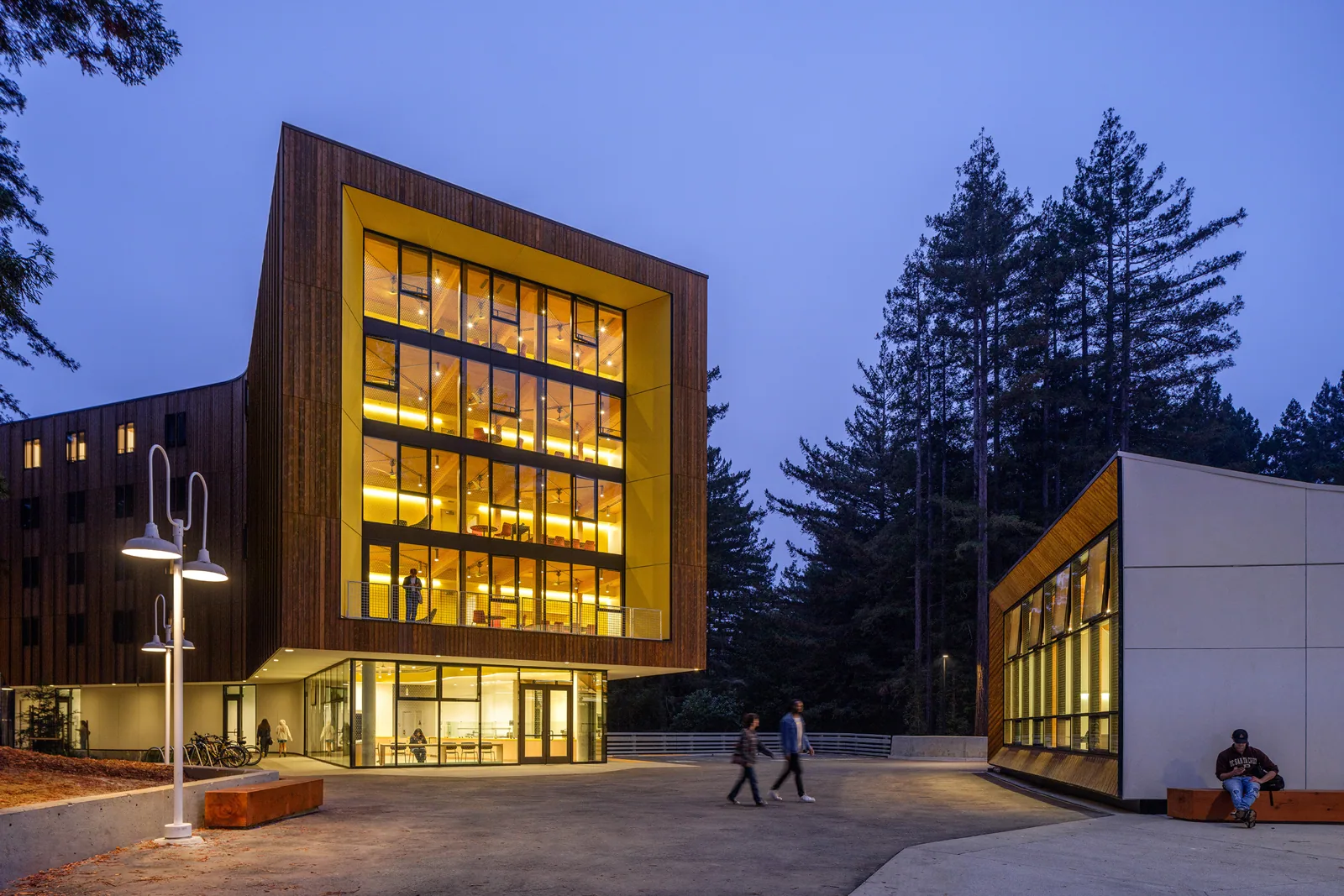
What kinds of roofs make up a campus?
A campus roof inventory is rarely uniform. Research buildings are the kind of structure that carries heavy mechanical equipment, with curbs, ductwork and exhaust penetrations across the field. Lecture halls and classroom blocks tend to have simpler fields with fewer penetrations, while older masonry buildings may carry parapets and built-in gutters.
I walk each roof type with a different checklist. On a lab roof I count mechanical room curbs, check the sealant at every duct penetration and look for corrosion around exhaust fans. On a classroom roof I look at drains, seams and the wall terminations. The inventory comes first because the right repair on one roof is the wrong repair on another.
Where does snow load show up first on a campus?
Roof load on campus starts from a listed 50 psf of ground snow, in a city that sees around 91 inches a year. At the roof level, that load does not spread evenly. It builds as a drift behind a parapet, against a mechanical enclosure, and in the valley between two roof levels. Where a lab penthouse stands next to a lower classroom roof, snow slides from the high roof and piles on the low one, and the low roof carries more than its neighbors.
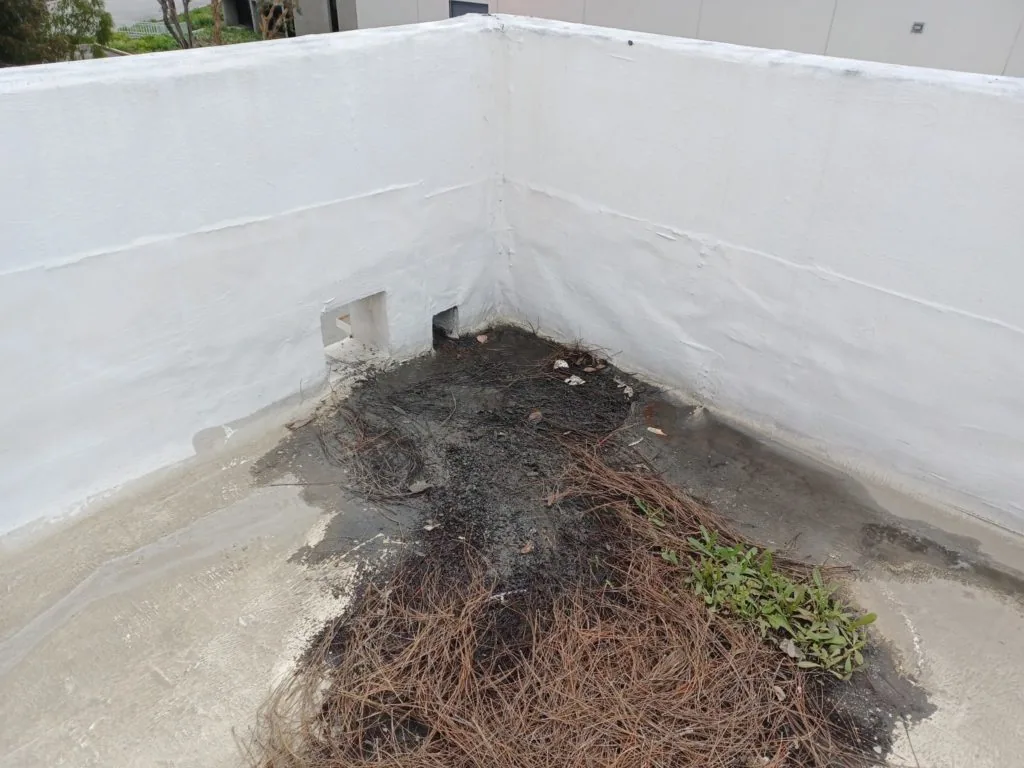
I check those lower roofs for sag, ponding and stressed membrane first. A shallow dish in the surface after a thaw tells me the deck has flexed. If I find it, the work begins with the structure and not the membrane. Clearing and resizing roof drains and scuppers deals with the outlet side of the same problem, since a drain that freezes at the sump turns every thaw into a pond.
What did the 2010 hail teach about campus roofs?
On June 30, 2010, two storms crossed the valley. Baseball-size hail fell east of Gallatin Field, while golf-ball stones, falling for about thirty minutes, took out dozens of Montana State University windows. If hail breaks windows, it bruises membranes, and a bruise does not show from the ground. A campus with many roofs can have several damaged in a single storm and only learn of it from a ceiling stain months later.
After any storm of that size, the right step is a walk of every roof, a photograph of every bruise and a moisture reading beneath the worst ones. We assemble the file for the university's carrier, with the cosmetic marks separated from the damage that let water in. The same storm tore up the Ellen Theatre marquee downtown, which shows how far the damage ran across the valley, and in 2013 golf-ball hail reached Belgrade and north Bozeman again. Good roof insurance claim assistance keeps a multi-building claim organized by building, by roof section and by date, so no area is counted twice or missed.
How do you reroof around classes and research?
The academic calendar sets the first constraint, and the research schedule sets the second. A teaching hall can be reroofed in summer, with noisy tear-off kept to the hours before classes start in the autumn. A lab cannot lose its exhaust or its air handling for a day without a plan, so rooftop equipment is shut down only when the researchers have signed off.
The crane pick is scheduled for a quiet morning, and the staging area is chosen so deliveries do not cross a pedestrian path. Dust and fumes are kept away from air intakes, which means we mark every intake on the roof plan before work begins. On a campus the neighbors are students, researchers and visitors, and each needs notice. This is the working reality of occupied building reroofing.
Which systems suit a university building?
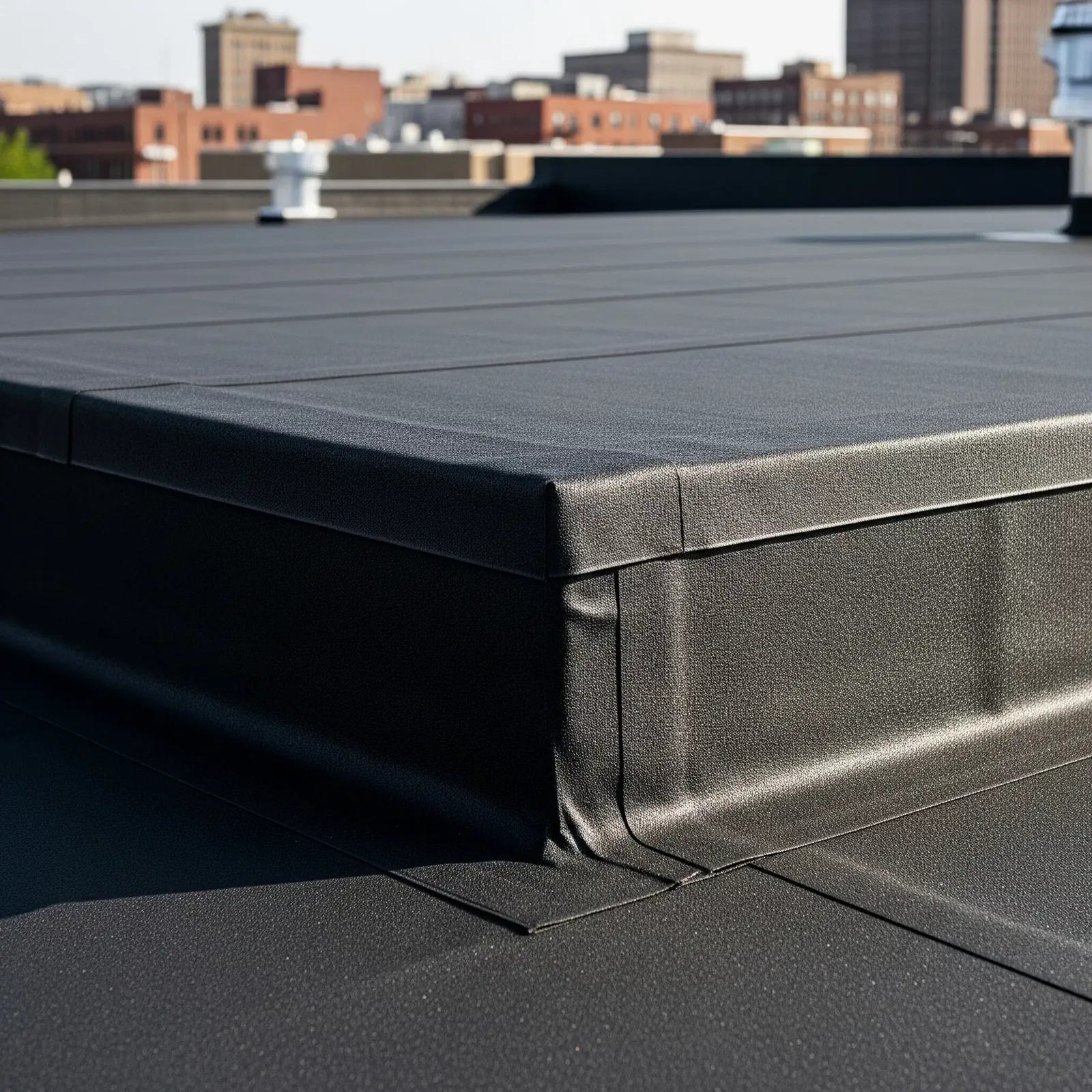
A lab roof with many penetrations favors a membrane that can be flashed and repaired easily, such as TPO roofing or EPDM roofing. A historic or visible building may call for standing seam metal. A roof that will be walked by service crews every week needs walkway pads or a tougher membrane.
Rooftop equipment adds its own demands. A mechanical room curb needs flashing high enough to clear drifted snow, and the supports under heavy units must be checked before a new membrane goes around them. Replacing a failed curb flashing while the unit is still in place is slow, so the plan calls out which units can be lifted by crane and which must stay put.
Insulation depth is the other lever. A university with energy goals can specify more insulation during replacement, and a cover board improves hail resistance. Each choice comes with the installed cost, the work window and the maintenance that follows, so the committee can compare them side by side.
How does a facilities office plan roof spending?
The best plan starts with a ranked list. We survey each roof, grade its condition and estimate remaining life, and then spread the work across years so that no summer carries more than the crews and the budget can handle. Roofs near the end of their life go first, and roofs with active leaks over labs go before those over storage. Winter work is limited to repairs, so the plan reserves the cold months for drain clearing and inspection, and the warm months for tear-off and coating. Each building gets a folder with photographs, core results and a repair history, which keeps knowledge from leaving when staff change.
That list also helps when a department asks for a new rooftop unit, because the curb and the membrane around it can be upgraded in the same visit. The same ranking works for buildings in the Montana State University area. Residence halls get the checklist used on an apartment roof, and K-12 buildings, as in school roofing, share the summer window.



Questions About College and University Roofing
A lab manager worries about fumes during tear-off. What do you do about air intakes?
Every intake is marked on the roof plan before work starts. We keep hot work, adhesives and solvents well away from them, schedule fume-producing steps for times the lab approves and use low-odor products where the system allows. If an intake sits close to the work zone, it can be covered or the air handler paused for a set window.
How do we know which of forty roofs to replace first?
Survey them all and grade each one: age, drain condition, moisture, past repairs and what sits beneath. A roof with wet insulation over a lab or a records room moves to the top. A roof in good shape moves down. The ranked list becomes the multi-year plan.
Can hail damage be separated from normal wear on an old campus building?
Yes, with photographs, a roof diagram and moisture readings under each mark. Random impact bruises in a scatter pattern indicate hail, while uniform wear indicates age. The file separates the two so the carrier sees only what belongs in the claim.
Is it better to reroof in summer or in the shoulder seasons?
Summer is the main window because classrooms are empty and adhesives cure well. September and early October can work for smaller sections if the forecast is dry. After the first lasting snow, we limit work to temporary repairs.