
Spray Polyurethane Foam Roofing in Bozeman, MT
Spray Polyurethane Foam Roofing in Bozeman and the Gallatin Valley
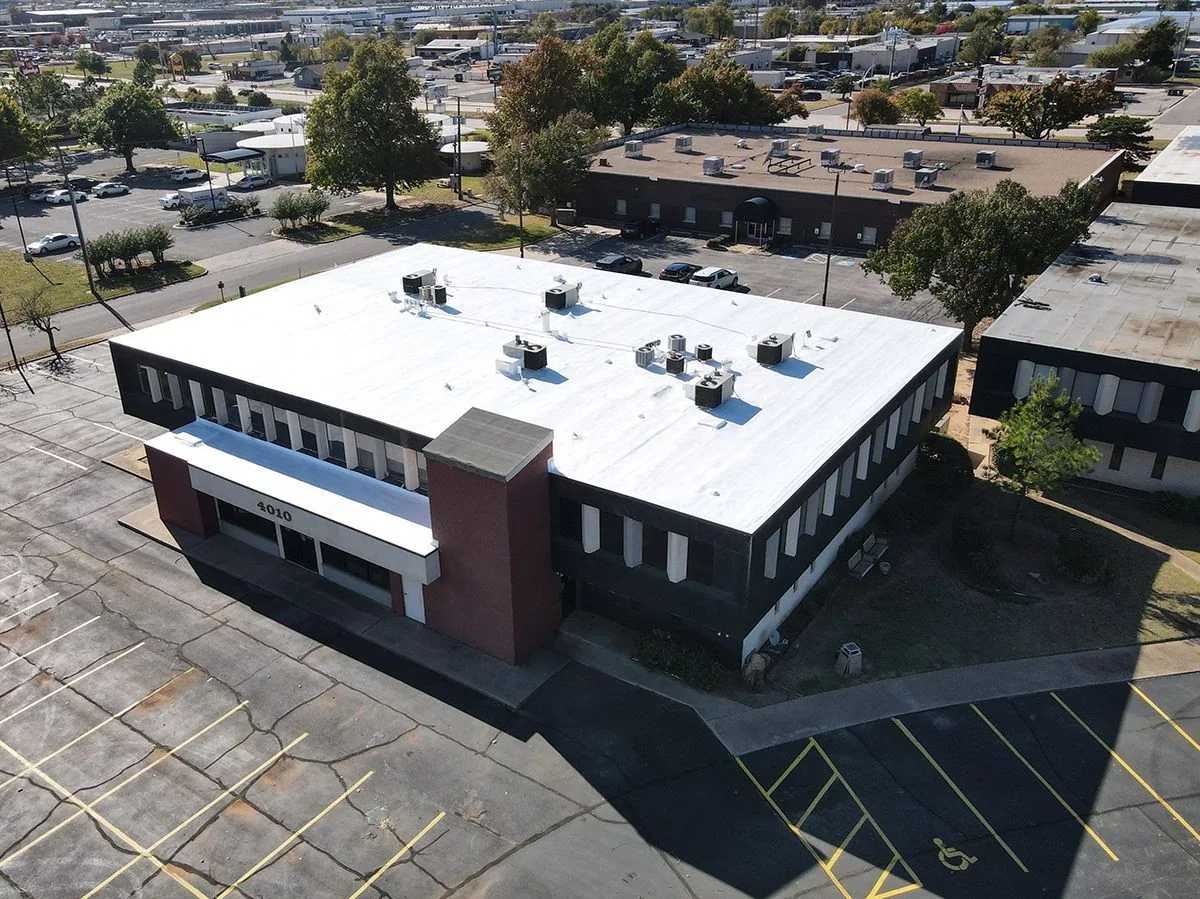
Spray foam is the one roof you can read like a surface map. On a cold-storage or research building in Gallatin County, the foam shows its age in the coating: chalking, hairline cracks, a patch where hail dimpled the skin and a streak where meltwater has run for years. There are no seams to probe, so the story is told by the topcoat. Bozeman, MT takes roughly 91 inches of snow a year and sees repeated thaw cycles, so the coating over foam takes a winter of ice before it faces the summer sun. Is your foam roof still wearing its coat?
We install, repair and recoat spray polyurethane foam roofs across the valley, and we describe what is on the roof before we describe a price.
What is a spray foam roof, and what does it do well?
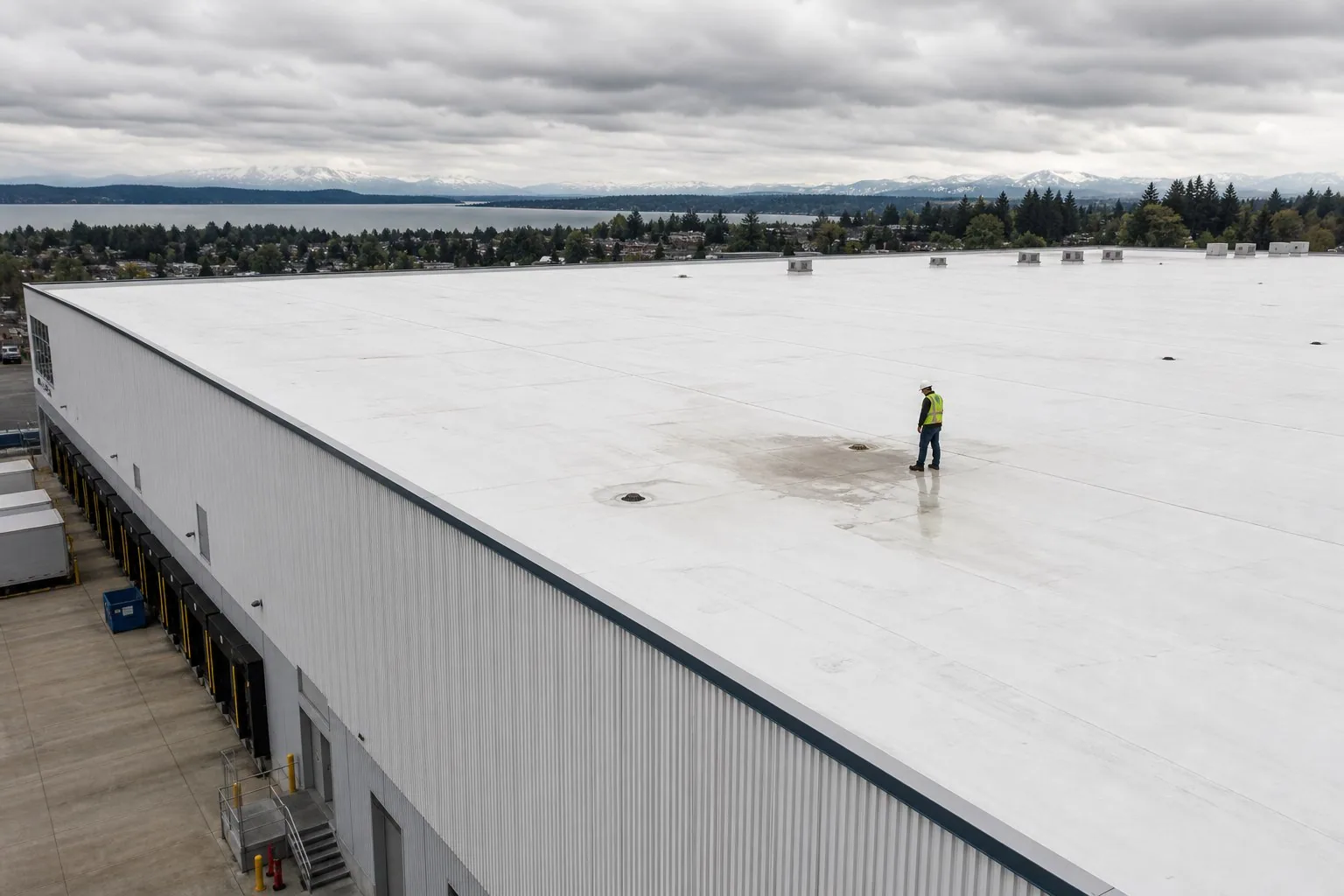
Spray polyurethane foam, or SPF, is a two-part liquid sprayed onto the roof, where it expands into a rigid, closed-cell foam. It forms a continuous layer of insulation and waterproofing in one pass, with no seams or laps, and it follows irregular shapes such as curbs, pipes and uneven decks without special flashings. The foam is then covered with a protective topcoat, usually a silicone or acrylic coating, to shield it from sun and weather.
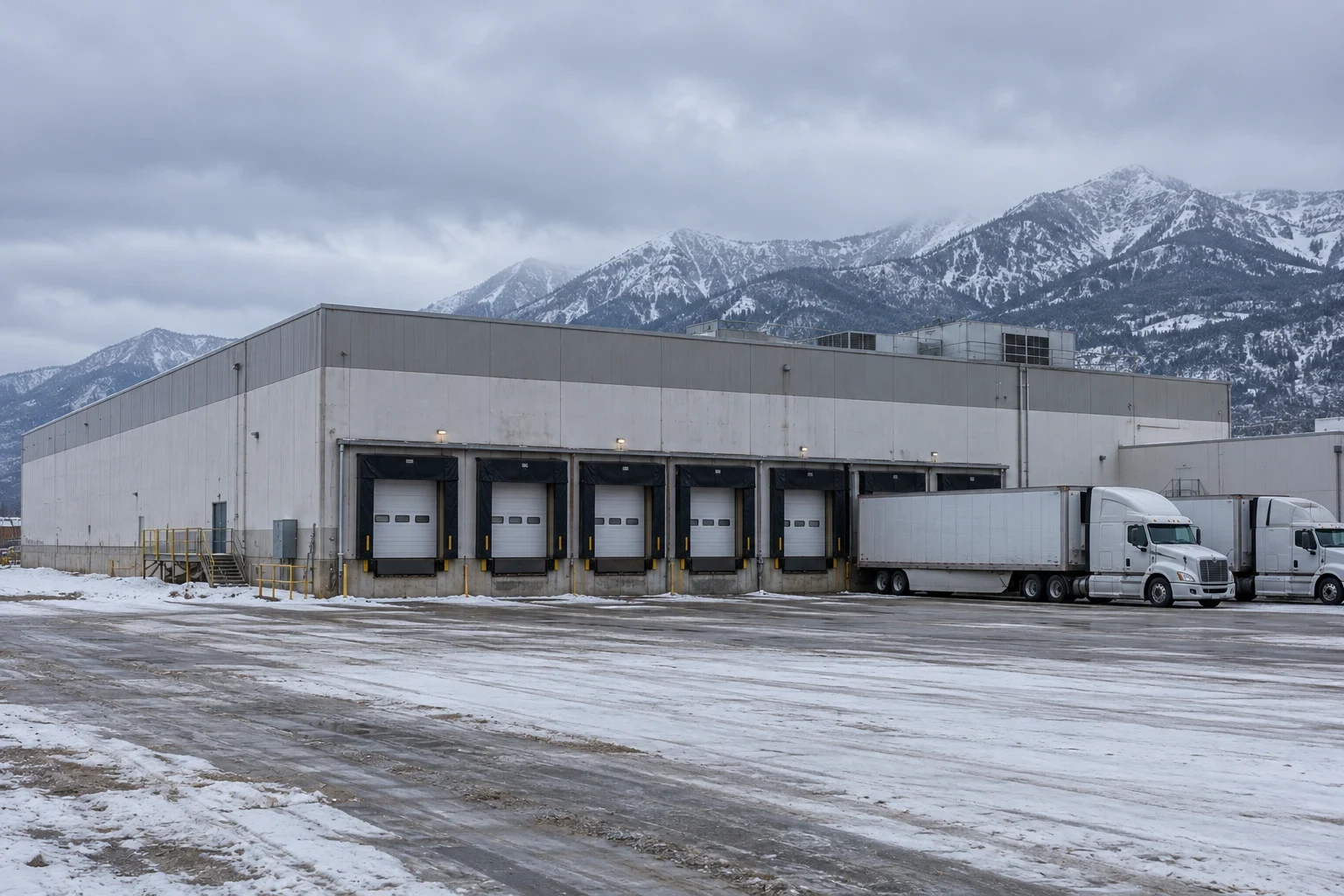
That mix of insulation and waterproofing suits buildings where energy performance and a tight envelope matter, such as cold-storage buildings, laboratory and agricultural buildings. Montana State University has research buildings, and a research roof is the sort of building where a tight envelope earns its keep. The roof is read on site, and the system is matched to the use.
What limits when foam can be sprayed in the Gallatin Valley?
Foam is sensitive to weather during application. The surface must be clean, dry and above a minimum temperature, the air must be calm enough to prevent overspray drift, and no moisture can reach the foam while it cures. With January lows near 15 degrees F and snow lying on roofs through much of the winter, the application season is short. A single morning dew or a surprise shower can end a day's work.
The coating then needs its own dry window to cure before the first rain or snow. That is why SPF jobs here are scheduled for the warm, dry stretch, with backup dates, and why an owner who misses the window should plan temporary protection through the winter, not a rushed application in the cold.
Why does the topcoat matter so much?
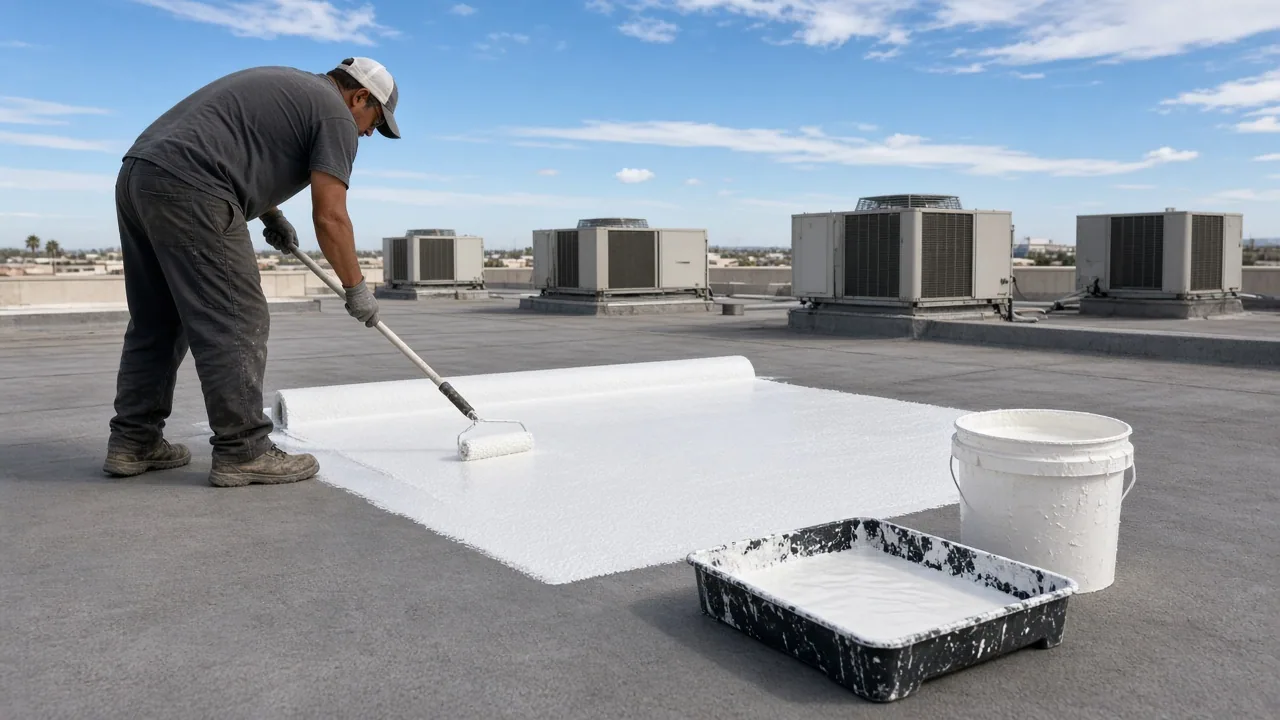
Foam breaks down in ultraviolet light, so the coating is its sunscreen. A topcoat that has thinned, cracked or peeled exposes the foam, and exposed foam erodes. The usual maintenance is a recoat on a schedule that depends on the coating type and the exposure. A silicone coating tolerates ponding well. An acrylic coating costs less but does not like standing water.
We measure coating condition by eye and by gauge, noting thin areas, cracks and blisters. A coating inspection each fall catches the weak spots before winter. Because the foam has no seams, the coating is the system's only defense, and keeping it intact is the maintenance plan.
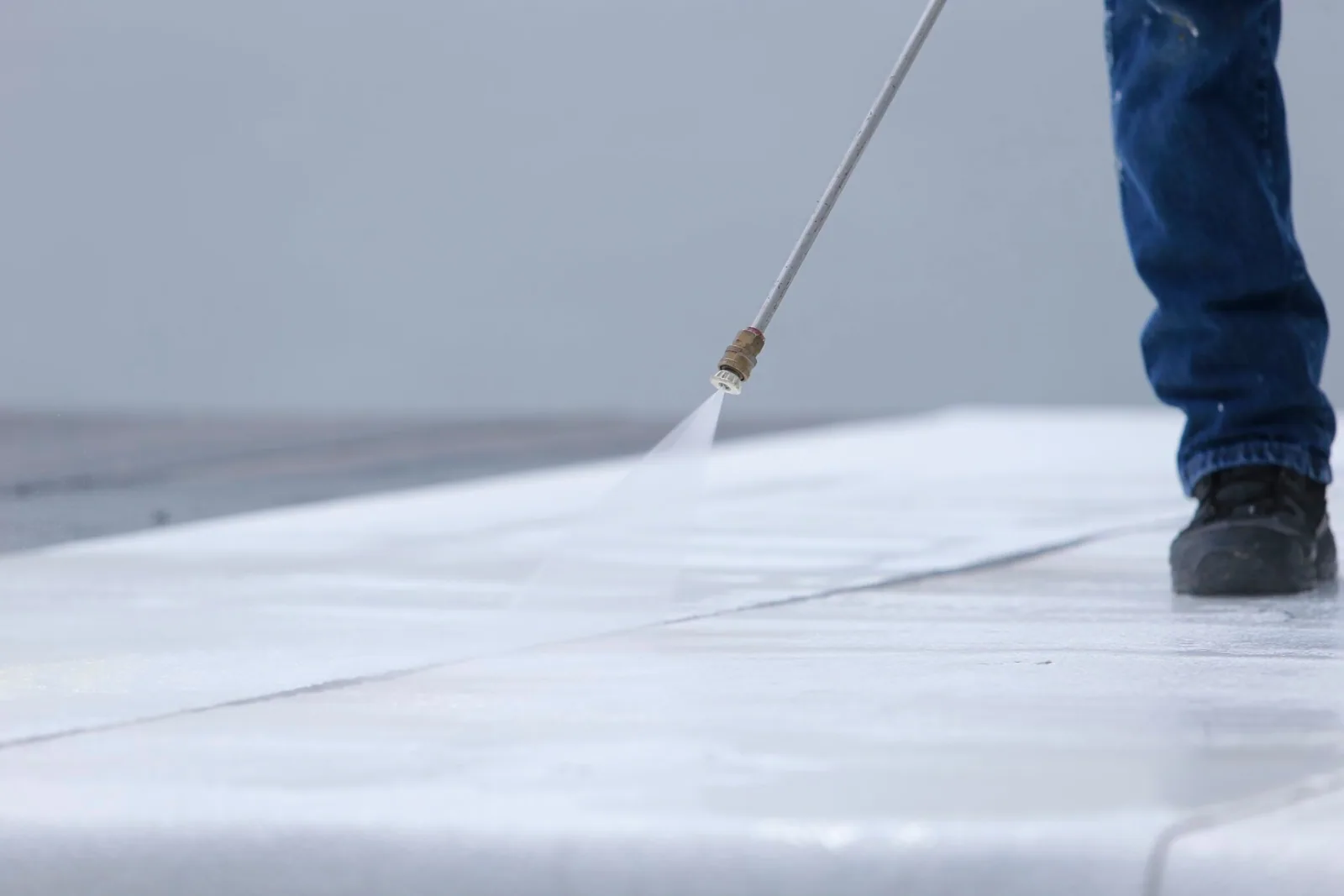
Recoating is straightforward when the surface is prepared. The roof is power-washed, loose coating is removed, cracks are bridged with fabric and sealant, and the new coating goes on at the thickness the manufacturer specifies. We take thickness readings and photographs, so the owner has a record that the work matched the spec.
What does hail do to a foam roof?
Foam is firm but not hard, and a large stone can dent it and break the coating. Golfball stones pelted Bozeman on June 30, 2010, and a second storm in early August 2013 spread them over much of Belgrade and north Bozeman, wrecking grain crops across Gallatin County. A May 2023 storm report lists 1.50-inch stones along the river northwest of Bozeman Hot Springs.
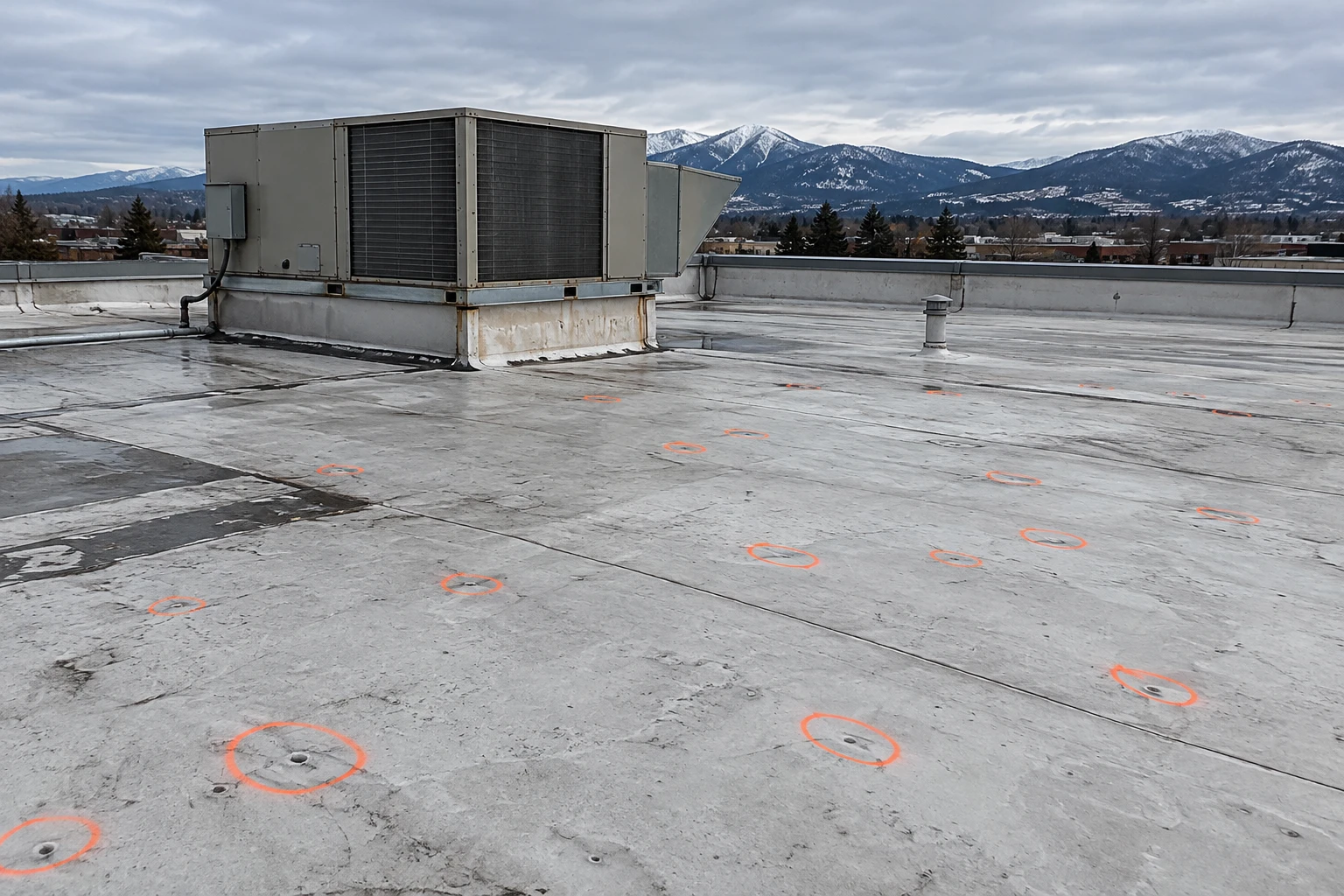
After such a storm, we walk the roof and look for dimples, cracks in the coating and exposed foam. A small break can be cleaned and patched with foam and coating. A broad pattern of breaks calls for a recoat or more. We photograph each break with a scale, and our hail damage repair record helps support an insurance claim.
How do we find trouble in a roof with no seams?
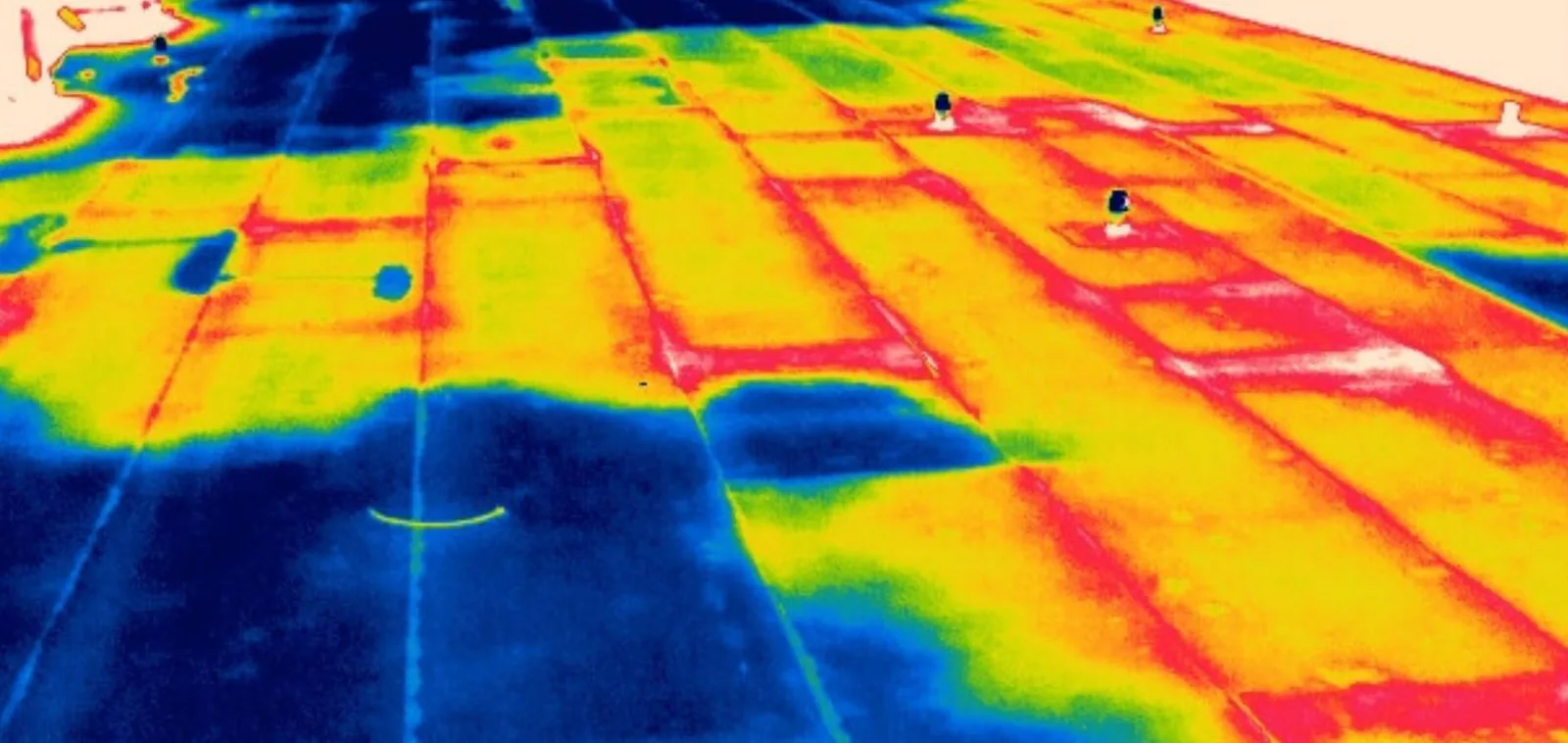
Water gets into foam through cracks and breaks in the coating, and then it spreads under the skin. An infrared moisture survey helps find those wet areas, and core cuts confirm what the scan suggests. If the foam is dry, a repair can be local and quick. If the foam has absorbed water over a broad area, the wet foam must come out.
The same rule holds as for any insulated roof. We never coat over wet foam, since the coating traps the water and the damage grows beneath it. The survey and the cores come first, and we show the results to the owner on a plan. A leak repair that starts with those results is the one that holds.
Sites around Belgrade and the Gallatin Field airport area need a second look at wind. Gusts such as the 89 mph recorded across Belgrade and north Bozeman in August 2013 find any edge where foam has lifted. We check the foam at parapets, curbs and edges, where adhesion matters most, and we probe the coating for blisters, which often mean trapped moisture or gas. A blister that is cut open and found dry gets patched, and one that weeps water means the foam beneath has to come out.
How does foam handle snow, drifting and foot traffic?
On the load side, Bozeman's design numbers are 50 psf for ground snow and 110 mph for wind. Foam is light, so it adds little dead load, and its adhesion to the deck resists wind uplift well when the substrate was prepared properly. Drifts still matter on any roof, and we check the drift zones and drains on every walk.
Foot traffic is the weak point. Rooftop service crews can crush foam and crack the coating along repeated paths. We recommend walkway pads along those paths, and we mark and repair any damage after service visits. A roof with many units, such as a lab building, benefits from a service log that records who went up and where.
Questions About Spray Polyurethane Foam Roofing
How often does a spray foam roof need recoating?
It depends on the coating and the exposure. We recommend an annual inspection of the coating and a recoat when thin spots, cracks or chalking appear, which is far cheaper than repairing eroded foam.
Can foam be applied over an existing roof?
Often, if the existing roof is dry, sound and clean. Moisture scans and cores come first. Foam over wet insulation traps water, so we do not proceed until the roof passes.
Why is foam not sprayed on a cold or windy day?
Cold stops the chemicals from reacting properly, and wind blows overspray onto cars and neighbors. Rain, dew or frost on the surface ruins adhesion. We schedule around those limits, with backup dates for the warm season.
What if a roof walker punctures the foam?
Patch it promptly. Cut out the damaged foam, dry the area, spray new foam and recoat. Left open, a puncture lets water spread under the coating.
Is foam a good fit for cold storage?
It can be, since it insulates and seals in one pass. A moisture scan, a vapor-control review and a look at the interior conditions come first, because cold interiors push moisture toward the roof.