
Cold Storage Roofing in Bozeman, MT
Cold Storage Roofing in Bozeman and the Gallatin Valley
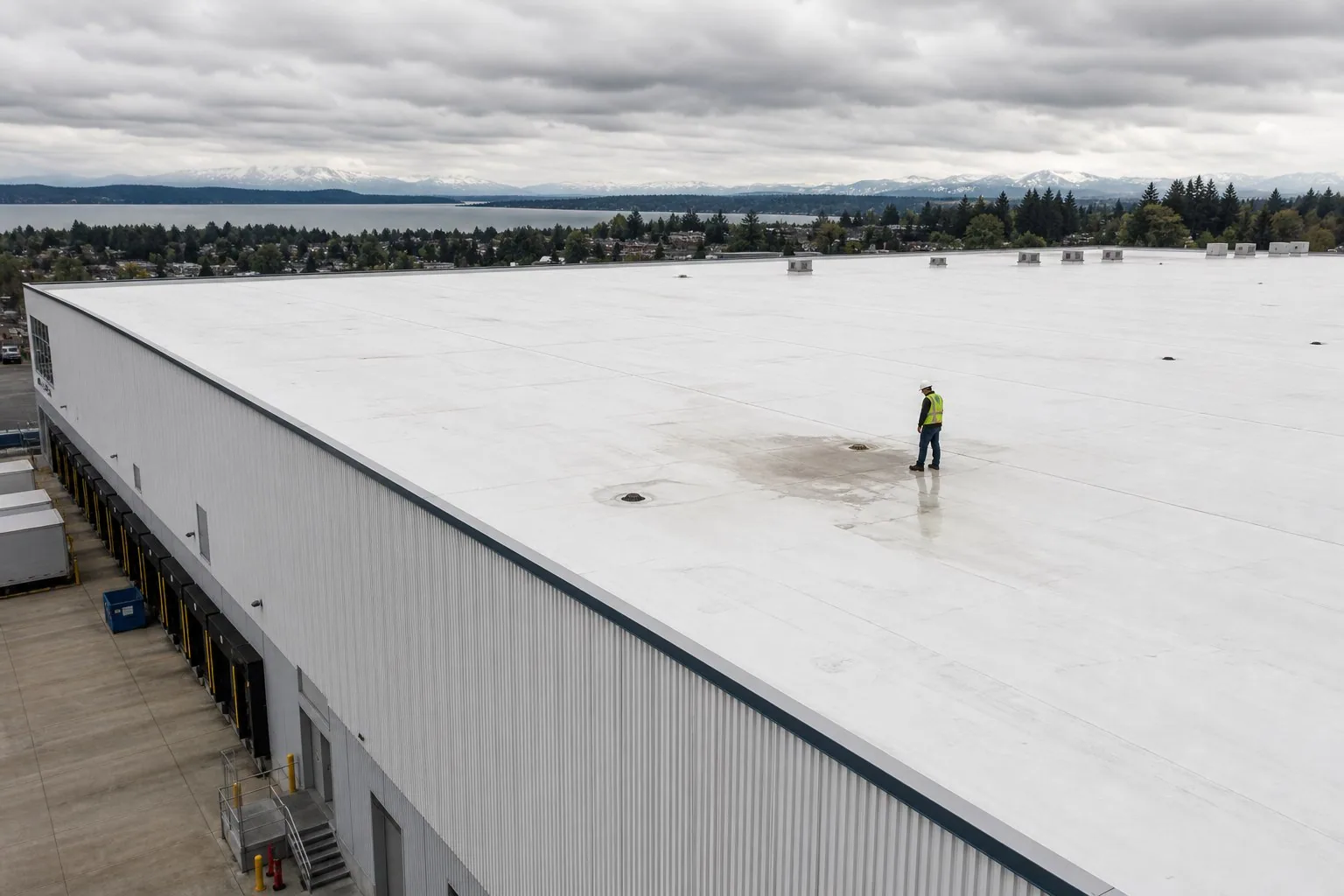
The most telling spot on a freezer building roof is the pipe penetration. Where a refrigeration line or a conduit passes through the deck, the cold interior and the outdoor air meet, and a ring of frost or a stain on the membrane marks the place. Cold storage roofs fail from the inside as much as from the weather, because a freezer pulls moisture toward its cold side and any gap in the vapor control lets it in. Bozeman, MT adds winters with January nights near 15 degrees F, a record low of minus 46 and about 91 inches of snow a year. Where does frost show up on your roof?
We inspect, repair and replace roofs on cold storage and refrigerated buildings across the Gallatin Valley, and we start with the insulation, because that is where the damage hides.
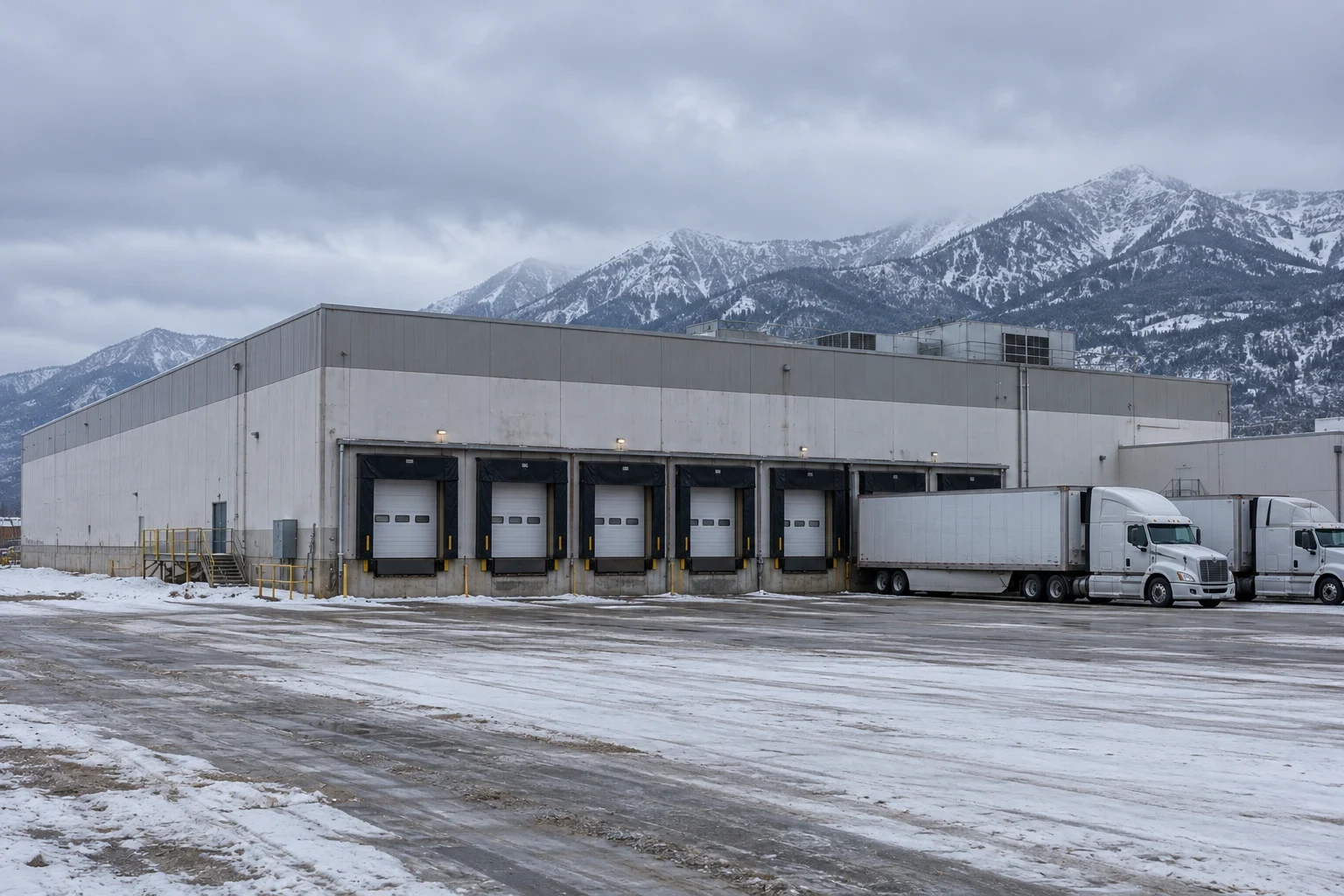
Why is a cold storage roof different from an ordinary warehouse roof?
A cold storage roof sits above a deep temperature difference. The interior may be well below freezing, while the outside air swings from deep cold to summer heat. Water vapor follows the temperature gradient and the vapor pressure, and it moves toward the cold side. If the roof assembly has a gap, a bad seal around a penetration or a damaged vapor retarder, moisture enters the insulation and freezes there.
Frozen, wet insulation loses much of its value. It can expand, lift the membrane and crack seams, and it can stay wet long after the weather has turned. The roof looks fine from above. The energy bill and the frost on the ceiling say otherwise. We treat insulation condition as the main question on every cold storage walk.
Summer reverses part of the picture. A hot afternoon on the roof and a freezer below make the steepest temperature drop of the year across the assembly, and any moisture in the layers is driven hard toward the cold side. That is when a small defect does its largest damage, and it is why the spring walk matters as much as the fall one.
What puts cold storage in the Gallatin Valley?
Bozeman sits on Interstate 90 and U.S. 191, and Montana Rail Link freight rail runs through the valley. Gallatin County is also farm country, and in early August 2013, golf-ball-size hail wrecked grain crops across it. A county that grows grain and sits on a freight corridor has reasons to hold refrigerated space, and buildings near Belgrade and along the highway corridors are plausible sites for it.
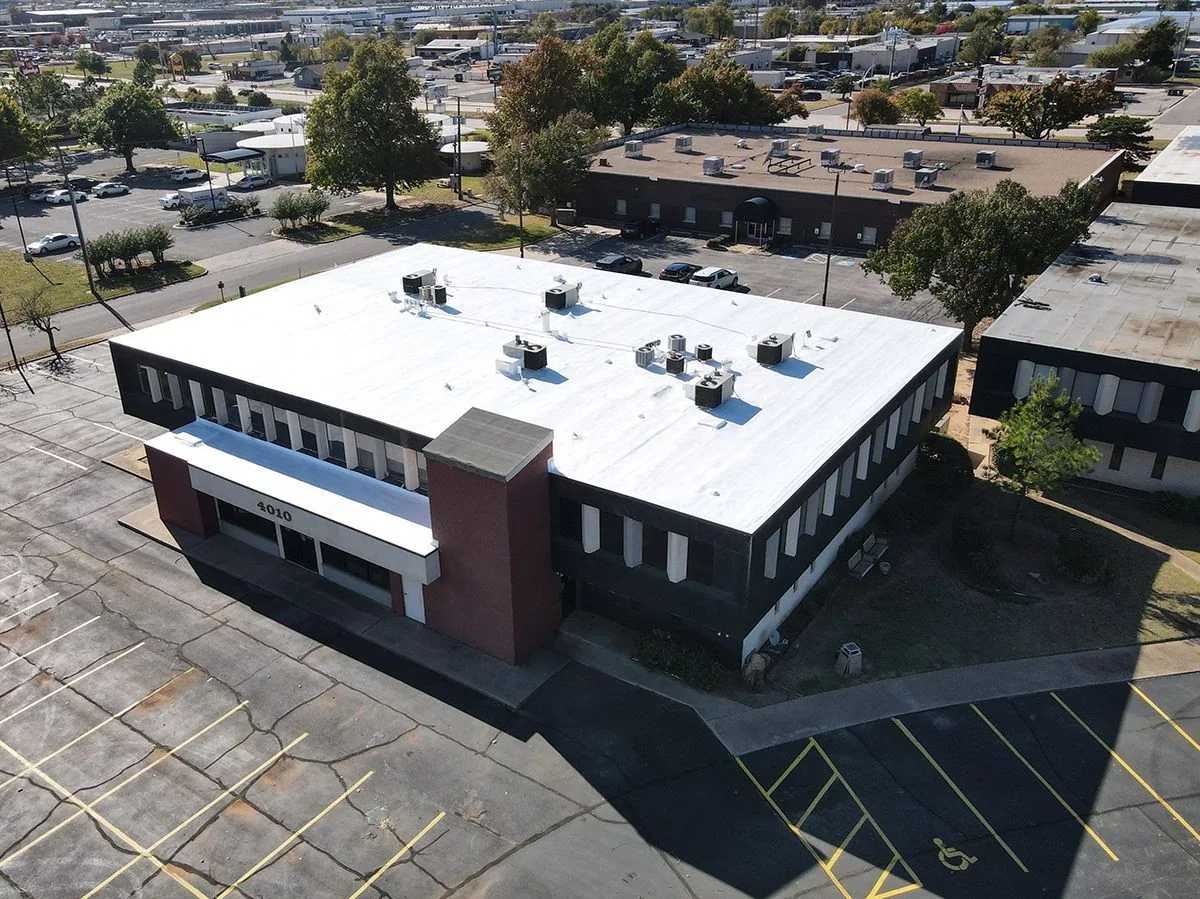
A walk and a plan of the refrigeration equipment tell us what we are working over. Cold storage tied to a distribution center shares many roof issues with it, and the dock side comes first on both. A freezer annex on a plain warehouse is the same story in a smaller footprint.
How do we find wet insulation over a freezer?
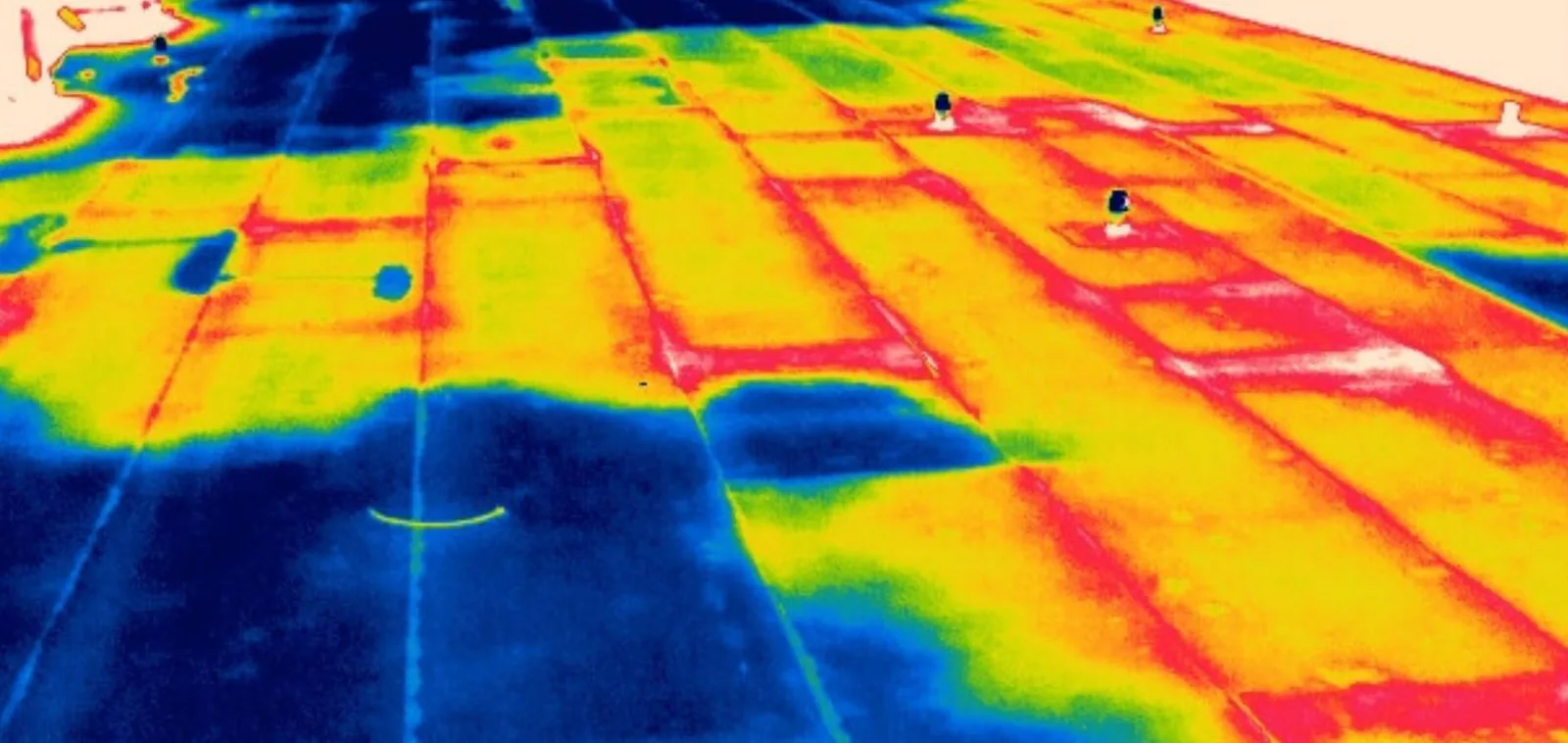
We use three tools. An infrared moisture survey maps temperature differences that suggest wet areas, a moisture meter confirms them and core cuts show what the layers actually hold. On a cold storage roof the survey is done at the right time of day and in the right conditions, because the cold interior alters the thermal signature.
We plot the results on a roof plan. Dry areas stay. Wet areas are cut out and replaced. The boundary line is drawn from data, not from appearance, which controls cost. We also check the vapor retarder where cores are cut, and we repair it before the new insulation goes down. A new membrane over wet insulation does not fix a cold storage roof. It seals the problem in.
Which details matter most on the roof?
Penetrations come first. Refrigeration lines, conduits and drains all cross the thermal boundary, and each must be sealed on the warm side and flashed on the cold side. Curbs for condensers and fans come next, since equipment vibration works at their seals. Edges and parapets are the third group, because cold-bridging through a wall-to-roof joint creates frost and condensation.
Thick insulation is usual on cold storage, so wall flashings and curbs are tall, and tall flashings are exposed to wind and ice. We check termination bars, counterflashing and sealant at each, and we photograph every penetration at the start and the end of a job. A leak repair on a cold storage roof must follow the water along the deck to the real entry, because the stain and the entry may be far apart.
Which roof systems suit cold storage?
Choices depend on the existing assembly and the exposure. Spray foam insulates and seals in one pass and is common on refrigerated buildings, but it needs dry, warm application conditions that Bozeman offers only in summer. Single-ply sheets over thick insulation and a firm cover board are common too, and the sheet is chosen for the exposure at vents and exhaust.
Bozeman's listed design values are 50 psf of ground snow and 110 mph of basic wind. Thick insulation and equipment add weight, so the structure is checked before anything is specified. We lay out installed cost, expected service and repair path for each option, side by side.
How do we protect the cold chain during roof work?
An open roof over a freezer is a hazard to the stored product. We work in small sections, dry in each one before the end of the day and protect the interior ceiling and vapor retarder with temporary covers. Crane picks and material hoists stay clear of loading docks and truck lanes. If a cell is coming, we do not open a section we cannot close.
We schedule major work for the warm, dry stretch and leave the cold months to temporary repairs. Work at Four Corners and across the valley follows the same sequence: survey, section plan, dry-in and closeout, with a dated photo set at every stage.
Ice is the other thing we watch for after the work. A new penetration seal that leaks cold air will frost over within the first winter, so we revisit the roof after the first hard freeze and photograph every penetration again. Anything that frosts gets corrected under the closeout list, not left for the next owner to find. The photographs from that second visit join the first set.

Questions About Cold Storage Roofing
Why does frost form on a freezer roof penetration?
Cold interior air meets warm, humid outdoor air at the gap, and moisture condenses and freezes. A better seal on the warm side and a proper flashing on the cold side usually stop it. We trace each frosted spot to its cause.
Can a cold storage roof be repaired while the freezer runs?
Often, yes, in small sections with the ceiling and vapor retarder protected. Large scopes may need a planned shutdown of a cell. We plan that with facility staff and the refrigeration contractor in advance.
How do I know if insulation is wet?
An infrared survey and a moisture meter locate it, and a core cut confirms it. Warning signs include frost on the ceiling, rising energy use and a soft or spongy feel underfoot.
Does spray foam work for a freezer building?
It can, since it insulates and seals together, provided it is applied in the right conditions and kept coated. A moisture scan and a look at the interior conditions come first.
What records help during a refrigeration audit?
A roof plan marking each penetration, dated photographs, moisture survey results and repair notes. Keep them with the equipment records, so the roof and the refrigeration history can be read together.