
Commercial Roofing Along Bozeman Pass, MT
Commercial Roofing Along Bozeman Pass, MT in Bozeman and the Gallatin Valley
Interstate 90 climbs out of the Gallatin Valley to 5,702 feet at Bozeman Pass, about 13 miles east of Bozeman and 15 miles west of Livingston. A building on that stretch gets wind from two directions, a long cold season and very little shelter from the road. When I look at a roof along a mountain pass, I look for the same things I would anywhere else, but I expect them sooner: trim that has lifted at the windward edge, a ridge that has opened, a drain that stays frozen into April.
The buildings along a corridor like this serve the highway and the railroad. If your roof sits above the valley floor, which side of the building takes the weather first?
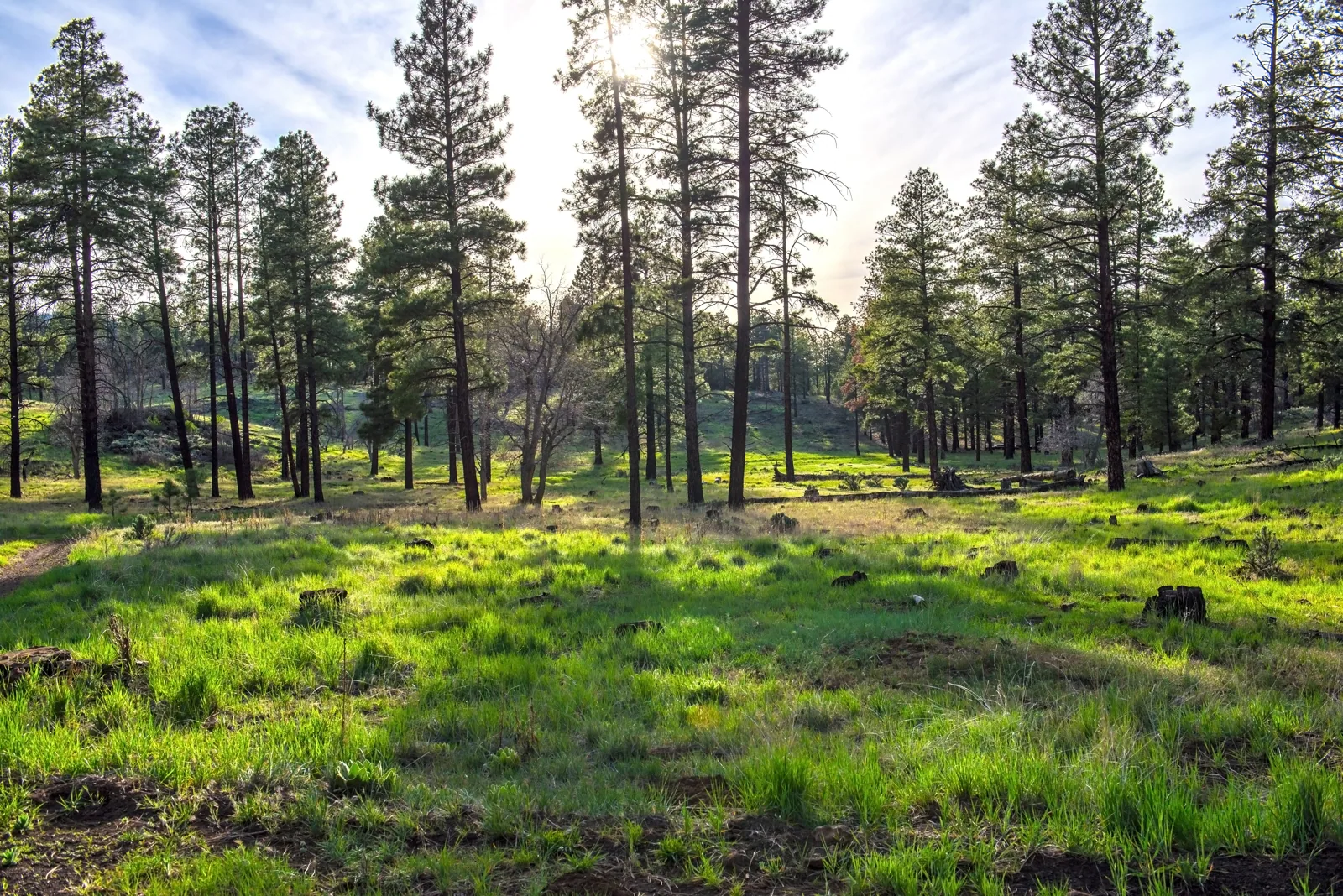
What buildings does a highway pass corridor carry?
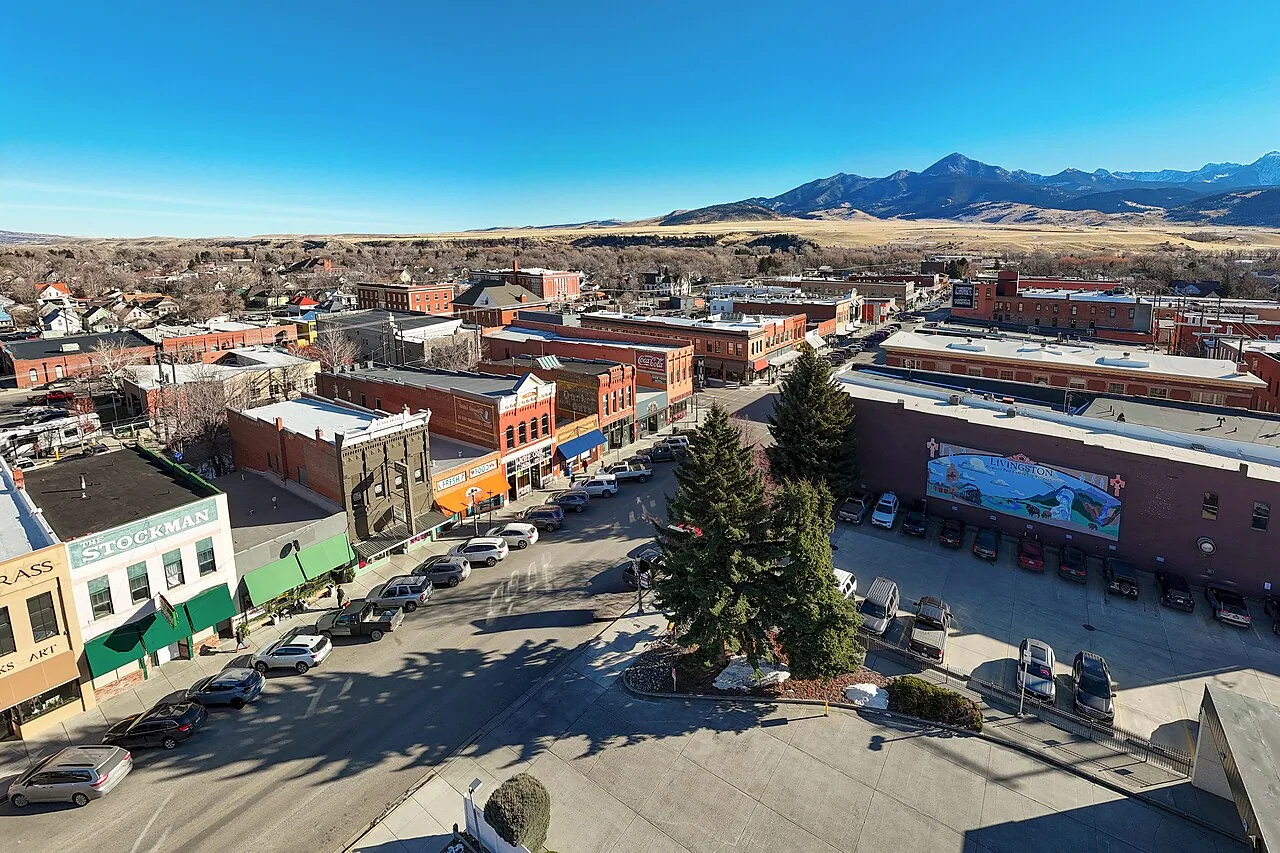
The pass is a transportation corridor. The Northern Pacific Railway opened a 3,652-foot tunnel under the pass in 1884 and a 3,015-foot tunnel in 1945, and BNSF now uses the tracks. I-90 carries the highway traffic between Bozeman and Livingston. The buildings that serve that traffic are practical ones: equipment and maintenance structures, small commercial buildings near interchanges, storage sheds and agricultural buildings on the valley sides.
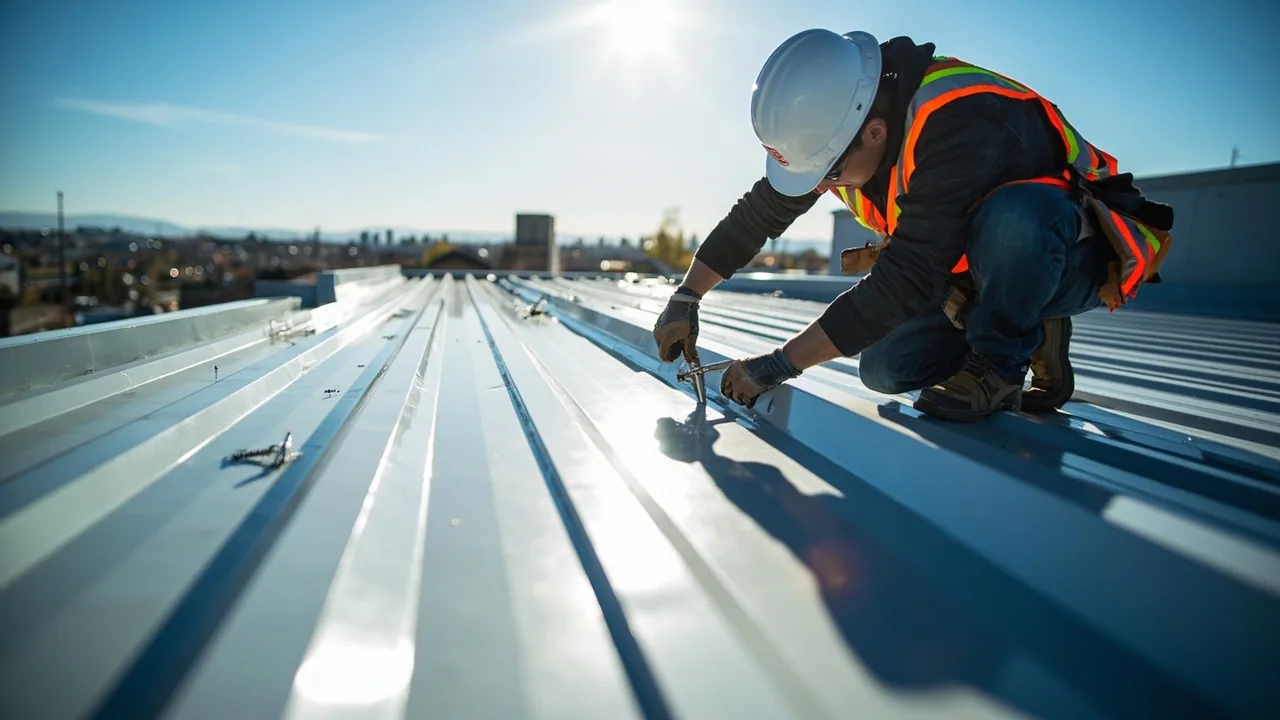
The roof type shows itself on the climb. A utility building might have a standing seam metal roof or an exposed-fastener panel. A small commercial building might have a membrane over a flat roof with a few rooftop units. My first look is from the ground, at the eaves, the downspouts and the walls, since water stains and ice on the siding show where the roof is failing. Then I get on the roof and count the penetrations.
Rail history helps me read the buildings. Livingston's railroad shops serviced steam trains before they climbed the pass, so the east end of the corridor has a long railroad history. Where a building is old, it can carry an older roof assembly, sometimes with several layers stacked on one deck, so I probe for wet layers and check the deck from below before I recommend a recover. Newer buildings bring early-life details to check: unsealed curbs, loose trim and misplaced fasteners.
Why does wind decide the roof plan at a pass?
Livingston, on the east side of the pass, gets roughly 56 inches of snow a year, and its airport station posted the second-highest wind average in the country over 2000 to 2010. Passes tend to channel air, so I plan for strong wind from the same direction day after day. Bozeman's design wind is 110 mph, and the valley saw 89 mph gusts in August 2013.
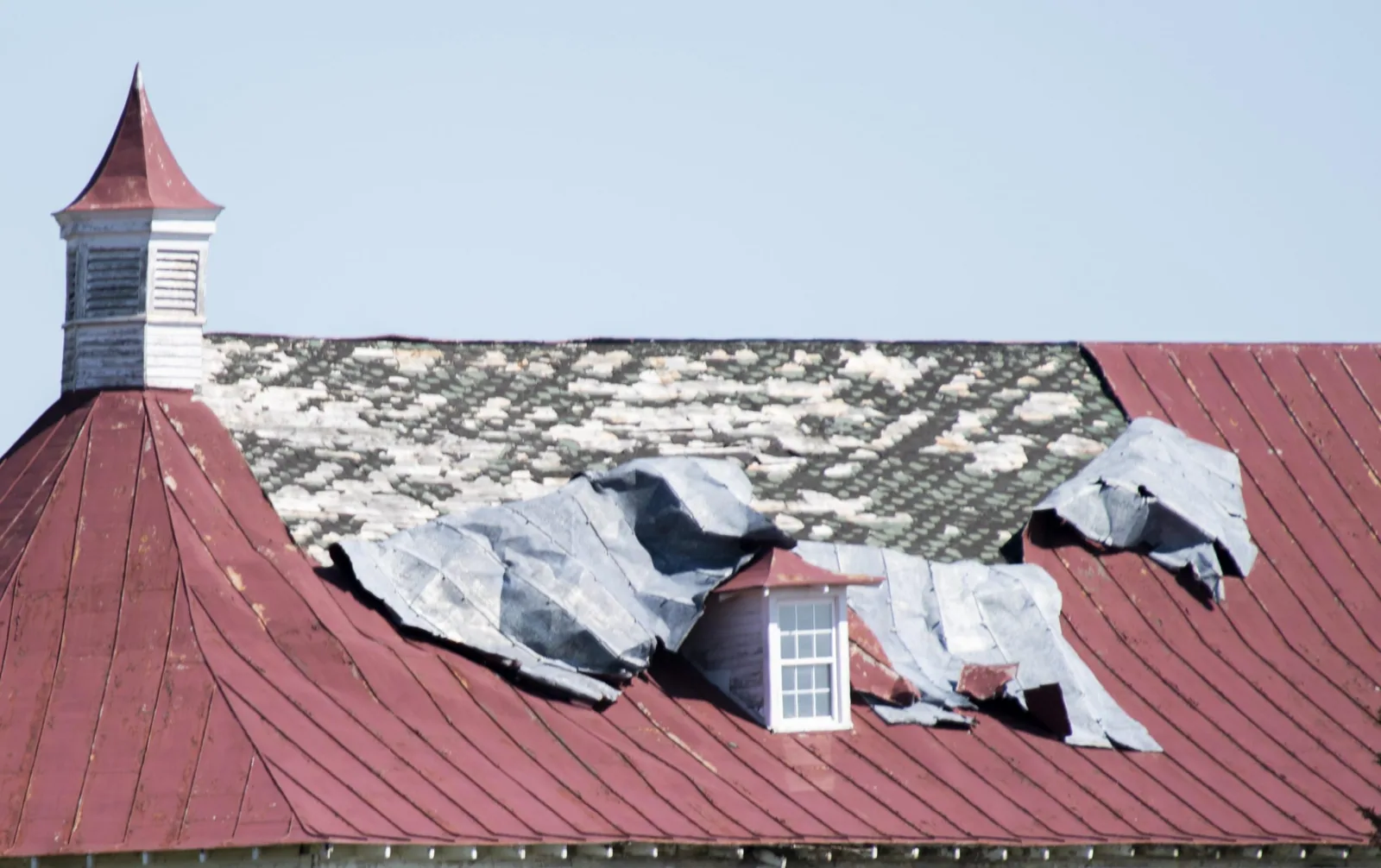
A roof that gets steady wind loosens at the edges first. I check eave and rake trim for lifted edges, the ridge cap for opened closures, the perimeter fasteners for backed-out screws and the field of a membrane for flutter marks. A loose edge is the usual start of a blow-off. Once the edge goes, the wind gets under the membrane or the panel and peels it back toward the ridge. Perimeter attachment is the one place I would rather over-build than under-build. Reattaching trim with the right fasteners and sealing the laps costs little. When wind has already done damage, wind damage repair starts at the windward corner and works across.
What does snow do at the top of the pass?
At 5,702 feet the pass sits high above the valley floor. Bozeman averages 91 inches of snow and Livingston about 56, and I plan for a building at the top on the heavier side of that range. The January mean low in Bozeman is 15.1 degrees F, with a record of minus 46, and the swings through freezing in March and April are what damage roofs.
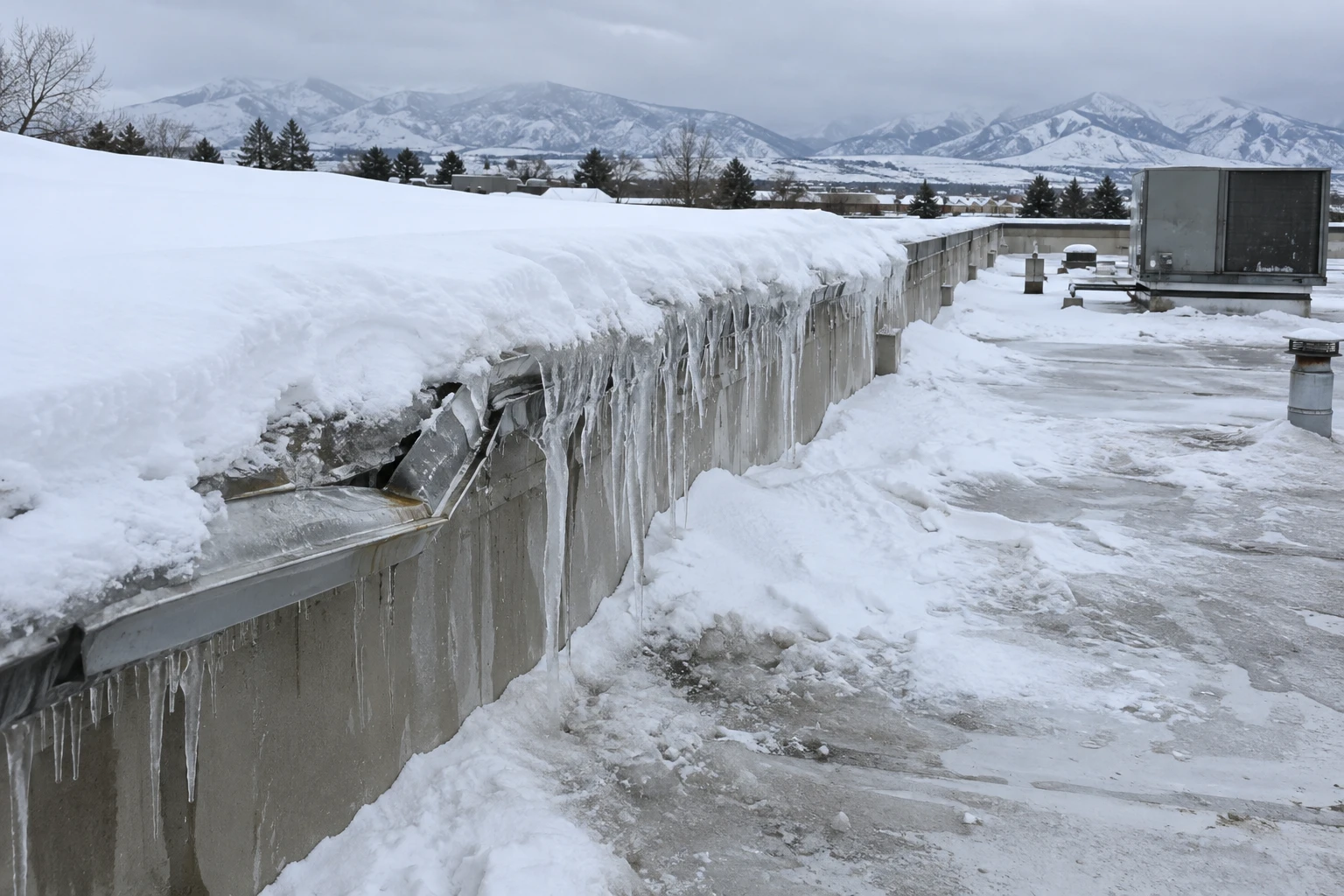
A roof here collects drifts on the lee side of anything tall. Meltwater pools, finds the lowest seam and freezes at night. I look at the drains, scuppers and gutter runs first, then at the flashing against the walls. Ice at the eaves and the leaks it causes call for snow and ice damage repair. For flat roofs, a cricket behind a unit or a deeper sump at a drain can stop a repeat. For sloped metal roofs, snow guards hold the pack so it does not slide onto a vehicle or an entry.
How do rail and highway access change the way a roof job is run?
Work along a mountain highway has constraints. Shoulder space is limited, trucks need room to turn and deliveries must avoid peak traffic. Near the tracks, staging cannot cross the right-of-way, and a crane or a lift must be placed with that in mind. The owner of the building, the highway authority or the railroad may set conditions, and we plan to them before the first load arrives.
Weather on the pass can change fast, and I plan around it. Panels and rolls stay covered, loose items are tied down every evening, and we do not start a section we cannot dry in by day's end. In the cold season, adhesives and sealants have temperature limits, so work moves to the warm months. A bead of sealant that goes on cold may skin over and never bond, and a membrane seam welded below its working range can look closed and open in the first thaw. The pass has a short window in which everything cures, and we keep it for the work that needs it. Our preventive maintenance visits, done in early fall, keep small items from becoming winter calls, and the written record helps the next visit go faster.
Repair, retrofit or replace in a place like this?
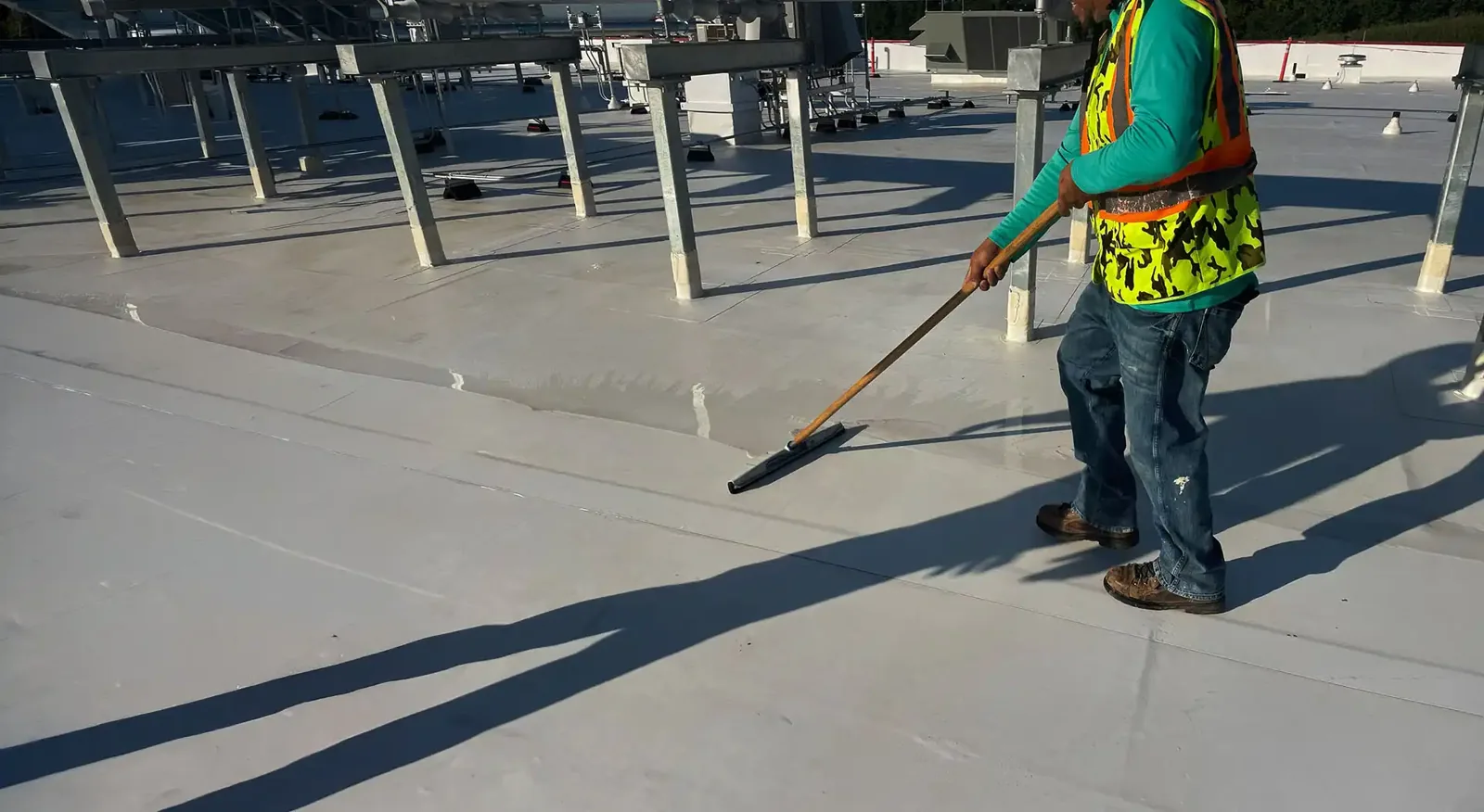
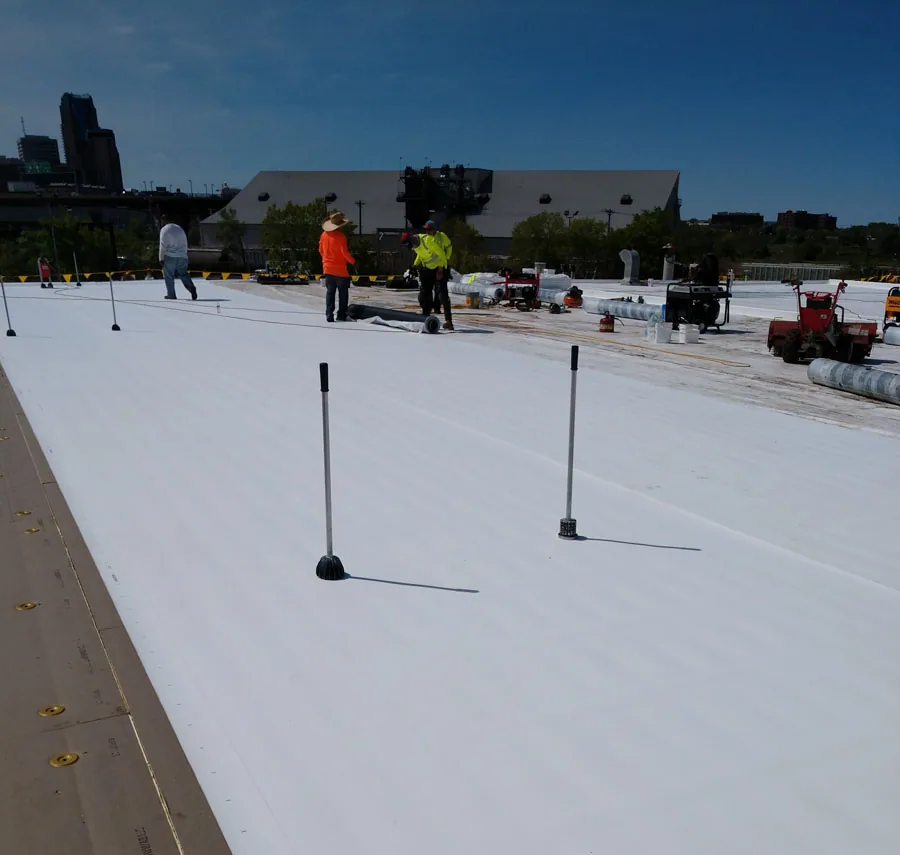
The decision depends on the framing and on what the panels or membrane look like. A metal roof with sound framing and loose fasteners needs a fastener and sealant pass. A metal roof with rust at the laps is a candidate for a metal roof retrofit. A flat roof with open seams and wet insulation needs replacement, and a membrane such as TPO is a common choice for a flat roof, with edge details chosen for high wind.
For owners on the pass, the practical advice is to treat the roof as part of the building's weather defense. Walk it in September, keep a dated photo record and book repairs before October. Neighbors in Livingston and in the airport area face a similar wind pattern, and our emergency roof repair crews answer calls around the clock, including storms that arrive in the middle of the night.
Questions About Commercial Roofing Along Bozeman Pass, MT
Does a building on the pass need a stronger roof than one in town?
It needs one designed for its site, which includes the wind and snow at that elevation. We cannot change the design of an existing roof, but we can strengthen the edges, add fasteners and fix the details that fail first.
What is the first sign that wind is damaging my roof?
Trim that has lifted, a ridge cap that rattles, screws that have backed out and sealant that has cracked at the edge. Catching these in fall costs little, and ignoring them leads to blow-off.
Can roof work be done near the railroad?
Yes, with planning. Staging stays on the building's side, lifts are placed to avoid the right-of-way and the owner or railroad sets any conditions. We coordinate before work starts.
How often should a roof on an exposed site be inspected?
Twice a year, once in early fall and once after the spring thaw. After any major windstorm, an extra visit checks the edges and the ridge.