
Commercial Roofing in Three Forks, MT
Three Forks in Bozeman and the Gallatin Valley
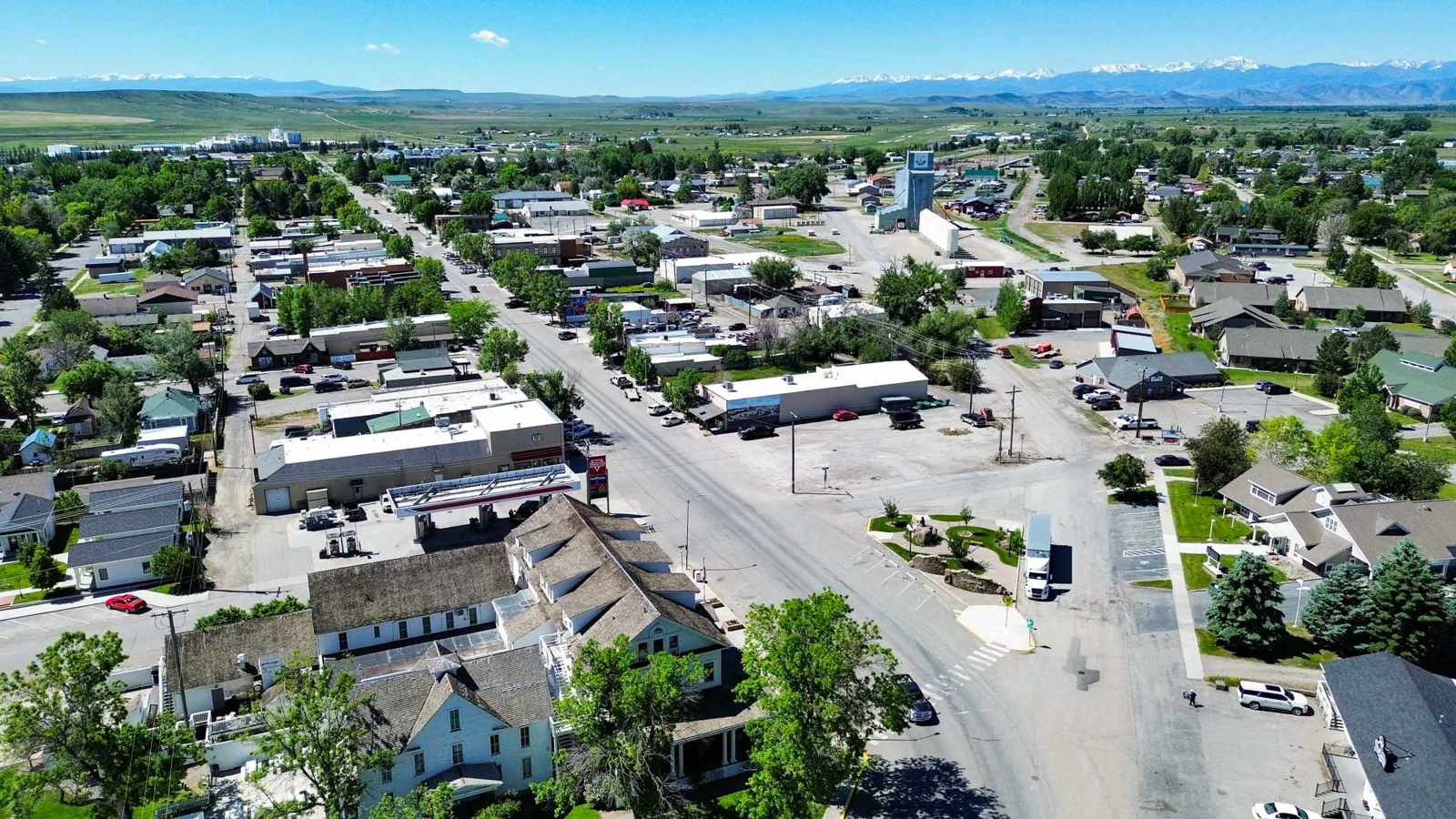
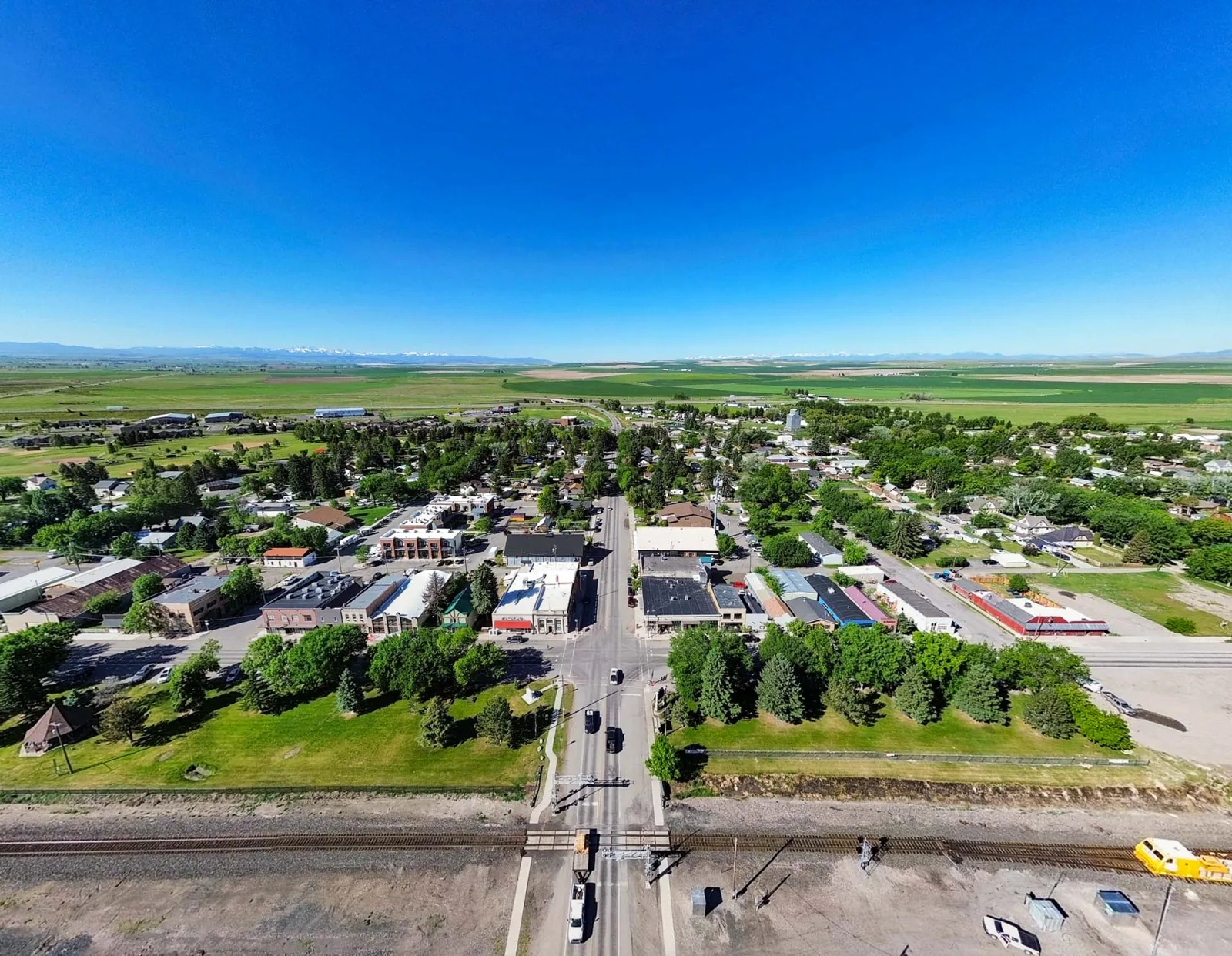
The oldest roof in a railroad town often has the most layers. Strip back a corner of a building that has stood since the line ran through and you may find one roof under another, each added when the last one gave up. Three Forks, MT had 1,989 residents at the 2020 census and stands at 4,072 feet, roughly 30 miles west of Bozeman. The city was a division point on the Milwaukee Road's Rocky Mountain Division from 1908 to 1980, and Three Forks Airport is a public-use airport about a mile southeast of town. How many layers sit on your deck?
We inspect, repair and replace commercial roofs in Three Forks, and we read each roof's history before we recommend anything.
Why does layer count decide the repair?
A deck can carry only so many roof layers, and every extra layer adds weight to a structure that must also carry snow. Bozeman's listed ground snow design under the 2021 IBC is 50 psf, and valley towns add drifts to the average. If a roof already holds two layers, a third may not be allowed, and the choice becomes a full tear-off.
We count layers by cutting a small core at several points. The core also shows the insulation and its moisture. A recover over the existing roof is possible when the layer count, the deck and the insulation permit it. If any fails, we say so and show the core. The owner decides with the evidence in hand.
Asbestos is the other question on an old, multi-layer roof. Felts, mastics and flashing cements made decades ago may contain it, and we test samples before any cutting or removal. The lab result adds a few days to the schedule, so we ask for it early. A positive result changes the removal method, the disposal and the cost, and the owner should know before the bid, not after the tear-off starts.
What do we do with a building that dates from the rail era?
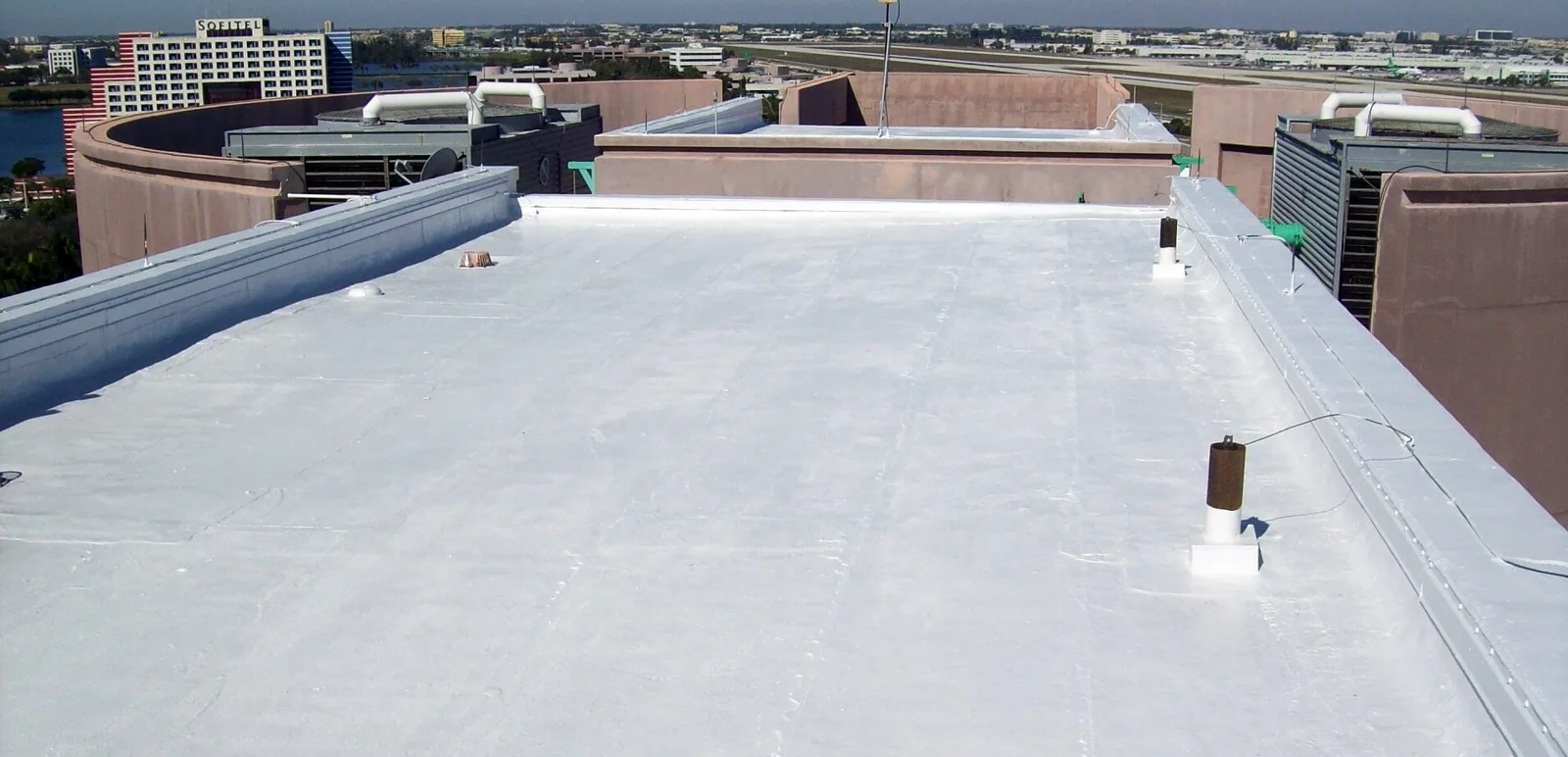
An older building is not automatically masonry, flat-roofed or still wearing its original roof, so it gets walked first. Older commercial buildings in rail towns may have parapets, shared walls and rooftops changed more than once, but each building has its own story, and the roof tells it. Photographs of the old and new work sit side by side in the file.
Where a parapet exists, the cap, the wall flashing and the scupper come first. At the wall, flashing failure is the leak to expect first on an older roof, and the fix is a clean new termination in a material that tolerates movement. We photograph the old and new work, so the owner sees what was done and where.
Interiors tell part of the story. Old stains on the ceiling, patched plaster, painted-over leaks and rusted fasteners in an attic all point to where water has come in over the years. We ask to see them, photograph them and match each to a spot on the roof. The roof and the ceiling together show a leak history the owner may never have written down.
What about small airport hangars?
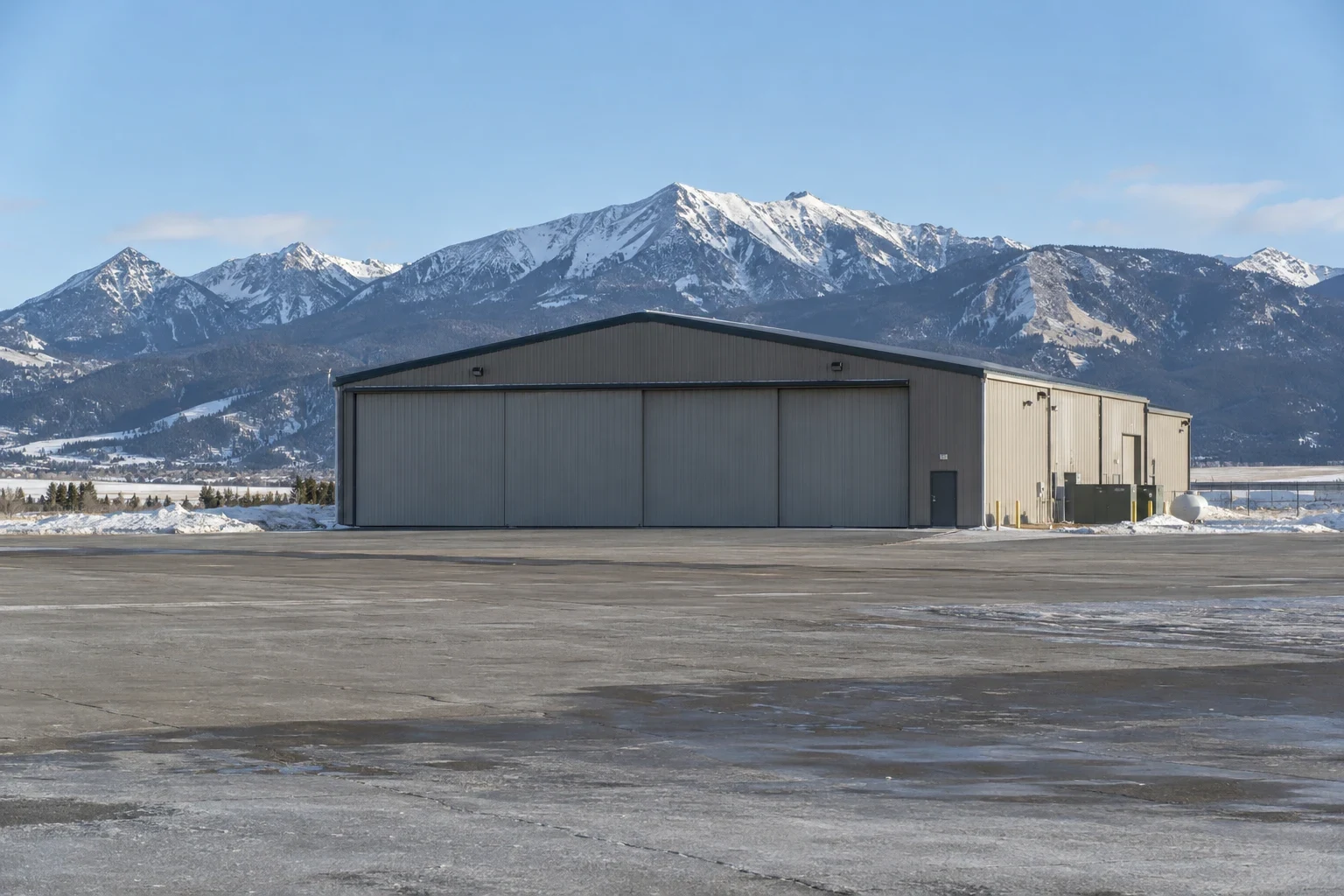
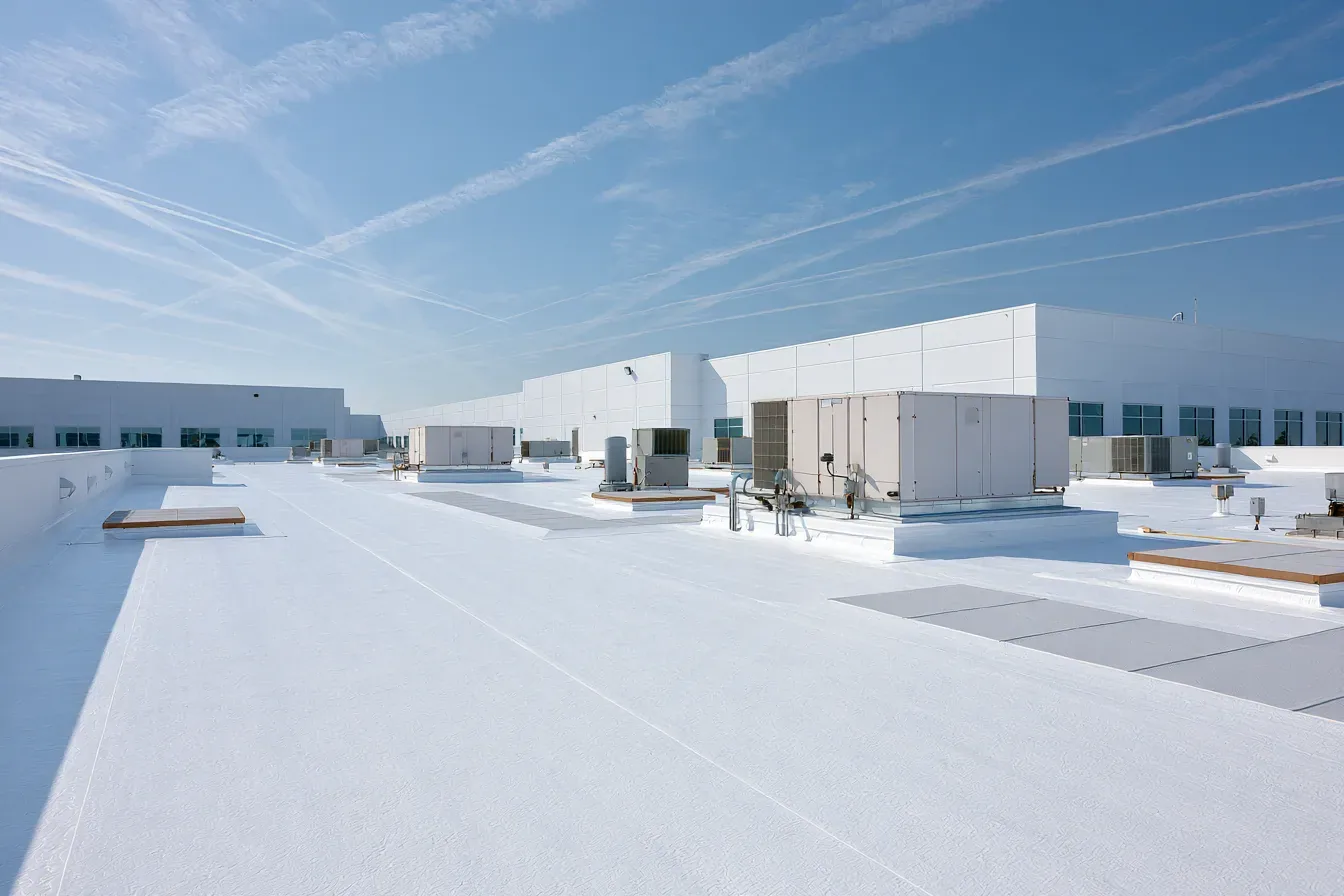
Three Forks Airport, about a mile southeast of town, is a public-use field, and any hangars or small shops beside it count as aviation buildings. A hangar roof has a wide span, big doors and metal panels in many cases. We confirm the roof type on site. The checks are fastener rows, panel laps, ridge and eave trim, and the door header flashing.
Wind loads the door area hardest. In early August 2013 the valley saw 89 mph gusts from Belgrade to north Bozeman, and a hangar roof with loose trim would fare badly in that. We tug each length of trim, count missing fasteners and re-secure edges before the weather season. Slide-off snow near a door is a hazard, and snow guards are part of the conversation.
How do cold and thaw show up?
The valley logs about 54 snowy days a year, and Bozeman's record low of minus 46 shows how cold it gets. Three Forks shares that valley weather, so the same freeze and thaw cycles work its seams and flashings. A seam that is slightly loose in October may be open in March.
We walk roofs in the fall, probe seams and sealant lines, clear drains and note the places where ice forms. A commercial roof inspection each spring after the thaw finds what winter did. The dated photographs let the owner compare one year to the next, and a drain that clogs every November gets a permanent fix.
On a long-neglected roof, drains are often the first thing to fail. Debris builds up for years, the sump fills and the water goes where the deck sags. Clearing and flushing every drain before winter is the cheapest work we do, and it prevents more damage than any coating.
How does distance shape the schedule?
Three Forks lies about 30 miles west of Bozeman. A crew day there includes travel, and a storm on the road or at the site changes the plan. We group visits with nearby work, such as Manhattan on I-90 and Four Corners, so the owner shares the travel cost and the crew spends more of the day on the roof.
Materials are staged before the crew leaves town, with spare fasteners, sealant and temporary cover on the truck, because a second trip for a missing part is the costliest delay on a long run. Emergency calls are taken day and night, and we state a travel time at booking.
What goes in the roof file for a small-town owner?
The roof plan, the layer count from the cores, the drain map, dated photographs and a repair list organized by location. Small buildings often change hands without any roof paperwork, and the next owner learns the history through a leak. A roof asset record started on the first walk fills that gap, and it costs little compared with one wet ceiling.
The file also helps with financing and insurance. A lender or an underwriter looking at an older building asks about the roof first, and a dated report with photographs answers in one page. It turns an unknown into a managed item.
Questions About Three Forks
Can a third roof layer be added?
Only if the deck, the structure and the building rules allow it. We cut cores to count layers and check the insulation, then show the owner whether a recover is allowed or a tear-off is required.
How do I find out what is under my roof?
A small core cut at several points shows the layers, the insulation and any moisture. We patch each cut the same day. The result goes on a roof plan with photographs, and it is the first page of the roof file.
What is the most common leak on an older flat roof?
The wall flashing. Movement pulls the termination and the sealant bead apart, and meltwater freezes behind it. A clean re-flashing with material chosen for movement solves most of these.
Do hangar roofs need snow guards?
On smooth metal above a door, a walk or aircraft parking, yes. We check where snow lands and size the layout to the slope. Over an unused area, guards may not be needed.
How far ahead should I book a Three Forks job?
Book the walk in spring or fall and the work for the next warm, dry window. Distance and weather limit the days available, so an early booking gets the better slot.