
Commercial Roof Inspection in Bozeman, MT
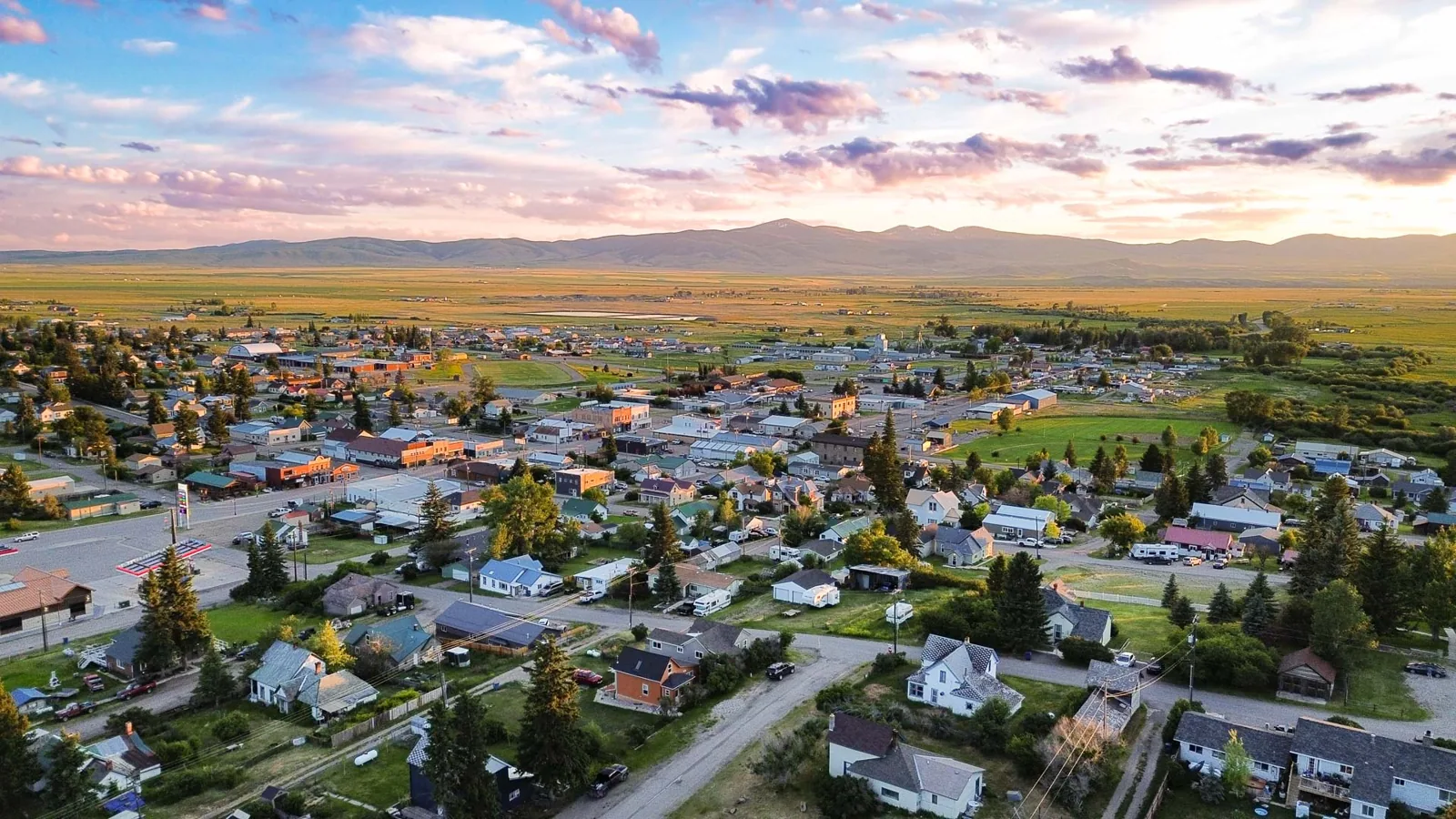
Commercial Roof Inspection in Bozeman and the Gallatin Valley
The best time to inspect a Gallatin Valley roof is the week after the snow leaves. Drifts have melted down to the membrane, ponding shows where the slope fails, and the stains left by every winter leak are still wet. That is when a walk across a roof tells you the most, and it is when we schedule the hands-on inspections that owners ask us for in Bozeman, MT.
We treat an inspection as a decision tool. The report ranks what needs attention now, what can wait one season and what belongs in a capital plan, with a photo at each location so the reader sees what we saw.
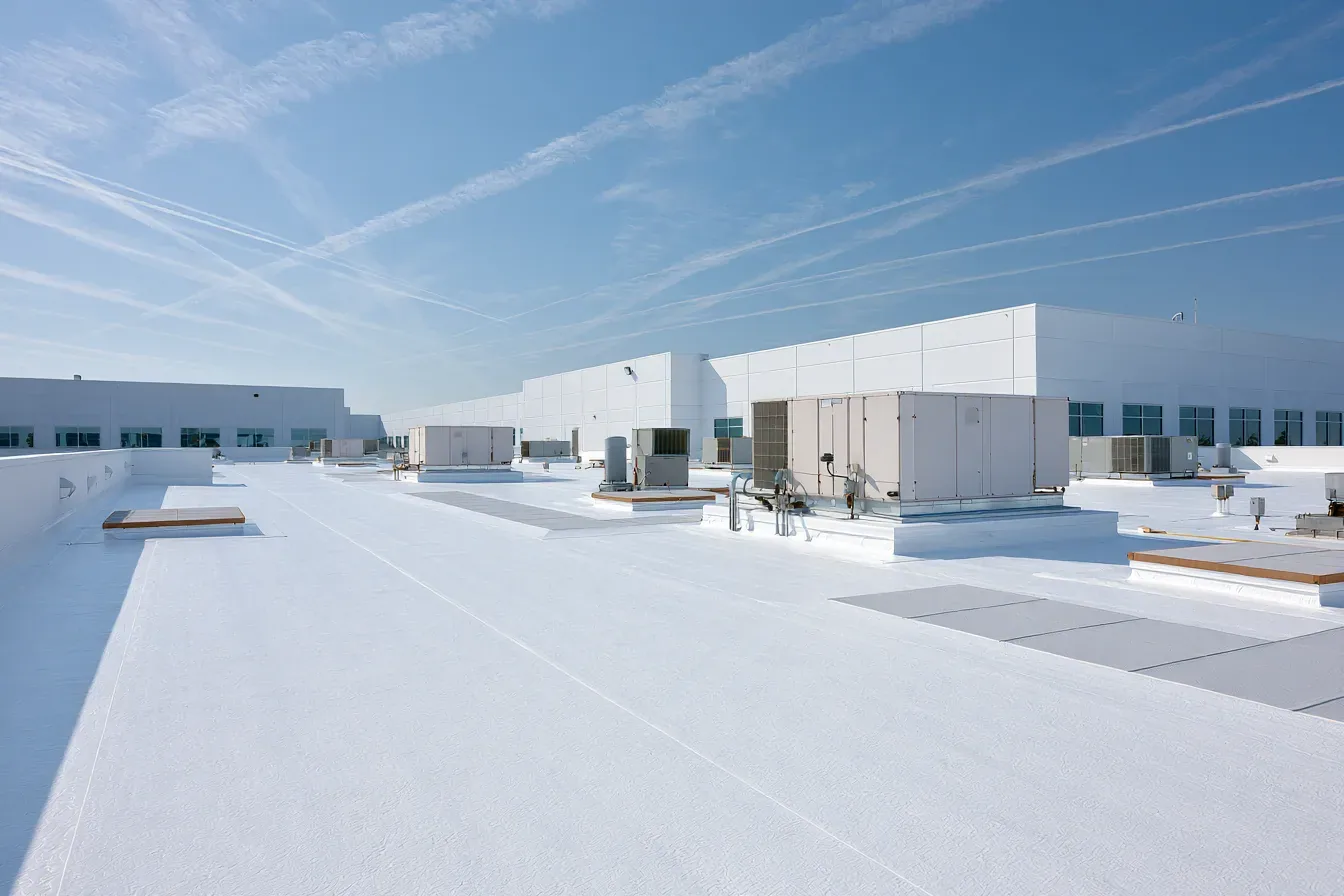
What does the walk cover?
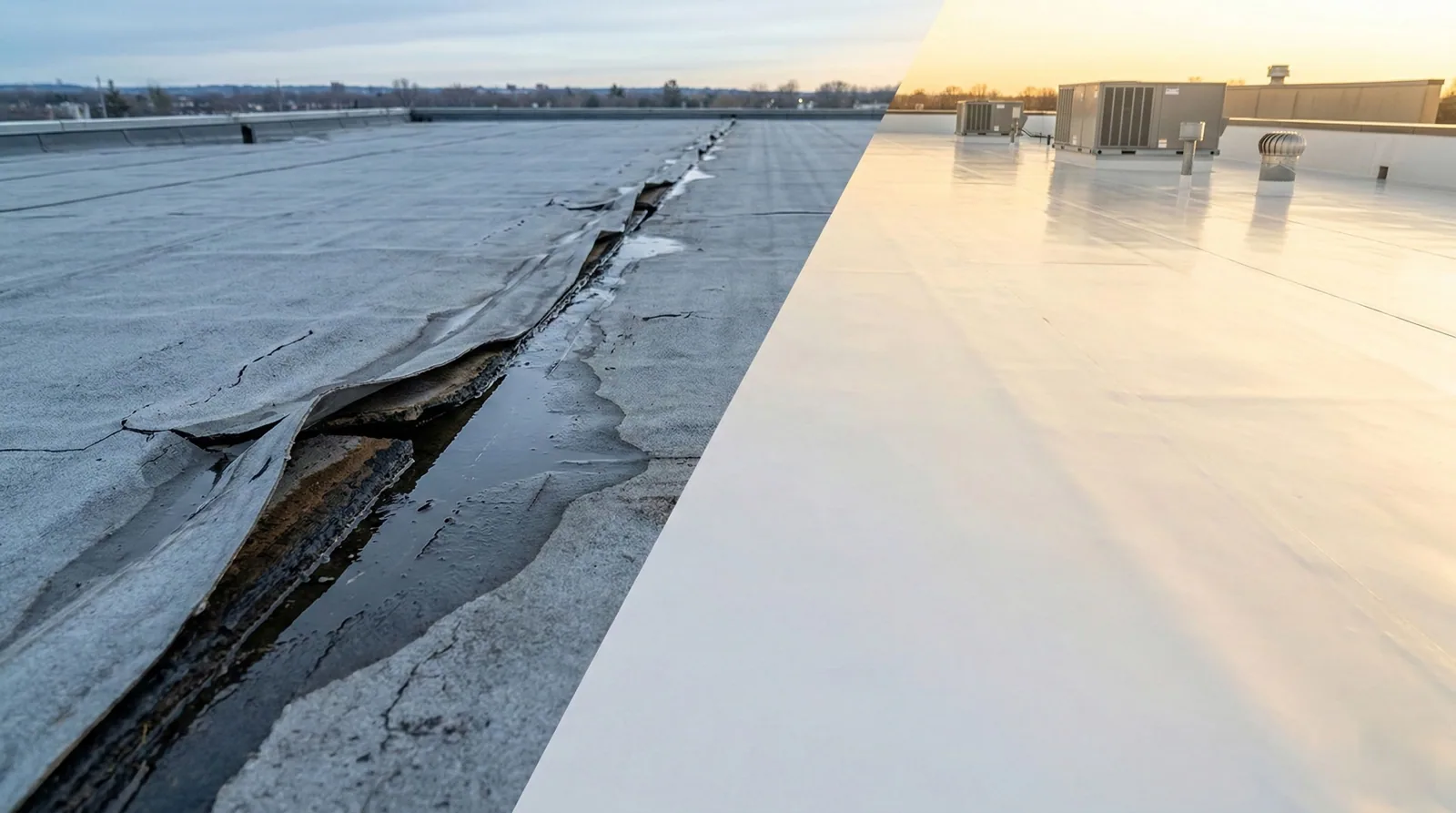
We start at the perimeter and work in. Edge metal, coping, counterflashing, terminations, parapet caps and gutters come first, because wind and snow slide hit those hardest. Then the field: seams, laps, blisters, splits, punctures, foot-traffic wear and areas where the membrane has lost granules or coating. Then every penetration, curb, skylight, vent, drain and scupper. We probe seams, press on soft spots and look for the fine cracks that never show from a distance. We note where water stood after the last thaw, since ponding that lingers a day is a design problem, and where the membrane under it has begun to soften or craze.
We also look at what the roof carries: rooftop equipment, conduit, gas lines, antennas and the traffic paths technicians have worn into the surface. A roof that holds a unit serviced twice a year takes more damage than one that holds none, and the wear pattern shows where a walkway pad is missing.
How does the inspection change by building type?
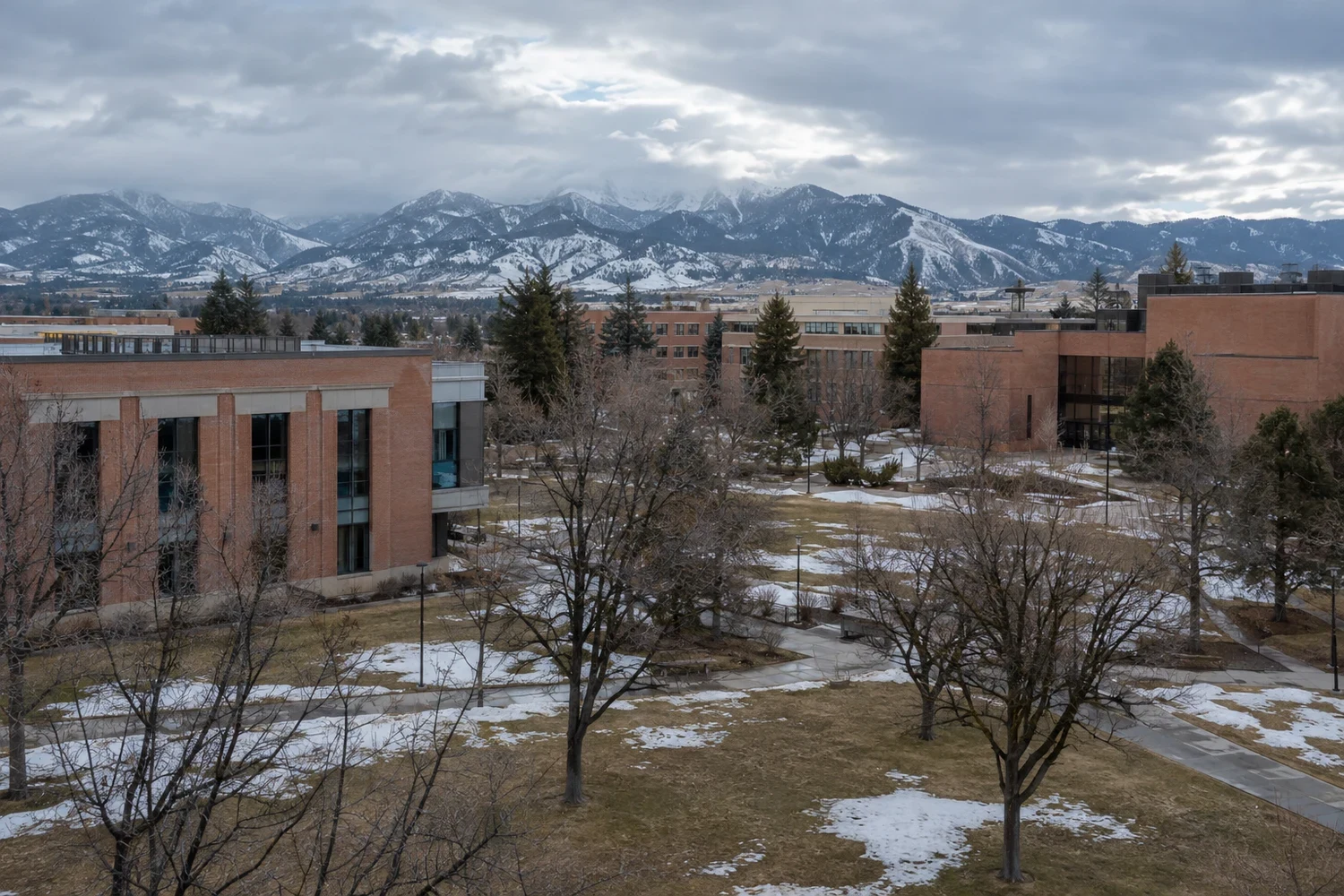
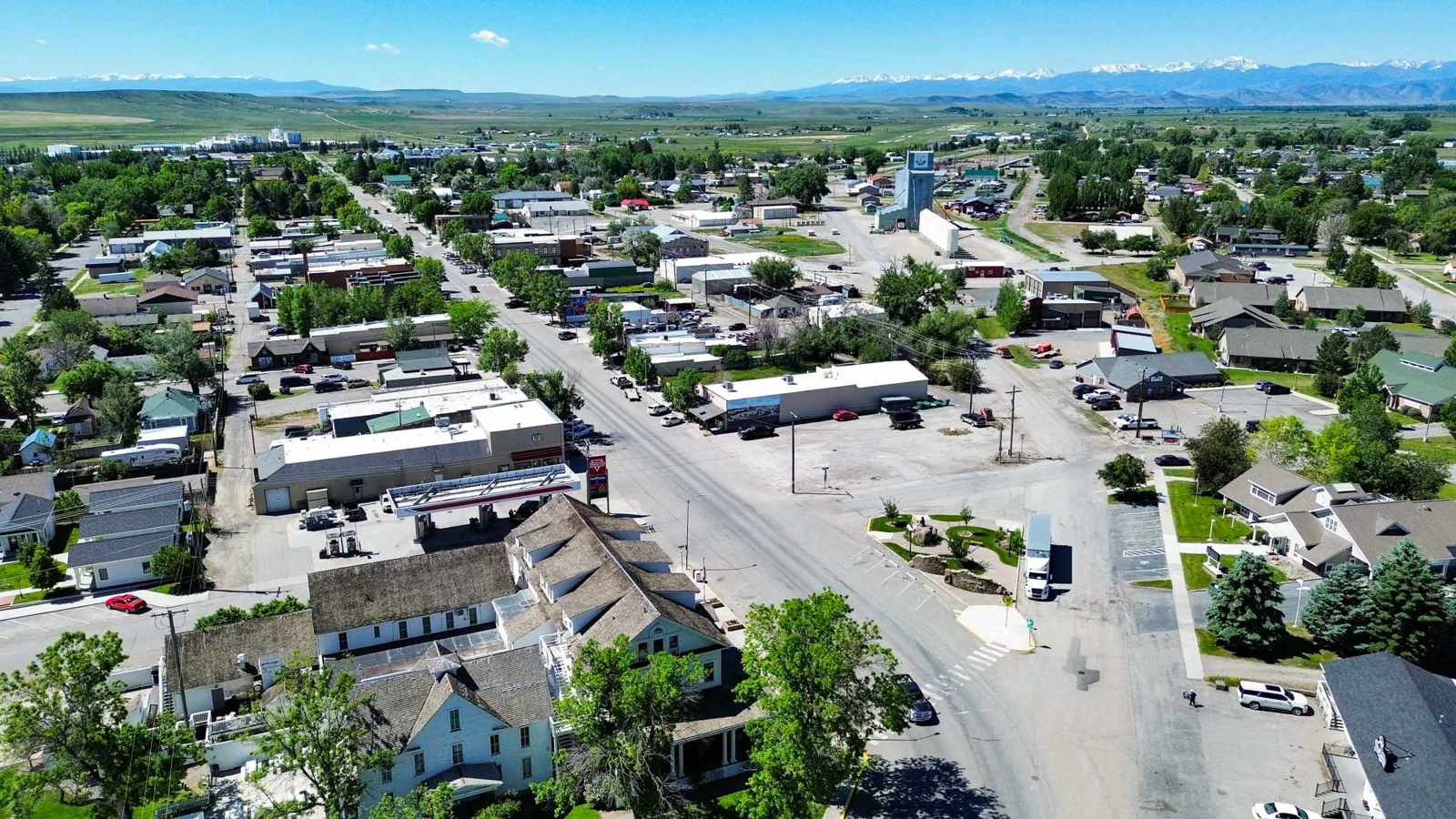
A retail building along North 19th Avenue has many rooftop units and a big parapet, so we spend time on curbs, walls and drains. A warehouse along Jackrabbit Lane in Belgrade has long seams and, often, few penetrations, so seam probing and drain sumps get the hours. A building in the Montana State University area may have mechanical penthouses, skylights and roof hatches with their own flashing. On an older downtown building we ask for the repair history first, because layered patches tell us where the roof has failed before.
We shape the inspection plan around the building before we climb. If the owner has drawings, past reports or a record of repairs, we read them first.
What does the Bozeman climate leave behind?
Snow and cold go first. Snow totals about 91 inches a year in Bozeman and the January mean low is near 15 degrees F, so we look for the marks drifts leave behind parapets, scoured membrane at edges, cracks at cold-flexed seams and sealants that have stiffened. Hail is next. Hail history here is specific. The June 2010 storm dropped baseball-size stones near Gallatin Field and smaller ones across Bozeman, and the 2013 storm hit Belgrade and the north side. After either, we look for bruises, cracked coating and dented metal, and we photograph each with a scale. A May 2023 report of 1.50-inch hail near the Gallatin River is the kind of more recent event that justifies a post-storm check.
What is in the report?
Each report has a roof plan with numbered locations, photographs of each, a description of the defect and its probable cause, a priority rating and a cost range or budget category where we can give one. We list items for immediate repair, items for the next maintenance cycle and items for the capital plan. The report ends with an estimate of remaining service life for each roof area, with the evidence behind it.
Managers use the report to set budgets and justify repairs. Owners use it with lenders and insurers. A good report answers a plain question: what happens to this roof if we do nothing for a year?
What do we do with what we find?
Small defects get fixed on the spot when the owner approves it ahead of time: a cracked sealant bead, a loose fastener, a clogged drain strainer. Anything larger goes into the report with a recommended method. We do not hide a bad roof in a good report, and we do not turn minor wear into an emergency. The ranking exists so an owner can spend in order of risk.
If the findings suggest a larger project, we say whether a repair, a coating, a recover or a replacement fits. We weigh repair against restoration and recover, tradeoffs included, and a replacement recommendation comes with the evidence from cores and moisture readings, so the owner sees why a patch will not carry the building. The aim is a decision the owner can defend to a partner, a tenant or a lender.
For buildings in towns such as Three Forks or Manhattan, we travel to the roof with the same checklist and the same report format, so owners outside Bozeman get the same record as owners downtown, with the same photographs, the same ranking and the same plain language.
When do we add drones or infrared?
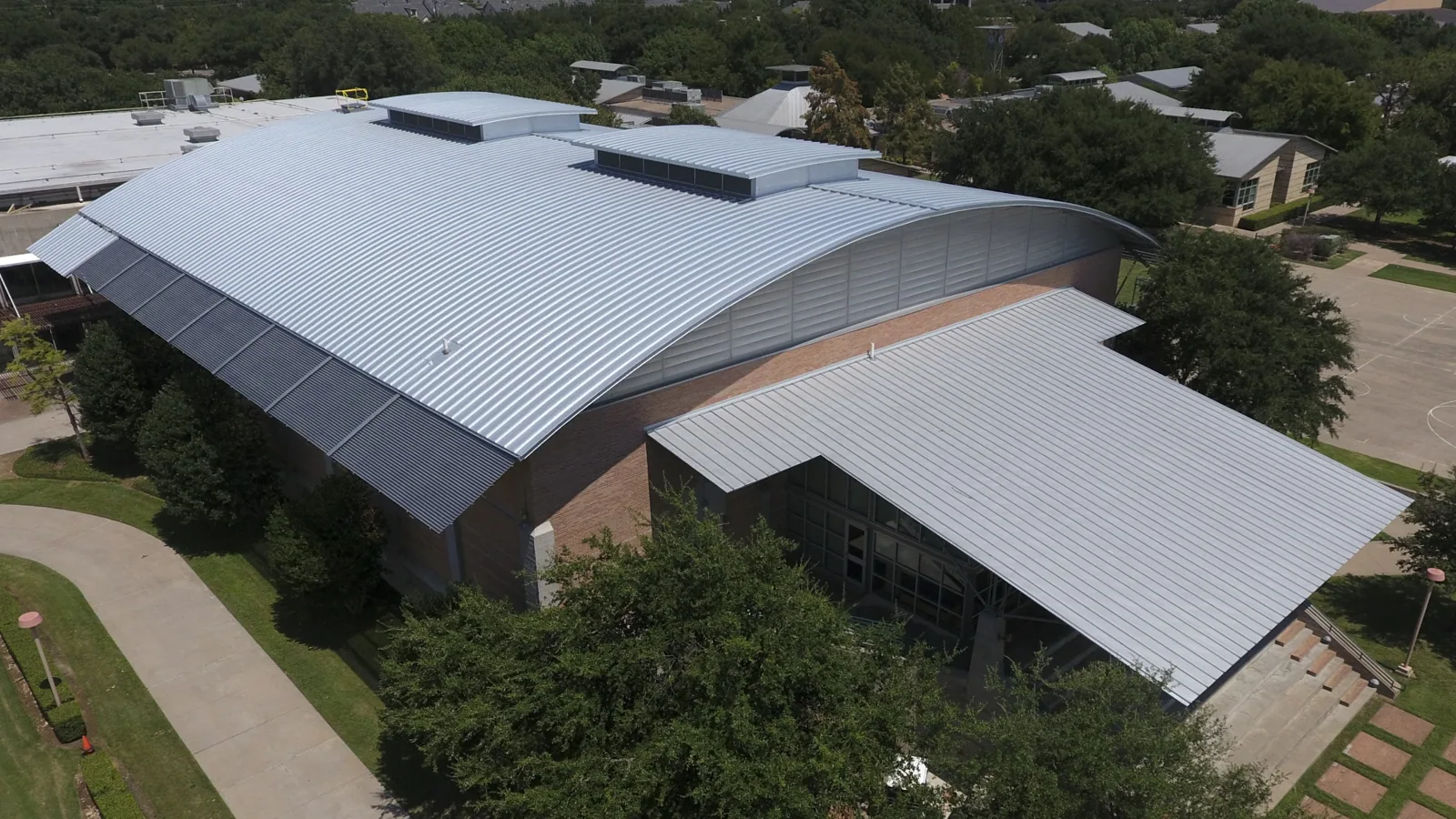
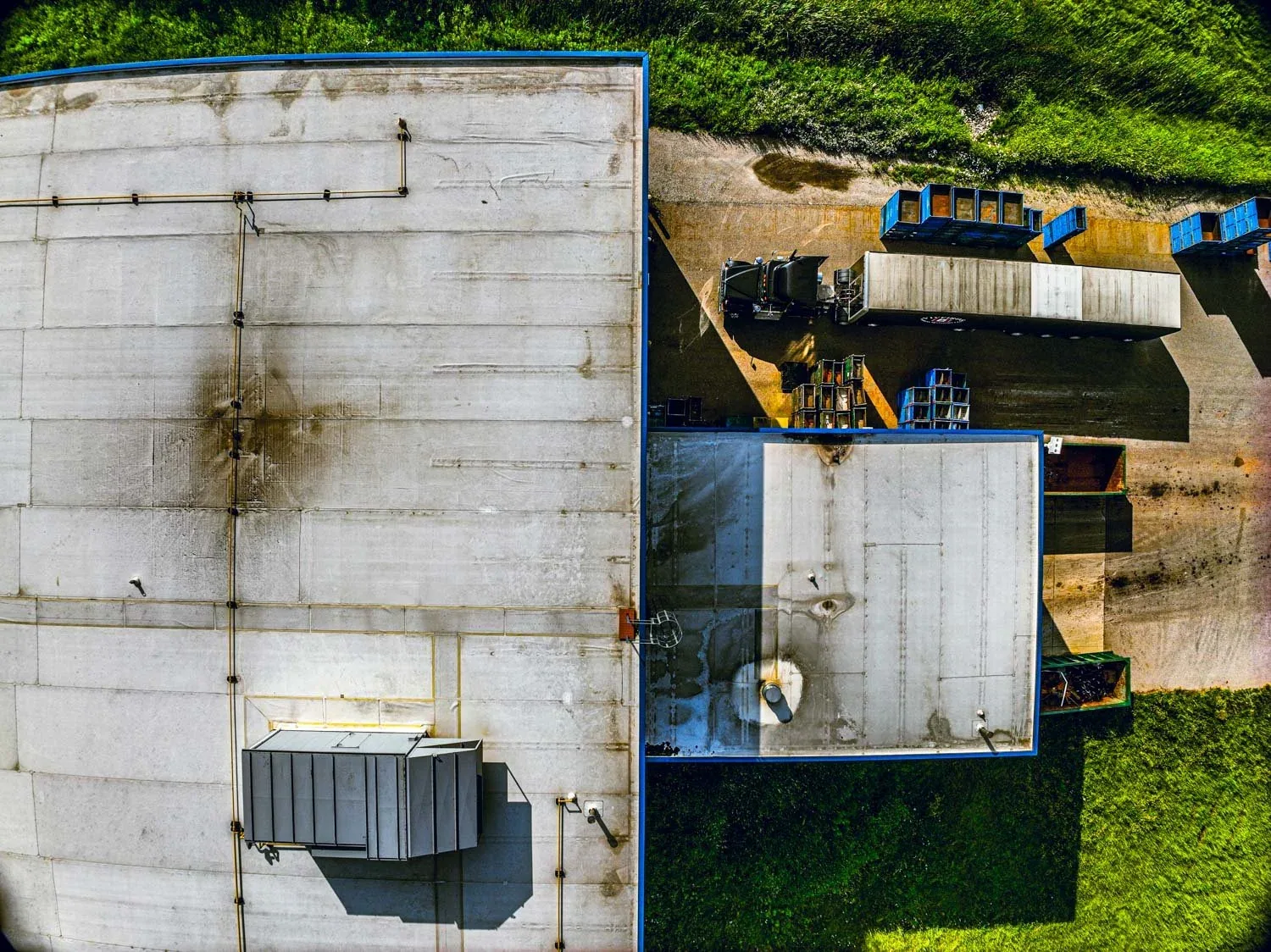
A hands-on walk is the base, and tools extend it. For large or difficult roofs, a drone inspection adds overview imagery and reaches areas that are unsafe to walk. When moisture is the question, an infrared and core-cut survey finds wet insulation that the eye cannot see. We recommend those tools when the roof is large, the history is unclear or the budget calls for proof.
How does an inspection fit a program?
One inspection answers one season. A schedule of inspections shows the trend. Our preventive maintenance visits and condition reports build a record, so an owner sees whether the roof is holding or losing ground. For portfolios, a multi-site program puts each building on the same scale.
Questions About Commercial Roof Inspection
When should we schedule an inspection?
Spring, after the snow melts, shows winter damage while it is still visible, and fall, before the first freeze, lets us fix small problems before cold arrives. After any storm with hail or high wind, we recommend a prompt check even if no leak has appeared. Buildings being bought or sold should be inspected before closing.
Will an inspection find every problem?
No inspection finds everything, but a hands-on walk with probe checks finds most active defects, and tools like infrared and core cuts find what is hidden. The report states which parts of the roof were inspected, which could not be reached and which defects were found by which method, so you know what the findings do and do not cover.
Do you inspect roofs we did not install?
Yes. We inspect low-slope and metal roofs regardless of who built them, and we describe the system as we find it. Give us any warranty, past reports and repair records, since the history explains patterns we see on the roof.
What do we need to provide on the day?
Roof access, a contact for the building and any restricted areas. If the roof has a hatch, a ladder or a lift requirement, tell us in advance. We carry our own fall protection and photograph from safe positions. If tenants have sensitive areas below, we schedule around them.
How long does the written report take?
For a single building, the report is typically ready within a few business days of the walk. Larger roofs, multiple buildings or surveys with core cuts take longer. We give a delivery date when we schedule the visit, and we call right away on any defect that needs attention before the report arrives.