
Commercial Roofing in Manhattan, MT
Manhattan in Bozeman and the Gallatin Valley
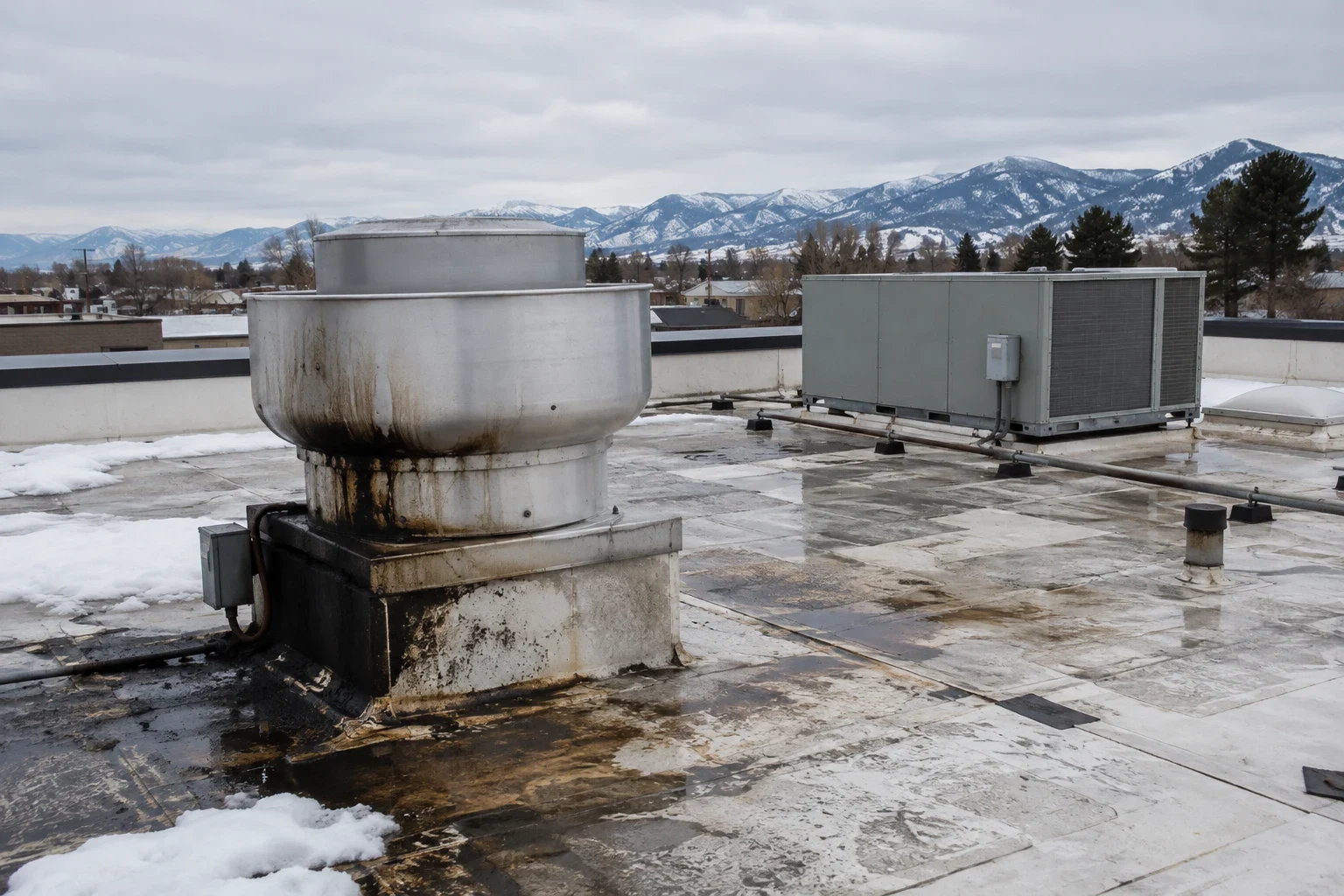
Steam and cold meet at the vent stack, and the roof around it keeps the receipt. A building that makes or processes food puts warm, wet air out through the roof all winter, and the membrane near each vent stays damp, stained and slick with frost. Manhattan, MT, with 2,086 residents at the 2020 census, sits at 4,252 feet with Interstate 90 access via exit 288. Dutch farmers settled here and grew barley for Bozeman brewers, and 406 Brewing Company is listed among its businesses. Winters can be severe and the seasonal swings are large. Where does the steam from your building go?
We inspect, repair and replace commercial roofs in Manhattan, and we describe each roof as it is before anyone prices work.
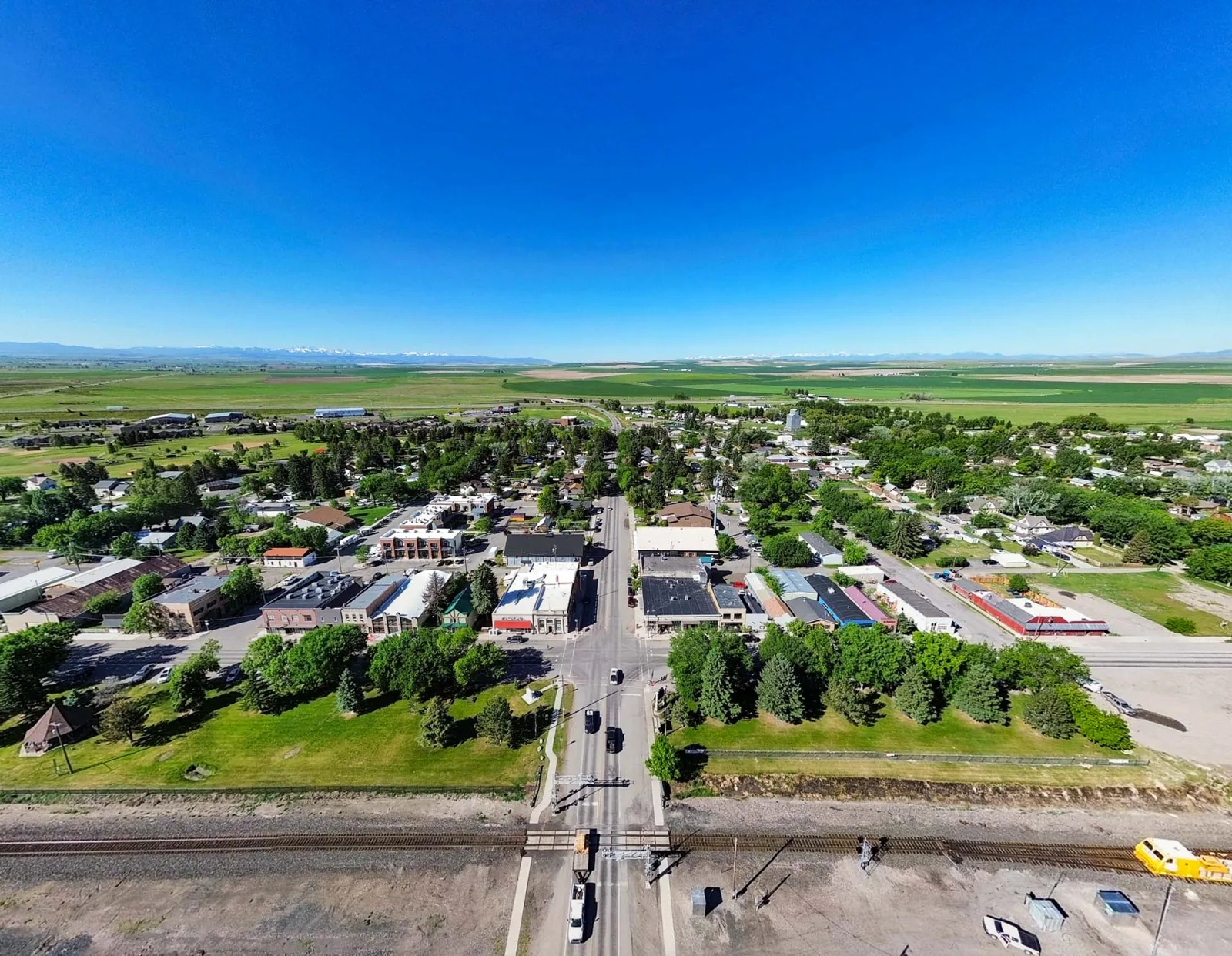
What does a farm-and-food town put on its roofs?
A town founded on barley carries agricultural buildings, a brewing business, small shops, service buildings and the businesses that serve the exit off I-90. A building's trade says little about its roof, so each one gets walked, its seams probed and a core cut where the evidence calls for it.
What the trade does tell us is what comes out of the building. A brewing or food business vents steam, moisture and sometimes grain dust or sugar-laden vapor. A farm shop vents engine exhaust and dust. A retail building vents very little. We start the walk at the vents.
Why does moisture from inside matter as much as rain?
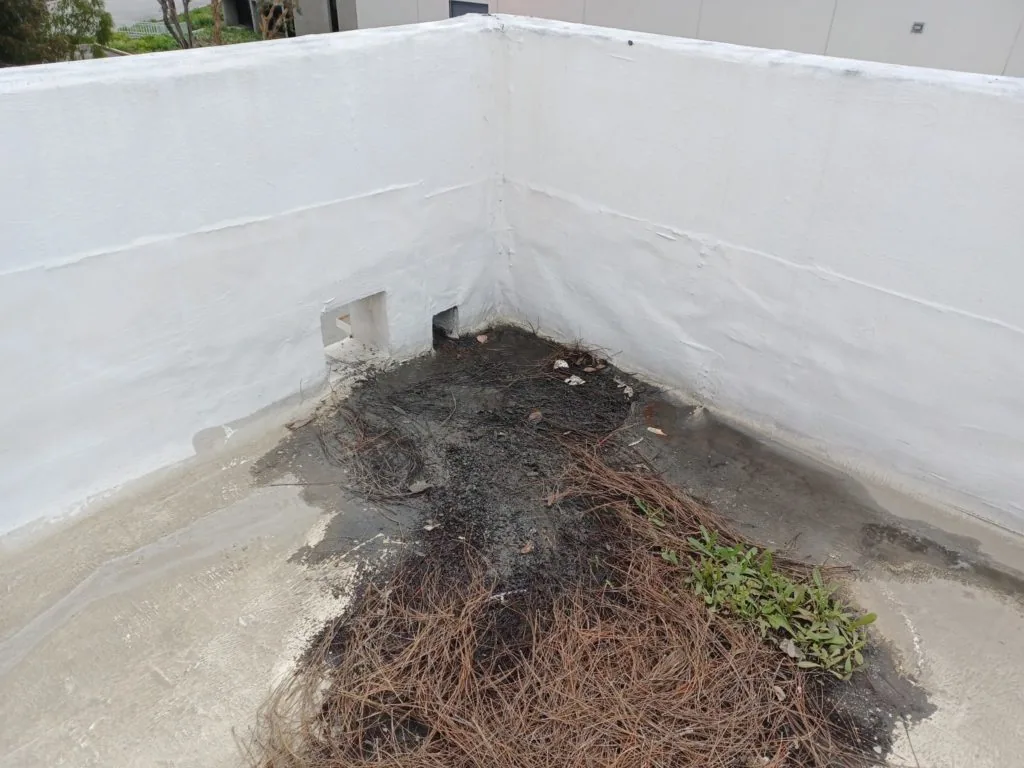
Warm, humid air rises, finds the cold deck and condenses. In a severe winter that condensation can drip like a leak, stain the ceiling and soak insulation. The roof gets blamed, but the cause is often missing vapor control, poor ventilation or a gap around a penetration. Treating it as a roof leak wastes a repair.
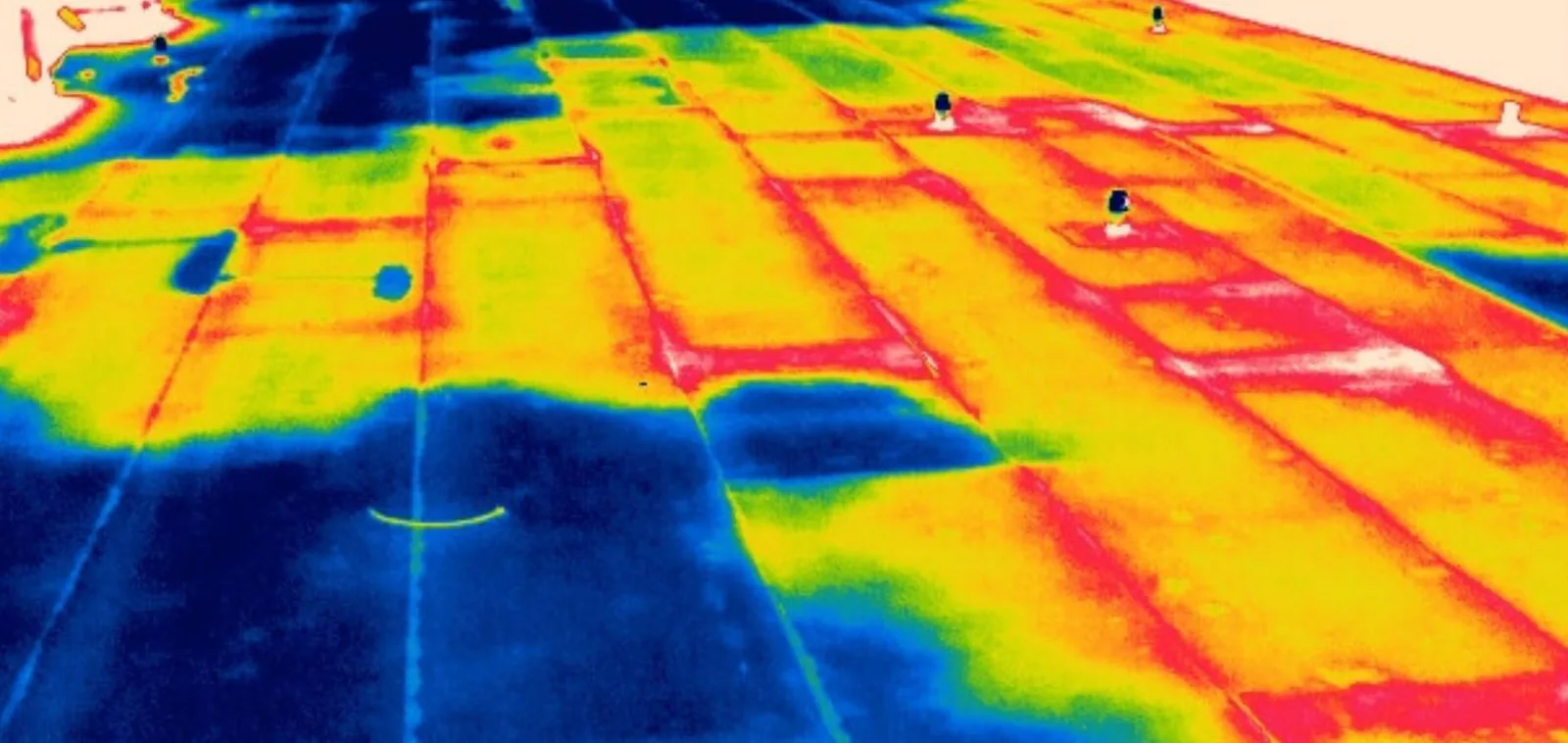
We tell the two apart by timing and pattern. Drips that follow rain or thaw point to the roof. Drips that show on cold, clear mornings, in a line along a vent, point to condensation. An infrared moisture survey maps wet insulation either way, and core cuts show what the layers hold. Then we choose between a roof repair, a sealing job at the penetration or a ventilation fix.
The fix for condensation lives mostly below the membrane. A vapor retarder on the warm side of the insulation, air sealing at the deck and enough ventilation keep moist air from reaching a cold surface. Where a re-roof is planned, we price those layers into the scope, so the new roof does not inherit the old problem. A membrane laid over damp, unvented insulation only seals the moisture in.
What do large seasonal swings do to a roof?
The climate in Manhattan is humid continental, so a membrane that sits near freezing in March and in the sun's heat in July moves a great deal between the two. Seams, flashings and sealants take that movement. Bozeman's January nights near 15 degrees F and its record of minus 46 are a useful reference for the valley's cold.
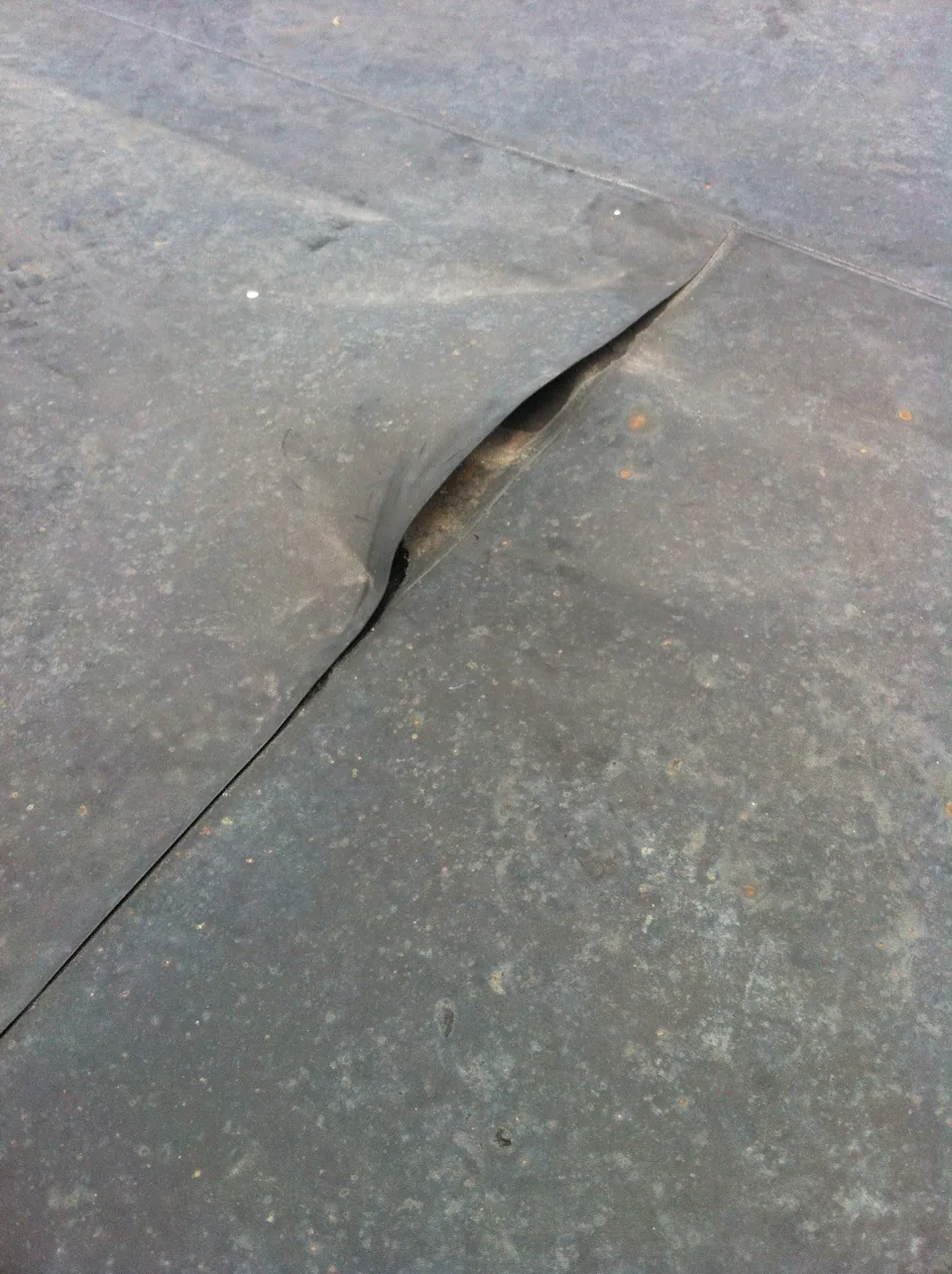
We check seams and sealant lines each fall, before the first hard freeze. A seam that is slightly loose in October can be open by March. A seam failure found early is a small repair. We probe, photograph and mark each one so the owner has a map of the weak lines.
Flashings suffer most from the swing. A wall flashing that is tight in July is stretched in January, and the sealant bead splits where the movement concentrates. We re-flash at walls with materials chosen for movement, and we leave the termination accessible, so the next inspection can see it. Photographs of each termination before and after the work go into the file.
How do we plan around a food or brewing building?
Food buildings have sanitation rules, and a roof job must respect them. Intakes and vents are covered or shut off in agreement with the operator. Debris is caught before it falls. The area below an open section is protected, and the crew cleans at the end of each day. A restaurant roof and a brewery roof share most of these concerns.
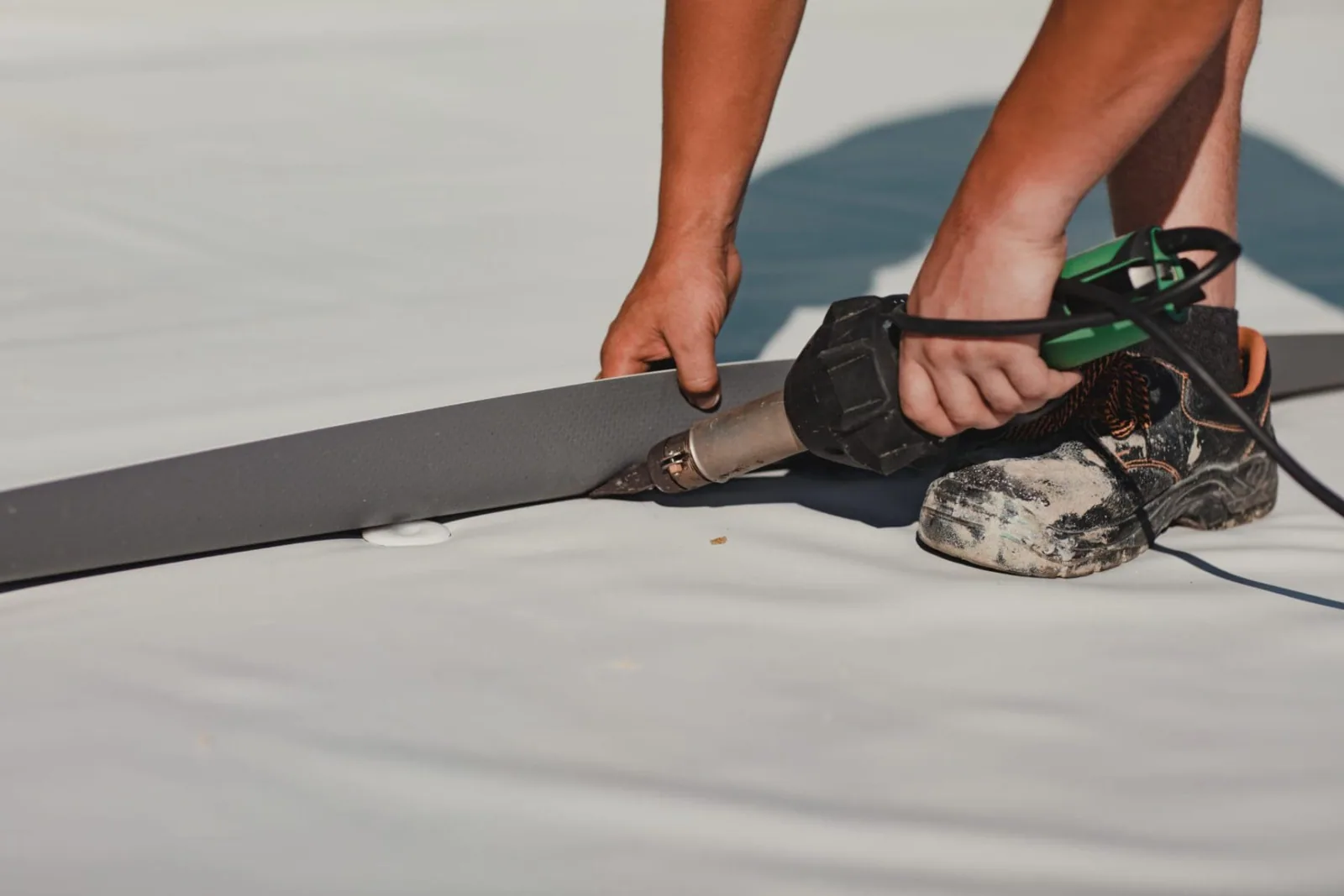
Grease, steam and sugar-laden vapor can be hard on some membranes. Where exhaust is heavy, a PVC sheet near the vent is a candidate, and a protective pad under a stack protects the sheet from drips. We map each vent and note the exposure, so the sheet is picked for what lands on it.
How does snow and ice change the plan?
Bozeman collects around 91 inches of snow a year and Manhattan lies in the same Gallatin Valley, with drifts behind parapets and equipment adding local weight to a listed 50 psf ground snow design. Meltwater runs to the nearest low spot, and a drain that stays iced sends it across a seam.
Drains and scuppers get cleared and checked ahead of the first heavy storm and after the main thaw, with the fall zones under each eave mapped and the ice spots listed. On small buildings, a single clogged downspout can cause most of the winter's trouble, and it is the cheapest item on the list.
What records suit a small-town owner?
One page and a folder of photographs. The page shows the roof, the vents, the drains and the date of each repair. The folder holds before and after images. Owners of small buildings often manage everything themselves, and a record that takes ten minutes to read gets used. When the building is sold, financed or insured, that page answers the first three questions the other side will ask.
We also note the condition of each section as a simple rating, good, fair or poor, with a one-line reason. At the next walk the rating is compared, and a drop from fair to poor moves a section up the budget list. The system is small, and it is enough to keep a modest roof from becoming a surprise.
How do we schedule work in a small town?
Manhattan sits off I-90 at exit 288, within reach of Bozeman and Belgrade, and visits are grouped along the route so the owner pays less for travel. Large scopes wait for the warm, dry stretch while temporary repairs cover the cold months, and a preventive maintenance visit in spring and fall keeps drains open and vents sealed. Neighbors such as Three Forks fit into the same run.

Questions About Manhattan
How can I tell condensation from a roof leak?
Look at when it drips. Water after rain or a thaw comes from the roof. Water on cold, clear mornings along a vent line is condensation. A walk inside and out, plus a moisture survey, settles it.
Can steam from a brewing building damage a roof?
Over time, yes. Constant warm moisture near a stack can soften sealant, stain membrane and wet insulation. A protective pad, a better sheet at the vent and good flashing reduce the harm.
What if our building vents grain dust?
Dust collects in drains and on sealant, and it can hold moisture against the sheet. Regular washing and drain clearing keep it from building up. We note the dust path on the roof plan.
Do small shops need a roof inspection?
A spring and fall walk is worth the small cost. Small roofs have fewer drains, so one clogged drain matters more. A dated file also helps when the building is sold.
Can repairs wait until spring?
A temporary seal can stop water now and hold through winter. Permanent repairs need dry weather, so we book them for the first workable week and keep the owner informed.