
Standing Seam Metal Roofing in Bozeman, MT
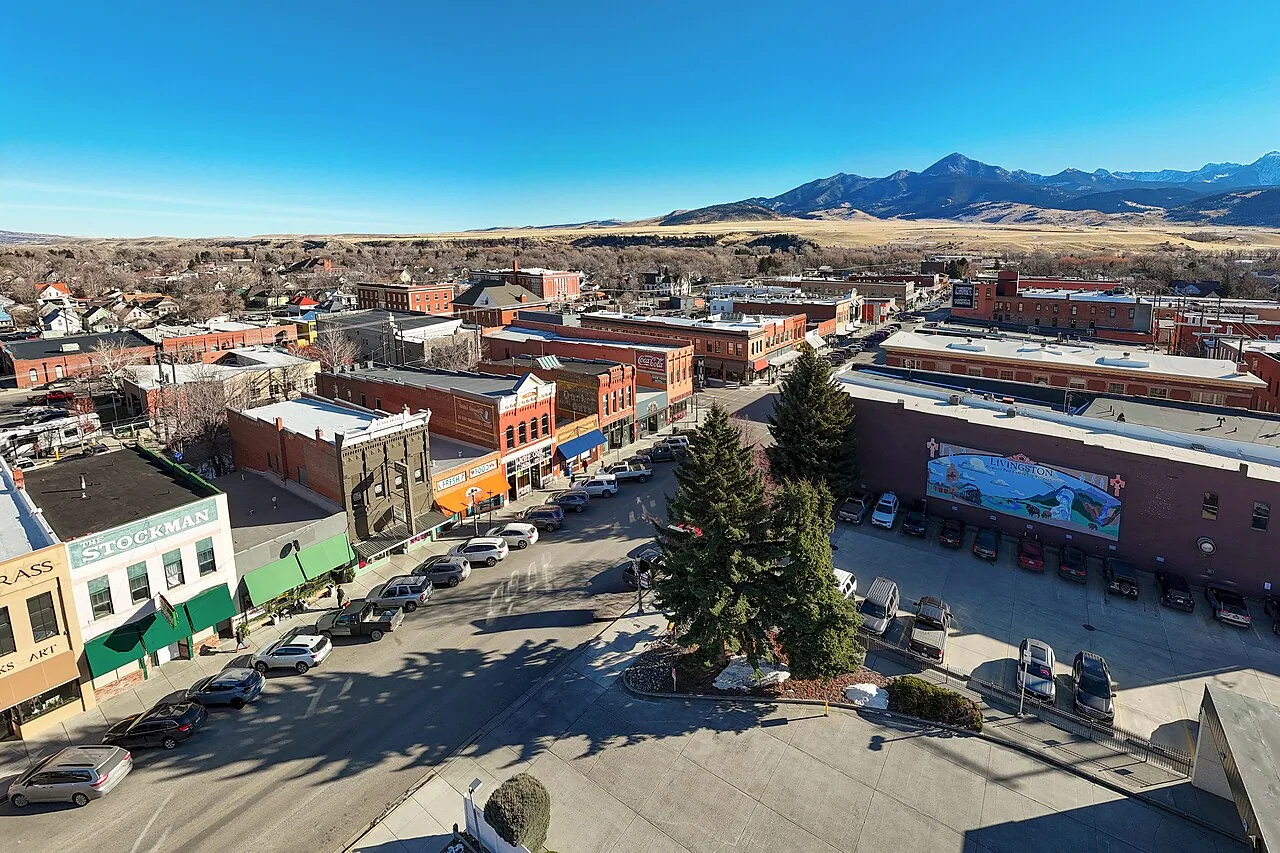
Standing Seam Metal Roofing in Bozeman and the Gallatin Valley
The first snow slide off a metal roof is a lesson about where people walk. On a lodge or a commercial building in the mountains south of Bozeman, MT, a sheet of snow can let go in a single afternoon and land on a door, a vehicle or a path. Big Sky averages about 162.7 inches of snow a year, with snow in every month except July and August, and Bozeman itself gets about 91.3 inches. A standing seam roof sheds that snow because it is smooth. That is its strength and its hazard. Where does the snow land from your roof?
We install, repair and replace standing seam metal on commercial buildings in the Gallatin Valley and the mountain towns near it, and we plan the snow path before we plan the panels.
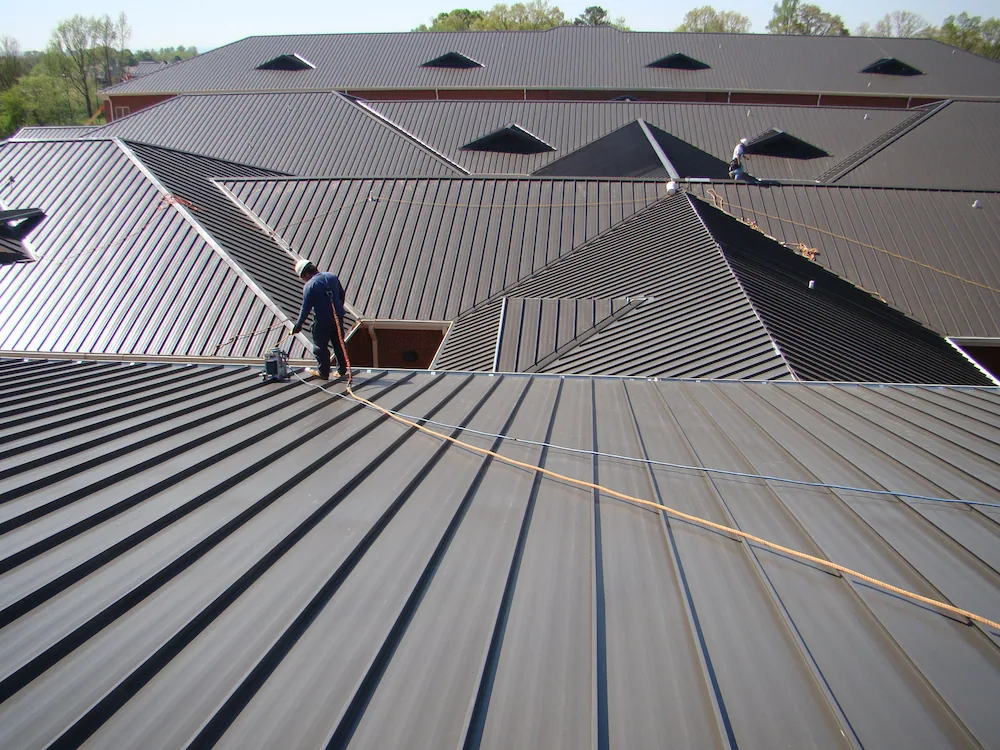
What is a standing seam roof, and how does it work?
A standing seam roof is made of long metal panels with raised seams that lock together. The fasteners are hidden under the seam, held by clips that attach to the deck, so the panel can expand and contract as the temperature changes. Because no screw head sits in the weather, a well-built standing seam roof has fewer places for water to enter than an exposed-fastener roof.
The clips are the key. They let the panel slide along its length while holding it down, and the right clip for the right panel and deck is a design decision. A clip that binds, or a panel fastened solid at both ends, will buckle, oil-can or tear itself on the first hard cold snap. We check clip type, spacing and panel gauge on every metal roof we inspect.
How do snow guards protect people and property?
Snow guards hold snow on the roof so that it melts and sheds gradually instead of letting go in a slab. Without them, a smooth panel acts like a ramp. The slab that slides can crush a gutter, tear a mechanical connection, damage a car or hurt someone below.
Bozeman is listed at 50 psf of ground snow with a 110 mph basic wind speed, and mountain sites run heavier. We map the fall zones under each eave, identify doorways, walks and parking, and size the guard layout to the slope, the panel length and the expected load. A hotel roof with guest entrances below is one of the strictest cases. The guards go in during the install, and we re-check their fasteners every fall.
What does thermal movement do to metal?
Bozeman nights in January average near 15 degrees F, and the record is minus 46. A metal panel changes length with every temperature swing, and on a long run the movement adds up. The panel slides in its clips, and the trim at the eave, ridge and wall must allow for it. Where trim is fastened rigidly, the panel pulls at its fasteners and a leak begins.
We look for signs: elongated fastener holes, dimples at the clip, gaps at the ridge, sealant that has cracked. Each means movement is not being absorbed. The fix is usually at the detail, such as a floating trim or a slotted hole. Edge metal and gutters are part of that system, and a gutter that holds ice can bend the eave and open the seam above it.
How does a metal roof face wind and hail?
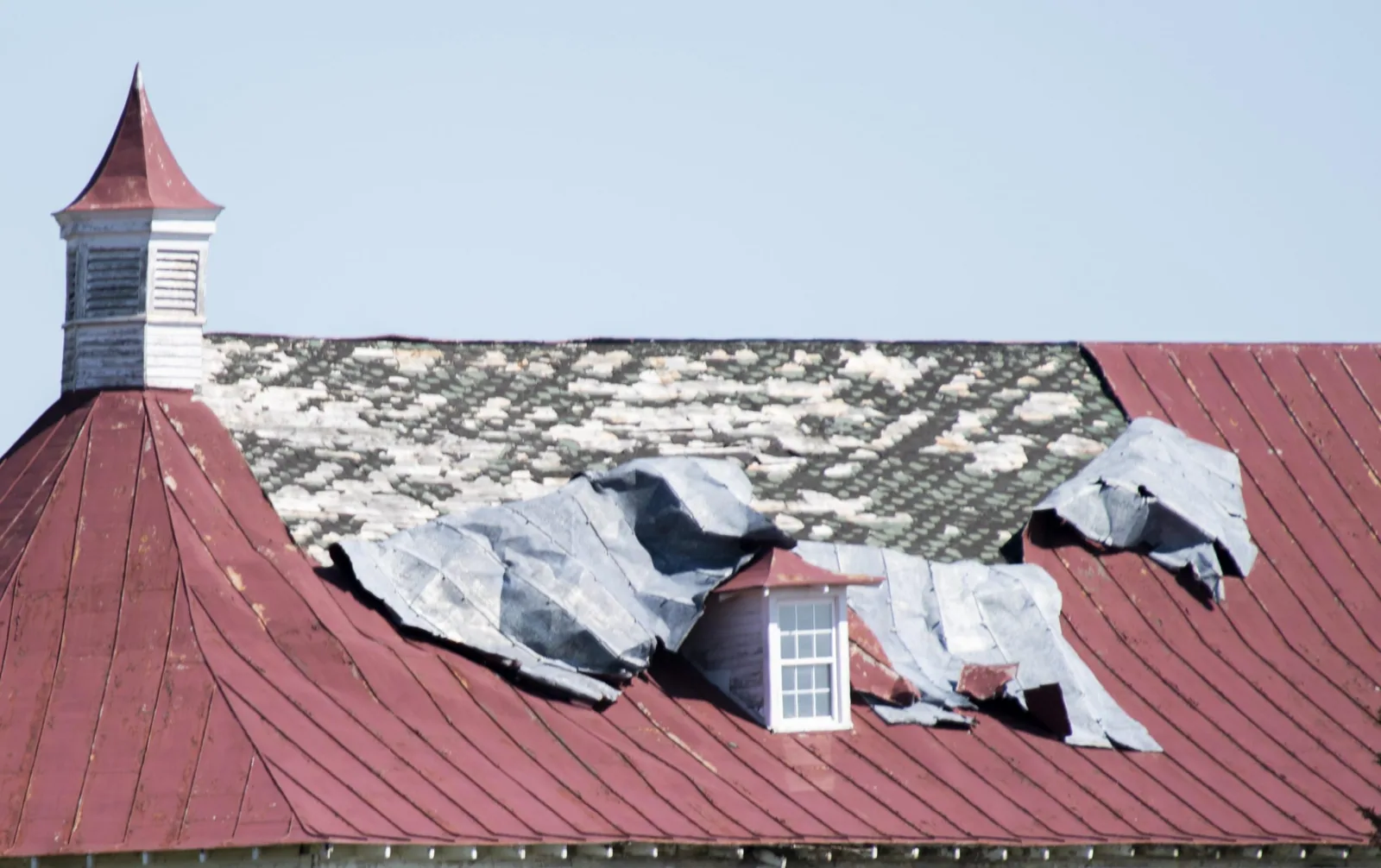
Livingston trails only Guadalupe Pass, Texas, for average wind among U.S. airport stations, and Belgrade and north Bozeman took gusts to 89 mph in early August 2013. Metal handles wind well when the panel and clip system were designed for the zone, and poorly when edges are loose. We check perimeter clips, trim fasteners and ridge details, since wind starts at the edge. Wind damage repair begins there too.
Hail dents metal. Golfball stones fell on Bozeman for about thirty minutes on June 30, 2010. A dent is a cosmetic mark when the coating and seams are intact, and a functional problem when the paint is cracked or a seam is deformed. We photograph dents with a scale, check for cracked finish and seam damage and report what is cosmetic and what is not.
What changes in the mountain towns?
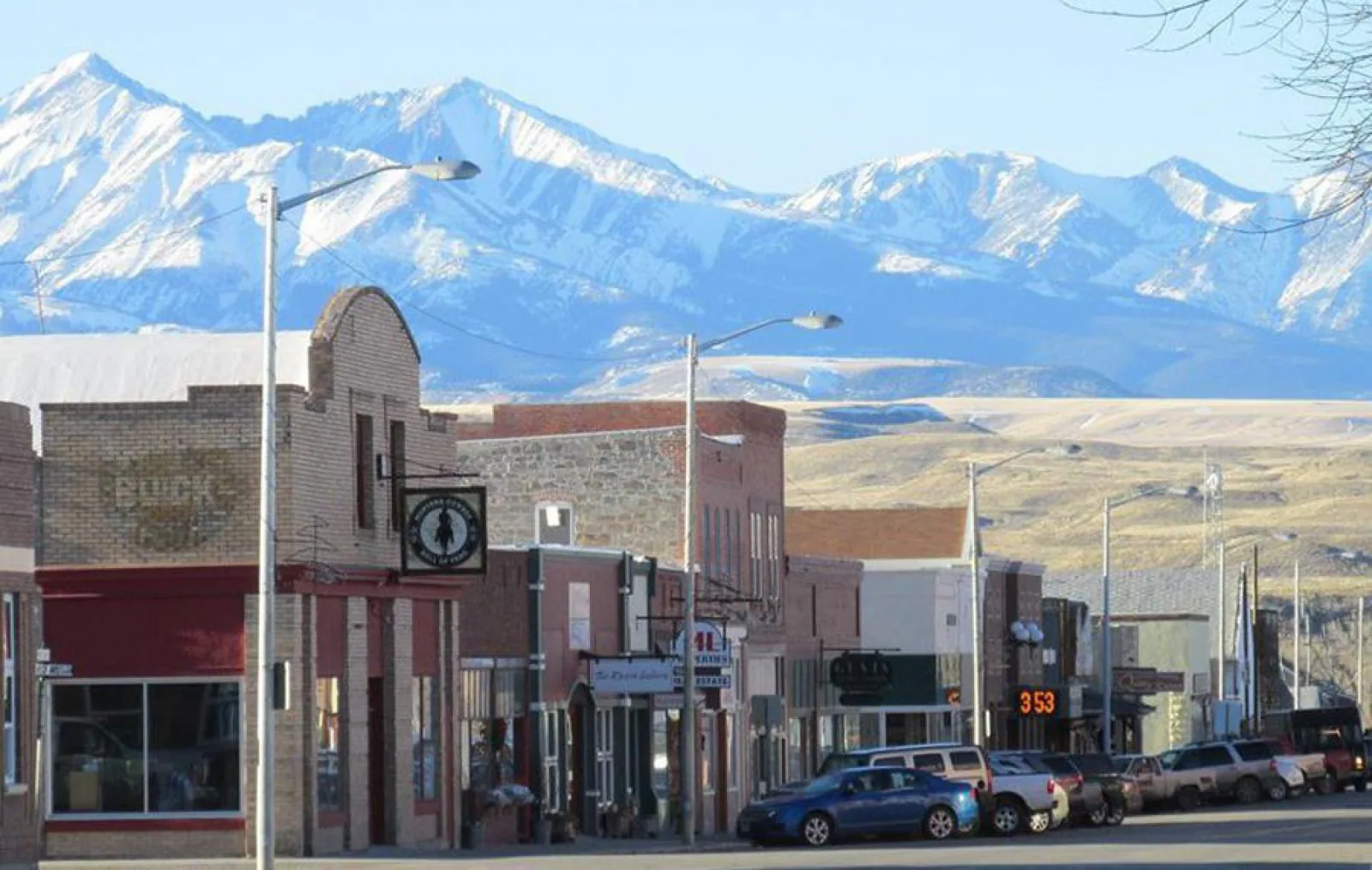
At Big Sky Town Center and in the surrounding mountain communities, snow load, access and season shape the work. The weather window is short, deliveries travel a long road and steep sites limit crane positions. We plan material staging, crane picks and crew access before bidding, and we hold backup dates for storms.
Livingston, east of Bozeman, has about 56 inches of snow a year and strong wind, so roofs in Livingston call for a close look at edge securement and trim. Each location sets its own list, and a roof plan written for one may not suit another.
What does upkeep look like on a standing seam roof?
Less than most roofs, but not nothing. Each spring and fall we walk the panels, check the clips we can see, look at sealant at penetrations and trim, and clear gutters and valleys. Debris in a valley holds water and ice, and a dam of ice in a valley forces meltwater up under the seam. We also check the finish. A scratched or chalking coating exposes bare metal, and rust at a cut edge spreads under the paint.
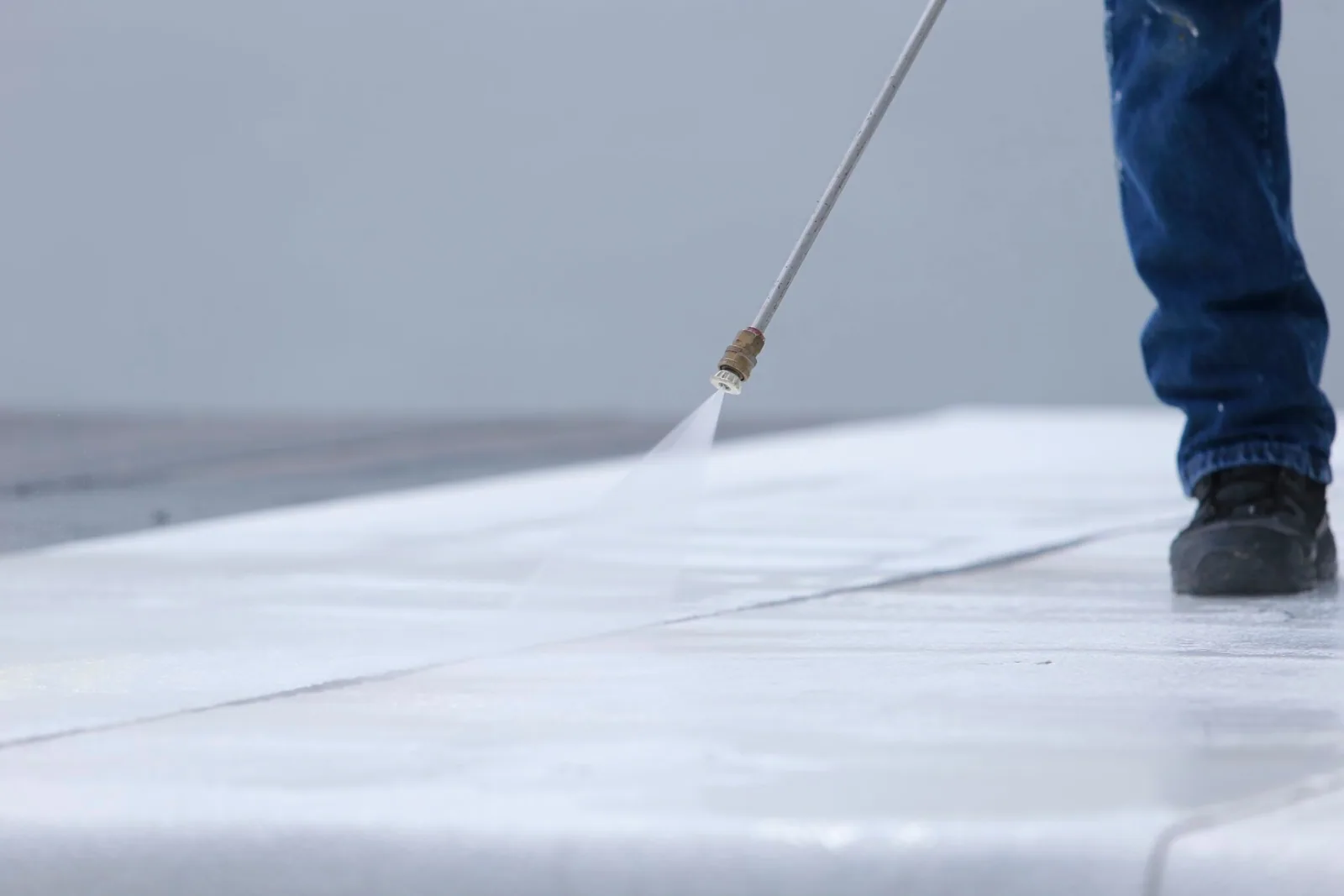
Where a finish is weathered but the panels are sound, a liquid-applied system such as a silicone coating can restore the surface, if the manufacturer's rules for the substrate are followed. Penetrations deserve their own attention. Pipe boots, curbs and skylights on a metal roof rely on sealant that expands and contracts with the panel, so we log each one and re-seal it before it fails.
Can standing seam go over an old roof?
It can, with a framing system or a thick cover board and a structural check. A metal roof retrofit over an aging low-slope roof adds slope and a long-lived surface, and it avoids tear-off in some cases. It also adds weight and changes the drain plan, so the deck, the insulation and the drainage all get reviewed first.
A core cut and moisture scan tell us whether the old roof is dry. If it is wet, the retrofit hides the problem instead of fixing it. We lay out the options side by side, with expected service and cost, so the owner can compare.
Questions About Standing Seam Metal Roofing
Does every metal roof need snow guards?
No. They belong where sliding snow can reach a door, a walk, a vehicle or equipment. We check the fall zone under each eave and size the layout to the slope and the load, rather than guarding every edge by habit.
Why are my metal roof panels noisy in the cold?
Panels move as the temperature changes, and clips, trim or fasteners can bind or tick. We recommend a walk to find tight spots, because binding that makes noise can also tear a fastener hole or open a seam.
Is a hail dent a roof failure?
Not by itself. A dent with intact finish and tight seams is cosmetic. Cracked paint, a deformed seam or a punctured panel needs repair. Photographs with a scale and a seam check separate the two.
Can a metal roof be repaired in winter?
Temporary repairs can be made in cold weather to stop water. Sealants need workable temperatures, so permanent repairs wait for a dry day with moderate temperature.
How do I know if clips have failed?
Look for panels that have shifted, waves in the surface, gaps at trim and elongated holes. Clip failures often show first at the longest panel runs, where movement is greatest.