
Ponding Water Roof Repair in Bozeman, MT
Ponding Water Roof Repair in Bozeman and the Gallatin Valley
A single-story mall roof in March has a particular look. The snow is gone from most of it, the sun is out, and a few dark, glassy patches stay behind near the middle of each bay. They are still there two days later, and they freeze solid every night. Standing water on a flat roof is not a surface stain. It is a load, a freeze-thaw engine and a slow chemical bath all at once. Where does the water sit on your roof, and does it sit in the same place every spring?
I stand at the eave and sight across the roof before I take a step. The low places announce themselves when the light is right.
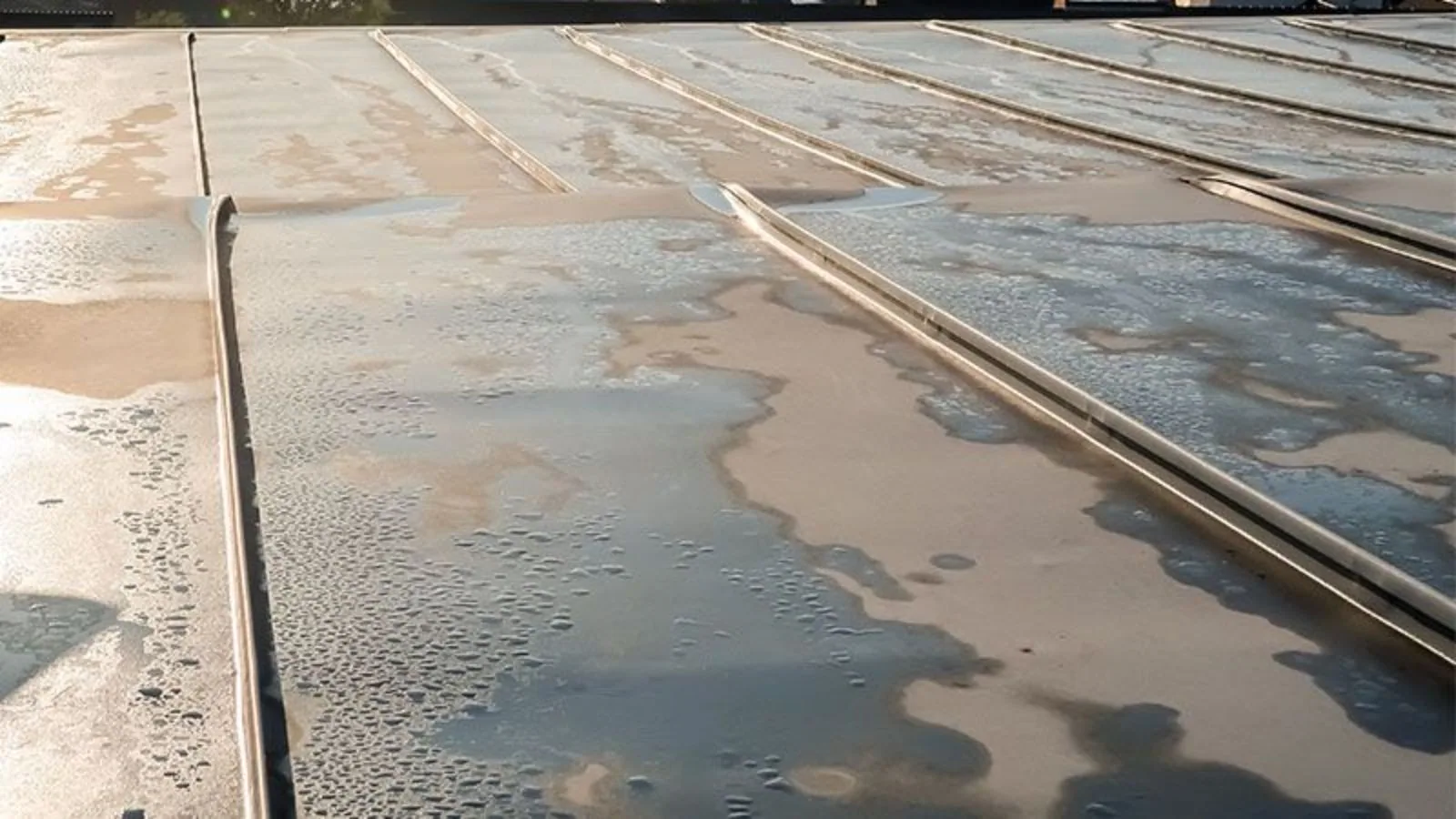
Why is a puddle on a flat roof more than a puddle?
Because water is heavy and the roof was designed for a certain load. An inch of water over a square foot weighs a little over five pounds, so a shallow pond across a wide bay adds up quickly. In Bozeman the roof is already asked to carry snow, against a listed ground snow design of 50 psf. A deck that has deflected a little under that snow will hold more water the next time, which deepens the low spot, which holds more water. The cycle feeds itself.
Water that stays more than a couple of days also changes the membrane surface. Dirt settles into a film, algae grows, and the sheet under the pond ages faster than the sheet on the high ground a few feet away. Along a seam, constant wetness works at the weld or the adhesive from the top while moisture from the underside works up.
What makes the water stop where it does?
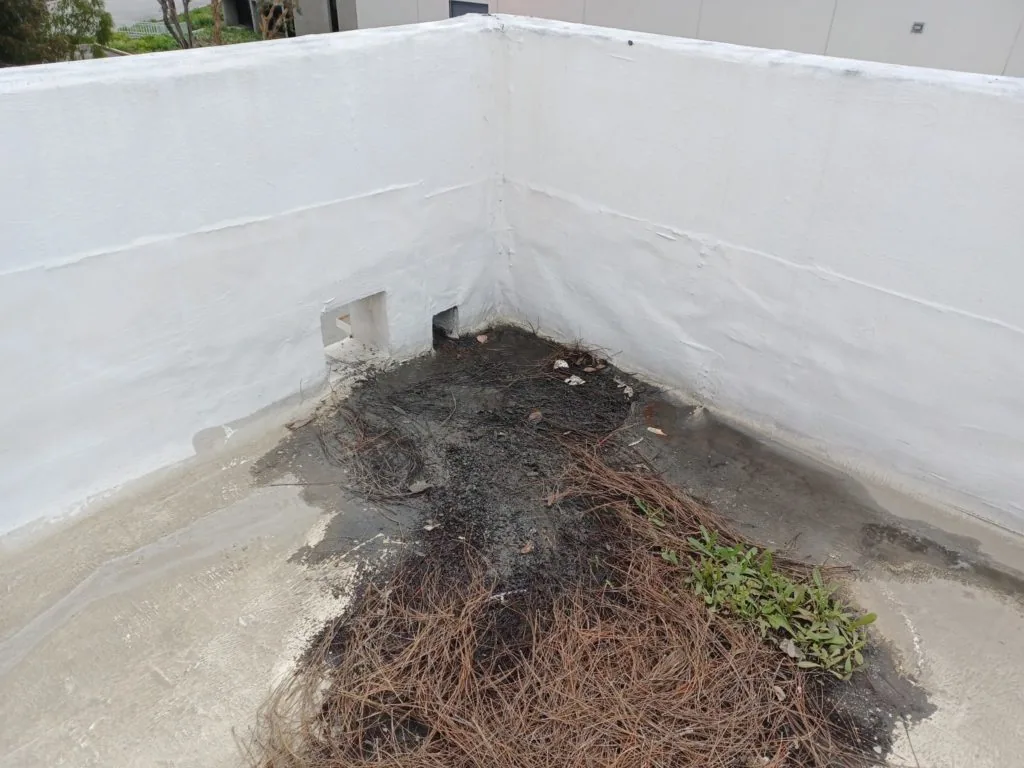
There are four usual reasons, and we sort them in this order. First, a drain, scupper or sump that is blocked or too high. Leaves are less of a problem here than windblown gravel, shop-vac grit and the ice that forms in the outlet during a thaw cycle. Second, a deck that sagged between supports. Third, insulation that has compressed under foot traffic or rooftop units, leaving a dished area around the equipment. Fourth, a roof that was never given enough slope to begin with, so the water has nowhere to go and a minor settlement turns it into a pond.
A core cut tells us whether the insulation under the pond is dry or saturated. An infrared scan gives the wider picture across the building. We want to know whether the problem is the water or the water has already caused one.
What does a freeze do to a pond on the roof?
It expands, and it does so on a membrane that is contracting in the cold. Ice sheets form over the low spot, lock themselves onto the surface and pull on the seams when the roof shrinks overnight. Where a drain sump sits under the ice, the ridge of ice at the eave and the frozen outlet hold the pond in place for weeks. January nights in the valley sit near 15 degrees and the record is minus 46, so the freeze does not let go quickly.
Spring is the second hit. As the sun thaws the top layer, meltwater runs to the same low spots and a refreeze starts the cycle again. A roof with a half-inch of standing water in November can have a solid inch of ice in the same place by February, and it will hold that ice until April.
Can ponding be fixed without replacing the roof?
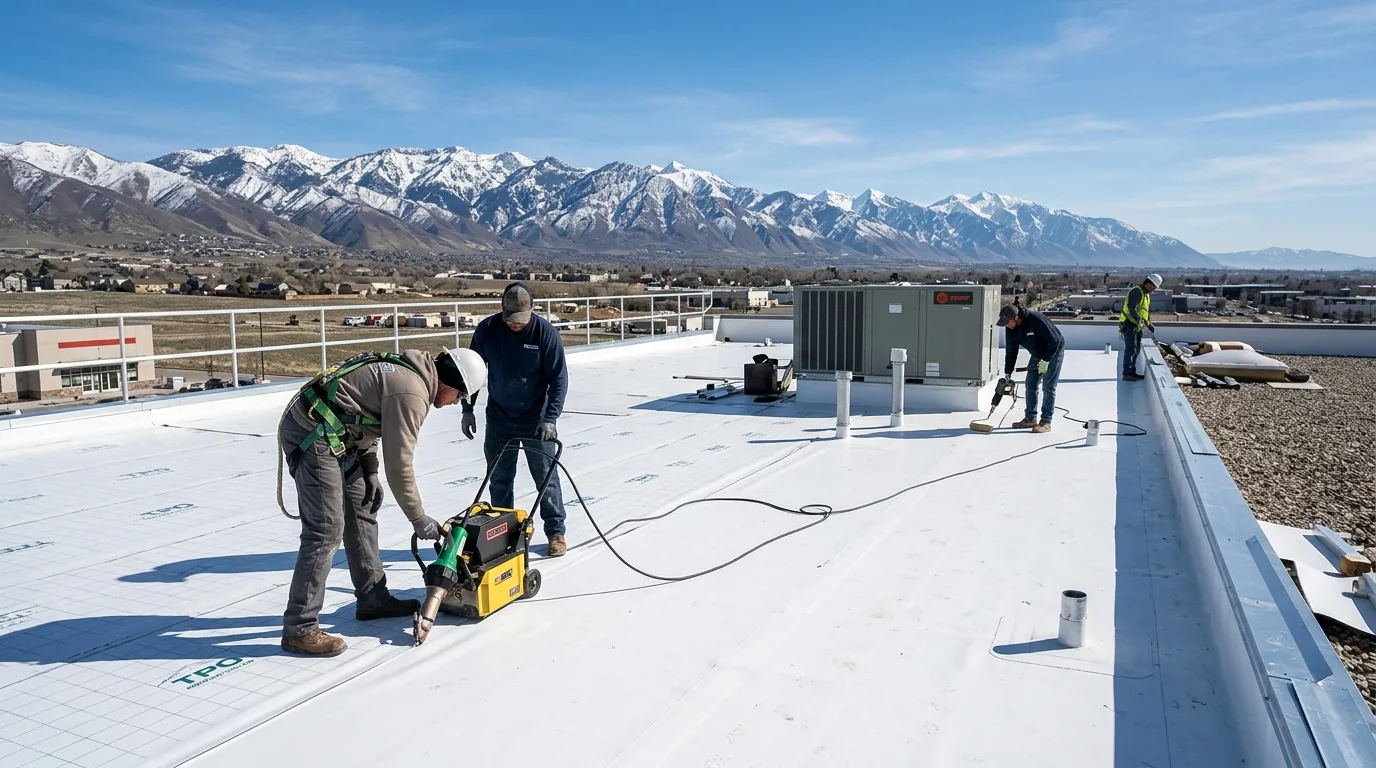
Often, if the deck is sound and the membrane under the water is still in good shape. The fixes run from simple to involved. We clear and reset blocked drains. We add a drain or a scupper at the low point so the water has a second exit. We install tapered insulation and crickets that build slope back into the surface and push the water toward the outlets. Where the membrane is worn under the pond, we cut it out and replace it, or we coat the area with a silicone system that tolerates wet conditions.
When the deck itself has sagged, the cause sits with the structure and the fix may need a structural engineer. We tell the owner when the question is bigger than roofing, and we do not cover a structural problem with a patch.
Which buildings pond most?
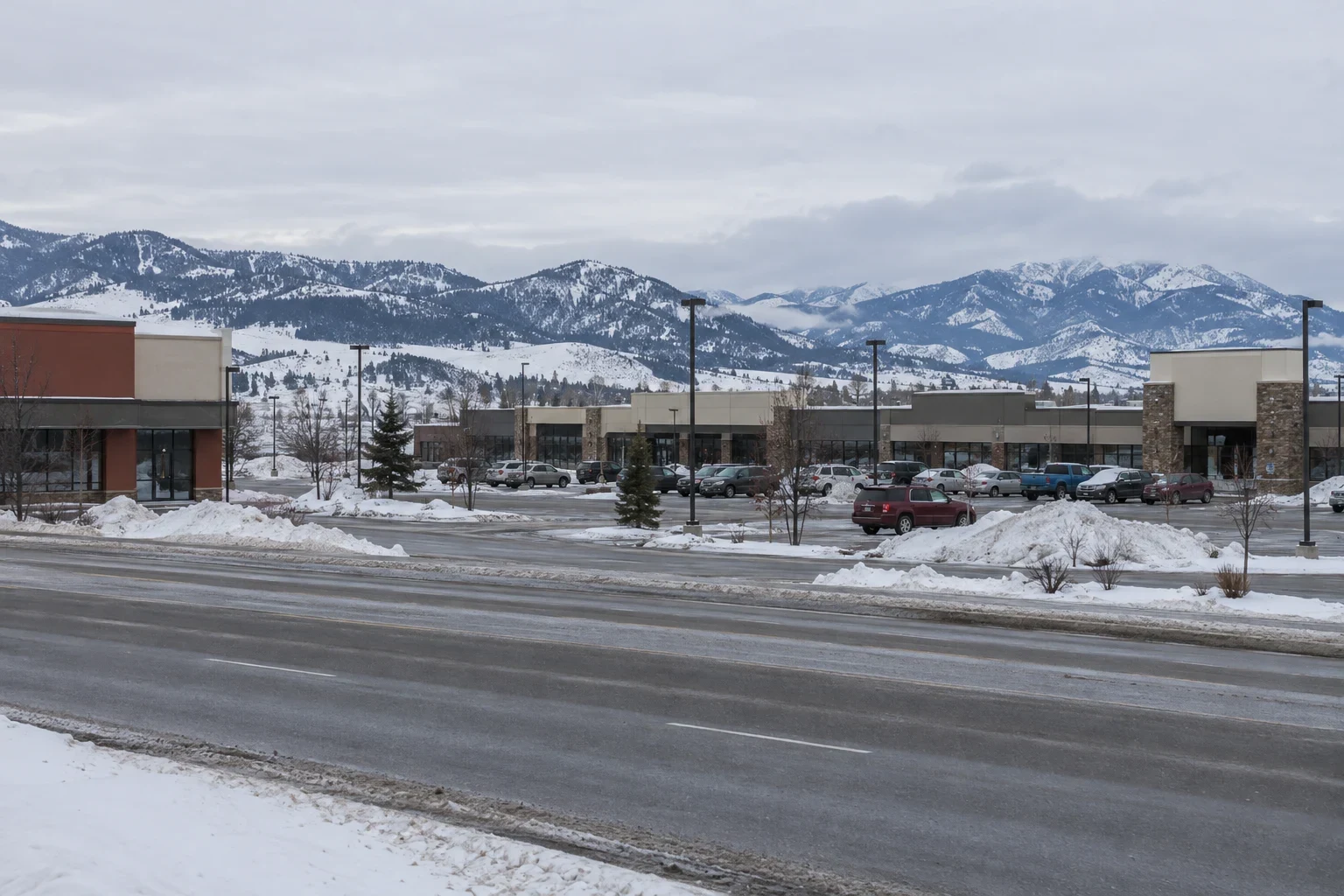
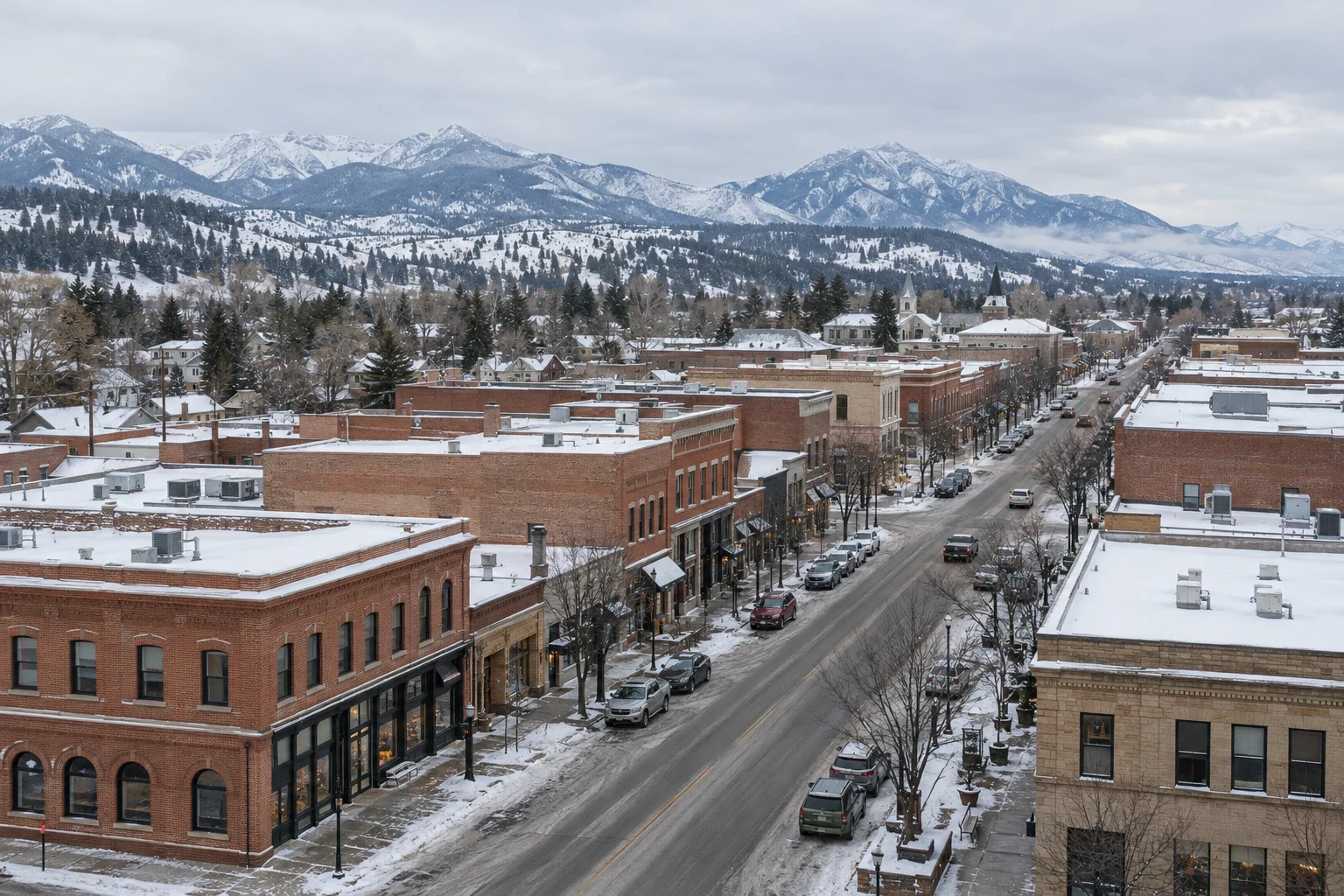
Wide, flat roofs with interior drains. Large single-story retail buildings are the sort where a small slope error multiplies across a wide flat area, and the West Main mall area has plenty of that shape. Older masonry in downtown Bozeman has flat roofs behind parapets, and a parapet drain that clogs under a drift sets up a pond fast. Newer mixed-use buildings in Midtown along North 7th Avenue should have drainage designed in, so when one ponds I look at the outlet before I blame the deck.
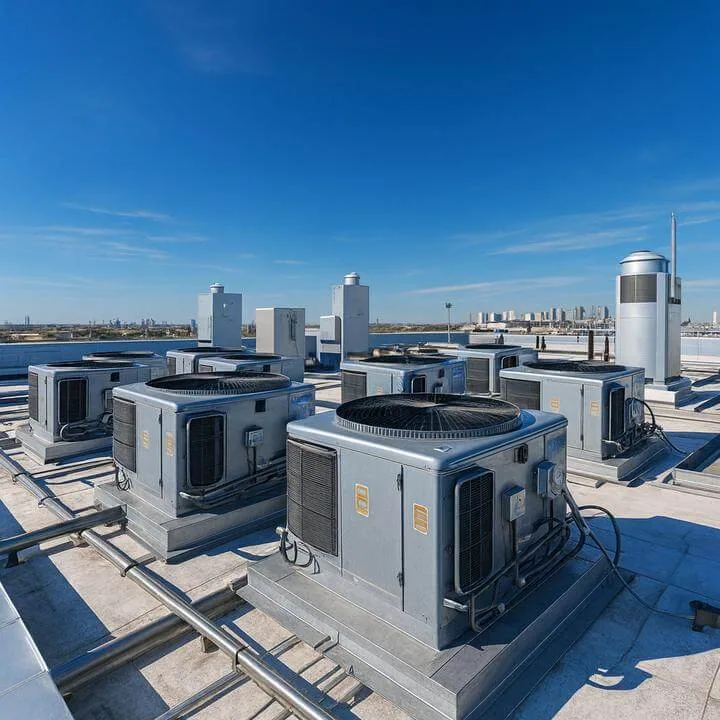
Any low-slope warehouse near Belgrade can dish where insulation compresses under rooftop units and their curbs, so we check around equipment pads on every visit.
What happens if we leave the pond alone?
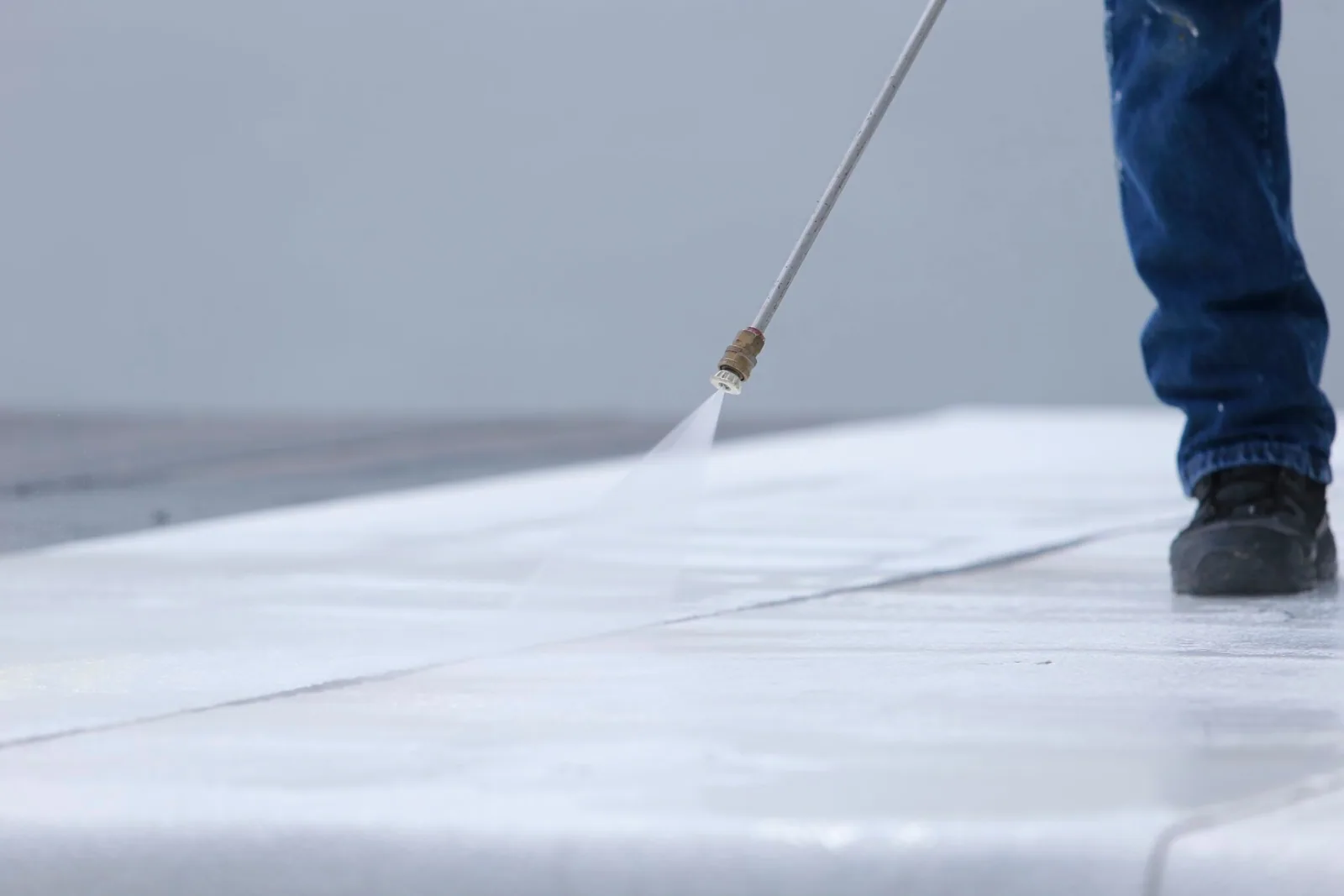
The membrane under it, whether EPDM or a welded sheet, ages ahead of the rest of the roof, and a leak eventually finds the seam or the flashing at the edge of the pond. The wet insulation below loses its thermal value and gains weight. We schedule ponding repairs before the first hard freeze when the adhesive window is open and the surface can be cleaned and dried.
Questions About Ponding Water Roof Repair
How long can water sit on a flat roof before it counts as ponding?
Water that remains on the surface more than about two days after rain or melt is ponding, and manufacturers of the common membranes treat it that way when they decide what a warranty covers. A puddle that clears by the next afternoon is normal. A patch that is still there on the third day, or freezes and stays, deserves a closer look at the drain and the deck.
Our building has interior drains and the roof still ponds. Why?
Interior drains only work when the roof surface slopes to them and the strainers are clear. A drain that sits high, a sump that has silted in or a deck that has deflected away from the drain will all leave water behind. We trace the water backward from the pond to find which of those is at work, then correct that cause instead of treating the stain.
Does wet insulation under a pond have to be replaced?
If it is saturated, yes. Wet insulation does not dry in place under a sealed membrane, and it will not hold its R-value or its shape. A core cut in the pond area and an infrared scan across the roof show how far the moisture runs, and we cut out only what is wet so the owner is not paying for dry board.
Will tapered insulation work on a roof that is already in service?
It works best during a recover or a replacement, when the surface is open and the insulation can be laid in tapered pieces that carry water to the outlets. On a roof that is staying in service, crickets behind curbs and small tapered pads at problem drains can pull the water out without a full tear-off, and they cost less than the damage the pond is doing.
Can a coating stop ponding on a roof that has settled?
A coating can protect the membrane under the water, since some silicone systems are made to tolerate standing water, but it does not remove the pond. If the owner wants the water gone, the slope has to be rebuilt. We say clearly which job the coating does so no one expects it to fix a dished deck.