
Roofing for Insurance Adjusters and Restoration Contractors in Bozeman, MT
Insurance Adjusters and Restoration Contractors in Bozeman and the Gallatin Valley
An adjuster walks a hail-struck roof once, and the file lives on for years. In the Gallatin Valley that walk is usually after a short, hard storm: baseball-size stones east of Gallatin Field and a half hour of golfball stones over Bozeman on June 30, 2010, golf-ball hail over Belgrade in August 2013 under 89 mph gusts, and 1.50-inch hail near Bozeman Hot Springs in May 2023. The roofs these storms touch look different the next morning than they do a month later.
The question I put to a restoration contractor or an adjuster is whether the roof has been cut open anywhere, or whether the opinion so far rests on what shows from the top. A hail bruise in a membrane is not always visible from above, and the answer can sit in the insulation underneath.
What does a loss inspection of a commercial roof include?
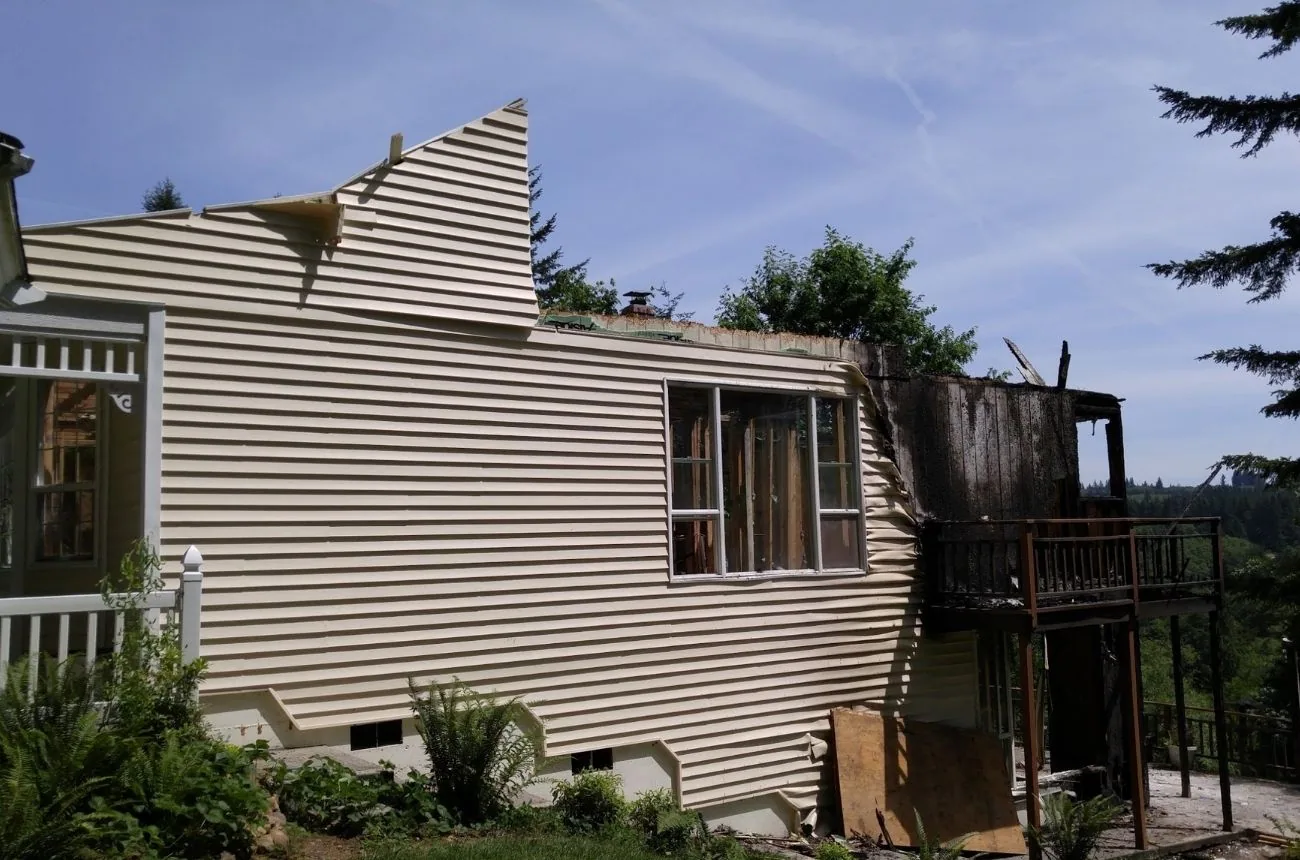
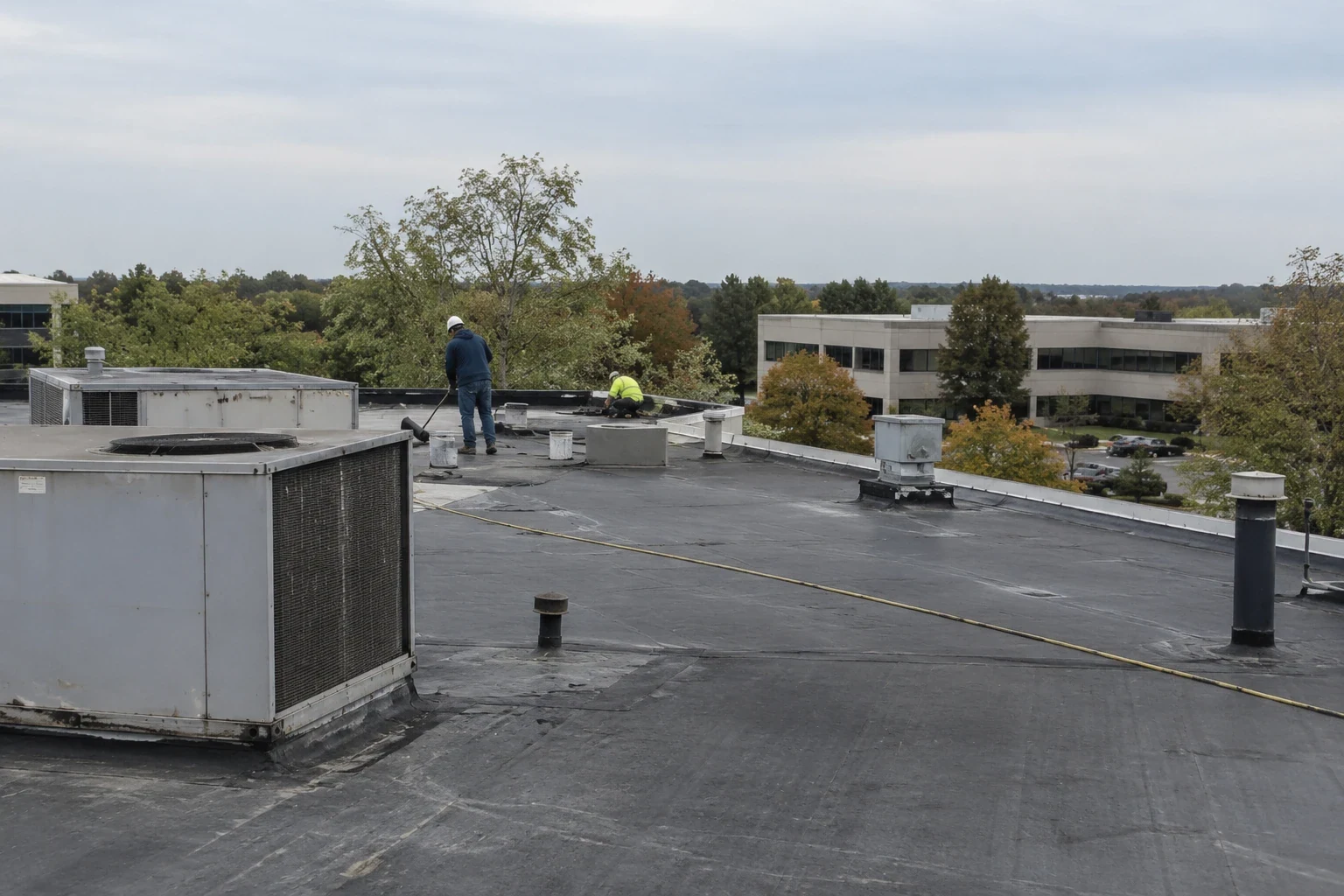
The field first, then the details. We walk the roof in a grid, mark impacts on a diagram, photograph each with a scale reference and note the direction of the damage. Direction matters: in the 2010 storm the broken windows at Montana State University were mostly on west- and south-facing walls, so the side of the building that took the hits goes into the record. Skylights, rooftop unit fins, vents and metal edges show hits more clearly than membrane does.
Details come next: flashing, copings, seams, drains and penetrations, checked for tears, displaced fasteners and wind lift. We record roof type, number of layers, membrane condition away from the damage and any sign of earlier repairs. Pre-existing wear and storm damage can sit side by side, and the report keeps them in separate lists with photographs for each.
Buildings in Belgrade, where golf-ball hail fell in 2013, and on the Bozeman side of the valley can show different damage from the same season, so each property gets its own walk. A record for one building is never carried over to its neighbor, even when the two share a roof line or an owner.
When does a core cut change the answer?
When the membrane looks fine and the loss is hidden. Hail can fracture insulation board under a sheet that shows only a dimple. Wind can break the bond between layers without lifting the sheet. A core cut shows the layers, the thickness, whether the board is crushed or cracked and whether water has reached the deck. We take a few cores at representative locations, patch each the same day and photograph the sample beside a tape measure.
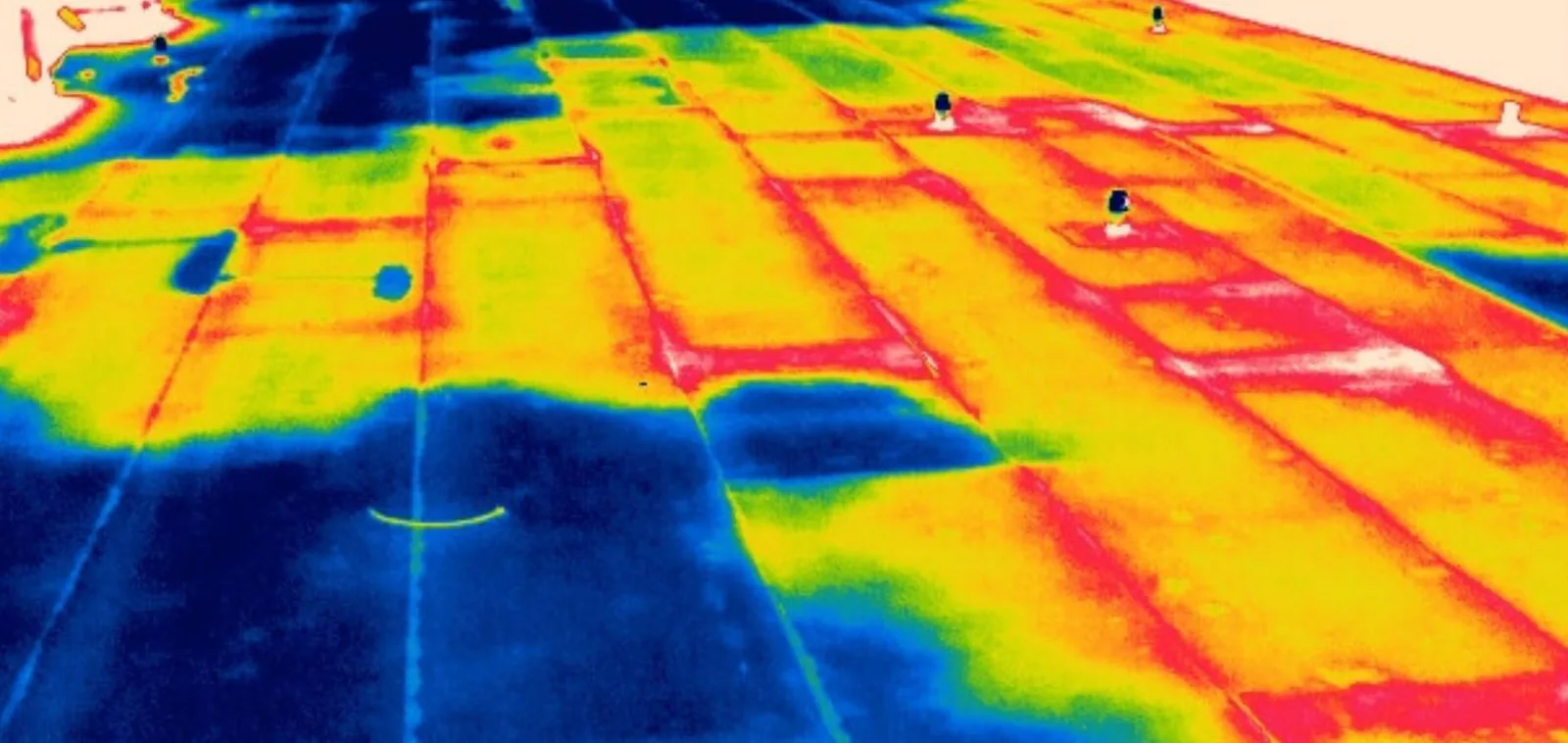
Moisture evidence follows. An infrared scan after sunset shows wet insulation that a visual walk cannot, and the readings are confirmed by cores. A roof that took several storms may show damage from more than one. The record notes what the evidence supports for each date, and leaves cause determinations to the carrier.
How do wind and snow losses differ from hail?
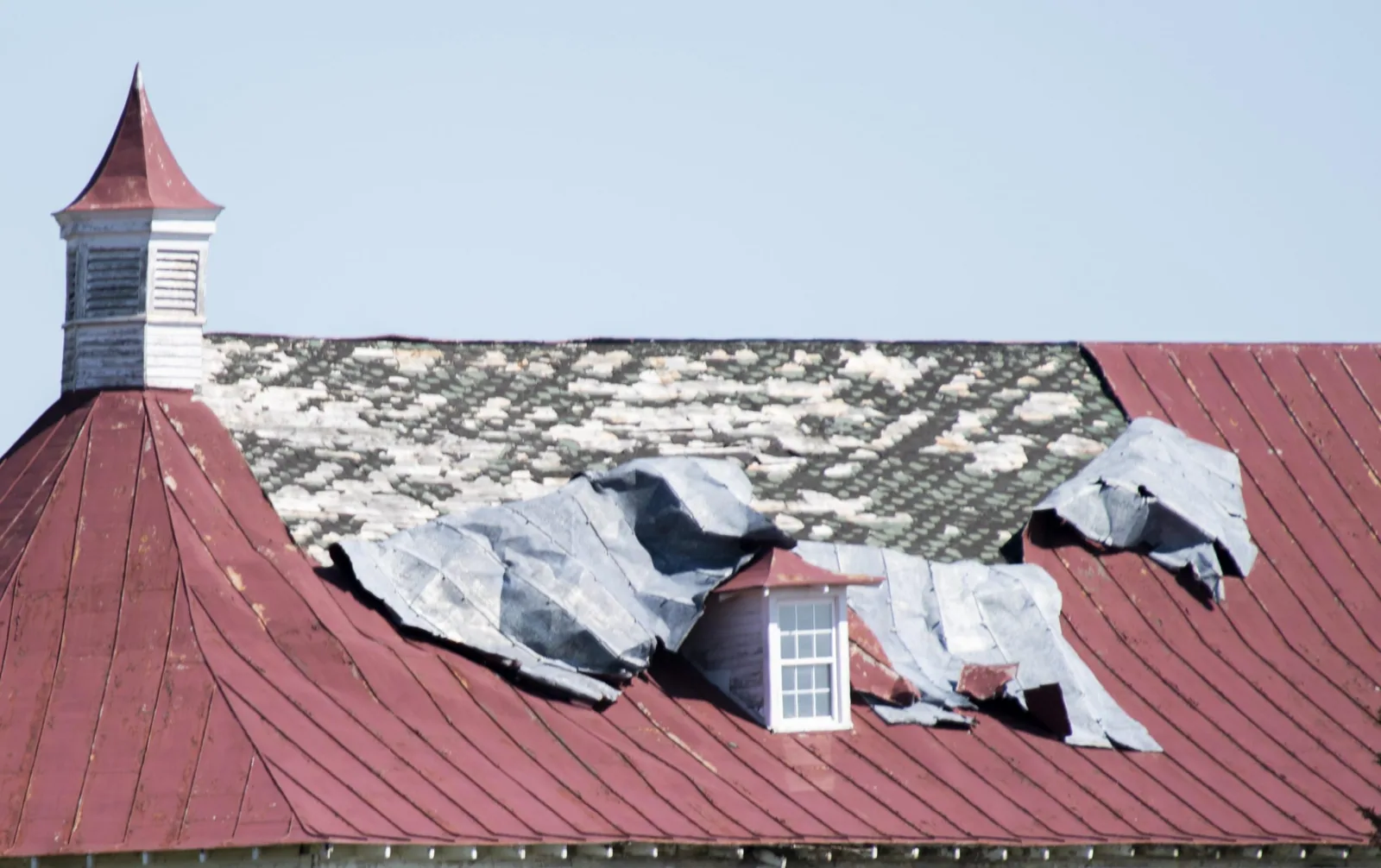
Wind lifts and peels. Gusts of 65 mph showed up on two sensors along Triple Tree Road in late August 2023, and Livingston's airport station trails only Guadalupe Pass, Texas, for average wind. A sheet that billows at the edge loosens the bond and tears at the termination, so the record covers edge metal, perimeter fasteners and corners first. Wind damage repair starts at the same places.
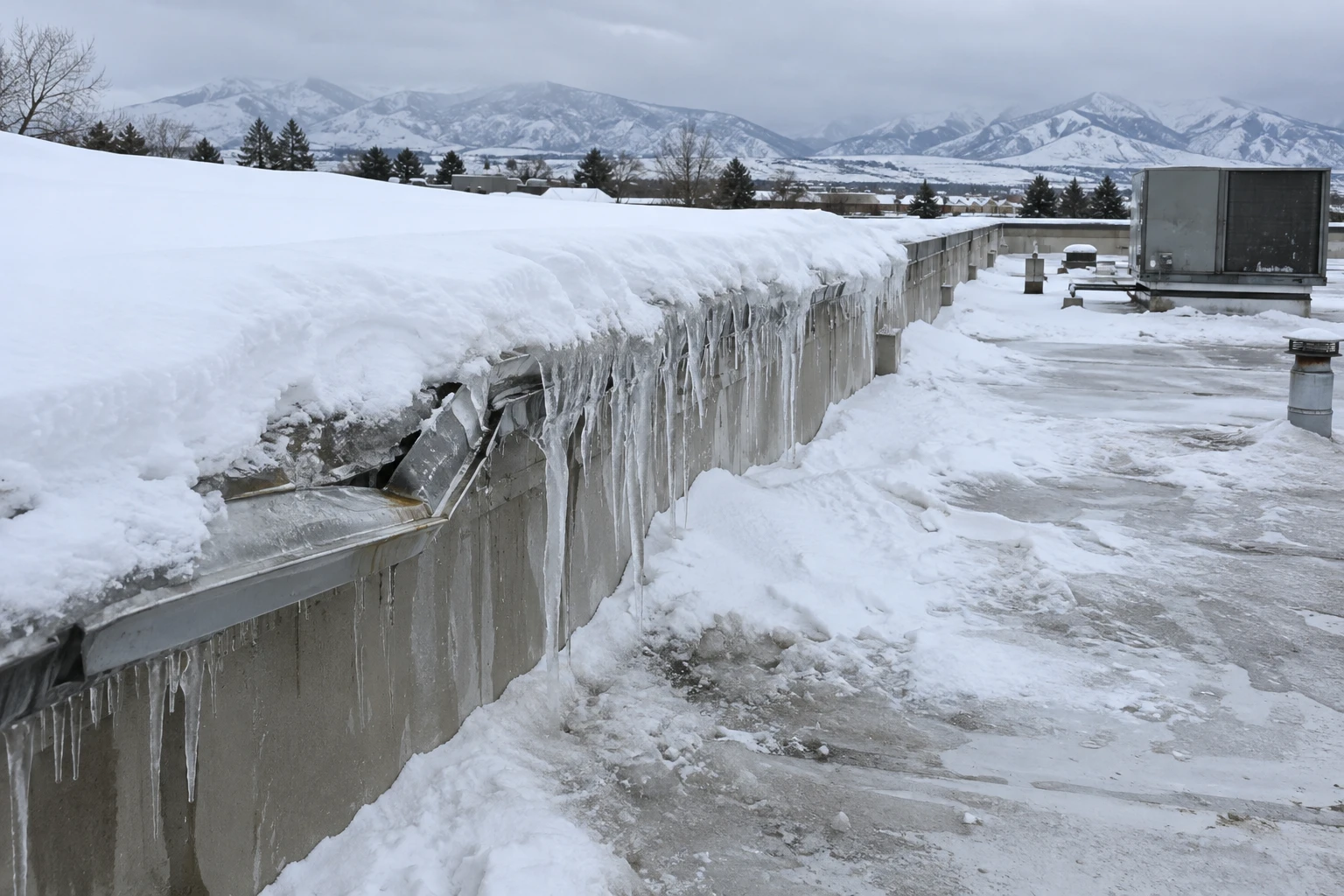
Snow losses build slowly. The valley averages about 91 inches a year, with about 54 snowy days, and a drift can overload a section, crush a vent or tear a drain. Ice dams push water under flashing, and gutters can collapse after thaw cycles. We document the snow depth when we can, the drainage path and any sign that the structure deflected. Our snow and ice damage repair notes follow a loss from first sign to final scope.
Contractors who handle restoration work often work with a builder or an owner's representative. A general contractor who is managing a rebuild needs the roof sequence and the dry-in date, and a property manager needs the tenant notice. We produce both from the same inspection, so each party reads the facts relevant to its job.
What happens before the claim is settled?
The roof still has to stay dry. Mitigation is part of the insured's duty, and a delayed tarp turns a repairable loss into an interior one. We install temporary protection with photographs before and after, and keep the receipts and a log of materials used. Emergency roof repair is written so the carrier can read what was done and why.
Permanent work waits on the claim, but the schedule does not. Cold-weather limits on adhesives close the window in the fall, so a claim that settles in October may push the repair to spring. We tell the owner and the adjuster what interim measures will carry the roof through the winter and what they will cost, so the delay is planned instead of discovered.
How is a repair scope written for a claim?
As a list of items with locations, quantities and photographs, grouped by cause where the evidence allows. Each line says what is damaged, what repair is proposed and what it will take: material, labor, access and any code upgrades. The scope separates storm repair from maintenance and from pre-existing conditions, so the carrier can compare it with its own estimate.
Building code adds items. A repair that triggers a larger scope may need to meet current values, which for Bozeman are 50 psf of ground snow and 110 mph of basic wind under the 2021 IBC. We flag code items in the scope with their reason, so they are not a surprise later. Our claim documentation and the repair estimate come from the same photographs.
Supplements happen. A scope written before a tear-off cannot see wet decking or crushed insulation under the membrane, so we set unit prices for concealed items and document each one as it is found. The carrier can then review the extra items with photographs and a measured area, and the owner is not left waiting for an answer while the roof is open.

Questions About Insurance Adjusters and Restoration Contractors
Can you meet an adjuster on the roof?
Yes. We bring the diagram, the photographs and the core samples, and we walk the roof with the adjuster so both records match. Where the two views differ, we write down the difference and the evidence behind each. We do not decide coverage.
How soon after a storm should the roof be inspected?
As soon as the roof is safe to walk. Hail marks fade as the surface weathers, debris blows away and interior damage spreads. A dated record from the first days after a storm is worth more than a more detailed one months later.
What if the roof has older damage from a previous storm?
We record it separately. The valley has had several hail events, so older bruises and repairs are common. The report shows what looks recent, what looks older and what cannot be told apart, and the carrier decides how to treat each.
Do you work with public adjusters and contractors?
We provide documentation and scopes to whoever represents the owner, and we keep the facts the same for every party. The owner decides who speaks for them, and we send the same report to each.
Will a repair after a claim keep the warranty?
It depends on the manufacturer and the terms. Some require approved installers and materials. Send the warranty and we will read the conditions against the proposed scope before work starts, so the repair does not create a second problem.