
Roofing for Cities, Counties and Public Agencies in Bozeman, MT
Cities, Counties and Public Agencies in Bozeman and the Gallatin Valley
Fire stations, shops, offices and maintenance buildings share one trait: the roof cannot go down when the weather turns. After the June 30, 2010 hailstorm, a Bozeman fire station lost bay door windows downtown and another on North 19th Avenue had a skylight damaged, which tells you what a public building faces when the sky does what it did that day. Public roofs are also held to a different standard of paperwork, because every dollar spent on them has to be explained to a council, a commission or an auditor.
The question I start with is simple: which of your buildings has a roof that has to work through a storm, and which one has a record showing it will? A building that houses emergency response, dispatch or records has less tolerance for a leak than a storage shed, and the budget should reflect.
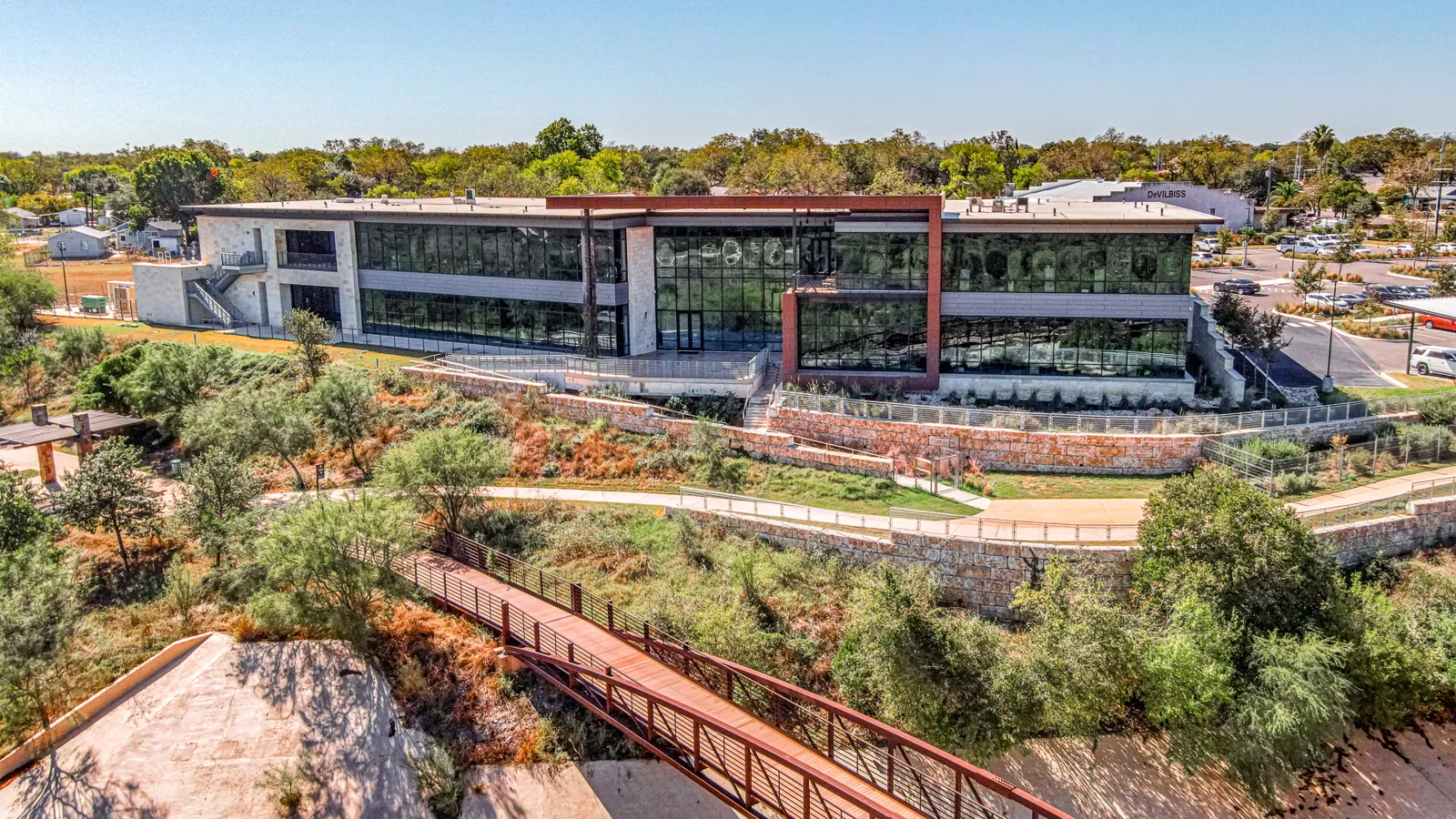
What kinds of public buildings are on the list?
The list is wider than it looks. Fire and police stations, public works shops, libraries, recreation centers, courthouses, administrative offices and airport or utility buildings each carry a different roof. A shop with a long metal roof and a snow-shedding slope behaves very differently from a flat-roofed office with a parapet and interior drains.
The airport side is one example of scale. Bozeman Yellowstone International Airport sits in unincorporated Gallatin County next to Belgrade on 2,481 acres owned by the Gallatin Airport Authority, handled about 2.8 million passengers in 2025 and announced a $180 million expansion. Buildings at that scale change over time, which means roofs meet new walls, new equipment and new drainage. We treat each addition as its own roof question, not as part of the old one.
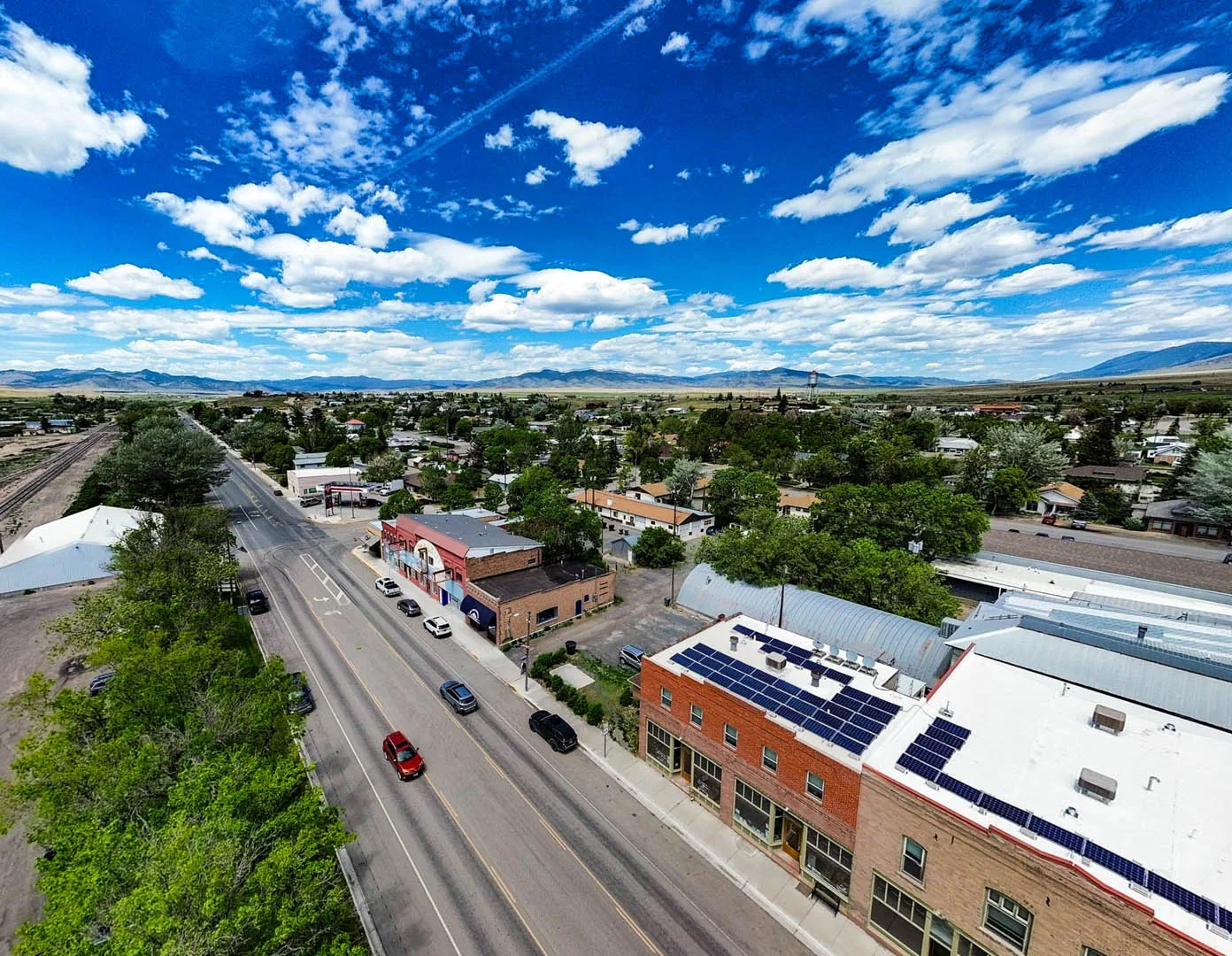
Location matters for access and exposure. Buildings along the North 19th Avenue corridor sit beside the city's busiest retail strip, where staging space and traffic control shape the crew's day. Downtown buildings sit among older masonry blocks in the Main Street area. Each setting changes where the crane goes and when the street can be closed.
How does a public roof carry a Gallatin Valley winter?
December is the snowiest month in a Bozeman year of about 91 inches and 54 snowy days. January lows average near 15 degrees, with a record of minus 46, so a roof sees deep cold and repeated swings. Montana design criteria for Bozeman cite a 50 psf ground snow load, and the statewide minimum is 30 psf, so the structure under a roof has to match the drift behind the parapet and the screen around the units.
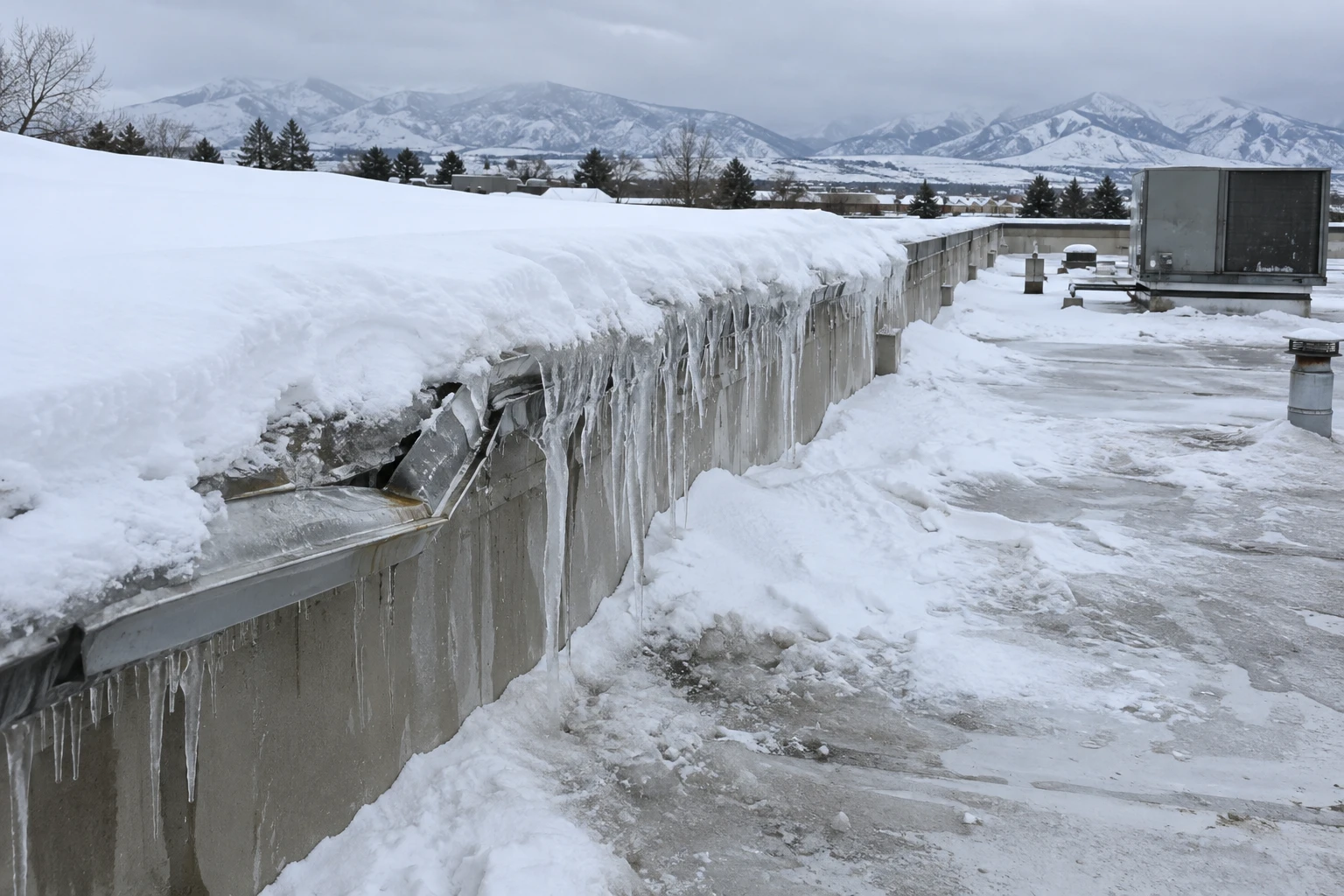
Public buildings run hot inside and cold outside, and that difference melts snow from below. Water runs to the eave or scupper and freezes into a ridge of ice that backs meltwater under the flashing. We look for it on every walk, and we note drains, sumps and overflow scuppers by name on the report so crews can clear them before the first big storm. When damage is already present, snow and ice damage repair begins with those same details.
What does a bid-ready roof scope contain?
Public procurement rewards a scope that is clear enough to bid without interpretation. That means a roof plan with dimensions, core findings with layers and thickness, a list of penetrations and curbs, drain locations, existing flashing conditions, and a statement of what stays and what goes. It also means a list of owner-supplied items, access rules, working hours and any constraints on staging.
We write findings so a procurement officer and an engineer can both use them. A roof condition report carries the evidence, and unit prices for wet insulation or deck repair settle what only a tear-off can reveal. When bids arrive on the same facts, comparing them is quick and the award can be defended. We also keep every photograph tied to a roof location, so a reviewer can find what was cited without a site visit.
How do you reroof a building that cannot close?
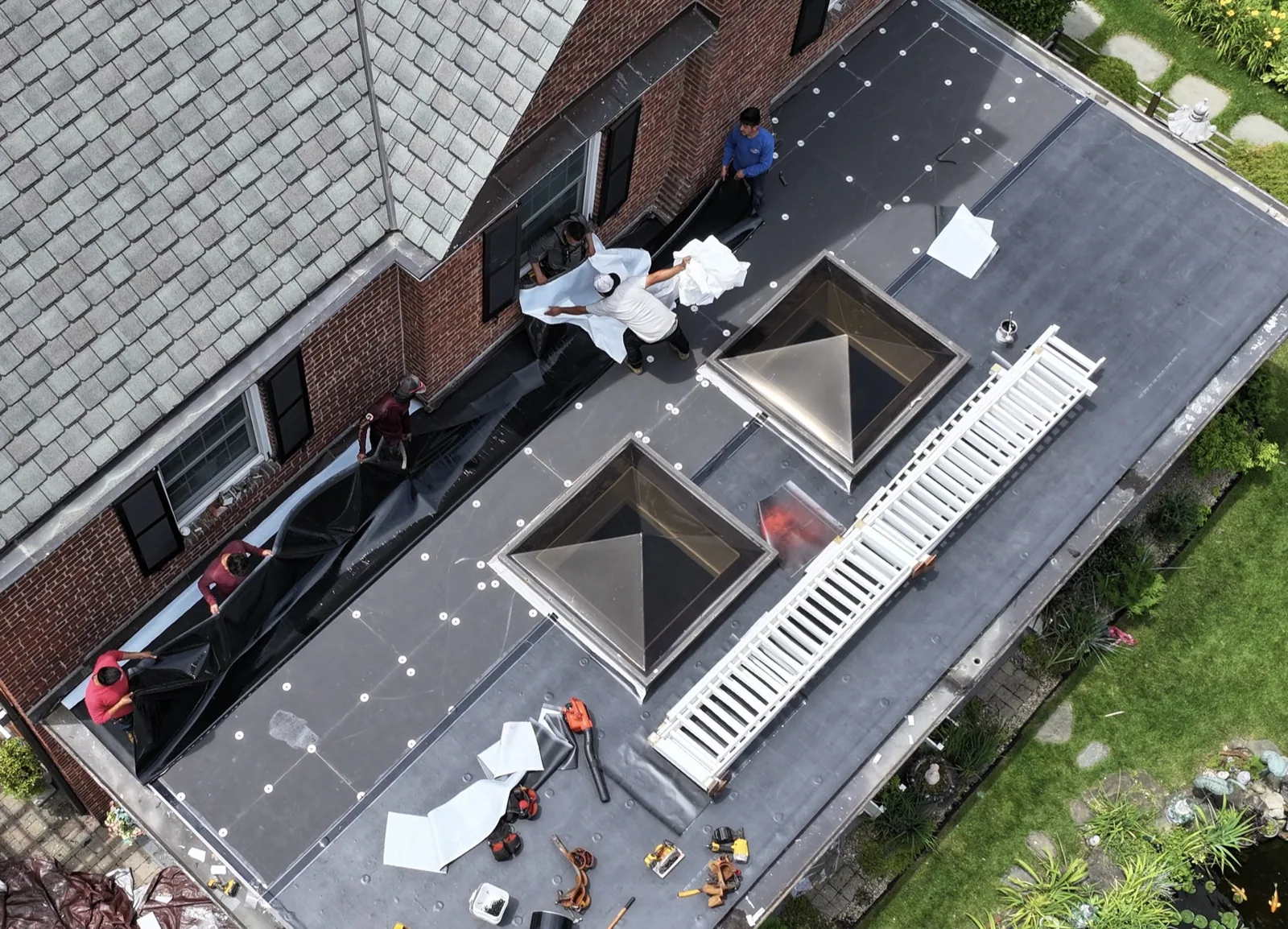
A fire station and a dispatch center run all day. The approach is to phase the work by roof section, protect the interior under the open area, and leave entries, bay doors and egress routes clear. We agree on daily stop times and where the material staging goes, and we hold a short meeting with the building contact before each phase. Reroofing an occupied building is mostly a matter of routes and schedules.
Emergency work should not wait for a bid cycle. If a public roof leaks over equipment or records, a dry-in goes on at once, and the permanent scope follows through the agency's normal process. We document the temporary work so the record shows what was done and why. Our emergency roof repair is the first step in that sequence.
Neighbors matter too. A county building that shares a wall with a leased space, or a city office that houses a private tenant, brings in property management questions about notice and access. A utility or hospital district with clinical space shares concerns with healthcare systems, where noise, dust and air intakes matter. We ask early who sits below the work and what they need to keep operating.
How should a public owner prepare for hail and wind?
Keep a baseline. A dated record of every roof before a storm lets an adjuster, a council member and a roofer all see what changed. In early August 2013, golf-ball hail fell across much of Belgrade and north Bozeman with gusts up to 89 mph, and a storm report from May 2023 lists 1.50-inch hail on the Gallatin River northwest of Bozeman Hot Springs. Records like those show that hail returns to the valley.
After a severe storm, we walk each roof and photograph impact marks, displaced flashing and damaged skylights, then sort findings into immediate dry-in, planned repair and watch. Our hail damage repair notes are written to support an insurance claim and a capital request at the same time. For agencies with many buildings, a multi-site roof program keeps the same format across every site.
Insurance for public property often runs through a pool or a risk manager, who will ask for documentation in a particular form. Tell us what the pool needs and we will build the report to it, with a dated photograph set, a location diagram, a statement of apparent cause and an itemized scope.
Questions About Cities, Counties and Public Agencies
Can you work from our existing specification?
Yes. We compare the specification with the roof as it stands and flag any conflict between the two, such as an insulation thickness that does not match the code edition or a detail that does not fit the existing deck. If an engineer wrote the spec, we send our comments to that engineer.
How do you handle prevailing wage and reporting requirements?
Send the contract documents and we price to the stated requirements. Reporting, payroll records and insurance certificates go on the schedule at the start of the job, so the agency's finance staff is not chasing paperwork at the end. Where a requirement is unclear, we raise it before the bid.
We have one emergency roof and ten others of unknown condition. Where do we begin?
Begin with the dry-in on the failing roof, then survey the other ten at the same time. A walk with core cuts, a moisture scan where needed and a ranking by consequence gives you a plan for the whole set. The ranking, not the age of the roofs, should drive the budget.
Do public buildings need different materials?
Not always, but the choice should match the building's use and exposure. A shop that sheds snow from a metal roof, a flat office with interior drains and a station with rooftop equipment each call for a different system. We lay out options with their trade-offs so the board can compare them.
What records should we keep after a roof project?
Keep the final report, photographs of concealed work, material data, warranty documents and a record of any repairs afterward. Store them with the building file, not in a contractor's email. Those records save time at the next inspection and support any warranty claim.