
Soprema Roofing Systems in Bozeman, MT
Soprema Roofing Systems in Bozeman and the Gallatin Valley
Every roof has a spot that no sheet quite fits: the cluster of pipes by the boiler stack, the old curb with an odd corner, the drain body that was cut in with a hand saw. Soprema supplies modified bitumen, liquid-applied membranes and insulation for commercial roofs, and the liquid-applied side is what I reach for in those awkward spots. In Bozeman, MT, with its short repair window, the question is whether the resin has a dry day to cure. When did you last look at the flashing around your tallest curb?
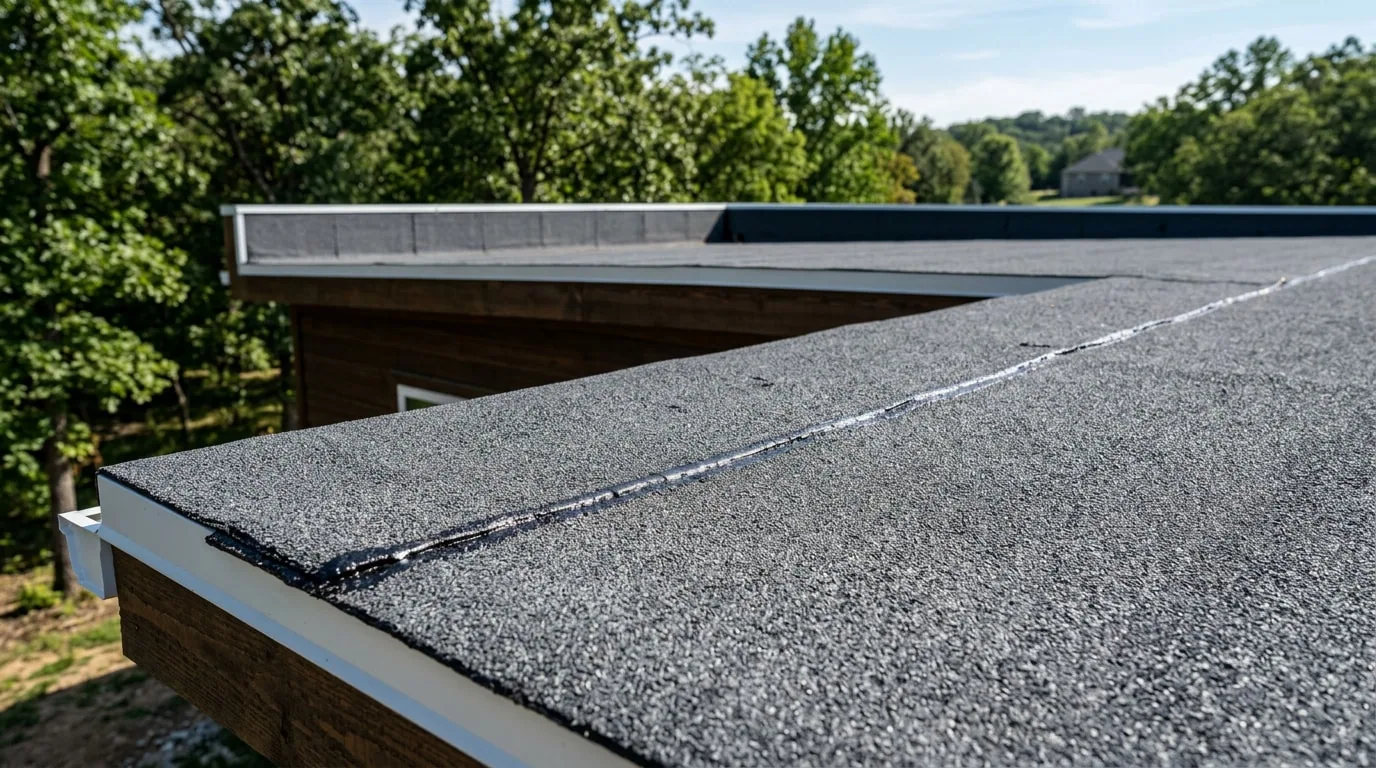
What is a liquid-applied membrane, and where does it help?
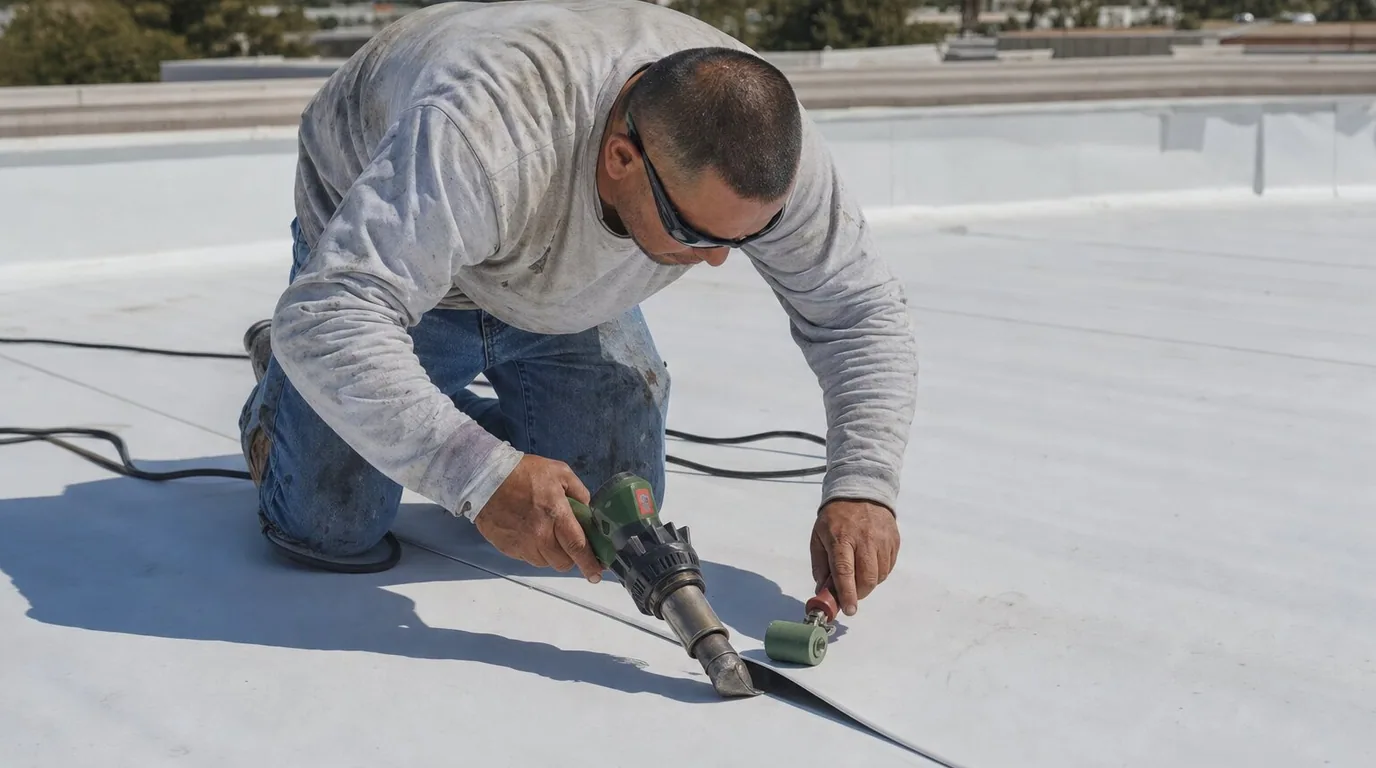
A liquid-applied membrane is a resin, poured or brushed onto a clean surface, often with a reinforcing fabric embedded in it. It cures into a continuous layer that bonds to the roof beneath it and has no seams to open. It is used for flashings, for restoring a worn roof and for tying together pieces of an old roof that do not match.
It shines where shapes are irregular: pipe clusters, stepped parapets, odd curbs, penetrations that have been patched three times. A sheet needs cutting and welding at every corner, and a liquid does not. The cost is surface preparation and time. The surface must be clean, dry and primed, and the resin needs a window to cure. In Bozeman that window runs from late spring to early autumn, with the best days dry, warm and still.
Preparation is most of the work. The old surface is cleaned, loose material is removed, cracks are routed and filled, and the primer is applied to a surface that is dry to the touch and above the dew point. A resin laid over dust or a damp patch will blister within weeks. I test moisture with a meter and wait for a dry morning, even if it costs a day.
How does modified bitumen differ, and when is it the better choice?
Modified bitumen is a layered system with a reinforced sheet bonded to a base, often in two plies, with a granulated or coated surface. It is tough underfoot, tolerates tool drops and handles foot traffic well, which suits roofs with frequent service visits. The sheets can be applied with heat, with adhesive or with a self-adhering backing. Laps are staggered between plies and sealed at the edges, and the finished surface is walked to check for fish-mouths, which are small openings at the lap that must be closed.
Flame is the issue on many buildings. Open-flame application needs a hot work permit, a fire watch and a building with no combustible insulation or hidden voids. Where those cannot be assured, as on an old masonry roof downtown or over a lab, a cold-applied or self-adhered option is safer. The choice is made on the first walk, and it affects the schedule, the crew and the cost. A two-ply modified bitumen roofing assembly gives a redundant layer, so a cut in the cap sheet does not reach the insulation.
What does a Bozeman winter ask of a flashing?
Against a listed ground snow design of 50 psf, flashings take the worst of it. Snow drifts against every curb and wall, meltwater runs down the face, and the flashing sits at the exact line where the water hits the roof. Cycles of freeze and thaw open any gap.
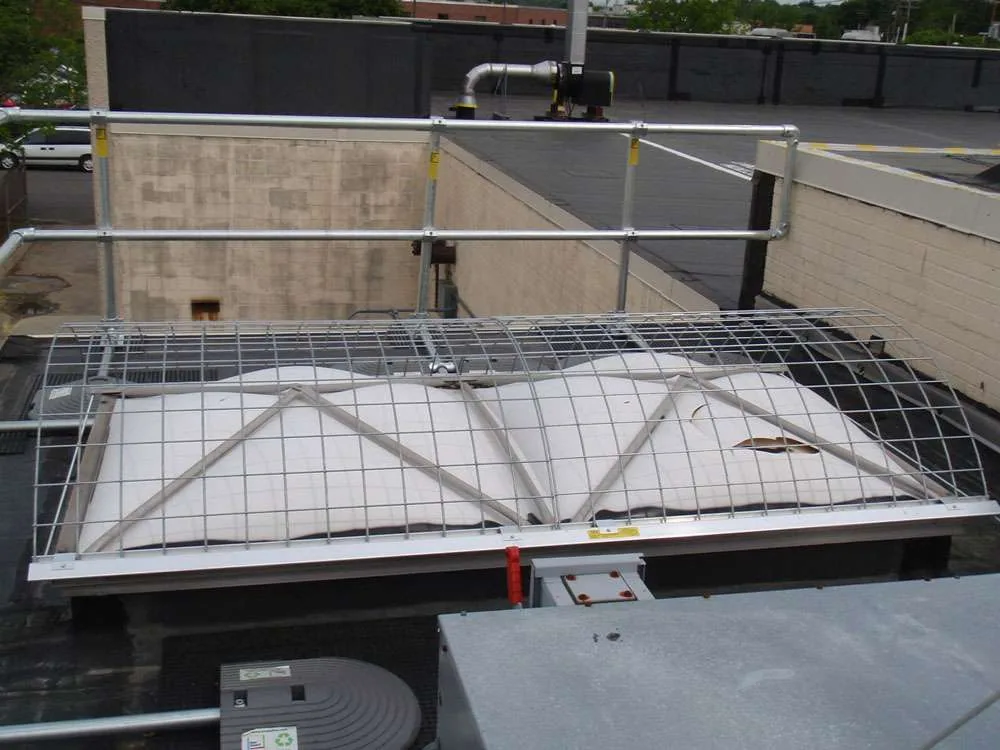
I look at each flashing for height, termination and adhesion. A flashing that rises only a few inches above the roof is under the drift line and will leak. A termination without a counterflashing or a sealed edge lets water in behind the sheet. A flashing lifted from its substrate is a failed bond, and one that sounds hollow when tapped has lost contact even if it still looks sound. Raising a curb, adding a counterflashing or re-forming a corner fixes each. Our work on skylight and penetration flashing follows the same checks.
How do hail and wind show up in these systems?
Two summers, 2010 and 2013, put golf-ball stones on the valley, the second with 89 mph gusts. A layered asphalt surface takes hail as bruises and lost granules, and a liquid-applied surface can take it as pits or cracks if the coating is thin.
After a storm, I mark each impact, photograph it and test beneath the worst. Thin spots in a liquid coating are patched with extra material and fabric. Bruised sheet is cut out and replaced. The report goes in the file and, where there is a claim, to the carrier. The wind side is about edges: the design wind for Bozeman is 110 mph, so edge metal and perimeter fasteners are checked first.
Which valley buildings use these systems?
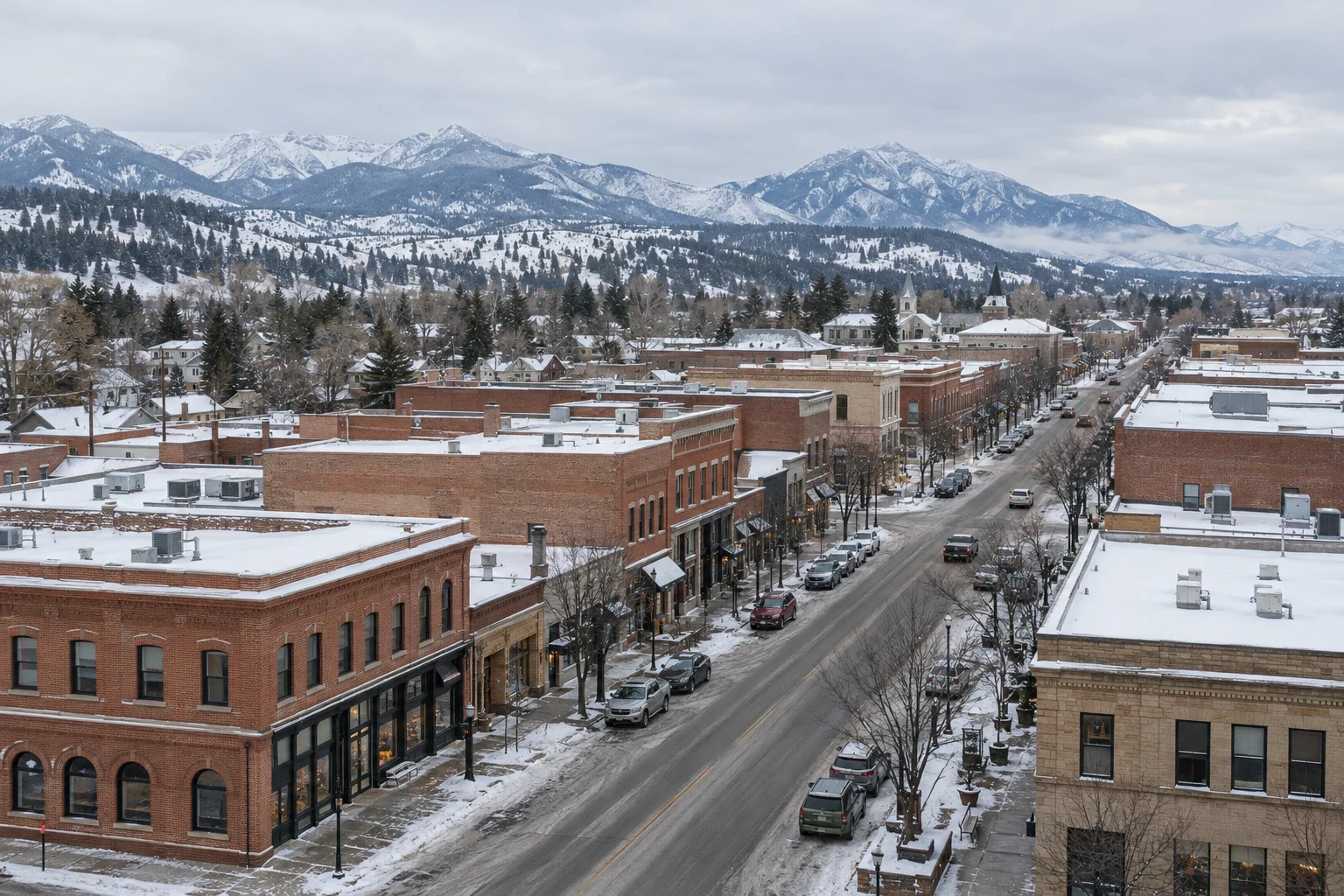
Older masonry buildings in Downtown Bozeman, labs and classroom buildings around the Montana State University area and strip retail on North 19th Avenue are the kinds of buildings where odd curbs and old patches collect. The owner may not know what is on the roof, so the first step is a walk and a core.
For labs, the plan keeps resin and solvents away from air intakes. For retail, deliveries and crane picks avoid peak hours. For a downtown building with a tight lot, a hoist or a street pick is planned in advance. Each approach follows the working routine of occupied building reroofing, and curbs are rebuilt as part of rooftop equipment curbs and supports repair.
What should the owner keep after a flashing or coating job?
Photographs of every flashing before and after. The product used at each location, the number of coats and the reinforcement. The dates and the weather on the day. A diagram marking each treated spot. Manufacturer programs and terms vary by product, so confirm the specifics in writing with the manufacturer or the installer.
The file helps the next crew match materials, since a liquid layer cannot be patched with just any product. For portfolios, a ranked condition report lists the treated spots. Systems from Sika Sarnafil and GAF call for the same identification and record-keeping. Each treated spot also gets a recheck after the first thaw.
Questions About Soprema Roofing Systems
The flashing around our tallest curb has been patched three times. What next?
Strip the patches, check the curb height and the substrate, and rebuild the flashing in one piece. A liquid-applied flashing with reinforcement fits odd shapes without seams. If the curb is low, we raise it above the drift line so the repair lasts. Each stripped patch is logged so the final report shows how many repairs the spot had received.
Can a liquid-applied system be installed in cool weather?
Only within the limits of the product. Most need a dry surface and moderate temperatures, and none should see rain before curing. We schedule these jobs for stable weather and watch the forecast. A cool, damp morning can ruin an otherwise good day, so the surface is tested again just before the first coat goes on.
Is a torch-applied roof allowed on any building?
No. Open flame needs a permit, a fire watch and a building without combustible voids. Where those cannot be assured, we use a cold-applied or self-adhered option.
How can I tell if a coating is too thin?
Look for color variation, pinholes and bare spots, and check thickness with a gauge at the edges and near drains. Thin areas are re-coated with extra material and fabric, and the repair is feathered into the surrounding surface so the edge does not trap water. A second look after the first thaw confirms the patch held through a freeze.