
GAF Commercial Roofing Systems in Bozeman, MT
GAF Commercial Roofing Systems in Bozeman and the Gallatin Valley
The first question on a GAF roof is rarely about the brand. It is about the roof in front of them: how old is it, what is it made of, and what is it doing after a winter in Bozeman, MT? GAF supplies commercial roofing in several families, including single-ply, modified bitumen and built-up, along with insulation and accessories, and a building can carry any of them. So the job starts with identifying exactly what is on the deck, because the right repair for one family is the wrong repair for another.
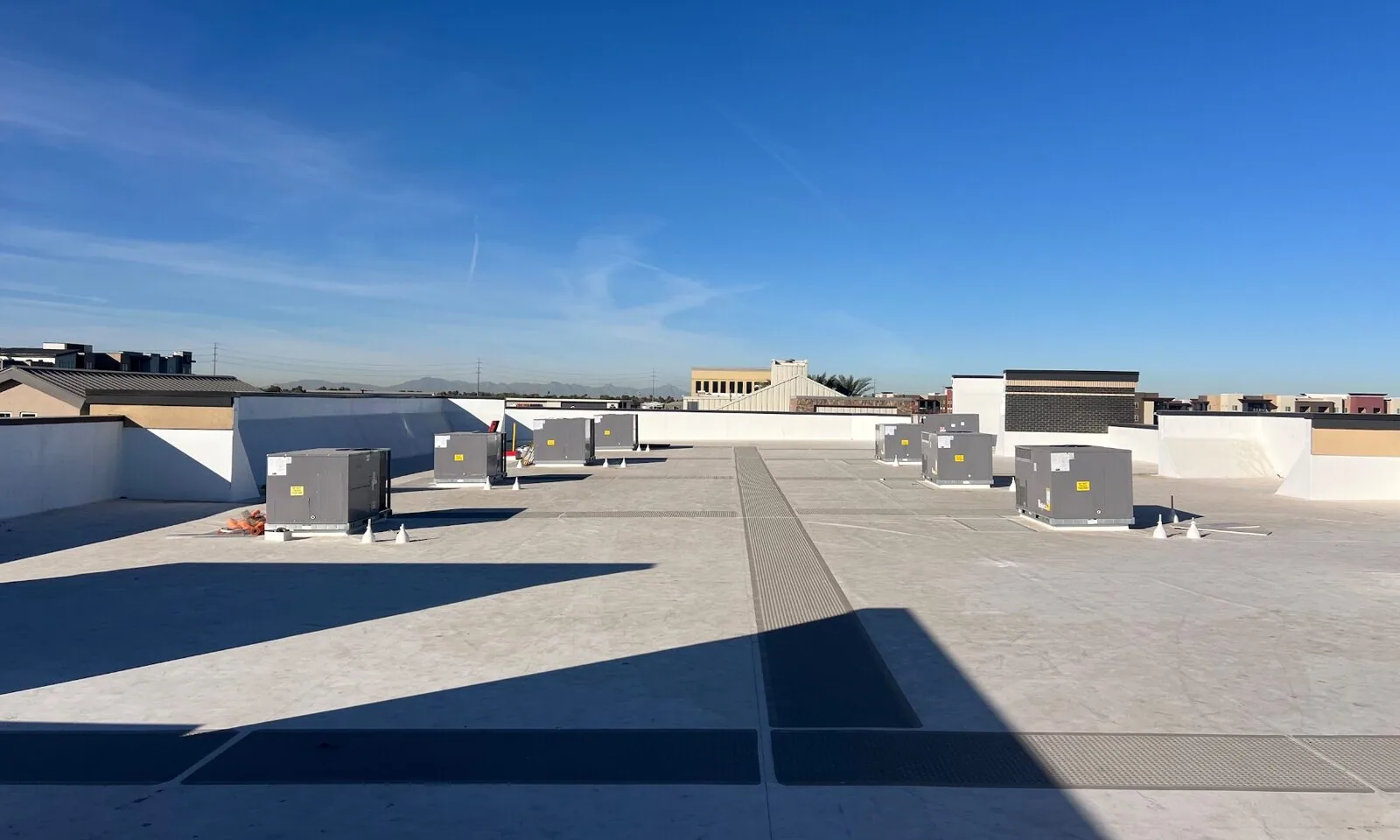
What does a GAF system look like on a Bozeman roof?
The answer depends on which family the roof belongs to. A single-ply system is a sheet, welded or adhered at the seams, over insulation and a deck. A modified bitumen system is layered, with a base sheet and a cap sheet, and the surface may be granulated or coated. A built-up system stacks plies of felt and asphalt under a surface layer. Each has its own failure points.
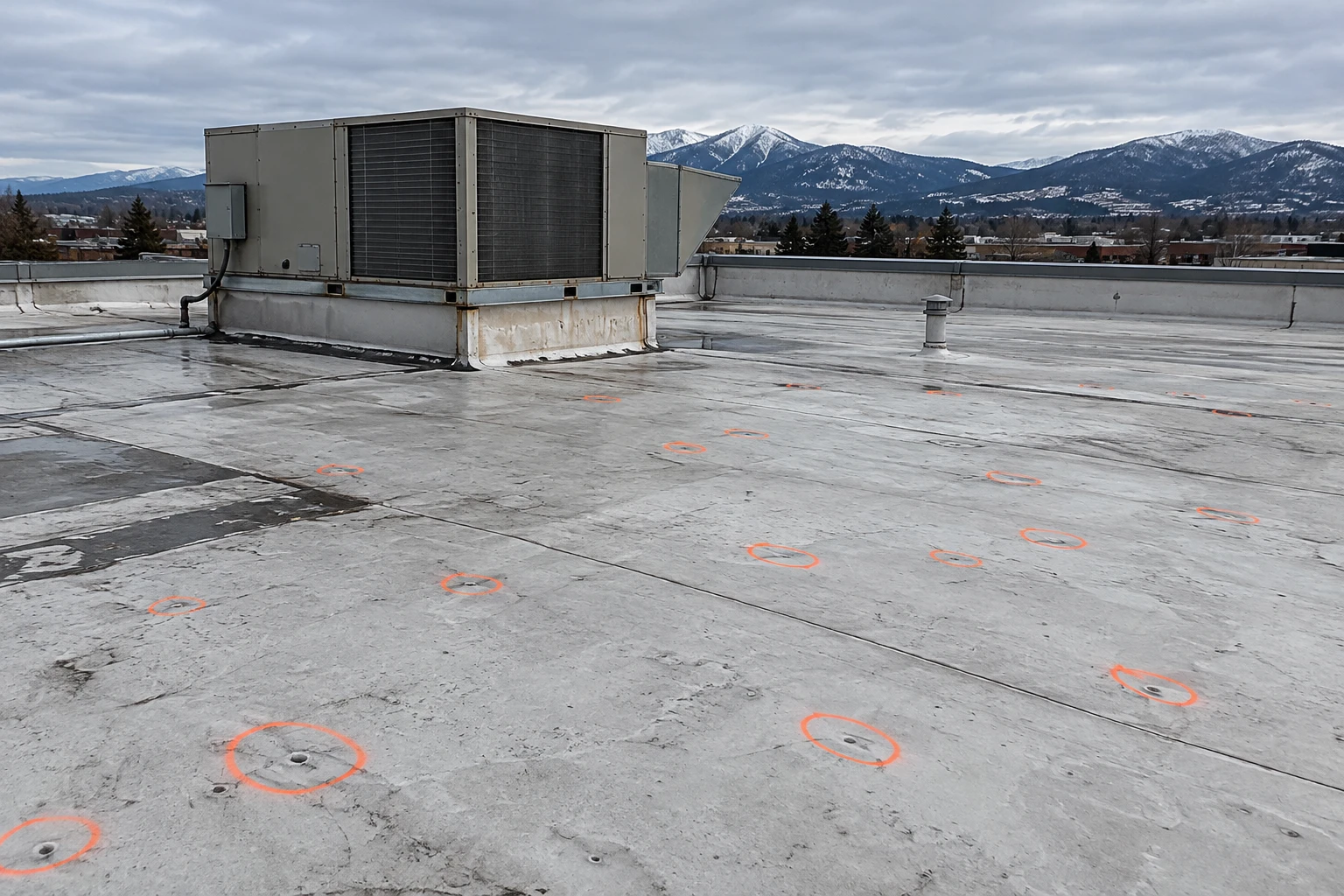
I identify the system with three steps. First, I read the surface: smooth sheet, granules or gravel. Second, I look at the seams and edges, where the build-up shows. Third, I take a small core, which shows the layers, the insulation and any moisture. That core tells me more than any label on the roof ever could, and it decides which repair materials will bond.
A core also shows how many times the roof has been worked on. Two cap sheets over a base sheet, a layer of coating over both and a patch of single-ply over a curb is a common story on older buildings, and each layer changes how the next repair behaves. When I find a roof like that, I mark the layer boundaries on the diagram so the next crew does not have to cut again to learn the same thing.
How do we match a repair to the system already in place?
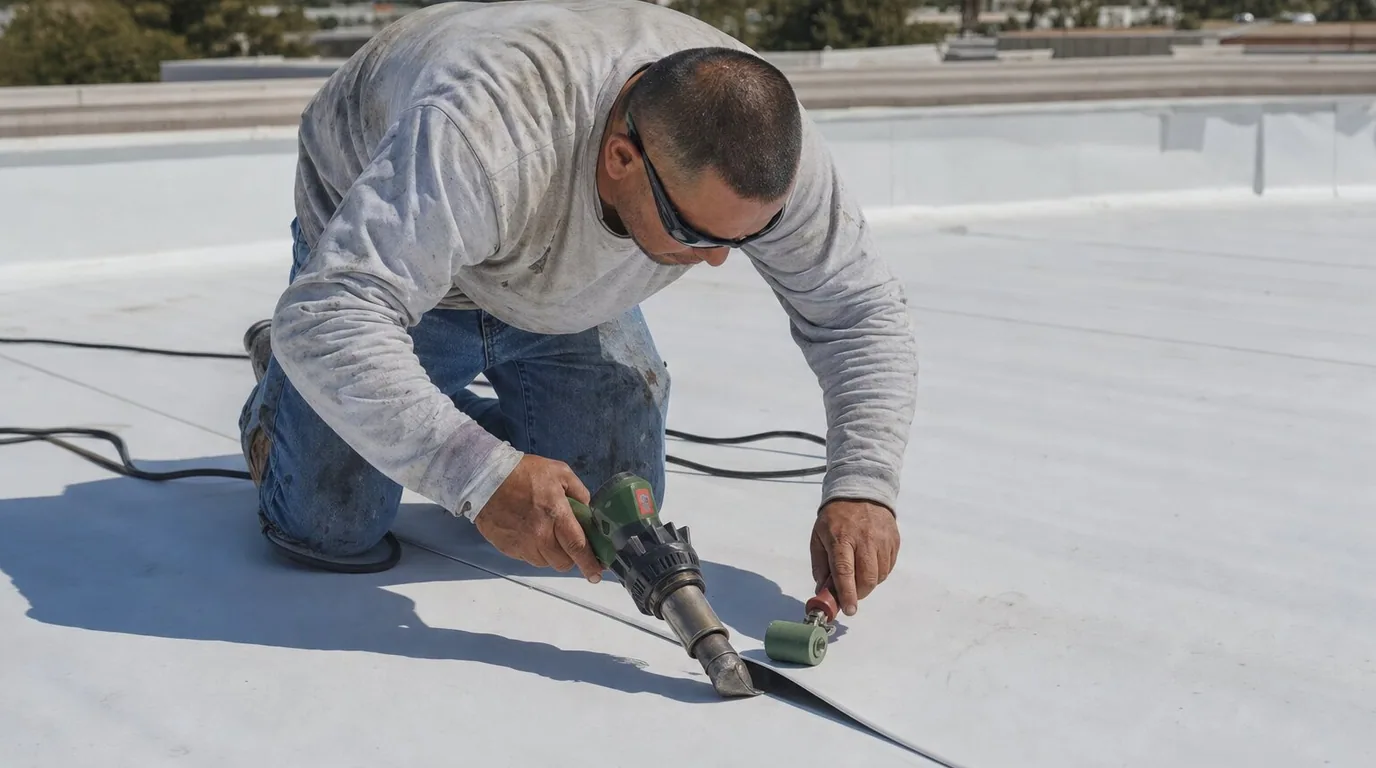
Compatibility is the whole game. Adhesives, primers and flashing materials for a thermoplastic sheet will not bond to an asphalt-based cap sheet, and the reverse is also true. A patch that looks fine on the day it goes on and peels off in March is almost always a compatibility failure.
So the plan lists each material by system family, and the test patch goes in a hidden corner first. For a single-ply sheet we use welded patches or compatible adhesive systems. For modified bitumen we use torch-free or cold-applied options where the building does not allow open flame, and compatible sealants at flashings. For a built-up surface, we cut out the failed area, replace the plies, stagger the new laps against the old and re-seal the surface so the patch sheds water the same way the rest of the roof does. The same rules hold for modified bitumen roofing and for built-up work.
What does a long winter do to an asphalt-based roof?
Winter in Bozeman means about 91 inches of snow, 16.2 of them in December, and January nights near 15 degrees F, against a listed ground snow design of 50 psf. Asphalt-based systems stiffen in deep cold, and a cold roof is more likely to crack at a lap or a flashing when it moves. Repeated thaw cycles then widen those cracks.
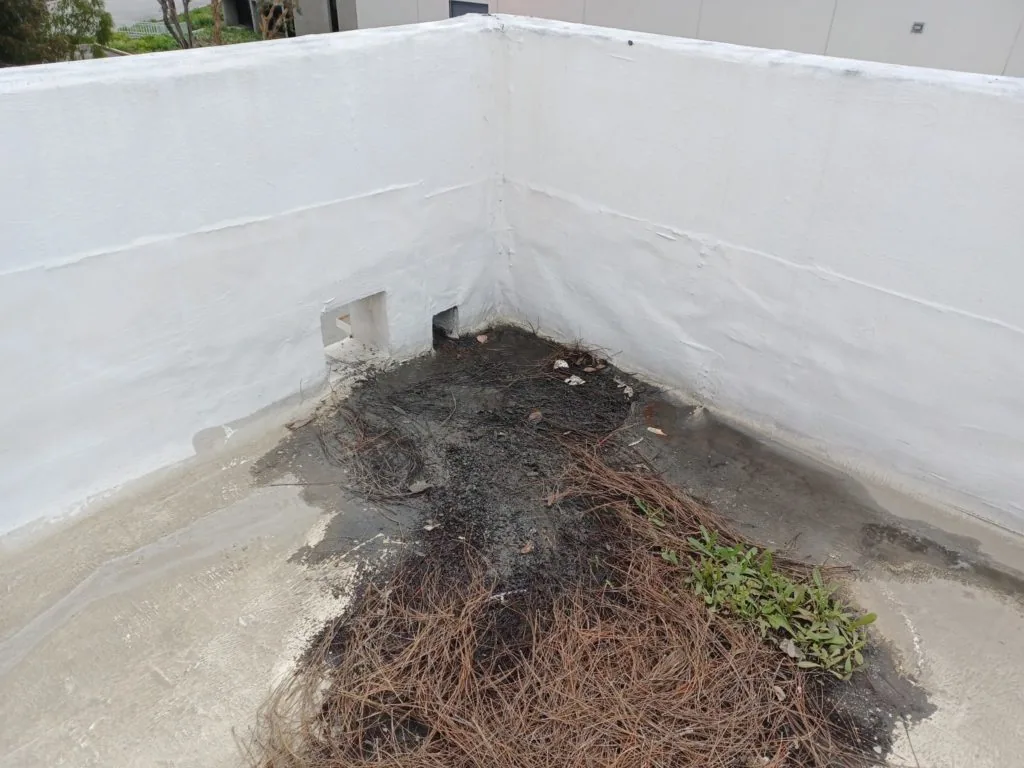
What I look for in spring is the pattern of that movement: splits along a seam, blisters where moisture was trapped and granule loss near drains where meltwater runs. Each of those is a repair, and each has a window. Hot or cold-applied materials need moderate temperatures to cure, so spring and early autumn are the working months. Drains matter most, because standing water speeds up every kind of aging. Clear roof drains and scuppers keep meltwater from standing on a surface that was not designed to sit in water.
How does hail change the repair decision?
Hail has come to the valley twice in the record: on Bozeman in June 2010, with baseball-size stones east of Gallatin Field, and on Belgrade and the north side in August 2013, with 89 mph gusts. Asphalt-based surfaces take hail as bruises and granule loss, and a membrane with exposed fabric is a leak waiting for the next thaw.
After a storm, we walk the roof, mark each bruise and take moisture readings beneath the worst ones. A report separates damage that let water in from cosmetic marks. If the damage is widespread, a recover or a replacement beats patching, and the file supports a claim. Photographs and readings from that walk become the scope for hail damage roof repair.
Which buildings in the valley use these systems?
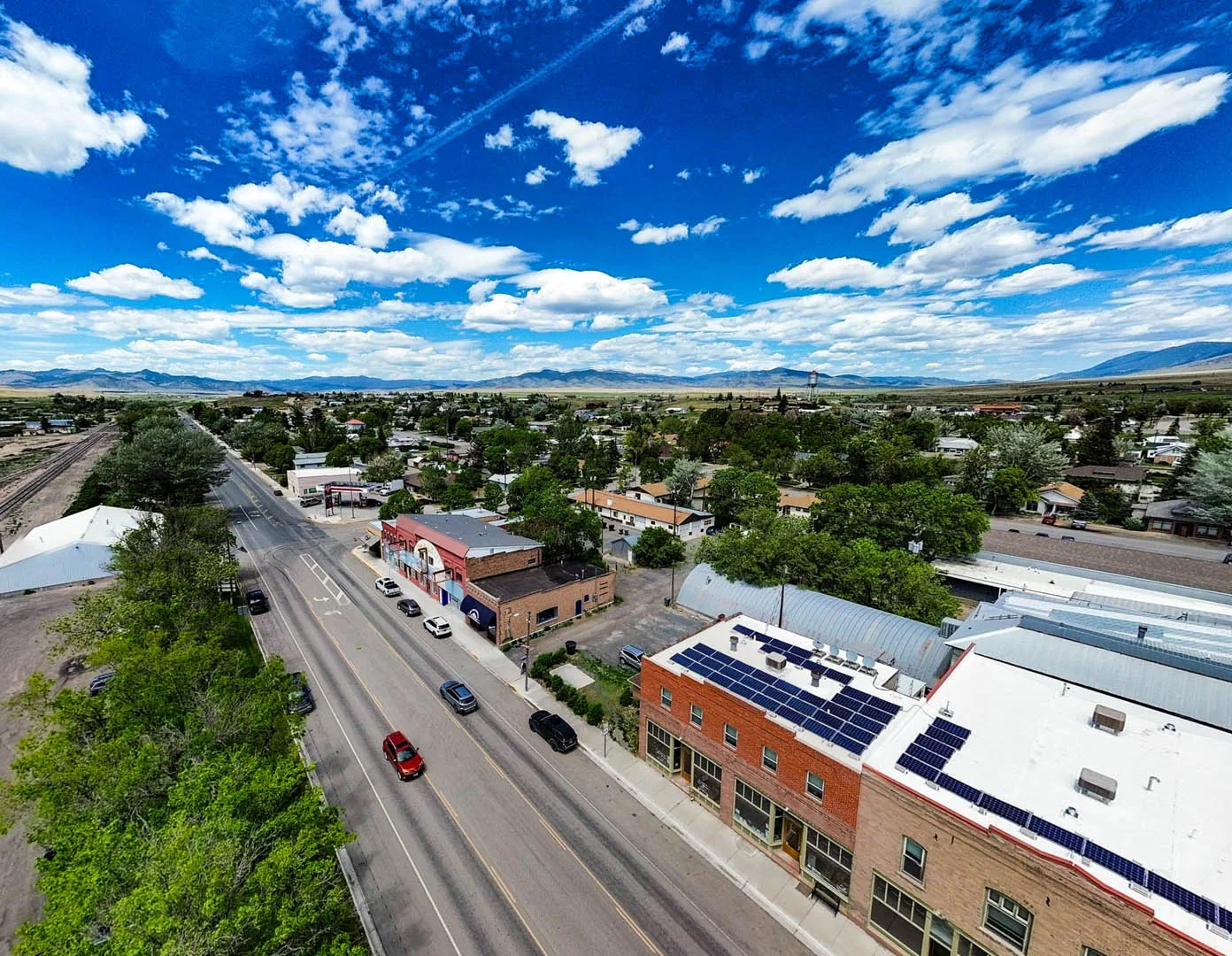
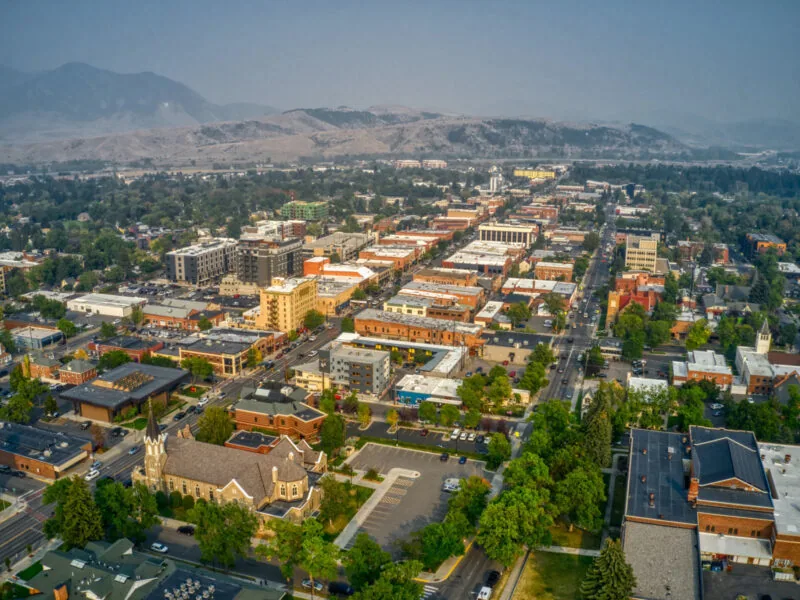
Low-slope commercial buildings of every type use them: strip retail along North 19th Avenue, flex and warehouse space near Belgrade, and older masonry buildings downtown. The right family depends on foot traffic, rooftop equipment, flame restrictions and budget. Open-flame work is often ruled out near fuel, insulation that burns easily or a tenant with sprinkler concerns, so a cold-applied or mechanically attached option gets priority in those cases.
A roof with heavy service traffic favors a layered system with a tough surface. A roof with few penetrations and long runs favors a welded sheet. A historic building with a tight work area may favor a cold-applied system. We compare in writing, with cost, work window and maintenance, and the owner picks. For tenants in the building, occupied building reroofing methods keep the doors open.
What paperwork should follow a GAF roof job?
Manufacturer programs come with requirements, such as approved details, inspection steps and records. Those requirements vary by product and program, so the owner should ask the manufacturer or the installer for the specific terms in writing. What we provide is the record of the work: the scope, the materials used, photographs of seams, flashings and drains, and the dates.
That file helps in a claim, a sale or a financing review. It also helps the next roofer, who can see exactly what is on the deck. For several buildings, a roof warranty management routine keeps the paperwork in one place. Roofs from Carlisle SynTec and Johns Manville get the same identification-first treatment.
Questions About GAF Commercial Roofing Systems
Our roof has a granulated surface with a few bare spots near the drains. Is that a problem?
Bare spots near drains mean granules have washed off under repeated meltwater, which exposes the asphalt to sun and UV. Left alone, that area ages faster. We check for cracks and blisters, repair what is found and recoat or patch the bare area with a compatible material before the next season.
How do I find out which GAF family is on my roof?
Read the surface, look at the seams and edges and take a small core. A smooth sheet with welded seams is single-ply. Granules over a cap sheet point to modified bitumen. Gravel over layered plies is built-up. The core confirms it and shows any moisture.
Can a modified bitumen roof be repaired in cold weather?
Emergency stop-gaps can be made in the cold, but permanent work waits for moderate, dry days, since a hard freeze keeps adhesives and sealants from curing. We dry in the area and schedule the permanent repair for the next suitable window.
Should I coat an aging asphalt-based roof?
Only if the cores show dry insulation and the membrane is sound under the surface wear. A coating then restores the surface and slows aging. If the insulation is wet, a coating hides the problem and replacement is the better choice.