
Church and Worship Building Roofing in Bozeman, MT
Church and Worship Building Roofing in Bozeman and the Gallatin Valley
A church roof is usually two roofs wearing one name. Over the sanctuary sits a tall, steep, often metal or shingled roof with valleys, a ridge and sometimes a steeple that catches wind. Beside it, a fellowship hall, classroom wing or office addition carries a low-slope membrane that looks much like the roof on a small office building. After a Gallatin Valley winter, the steep roof sheds a load of snow in one slide, and the flat roof next to it takes that snow on its back.
The sanctuary looks fine from the lot, and the flat roof beside it is the one that leaks. Who on your building committee knows which room drips, and in which month it started?
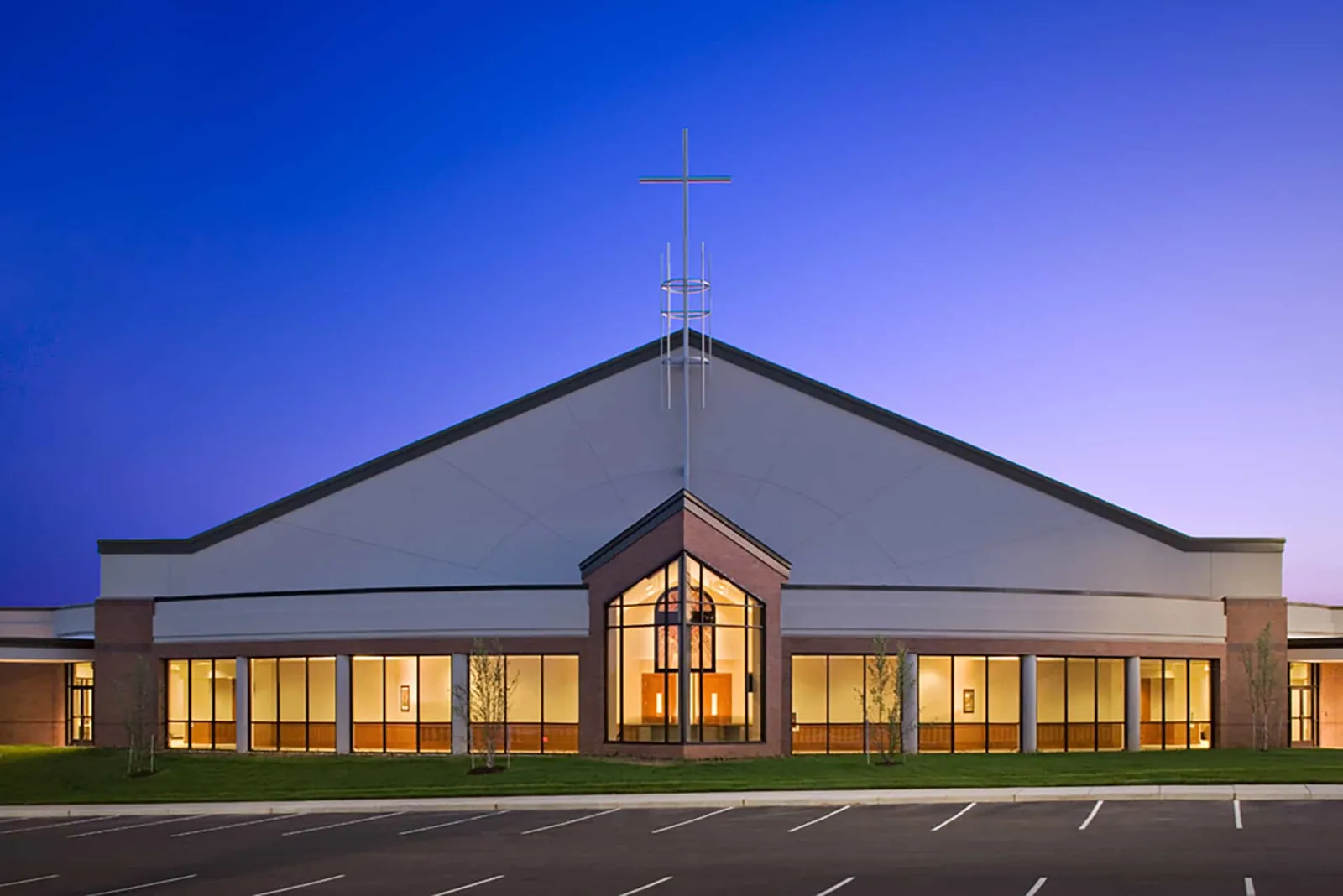
What sits on top of a worship building besides the sanctuary?
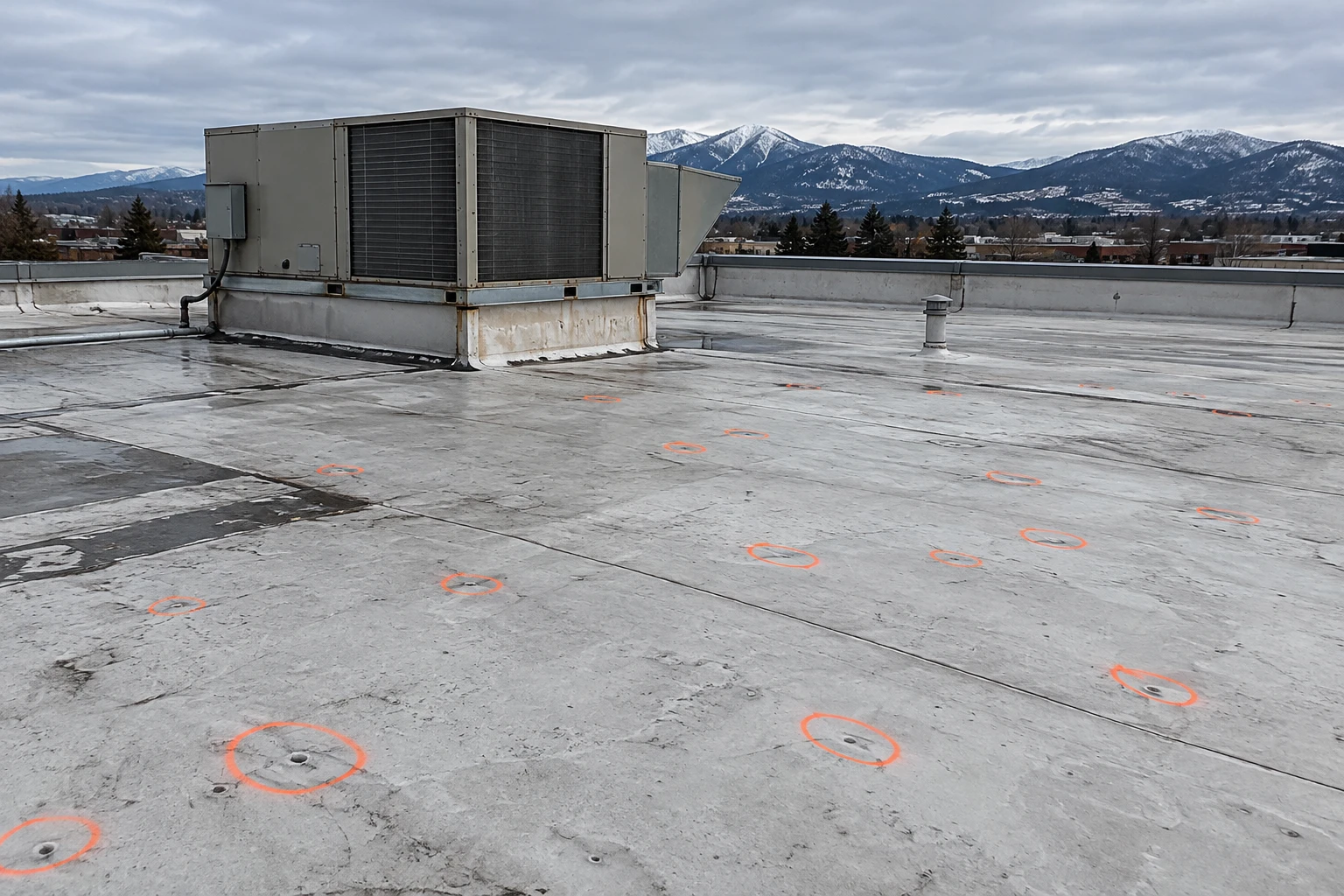
The sanctuary roof gets the attention, but the supporting wings do most of the leaking. A fellowship hall might have a flat roof with a few rooftop units, a kitchen exhaust fan and a single drain. A classroom wing may carry a shallow-slope membrane that was added decades after the main building, tied into the older wall with flashing that nobody has looked at since. Where the two roofs meet, the geometry is awkward: a steep roof dumps onto a low one, and the low one has to carry both its own snow and the slide.
I measure the height of the steep roof above the flat one, because that drop decides how hard the sliding snow hits. A tall sanctuary over a low hall is the worst case. A few rows of snow guards on the steep side, or a sacrificial metal cap on the flat side, change what the lower roof must survive.
How does a winter of snow slides treat the lower roof?
Bozeman gets about 91 inches of snow in a year across roughly 54 snowy days, so slides happen repeatedly rather than once. The pattern runs like this. Snow builds on the sanctuary roof through December, the afternoon sun warms the metal, and a whole sheet lets go in a few seconds. It lands on the hall roof, where it packs against the wall, covers the drain and settles into a drift that takes weeks to melt. The low roof then sees the thaw cycles with a drift sitting over its seams.
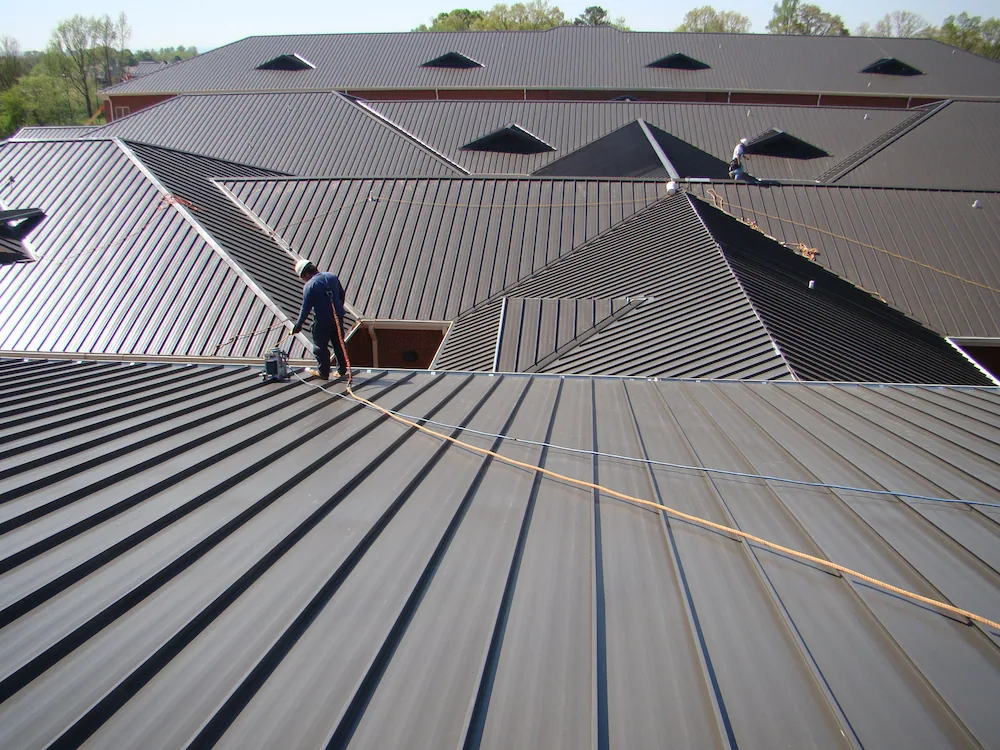
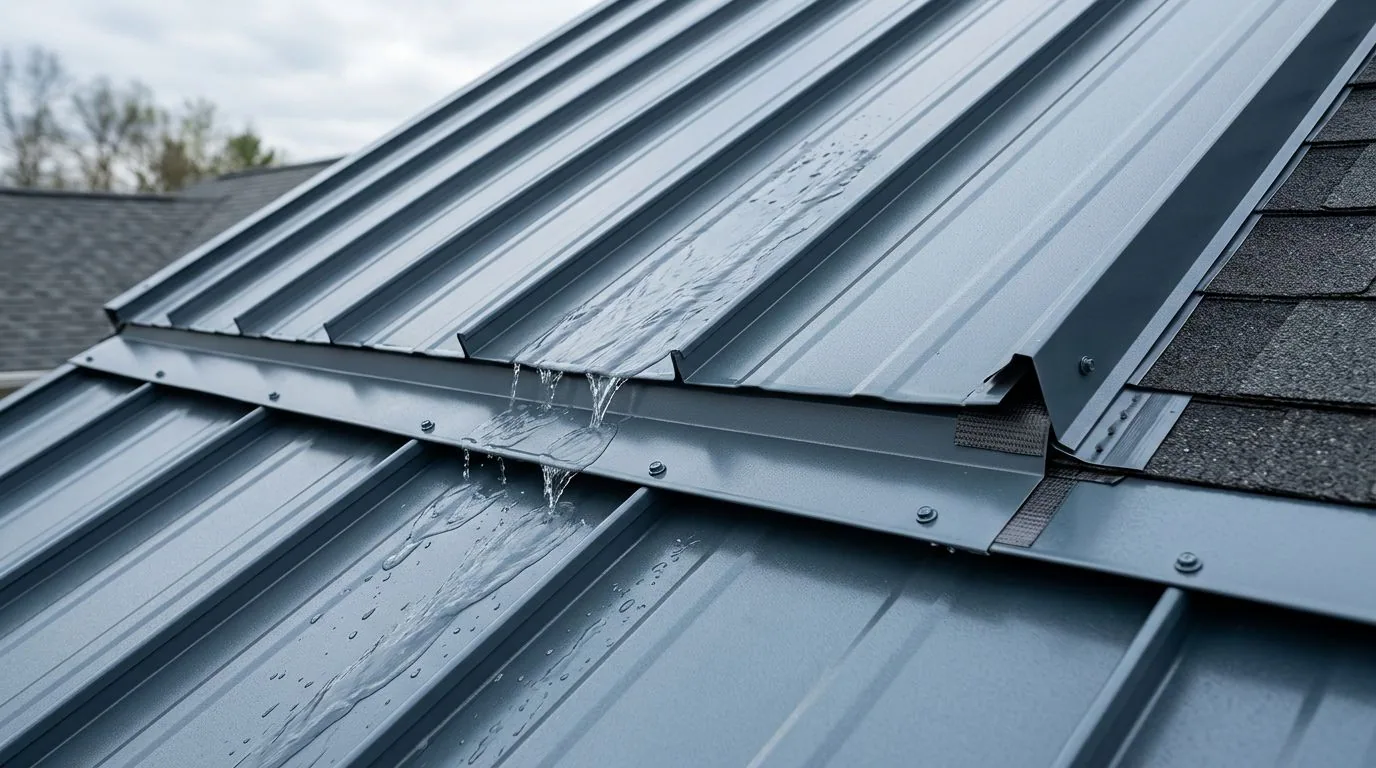
The January mean low is 15.1 degrees F, so meltwater ices again every night. Water that gets under a flashing freezes, expands and lifts it a little further. By March the termination has opened, and the first rain gets into the wall. The fix is rarely just a patch. It is a new metal flashing set tight, a drain that stays clear and a set of snow guards or a diverter on the steep roof above. A standing seam metal roof over the sanctuary sheds snow quickly and needs guards by design.
Why do leaks hide so well in tall ceilings?
A sanctuary has a ceiling thirty feet up, and the roof deck above it is out of sight. Water can run along a rafter, soak into insulation, travel across the attic and drop at a spot that has nothing to do with where it came in. A stain at the front of the room may start at a valley a dozen feet away. When a congregation sees a ring on the plaster, the leak may have been active for several winters.
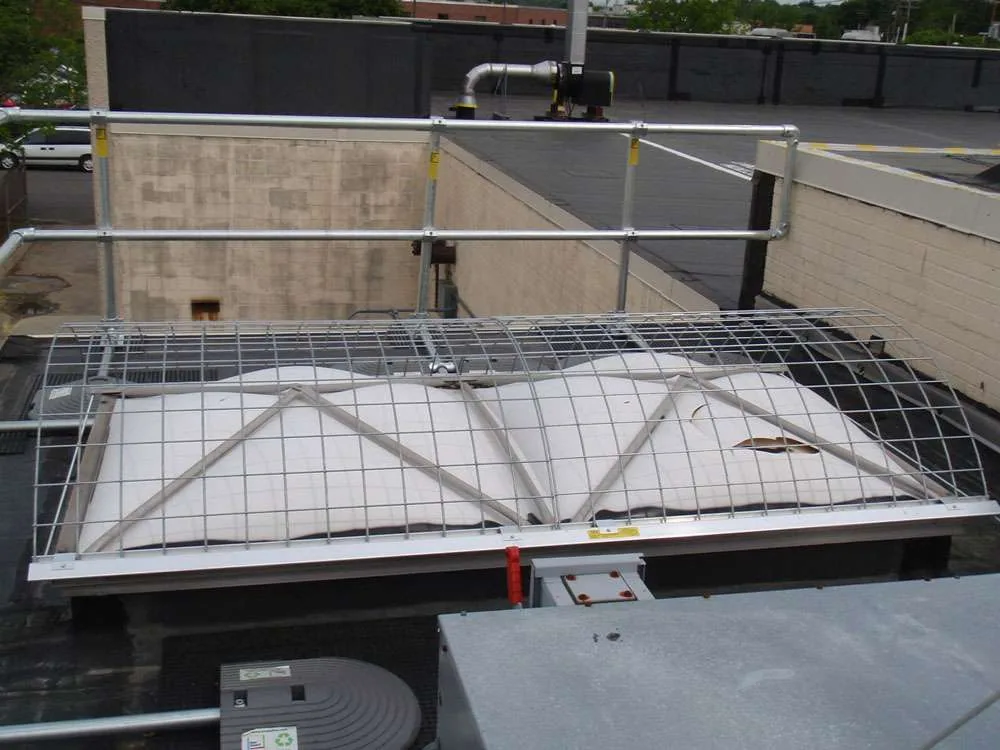
That is why I trace in both directions. I start at the stain and follow the line of water uphill, then walk the roof and look for the penetrations, valleys and chimney or steeple bases that lie on that path. Skylights and clerestory windows are common culprits, and skylight and penetration flashing usually means re-flashing the curb and renewing the glazing seal. Gutters on the eave line matter too, since ice that dams behind a clogged gutter sends water back under the shingle or panel edge.
How does a congregation plan a roof project?
Most churches decide through a committee, a trustee board or a vote, and the roof competes with every other building need. I would rather give the committee a plain document: a roof plan marked with condition, a photo for each problem, a rough order of urgency and a note on which items can wait a year.
Phasing helps a lot. A congregation can repair the flat hall roof this season, replace the sanctuary roof next, and spread the cost. Our roof capital planning work turns the condition findings into a timeline that fits how a congregation budgets. Scheduling follows the calendar of the building as well. Work stops for Sunday services and for weddings or funerals when the roof is overhead, access is arranged around Wednesday classes, and nothing is left open between visits.
What did the valley's hailstorms mean for steeples and ridges?
The June 30, 2010 hailstorm, half an hour of golf-ball stones over Bozeman, broke dozens of windows at Montana State University and tore apart the marquee of the Ellen Theatre downtown. A metal roof over a sanctuary takes that kind of hit differently from a membrane. It dents rather than punctures, and a dent is often cosmetic, but a dented panel seam or a crushed ridge cap can still leak. In August 2013, golf-ball hail came again across Belgrade and north Bozeman with gusts to 89 mph.
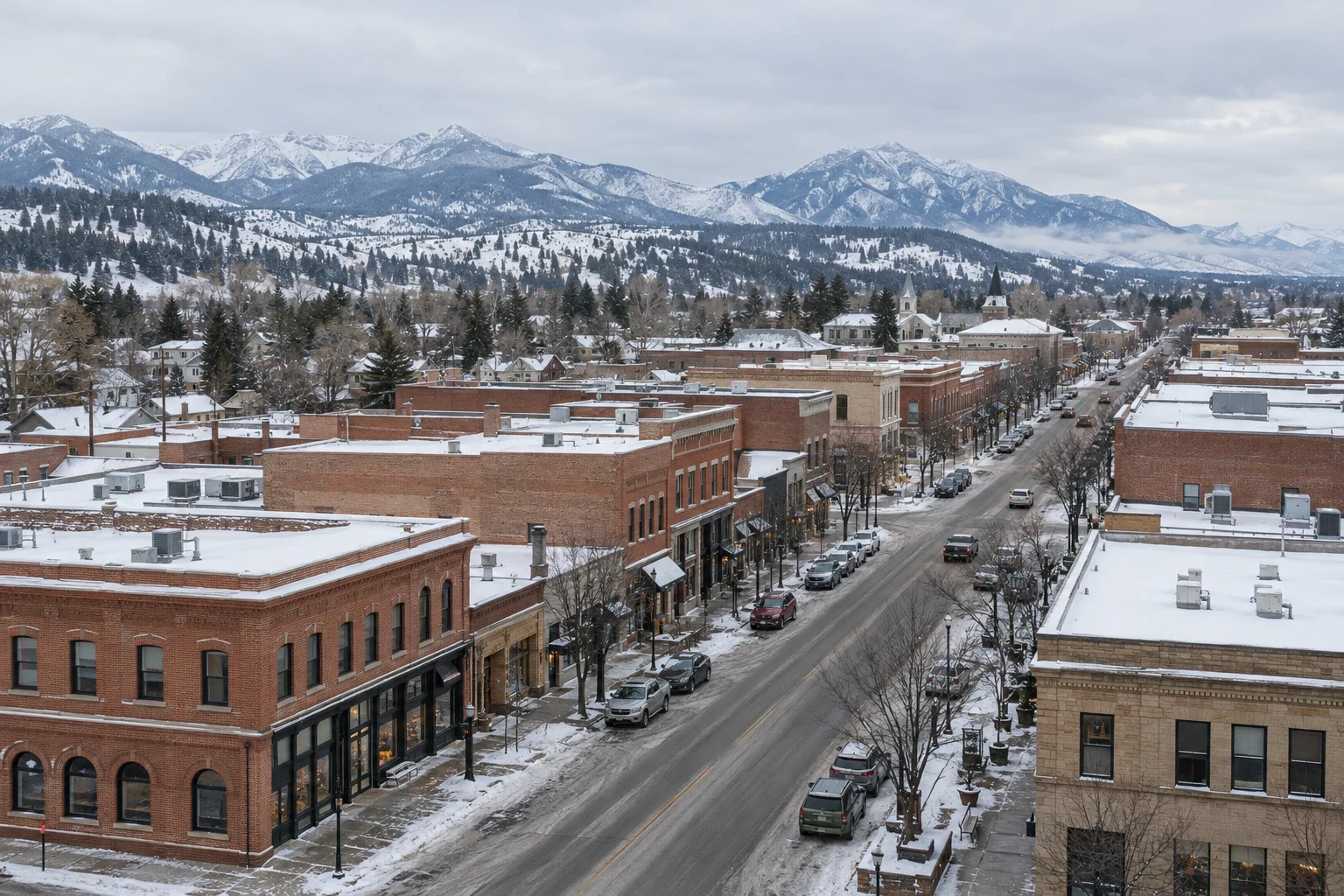
Steeples and bell towers sit high and take wind from every side. I check the flashing at the base, the fasteners in the roofing around it and the cap at the top. A hail damage repair scope lists dents by location and says which are cosmetic and which have opened a seam. In downtown Bozeman, around the Cooper Park Historic District, masonry parapets add another detail to check, since a loose coping stone lets water behind the wall.
When is a repair enough, and when is it time to replace?
For a steep metal or shingle roof, the signs are loose fasteners, rust at the panel laps, lifted ridge caps and a ceiling that stains in more than one place. For the low-slope hall roof, look for blistered seams, ponding water near the drain and patches stacked over patches. One failed area is a repair. Failure across the field is a replacement. The drains and scuppers deserve a separate look, because a drain that never clears will wear out any new membrane early.
Where a flat roof is sound but the insulation has gotten wet, a partial tear-off and a new membrane over dry board is cheaper than a full replacement. We take core samples to settle that before anything is quoted. When the full roof must come off, we plan the sequence so the sanctuary is dry at the end of each day, and we protect the interior below with the same care we would give any school roof over active classrooms.
Questions About Church and Worship Building Roofing
Our sanctuary roof is steep and the hall roof beside it keeps leaking. Why?
The steep roof is sending its snow onto the flat one. A tall drop makes the load heavier and the slide faster, so the membrane gets cut or the flashing at the wall gets pushed open. The cure is on both roofs: guards or a diverter above, and a stronger flashing and a cleared drain below.
Can volunteers do any of the roof maintenance safely?
Ground-level jobs are reasonable: clearing gutters that can be reached from a ladder at the eave and watching for new stains inside. Climbing onto a steep or snow-covered roof is not a volunteer task. We walk the roof ourselves and give the board a short list of what to watch from the ground between visits.
What happens to a service schedule when the crew is on the roof?
We build around it. Loud work goes on weekdays, Sunday mornings stay quiet, and funerals or weddings get a stand-down.
Does a metal roof over a sanctuary still need maintenance?
Yes. Fasteners back out through thermal movement, sealant at laps and penetrations dries out, and scratches in the coating can start rust. A yearly walk to tighten, reseal and check the ridge and valleys is short and keeps the roof tight through the winter.