
Government and Municipal Building Roofing in Bozeman, MT
Government and Municipal Building Roofing in Bozeman and the Gallatin Valley
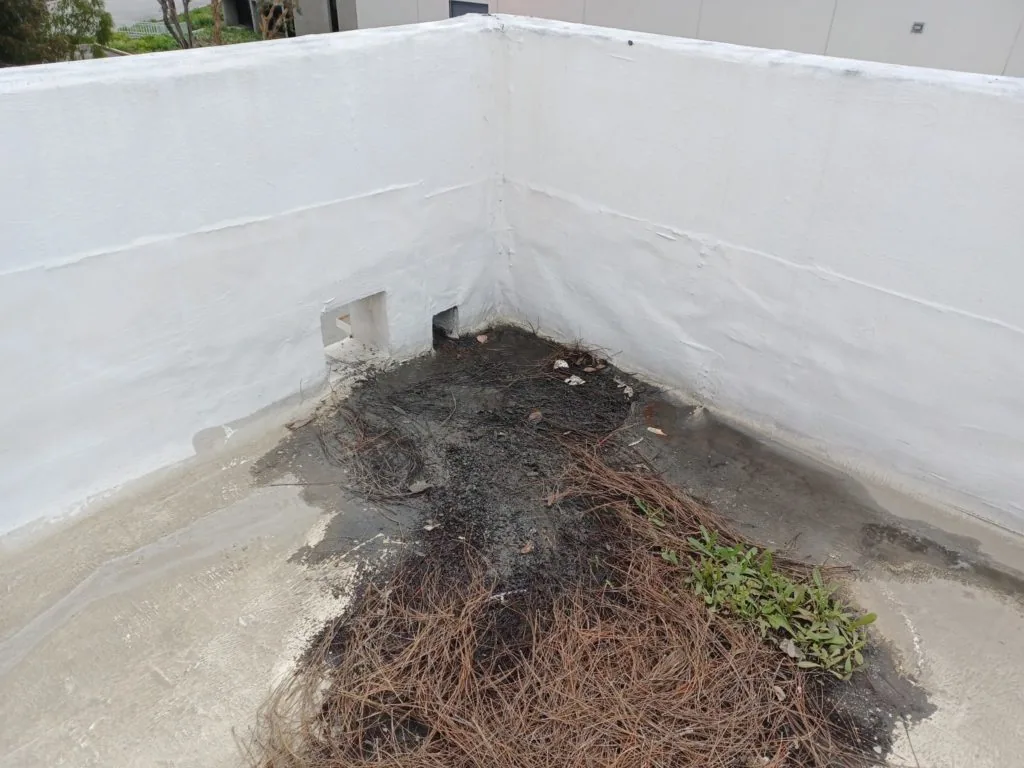
A public building roof answers to more people than a private one. The facilities manager needs it dry, the finance office needs a number that can survive a budget hearing, and the department inside needs the doors open on the morning after a storm. After a Gallatin Valley winter, the roofs on city and county buildings show the same wear as any other low-slope roof: slush frozen into a scupper, a flashing lifted at the parapet, an old patch that gave up in the third thaw.
The difference is the paper trail. A public owner has to explain what was found, what was chosen and why. When a roof leaks over a records room or an apparatus bay, who has the last written condition report, and how old is it?
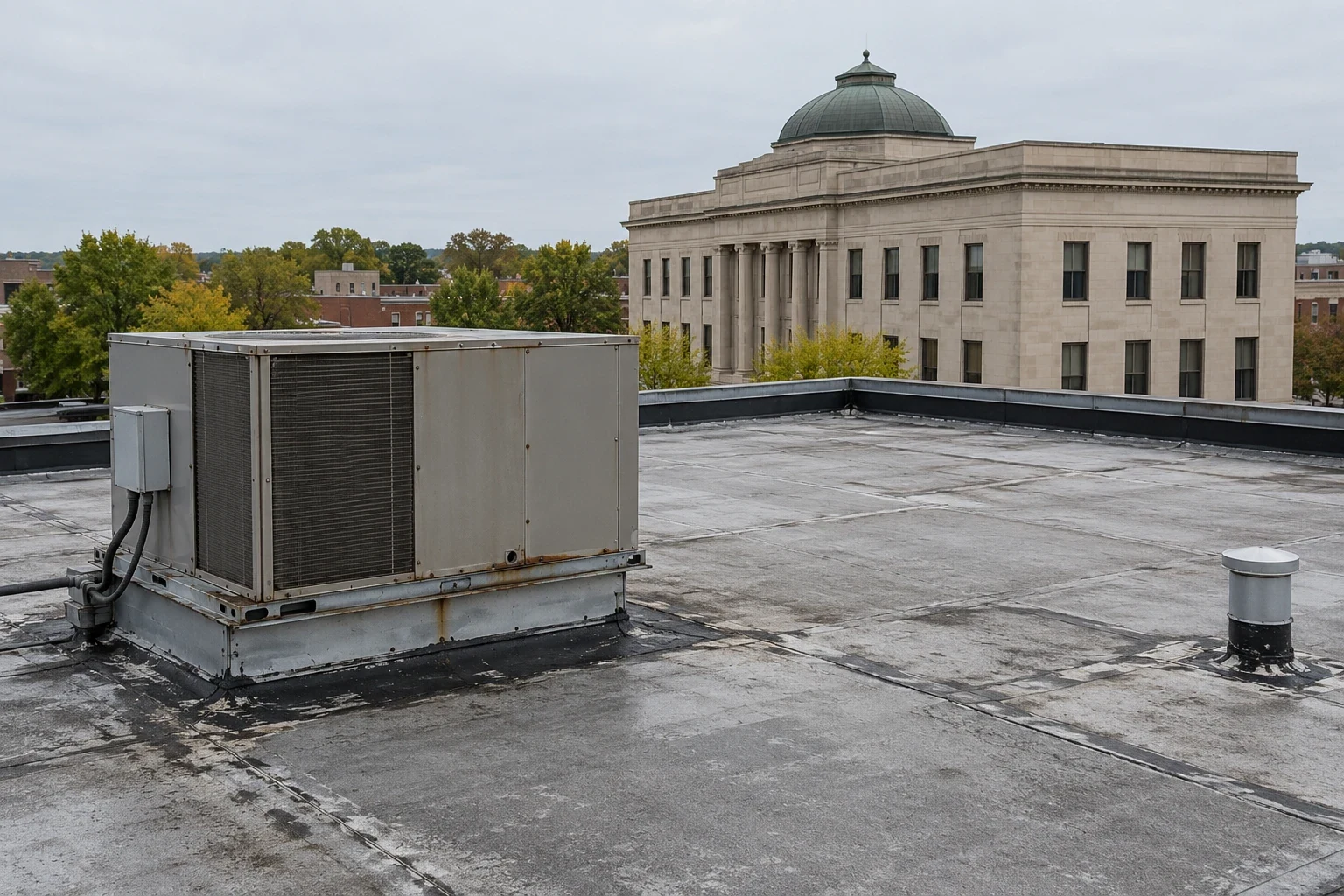
What kinds of roofs does a public owner carry?
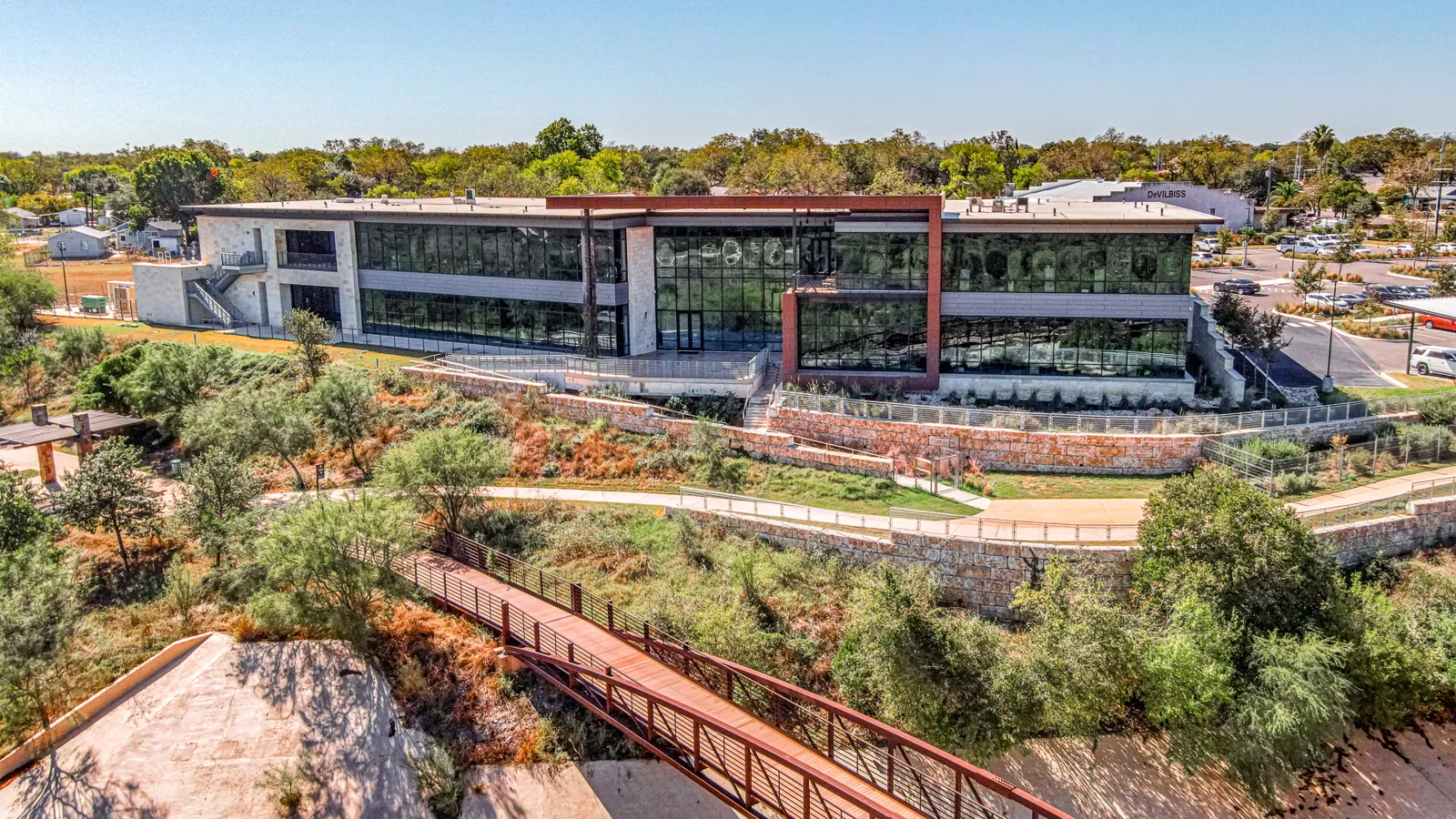
A municipal portfolio is rarely uniform. There is an office building with a membrane roof and a few rooftop units, a maintenance shop with a metal roof and a long eave, a library or community center with skylights and a covered entry, and fire stations with tall bay doors and a hose tower. Each type fails differently. Metal shop roofs lose fasteners to thermal movement. Office membranes pond near drains. Skylights leak at the curb.
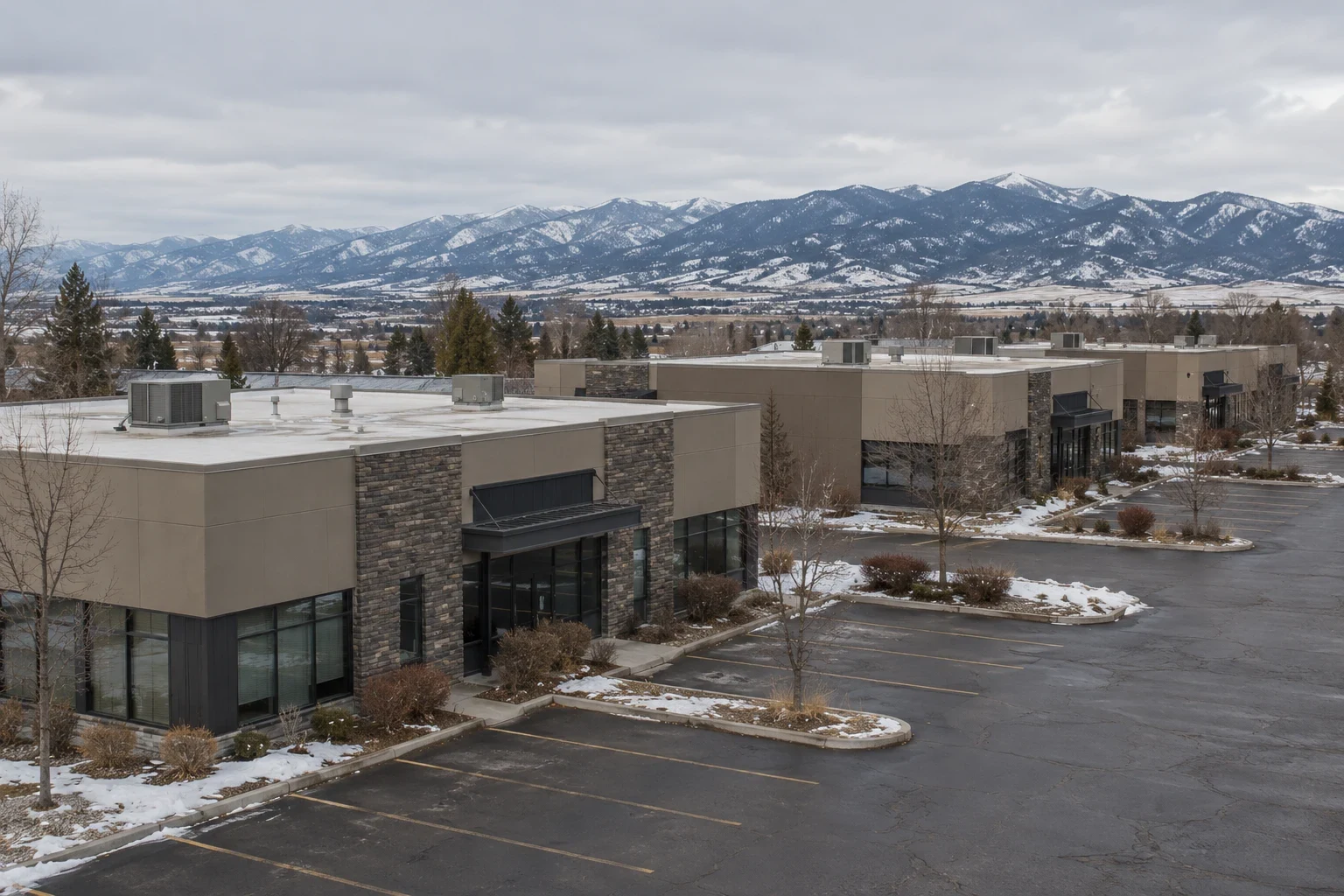
The first thing I do is sort the buildings by roof type, by age and by what happens inside. A records room, a server closet or an evidence storage space makes a leak more costly than the same leak over a corridor. That sort order, rather than the order of the complaints, sets which roof gets attention first. A mixed portfolio like this is where a multi-site roof program pays off, since one set of standards covers a metal shop and an office membrane alike.
What did the 2010 hail teach about fire stations and public glazing?
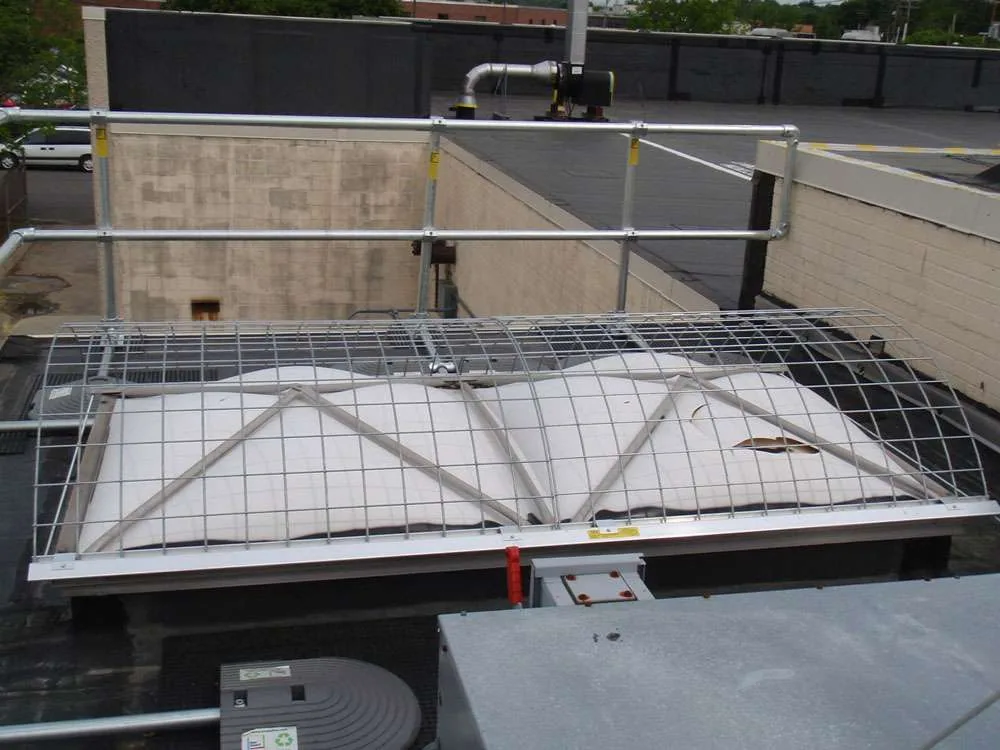
Half an hour of golf-ball hail hit Bozeman on June 30, 2010. The downtown fire station lost windows in its bay doors, and a skylight at Fire Station 2 on North 19th Avenue was damaged. Those are not membrane failures, they are the glazed openings in a roof or wall, and they show where hail does its quickest damage on a public building. A polycarbonate or glass skylight takes the stone directly, and the curb below it takes the water.
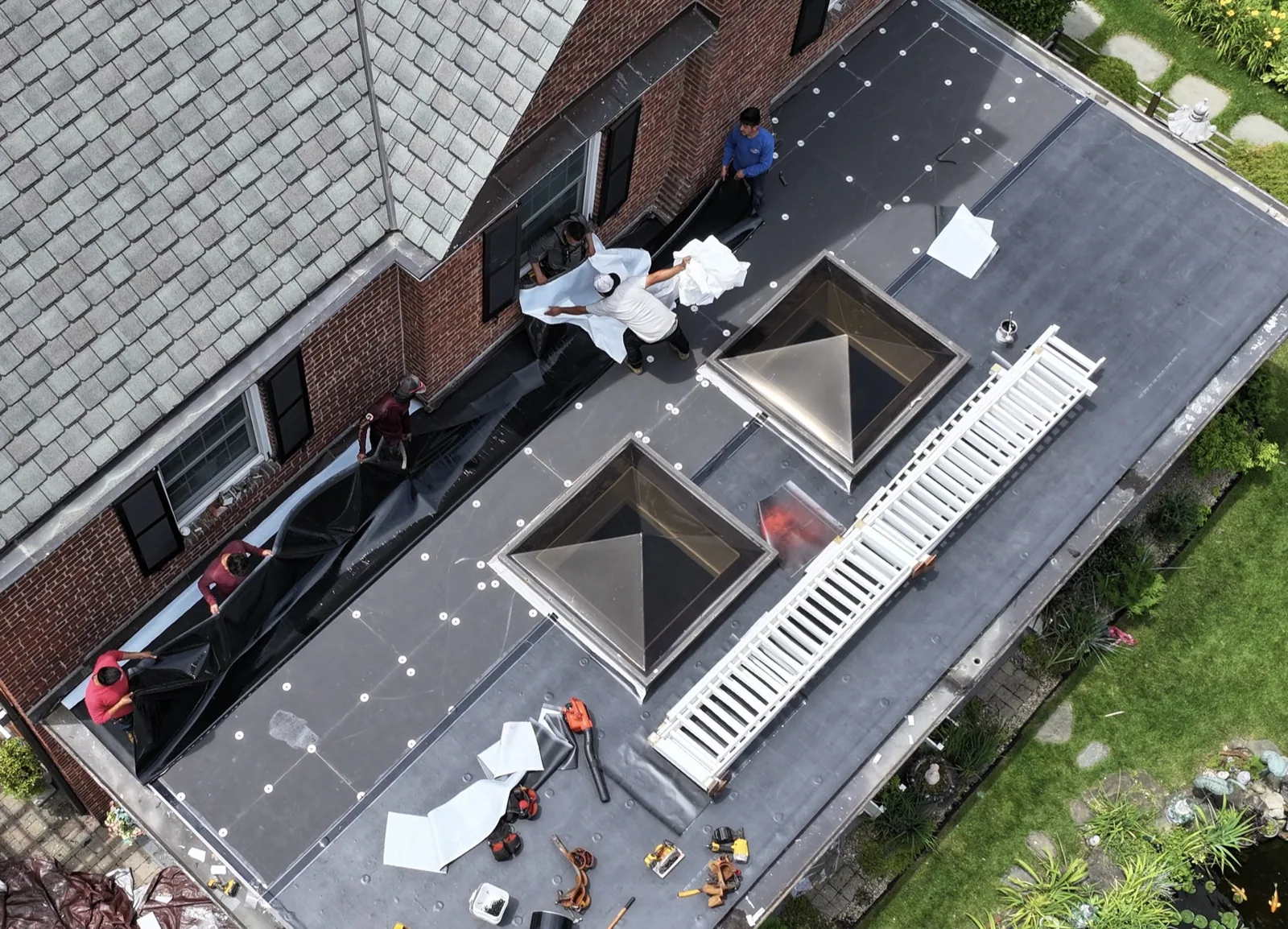
An apparatus bay cannot afford to be closed. If a skylight or a roof leak puts a bay out of service, response time is the cost. For this reason I look at glazed openings, roof hatches and the bay door headers on any station before I look at the field membrane. Our skylight and penetration flashing work replaces or re-flashes the weak ones, and a station roof in the North 19th Avenue corridor gets the same walk as any other.
Why does snow load matter more on essential buildings?
For Bozeman the 2021 IBC values are 50 psf of ground snow and 110 mph of basic wind. A building that houses emergency services or records is expected to stay open under those loads, so a roof that is already ponding or carrying wet insulation has less margin than its drawings suggest. Drifts pile behind parapets and against taller mechanical rooms, and a drift of several feet adds a good deal of weight over a small area.
Around 91 inches of snow arrive each year, and January nights average near 15 degrees F. Those thaw cycles push water into every seam. I look for ponds at roof drains, for sagging at the deck and for wet insulation, because any of them cuts the capacity the roof was meant to carry. Removing wet insulation brings the roof back toward its design condition. Our drain and scupper work keeps meltwater moving off before it can add load.
What documents does a public project need?
Public projects usually go out as written scopes, with a specification and a bid form, and the roof has to be described so that two bidders price the same work. I help with that part. A condition report with photos, core-cut locations, a measured roof plan and a list of penetrations and drains gives the owner what a bid package needs. The scope says which membrane, how thick, what insulation, what edge metal and what removal is included. Allowances for wet insulation are stated up front, since that is the item most likely to change the price.
After the work, the owner needs records: product data, a photo log of the tear-off and the closed roof, and a maintenance schedule. Our roof condition reports are written so a successor to the current facilities manager can read them cold. For buildings that belong to a larger agency, the same format works across sites and ties to the agency's public agency programs.
How should a public owner phase roof spending?
Public money moves on fiscal calendars, and roof work lands in the dry months. The usual mistake is to wait for a failure and then spend emergency money. A better pattern is to inspect every roof once, rank them, and place the worst on the near-term list with a specific scope and the best on a maintenance track. A roof that is eight years into a twenty-year life may only need drain cleaning and sealant.
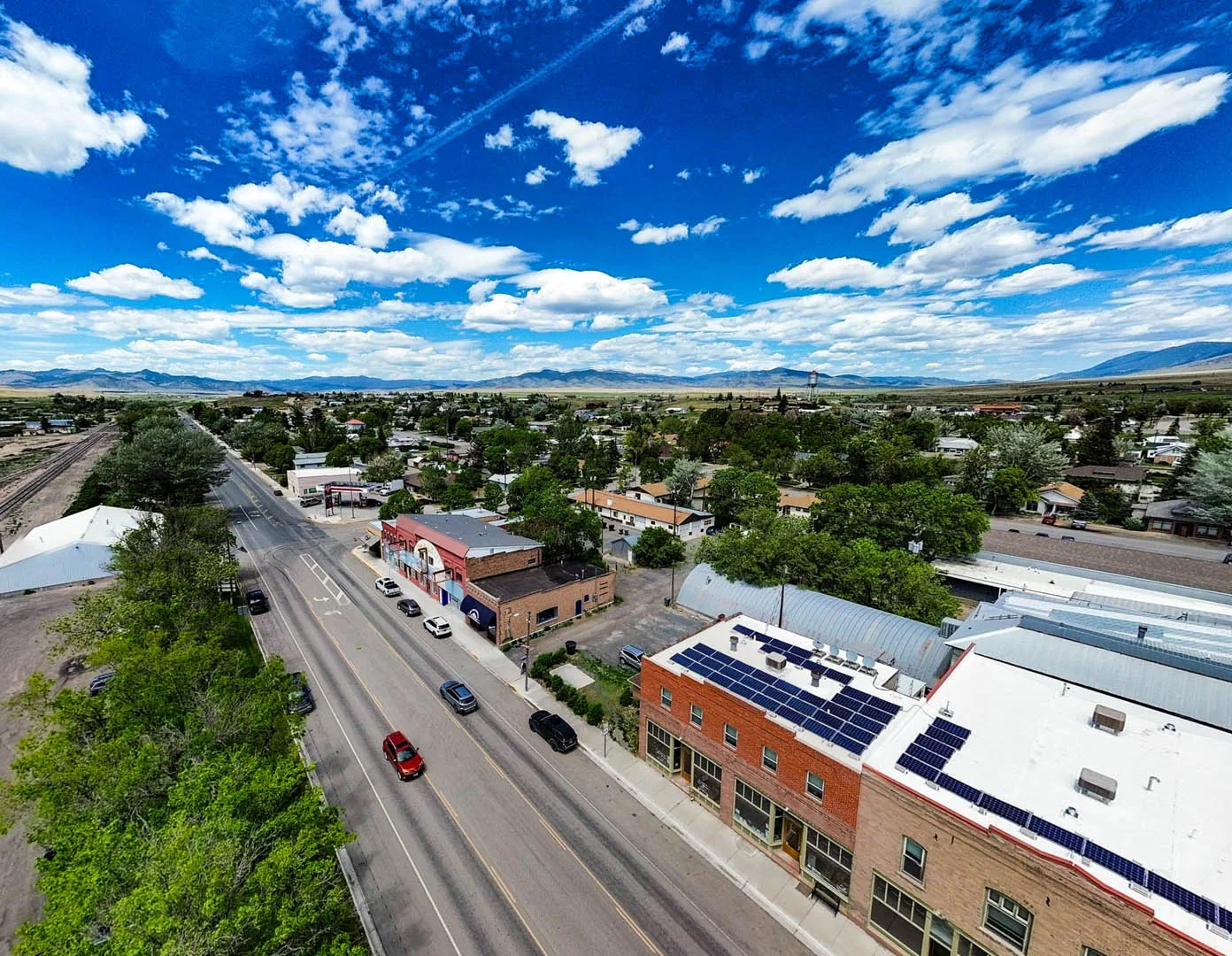
When a roof fails during a storm, emergency roof repair stops the water, and the written findings from that visit go into the next budget cycle. The same logic holds for a county seat like Livingston, where wind among the highest of any U.S. airport station tests every membrane edge. Edge metal, perimeter fasteners and the first four feet of the field get the closest look there, since uplift begins at the corners and rolls inward.
When should a city or county replace instead of repair?
If one corner leaks and the rest tests dry, repair. If core cuts show wet insulation across the field, if seams are open in several places or if the membrane has been patched so often that patches outnumber original seams, replacement is cheaper than the next three years of repair calls. A recover over a sound, dry roof saves tear-off cost and keeps the building quieter, but it only works when the existing roof has no trapped water.
Occupancy limits the schedule. An office building stays open, a library keeps its reading hours, and a fire station never closes. We plan staging, hoisting and tear-off around those facts. A school roof has the same tradeoffs under a summer deadline, and a hospital roof adds infection-control concerns. Whatever the type, the report comes first and the scope follows from it.
Questions About Government and Municipal Building Roofing
A council member asked why we need a roof study before bidding. What is the answer?
Without one, bidders guess at the condition and price the risk. With one, they price the same measured scope, and the allowance for wet insulation is written down. The study costs a small part of the job and usually prevents change orders after the tear-off begins.
How do we keep a fire station bay open during roof work?
Plan the sequence by bay. Work on the roof over one bay at a time, dry it in at the end of each shift and keep the apparatus doors and the walkway clear. The crew agrees with the station officer on hours and on a stand-down signal for any call.
Should a city repair a skylight or replace it?
Look at the glazing and the curb separately. Cracked or crazed glazing in a hail-exposed location is worth replacing. A curb with failed flashing can often be re-flashed without touching the glazing. If the unit is old and leaking at multiple points, replacement saves repeated visits.
Does a coating make sense on a government building roof?
On a sound, dry membrane it can extend service life and cut the cost per year. On a roof with wet insulation or open seams, coating hides the problem without solving it. A moisture survey and a few core cuts decide which case applies.