
Built-Up Roofing in Bozeman, MT
Built-Up Roofing in Bozeman and the Gallatin Valley
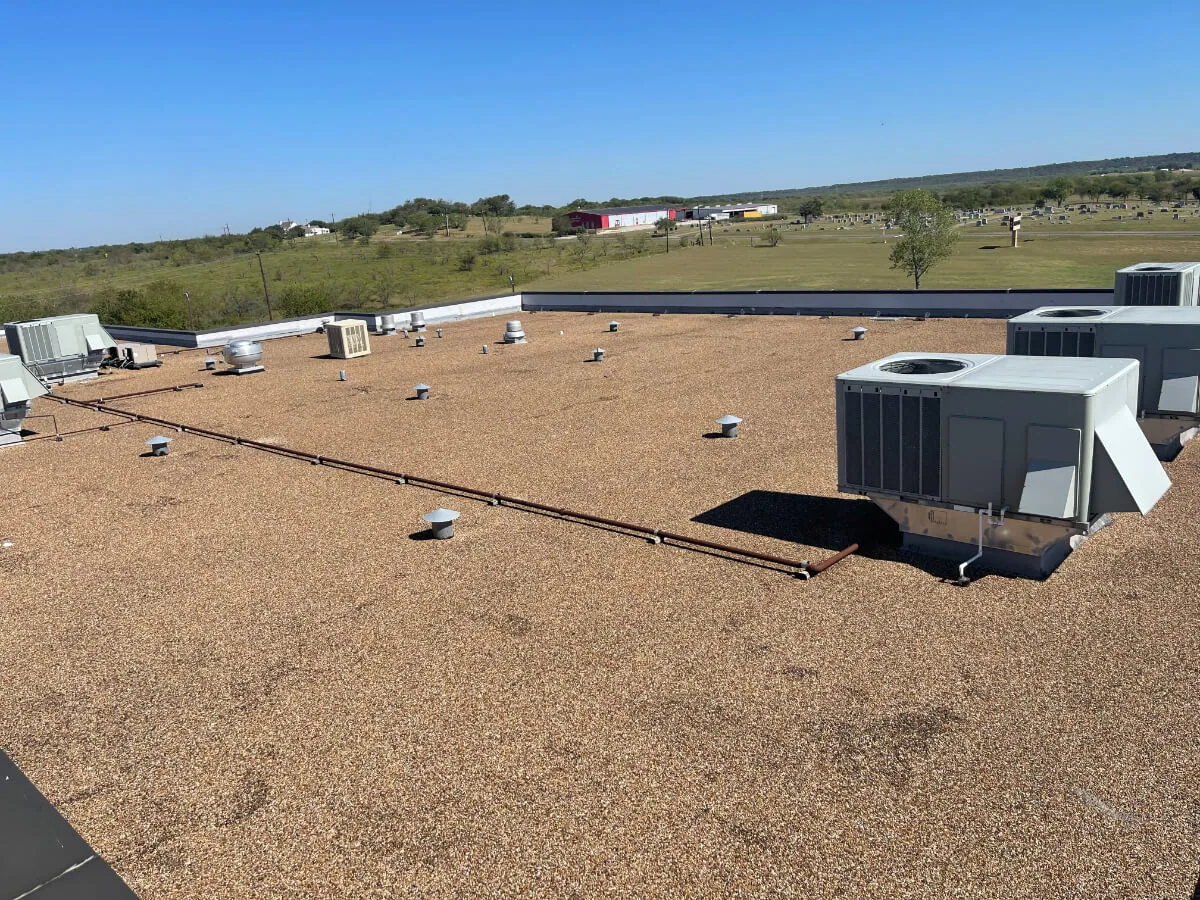
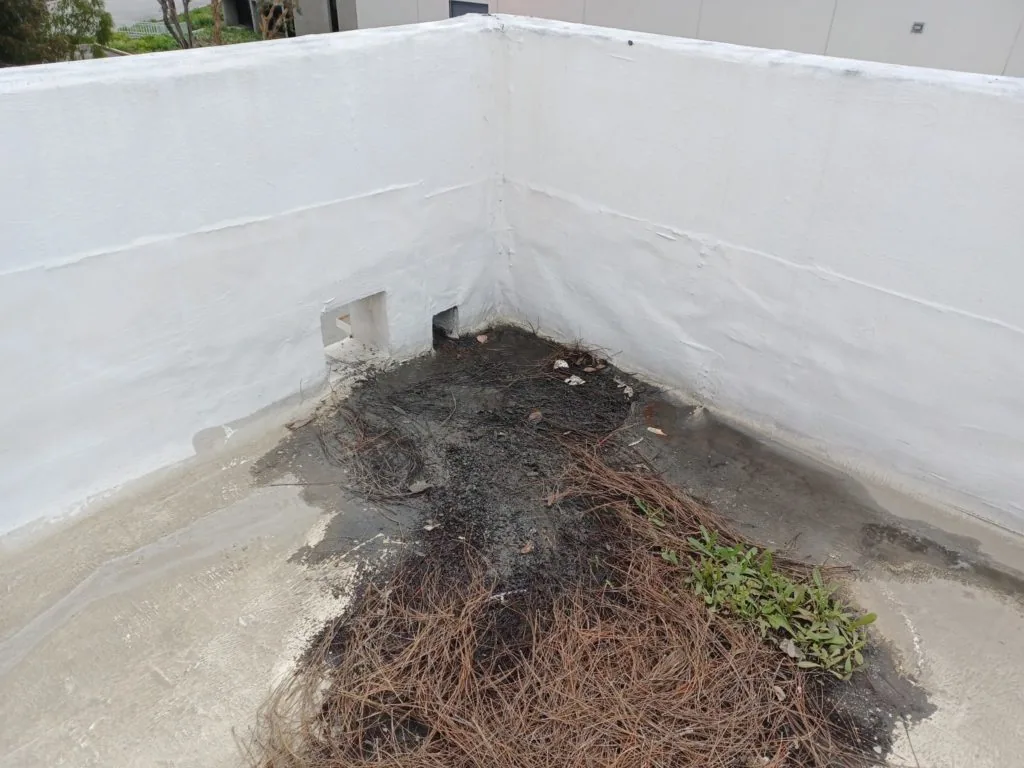
A gravel-surfaced roof on a school or government building tells you its age by where the gravel has gone. Wind and plows push stone toward the edges, snowmelt carries it into the scupper, and the bare spots left behind are where sun and ice get to the felts. By the second week of March, the pattern is plain from the ground. Built-up roofing is old technology, many layers of felt and asphalt under a stone cap, and where it is still on a Bozeman, MT building it has usually survived a lot of winters. Where on your roof is the gravel missing?
We repair, restore and replace built-up roofs across the Gallatin Valley, and we tell owners what the layers are doing before we tell them what to spend.
What is a built-up roof, and why do some buildings still have one?
A built-up roof, or BUR, is made of alternating layers of asphalt and reinforcing felts, built up on site, then topped with gravel, a cap sheet or a coating. The layers make a thick, redundant membrane. A puncture in one ply rarely reaches the deck, and the assembly tolerates foot traffic well.
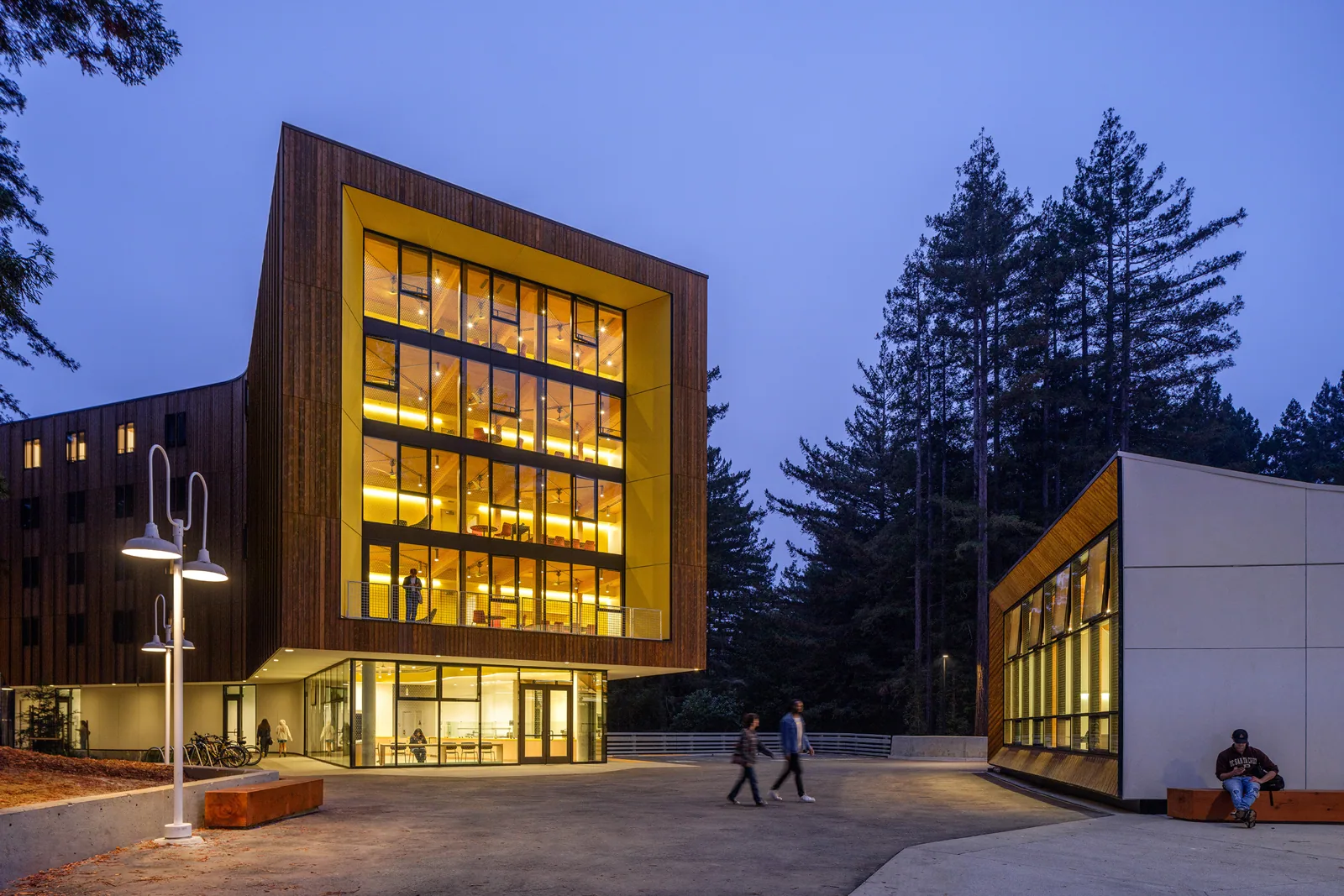
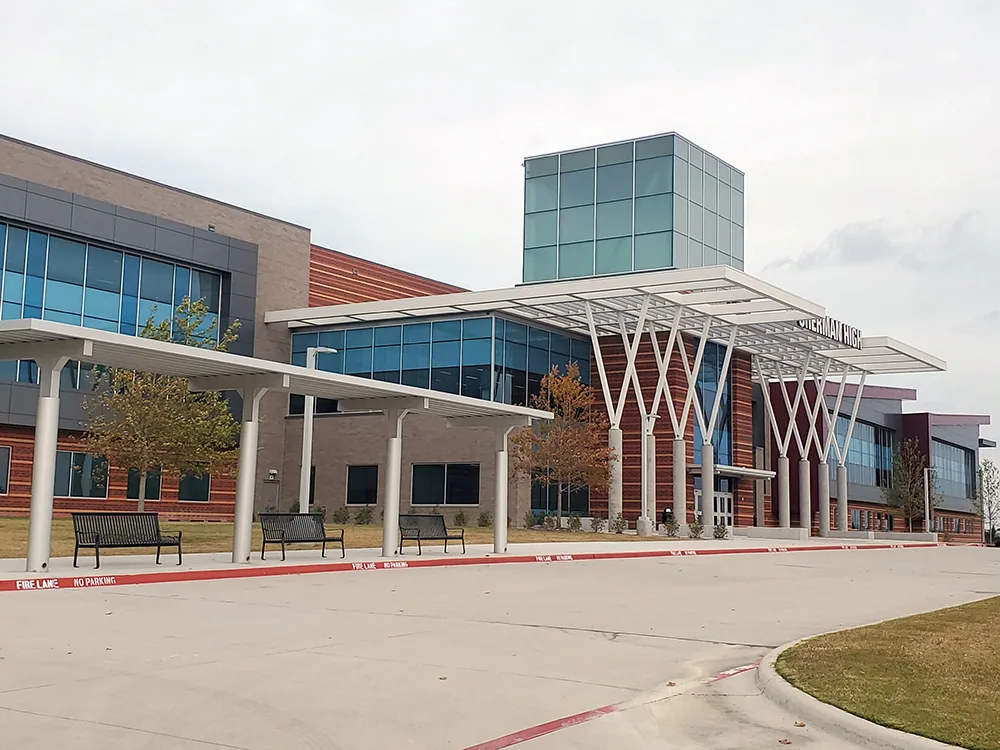
Many older institutional buildings have BURs because the system was standard for decades. Schools, campuses, offices and government buildings are the usual homes. The roof is heavy, and the structure carries it. Replacing it with a lighter system changes the load, so we always check the deck and framing before we propose a switch.
What does the gravel do, and what happens when it moves?
The stone surface shields the asphalt from sun, wind and hail, and it adds fire resistance. When gravel scours away, the bitumen beneath is exposed and ages quickly. Loose stone also travels. Gusts, plows and meltwater carry it to drains and scuppers, where it jams the outlet and holds water on the roof.
Golfball hail fell on Bozeman for about thirty minutes on June 30, 2010, and gusts reached 89 mph across Belgrade and north Bozeman in early August 2013. A gravel surface takes that kind of storm better than a bare sheet, but it does not make the roof immune. We check the bare spots, clear the drains and re-spread stone where the surface has worn thin.
Which buildings in the valley carry BURs?
A campus the size of Montana State University's, 1,170 acres on the south side of Bozeman with about 17,165 students, is a place where older institutional roofs may include built-up systems. School buildings, government offices and older commercial blocks are other possible homes for one. Which it is gets settled on the roof, where we cut a test core and identify the layers.
On college buildings, schools and government buildings, access, schedules and public safety shape the work. A crane pick near a student path needs a closed zone, a school roof job needs the summer window and a government office roof may need a security escort. Those limits go on the schedule first.
Schedules at these sites set the pace more than the weather does. A school can close a wing for a summer, not a year. A campus has move-in weeks and exam weeks. A government office has public hours. We build the tear-off phasing around those dates, size each section so it can be dried in within a day, and keep a short list of backup tasks for days when the forecast turns.
How does a built-up roof handle Bozeman snow?
December is Bozeman's snowiest month at 16.2 inches, in a year that totals about 91, and the ground snow load listed for the city is 50 psf. A BUR is heavy to start with, and drifts behind parapets and equipment add to that load. The structure has to carry both.
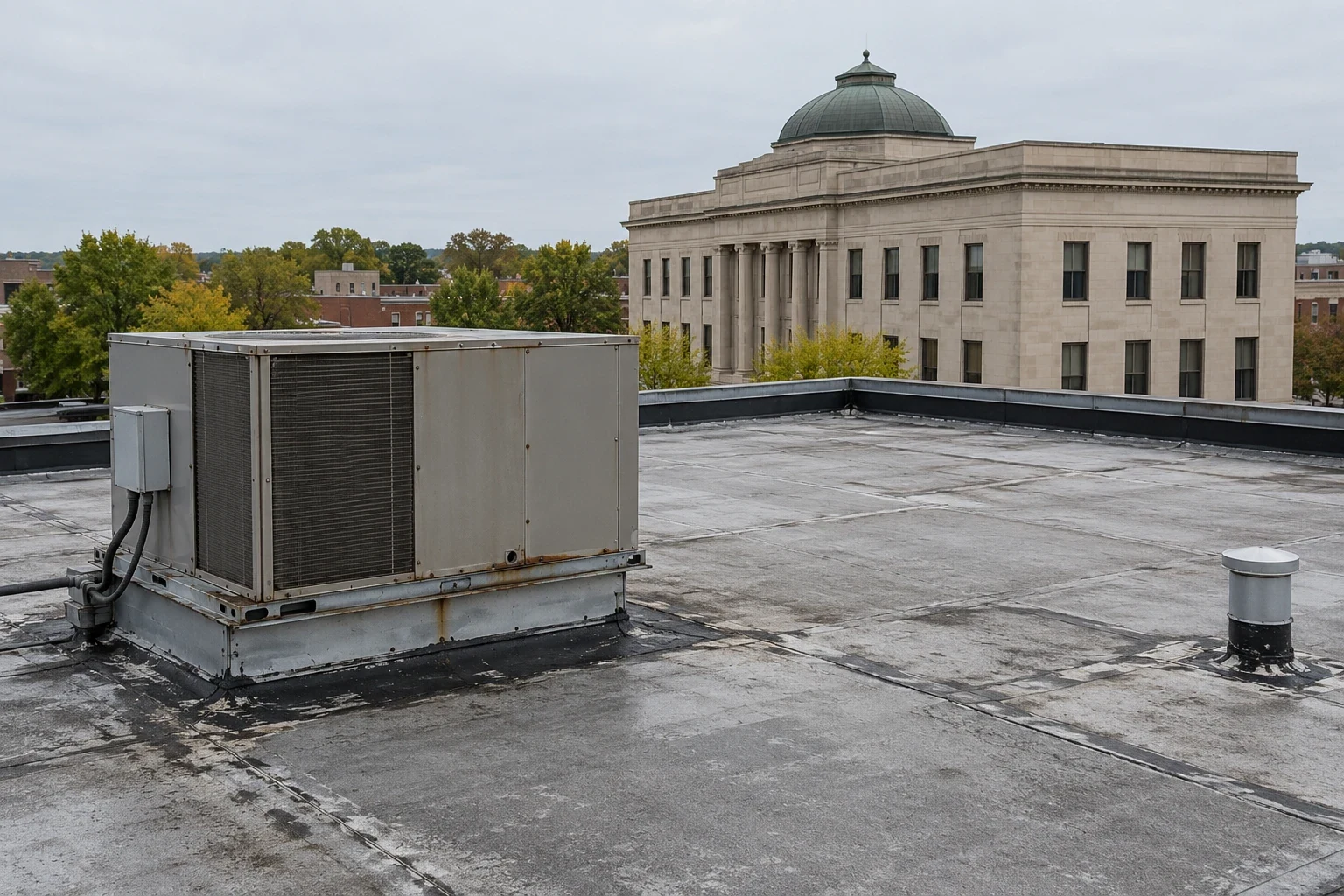
Thaw cycles stress the flashings more than the field. At the wall, the felts turn up and are sealed or counterflashed, and a bead that has dried out lets meltwater in behind. We probe flashings, check drains and scuppers and look for splits where the membrane meets a parapet. A split along a wall base can be the first leak on an older roof.
What is involved in repairing or restoring a BUR?
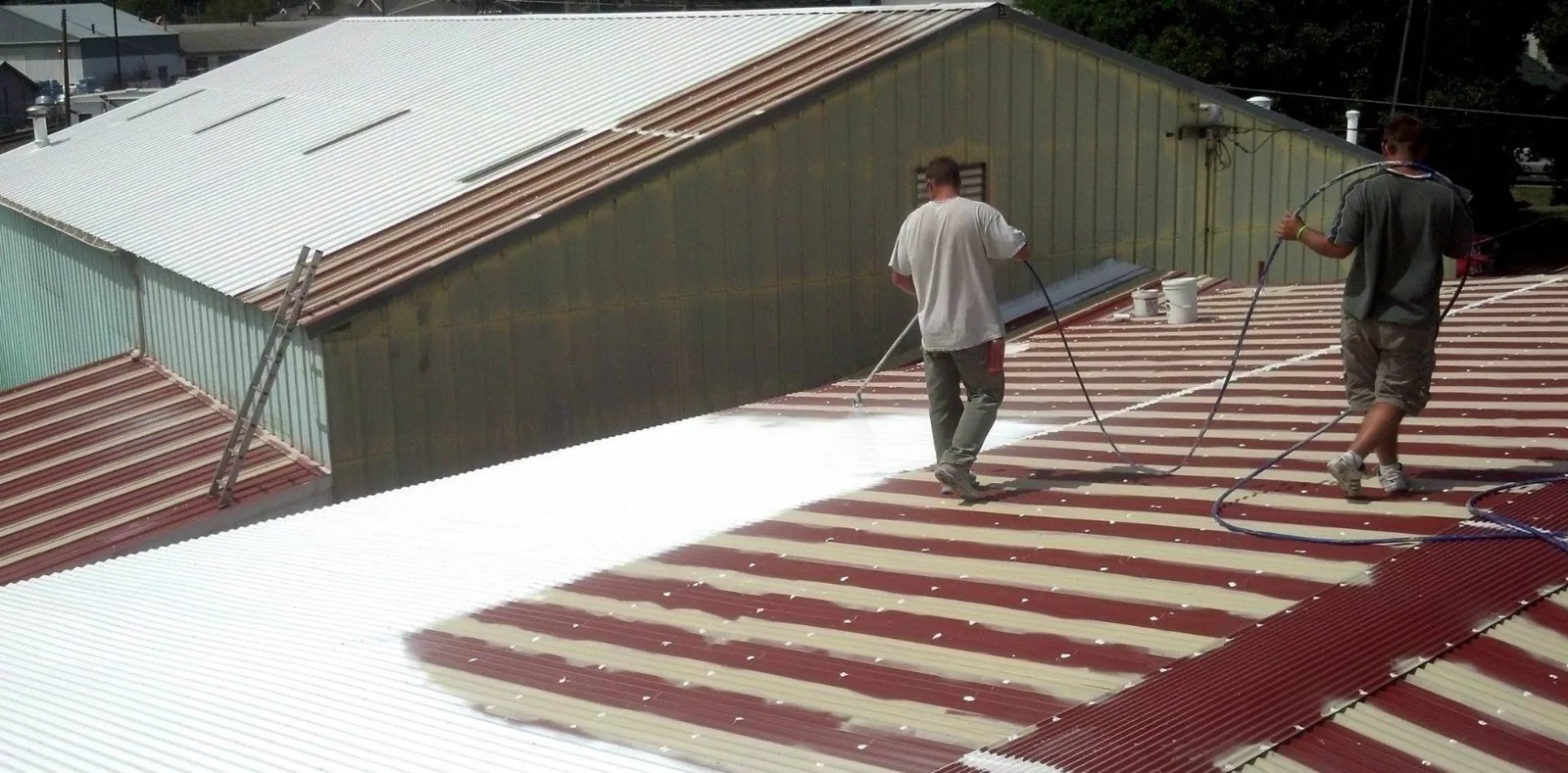
Repairs use cold-process mastic, reinforcing fabric and fresh stone, or patches of cap sheet where the roof allows. We cut out blisters, dry the layers and rebuild them. If the felts are sound and the insulation is dry, roof coating restoration can add years by sealing the surface and the seams.
Older BURs and their flashings can contain asbestos in some felts and mastics, and we test before we cut or remove anything. That adds a step and a lab result to the schedule, and it protects the crew and the occupants. Hot asphalt work also brings fire risk and fumes, so on an occupied building the plan covers air intakes and fire watch.
Can a new sheet go over an old BUR?
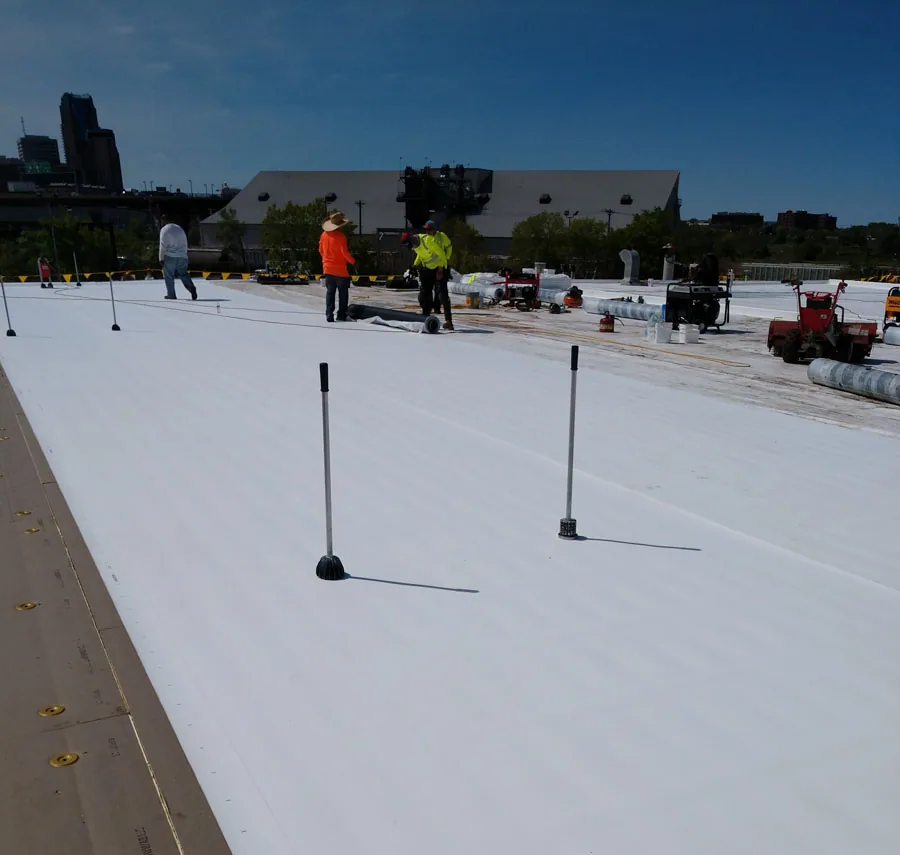
It can, when the old roof is dry and the deck is sound. The usual recipe is to remove loose gravel, install a firm cover board, then lay a new membrane such as TPO over it. That avoids the cost and mess of a full tear-off, and the building stays in use. It adds a layer, so the structure must carry it along with snow.
The test is moisture. A BUR that has held water for years looks fine on top and soaks the insulation below. An infrared scan maps the wet areas, and cores confirm them. If a wide area is wet, the recover is off the table, because a new sheet over wet insulation traps the water. We show the scan and the cores to the owner, with photographs, so the choice rests on what the roof holds and not on a hunch. Building codes also limit how many layers a deck may carry, and we count them before we propose anything.
When is it time to replace a built-up roof?
Replace when the insulation is wet across a wide area, when the felts are broken down so repairs no longer hold, or when the deck has deteriorated. A moisture survey and cores give the evidence. The replacement can be another BUR, a modified bitumen system or a single-ply sheet, and weight, hot-work rules and budget decide.
Tear-off phasing, staging, disposal and dry-in go on the replacement scope, and a roof in the Montana State University area follows the same format as any other.
Questions About Built-Up Roofing
How can I tell if my roof is a built-up roof?
Look for gravel on top or a mineral-surfaced cap sheet, and for layered edges at the parapet. We confirm with a small core cut, which shows the layers and the insulation underneath.
Should we remove old gravel before a recover?
Usually yes, since loose stone can puncture a new sheet and hide defects. Stone removal is part of the scope and disposal is planned, with attention to where the stone is staged and how it is moved.
Does asbestos testing slow a project?
It adds a lab step, usually a few days. Schedule it early, before bids are final, so the result shapes the scope instead of interrupting the work.
Can a coating save a BUR?
Sometimes. If the felts are sound and the insulation is dry, a coating seals the surface and extends its life. A moisture scan and cores answer the question before any coating is priced.
Why do BUR flashings fail first?
Movement at the wall pulls the felts and the sealant bead apart, and meltwater freezes behind them. Re-flashing at the wall base with fresh material and a clean termination fixes most of these.