
KEE Roofing in Bozeman, MT
KEE Roofing in Bozeman and the Gallatin Valley
The roof over a manufacturing building shows its history in the stains around the vents. In Bozeman, MT, where Simms Fishing Products and Mystery Ranch are among the largest employers, a manufacturing roof can carry exhaust, process vents and condensate lines that deposit film on the membrane year after year. After a winter of thaw cycles, that film holds moisture against the sheet, and a membrane that cannot take it begins to craze. KEE is a PVC-alloy sheet designed for that exposure. What comes out of the vents on your roof?
We install and repair KEE membranes around Bozeman and describe the roof as it is before price comes up.
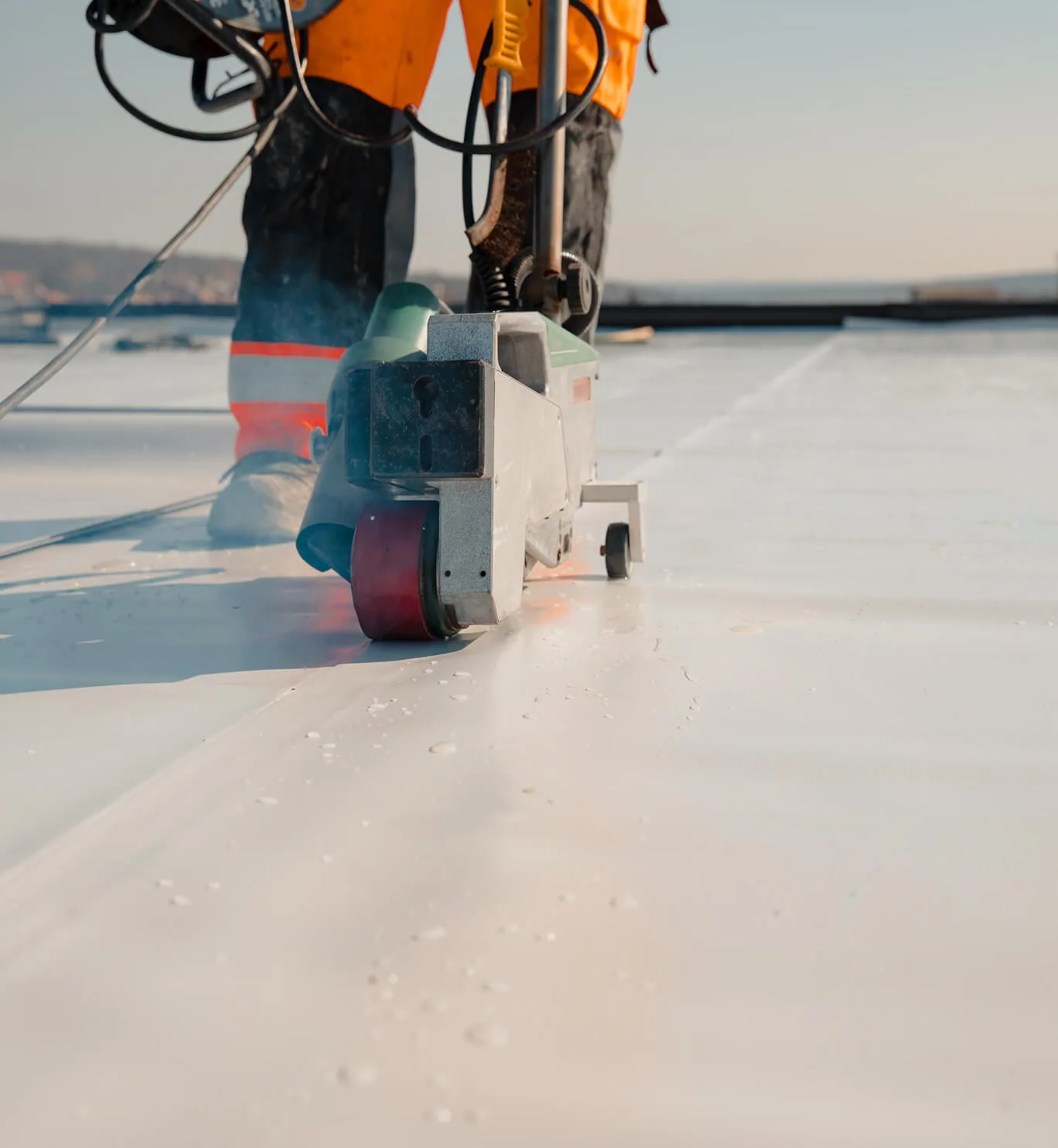
What is KEE, and how does it differ from plain PVC?
KEE stands for ketone ethylene ester. It is a polymer blended into a PVC sheet in place of a conventional plasticizer, and it resists migration. A standard PVC sheet can lose plasticizer over the years, and as it does the sheet stiffens. KEE keeps the sheet flexible longer, and it resists many fats, oils and chemicals that attack other membranes.
The sheet is reinforced, white or light-colored and heat-welded at the seams like other PVC products. It is a specialty choice. Owners pay more for it than for a basic sheet, and the extra cost makes sense only where the roof actually sees the exposures it was built for.
Because the chemistry is specialized, repair parts must match. A patch cut from the wrong sheet can look fine and peel at the first freeze. We work from the manufacturer's detail drawings for the sheet on the roof, and we note the product and date of every repair in the file.
Why does plasticizer retention matter in a Bozeman winter?
Bozeman winters swing between January nights near 15 degrees F and a record low of minus 46. A sheet that has lost plasticizer is brittle at the low end of that range, and a brittle sheet cracks at seams, at corners and under foot traffic. Daily thaw and freeze movement works every weld. The longer a membrane keeps its flexibility, the longer those welds hold.
That is the practical argument for KEE on a roof with exposure. The sheet ages slower where chemicals and heat would otherwise strip it. We check any older PVC-type roof by flexing a sample at a seam edge and looking for dull, chalky or crazed areas. The result tells us whether a repair will hold or whether the sheet is nearing the end of its life.
Edges and corners show age first. A corner that has been flexed by wind and ice for years has a visible set, a faint crease where the sheet has bent and bent again. Those creases are where hairline cracks begin, so we flex-test them and photograph any that have opened.
Which buildings put KEE to good use?
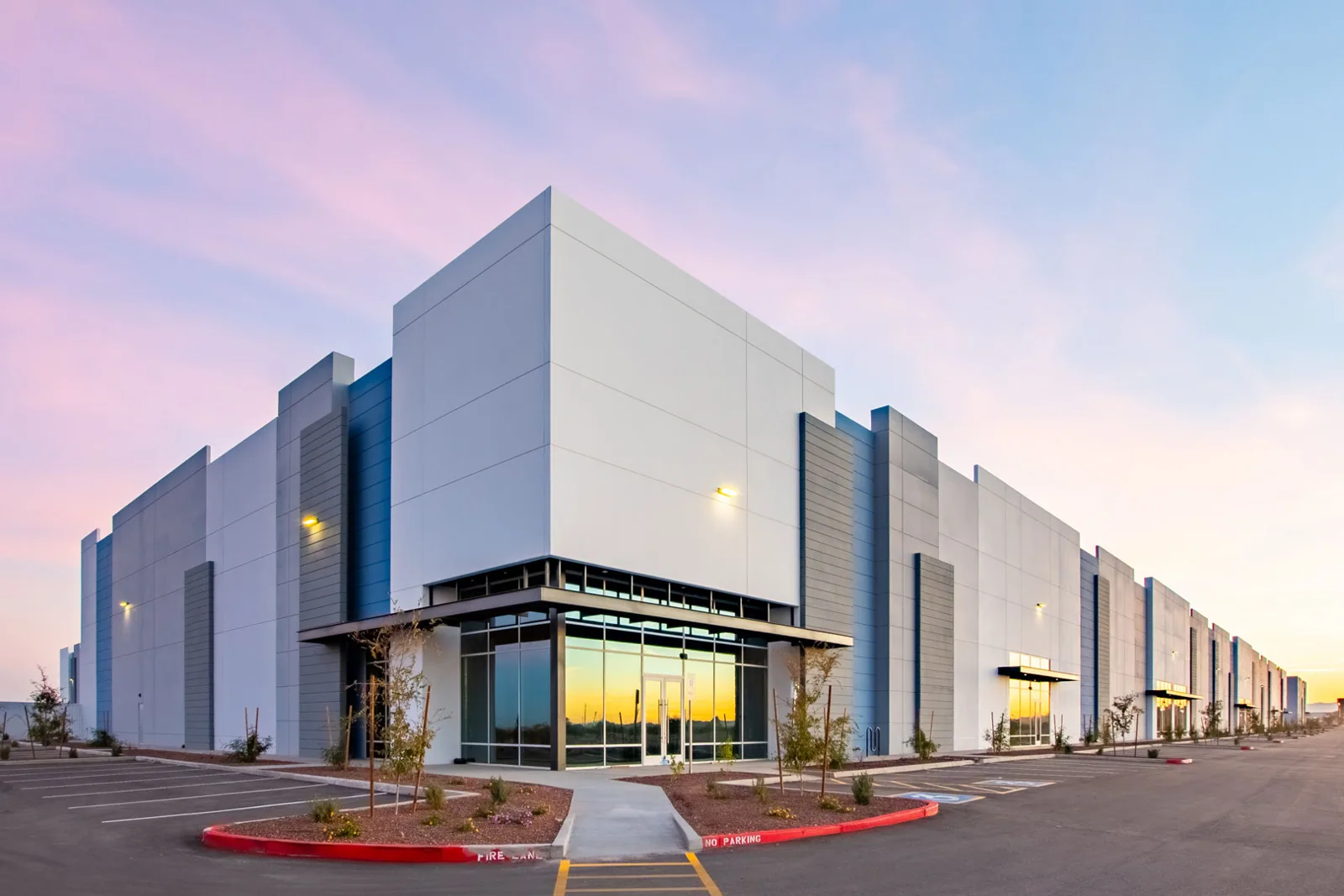
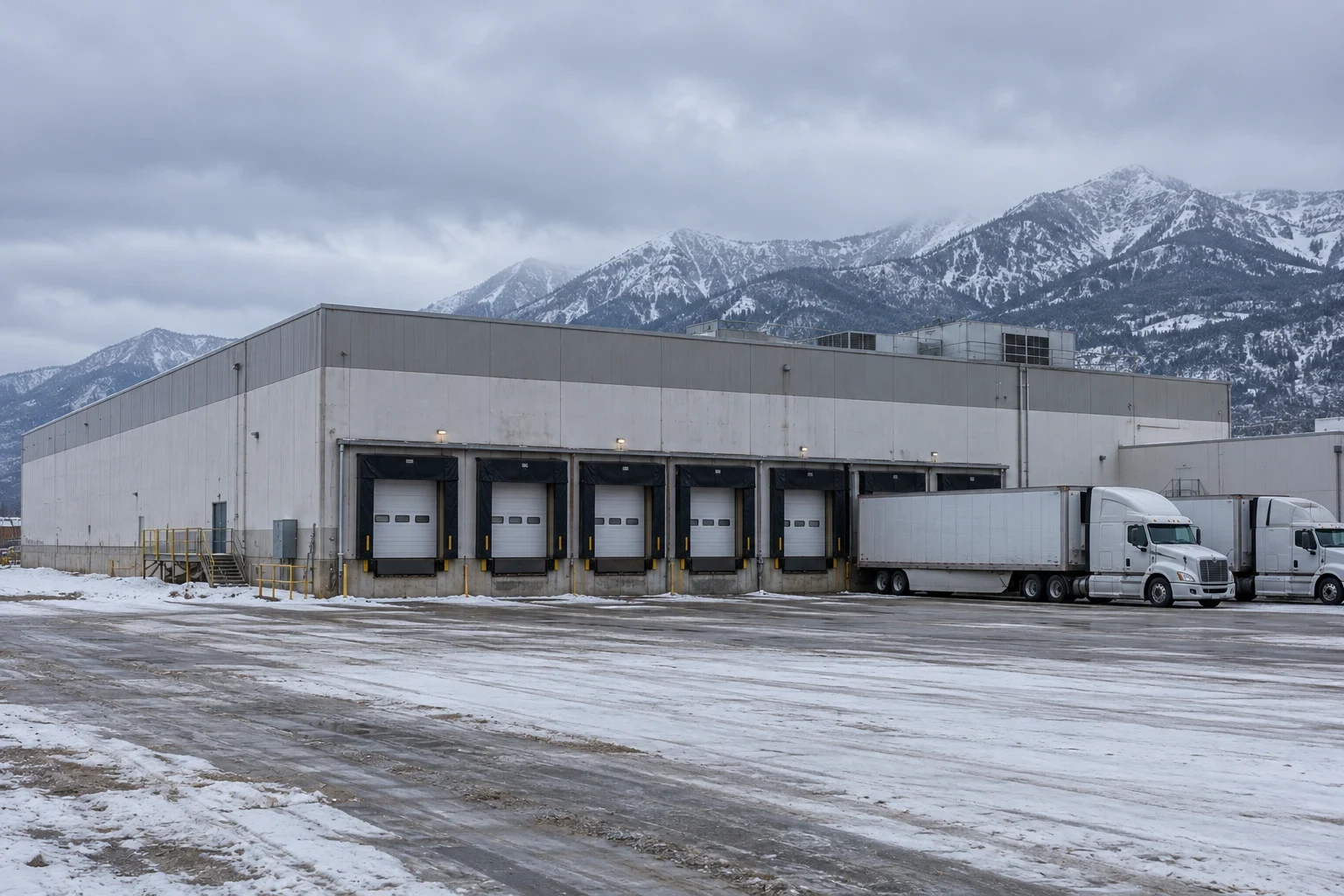
Manufacturing plants top the list, followed by cold storage buildings where condensation and cold interiors work on the roof from below. Bozeman's economy includes Simms Fishing Products, Mystery Ranch, more than two dozen optics and laser companies and biotech firms, and Belgrade is home to Xtant Medical and CACI International. What any one plant vents shows up on the roof, so we walk it and note the exhaust paths.
Where grease, solvents or process vapor rise, KEE is a candidate. Where the roof is quiet, a cheaper sheet may serve. The decision follows the exposure, not the label.
How does a KEE roof handle snow and ice?
Bozeman logs about 54 snowy days and 91 inches a year. Livingston, east over Bozeman Pass, gets about 56 inches and sits second only to Guadalupe Pass, Texas, for average wind. The 2021 IBC reference for Bozeman is 50 psf of snow on the ground and 110 mph for wind. A plant roof with tall equipment collects drifts, and drifts bring weight and ice.
We check drift zones, roof drain sumps and scuppers on every walk. A drain that ices over sends meltwater across a seam, and a weld that sits in standing water through freeze and thaw is the first to open. Walkway pads along service paths protect the sheet from boots and tools in winter.
How do we check welds on a KEE roof?
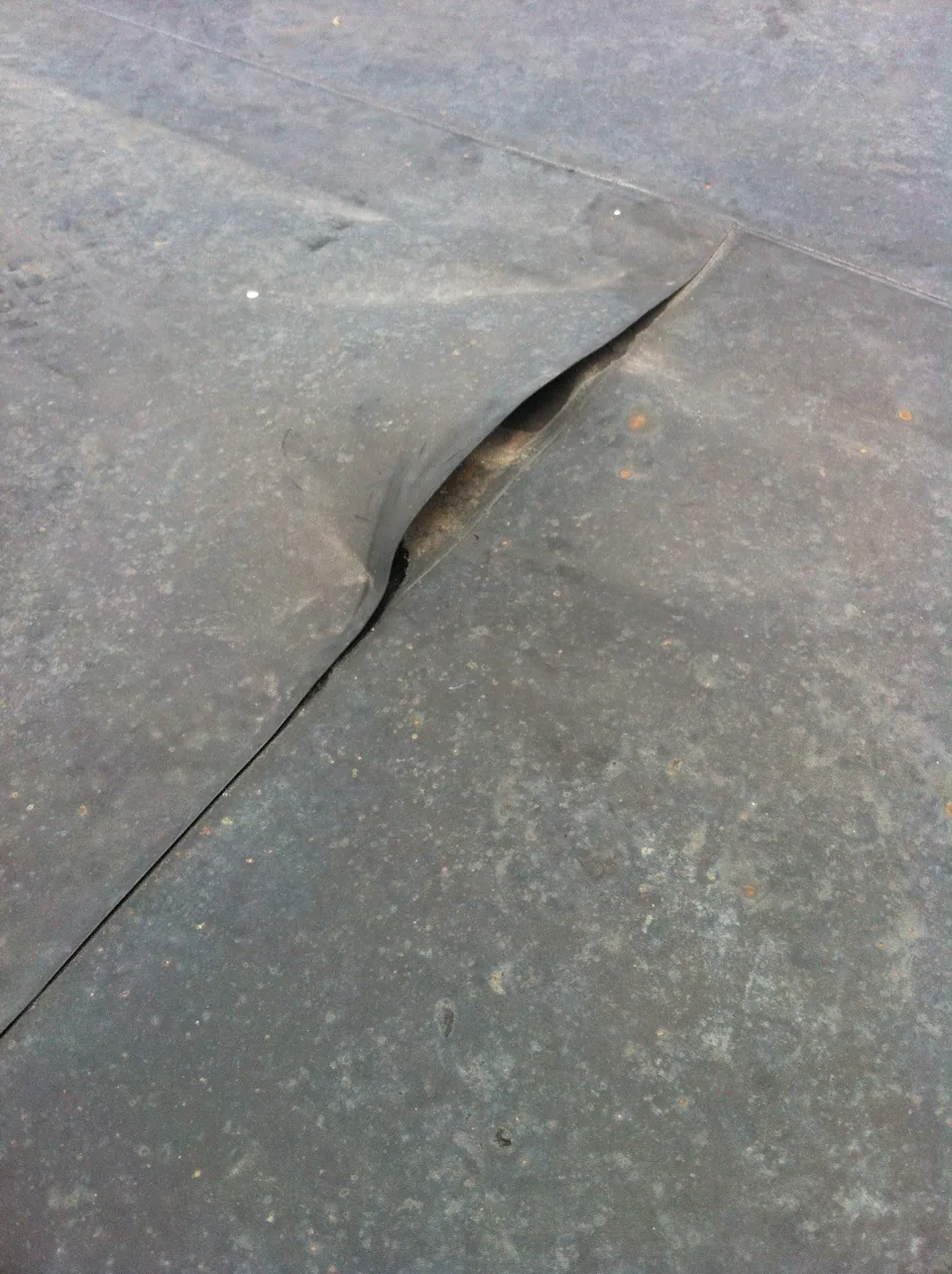
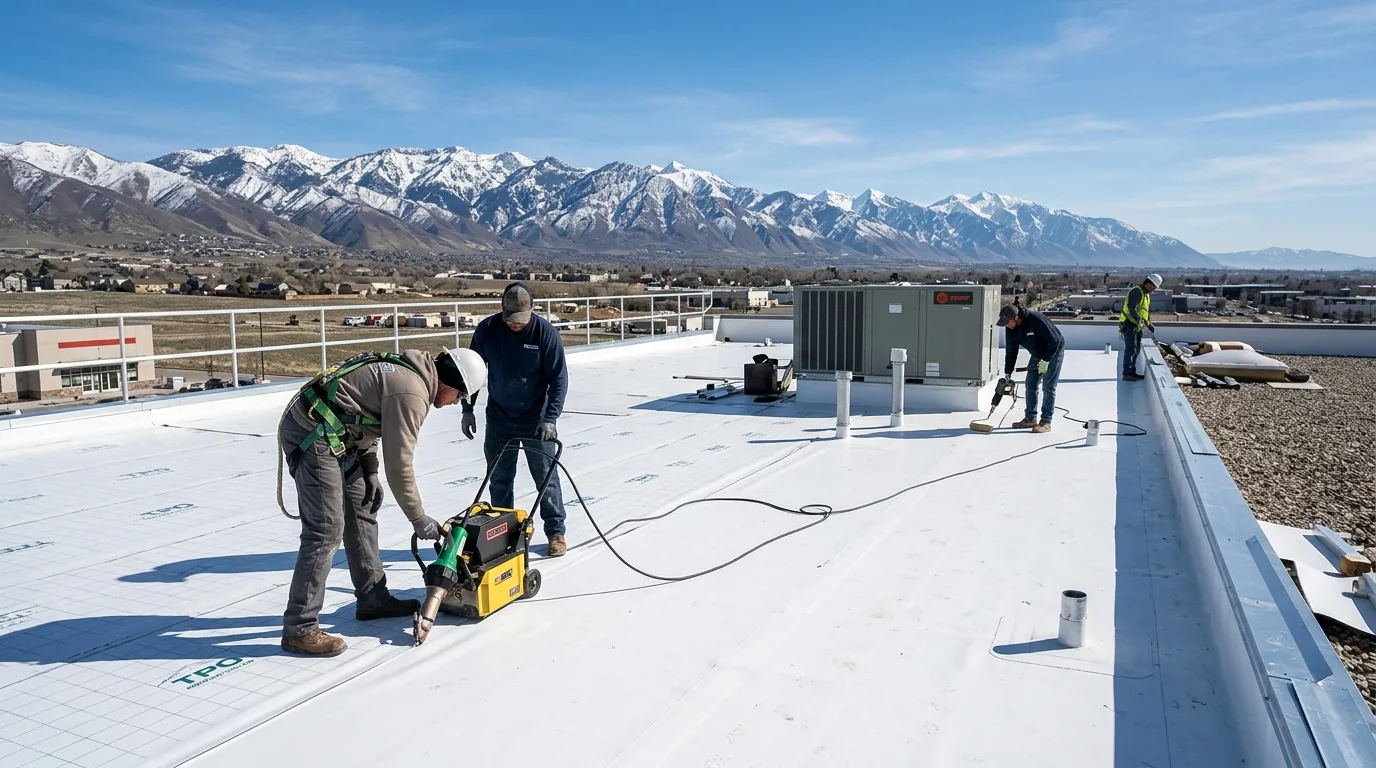
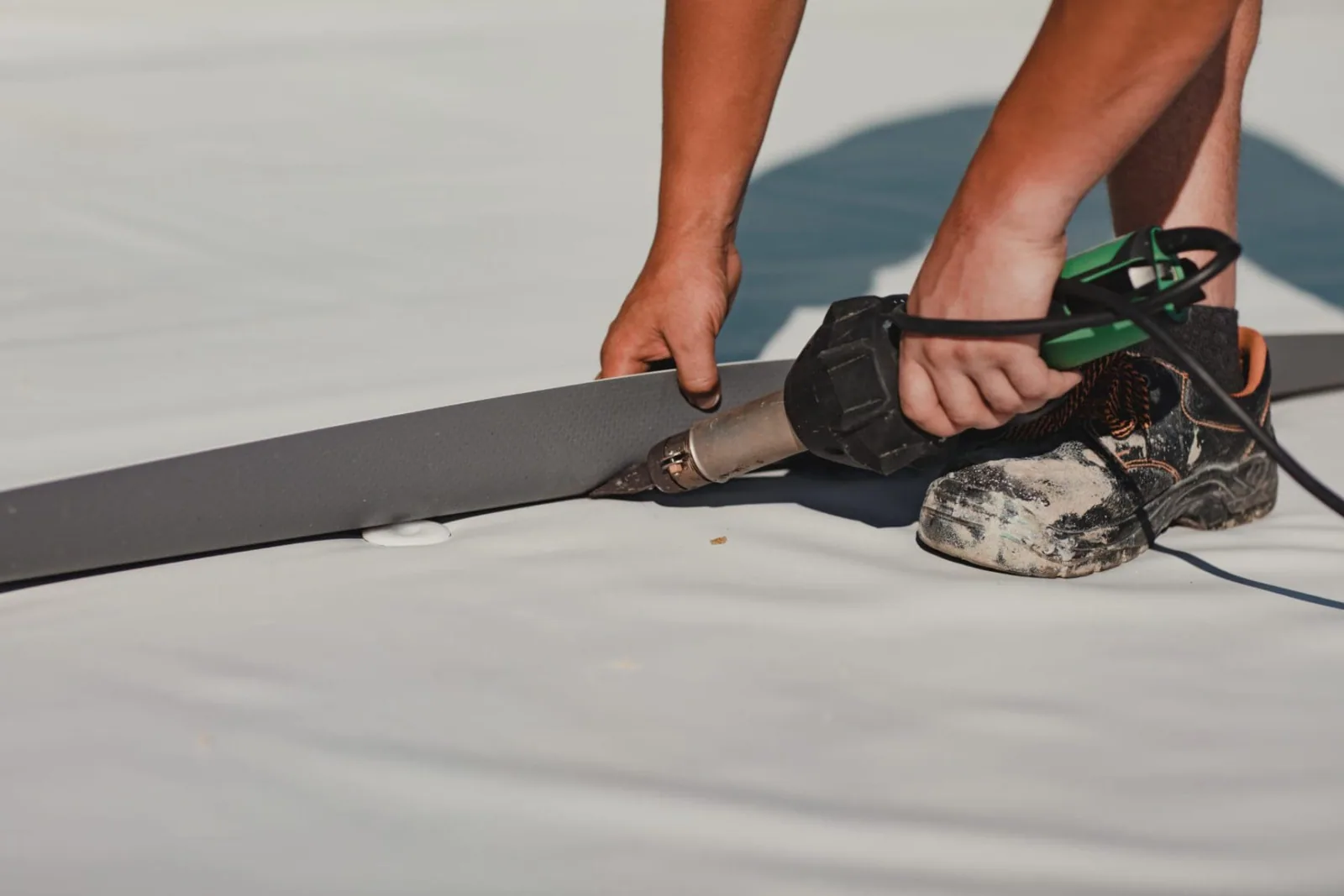
Heat-welded seams are the strength of the system. A good weld is continuous and uniform. A bad weld can look good until it opens. We probe along every seam with a blunt tool, mark open spots and weld a repair with the right temperature and speed for the sheet. On a sheet that has weathered, we clean the surface first, since dirt and film can ruin a bond.
A seam failure found at the first sign of lift is a small repair. A seam that has been open through a winter lets water into the insulation, and then the question becomes how far the water went. We cut cores and scan for moisture before we promise that a repair will be enough.
What happens to a KEE sheet in a hailstorm?
A half hour of golfball hail hit Bozeman on June 30, 2010, and early August 2013 repeated the size over Belgrade and north Bozeman with winds to 89 mph. In May 2023, stones of 1.50 inches fell for several minutes beside the Gallatin River. A firm cover board under the membrane helps it resist impact, and a sheet over soft board can bruise.
After a storm, we walk the field, photograph bruises with a scale and cut a core at the worst ones. If the insulation is crushed under a bruise, the sheet will crack there later. We write that finding on the sheet so the owner has a dated record, and an insurance file has a clean start.
When is KEE worth the extra cost?
Choose KEE when grease, oils or chemical vapor reach the roof, when heat from exhaust is steady, or when a long service life from a PVC-type sheet matters to the owner. Choose PVC when exposure is lighter, and TPO when there is no exhaust at all.
Roofs in Livingston and across the valley start with an inspection and a written record of the exhaust paths. Keep the warranty file with the maintenance log, since a manufacturer may ask for both. A dated photograph of each vent and its stain pattern, taken every spring, shows whether the exposure is growing.
Questions About KEE Roofing
Is KEE the same thing as PVC?
KEE is a PVC-based sheet with a different plasticizer system. It looks and welds like PVC but holds its flexibility longer under chemical and heat exposure. A walk on your roof tells us whether that extra resistance is needed.
Can KEE be repaired with ordinary PVC patches?
Compatibility matters. A test weld and a probe check should come first, since the two sheets differ in chemistry. The repair material should match the sheet already on the roof.
Does KEE need coating or a cap?
Not in normal service. It is a finished membrane, and cleaning is the main upkeep. Wash off film around vents each spring so buildup does not hold moisture against the sheet.
What if my plant's process changes?
New exhaust or a new vapor source can change what the roof sees. Call before adding equipment so the sheet, the flashing and the walkway paths can be reviewed against the new load.
How do I tell if an old PVC roof needs KEE?
Look for dull, crazed or stiff areas near vents, and flex a sample at a seam edge. Repeated seam failures near the same exhaust are another clue. A core cut and moisture scan confirm the next step.