
Commercial Roofing in Bridger Canyon, MT
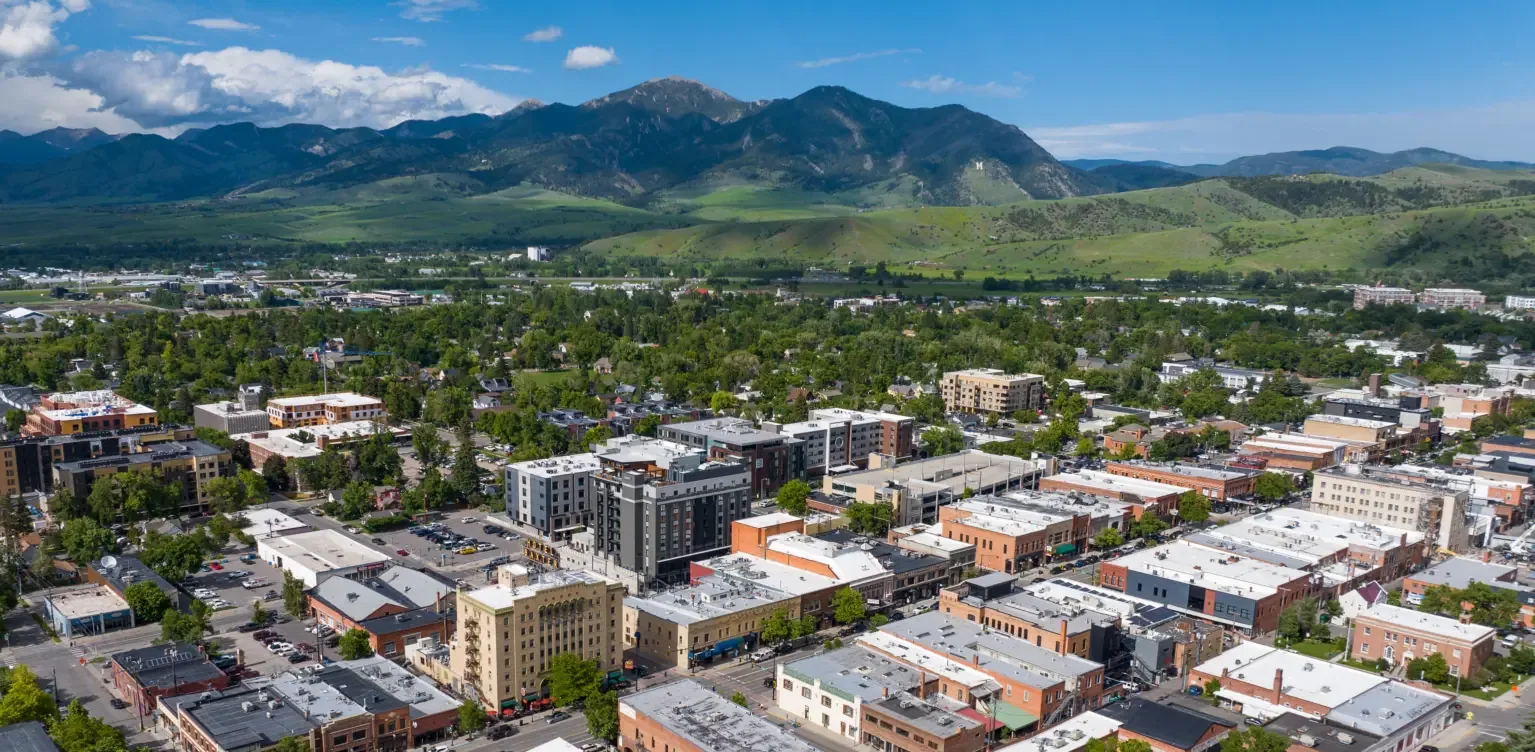
Bridger Canyon in Bozeman and the Gallatin Valley
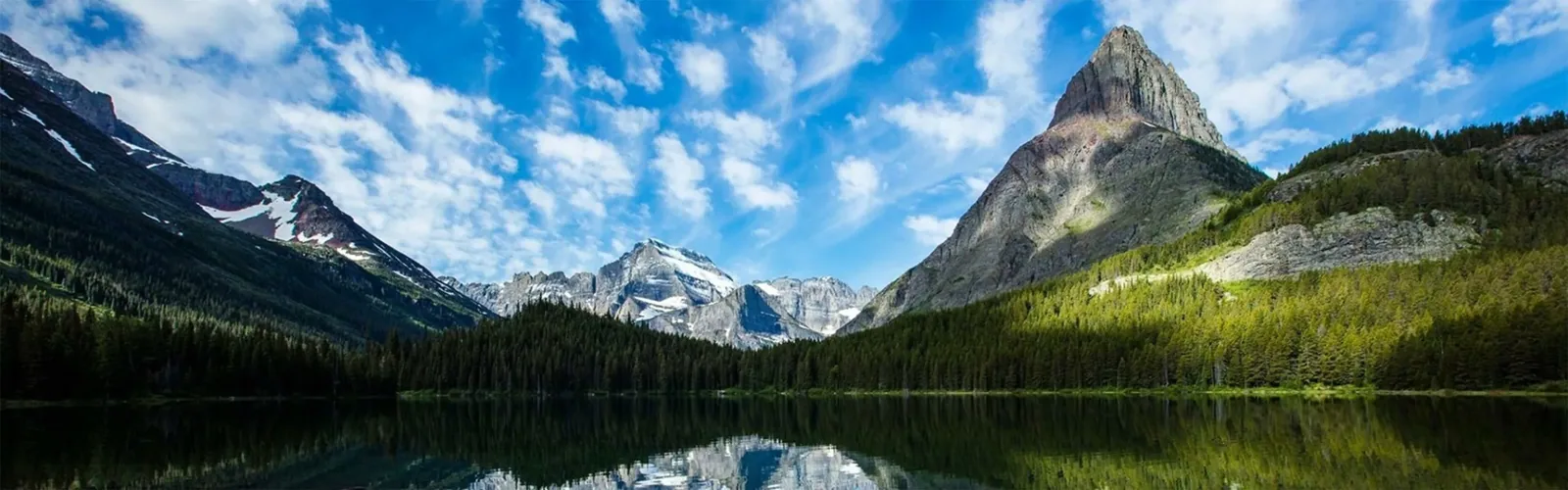
Drive up Montana 86 into Bridger Canyon and the snow changes. A commercial building in the canyon, whether it is a lodge, a lodge-style base building, a maintenance shop or a small commercial structure, lives with winter in a way a Bozeman roof does not. The ski area at the head of the canyon reports about 350 inches of snow a season, nearly four times what falls in town, and it begins at a base elevation of 6,100 feet.
When the snow comes off a roof up here, it comes off with weight. If your building has a door, a walk or a fuel tank under the eave, where does the slide land?
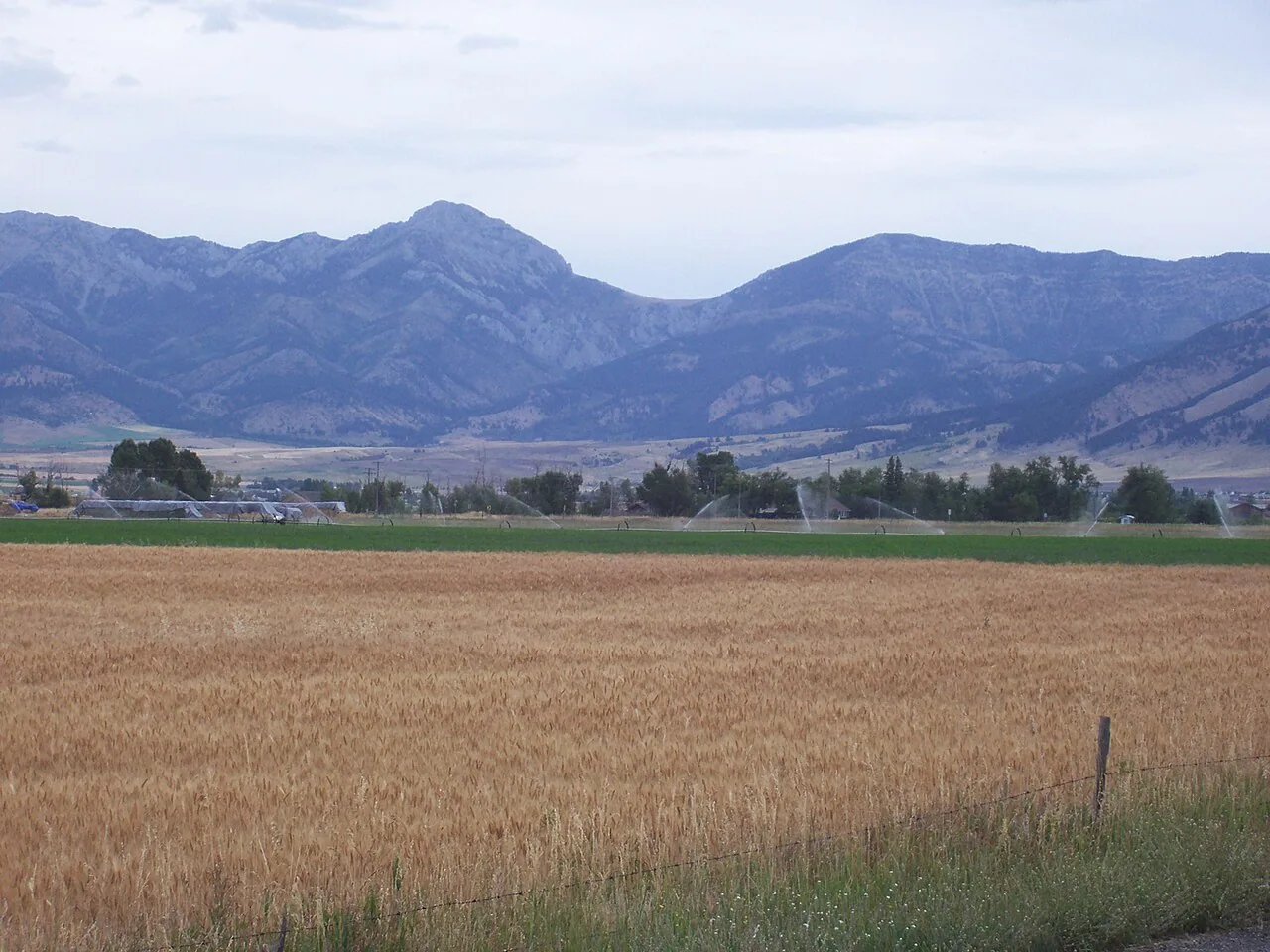
What kinds of commercial buildings sit in the canyon?
Bridger Bowl is 16 miles north of Bozeman in the Bridger Range and is reached by Montana 86. It is a locally owned non-profit ski area, and a new main lodge opened at its base in 2005. Around a ski base, the buildings are lodge and service structures, rental and maintenance shops, storage sheds and small commercial buildings along the road. I treat the canyon as an area with a mountain building stock, not as a single campus.
Mountain buildings share a few features. Pitched roofs, deep eaves, wood or heavy steel framing and a lot of metal roofing are common in mountain construction. Chimneys, stove flues, heat vents and generator exhausts pass through roofs. All of them melt snow from below and send water down the roof where the cold eave catches it. I start by finding every heat source under the roof, since each one tells me where ice will form.
A lodge or base building adds more: a big kitchen exhaust, drying rooms for wet gear, boot rooms with warm floors, a rental shop with a hot-water heater. Each of those is a heat load, and each sends warm air up toward the roof deck. On a winter morning I can read the snow pattern from the road, since the bare patches on a roof show where the heat escapes and the thick pack shows where the building is tight.
What does 350 inches of snow do to a roof edge?
The load is the first issue. Bozeman designs to a 50 psf ground snow load, and the canyon's snow is far heavier than the city's 91 inches a year. A building designed for a site like this carries a higher design number, and it still must be kept from piling extra load in drifts or ice. A roof valley, a low section beside a taller wall or a shed roof against a main building collects far more snow than the open slope, and I check those spots each fall for deflection and for cracks in the interior finishes below.
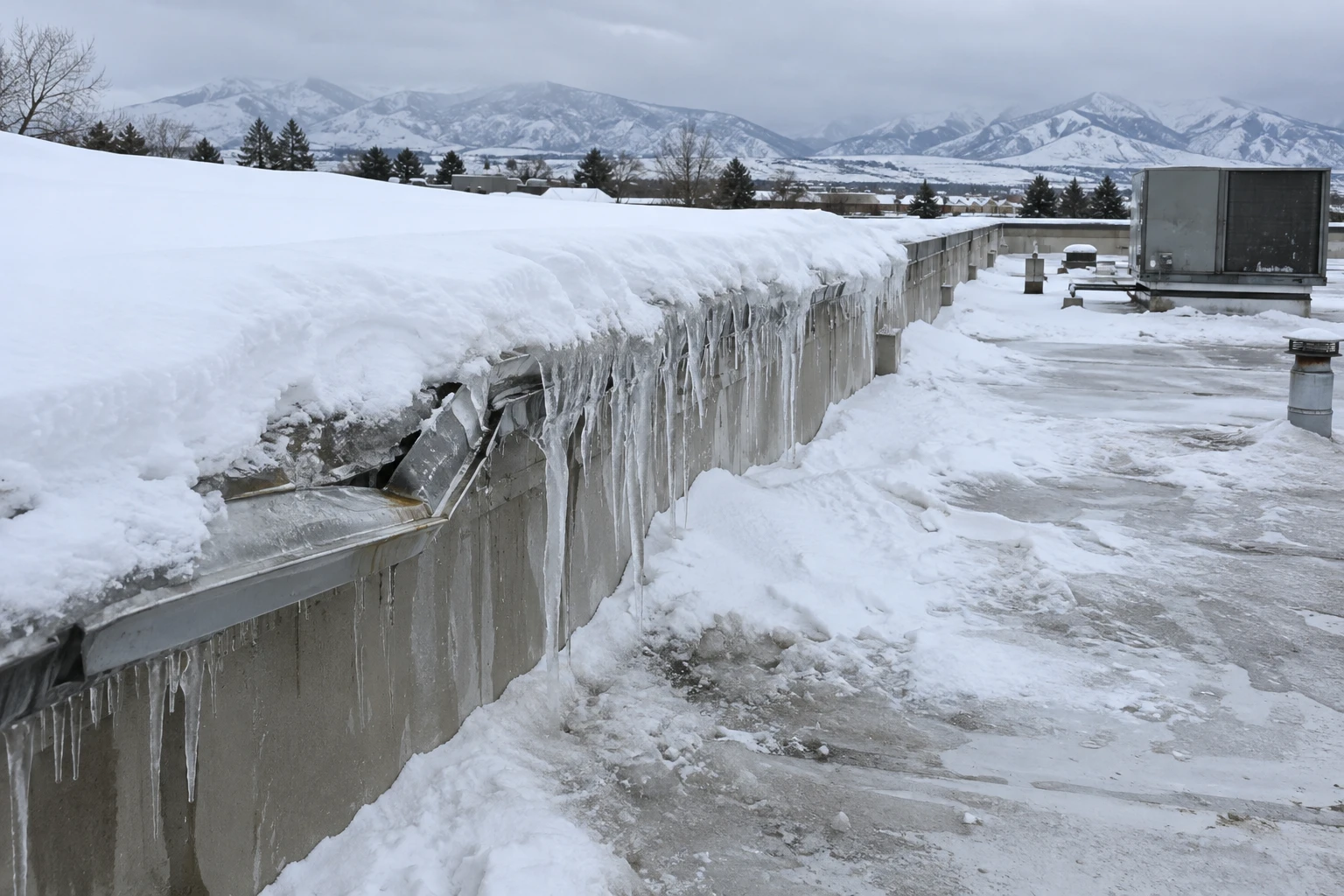
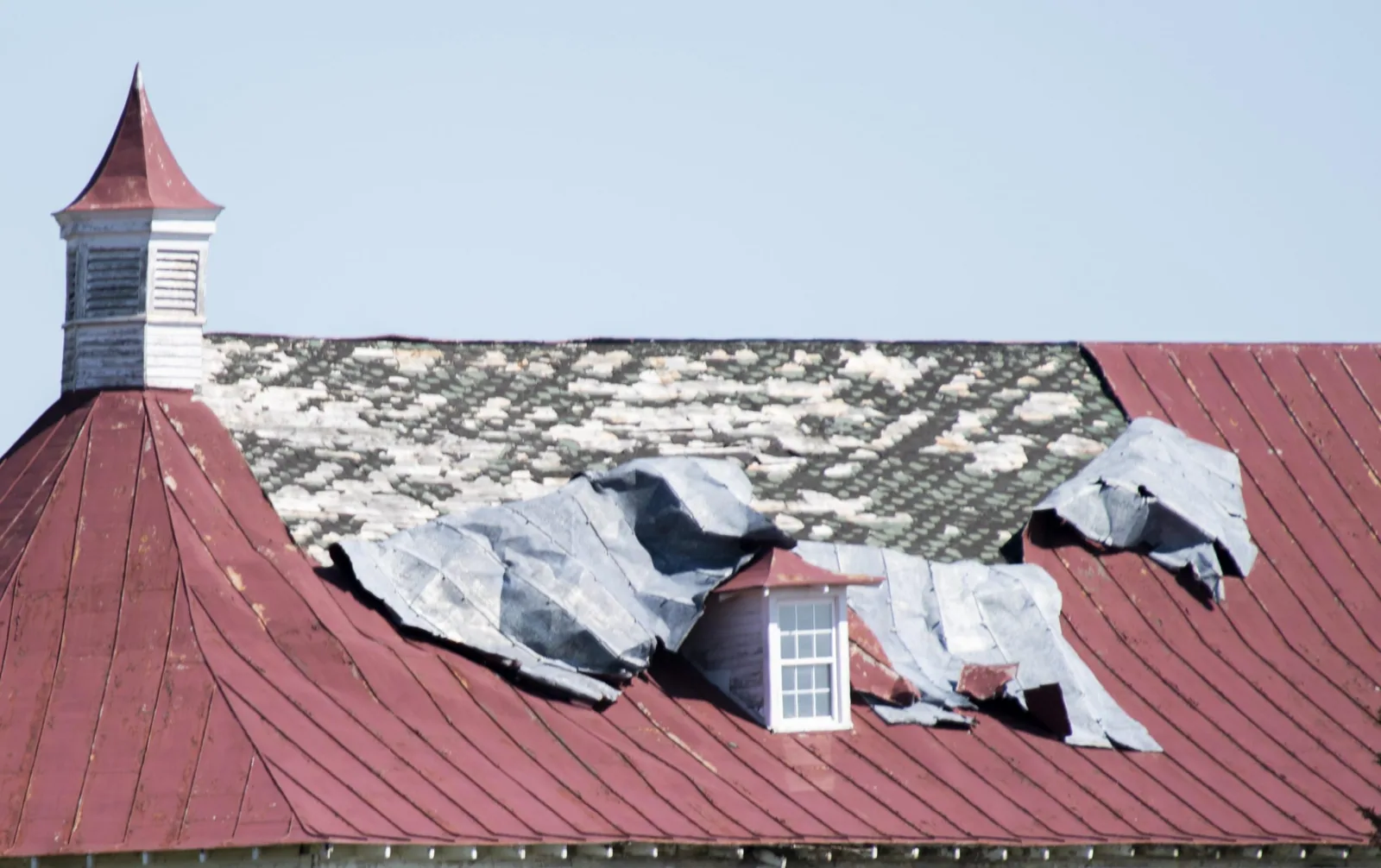
The second issue is how it leaves. Metal roofs shed all at once, and the slide can bury a door, damage a parked machine or crush a lower roof. Snow guards, rows of cleats, or a snow fence across the slope keep the pack in place until it melts slowly. At the eave, a ridge of ice builds where heat from the building meets the cold edge, and the meltwater that backs up behind it runs under the roofing. Heat cable and a vented, insulated eave stop it. Snow and ice damage repair begins with exactly these details.
Why do mountain buildings favor metal, and how do we maintain it?
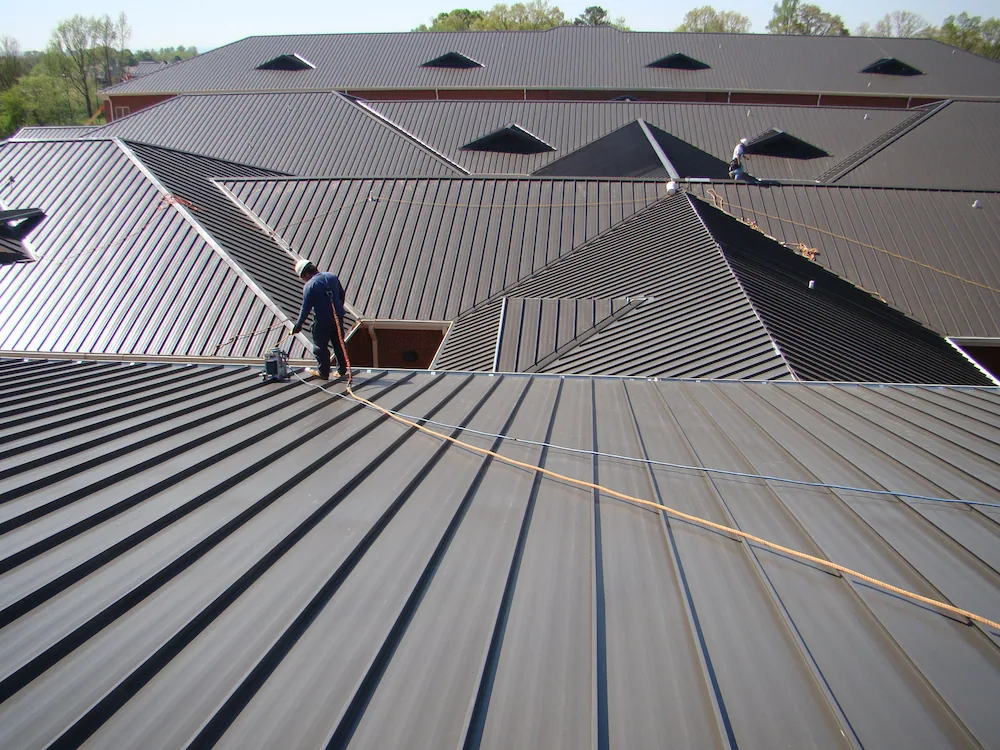
Metal sheds snow, handles weight and lasts through cold. It also needs attention. The clips on standing seam metal must let the panel move as the temperature swings, and on a canyon roof the swings are large. Sealant at flues, at ridge closures and around vents dries out in thin mountain air with strong sun. Exposed fasteners back out over the years and let water in.
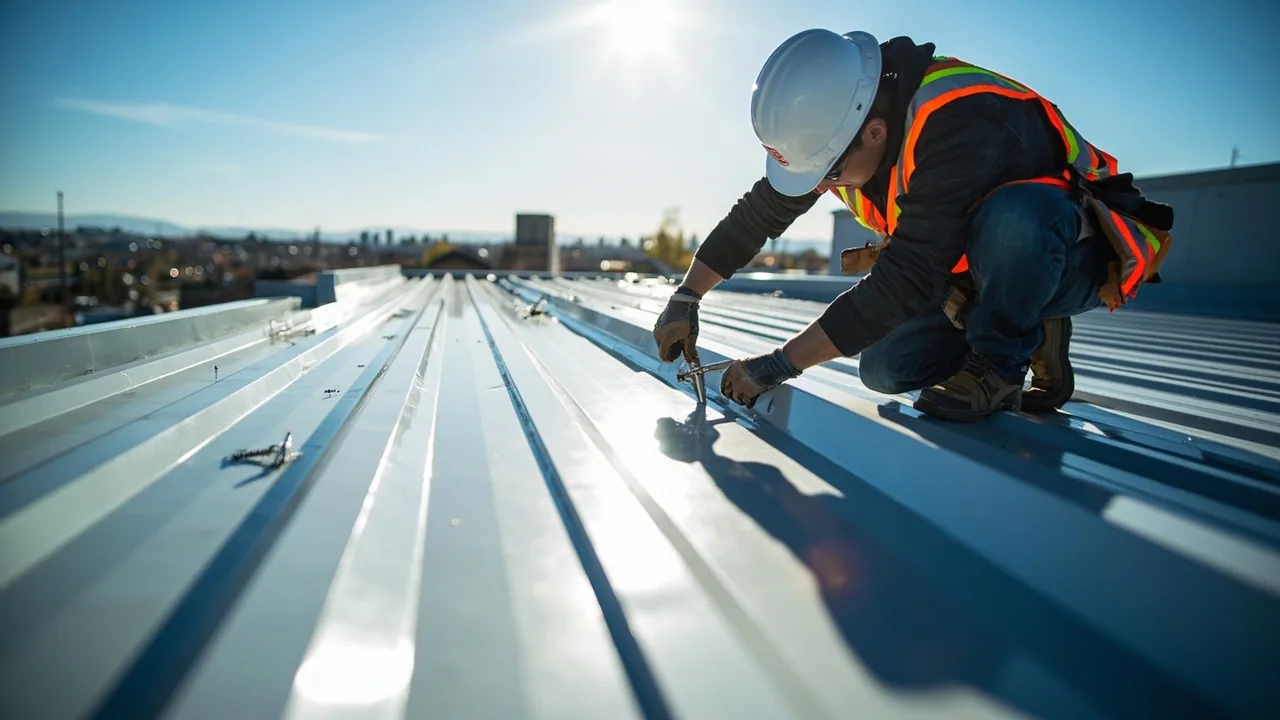
My inspection walks the roof from the ridge down. I check each flue boot, each snow guard attachment, the seams and the eave trim, and I look at the ground below for signs of heavy slide damage. A snow guard that has pulled loose from its panel is a hazard. If the roof is thirty years old and rusting at the laps, a metal roof retrofit over new framing strips can give it another life with no tear-off. Access in winter is limited, so I do inspection and repair in the dry months. A repair on a steep metal roof needs fall protection and roof jacks, and the crew sets those up before the first ladder goes on. Snow guards are repositioned with the new panel layout so they continue to bear on solid framing, not on a thin panel between purlins.
How does wind add to the loads in the Bridger Range?
Wind in the range builds drifts on the lee side of ridges and buildings. A pitched roof shaped like a saddle collects snow on one face and leaves the other bare. The unbalanced load pushes on the framing, and the pack at the lee eave grows heavier through the season. When a drift of that kind lets go in a spring thaw, it takes gutters, heat cable and trim with it, so I check the brackets and the cable runs before the melt begins. Valley gusts reached 89 mph in the August 2013 storm, and the design wind for Bozeman is 110 mph. In the canyon the pattern is more severe at exposed ridgelines.
I check ridge caps and eave trim for lift, then look at the connections between roof sections. After a storm, wind damage repair starts at the ridge and works down. A lifted ridge cap lets wind-driven snow into the attic in a form so fine it looks like dust, and it melts into the insulation. That is why a drip in March can be traced to a ridge repair needed in October.
How do we schedule canyon work around the snow calendar?
The working window is short. Snow comes early and leaves late, and roads and roofs are dry for a limited period. We walk roofs in late summer, price repairs in early fall and plan replacements for the next dry season if the weather turns. Material goes up early, since a hard storm can slow the drive up the canyon.
Owners in the canyon and in Big Sky Meadow Village and Big Sky Mountain Village share the problem of mountain snow and short seasons. A ski-area building and a commercial shop have different loads, but the same logic applies. Our preventive maintenance visits in October clear drains, tighten flashing and check guards, and our emergency roof repair team is available around the clock when a slide or a leak cannot wait.
Questions About Bridger Canyon
How do I keep snow from sliding onto my entry?
Snow guards across the slope hold the pack in place so it melts in small amounts. Add a deeper overhang or a catch canopy over the entry, and keep the area below clear of cars and fuel tanks. The slide is predictable once you know the slope.
Why do I get ice at the eave when the roof is insulated?
Heat leaks into the roof from flues, recessed lights and gaps in the air barrier. It melts snow from below, and the water refreezes at the cold edge. Better air sealing, ventilation and a heat cable at the eave stop it.
When should a canyon roof be inspected?
In late summer or early fall, before the first heavy snow, and again after the spring melt. We check snow guards, flue boots, sealant and trim, and look for damage from the winter's slides.
Can an old steel roof be saved?
Often. If the framing is sound and the panels hold a screw, we can replace fasteners, reseal laps and add snow guards. If the panels are rusted through, a retrofit or replacement is the next step.