
Commercial Roofing in Big Sky Meadow Village, MT
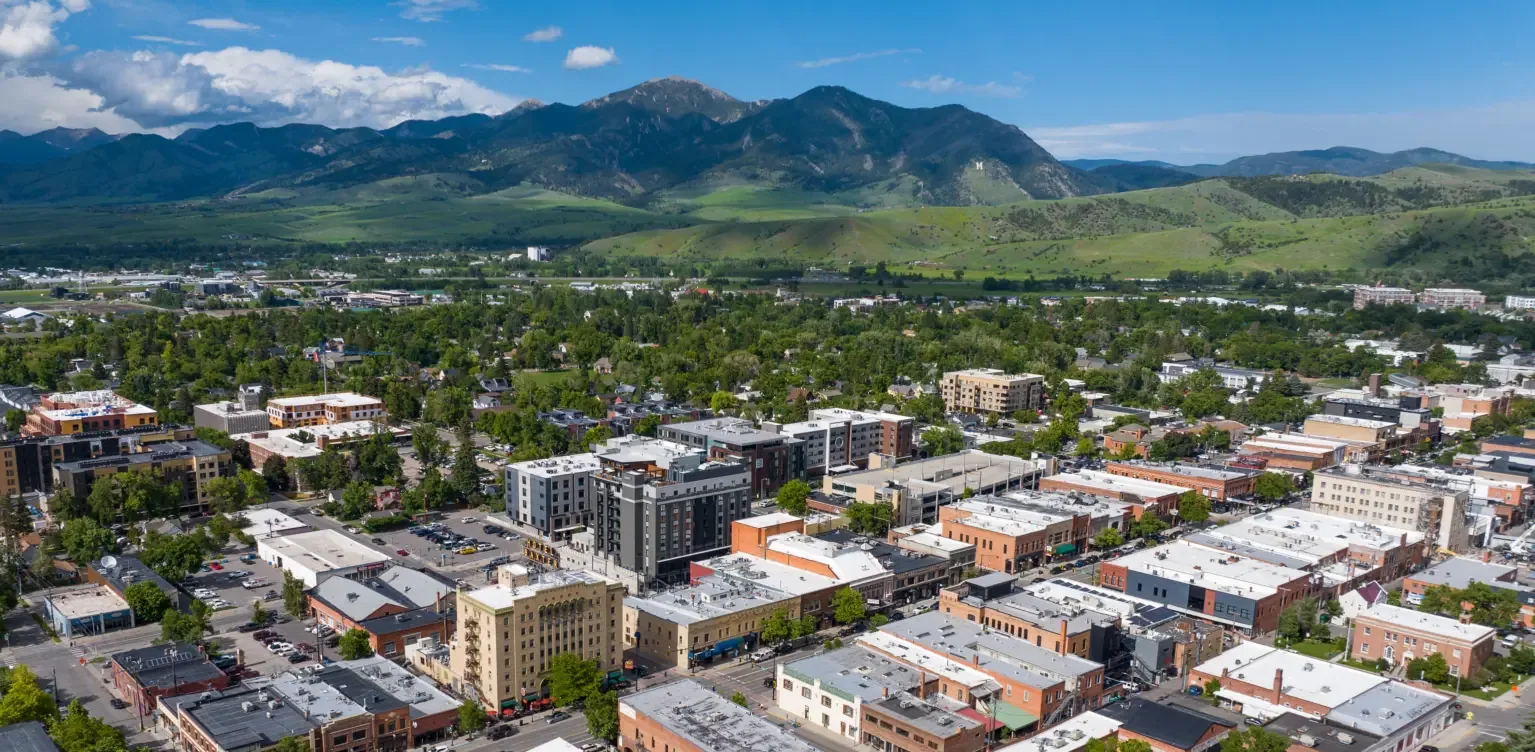
Big Sky Meadow Village in Bozeman and the Gallatin Valley
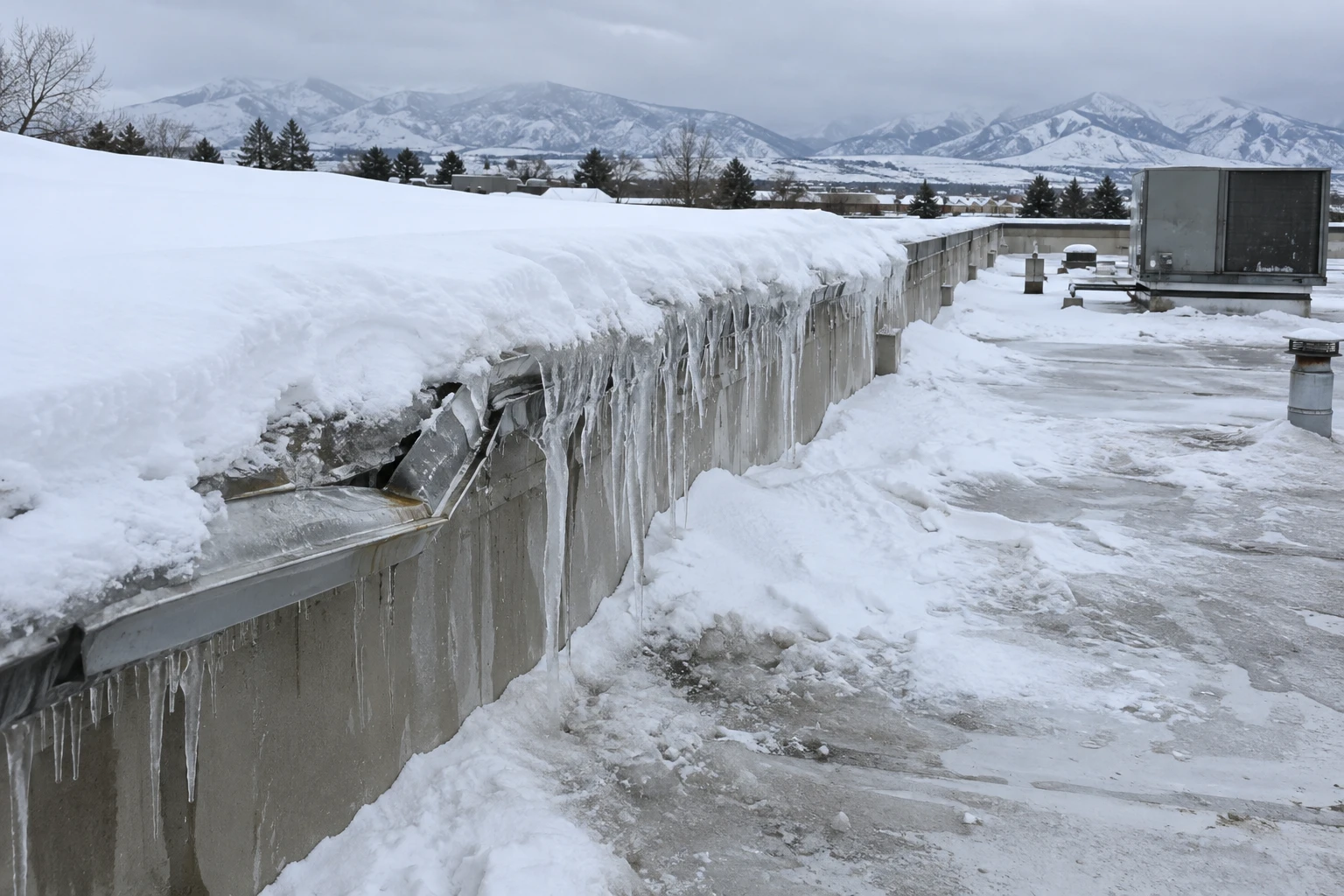
The ridge of ice at the eave is the first thing a superintendent reads on a Meadow Village roof, and it shows whether the building is losing heat. The Meadow area is in the eastern part of Big Sky at a base elevation of about 6,200 feet, and Big Sky collects roughly 162.7 inches of snow in a year, heaviest in December through March. A commercial roof in that snow does one job all winter: it holds the snow, sheds it slowly and keeps water out while the cycle of melt and freeze repeats. Does the ice at your eave match the heat inside?
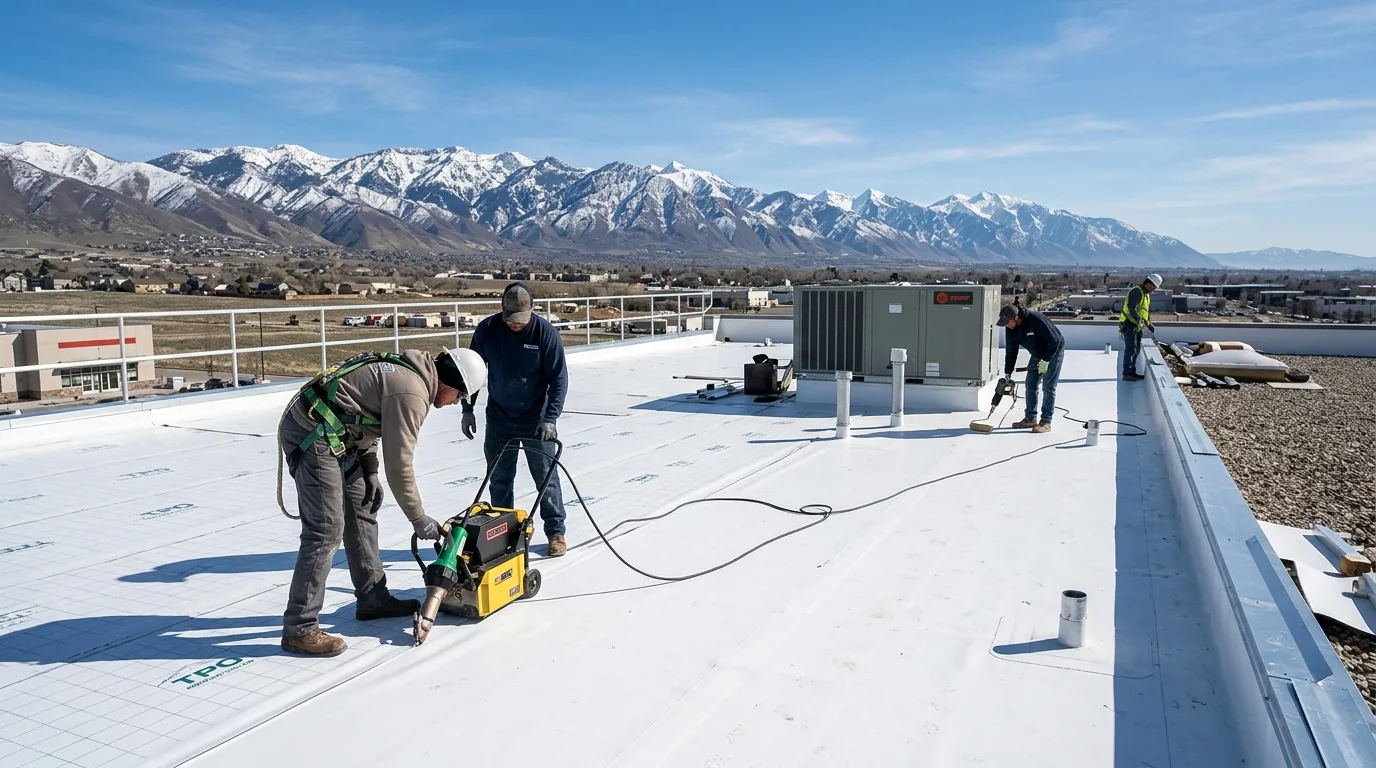
We inspect, repair and replace commercial roofs in Meadow Village, and we read the snow pattern before we read the membrane.
What does 162.7 inches do to a commercial roof?
It keeps the roof loaded for months. Snow arrives in every month except July and August, and deep accumulation sits through winter. The Montana design criteria list a 50 psf ground snow load for Bozeman, and designers use ARM 24.301.154 values, with a 30 psf statewide minimum, for other sites. A mountain site at 6,200 feet has its own value, and a roof here is checked against the load for the site, not against a valley number.
Drifts build behind parapets, in valleys and against taller walls. We map those locations and check drains and scuppers, since a drain under deep snow floods the low spot as melt starts. Snow and ice damage shows up as bent snow guards, torn gutters, cracked sealant and stained ceilings below valleys.
Rooftop equipment sits in the snow too. Vents and flues can ice shut, and a unit buried to its louvers starves for air. We note every vent termination, check that each stands high enough above the expected snow line and flag any that do not. Owners can clear the area around a unit, and the roof plan shows the spots to keep open.
Why do ice dams form, and what fixes them?
Heat escapes through the deck, warms the roof surface, and melts snow high on the slope. The water runs down to the cold eave and refreezes, building a dam. Behind the dam, water backs up under the roofing and enters the building. The cure is to keep the roof cold: insulation, air sealing at the deck and ventilation.
We check the insulation and the air barrier where cores are cut. A cover board and insulation upgrade during a replacement can close the problem at its source. Heat cable at an outlet helps, and it is a patch. The roof file records where dams form each year, so the owner can see if the fix worked.
Ventilation matters under sloped sections. Air must enter at the eave and leave at the ridge, or the attic space warms and the deck melts the snow above it. We check baffles, soffit vents and ridge vents where we can reach them, photograph blocked paths and recommend clearing them. A blocked eave vent is a small find that explains a large dam.
How do canyon logistics shape the schedule?
U.S. 191 runs through Big Sky, about 45 miles by road from Bozeman. Crews and materials make that drive, and a storm on the highway can hold a delivery for hours. We stage critical materials early, keep spare fasteners, sealant and temporary cover on site and hold backup dates for weather and road closures.
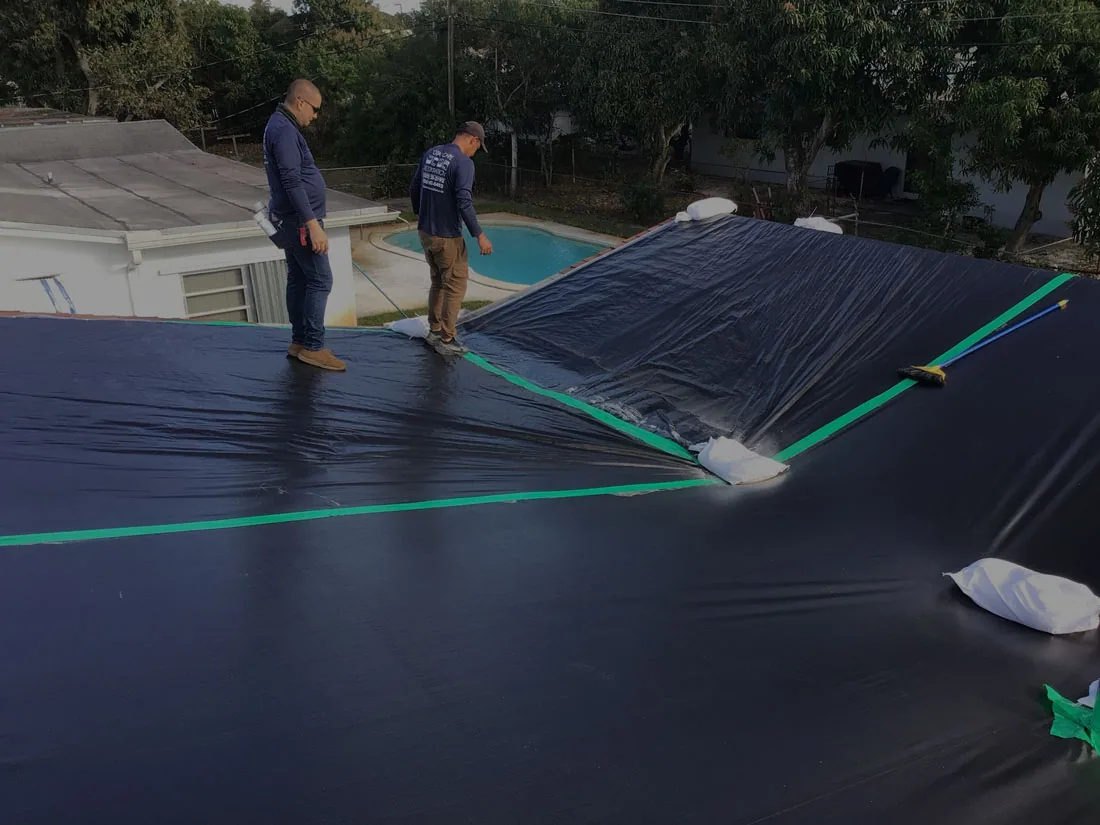
The work season is short. Snow comes early and stays late, and sealants, adhesives and coatings have temperature limits. We book large scopes for the warm, dry months and order material well ahead. For leaks in winter, emergency repair stops the water and photographs the damage, and the permanent scope follows once the weather allows.
Travel time is a cost, and we show it as a line. Owners with several buildings in the community can have the walks grouped into one trip. We also post the next scheduled visit on the roof file, so the manager knows what to expect and when.
What kinds of buildings does a resort community carry?
A resort community carries lodging, restaurants, shops, offices and service buildings. A hotel roof needs quiet hours and guest-safe entries. A restaurant roof adds exhaust and grease. A service building adds heavy equipment and truck traffic. Each gets a walk before a price.
Seasonal occupancy shapes the calendar. Buildings busy in winter want roof work in spring or fall, and buildings busy in summer want it before the season opens. We ask when the building is full and plan the sections around it. A short shoulder season is a gift for roofing, and it books early.
Guests and diners see the roof only when it fails. A drip over a dining table or a bed is a reputation problem as well as a repair. We rank leak-prone areas over guest and dining spaces first, stop any active water at once and trace entries before choosing a permanent fix, so the same spot does not drip again next thaw.
Why is metal so common, and what does it need?
Metal sheds snow and tolerates cold, so it is common in snow country. A smooth panel releases snow in sheets, so snow guards matter over walks and doors. Clips and trim must allow for movement, and fasteners must hold. We check each fall: guards, clips where visible, trim at eave and ridge and sealant at penetrations.
Where a roof is failing, a metal roof retrofit may add years, if the structure carries it. We lay out the options with cost and expected service side by side.
Condensation is the other metal-roof trouble in cold. A cold panel over a warm, humid room drips on clear mornings, and a restaurant kitchen or a pool room makes it worse. We separate it from a leak by timing, then fix it with vapor control and ventilation, because a sealant bead cannot cure a drip that comes from inside.
How do neighboring districts compare?
West of the Meadow, the Mountain area holds the ski resorts and sits near 7,400 feet at its base, so its roofs see heavier and longer winters. Big Sky Town Center and Mountain Village share the road and the season. Down the canyon, Gallatin Gateway lies on the way, about 13 miles south of Bozeman, and we group visits along the route to save the owner travel cost. A preventive maintenance walk each fall and spring keeps the file current.
Questions About Big Sky Meadow Village
How can I tell if my roof is losing heat?
Look for ice at the eave, bare strips on the roof while neighbors hold snow and frost on the ceiling. A thermal image and a walk confirm it. The fix starts inside, with insulation and air sealing.
What if a storm closes the highway?
We hold backup dates and stage critical materials ahead. Emergency calls are taken day and night. When the road is closed, we state the travel time at booking and keep the owner updated.
Do snow guards belong on every Meadow Village roof?
No. They belong over walks, doors, parking and equipment. We map each fall zone and set the layout to the slope, the material and the load.
When is the best time to reroof in Big Sky?
The warm, dry months, with the walk done the fall before. Materials are ordered ahead, and the work is scheduled around the building's busy season.
How do I keep records for a seasonal building?
Keep one file: roof plan, photographs, repair log and warranty terms. Update it after each walk. A seasonal owner who is away for months especially needs a record that someone else can read.