
Commercial Roofing in Churchill, MT
Churchill in Bozeman and the Gallatin Valley
The roofs that matter most in a small town are the ones people gather under. Churchill, MT had 1,030 residents at the 2020 census and sits at 4,584 feet, about 8 miles south of Interstate 90. The area near town is agricultural, with many fields and small creeks, and among its larger buildings are Manhattan Christian School, a retirement home and churches. Those three building types share a trait: people are inside them on a schedule, often vulnerable ones, and a roof failure interrupts a service, a school day or a resident's care. After a Gallatin Valley winter, which of your roofs worries you most?
We inspect, repair and replace commercial roofs in Churchill, and we plan the work around the people under them before we order material.
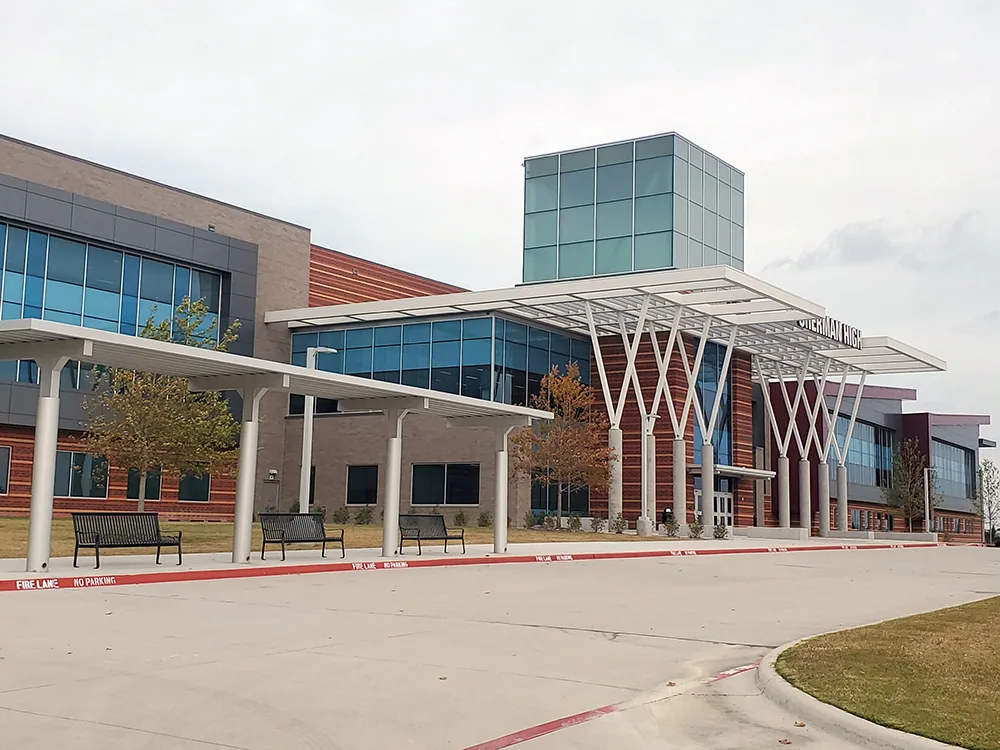
How do we plan around a school calendar?
A school wants roof work in summer, and so does everyone else. Large scopes on a school roof belong in the break, with materials ordered in spring and the crew booked early. Small leaks cannot wait. We stop active water at once with a temporary repair and write the permanent scope for the summer.
A school's roof gets walked, its drains and units mapped, cores cut where needed and the sections ranked. The written plan lists what to fix this fall, what to fix over the break and what to watch, so a school administrator can brief a board in one page. Work near children needs fenced zones, spotters and clear delivery times.
Covered walkways and entries matter at a school as much as the main roof. Children gather under canopies, and a canopy edge with a ridge of ice is a hazard at pickup time. We walk every canopy and breezeway, check gutters and downspouts and list guards or edge changes by priority. A rooftop unit over a classroom gets its curb checked for movement, since a leak there lands on a desk.
What does a retirement home need from a roofer?
Residents live in the building around the clock, and some depend on quiet, steady conditions. A senior living roof job is planned with the administrator: loud work at midday, notice to residents and staff, clear walks and entries, and a named contact who answers the phone. Intakes are shielded so dust and odor stay out of living spaces.
Safety comes first. Ice at an entry canopy is a fall risk for someone with limited mobility, so entries come first on the repair list. A leak over a room is stopped at once and traced before the permanent repair. The facility keeps one file with the roof plan, photographs and repair log, so any new administrator can read the roof's history.
Records help here too. A retirement home answers to licensing and insurance reviewers, and a dated roof file shows a managed building. We keep the findings sheet, photographs and repair log together, and we mark the date of the next suggested walk on the first page, so the administrator never has to guess.
How do we handle church roofs?
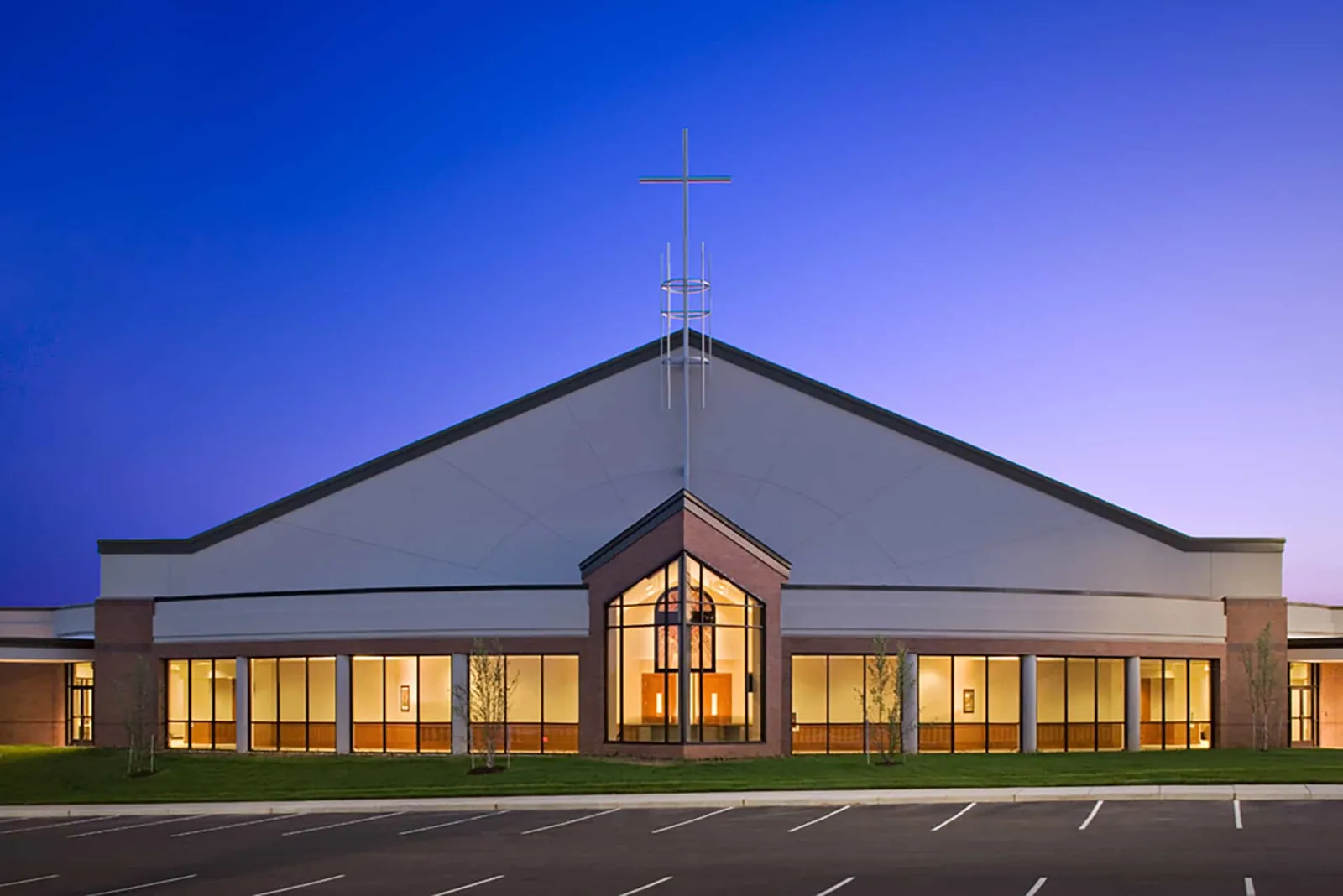
Churches often have tall, steep or complex roofs with steeples, valleys and tall walls, and a congregation weighing upkeep needs a clear picture of the cost. A church roof plan gives the congregation a ranked list and a budget view, so a small repair is funded now and a large one is planned over a few years. Each church's roof is confirmed on site.
Access needs care. Steep slopes, tall walls and steeples call for lifts, tie-offs and trained climbers. We plan the equipment and the hours around services, funerals and events, and we keep the crew off the grounds when people gather. A dated photo set before and after each repair gives the congregation a record to share.
Interior finishes in a sanctuary are slow and costly to repair, so the leak that stains a ceiling is the one to prevent. We rank the roof sections over the sanctuary first, check the valleys, flashings and gutters that serve them and photograph each. A small repair this year beats a plaster repair next year.
What do snow and thaw do to these buildings?
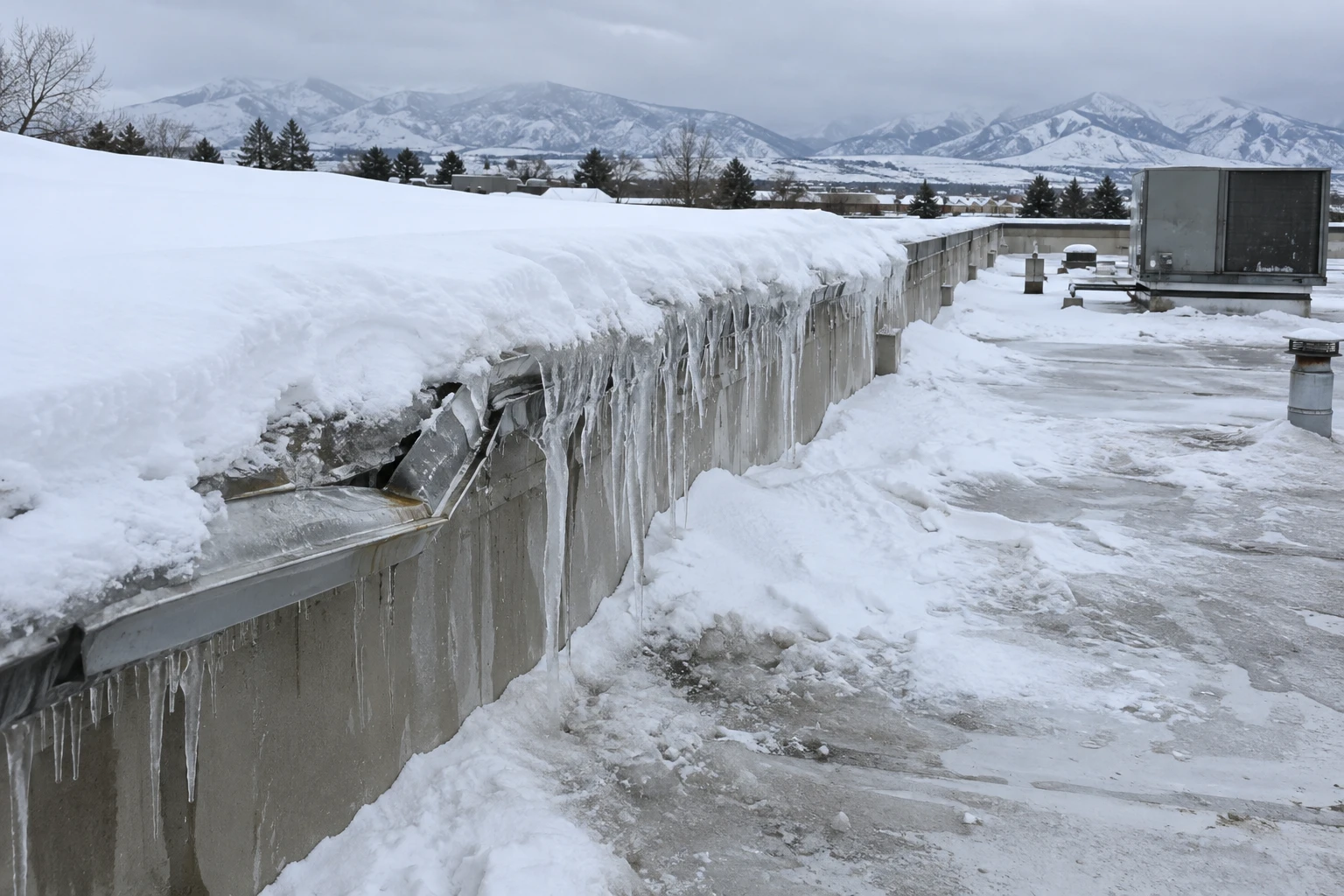
Churchill shares the winters of the valley, where Bozeman logs about 91 inches of snow a year against a listed 50 psf ground snow design. Steep roofs shed snow in slabs, and a slab that lets go over a doorway is a hazard. Flat sections collect drifts, and the meltwater runs to drains that may be iced shut.
Every entry gets a look for snow and ice damage, the fall zones are mapped and guards or a re-sloped edge are listed where they would help. Drains and scuppers are cleared ahead of the first heavy snow. Ice at an eave points to heat loss, and the fix starts with insulation and air sealing inside.
Chimneys, steeples and tall walls add flashing details that move with the building. We probe each one in the fall, before the first hard freeze, and re-seal or re-flash those that have pulled. A flashing detail photographed in October makes a comparison in April possible.
What does the farm setting add?
Fields and small creeks put field debris and damp ground near the buildings. Debris from fields blows onto roofs and into gutters, and leaves and grit from trees along the creeks clog downspouts. In early August 2013, winds gusted up to 89 mph across Belgrade and north Bozeman, a reminder of what valley weather can do. We check edges and trim for wind each fall and clear gutters of field debris each spring.
Neighbors, Amsterdam and Manhattan, share the road south of I-90 and the same weather, and visits are bundled along that road so the owner pays less for travel.
Creek-side ground can stay damp, and damp air near a building raises humidity under the roof deck. We check attic and ceiling spaces for staining and mold when we walk, and we flag vents that are blocked by insulation or debris.
What should the roof file hold?
The roof plan, photographs of every detail, drain locations, warranty terms and a dated repair log. A roof condition report turns that file into a ranked list the school board, the retirement home administrator or the church council can act on. Update it after each visit, and keep a copy where more than one person can find it.

Questions About Churchill
When should a school roof be replaced?
In the summer break, with materials ordered in spring. Small leaks are repaired as soon as found. The written plan ranks what to fix now and what can wait, so the board can budget.
How do you protect residents of a retirement home during work?
With notice, quiet hours, shielded intakes, clear walks and a named contact. Entries with ice or slide risk are fixed first. The plan is shared with the administrator before the crew arrives.
How can a church fund roof work over several years?
By ranking repairs. We list urgent items, items for this year and items to watch, with photographs and cost ranges, so a council can fund the top of the list and plan the rest.
What if snow slides off a steep roof onto a door?
Keep people away from the door and call for a walk. Snow guards, a re-sloped edge or a canopy can hold or redirect the slide. We recommend the simplest fix that works.
What documents help a small institution?
The roof plan, the last report, warranty papers and photographs. Keep them with the building records, so a new administrator or volunteer treasurer can find them.