
Commercial Roofing in Gallatin Gateway, MT
Gallatin Gateway in Bozeman and the Gallatin Valley
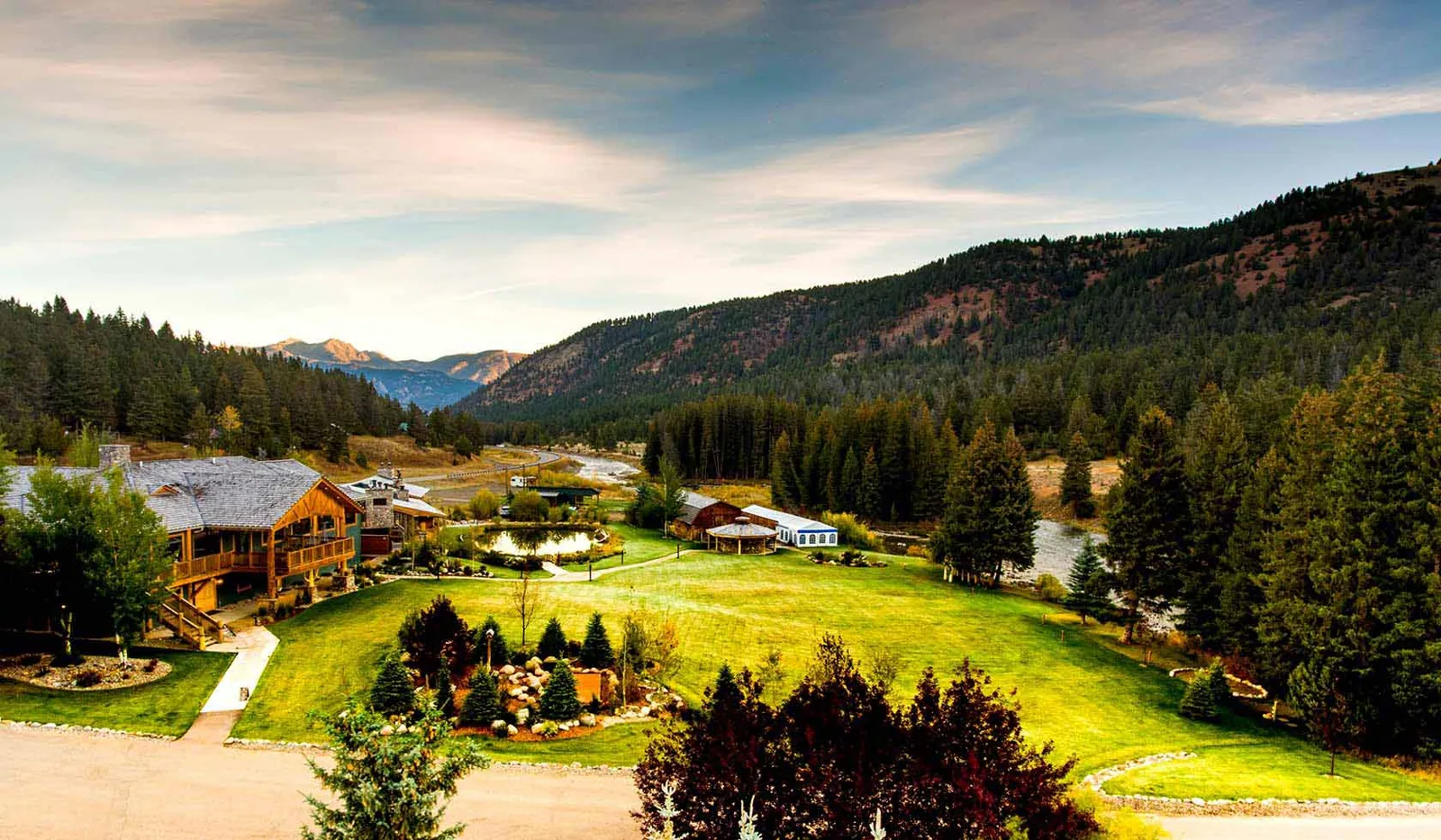
On an older building, the roof is part of what people see, and a repair that shows is a repair done wrong. Gallatin Gateway had 967 residents at the 2020 census and sits on U.S. 191 about 13 miles south of Bozeman, on the road toward Big Sky. Its best-known building is the Gallatin Gateway Inn, a Mission and Spanish Revival hotel that opened in 1927 and joined the National Register of Historic Places in 1980. After a Gallatin Valley winter, a roof from that era shows its age in the valleys, the eaves and the flashings where a wall meets a roofline. Who looks at your roof before the snow does?
We inspect, repair and replace commercial roofs in Gallatin Gateway, and we treat historic buildings with extra care, starting with a walk and a record.
What does a historic building ask of its roofer?
Respect for the original look, and a clear report on what is under it. A building from the 1920s, like the inn, has weathered many winters and repairs, and its roof may carry materials and details from several eras. Mission and Spanish Revival styles can use tile or a tile-look finish, but what is actually on a given roof is confirmed by walking it and cutting a small core where it is safe to do so.
For a National Register building, any change to the visible roof may need review, and the owner should know that before work is priced. We document what is there with photographs, note which parts are original and which are later repairs and write the scope so that visible work matches what is already on the building. The findings sheet separates structural needs from appearance items.
Access on a high, steep or ornate roof needs planning. Scaffolds, lifts and fall-protection tie-offs are set so no one walks on fragile surfaces. Tile and slate can crack underfoot, and a cracked piece is a new leak. We plan walking paths, use cushioned boards where needed and photograph any piece moved. If a piece must be replaced, we log its location so a matching one can be sourced.
What changes when a hotel houses employees?
The inn was leased in 2015 to the Yellowstone Club to house employees of the Yellowstone Club, Spanish Peaks Mountain Club and Moonlight Basin. A building used as housing is occupied around the clock by people who sleep at different hours. That shapes roof work in the same way it shapes any apartment roof or hotel roof job.
We give residents notice, set quiet hours, route debris away from entries and name a contact who answers the phone. Shift workers who sleep in the day get a schedule that puts the loudest work at midday, with breaks. The owner receives a plan in writing before the crew arrives, and the plan names the rooms under active work.
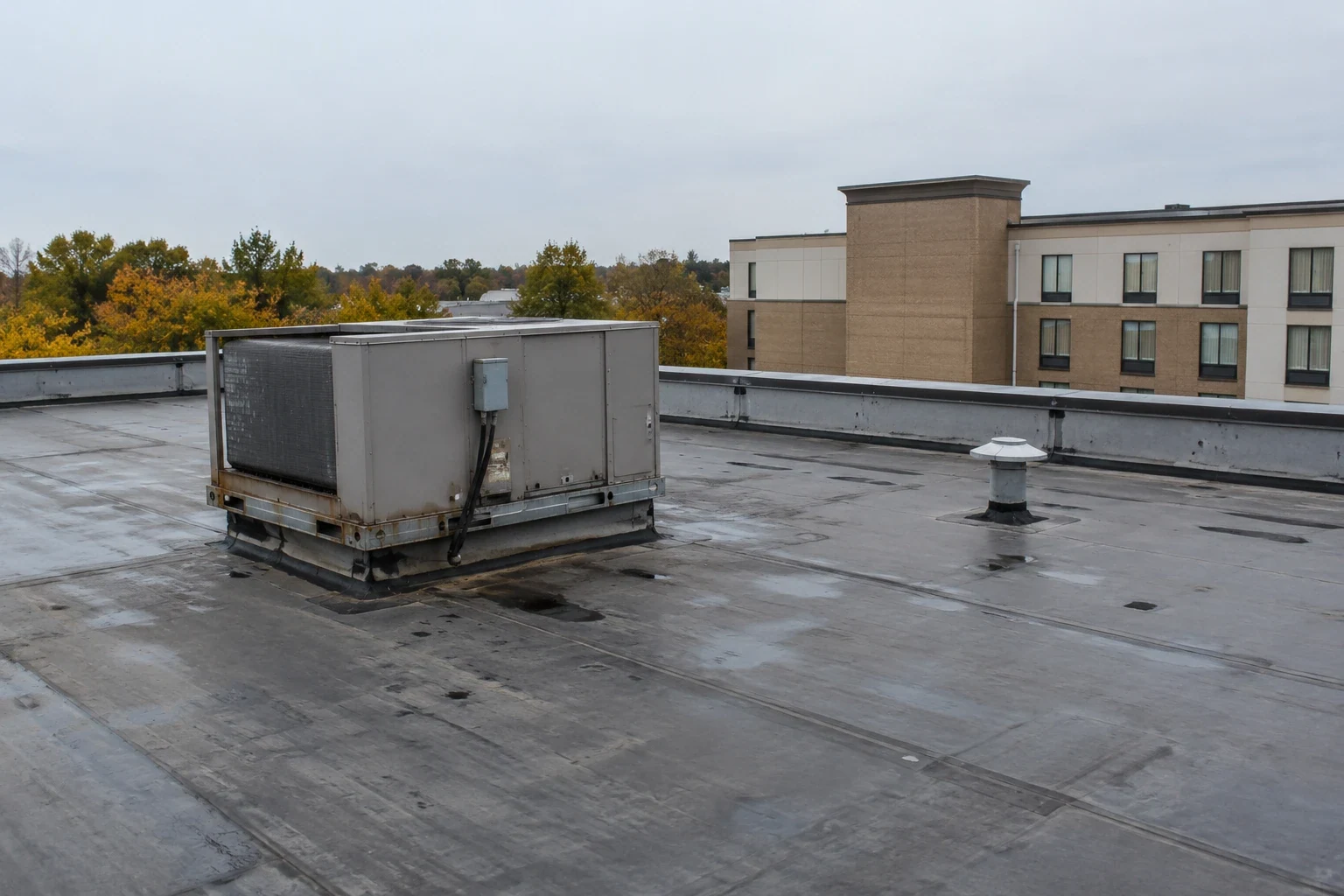
Housing changes the inspection rhythm. A building with residents is tested every day by showers, heating and ventilation, and moisture from inside can show up as condensation on a cold roof deck. We separate that from true roof leaks by timing and pattern, and we pass the findings to the owner, since ventilation fixes sit inside the building.
How do snow and thaw treat a decades-old roof?
Bozeman's winter is the reference point, and Gallatin Gateway sits farther south, toward the mountains, where winters run long. Old roofs with many valleys, dormers and chimneys collect snow in the junctions, and thaw cycles work every flashing.
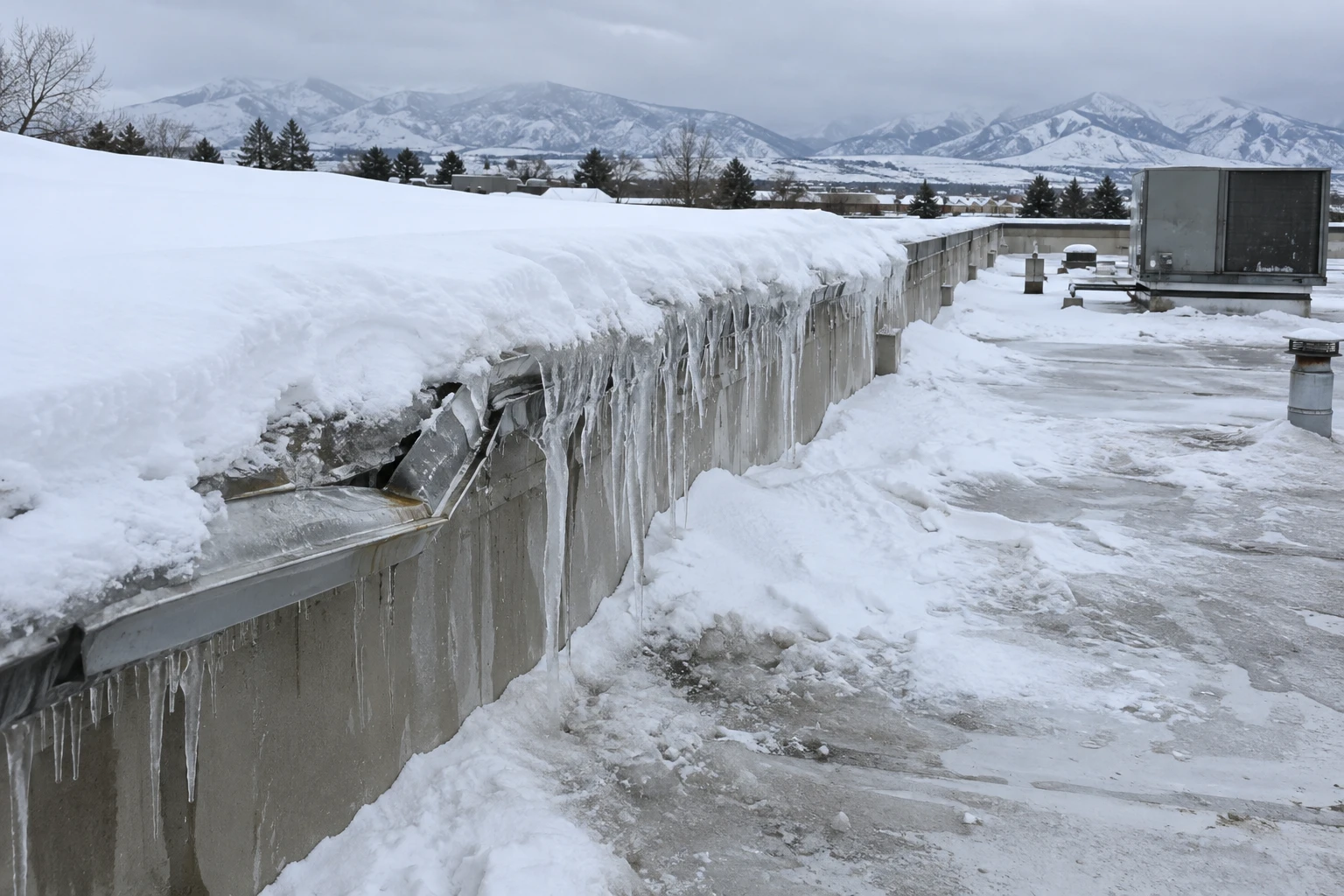
We check snow and ice damage first: ice at the eave, bent gutters, stained ceilings below valleys and cracked sealant at chimneys and walls. Flashing failure at those junctions is a likely first leak on an older roof, and the repair is careful, matched work, photographed before and after.
Gutters on an older building can be built into the roofline, with hidden boxes that hold snow and ice. A box gutter that clogs overflows into the wall. We clear them, test the slope and check the lining. Replacing a failed lining is a roofing job and a masonry job at once, and we coordinate with whoever maintains the walls.
Which details need the most attention?
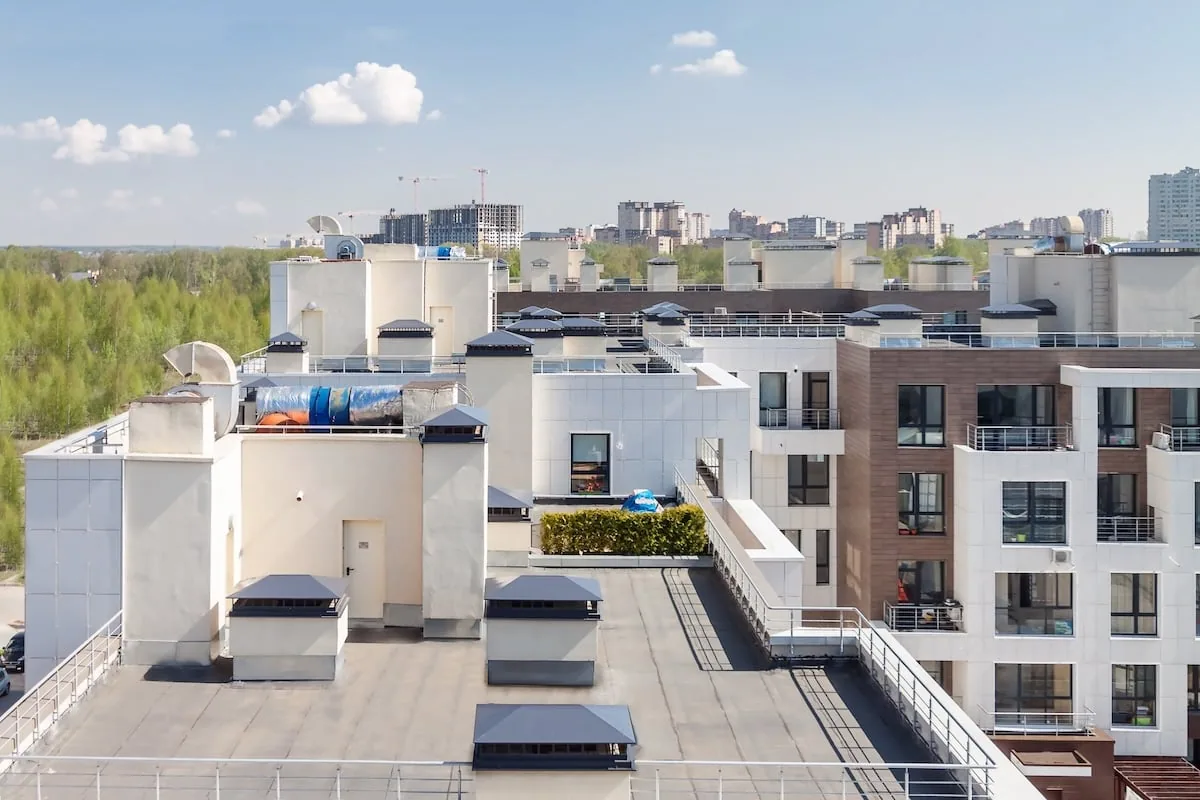
Valleys, chimneys, dormers, parapets and wall-to-roof joints. Each is a meeting of two materials that move at different rates, and each is a place where a bead of sealant has been asked to last far too long. We probe each one, photograph the findings and list repairs by urgency. Skylight and penetration flashing gets its own line, since a hole in an old roof is only as tight as its newest repair.
Gutters and downspouts on an older building matter too. A clogged downspout sends water down a wall, where it stains and rots. We trace each run, flush it and note where it ends. Matching a unique part is easier before a failure than after, so we note any unusual component on the plan while it is still in good shape.
What about buildings along the highway?
Gallatin Gateway lies on U.S. 191, the road that runs on to Big Sky. Buildings along the highway see road dust and winter traction material, which collect in gutters and drains and wear coatings. We schedule a spring wash and drain flush, and we check sealant lines for abrasion. A highway-side roof is also visible to everyone driving by, and an owner who keeps it tidy keeps the building's name clean.
Travel along the corridor is part of our planning. Visits to Meadow Village and the valley towns are grouped along the route to share the drive.
The same format serves Big Sky Town Center further up the road, so an owner with property in both places can read every roof the same way.
What record should a historic owner keep?
A roof condition report with photographs of every detail, a plan marking original and later work, the core results and a dated repair log. A historic owner needs it for more than leaks. A lender, an insurer, a preservation reviewer or a buyer will each ask for the roof's history, and the same file answers all four. Keeping original and later work on separate layers of the plan lets a reviewer see at a glance what changed and when.
Questions About Gallatin Gateway
Can a National Register building be reroofed?
Yes, but visible changes may need review. We document the existing roof, match materials and details where required and write the scope so the owner can bring it to the reviewing body before work begins.
How do I find out what my historic roof is made of?
A walk and a small core where safe. We photograph the surface, identify the layers and note which parts look original. Records, drawings and earlier reports add to the picture.
Does a building used as housing need special roof planning?
It needs notice, quiet hours and a contact. Residents live there around the clock, so the loudest work goes in the middle of the day and the plan is written and shared ahead.
Why do old roofs leak at chimneys and valleys?
Those joints join different materials that move at different rates. Sealant and flashing wear out there first. Re-flashing with materials chosen for movement fixes the leak at its source.
What should I do before the first snow?
Clear gutters and downspouts, walk the roof and photograph the valleys and junctions. Fix open flashing before the load arrives. A small repair now prevents a ceiling repair in January.