
Roofing for Logistics and 3PL Operators in Bozeman, MT
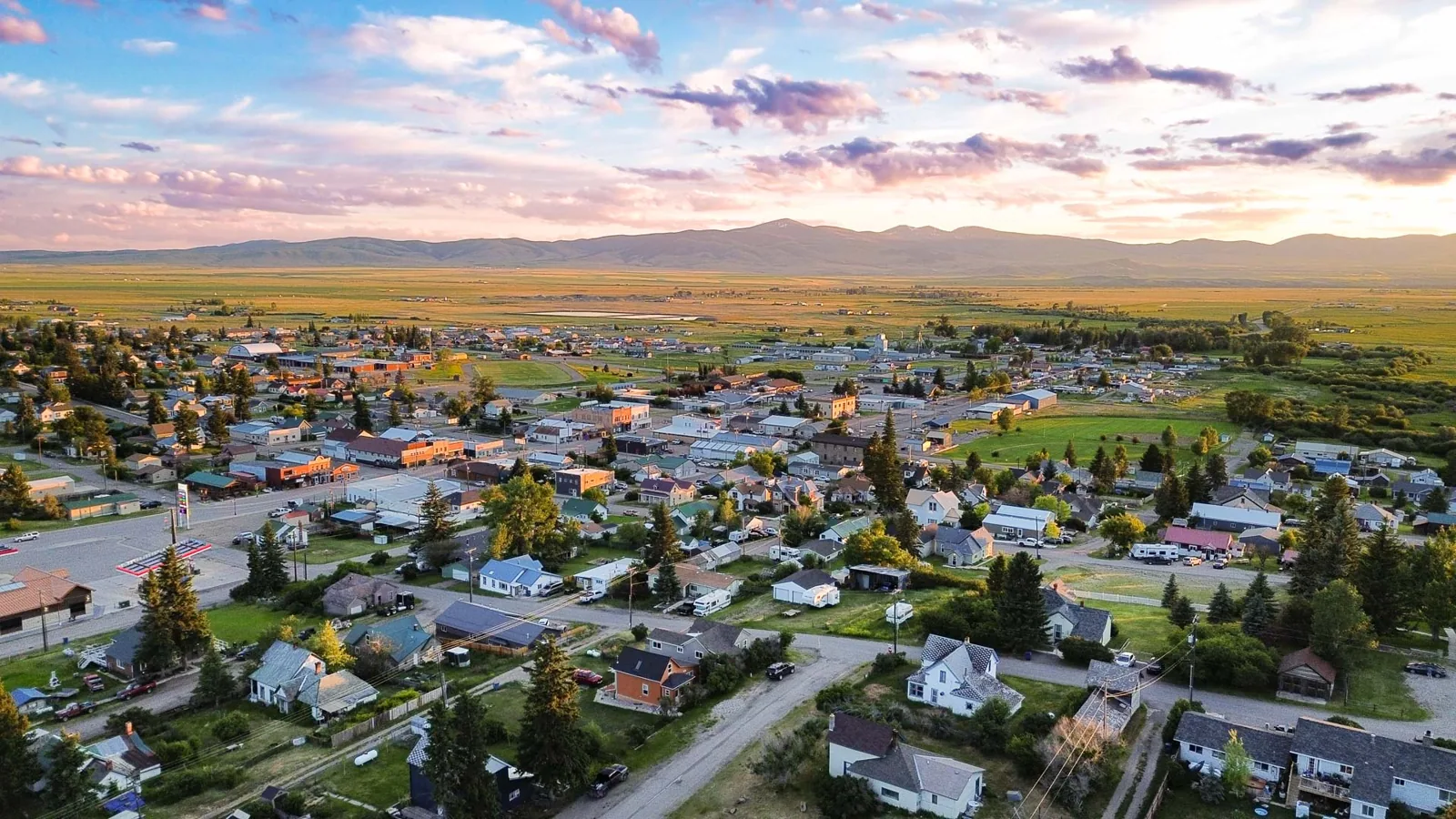
Logistics and 3PL Operators in Bozeman and the Gallatin Valley
A logistics operator measures a building in doors, aisles and turns per day. The roof only shows up in that math when it fails: a pallet of product under a drip, a dock door that cannot open because of ice, a rack aisle closed off for a week. Freight moves through the Gallatin Valley on Interstate 90 along Belgrade and on Montana Rail Link, and the roofs of the buildings that serve that traffic carry the same winter as everything else.
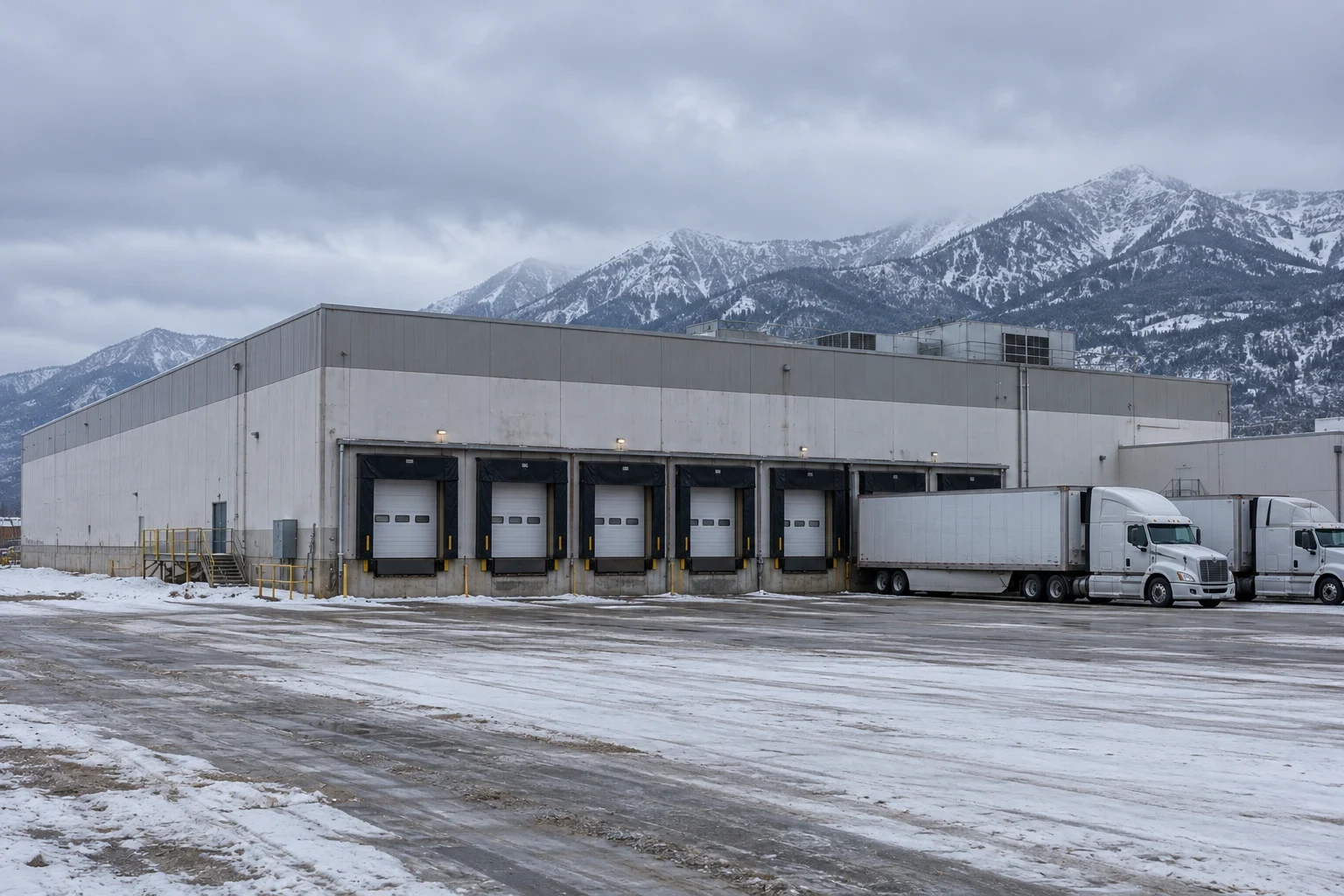
These buildings tend to show a long flat or low-slope roof, a row of dock canopies and a handful of rooftop units. If a leak showed up in your building last spring, was it over racking, over the dock or over an office?
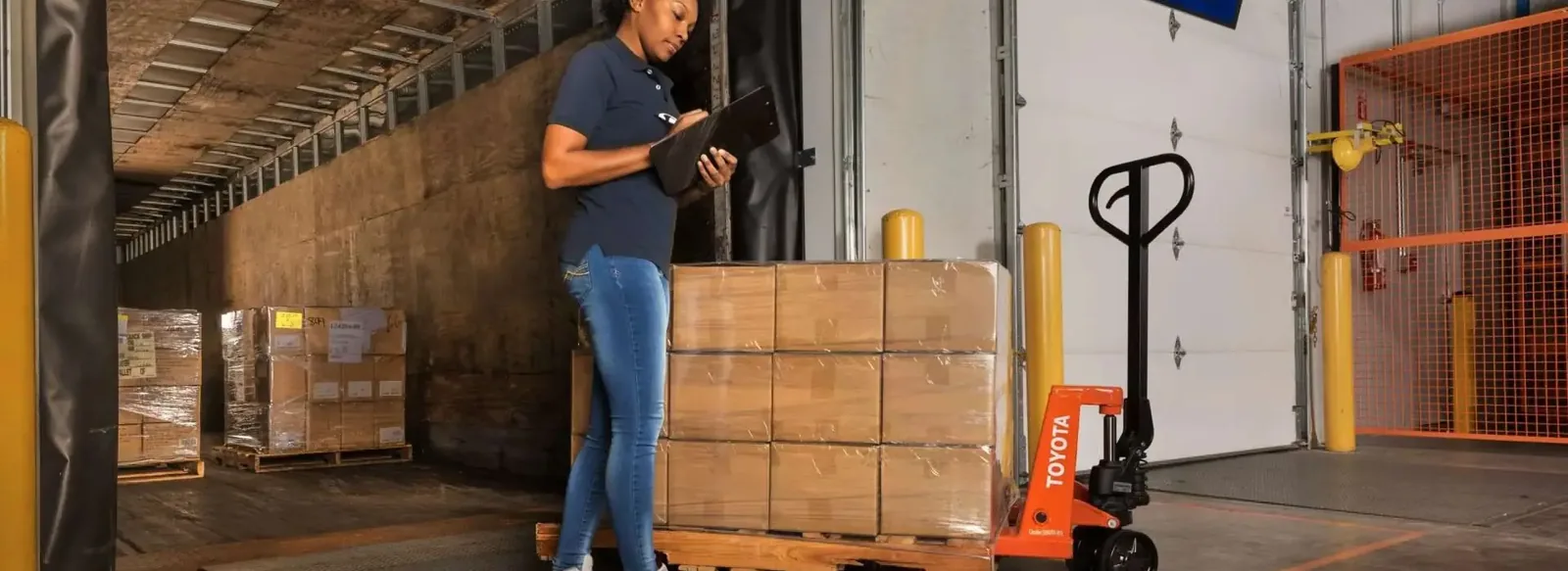
What does a distribution roof ask of its membrane?
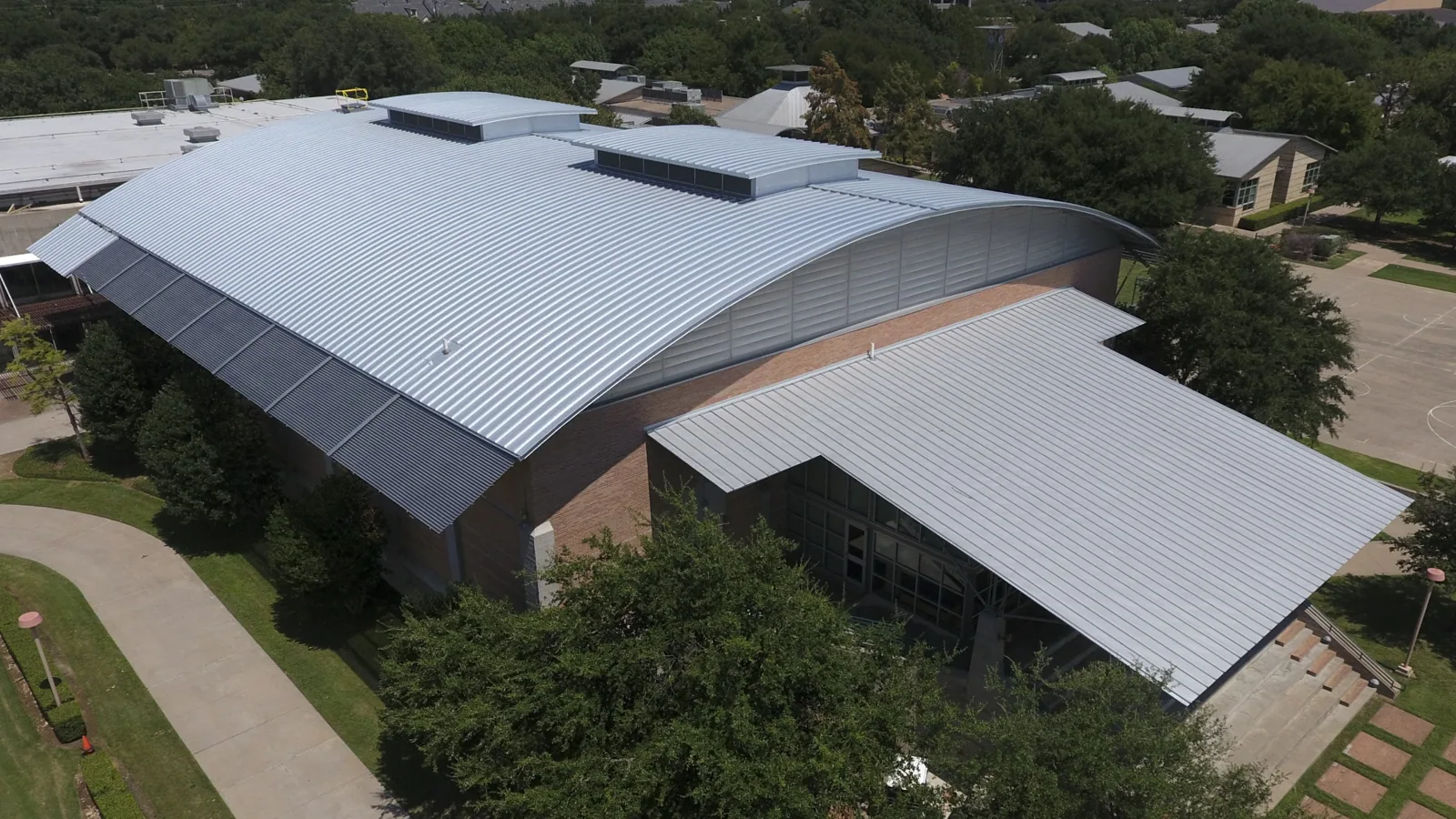
A distribution building is mostly open roof. The field is large, the drains are few, and the load path is simple, so a failure tends to be a seam, a drain or a curb rather than a pattern of small leaks. Wind crosses the field without obstruction, and the edges carry the highest uplift. Snow that drifts against the tallest wall melts and runs along the membrane to the nearest drain, which is often iced or packed with grit.
I start at the drains, then the edges, then the equipment. Drains: are they clear, do they have overflow protection, is the sump the right depth. Edges: is the metal tight, is the fastener pattern right for the corner. Equipment: are the curbs flashed, and are the walk paths protected. A distribution center roof and a warehouse roof share these checks, and each visit starts from the same list. Add the interior view: a stain on the ceiling above a rack aisle, a rusty sprinkler pipe hanger, a damp column base. Those clues show up before the leak does, and the warehouse staff are usually the first to see them, so a short note from the floor supervisor makes the roof walk faster and more accurate.
Why do dock canopies and loading areas leak first?
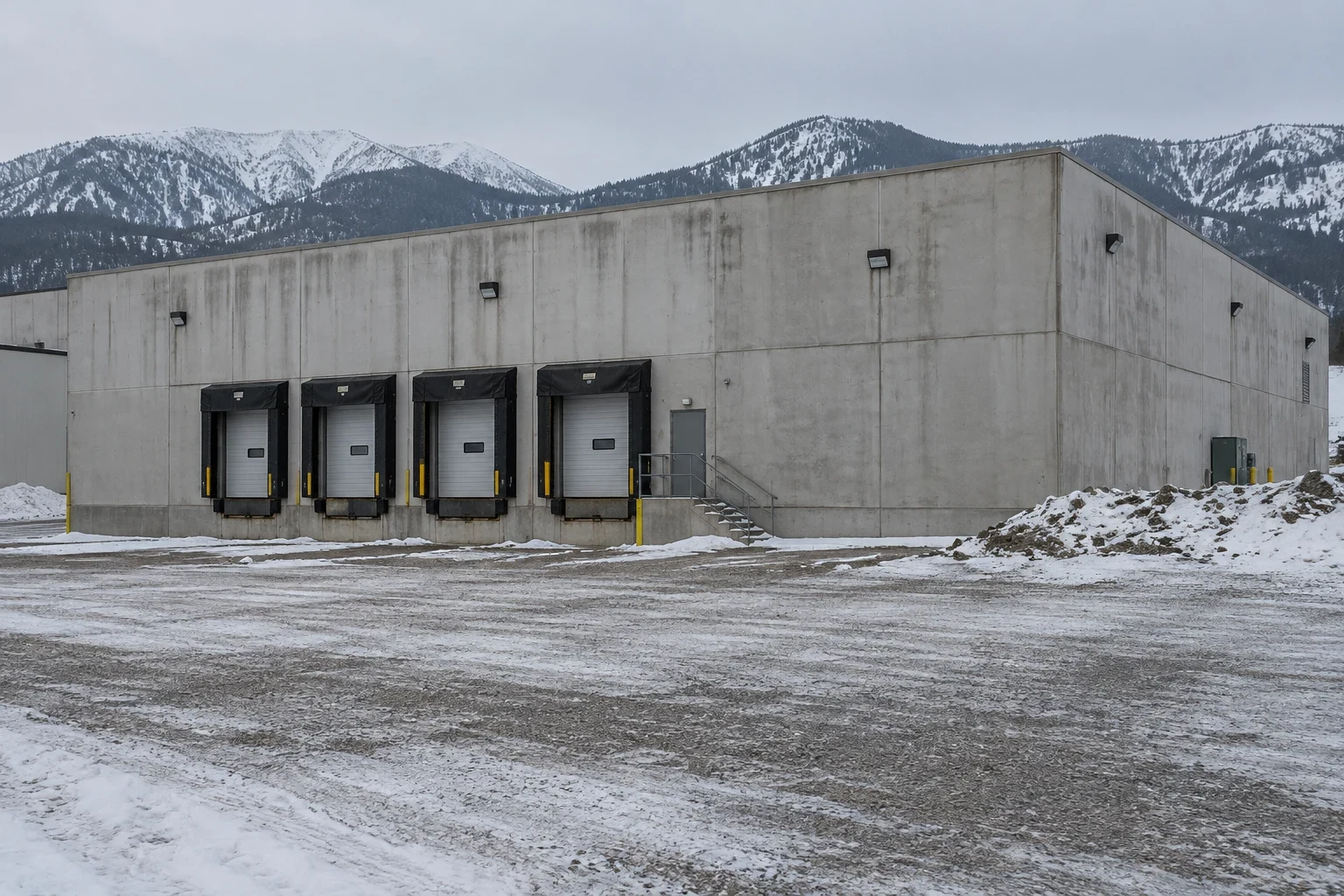
Dock areas are where the building has the most cuts: door headers, canopy tie-ins, leveler pits and the roof edge above all of it. A canopy that sheds ice onto a truck lane is a safety problem as well as a leak. A header flashing that has opened lets meltwater run behind the siding and into the dock. The snow on the roof above slides toward the edge where the canopy is, and it often lands on drivers and dock workers.
I look at each canopy for sag, loose fasteners and ice at the eave. Snow guards, heat cable and a proper gutter at the canopy edge protect both the roof and the people below. Drains at the dock low point get cleared before the freeze. Our preventive roof maintenance visits include a dock pass in the fall, and a second in March, after the main thaw, when the damage becomes visible.
What does wind do to a big roof?
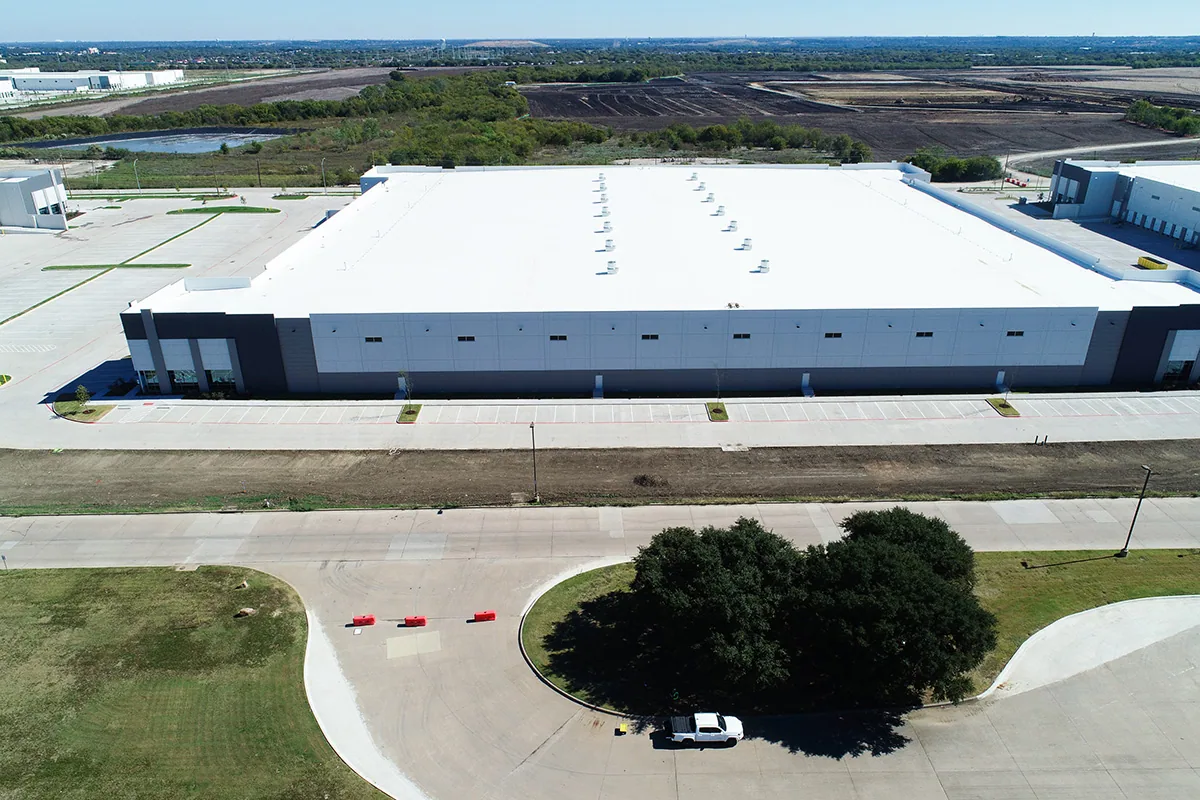
Belgrade sits beside Bozeman Yellowstone International Airport, Interstate 90 skirts the city, and small warehouse and contractor buildings gather along the Jackrabbit Lane corridor. Newer ones include a yard-equipped office-and-warehouse building from 2022 and a warehouse condo finished in 2024. On any building of that type the roof has a broad field, parapets and a few places where wind builds pressure.
Gusts reached 89 mph in August 2013, alongside golf-ball hail across Belgrade and north Bozeman, and sensors on Triple Tree Road logged 65 mph in August 2023. Wind at Livingston, over Bozeman Pass, ranks among the highest at any U.S. airport station. For a logistics roof, I check the edge metal and perimeter fasteners at every visit. A Jackrabbit Lane corridor building gets particular attention at its corners, where uplift is highest.
How do temperature swings affect a cold-chain or climate-controlled bay?
January nights in Bozeman sit near 15 degrees F, the record is minus 46, and the swings between day and night cycle a roof through freeze and thaw many times a winter. A cold-storage bay adds a second difference: cold air inside and cold air outside, with a warm shoulder season where they meet. Condensation forms at the deck, drips onto product and feeds ice on the underside of the roof.
The answer is in vapor control, air sealing and insulation continuity. A leak at a curb over a freezer is also a freeze problem, since water entering the insulation freezes, expands and damages it. We use moisture scans and core cuts to check a cold-storage roof, and cold storage roofing work gets its own sequencing, with thought for what sits below. Not every logistics building needs this, but a mixed building with a cooler wing does, and the cooler wing is where small leaks cost the most. I walk that wing first, check every curb and drain over it, and record the insulation condition at each core, so a later repair can be matched to the original layout.
How is a reroof planned around peak freight?
A logistics operator has a season, with its own peak, and a roof job has to avoid it. Tear-off and installation are sequenced by bay, with the active docks and aisles kept clear, and sections that cross a live dock door are done on a shift or a day when volume is low. Staging goes in a corner of the yard, and the crew uses a separate gate so trucks are not delayed. Notice goes to the dock supervisor and the yard team before each phase, with a map of which doors are affected and which are not, and the schedule is revised the same day if a freight surge changes the plan.
Whole-roof replacement is not always needed. A commercial roof replacement makes sense when moisture is widespread, and a recover goes over a sound, dry roof with less disruption. A network operator with several sites can use a multi-site roof program to set one standard across them, the same planning applies to manufacturers who ship from the same buildings, and owners who lease to operators read the file the way investors and REITs do.
Questions About Logistics and 3PL Operators
Product under a rack was damaged by a drip. How do we find the source?
Map the drip location on a roof plan, then check the roof directly above and 20 to 30 feet uphill along the slope. Water travels along the deck and insulation joints before it drops. We use a moisture scan to find wet zones and then open the likeliest source.
Can dock canopies be fixed without closing doors?
Usually. Canopy repair is done from the roof or from a lift in front of the door, one door at a time. We plan around truck schedules and keep the lanes clear, so a bay is down for hours rather than days.
How do snow and ice get managed on a roof over a truck court?
Snow guards or a sloped catch at the eave hold the pack in place, a gutter and downspout take meltwater away from the lane, and heat cable keeps the outlet open. The right mix depends on how the roof drains and where the trucks stand.
Does solar change the roof plan?
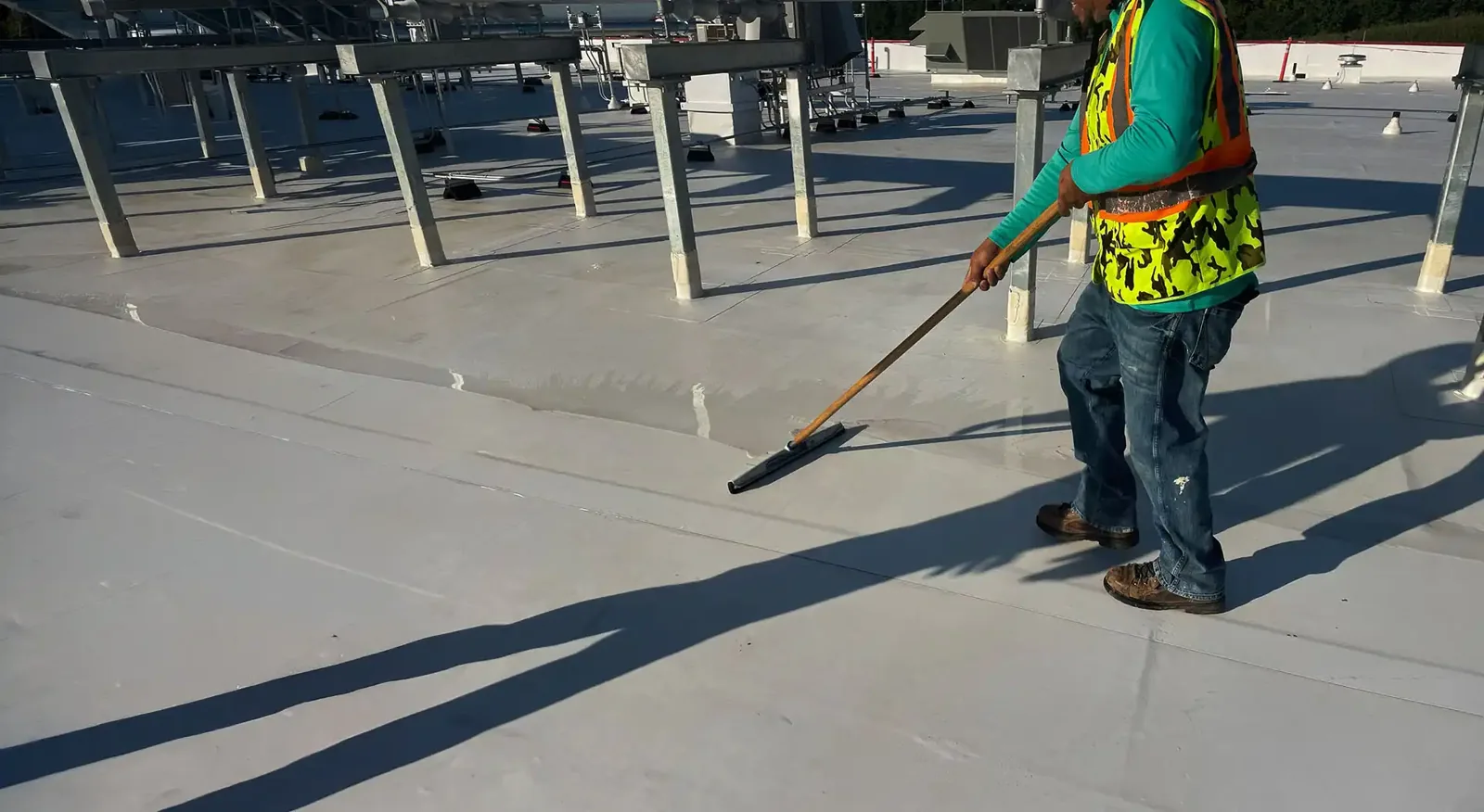
It does. Panels need a roof that will outlast the array, so we check the membrane and insulation before racking goes on. Penetrations for mounts are flashed and recorded, and walk paths are planned around them.