
Roofing for Manufacturers in Bozeman, MT
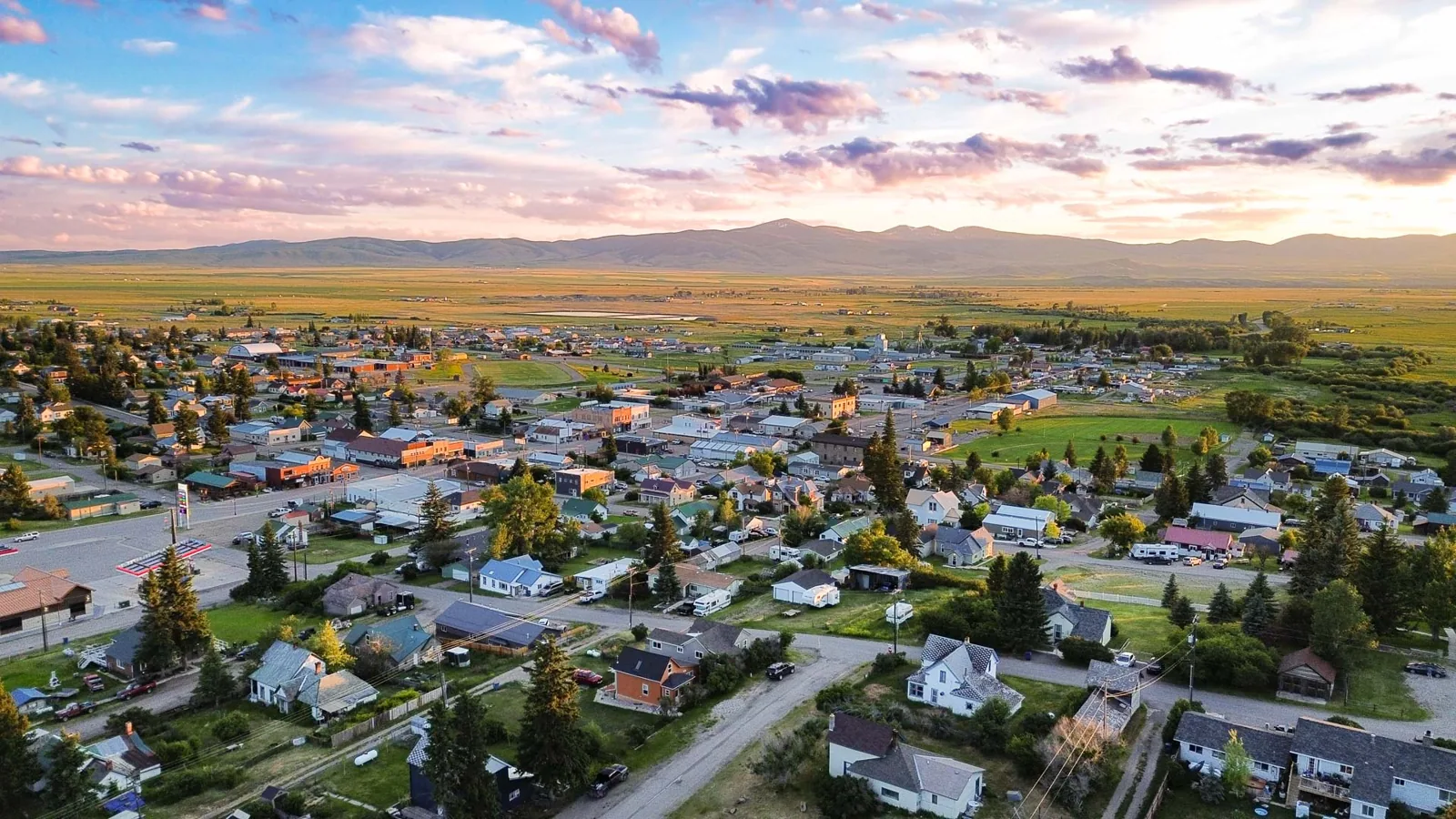
Manufacturers in Bozeman and the Gallatin Valley
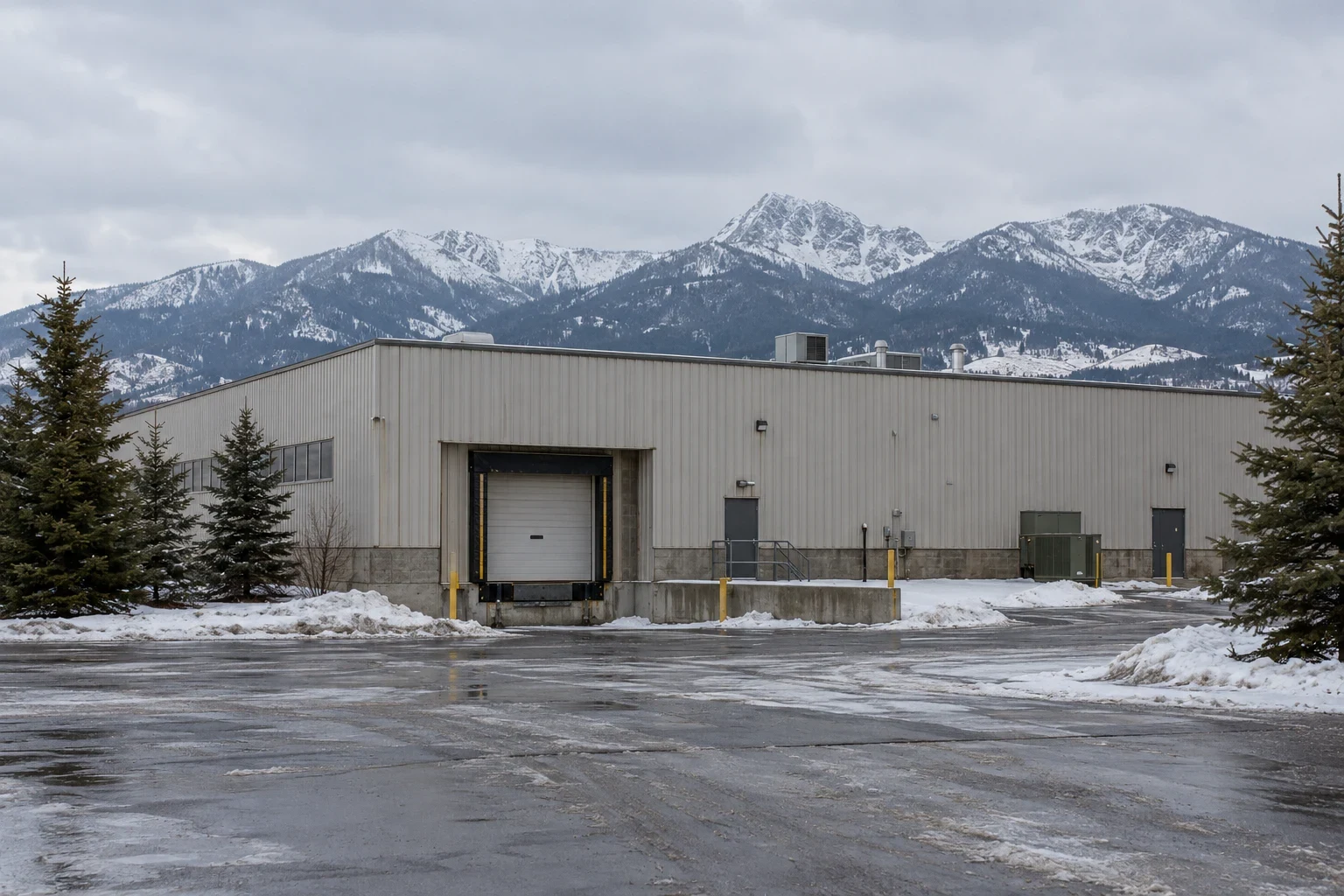
A plant roof works for the production floor. It covers machines that cannot get wet, product that cannot be exposed and a workforce that cannot be sent home for a week. Bozeman's makers range from outdoor-gear and fishing-product companies to optics and laser firms, and across the valley in Belgrade, electronics and medical-device operations. Different products, but the roofs share a stress: a long Gallatin Valley winter on top, and a process below that adds heat, moisture and exhaust to the underside of the deck.
Manufacturing roofs tend toward a pattern of small penetrations, hard-working rooftop equipment and drains that clog with whatever the shop floor sends up. If a drip showed up over a line or a bench last March, was the line running when it dripped?
What does the process below do to the roof above?
Manufacturing air is not office air. Exhaust fans pull fumes, dust and heat through the roof. Process ventilation, dust collectors and fume hoods each leave a stack or a duct that passes through the membrane. The warm air that escapes around those penetrations melts snow from below, and the condensation that forms on a cold deck drips onto equipment. Chemical vapors can attack some membranes and sealants, and grease or oil mist settles on roof surfaces near exhaust points.
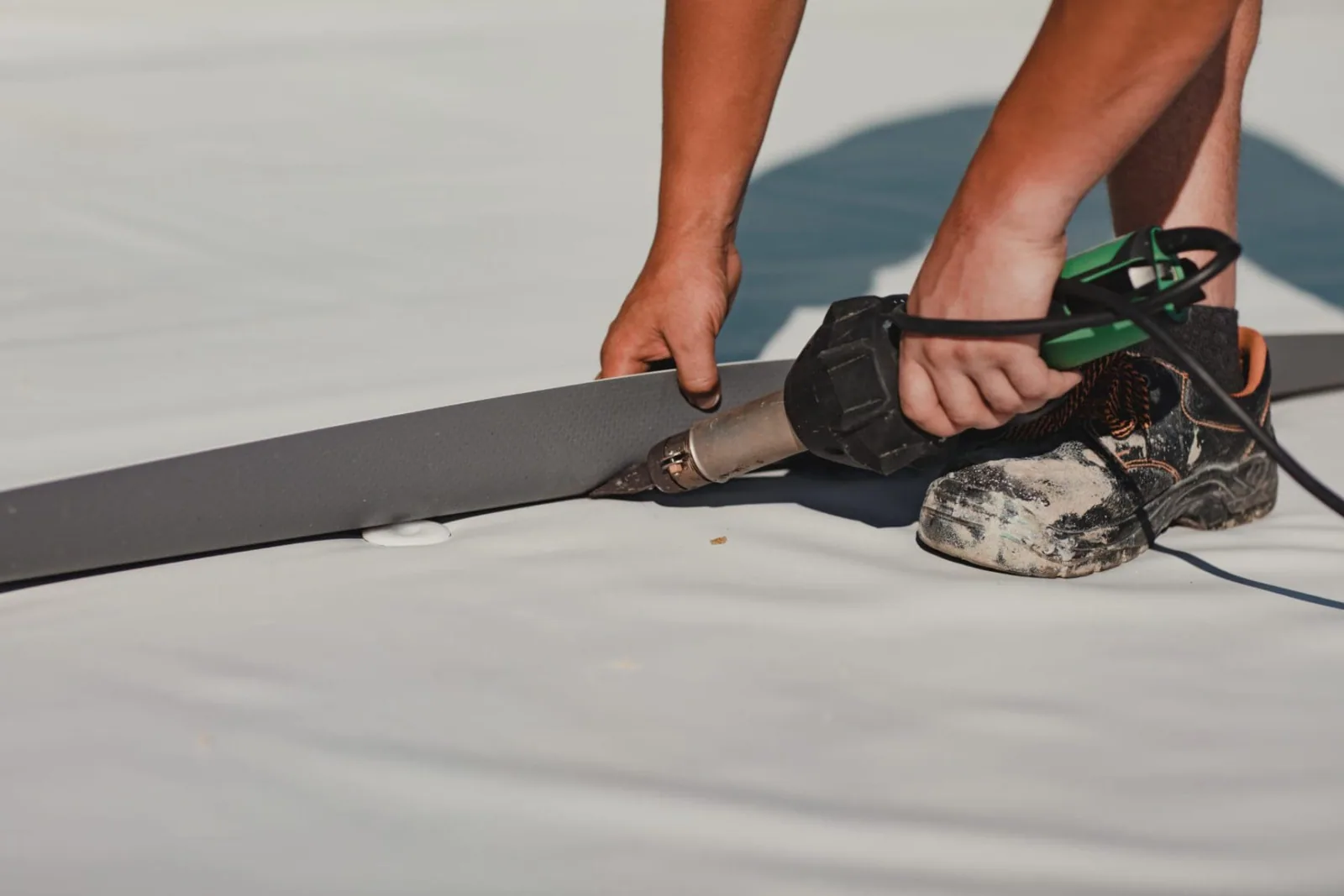
I trace every duct and stack, then look at the condition of the flashing around each. I also check the roof surface near exhaust outlets for staining, softening or blistering that signals a chemical or oil problem. PVC resists grease and many chemicals better than other single-ply membranes, and it is a common choice near process exhaust. Where a plant is open to dust, an extra pass at the drains is part of every visit.
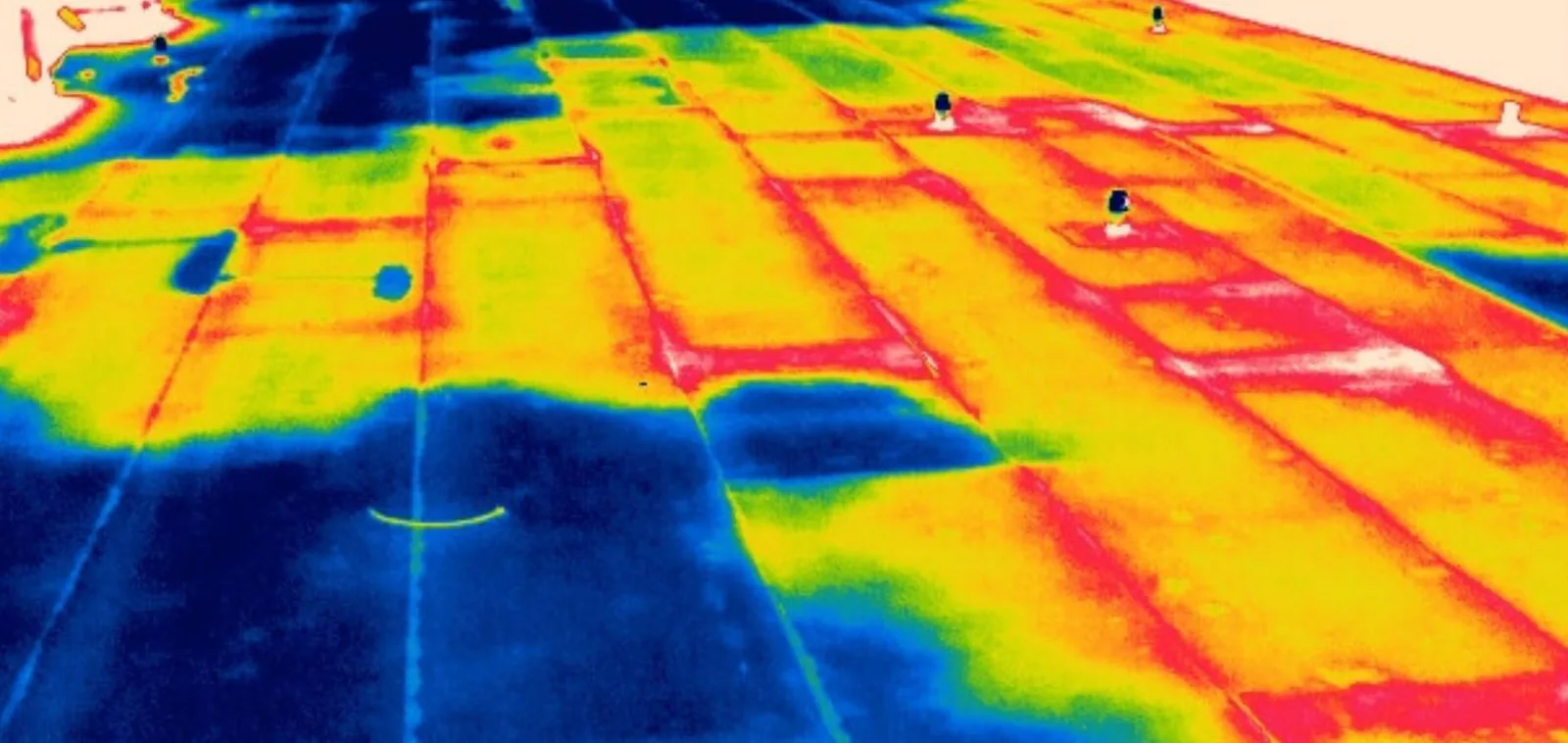
Heat is the other process effect. A forge, an oven, a paint line or a compressor room warms the deck from below and keeps snow thin over that part of the roof while the cold sections stay buried. The line between the two zones takes a lot of stress, because the membrane over the warm area expands and the membrane over the cold area does not. Seams along that line open first, and I look for them with a straightedge and a moisture meter before they leak.
Why do optics, laser and medical-device makers worry about the roof?
Bozeman hosts more than two dozen optics and laser companies, as well as software and biotech firms, and Belgrade is home to CACI International and Xtant Medical. Precision production of that kind often depends on stable temperature, controlled humidity and clean air. A roof leak is an outright hazard to that space. Even a small amount of moisture entering a ceiling cavity can raise humidity, grow mold and loosen particles that settle on product.
For those buildings, I put the emphasis on prevention. A moisture scan identifies wet insulation. Penetrations get re-flashed on a schedule. Work during a replacement is staged so that dust and fumes do not reach clean zones. Our infrared moisture survey is the first step on any plant with a clean room or a controlled bay, and it gives the maintenance team a map of the roof they can use to prioritize.
How do drifts and wind treat a long plant roof?
Industrial roofs are wide and low, and wind moves snow across them in a single sweep. The pack settles behind the tallest feature: a mechanical penthouse, a dock canopy, an office block at the front. Around 91 inches of snow fall on Bozeman in a year, January nights sit near 15 degrees F and the late-winter thaw turns each drift into meltwater at the wall.
Wind is a second concern. Gusts hit 89 mph in August 2013, in the storm that dropped golf-ball hail over Belgrade and the north side. On a manufacturing roof, uplift peaks at the edges and corners, so I check edge metal and perimeter fasteners. A plant near the Jackrabbit Lane corridor gets the same check after every wind report.
How do you reroof without stopping production?
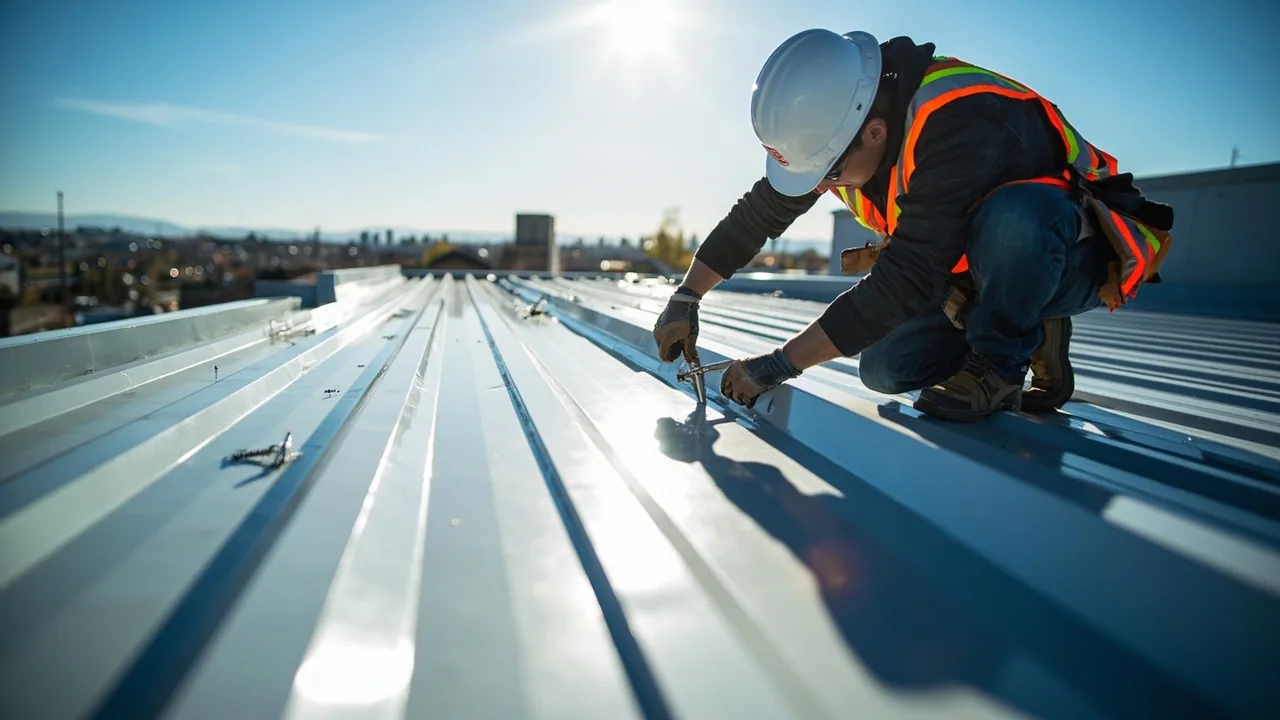
The roof job follows the production schedule. We agree with the plant manager on which zones can have tear-off, which cannot, and which hours are quiet. Hoisting, staging and material storage stay away from dock doors and truck routes. Each section is dried in the same day, and the area beneath gets protection against falling debris. Conduit, gas lines and ducts that cross the roof get temporary supports, so they are not crushed by foot traffic or materials. Lockout coordination with the plant electrician comes before any rooftop unit is disconnected or lifted, and we confirm the shutdown window in writing. Where a line cannot stop, we work from the top down with a tear-off in narrow strips.
The choice between repair, recover and replace is driven by condition and by what the interior can tolerate. A metal roof retrofit or a recover over a dry membrane keeps the old roof in place and limits disturbance. Our occupied building reroofing planning is the right starting point for any plant that cannot close. The same sequencing applies to a stand-alone manufacturing plant of any size.
What does a maintenance program look like in a plant?
A plant's roof file lists every penetration and its owner: which department installed it, when it was last inspected, and what it exhausts. New equipment goes through the same approval as any process change. A walk twice a year, once in fall before the freeze and once in spring after the thaw, checks drains, flashing, sealants and surface. Between walks, the maintenance team can do a short look from the hatch after a heavy wind or a rapid melt, and photograph anything unusual with a date, so the next visit starts with a list instead of a search. Our preventive roof maintenance visits follow that rhythm and leave a dated record.
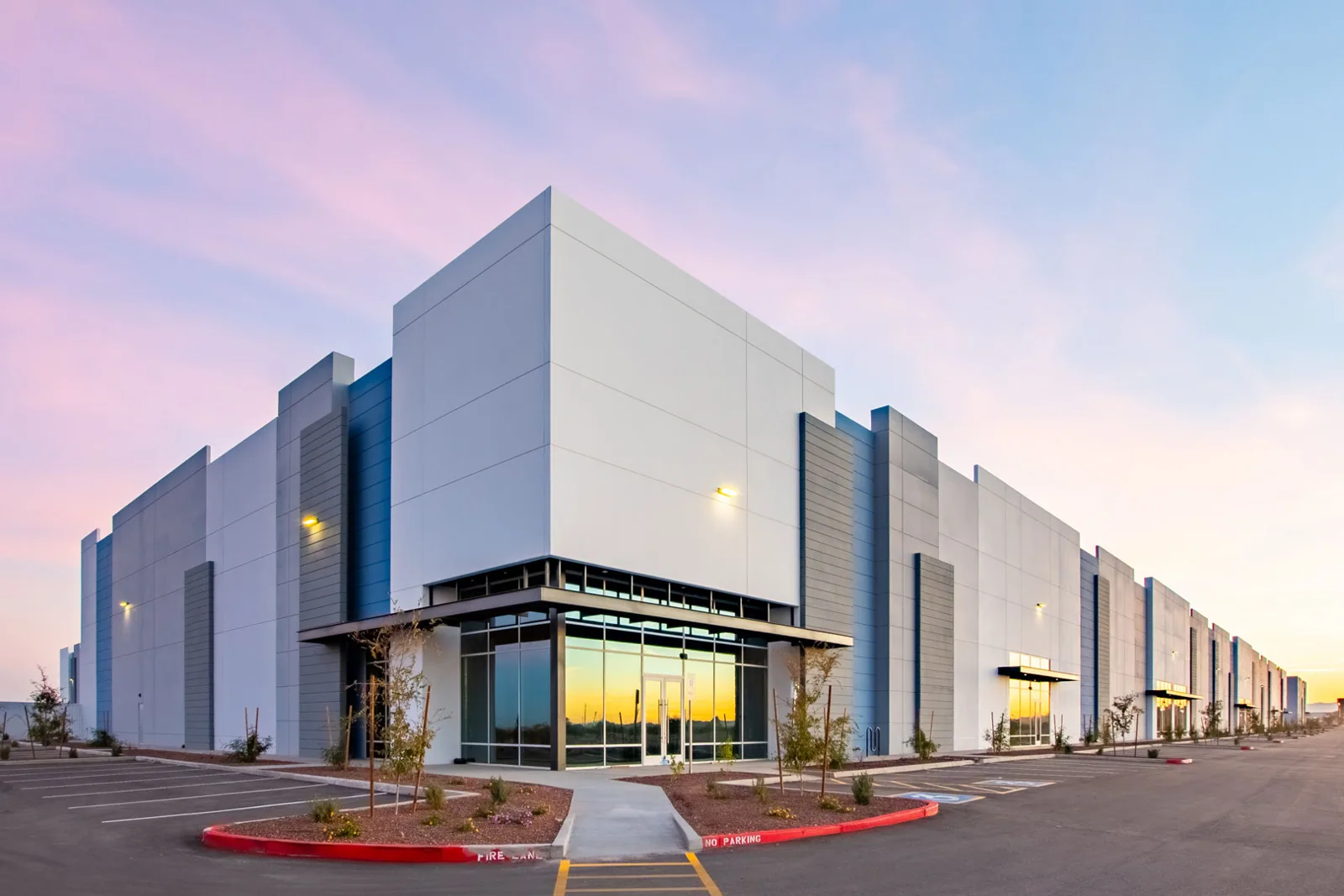
Plants that distribute from the same buildings share concerns with logistics and 3PL operators, particularly loading-dock canopies and large flat roofs. An owner who leases manufacturing space to others faces the lease and reserve questions that investors and REITs weigh. In all cases, the first step is a roof plan with the penetrations marked. That plan is also what a process engineer reads before adding a vent, since it shows how much room the roof around a stack has left before another penetration crowds it.

Questions About Manufacturers
Water drips over a production line only on certain mornings. What is the cause?
Look at the pattern. Drips on cold dry mornings point to condensation on the deck, often from process humidity. Drips after rain or snowmelt point to a leak at a curb, seam or flashing. We check both and match the fix to the cause.
How do chemicals or oil mist affect a membrane?
Some membranes soften, swell or lose strength where exhaust deposits settle. We test the roof surface near outlets and recommend a membrane or a protective layer that resists what your process puts out.
Can we replace a roof section over a clean room?
Yes, with protection. We plan the tear-off in small strips, seal the work area, control dust and fumes, and dry in every day. Facilities staff approve the sequence before the first section opens.
How should new rooftop equipment be added?
Through the roof plan. Each new unit needs a curb, a flashing detail, a walk path and a line on the penetration list. That keeps the roof tight and the warranty record intact.