
Roofing for Real Estate Investors and REITs in Bozeman, MT
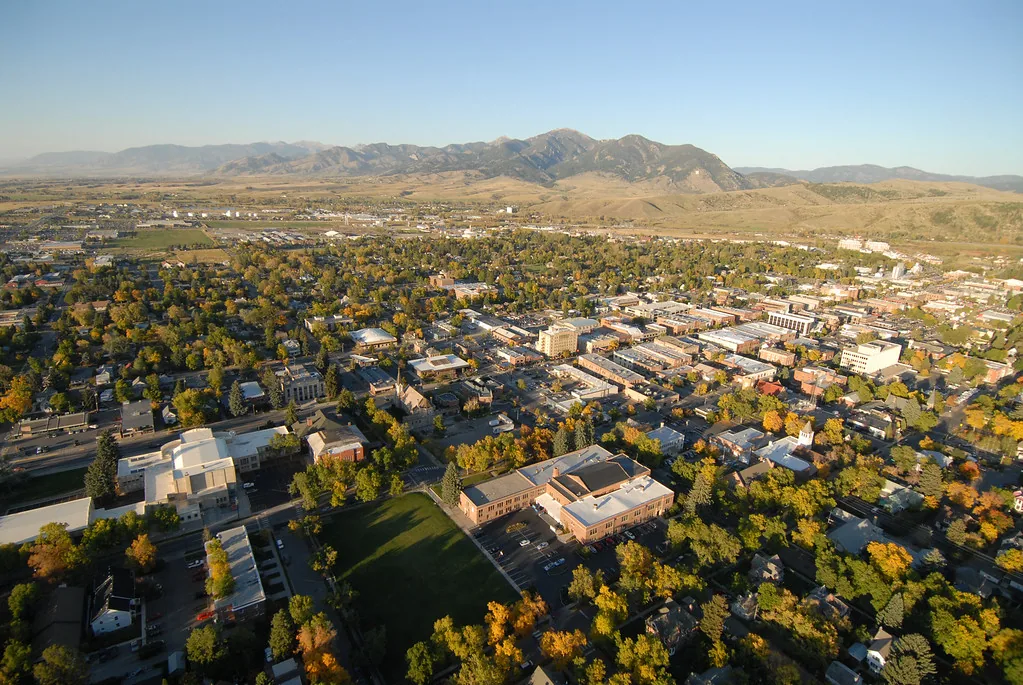
Real Estate Investors and REITs in Bozeman and the Gallatin Valley
An investor reads a roof as a line in a model. It is a capital item with a replacement year, a repair history and a risk that grows quietly until it does not. In the Gallatin Valley the line moves faster than a spreadsheet from a warmer market would suggest, because the roof here earns its age through snow, long thaw cycles and the occasional hail year. A membrane that looks tidy from the parking lot in October can have wet insulation beneath it by the following April.
What I find up there often changes the number. Before you close on a building or sign off on a reserve, who has actually walked the roof, and what did they cut open?
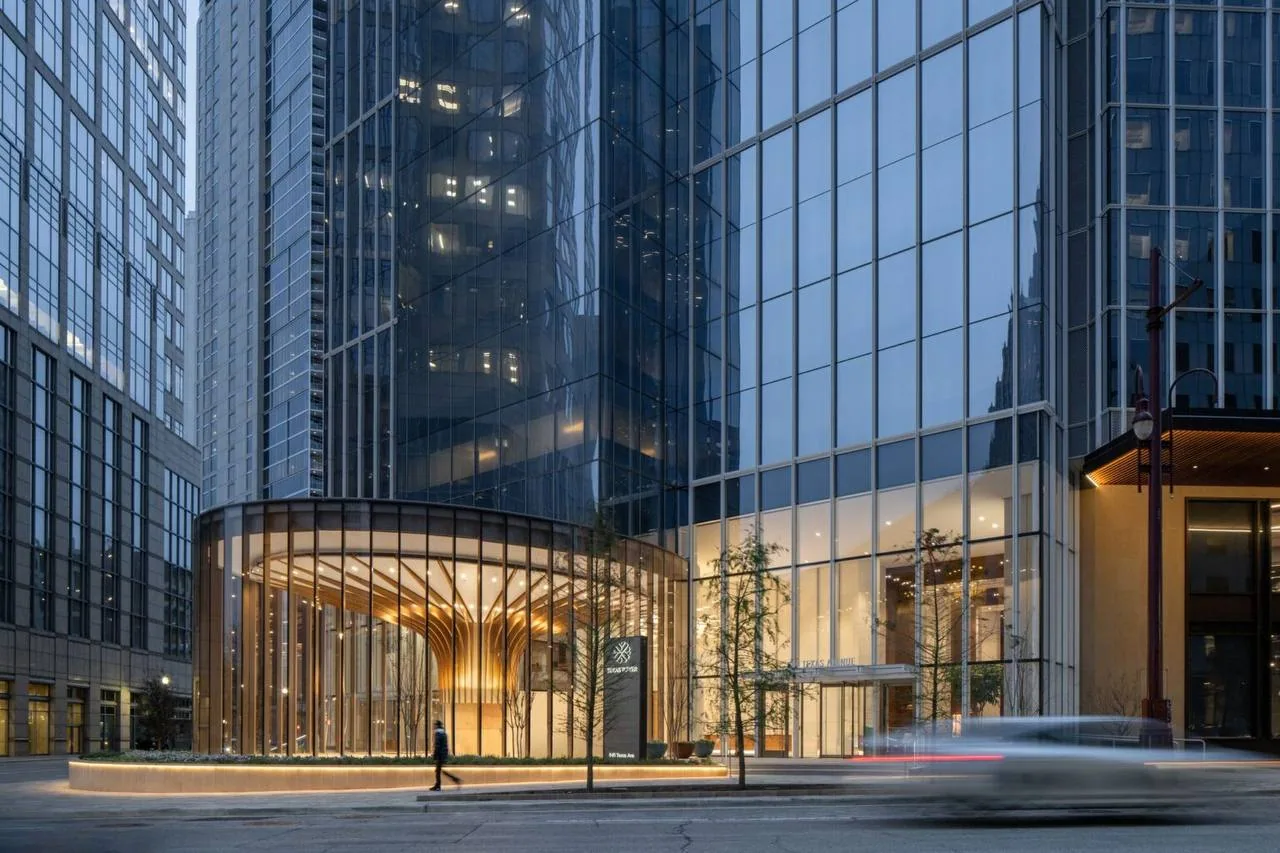
What should an acquisition team want to know about the roof?
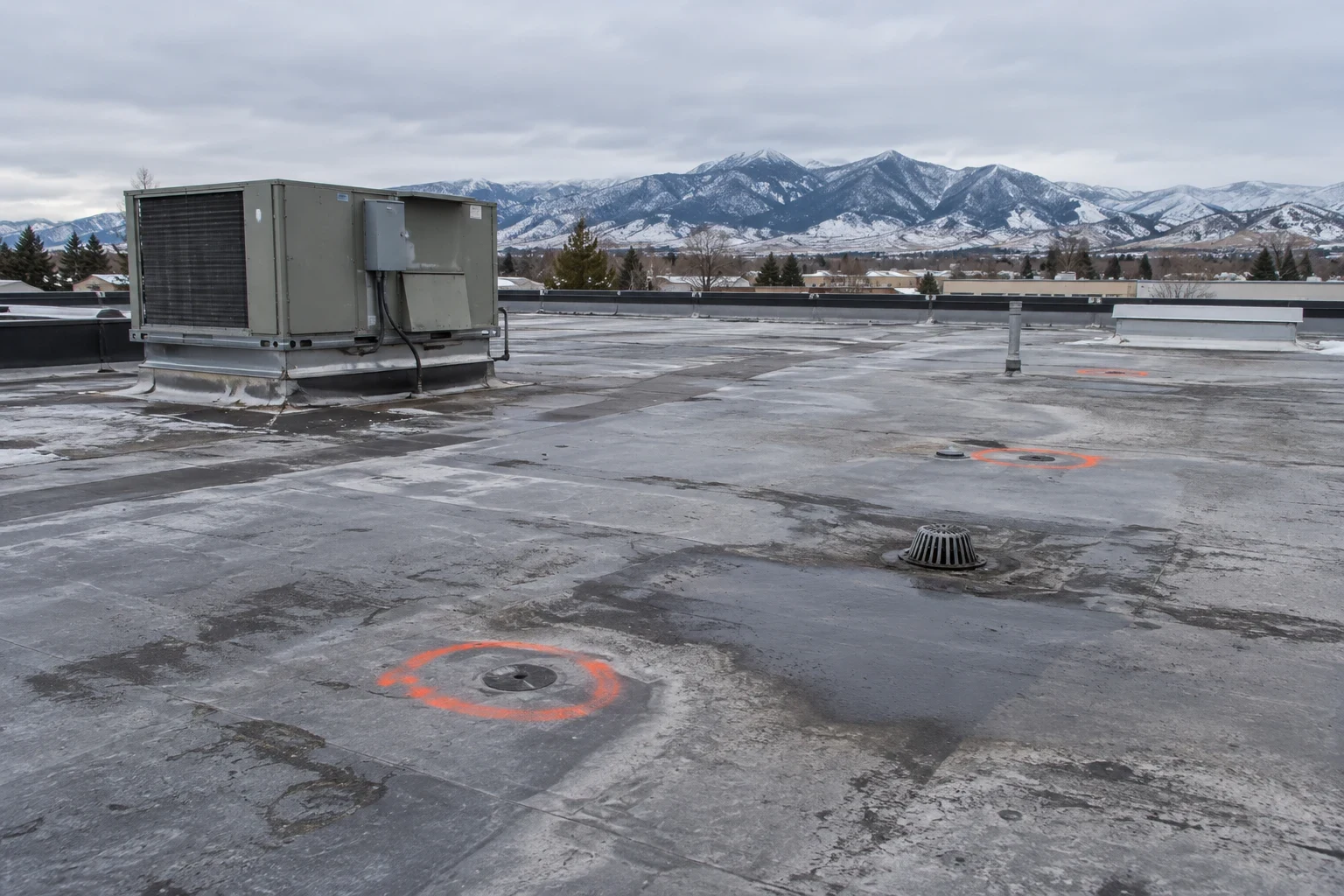
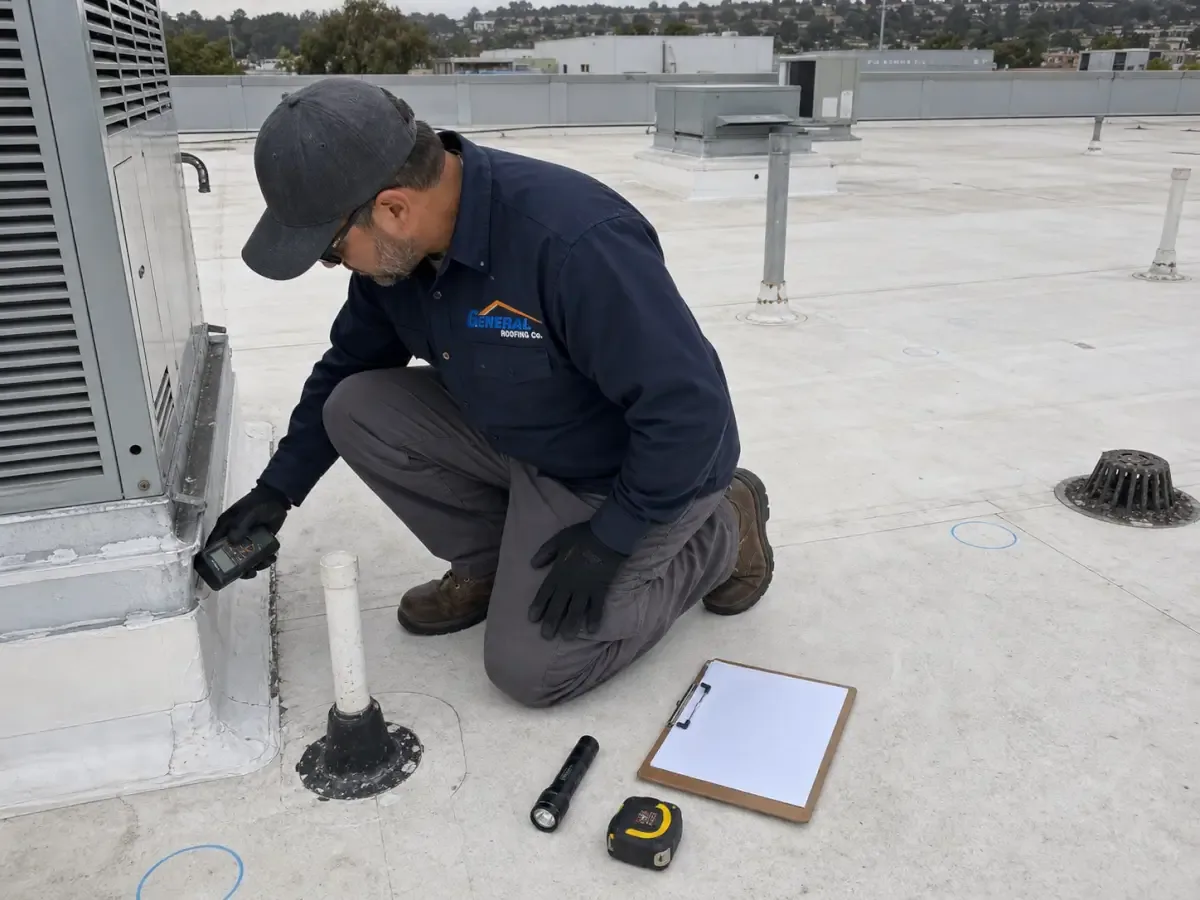
Five things matter before a purchase: what the roof is made of, how old it is, whether the insulation is dry, what repairs have been made and how much life is left. A seller's disclosure may cover the first two. The last three need someone on the roof. Our due diligence roof surveys are built for the time window of an acquisition, with a measured plan, photographs, core cuts at representative spots and a short written opinion of remaining life.
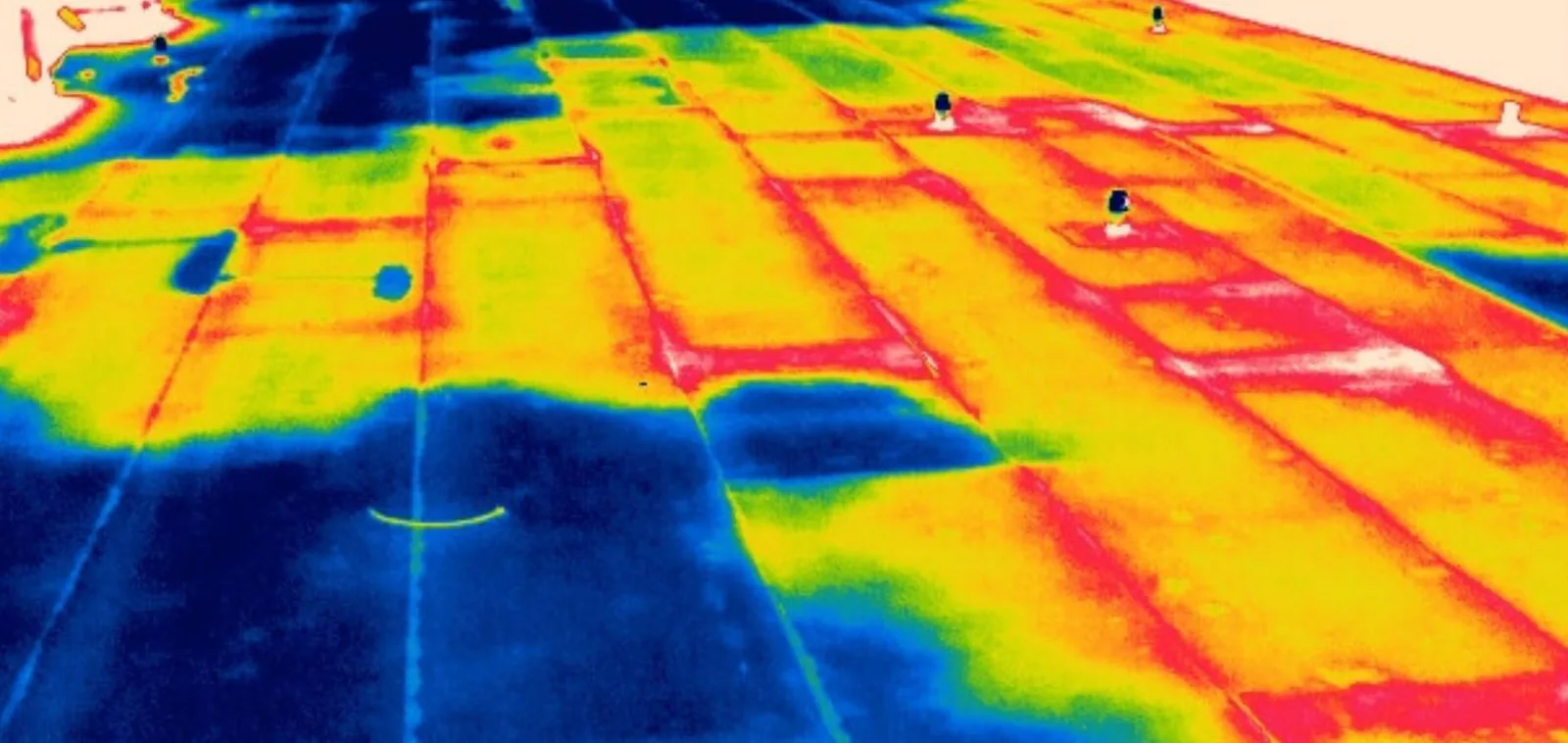
An infrared moisture survey run on a cool evening shows wet zones that a daytime walk misses. On a building with a quiet roof history, a clean scan is useful evidence. On a building with trapped water, the scan gives a buyer a basis for a price adjustment or a credit. Either result is better than discovering it in the first winter of ownership, when the roof is the tenants' problem and the owner's expense.
Time is the constraint on a purchase. A diligence period is short, and a roof walk has to fit between the inspection of the structure and the lender's deadline. We schedule the walk early, read the core cuts the same day and send a plain summary within the window, so the deal team is not waiting on a roof opinion while other items close. When access is limited by snow, the scan and the walk wait for a safe day, and the report says what could not be seen.
Which Bozeman asset types carry the most roof risk?
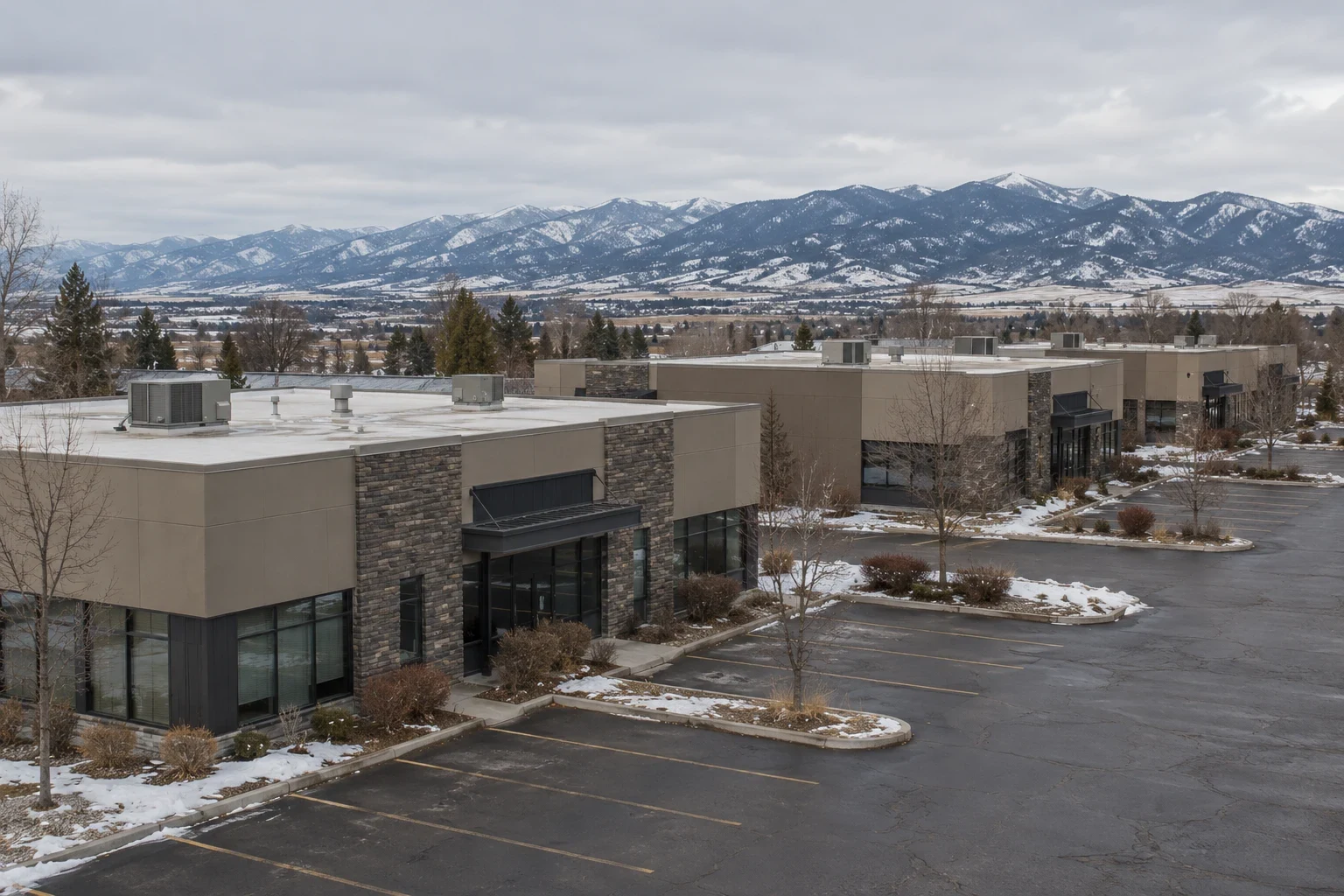
Retail on the North 19th Avenue corridor is the most visible: large flat roofs, many rooftop units, a drift behind every parapet and tenants who add equipment. The corridor draws about 37,160 vehicles a day and is zoned for commercial businesses, which is why a roof problem that empties a space matters there. Industrial and flex buildings near Belgrade and the airport have simpler roofs but a lot of area per tenant.
Historic downtown buildings, in the Bozeman Brewery and Cooper Park historic districts, are often older masonry with flat roofs, parapets and drains. Midtown is changing, with a large mixed-use building planned, and new construction tends to carry its early problems in the details, not the field. The new commercial parcel at the North 19th and Valley Center Road interchange, rezoned from industrial to commercial, is planned to add two commercial buildings.
How does a roof plan fit a hold period?
A hold period is a calendar, and a roof is a clock. If a roof has twelve years left and the hold is seven, the maintenance plan is what keeps value for the next buyer. If a roof has three years left and the hold is seven, the owner is choosing between a mid-hold replacement and a credit at sale. I write each building's plan with those decisions in mind: when to repair, when to coat, when to recover and when to replace.
Our roof asset management work puts each building on a calendar with a condition rating and a recommended action by year. The capital plan spreads cost so no single year takes it all. For a portfolio with several buildings, the multi-site program gives one set of standards, one reporting format and a single point of contact. Owners who hold a mix of retail, flex and office space get a better outcome from one program than from separate call-outs, because the same crew learns each roof, and a repair on one building informs the next visit to another.
What does the climate do to the hold calculation?
Bozeman logs roughly 54 snowy days and 91 inches a year, and its record low is minus 46. Designers work to the 2021 IBC, which sets a 50 psf ground snow load for the city alongside a 110 mph basic wind speed. A roof built to those numbers can still be damaged by a drifted pack that stays for weeks, or by gusts that lift an edge.
Hail is the other swing. The June 30, 2010 storms put golf-ball stones on Bozeman for about thirty minutes and baseball-size ones east of Gallatin Field, and August 2013 brought gusts of 89 mph and more golf-ball hail to Belgrade and north Bozeman. Given that record, an investor should plan for hail in a ten-year hold and know what the policy covers. Dated condition photos, taken before a storm, support a claim afterward, and our insurance claim documentation work organizes them.
What helps a roof read well at sale?
A buyer's inspector will ask for the same file the owner ought to keep: roof age, system type, repair log, moisture scan, photos, drain log and any manufacturer paperwork. A tidy file ends many questions before they start. A thin one invites a credit request. Condition reports with a clear rating and a short summary of remaining life are the document a buyer's lender reads. Keep the invoices for every repair, and keep the photos from every inspection in date order. When a buyer sees three years of dry scans and a drain log with clean entries, the roof stops being a negotiating point and becomes a closed item.
Owners with lease obligations should also read their leases for who repairs the roof. A triple-net tenant may owe the cost, but the owner still carries the structure. A multi-tenant owner who manages through a property management company should share the roof file with that manager. Owners of logistics assets face the same questions at a larger scale, as logistics and 3PL operators do.
Questions About Real Estate Investors and REITs
Is a drone inspection enough for a purchase decision?
A drone gives a quick look at the surface and the edges, and it is a good start. It cannot tell whether the insulation is wet or how thick the membrane is. For a purchase, add an infrared scan and a few core cuts, and have someone walk the roof.
How should a buyer treat wet insulation found during due diligence?
Price it. Wet insulation must come out, and the cost depends on the area and the depth of the wet zone. We map the wet area and give a quantity so the buyer can negotiate a credit or set a reserve.
What does a reserve study need from the roof side?
A list of roofs by area, type and age, a condition rating, a recommended action and a year. We provide it in a format a reserve analyst can drop into the study, with notes on the assumptions behind each year.
Do hail years change the underwriting?
They can. A building hit by hail may have hidden bruising that shortens the roof's life. A scan and a walk after a storm separate real damage from age. Without that, a buyer inherits the question.